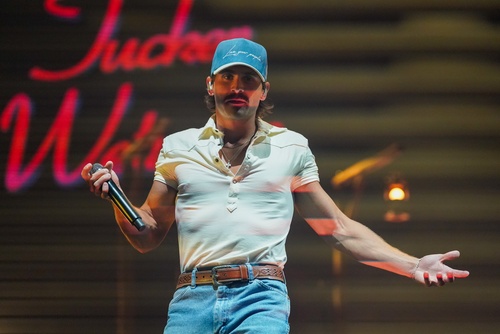
Tucker Wetmore is an American country singer-songwriter from Kalama, Washington, whose rise came quickly after years spent balancing music with athletics. He grew up around gospel music, reggae at family gatherings, and the soft rock of artists such as the Eagles, Jim Croce, and Billy Joel. Wetmore began learning piano when he was 11, but sports soon became his main focus. A college football injury eventually changed that path and pushed him back toward music. After returning home to Washington, Wetmore began writing songs seriously and moved to Nashville in 2020 to pursue a career as a songwriter and performer.
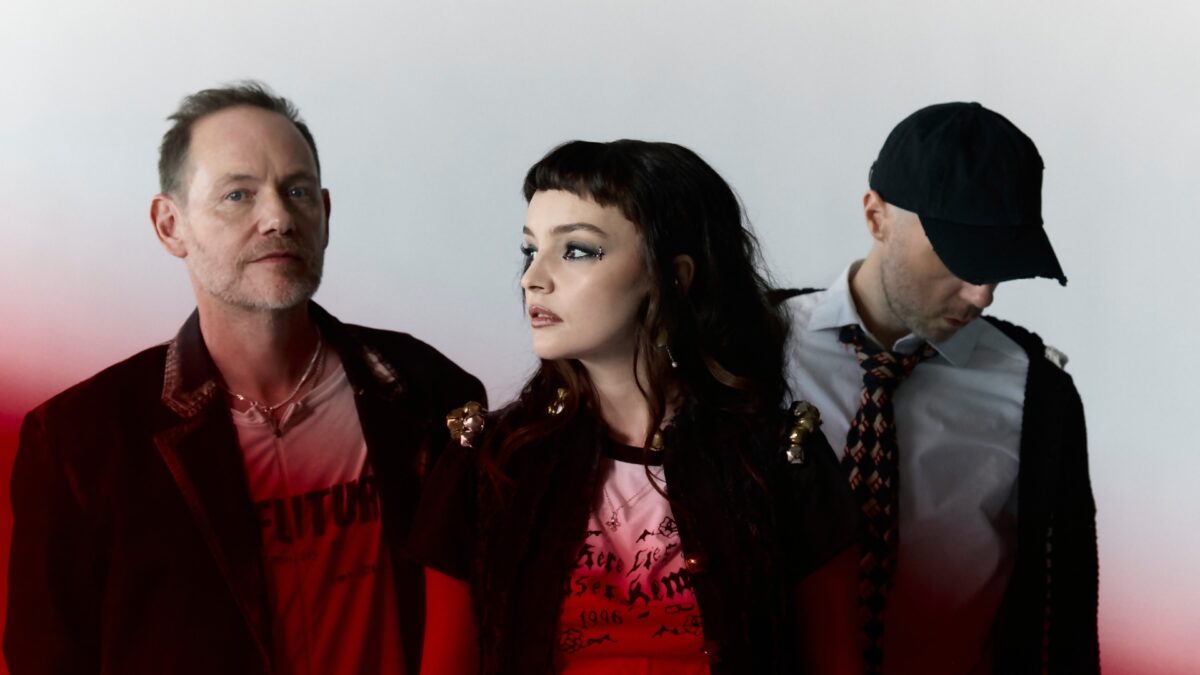
CHVRCHES are back with a new track and a first taste of their new era in the form of ‘Roses’.
The song is the first music from the band in three years, picking up where standalone track ‘Over’ left off, and finds them in dramatic form. Taking pieces of a classic nursery rhyme and forcing them through a spiralling melody and sentiment, it’s a track that pulls on the beauty that has always defined their sound whilst throwing in new layers of tension and tenacity.
Serving as a takedown of the current societal norms that are plaguing Britain, it’s a sign that the trio aren’t looking to hold back in sharing their feelings on the state of things.
Vocalist Lauren Mayberry had this to say about it:
“This is the longest break we had ever taken between albums and when we got together to write new music, we wanted to really push ourselves and not be retreading ground we’d walked before. I really think we achieved that. It feels like the most coherent vision we’ve had as a band. We’re excited to be back…”
If that wasn’t enough, CHVRCHES are also set to play a pair of intimate shows in London and Glasgow next month. You can sign up for the ballot to be in with a chance of securing tickets right here.
Queen of the Ashes is a fierce female-driven pop-rock anthem about resilience, reinvention, and refusing to be defined by the past. Blending modern rock energy with cinematic pop and rebellious attitude, the song transforms pain into power through explosive hooks, gritty vocals, and unapologetic storytelling. It’s an anthem for anyone who’s ever rebuilt their life […]
Walter Venniro returns with his latest single, No Need To Worry, a powerful release that further defines his distinctive blend of alternative rock, grunge, and modern guitar-driven music. Built around raw guitar riffs, dynamic rhythms, and an uncompromising production, No Need To Worry explores resilience in the face of uncertainty. Rather than offering easy answers, […]
Retro Modern Records announces the release of Till Death Parts Us, the sophomore album from Miami melodic metalcore act Beyond Disdain. The 18-track record is available now on all platforms, with Long Way Home serving as its focus track. Till Death Parts Us follows Beyond Disdain’s self-titled debut, released in November 2025. That album included […]
LUNA KILLS are back with “supervillain,” a fierce new single that turns apocalyptic imagery into a sharp metaphor for ego, influence, and the destructive forces certain people can unleash around them. The single follows the band’s previous release, “LOWER,” which was released earlier this year via Sharptone Records, continuing the momentum established with DEATHMATCH (2025).
The new track arrives after a standout summer for the Finnish band, who brought their explosive live show to some of Europe’s most prominent festivals, including Wacken Open Air, Alcatraz, Summer Breeze, Provinssi, Radar and Reload. With an ever-growing live presence and more shows on the horizon, LUNA KILLS are carrying that momentum straight into their next chapter with Bloodstock 2027 already confirmed as part of what lies ahead.
At the heart of “supervillain” is the image of a sun going supernova: something immense and powerful that ultimately destroys itself, while leaving devastation in its wake.
“The lyrics depict our sun going supernova, and it serves as a metaphor of a certain type of people that suck the air out of the spaces they inhabit” said vocalist Lotta “As their influence and power rises along their ego it will lead up to their inevitable fall which might have terrible consequences for others around them.”
LUNA KILLS have added a fresh run of dates to their 2026 tour schedule, with major festival appearances, headline shows and support slots taking them across Europe. The band will also join Future Palace for select dates, further expanding an already packed year of live activity.
Last month, progressive trailblazers Enslaved officially announced their forthcoming studio album, Mið, set for release on October 30 via Nuclear Blast Records. Throughout their 35-year journey, across 17 albums, the Norwegian vanguard have continually redefined the boundaries of progressive black metal, weaving Old Norse histories and sacred traditions into complex modern soundscapes. With their latest […]
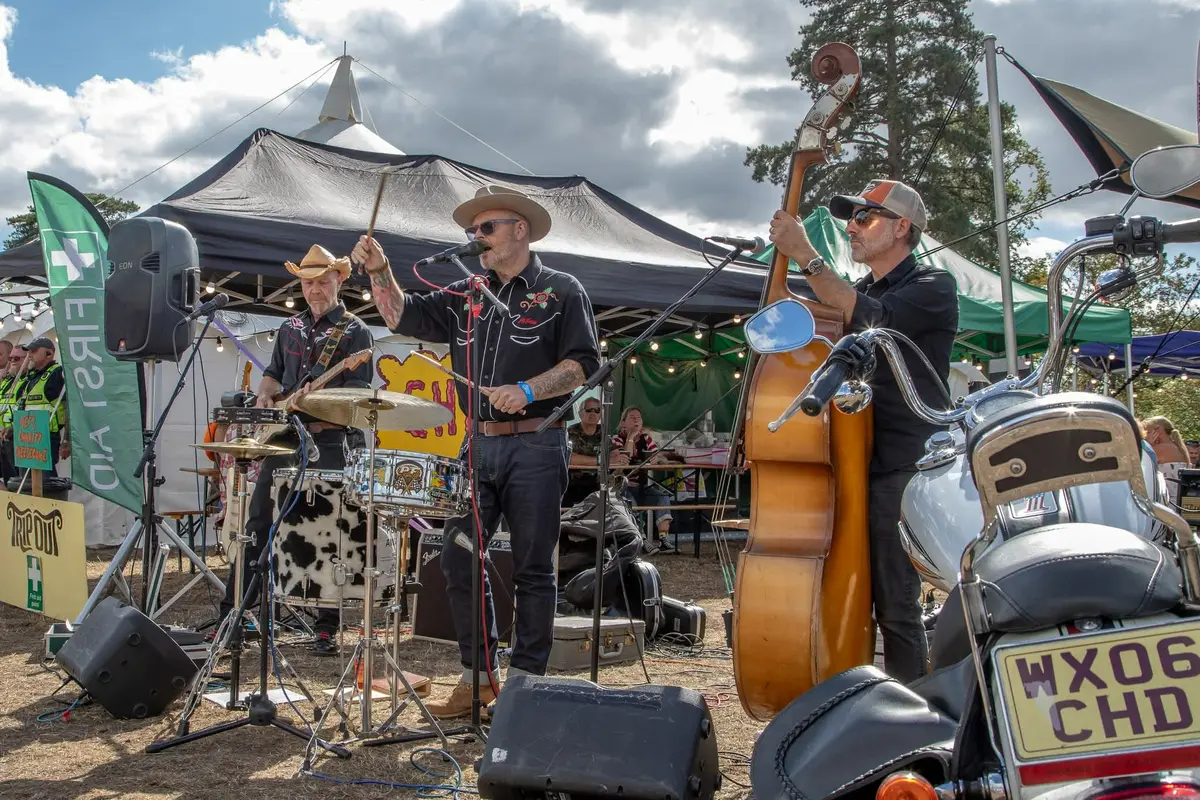
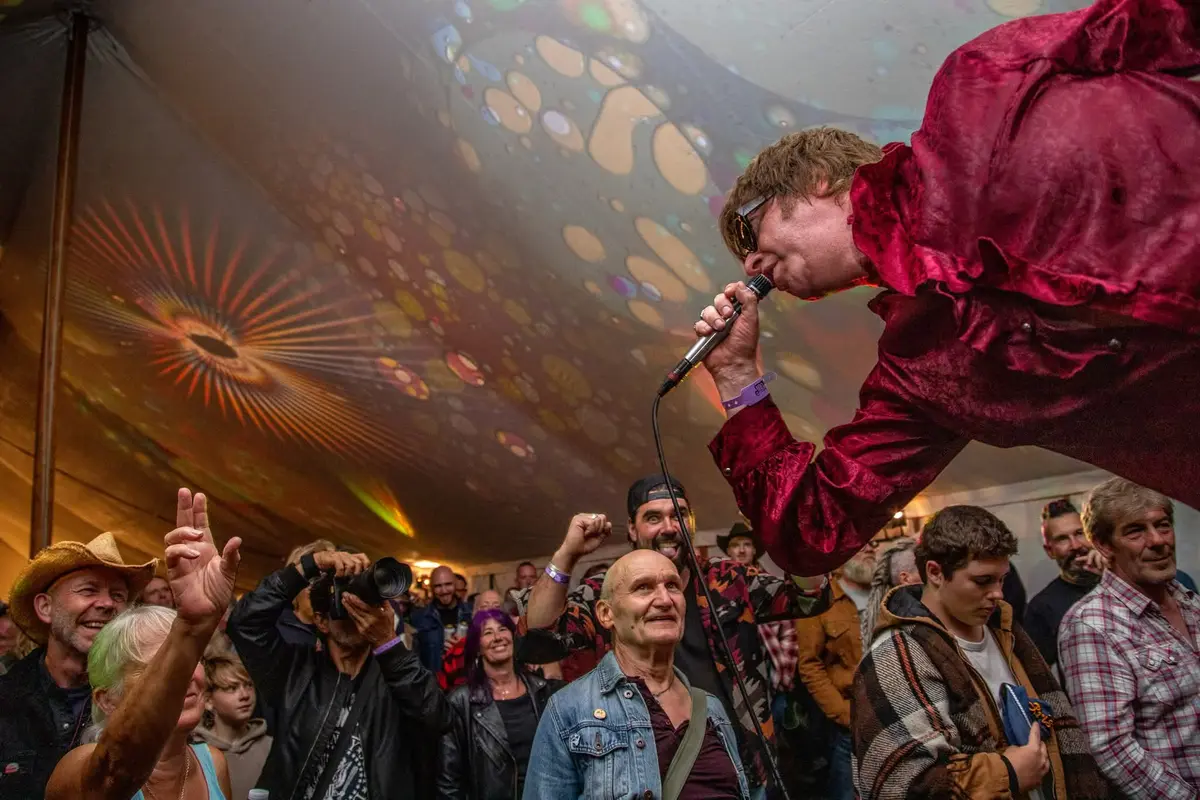
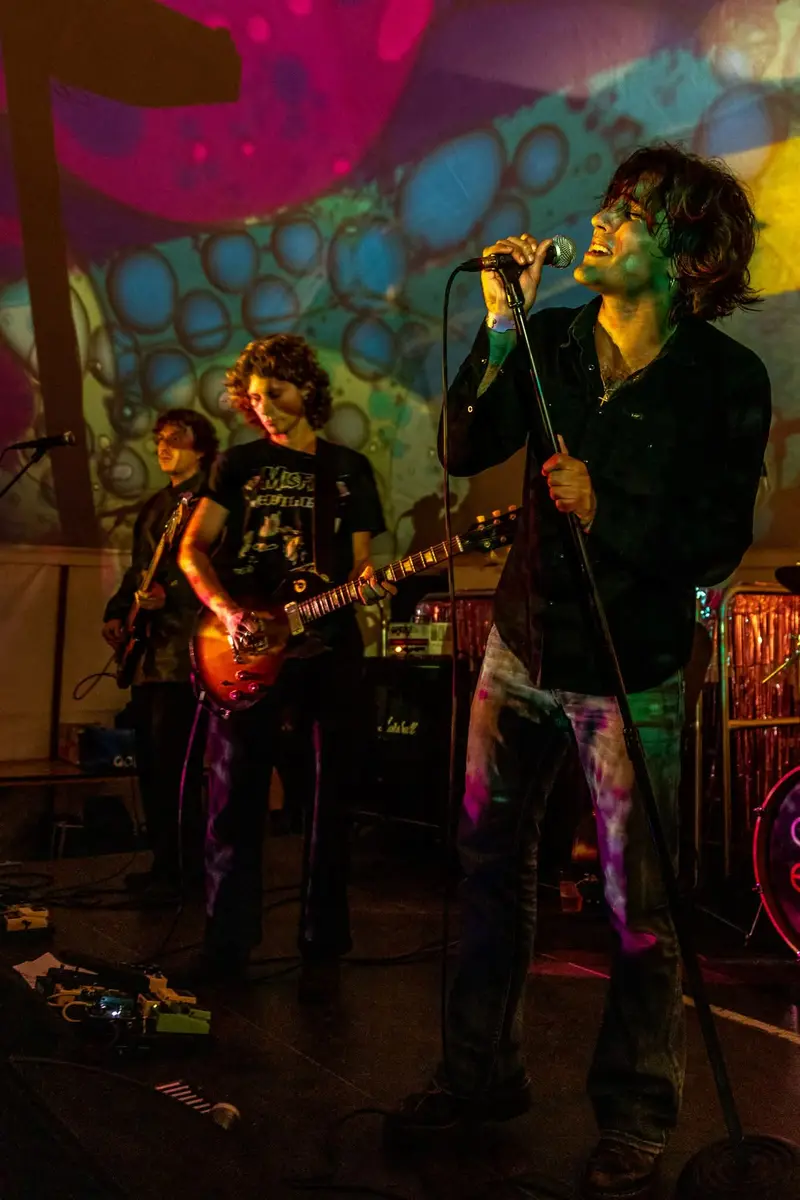
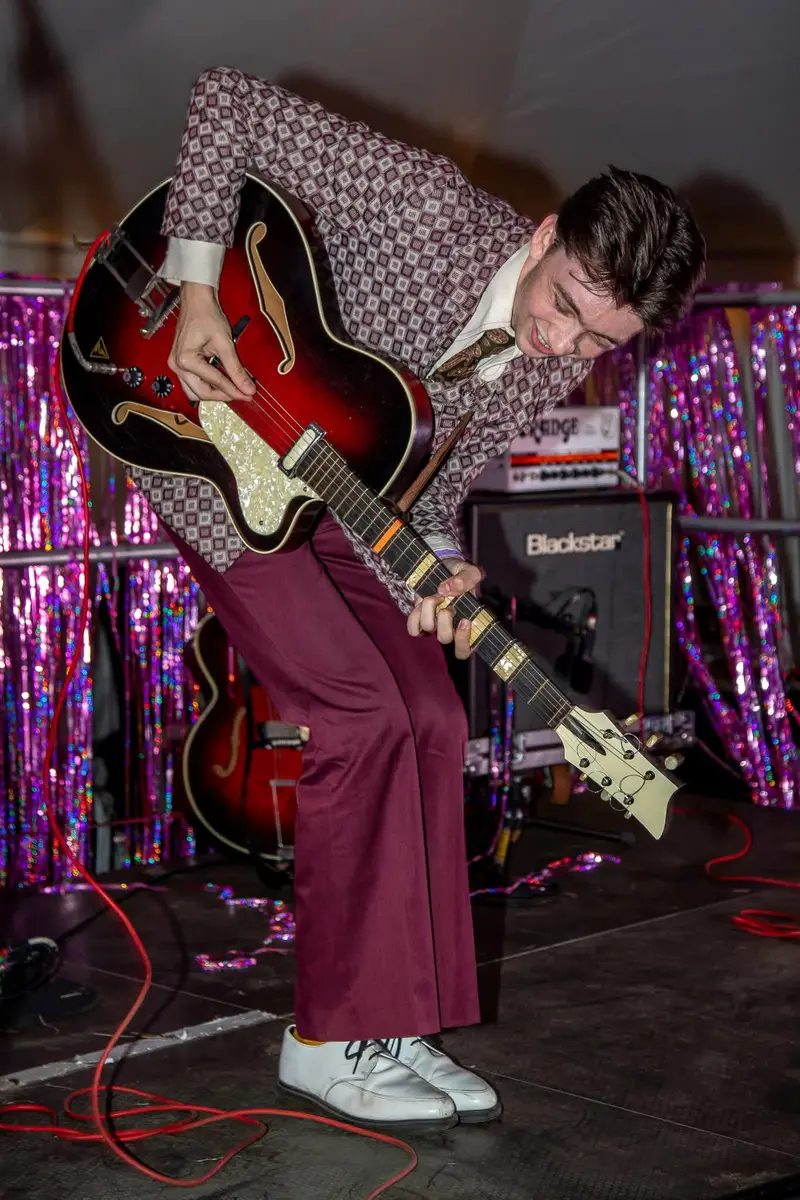
A kaleidoscope of colours, synced and scattered, transcends into a psychedelic gathering. In the distance, you can hear the beat of Born To Be Wild and laughter as people pitch their tents. The deep rumble of motorbike engines gives way to sudden ‘pop-pops’, then steady vibrations in your chest. Heading into Euston Park, Suffolk, soundwaves and smiles await as you are immersed in a cosmic sanctuary of love and peace. Welcome to The Trip Out Festival.
Every September, a community of bike, music, food and festival lovers congregates in a world where you feel transported to the middle of California in the 1960s.
The Trip Out Festival at Euston Park, Suffolk. September 2026. Photo: The Trip Out
With a capacity for simply good people, approximately 1,500 to 2,500 rock ‘n’ roll lovers, biking connoisseurs, and festival-loving souls attend The Trip Out Festival each year. The biker community has existed since the 1950s, congregating at the iconic Ace Café in London.
Today, it remains an epicentre for bikers and rock ‘n’ roll lovers to meet before heading out on the road. Whether it’s a road trip or a meet at The Trip Out, this community immerse themselves in vintage bikes, loud music, and people they see as family.
The Trip Out Festival at Euston Park, Suffolk. September 2026. Photo: The Trip Out
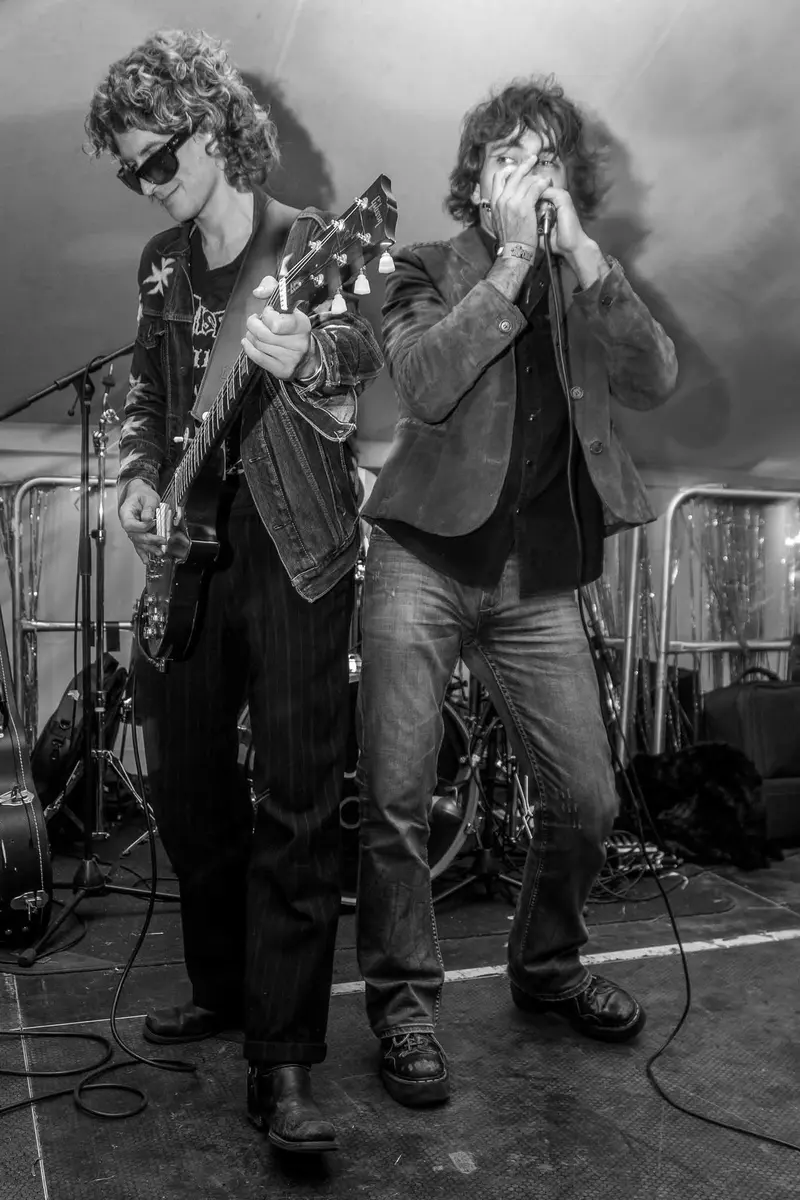
Every year, founders and real-life partners, Andy and Anna Porter, invite Trip Out goers to return to this haven. The couple put in a huge amount of work, including carefully choosing and booking some of the best bluegrass, punk, folk and good old-fashioned rock ‘n’ roll bands to entertain the crowd.
Opening in 2012, Andy and Anna shared a love of hot rods, choppers, rock ‘n’ roll, and a passionate idea to bring an intimate Woodstock ’69 to life in the UK.
A sea of bikes fills the field, from Electra Glides to hand-built choppers to the classic FXS. There is a bike for everyone born in a certain era. Most importantly, everyone shares the same values and holds one another in real respect. No judgments, and a real sense of belonging.
The Trip Out Festival at Euston Park, Suffolk. September 2026. Photo: The Trip Out
Intimate pop-ups, from Jon at the merch tent to the cosy chill-out area, make it easy to talk to people and recognise familiar faces over the weekend.
Volunteers and staff know regular attendees by name, making everyone feel safe and welcome. The Black Jacket catering team, who organise the beers and liqueurs, are always on hand. You can easily meet emerging artists, local vendors, and organisers, all with a warm, friendly face.
From Easy Tiger Vintage clothing to Pedro Parts, which sells motorbike parts and leatherwear, there is something for everyone with an old soul and a love of beer, bikes, and boogieing down to old-school rock ‘n’ roll.
The Trip Out Festival at Euston Park, Suffolk. September 2026. Photo: The Trip Out
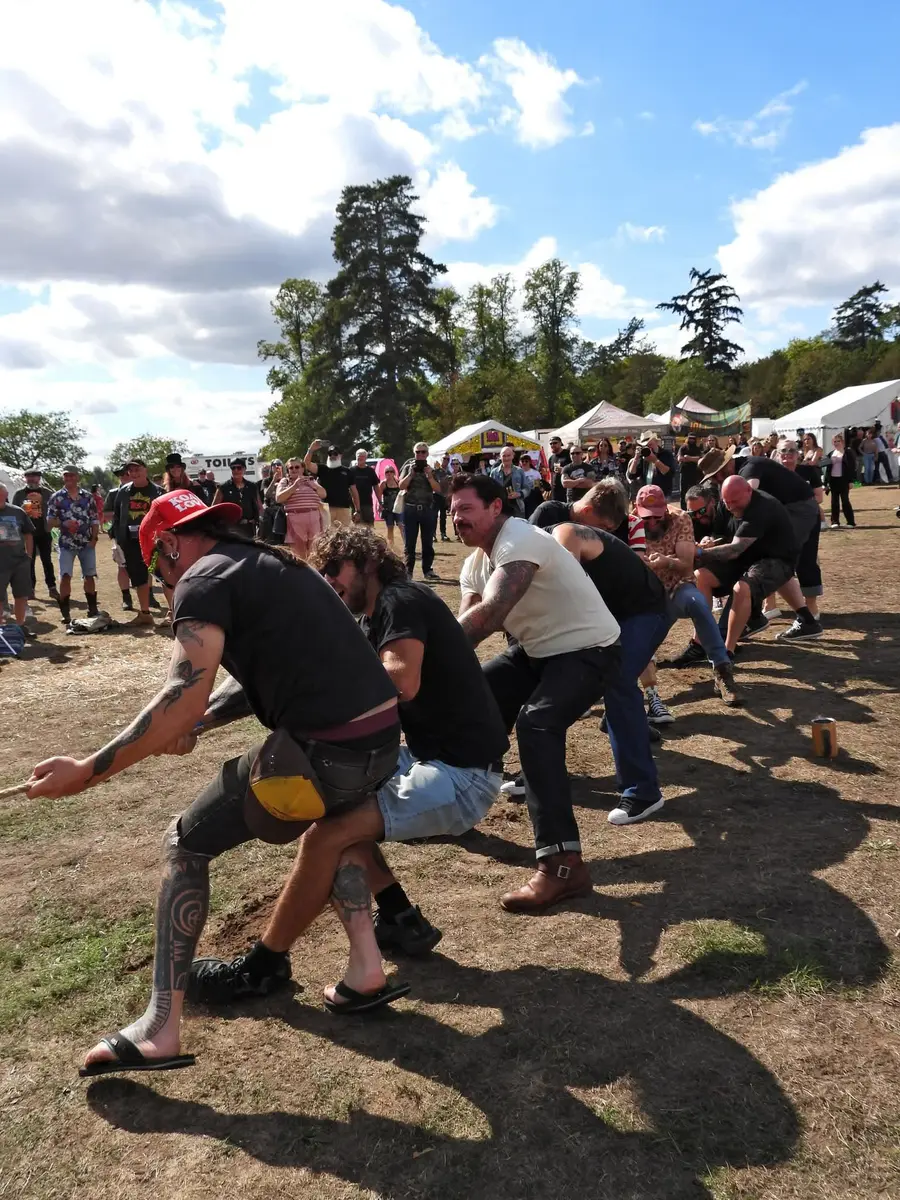
On Saturday, the pie-eating contest, ride the plank, and The Weenie Bite Biker game take place. Crowds gather around, and cheers roar. There is a real sense of closeness, even with the number of people there. Married couple Andy and Anna host the games and the build-your-bike competition.
It is evident that every single individual at Trip Out has the utmost respect and love for this couple. Both Anna and Andy are magnetic, and with Andy’s leadership and showmanship, everyone congregates and listens to what he has to say, every time.
The Trip Out Festival at Euston Park, Suffolk. September 2026. Photo: The Trip Out
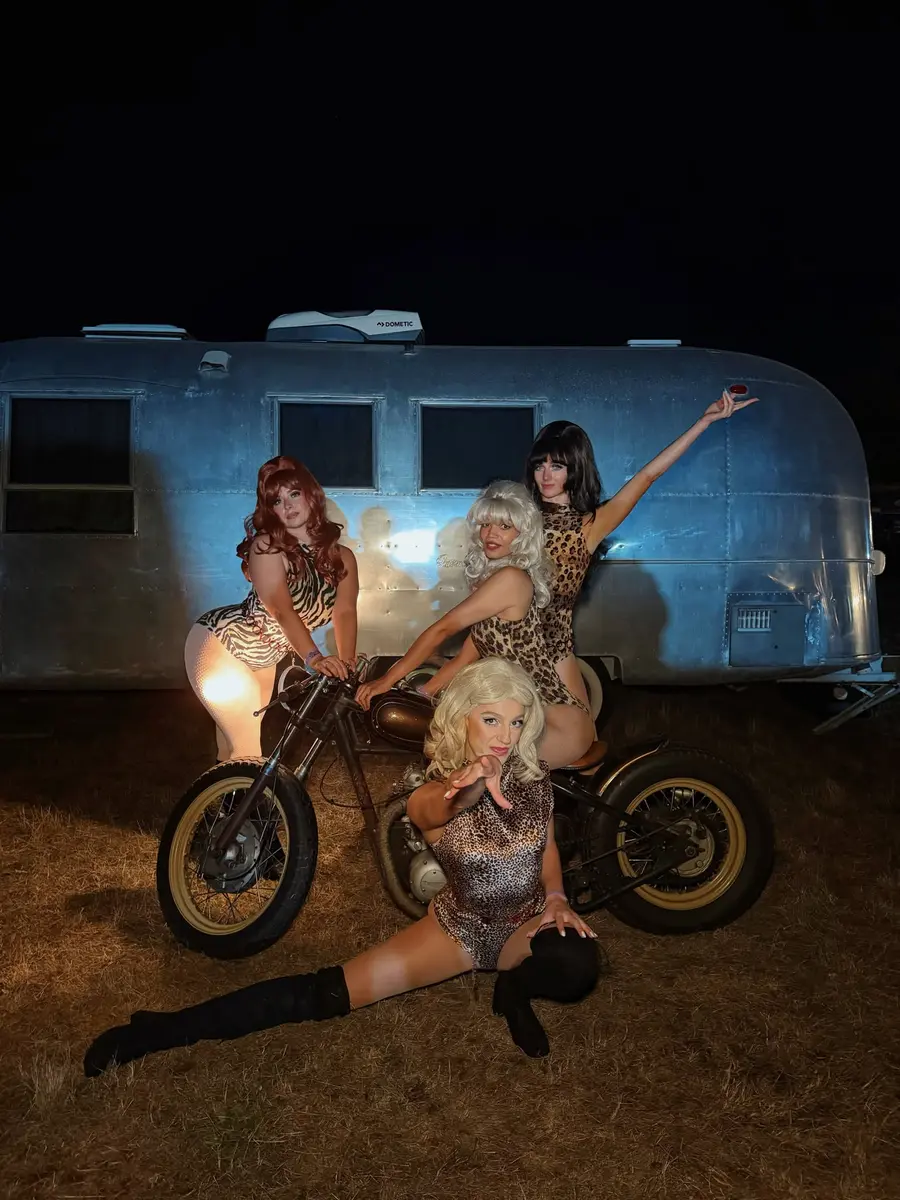
When the sun goes down behind the tall trees, the evening really gets moving and shaking. This year, the bluegrass/punk band The Cain Pit headlined alongside the beautiful Meyer dancers. The girls perform every year, grooving to the beat with a shimmy and a shake in their hips, wearing white platform boots and beehive hair.
Mustangs and Harley-Davidsons surround the old-school rock music, integrating everyone into a warm, sonic psychedelic movement.
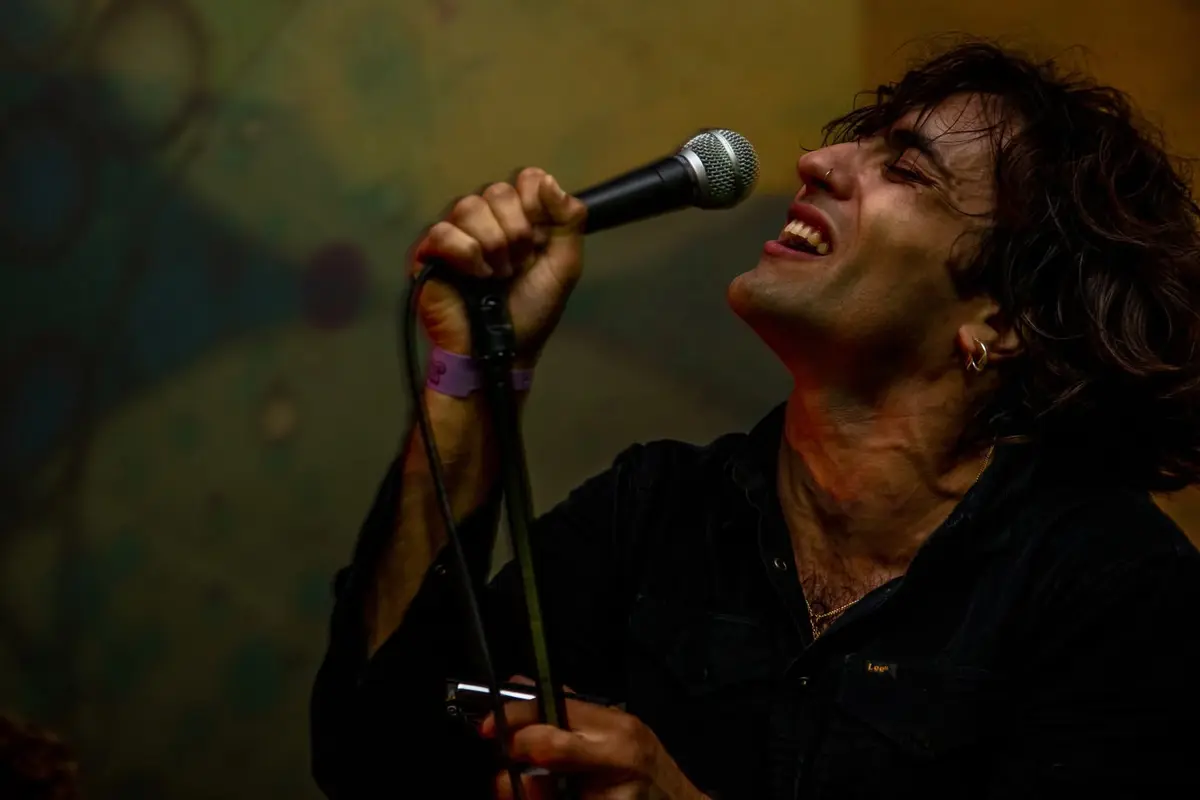
Rockabilly, garage punk rock, and psych rock make the lineup of bands each year a real treat. Further back into the field, nestled among taller trees and fairy lights, a smaller tent holds DJs who lay down the old-school classics from Creedence Clearwater to Tina Turner.
The Trip Out Festival at Euston Park, Suffolk. September 2026. Photo: The Trip Out
For two nights, everyone escapes into a faraway world. For those special 48 hours, this colourful creation of festivalgoers is a non-stop, friendly Woodstock of pleasure.
So, join the fun next year, turn on, tune in, and trip out! Tickets for The Trip Out Festival 2027 at Euston Park, Suffolk, will soon be available at thetripout.co.uk.
The Trip Out Festival at Euston Park, Suffolk. September 2026. Photo: The Trip Out
The Trip Out Festival at Euston Park, Suffolk. September 2026. Photo: The Trip Out
 Queen of the Ashes is a fierce female-driven pop-rock anthem about resilience, reinvention, and refusing to be defined by the past. Blending modern rock energy with cinematic pop and rebellious attitude, the song transforms pain into power through explosive hooks, gritty vocals, and unapologetic storytelling. It’s an anthem for anyone who’s ever rebuilt their life […]
 Walter Venniro returns with his latest single, No Need To Worry, a powerful release that further defines his distinctive blend of alternative rock, grunge, and modern guitar-driven music. Built around raw guitar riffs, dynamic rhythms, and an uncompromising production, No Need To Worry explores resilience in the face of uncertainty. Rather than offering easy answers, […]
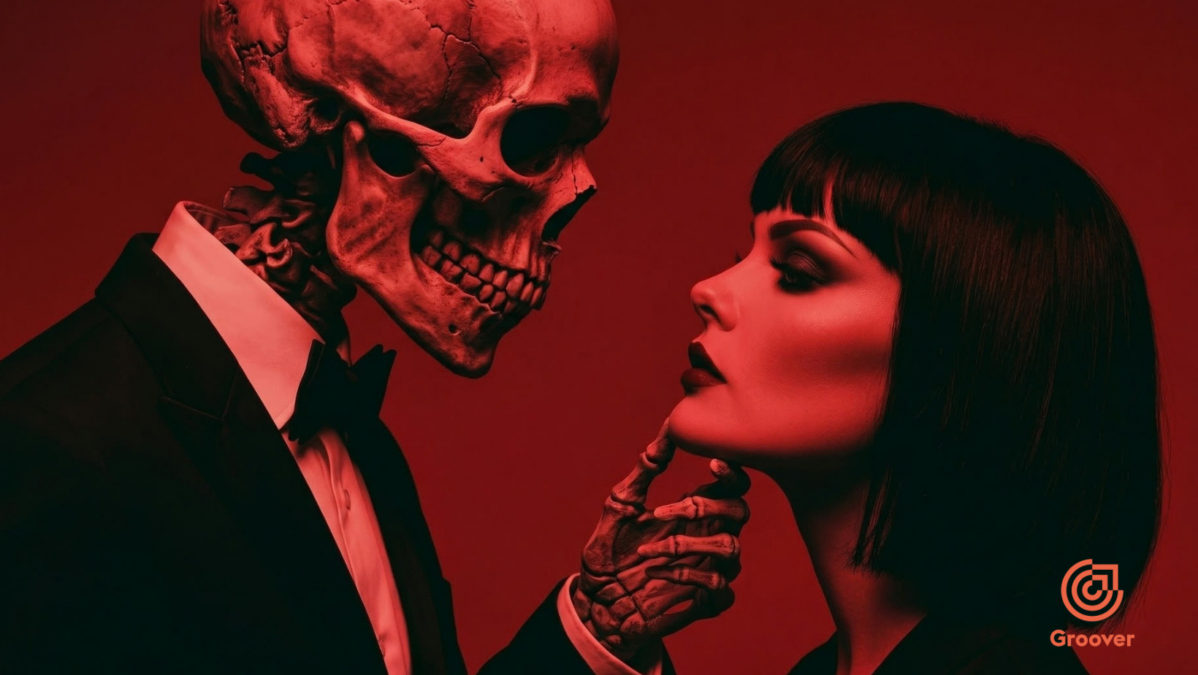 Retro Modern Records announces the release of Till Death Parts Us, the sophomore album from Miami melodic metalcore act Beyond Disdain. The 18-track record is available now on all platforms, with Long Way Home serving as its focus track. Till Death Parts Us follows Beyond Disdain’s self-titled debut, released in November 2025. That album included […]
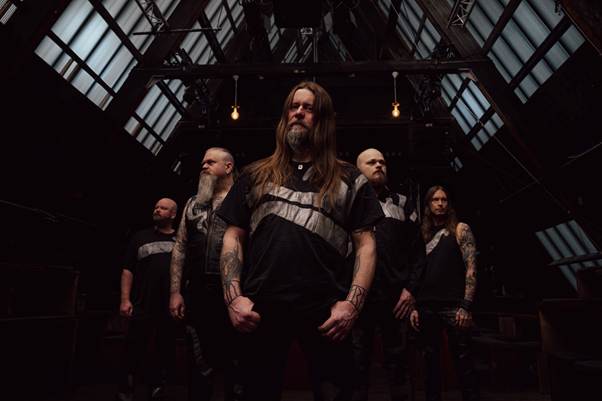 Last month, progressive trailblazers Enslaved officially announced their forthcoming studio album, Mið, set for release on October 30 via Nuclear Blast Records. Throughout their 35-year journey, across 17 albums, the Norwegian vanguard have continually redefined the boundaries of progressive black metal, weaving Old Norse histories and sacred traditions into complex modern soundscapes. With their latest […]