Pye Dubois, the Canadian lyricist and poet most famous for his work with Rush and Max Webster, and later with Max Webster frontman Kim Mitchell, has died at the age of 77.
The news was broken in an obituary published by the Smith Funeral Home and Family Centre in Sarnia, Ontario. “Pye was a true Canadian Icon,” the notice read. “A gifted writer, artist, lyricist, and poet, he was inducted into the Canadian Songwriters Hall of Fame in 2021.”
“It’s been an unbelievably tragic year for Max Webster founder Kim Mitchell and all those who knew that band personally,” Rush wrote on social media. “In late February, Max keyboardist Terry Watkinson passed away, and now, a mere seven days after the death of drummer Gary McCracken, news has reached us that Max Webster lyricist Pye Dubois has suddenly left the planet.
“For those who aren’t aware, over a span of 20 years, Pye and Neil collaborated on the lyrics for four Rush songs: Tom Sawyer, Force 10, Between Sun And Moon, and Test For Echo. We send our most heartfelt sympathies to the bandmates, friends and families of those three stellar musicians. RIP boys.”
Dubois, born Paul Woods, was raised in Sarnia and joined childhood friend Kim Mitchell as a lyric-writing, honorary member of the fledgling Max Webster in 1972. Airing their skewed hard rock and prog on the local bar circuit, the band soon hit on their classic line-up, which comprised Mitchell and Dubois alongside keyboard player Terry Watkinson, drummer Gary McCracken and bassist Mike Tilka (later replaced by Dave Myles).
“Our lyrics were rarely stories,” Mitchell told Classic Rock. “Pye would just jam with the English language in this amazing way, painting pictures. I said to him one time: ‘Pye, where are you getting all this stuff?’ He said: ‘You just have to listen really well. People are saying these things.’ I was like: ‘They are? Really?'”
Mitchell contributed lyrics to all five Max Webster albums, from their self-titled 1976 debut to 1980’s Universal Juveniles, which featured Rush on the Mitchell/Dubois-written epic Battle Scar. At the recording studio, Dubois asked Rush if they might be interested in using some of his words, and the lyric he presented them with, titled Louis The Lawyer, was later reworked for Tom Sawyer, the much-celebrated opening track on Moving Pictures.
“His original lyrics were kind of a portrait of a modern-day rebel, a free-spirited individualist striding through the world wide-eyed and purposeful,” wrote Peart, in Rush’s Backstage Club newsletter. “I added the themes of reconciling the boy and man in myself, and the difference between what people are and what others perceive them to be – namely me, I guess.”
After Max Webster broke up in 1981, Dubois continued working with Mitchell and co-wrote three of his first four solo albums, but the pair stopped working together after falling out during Max Webster’s reunion tour in 1995.
In 2021, Mitchell and Dubois were inducted into The Canadian Songwriter’s Hall Of Fame, but Mitchell attended the small, COVID-postponed ceremony alone. “They told me Pye was invited, but he didn’t show,” Mitchell told Classic Rock. “In fact, he didn’t even respond. I haven’t seen him since the reunion tour.”
“Rest in peace, lyricist/friend/writing partner Pye Dubois,” he wrote on social media as the news of his former bandmate’s death broke. “You sure knew how to jam with the English language!”
After saying To Hell With You, taking off down Satan’s Highway, and Running Wild, Melbourne metal vocalist Kat Wilder returns with Rise Up, the title track to her forthcoming album. “Rise Up is about about rebuilding yourself after someone has tried to destroy you,” Kat says, “it’s about remembering who you are after the chaos […]
Europe have proven time and again that they are much more than just “The Final Countdown.” Before their commercial breakthrough, the band had already released two strong albums, and since their reunion in 2003, they have continued to put out records that show just how much creative ground they can cover. Still, it has been… Continue Reading →
Cullen and Mason chat with Milam Byers and Sam Barnhart about Bleach’s comeback as a band, their legacy and new album, and the reflections on being a Christian band. Check out Bleach, become a supporter of this podcast and listen on Apple Podcasts, Spotify, and Spreaker. You can also follow us on Instagram and subscribe on YouTube.
The 40th anniversary of the ARIA Awards is set to be a night to remember, as the 2026 ARIA Awards in partnership with Spotify brings together a group of nominees that celebrate artists across four decades in Australian music alongside today’s biggest stars and the most exciting faces of the future. Leading the field are […]
Get ready to unleash the fury as Dark Down South III returns to Kirup this November 21 and 22, bringing two days of relentless metal mayhem to Western Australia’s South West. From Friday through Saturday, Jim McDonald Oval will once again transform into a haven for metalheads, showcasing a lineup that cuts across the full […]
The explosive electronic-metalcore duo WARGASM have released their latest single. From the creators of spit comes Swallow – a song posed to make you drink, fuck, fight, and love all in the space of 3 minutes and 2 seconds. Born in a dive bar destined for mainstream radio. Soon to be wargasms most played song, […]
Sydney melodic death metal outfit Besomora return with their second EP, Devotion to the Fear, a powerful five-track release that sees the band pushing their melodic death metal foundations into heavier, darker and more modern territory. Exploring themes of fear, anxiety, inner conflict and resilience, the EP combines crushing 9-string guitar work, aggressive low-tuned riffs […]
Dreading the four steps up and over to where we ran
I reached the viewing point and I sit here watching and waiting
But then sometimes life’s unkind
Boston’s GOSSIP COLLAR makes post-punk as though somebody locked Ladytron in an abandoned theater with a deathrock band, a stack of Killing Joke records, several reels of damaged fairy-tale film, and instructions that nobody gets out until dawn. Somewhere behind the electronic throb and serrated guitar on their latest offering, the EATEN OF WORMS LP, there is also the emotional breadth of the Chameleons, a little Breeders crookedness, and that marvelous early-goth conviction on bass guitar.
The band began with best friends playing and dancing in a dark Boston basement at the tail end of the pandemic, drawing together members of The Showcase Showdown, Spitzz, and Secret Hearts. They describe this incarnation as their “dark punk chapter,” which sounds about right, though “chapter” seems almost too civilized for music filled with drowning sailors, torn bodies, predatory birds, collapsing circuses, religious dread, and people standing beside freezing seas wondering precisely when existence developed such a personal vendetta.
There are obvious ancestral spirits here: Xmal Deutschland, Parálisis Permanente, early Siouxsie and the Banshees, the strange congregation that gathered around the London Batcave when punk discovered it could wear theatrical makeup without surrendering its teeth. They sound less interested in reconstructing 1982 than in asking what happens when those old poisons get poured into present-day arteries. Their live pedigree adds another clue. GOSSIP COLLAR have shared stages with The March Violets, Pink Turns Blue, Rendez-Vous, Haunt Me, House of Harm, Fotocrime, and Sympathy Flowers, placing them comfortably among bands for whom darkness still needs rhythm, muscle, and enough propulsion to keep bodies moving even while the songs are busy describing spiritual ruin.
Throughout the songs on EATEN OF WORMS, nature rarely provides comfort. Seas threaten to swallow people, birds wait for flesh, wolves pursue deer, plants cut skin, rain destroys, and the night contains forces that clearly have not received the memo about personal boundaries. GOSSIP COLLAR’s apocalyptic fairy tale grows out of this collision between childhood imagery and adult terror, where forests, animals, oceans, and old religious symbols have all turned slightly hostile. Edgar Froese once said, “There is no death, there is just a change of our cosmic address.” GOSSIP COLLAR sound perfectly capable of furnishing the house he moved into.
Disguise My Heart opens with a saxophone-like drone, its low complaint quickly overtaken by a deep, quick-moving bassline and drums that strike with the urgent physical force of Joy Division’s Love Will Tear Us Apart. The guitars pick out a cold, melodic figure before heavier layers gather around it, giving the song a density that makes the vocal seem to travel from somewhere beyond the instruments. Witchy and windblown, the voice calls through the mix with a banshee’s sense of occasion, stretching the distance between the rhythm section’s forward charge and the solitary figure waiting beside the Northern Sea. Freezing water, aching eyes, and blood threatening to turn cold give emotional injury a bodily presence; the guitars seem to press against the skin as insistently as the memories. Even as the drums push onward, the song remains fixed on that desolate stretch of coastline. Heartbreak becomes architectural here: eventually you stop carrying it around and simply move into it.
Scavengers follows with a sheet of cold guitar and an insistent bass throb, burying an unusually inviting melody several layers into the disturbance. When the arrangement briefly catches its breath, the bass leads the voice into view, exposing the sharp, declamatory cadence beneath its witchy inflections. There is an anarcho-punk edge to the delivery, a sense that these words are being hurled across a room even as the guitars make that room feel enormous. That force suits a song whose speaker lies broken, bleeding, and apparently available to whatever happens to be circling overhead. The hook keeps drawing the ear back through the commotion while memories collect like personal debris beside the body. Death may happen quickly, destruction takes its time, and the promise of resurrection supplies a final complication. Apparently even carrion birds are going to have to wait their turn.
A brief arc of distortion introduces Big Top Comes Crashing Down, followed by a jagged guitar figure that rings with the blunt insistence of a tolling bell. Once the drums and bass hit, the riff acquires a crooked melodic momentum, turning its initial severity into something almost indecently catchy. Above it, the vocal echoes with a thunderous breadth, making the performance feel much larger than the cramped emotional circumstances it describes. White greasepaint goes on, the smile gets rehearsed again, and another day disappears beneath the effort of remaining presentable. That circling guitar figure becomes an apt accompaniment to the work of doing it all again tomorrow. The image of someone maintaining the same expression for ten years on Exmouth Street carries the ugly comedy of a photograph that has outlived everybody’s patience. Keep smiling hard enough and sooner or later your face becomes part of the prison.
Haerisis gives the bass room to announce itself, opening with a thick, deliberate strut locked to the drumbeat. Sustained guitar tones spread above that steady march, and the clearer placement of the vocal lets its chanting insistence register more directly. The arrangement has a substantial physical weight, with dense guitar chords and more melodic lines carrying on around a groove that remains easy to follow through all the theological panic. Blood, broken bones, forbidden chalices, frozen streams, wolves, and deer crowd the lyrics, turning belief into a landscape where almost everything can injure you. The sustained tones lend those images a sense of scale, while the rhythm section keeps their violence close enough to feel. There is something particularly effective about the orderly tread beneath all this religious dread: the song advances with the certainty of a procession whose destination nobody has thought to question.
On Dead Thing, a heavy wash of guitar gives way to the splash and momentum of the drums, with the opening density settling into a firm support for the melody. Another weighty riff sweeps through the arrangement, while a persistent guitar drone keeps pressure on the spaces between its movements. The vocal sounds cavernous, its thunderous resonance making each phrase seem to return from the far end of a large, inhospitable room. Those overlapping guitar textures give the song’s fascination with self-destruction considerable force. Lions are led by their manes, weapons are made, and human ingenuity eventually discovers the convenience of turning its own inventions inward. Scars become evidence and shame becomes inheritance, yet the drums maintain enough movement to make the plea for dancing feel entirely plausible. Tenderness enters through the side door wearing funeral clothes, and the rhythm section has already made room for it.
Why Me? begins with eerie chimes and a low drone, suggesting an old piano being played somewhere beyond the inhabited rooms of a house. A thick bass figure gradually establishes the song’s tension, recalling the stalking movement of the Cure’s A Forest with considerably more weight behind each step. The vocal holds its heat close, sounding troubled and intimate against the spacious opening. Around the halfway point, heavier guitars enter and the arrangement settles into a cold gothic-rock groove, increasing the pressure while keeping its movements controlled. That restraint gives the lyrics’ grotesque physical imagery additional bite. Red lips, internal screaming, and organs hanging from trees turn desire into a form of captivity, while the bass continues its patient inspection. The fascination directed toward the speaker feels increasingly forensic, as though somebody has been pinned beneath a collector’s glass and asked to appreciate the compliment.
The uneasy string-like tones and warbles that open Peaceful in Daylight make its title seem optimistic well before the kick drum lands. Arcs of cold guitar stretch across the entrance, then the full beat pushes the song into motion, carrying heavy riffs and a vocal whose witchy bite grows sharper against the instrumental weight. Seaweed, dense smoke, cutting thorns, broken walls, injured skin, and abandoned nests accumulate in the lyrics, filling the song with evidence that something has gone badly wrong. The arrangement gives that damaged environment a restless physical life; every forward push seems to uncover another unpleasant detail. An old-school rock guitar solo adds a flash of theatrical excess, briefly letting the instrument take over the voice’s fevered work. Daylight may make this place easier to inspect, but there is very little in the music to suggest that inspection will bring reassurance.
Spelling Misery initially gives its guitar melody a clear view of the room. The figure rises and falls over a solid rhythm section, its easy memorability providing a point of reference before heavier guitars and dark vocals crowd into the arrangement. Further melodic details appear as the song progresses, with a recurring gothic-rock guitar phrase adding small complications to the surrounding force. Those returns keep the ear attached to the song even as its family portrait becomes increasingly difficult to look at. Anger lives in the blood, a father kills the fatted calf in nervous rage, and memory falters under the effort of naming what has happened. Biblical promises of shelter follow: arrows will fail, feathers will cover the vulnerable body, and fear might be held outside for another night. The returning guitar figure offers a little steadiness amid those appeals, though the heavier passages make the promised protection feel precarious.
Unsafe State opens with a buzzing synthesizer pulse and cold electronic tones, briefly suggesting a turn toward synthwave before the melodic resonance of the post-punk guitars establishes its place on the record. The vocal sits more clearly in the mix, and its somber delivery makes the song’s vulnerability unusually exposed. Where other tracks enlarge their distress through dense guitars and cavernous echoes, this one allows the words to feel nearer, with the electronic repetition giving them an uneasy regularity. Eyes lose their rhythm, time becomes a dark tunnel, and the speaker digs until their nails hurt while dead souls call from somewhere nearby. The guitar melody carries that distress with a fragile clarity, giving the song an emotional directness that makes its domestic setting especially troubling. Home is supposed to provide some distance from danger; here, danger has apparently obtained a key.
The closing Merchants of the Wave begins with a bassline that shifts up and down, setting a rolling motion beneath a classic post-punk guitar figure. Broader gothic-rock arcs develop around that melody, while the ghostly vocal seems suspended above the rhythm section’s steady movement. The arrangement gives the record’s returning ocean imagery a physical shape: friends venture onto dangerous seas, boats pitch, beds shake with frantic dreams, and tears become indistinguishable from salt water. The bass keeps the song moving beneath those anxious visions, its rises and falls suggesting the uncertain footing of people trying to remain upright. Prayer repeats because repetition may be the only available defense against forces too large to negotiate with. The sea that opened the album as a place of private emotional exposure becomes a shared source of fear here, carrying the possibility that somebody loved might disappear beyond reach.
GOSSIP COLLAR keeps returning to bodies under pressure: freezing, bleeding, scratched, exposed, dissected, exhausted, threatened with consumption or drowning. Yet these bodies persist. They dance. They pray. They disguise themselves. They paint their faces. They get abandoned to scavengers and announce plans to rise anyway.
Musically, that stubbornness comes through in the combination of deathrock abrasion and electronic precision. Imagine Ladytron discovering a box of Killing Joke singles beneath the floorboards, then recruiting the Chameleons to widen the horizon while somebody from the Breeders quietly rearranges the furniture. Beneath all the gothic architecture runs punk’s ancient belief that anxiety becomes considerably more useful once somebody gives it a bassline.
That may be why GOSSIP COLLAR’s particular apocalypse remains so inviting. Civilization has collapsed, the circus tent is falling, the sea wants your body, God may or may not be answering correspondence, and several animals appear to have questionable intentions. Fine. There is still a song playing downstairs.
Might as well dance before the scavengers get here.
Listen to EATEN OF WORMS below and order the album, out now via Bat-Cave Productions, here.
Australia’s genre-bending Windwaker will unleash their third album, smile, you’re on camera, on Friday 23 October through Civilians & Fearless Records – available to pre-order HERE. Windwaker will celebrate the album on their biggest Australian headline tour to date this October and November. Presented by triple j and Destroy All Lines, the run will see […]
 After saying To Hell With You, taking off down Satan’s Highway, and Running Wild, Melbourne metal vocalist Kat Wilder returns with Rise Up, the title track to her forthcoming album. “Rise Up is about about rebuilding yourself after someone has tried to destroy you,” Kat says, “it’s about remembering who you are after the chaos […]
 The 40th anniversary of the ARIA Awards is set to be a night to remember, as the 2026 ARIA Awards in partnership with Spotify brings together a group of nominees that celebrate artists across four decades in Australian music alongside today’s biggest stars and the most exciting faces of the future. Leading the field are […]
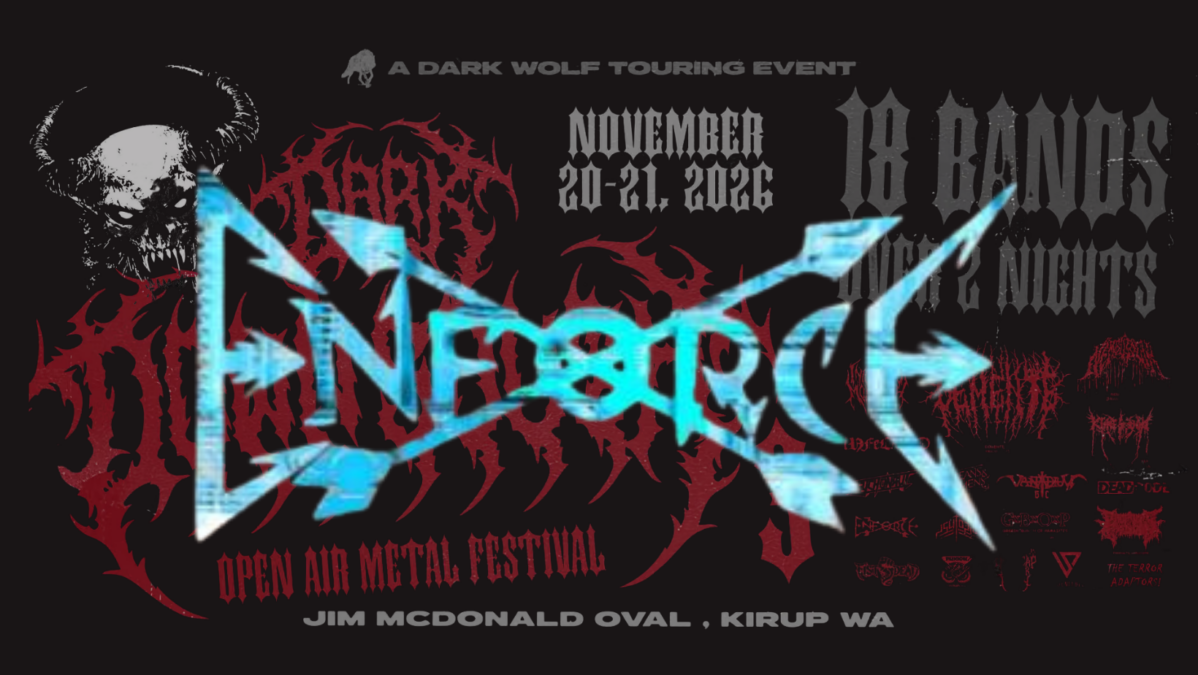 Get ready to unleash the fury as Dark Down South III returns to Kirup this November 21 and 22, bringing two days of relentless metal mayhem to Western Australia’s South West. From Friday through Saturday, Jim McDonald Oval will once again transform into a haven for metalheads, showcasing a lineup that cuts across the full […]
 The explosive electronic-metalcore duo WARGASM have released their latest single. From the creators of spit comes Swallow – a song posed to make you drink, fuck, fight, and love all in the space of 3 minutes and 2 seconds. Born in a dive bar destined for mainstream radio. Soon to be wargasms most played song, […]
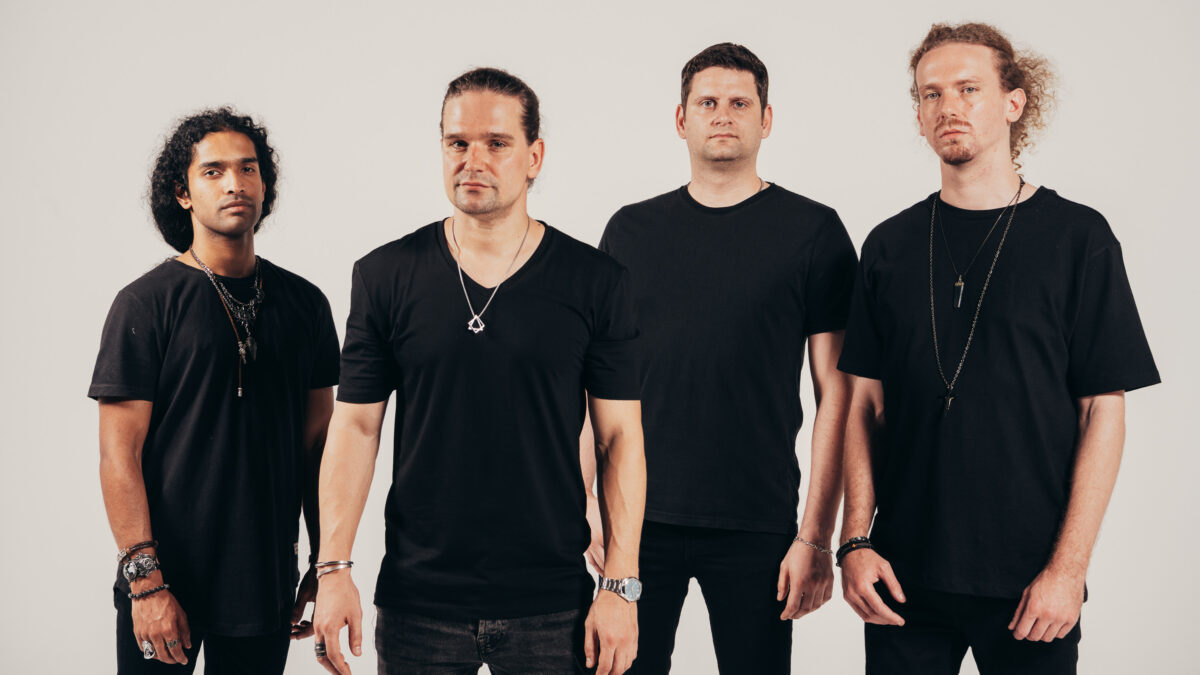 Sydney melodic death metal outfit Besomora return with their second EP, Devotion to the Fear, a powerful five-track release that sees the band pushing their melodic death metal foundations into heavier, darker and more modern territory. Exploring themes of fear, anxiety, inner conflict and resilience, the EP combines crushing 9-string guitar work, aggressive low-tuned riffs […]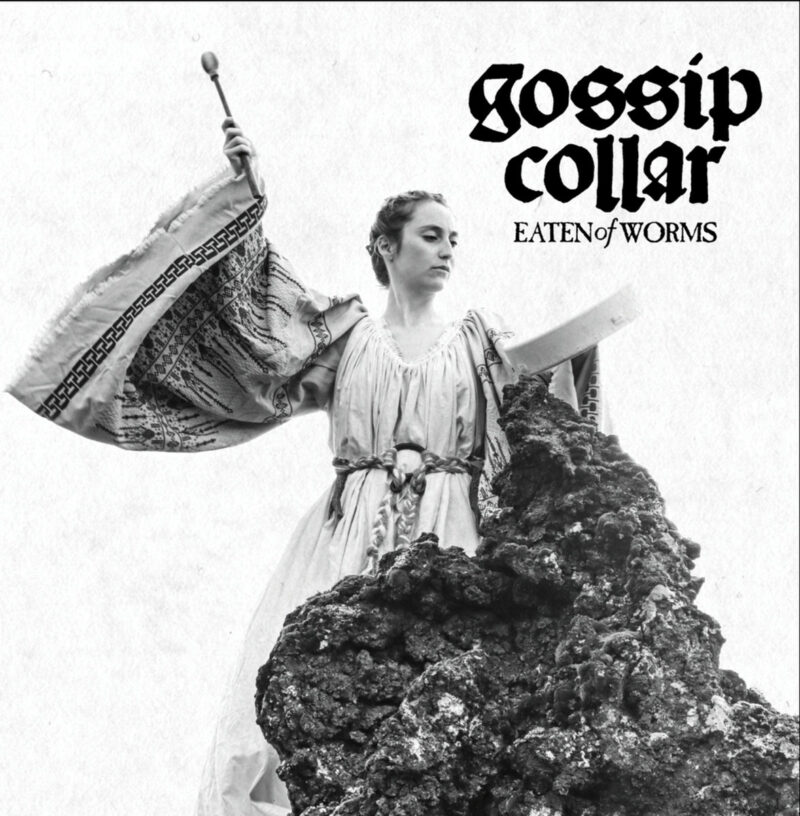
 Australia’s genre-bending Windwaker will unleash their third album, smile, you’re on camera, on Friday 23 October through Civilians & Fearless Records – available to pre-order HERE. Windwaker will celebrate the album on their biggest Australian headline tour to date this October and November. Presented by triple j and Destroy All Lines, the run will see […]