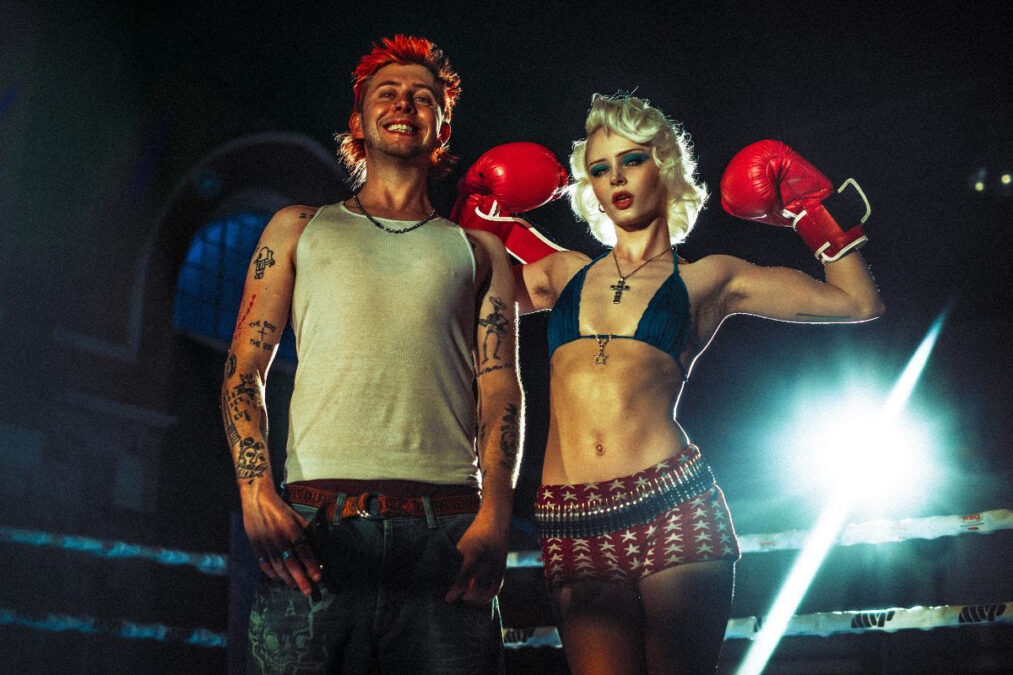
 The explosive electronic-metalcore duo WARGASM have released their latest single. From the creators of spit comes Swallow – a song posed to make you drink, fuck, fight, and love all in the space of 3 minutes and 2 seconds. Born in a dive bar destined for mainstream radio. Soon to be wargasms most played song, […]
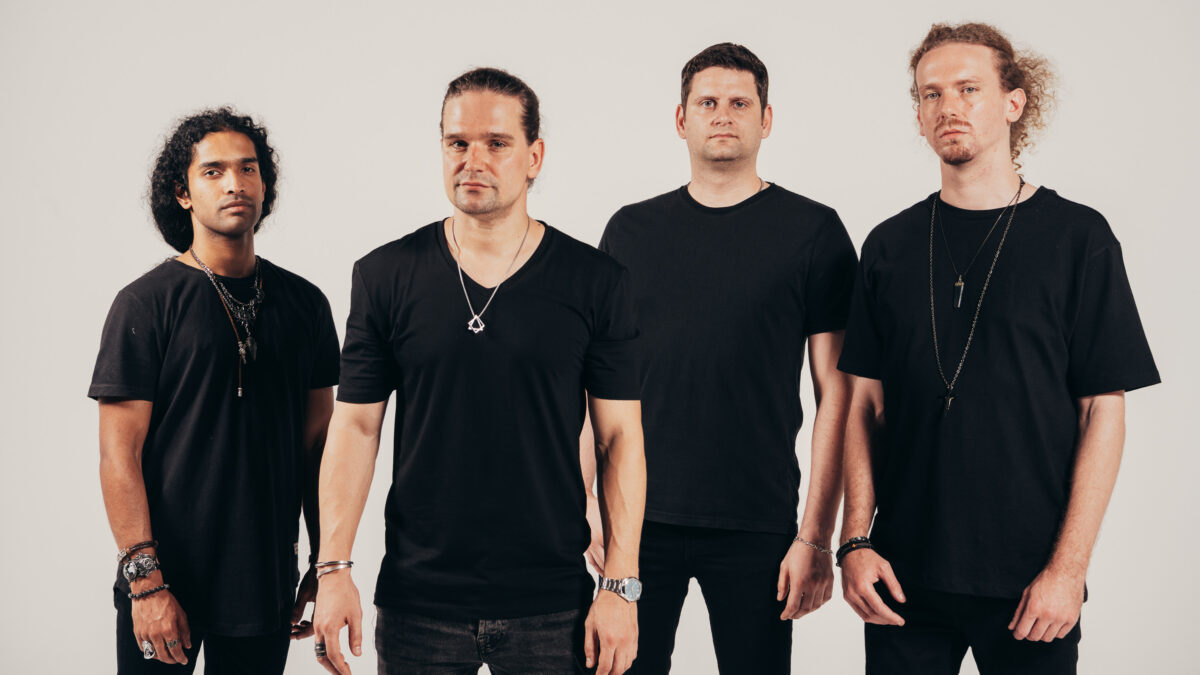 Sydney melodic death metal outfit Besomora return with their second EP, Devotion to the Fear, a powerful five-track release that sees the band pushing their melodic death metal foundations into heavier, darker and more modern territory. Exploring themes of fear, anxiety, inner conflict and resilience, the EP combines crushing 9-string guitar work, aggressive low-tuned riffs […]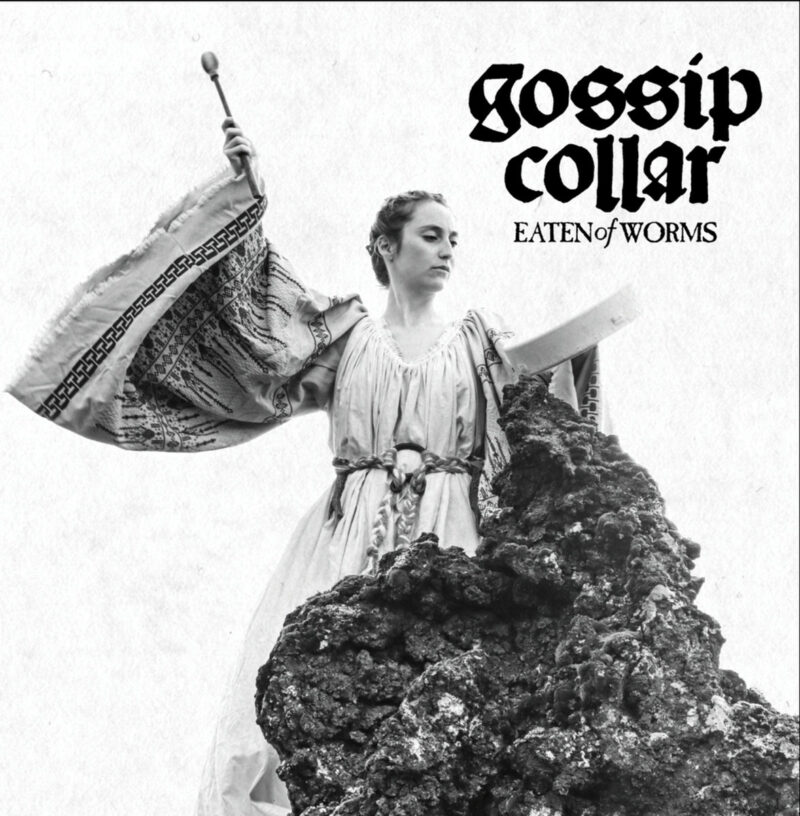
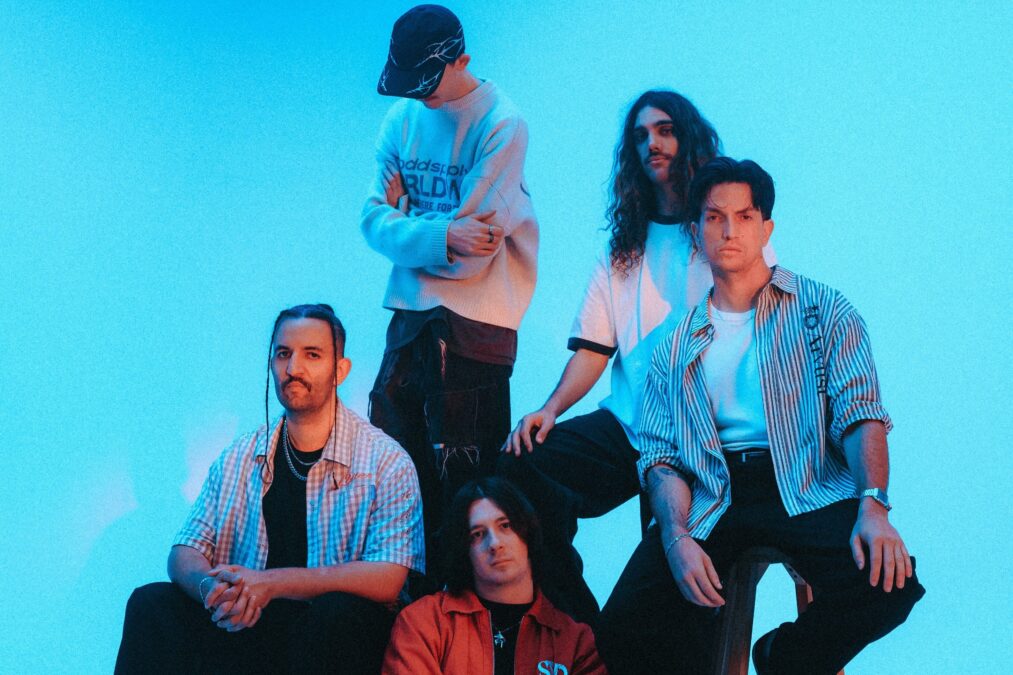 Australia’s genre-bending Windwaker will unleash their third album, smile, you’re on camera, on Friday 23 October through Civilians & Fearless Records – available to pre-order HERE. Windwaker will celebrate the album on their biggest Australian headline tour to date this October and November. Presented by triple j and Destroy All Lines, the run will see […]
In the summer of 2018, as Rose Tattoo hit Europe on their Blood Brothers tour, frontman Angry Anderson sat down with Classic Rock to discuss his life in unflinching detail. This interview has not been published online before.
An hour and a half in the company of Gary Anderson – you will know him better as Angry – is never dull. At five foot one inch, Rose Tattoo’s plain-talking frontman is a small guy with big opinions, and when we talk in London, life, death, politics, violence, political correctness, loyalty, religion, honour and even paedophilia are all discussed.
A band who shared both production team (Vanda and Young) and record label (Albert Productions) with AC/DC, not to mention a deep kinship with their fellow Aussies, Rose Tattoo are a five-piece from Sydney whose blues-drenched, sewer-rat rock’n’roll embodies the singer’s own brutal, uncompromising personality.
Anderson remains among rock music’s most fascinating characters. Rose Tattoo’s spot at the 1981 Reading Festival became etched into the event’s folklore. That day, the singer shocked 30,000 punters by smacking himself in the face with a microphone and then, his face smeared with blood, raising the mic stand, slamming it through the wooden stage before exiting to the wings.
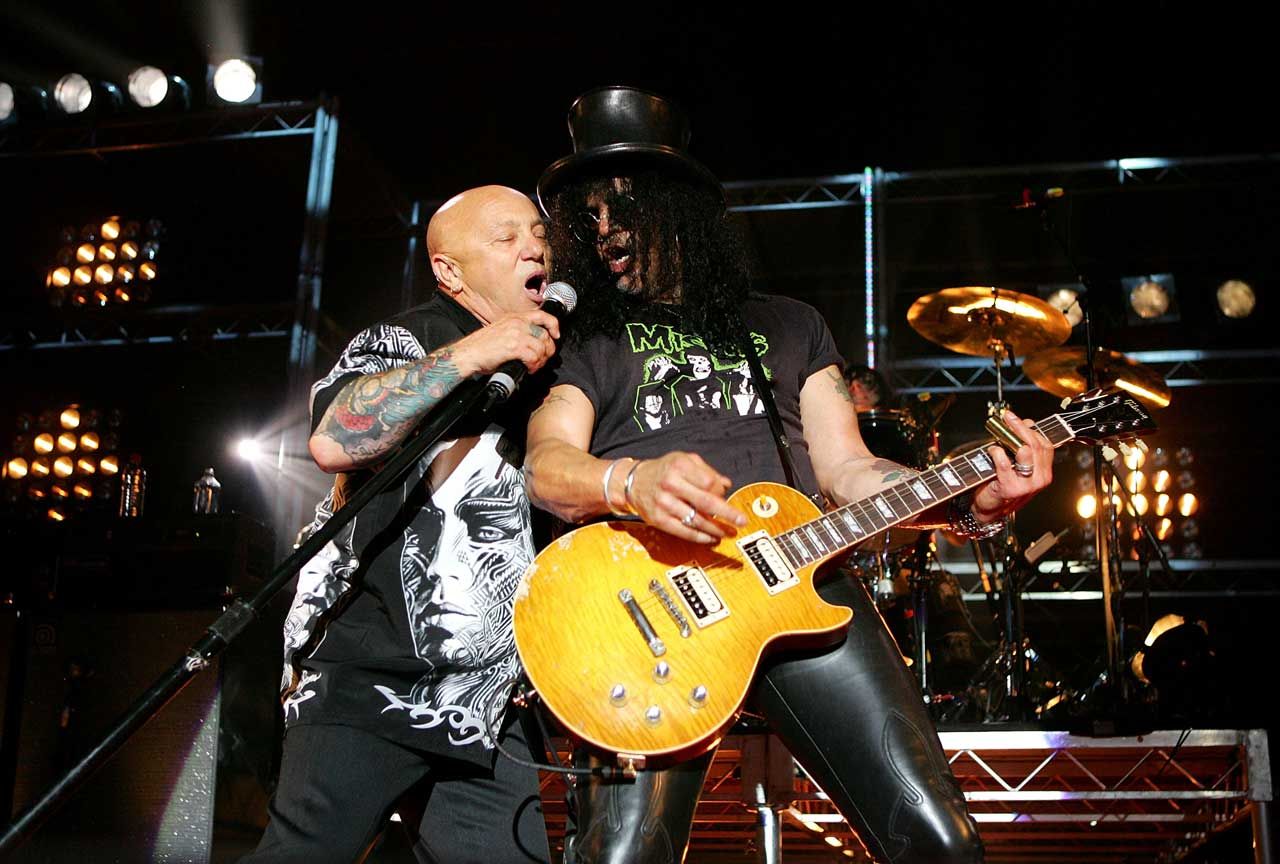
Years later, Rose Tattoo’s influence was confirmed when Guns N’ Roses covered the Tatts’ song Nice Boys on Live ?!*@ Like A Suicide and later invited them to reunite as special guests for the Australian leg of GN’R’s Use Your Illusion tour.
But there was a flip-side. In 1987 Anderson had a completely unrepresentative solo pop hit called Suddenly, which the producers of the daytime soap opera Neighbours used to soundtrack the wedding between Charlene Robinson (Kylie Minogue) and Scott Robinson (Jason Donovan). The unlikely top-five success of Suddenly made Angry feel like “a legitimate songwriter”, and after he sang it on that year’s Top Of The Pops Christmas special Cliff Richard told him he loved it.
Overwhelmingly, though, Rose Tattoo are known as a volatile gang of beer-swilling, streetfighting gutter urchins. But time catches up with us all, and one by one the band’s core has eroded. Drummer Dallas ‘Digger’ Royall passed away in 1991, followed by co-founding slide-guitar exponent Pete Wells and bassist Ian Rilen, both in 2006. Another bassist, Lobby Loyde, died in 2007 and, two years later they lost guitarist Mick Cocks.
Not unreasonably, Anderson’s undesired status as the last surviving member of their original lineup weighs heavily on his mind. He’s also very aware of the scrutiny that inevitably faces any Tatts lineup without lynchpin Pete Wells. In typically raw and graphic fashion, he justifies the reasons for the latest Rose Tattoo reunion: “I saw Pete in hospital during his final weeks,” he recounts sadly. “We sat together for a couple of hours as he drifted in and out of consciousness. When I held his hand and asked: ‘What do you want me to do [about the band]?’ Pete could only acknowledge by the rolling of his eyes or moving his fingers.
“I was looking for some sort of direction,” he says. “Rose Tattoo was always Pete’s band – he was its boss. He had just enough consciousness to reply: ‘Fuck ’em.’ Everyone expected us to just fold up and go away, but here was Pete telling me that the band had to go on.”
Wells had fought in vain to play on the Tatts’ most recent album, Blood Brothers, released in 2007, a year after he passed away.
“We tried on several occasions to get Pete out of hospital and play a couple of solos, even if he was hooked up to machines,” Anderson explains. “I know that sounds overly dramatic, but he wanted to leave his mark. Sadly it didn’t happen.”
There followed yet another fatality, that of Mick Cocks, who did manage to perform on Blood Brothers despite being gravely ill.
“All of us knew that he was dying,” Anderson says. “We were aware that the next tour would be Mick’s last. And so it proved. Apart from me, he was the last member of the original line-up, and his passing really took the wind out of my sails. I came home and wondered what to do with myself.”
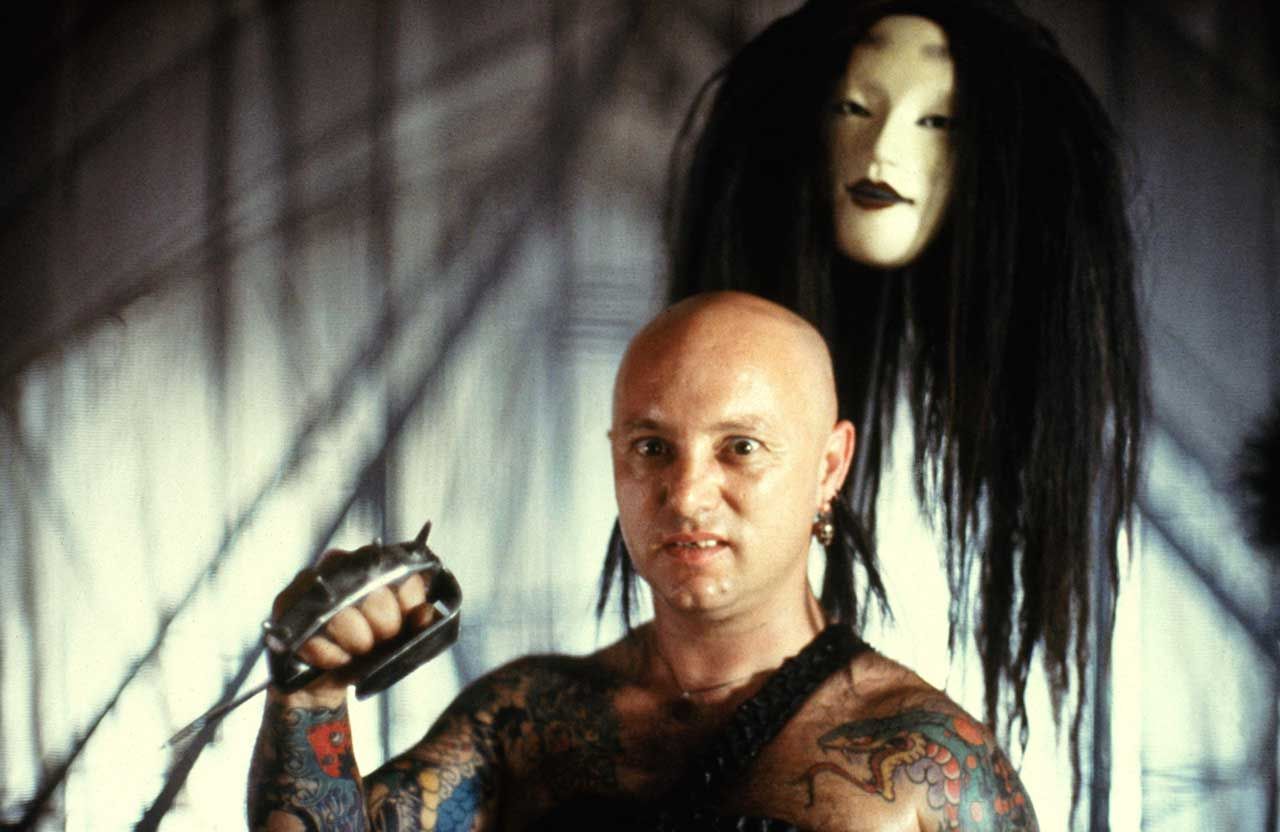
After playing the character Ironbar in the 1985 blockbuster film Mad Max Beyond Thunderdome, Anderson might well have considered an acting career. Instead, defying a past every bit as colourful as his body art, he turned to politics. Using his birth name, Gary Anderson, he ran for the Senate as a candidate for the conservative National Party. As the grandson of a postal service union official and coming from a Labour-voting background, it was a huge U-turn.
“Things began to change once I escaped those blinkered viewpoints and got out into the workforce,” he explains. “For two years I did an apprenticeship as a fitter and turner, and when things turned to shit the union didn’t protect us at all. As I read things and experienced more of life, my world view matured.”
In aligning to the Australian Liberty Alliance Party, with a principal mandate to “prevent the Islamisation of Australia”, Anderson rendered himself controversial to an entirely new demographic.
Back in 2012 he appeared in a documentary series called Go Back To Where You Came From, in which he travelled to war-torn Kabul to meet some of those who sought to flee their homeland in search of sanctuary. Before going there, he insisted: “I don’t accept the boat people at all. Don’t tell me about what a hard time you’ve had. The first thing you’ve shown me is no sense of respect. End of story. Don’t bother.” But having put himself in the position to understand their desperate plight, those views softened.
“I wanted people to see the real story through the eyes of a sceptic,” he states now. “After going to Afghanistan and living with those people, sitting at their tables, eating their food, meeting their children and listening to their stories, I get it now. I understand why people who are pursued by extremists do those things. I just wish they didn’t have to.”
“My motivation to get into politics was to help fix a variety of things, including the poor pay of teachers and nurses,” he continues. “I soon realised that you can’t pay them what they deserve, as those issues are simply a football. So you keep the teachers poor and the nurses working long hours. But what people don’t realise is that when Labour gets in they don’t fix those problems either.
“Look, I ran for a federal seat, then for a state one and finally for the Senate, and it soon became obvious that both parties are as bad as each other,” he announces. “The Who articulated it perfectly: ‘Meet the new boss, the same as the old boss’ [from Won’t Get Fooled Again]. I will be a conservative for the rest of my days, but I’ve got a foot in both camps. Power is all about keeping people at odds with one another.”
In 2015 Anderson withdrew his candidacy due to “personal reasons”.
So is his political career now over completely?
“Oh, abso-fuckinglutely,” he replies flatly. “I still say things at gigs, but that’s just to plant the seeds of thought.”
After what he terms his “flirtation” with statesmanship, Anderson was ready to “buy a bush block and raise a veggie patch, shoot feral animals and become a hermit”. But then, with Rose Tattoo out to pasture, last summer the organisers of Germany’s Bang Your Head Festival booked the Angry Anderson Band.
“I had been wondering whether to bury the whole music thing, but Bang Your Head gave me the kick in the gut that I needed,” he enthuses. “It was so exhilarating, I had to give things another go. Plus it gave me another reason to take up training again, also to look at my diet and seek some longevity in my life.
“But it all comes back to one thing – this fucking obsession with music. Being out on stage, with the crowd singing louder than the band, that’s an unbelievable feeling. On this [Rose Tattoo] tour there has been younger people [in the audiences] – chicks too. We never had that before. Boys and girls together makes things more interesting.
“I’ve always acknowledged the role of women, though it’s not as if I strive to be PC or anything. That said, my mother was a woman. And so was every girlfriend I ever had. Though I did have a relationship with a… well, that’s another story. Maybe I’d better save that for the memoirs.”
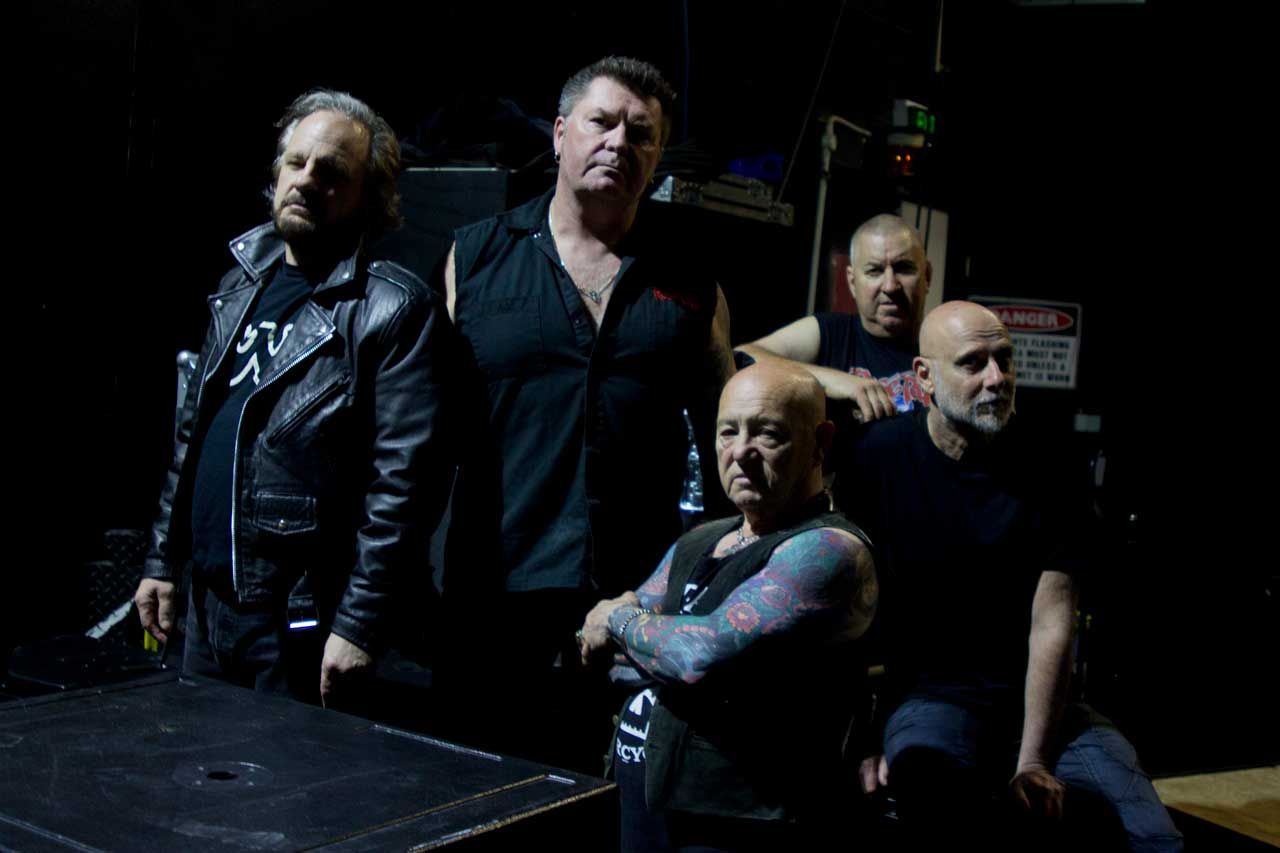
In rebooting Rose Tattoo, Anderson started with a blank canvas, although slide guitarist Dai Pritchard, a Tatts member since 2007, would retain his place. One other name was on the cards from the beginning was former AC/DC man Mark Evans, a no-brainer as the bass player.
“In the early days the Tatts were AC/DC’s fave band to go and see. That’s how we got signed to Alberts, they recommended us,” Anderson exclaims. “Malcolm and Angus [Young] and particularly Bon [Scott] all jammed with us back then. Mark has made no secret of wanting to join our band, and finally the stars lined up.”
Another musician with the blue blood of Australian rock royalty in his veins is guitarist Bob Spencer, who had played with both Skyhooks and The Angels. But with regular drummer Paul DeMarco imprisoned for illegal firearm possession and membership of a gun-running syndicate, the final piece of the jigsaw presented Anderson with a dilemma.
“I promised Marco that I wouldn’t re-form the band without him, but I went ahead and did it anyway,” he puffs. “He understands why. When Marco gets out of jail in 2020 the band will welcome him back – so long as he’s done with his drug problem. He may be out on parole next year. Let’s face it, familiarity with the criminal element hardly makes him unique in this band.”
For the band’s recent European dates, Aussie singer Jimmy Barnes’s son Jackie played drums. There’s strong talk not only of a return to European touring in 2019, but also of a new Rose Tattoo studio album.
Well, why not?” Anderson says, smiling. “Guy writes, Bob writes, and Mark, as it turns out, writes too. He’s not very prolific, but he can come up with a tune every now and again. The next problem is whether Marco can get a visa to tour overseas. Fingers crossed.”
Only a handful of bands have dealt with the deaths of five members, fewer still when the deaths were the consequence of entirely different strains of cancer. Anderson emits a rueful chuckle at the suggestion that Rose Tattoo are the band that refused to die.
“Yeah,” he responds eventually. “Pete Wells sometimes spoke about the fact that we had created something that would live forever, which made him very happy. Proving people wrong who said we couldn’t exist without Peter Wells is something that I’m enjoying – a lot.”
When asked if he’s doing this for the combined memories of the fallen five, Anderson nods and says solemnly: “Yeah. At a gig a few days ago I ran into a guy who’d waited thirty-five years to see this band. That really moved me.”
But enough about Rose Tattoo. Let’s talk Angry Anderson. At the grand old age of 71, does he still consider himself a hard man? Well, there’s no argument when he fixes me with a steely gaze and replies: “Yup. People still ask whether I’m still angry,” he adds with a calm authority. “Even if I don’t show it, I’m boiling inside.”
What sort of thing would make you turn angry?
“I would kill somebody who threatened my family,” he says, grimacing, and goes on to tell about when he overheard the “disgusting remarks” made about his daughter by a gang of youths in a fast-food restaurant. When events escalated and both parties stood their ground, “I knew it wasn’t going to end well. Suddenly, the me of old was back,” he says. “Eventually they backed off.”
[Note: Angry Anderson’s youngest son, Liam, was beaten to death by a friend two months after this interview took place. The killer, who was experiencing a drug-induced psychotic episode, was sentenced to eight years in prison].
What else makes you violent?
“Oh, there’s a long list,” he says, laughing. “For instance, someone breaking into my house. And don’t try to take my guns away. It’s being done in a sneaky way, but our rights for assembly and freedom of speech are being eroded. Schools are becoming places of indoctrination and not education, telling them what and not how, to think. These are things I wanted to fight from the inside.”
Let’s not sugarcoat it: Anderson has done some bad things in his life, although the dysfunction of adulthood was to some degree predetermined by being sexually, physically and mentally abused as a child and raised by a single mum.
“I was constantly belittled and beaten by my father, and also a victim of paedophilia by another family member,” he says candidly. “On top of being a little guy, it was a lot to deal with.”
Can Rose Tattoo’s last man standing put his hand on his heart and claim to be a good man?
“Fuck yeah,” he fires right back. “In my early thirties I felt like I was my father’s son. That bloke was certifiable and did some strange and awful things. But during the 1970s it dawned on me that I was a really, really good person. Parenthood was what changed me the most. Nowadays I believe in good things and I help other people when I can. I might be broke, but I’m really, really happy with the way I turned out.”
Angry Anderson died in September 2026. This feature originally appeared in Classic Rock 256, published in November 2018.
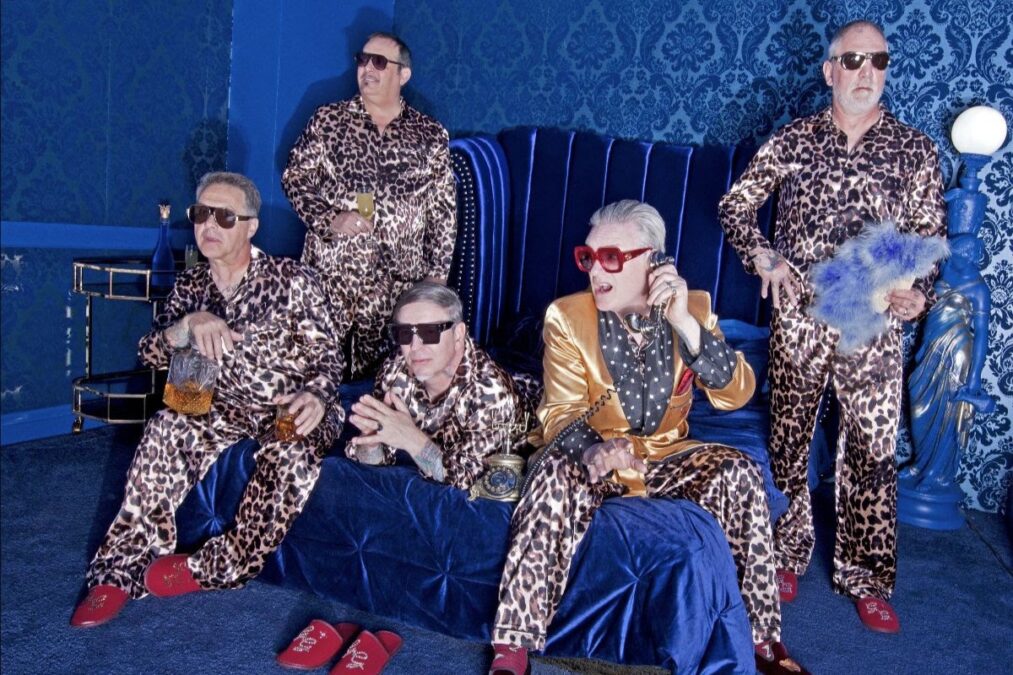 Spike and the Gimme Gimmes release their rendition of Kokomo on September 23. The new single is off their new album, Shit the Bed, arriving October 23rd via Fat Wreck Chords. “Let us be your Kokomo. We have given this ode to the almost-universal joys of exploitative tourism the full business and, respectfully, our version […]
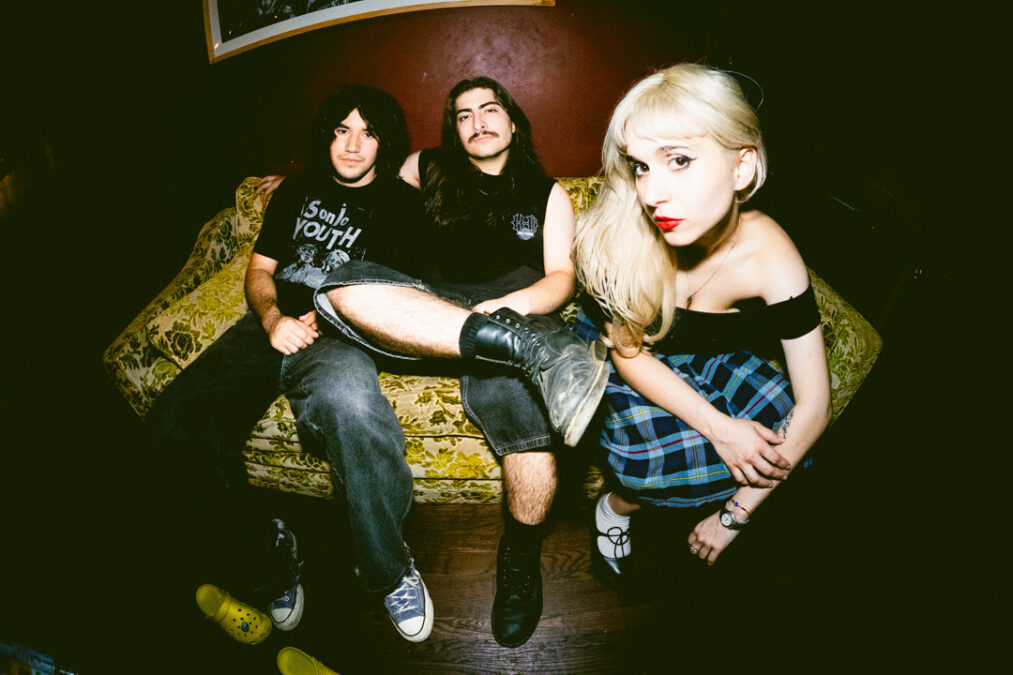 Burgeoning rock trio Deux Visages is vocalist Daphney Hanono, guitarist Jack Chiu and bassist Tony Jouvin. Their emergence has been a whirlwind. Founded over a thread of DMs in high school, they quickly signed to Atlantic Records once word of their rampant and immersive live shows hit. Fast-forward a series of breakthrough singles, an EP, […]
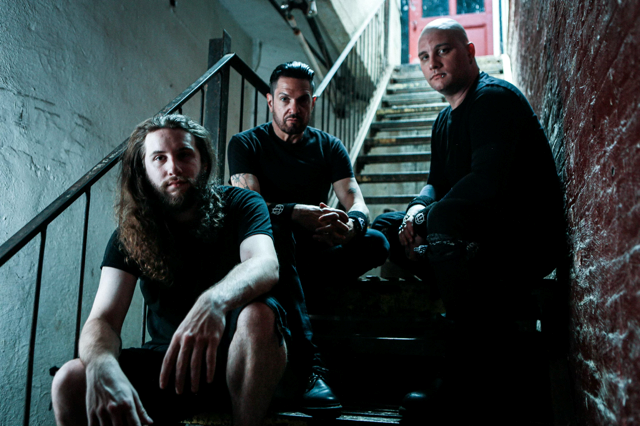 New York’s alternative metal legends PRONG are back — and with their triumphant Napalm Records debut. Their pummeling new single Fear The Sun honors their home city, inciting classic pit violence of the CBGB variety. Legendary frontman Tommy Victor’s lyrics are forked and biting. After countless world tours and becoming mainstays at seminal festivals like […]
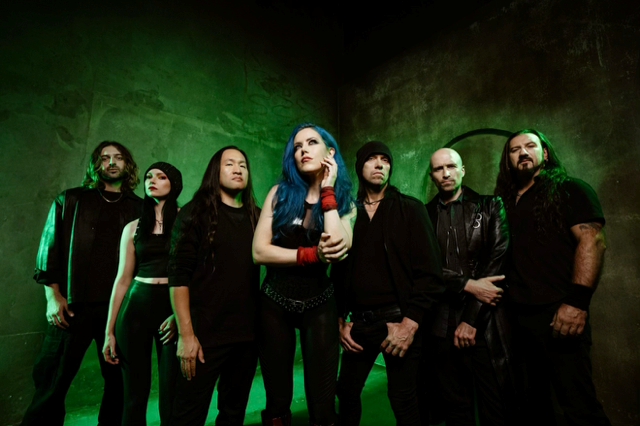 GRAMMY-nominated extreme power metal pioneers DRAGONFORCE announce their tenth studio album, DragonForce, out March 19, 2027 via Napalm Records. Alongside freshly united lead vocalist and frontwoman Alissa White-Gluz and vocalist Alessio Garavello, longtime members Herman Li, Sam Totman, Gee Anzalone, Alicia Vigil and new addition Billy Wilkins together take their biggest step forward, elevating new […]