Few artists in the ’90s inspired such fervent devotion as Nine Inch Nails. With 1989’s Pretty Hate Machine Trent Reznor brought industrial metal to the masses, and with 1994’s altogether more unsettling concept album The Downward Spiral, he became one of the poster boys for Generation-X’s frustration, pain and mental turmoil.
Nine Inch Nails’ music made Reznor a superstar, yet, far from giving him the inner peace he craved, it actually seemed to make him even more unhappy.
Battling various demons, and self-medicating with heroin, cocaine and alcohol, Reznor all but vanished in the second half of the 1990s. But when he returned, he did so with an album that was even more complex, dense, dark and personal than anything he had or would ever put his name to again, Nine Inch Nails’ sprawling masterpiece The Fragile.
Somewhat ironically, for Nine Inch Nails’ creative mastermind, the success of The Downward Spiral would lead to life imitating art. Amid the relentless schedule of the infamously tumultuous Self Destruct Tour, with his fanbase expanding and his profile rising, Reznor began to unravel, and his addictions escalated. Much like his character on the album, he began to loathe himself, and appeared hellbent on systematically tearing his world apart.
“I really just hated myself,” he admitted to Rock Sound magazine in 2005. “I got to a point where whatever shred of liking I had for myself was lost. I was on a fast path to death.”
Upon the conclusion of the tour, Reznor had always intended taking an extended break. But when an offer came in for NIN to support his hero David Bowie on his Dissonance tour through to the end of 1995, Reznor, frazzled and exhausted as he was, simply couldn’t resist.
Amid the chaos, he sought a new sanctuary, transforming a former funeral home in New Orleans into a base and recording facility, Nothing Studios. It was here that he produced Marilyn Manson’s 1995 EP Smells Like Children and his protégée’s 1996 commercial breakthrough, Antichrist Superstar. The sessions for the latter record have gone down in history as some of the most fractured and turbulent of all time, and Reznor would later admit they took a heavy toll on his ever-spiralling mental health.
“That was just like staying on tour, without going anywhere,” he told Rolling Stone in a 1999 profile titled The Fragile World of Trent Reznor. “The Manson camp party every night; there’s something going on all the time. At the time I was in that mind-set already, so that was appealing.”
The subsequent success of Manson’s record saw the relationship between the two two musicians deteriorate completely.
“I don’t want to get into a ‘he said, he said,’” Reznor told Rolling Stone, “but to sum that scene up, I think fame and power distort people’s personalities. He and I are two strong personalities that could coexist for a while, but things changed.”
In addition, Reznor’s grandmother, who had raised him after his parents separated when he was five years old, passed away during this period. The loss hit him hard, though he later admitted to putting off dealing with at the time, as he disappeared from the spotlight.
Something had to change.
In classic Trent Reznor fashion, it was tragedy that ultimately sparked him into life, the murder of a close friend from New Orleans providing a brutal wake up call.
“This guy was hired at the studio and somehow over the years we became friends,” he said to Rock Sound. “His mother called me one day, worried he hadn’t come home. I just happened to be in the studio and the news was on. My friend and his cousin had been shot in the face, found dead in the projects. Somehow that just cut through. I felt like I should have been the one who was killed. Shortly after, I had time to figure out the mess.”
Reznor started his reset by heading to Big Sur in California for a change of scenery, taking with him musical ideas that would become The Fragile’s starting point.
“I thought Big Sur would be a nice break,” he told Rolling Stone. “It was sheer terror. Isolation on the side of a mountain, an hour from the nearest grocery store. I really didn’t want to be by myself. I wasn’t prepared for it.”
Reznor’s return to California was challenging, but by the time he returned to New Orleans, he was clean and sober, and he and his English writing partner/co-producer Alan Moulder had a semblance of ideas as to what the new NIN album would be. Reznor went back to Nothing Studios inspired by records like Bone Machine by Tom Waits, Loveless by My Bloody Valentine and, most tellingly, Pink Floyd’s 1979 masterpiece The Wall. A double album detailing a troubled rock star building a metaphorical wall around him, Pink Floyd’s masterpiece explored themes of alienation, frustration and isolation which The Fragile would also draw upon.
Soon the writer’s block rooted in Reznor’s depression was gone, and hours and hours of new material flowed.
“I established a new lifestyle routine of being in the studio all the time,” he told The Guardian. “This record took two solid years of being in the studio every day. When I started the album, I didn’t feel emotionally ready. I didn’t feel tough enough to take on a project, because I was beat down to almost breakdown stage.”
Much of the record was recorded using old, broken, untuned and weathered instruments, a deliberate choice made by Reznor to help represent the feelings of shattered, exhausted alienation and angst.
“I wanted this album, lyrically and sonically, to sound like there was something inherently flawed in the situation,” he told LA Times arts critic Robert Hilburn, “like someone struggling to put the pieces together. The Downward Spiral was about peeling off layers and arriving at a naked, ugly end. This album starts at the end, then attempts to create order from chaos, but never reaches the goal. It’s probably a bleaker album because it arrives back where it starts – the same emotion.”
It quickly became obvious that Reznor now had too much material for a single album. More alarmingly, he began to feel that he could no longer see where the record should start and end, which songs should stay, and what should be left out. His masterstroke here was enlisting the help of legendary Canadian producer Bob Ezrin, who co-produced The Wall.
“He was brilliant, feverishly recording and mixing in 3 rooms at the same time to complete the project on time for its scheduled release,” Ezrin remembered of Reznor to Echoing the Sound. “What he had realized was that he’d created a work that was much longer than was practical to release and that wasn’t quite hanging together the way he had hoped when he created its individual parts. My job was to take all of this work and reorganise it to more practically and effectively tell the story that originally generated all these bits. Sort of like editing a film.”
When Reznor heard Ezrin’s track sequencing, he knew he had the album he wanted.
“I called him into the room,” he recalled to The Guardian, “tried not to have him read my face, and said, Bob – you did it, man.”
Finally, after five long years, the new Nine Inch Nails album was ready.
Released on September 21, 1999, The Fragile entered the US Billboard 200 album chart at number one. By way of a celebration, Reznor allowed himself a beer.
Reviews at the time made it seem that the album was either a disaster or a work of sublime genius. The Fragile was a “banal syndicated-action hour soundtrack” according to Pitchfork, but “a fearsomely accomplished mix of monster riffing, brooding melodies and patches of minimalist soul-searching” for The Guardian. For such a challenging album, such polarising views seemed apt.
For the most part, the record was seen as an artistic success, if not the commercial triumph expected to follow Pretty Hate Machine and The Downward Spiral. But as time has passed, more and more people are standing up to proclaim The Fragile the finest work of Trent Reznor’s career.
Certainly, the album does not boast the crossover hits delivered on his previous two records. Instead, The Fragile is a journey that needs to be absorbed from beginning to end to truly be appreciated.
From the creeping opening dread-filled riff that kicks everything off on Somewhat Damaged, through the ode to his lost family on the quiet-loud-really fucking loud crescendo of The Day the World Went Away, the lilting piano juxtaposed with free jazz drums of La Mer, the popping, funk bass and bawling anger of Into the Void, to finally ending on the punch drunk, swaying, crawl of the closing Ripe (With Decay), The Fragile is an incredible piece of work.
Filled with unusual and unsettling sounds, a gnawing anger and looming, stalking bleakness, yet still hummable, memorable and chock full of hooks, it perfectly encapsulates why Trent Reznor is held in such high regard as a creative powerhouse.
More than a quarter of a century after its release, it still reveals depths and layers to those who remain committed to understanding its crooked, confused genius. It may not be Nine Inch Nails’ most famous, instant or successful album, but once its twisted, fragmented splendour gets its hooks into you, you’ll have trouble arguing against The Fragile as Reznor’s best work.



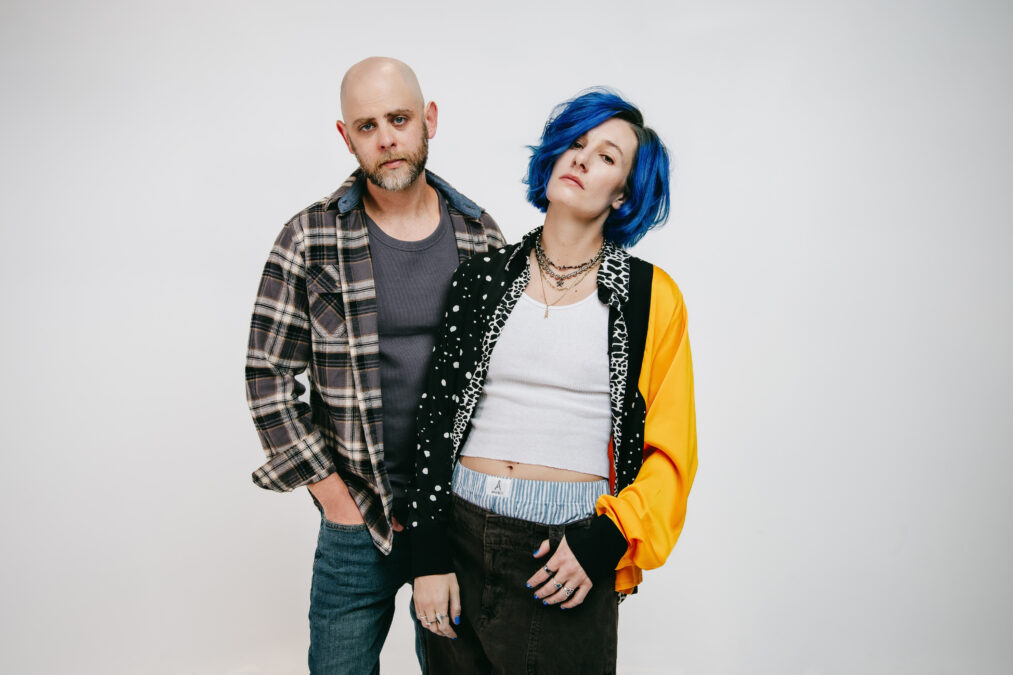 Equal Vision Records/Civilians and Slothrust are pleased to announce the release of What They Grow In The Garden, the brand new studio album from the acclaimed LA-based alt-rock veterans. Produced by the band and Jordan Witzigreuter (The Ready Set), What They Grow In The Garden is the result of a band pushing itself to the […]
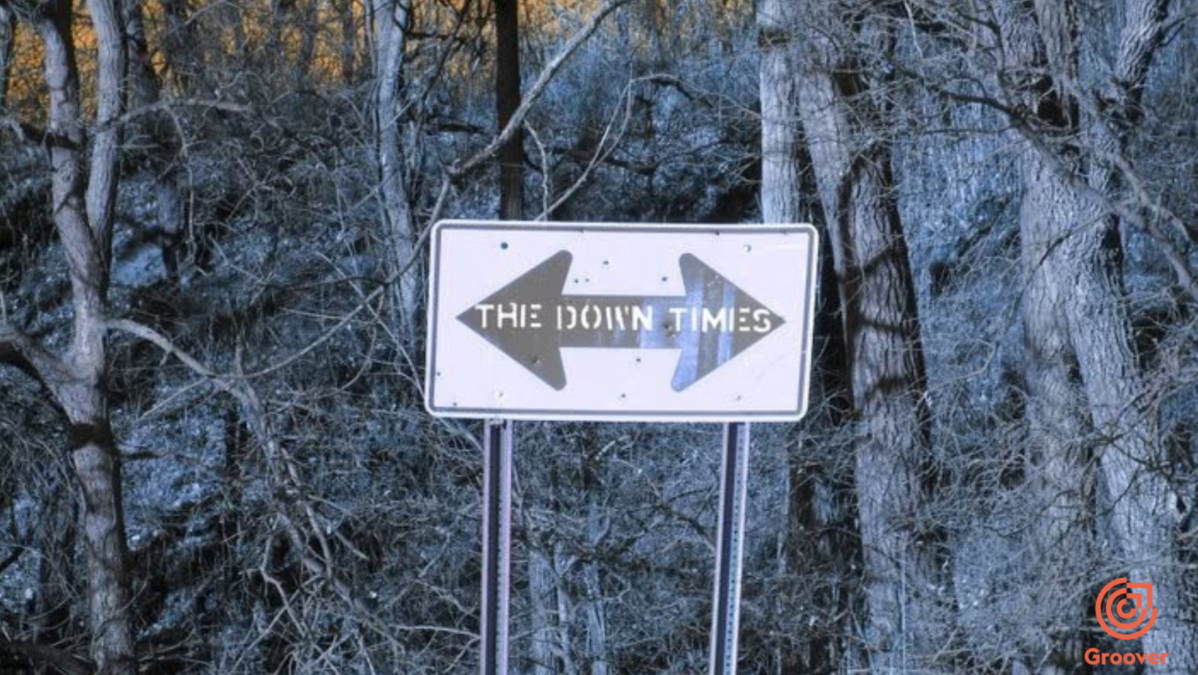 The Down Times, a band formed by Lane Baker, channels the raw emotion and grit of 90s grunge through a modern lens. Drawing deeply from Baker’s own experiences and introspections, the band’s music revolves solely around his songwriting, offering fans an authentic and cohesive narrative voice. Known for their brooding lyrics and dark, moody tones, […]