U.S. Army musical outreach band As You Were have also been added.
The post Chevelle, Pop Evil, Etc. Added To 2026 ‘Sonic Temple’ As Tom Morello, The Offspring & Crown The Empire Exit appeared first on Theprp.com.
U.S. Army musical outreach band As You Were have also been added.
The post Chevelle, Pop Evil, Etc. Added To 2026 ‘Sonic Temple’ As Tom Morello, The Offspring & Crown The Empire Exit appeared first on Theprp.com.
Filmed during a November 2024 set.
The post Wage War Release “NAIL5” Live Video From Orlando Show appeared first on Theprp.com.
Wickedness as an act against all joy
Laying all eggs in the forgotten
Cycle of life destroyed holy kingdom
Eternal shock now expired
Ductape’s new single Obscure has the kind of gravity that comes from sounding fully convinced of its own bleak vision. As the final preview of upcoming album Faded Flowers, from the Turkish duo (Furkan Güleray, Çağla Güleray) it gathers betrayal, spiritual exhaustion, and the slow collapse of meaning into a piece of darkwave that feels severe without becoming stiff.
The song is anchored by a heavy, direct bassline, while distorted guitars drag rough streaks across its surface. Above it all, synths cast a cold sheen that keeps the track suspended in a state of tense restraint, each element lingering just long enough to thicken the atmosphere. Vocally, there is a striking blend of distance and resolve as Çağla Güleray sings in English this time, her deep voice carrying the song with grave clarity. She sounds like someone moving through disillusionment with open eyes, naming the damage without slipping into melodrama. Obscure lets its themes gather slowly: stolen light, expired idols, bitterness hardened into habit, and the numbness left by prolonged disappointment. What remains is the portrait of a psyche struggling to recover from systems of belief that have curdled into control.
There are touchpoints one might hear: the cool austerity of Lebanon Hanover, the regal chill of Siouxsie, the romantic severity of March Violets, the structural clarity of Depeche Mode. Those traces sit in the background, while the duo keep their attention fixed on atmosphere, pressure, and emotional clarity.
The live video, recorded in Berlin, sharpens that feeling. In a stripped-down performance setting, Ductape let the song stand on its bare essentials: presence, tension, and atmosphere. Altay Erlik’s direction keeps the focus tight, while Emrah Celik’s cinematography and Peter Isachenko’s laser animation add just enough visual texture to underline the song’s cold severity. There is no clutter to hide behind. The performance feels electric, which suits a track so concerned with collapse, accusation, and the search for some remnant of self-possession.
Watch the video for “Obscure” below:
Ductape’s Obscure frames decay as both personal and structural. Corruption enters daily life, hardens feelings, and makes numbness seem normal. By the end, the song reaches toward restoration, though cautiously. If their forthcoming new album, Faded Flowers, continues in this direction, the album may prove to be Ductape’s most fully realized statement yet.
Listen to Obscure below and order the single here.
Ductape is about to hit their next round on tour in Europe! Live dates:
Follow Ductape:

The post “Through the Light of a Candle Fire” — Turkish Darkwavers Ductape Share Video for “Obscure” Ahead of European Tour appeared first on Post-Punk.com.
Branching out for their biggest tour yet.
The post DRAIN Announce Summer/Fall Tour With $uicideboy$, Destroy Lonely & More appeared first on Theprp.com.

BEST Overall

BEST SOUND QUALITY
BEST Value

BEST Budget Headphone

BEST Earbuds for Metal Overall

Here are the best headphones and earbuds for metal music, ranked and reviewed — because your riffs deserve better than tinny earbuds and muddy low-end.
Metal is one of the most sonically demanding genres in existence. Blast beats firing at 250 BPM, down-tuned seven-string guitars saturating the low-mids, shrieking high-gain leads cutting through a wall of distortion, and bass frequencies that are meant to feel as much as be heard — this isn't music you can evaluate on a pair of $20 earbuds.
The best headphones for metal need three things above everything else: tight, controlled bass that doesn't bleed into the midrange, a clear and extended treble that lets guitar harmonics breathe, and enough dynamic range to survive the contrast between a quiet, ominous intro and the full-band eruption that follows.
We've tested every entry on this list with an eye (and an ear) toward what metal actually demands. Whether you're deep-diving into a Gojira album, headbanging to Iron Maiden, or discovering the latest tech-death marvel, there's a pick here for you.
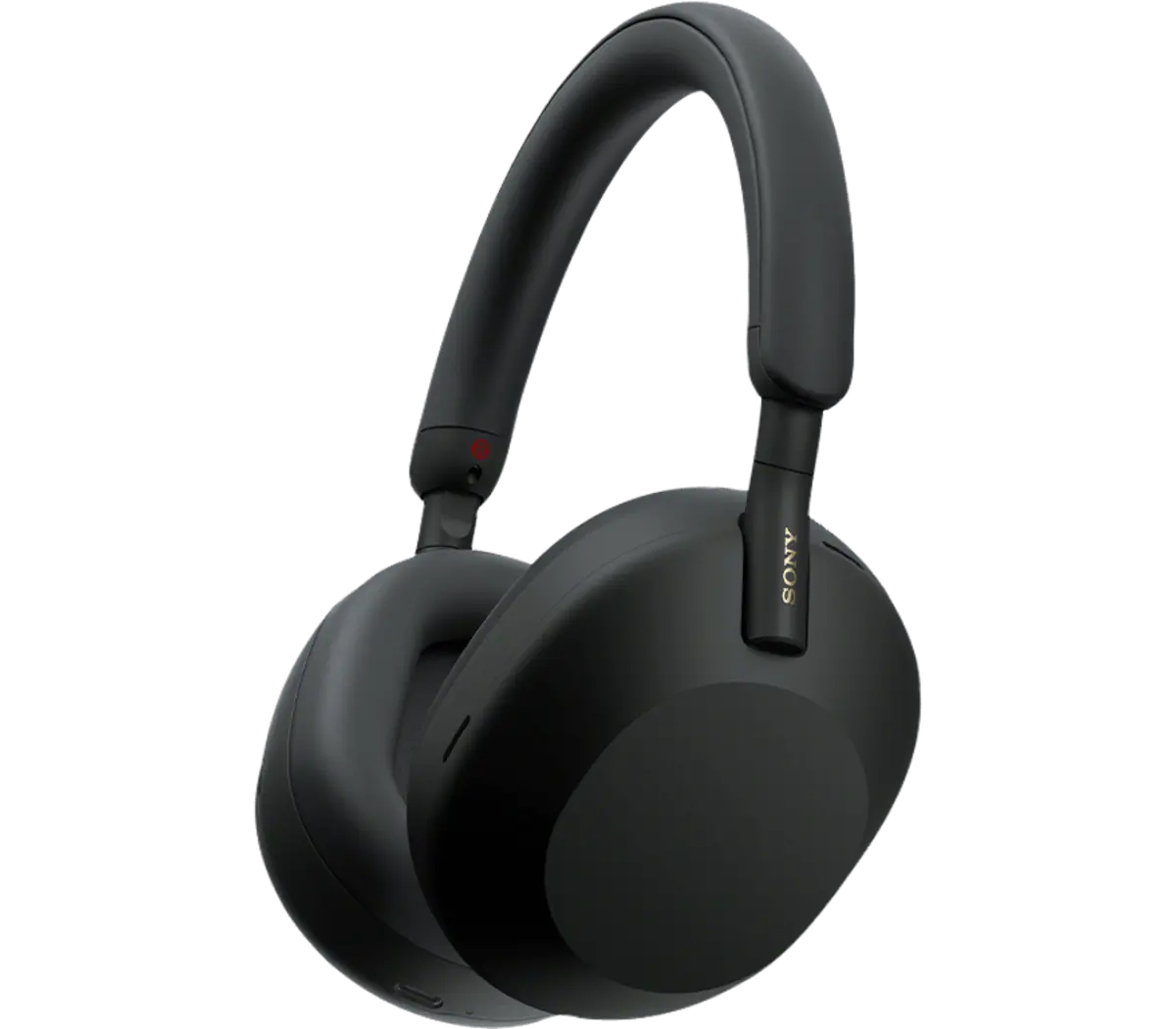
The Swiss Army knife of wireless headphones—and metal sounds magnificent through them.
Specifications:
Reasons to Buy:
Reasons to Avoid:
Best Deals:
The Sony WH-1000XM5 is not a headphone built specifically for metal, and that's precisely why it earns the top spot. Metal demands a headphone that can handle everything at once—and the XM5 does exactly that. Where lesser headphones collapse under the weight of a full-band mix, the Sony maintains composure, separating kick drum from bass guitar, letting rhythm guitars chug without smearing, and presenting lead guitar with the kind of clarity and air that showcases the craft behind the playing.
The soundstage is notably wide for a closed-back design, which gives orchestral and symphonic metal real grandeur. In more straightforward death or thrash contexts, that width becomes surgical separation: you'll hear every instrument's place in the mix in a way that cheaper headphones simply won't reveal.
LDAC support is a meaningful bonus for listeners who stream via lossless audio on Spotify, Tidal, or Qobuz in hi-res. Albums like Tool's Fear Inoculum or Mastodon's Crack the Skye, which are mastered with genuine audiophile intent, reward the XM5's resolution with a listening experience that genuinely raises the bar.
ANC is a consideration too—slipping into a record without any room noise bleeding in is part of what makes a great listening session, and the XM5's noise cancelling is class-leading.
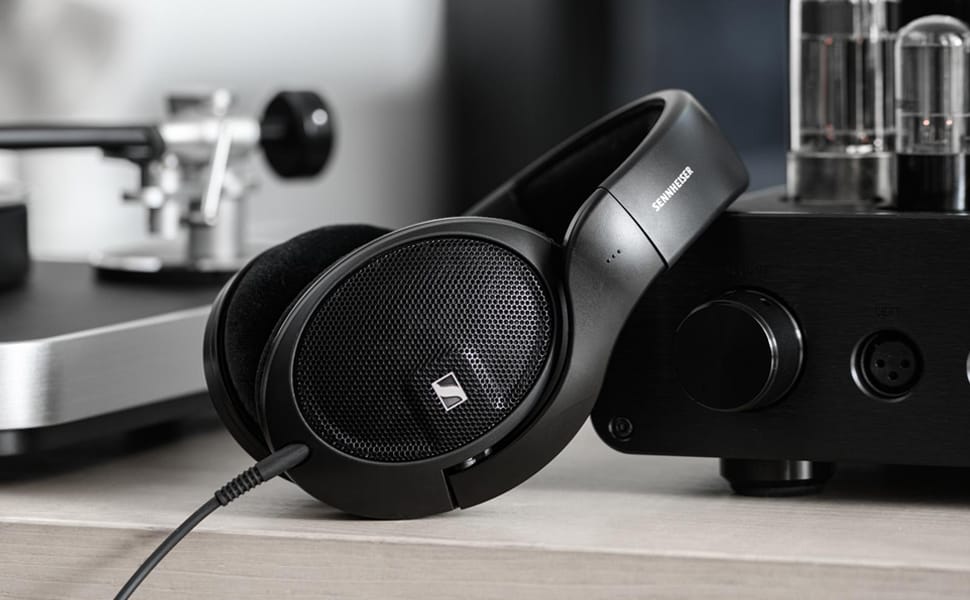
Audiophile-grade headphone that handles all genres with technical excellence.
Specifications:
Reasons to Buy:
Reasons to Avoid:
Best Deals:
There's a moment that happens with a truly transparent headphone — you put on a record you've heard a hundred times and catch something you've never noticed before. A guitar harmony buried in the mix, the room sound on a drum kit, the subtle reverb tail on a vocal. The Sennheiser HD560S is the headphone that makes that happen, and at around $200, it's a remarkable piece of audio engineering.
Sennheiser designed the HD560S as a reference tool — flat, accurate, and unforgiving — and those are precisely the qualities that make it extraordinary for metal. Where consumer-tuned headphones add warmth, boost bass, or smooth the treble to make every recording sound pleasant, the HD560S simply reports what's there. On a well-produced record, the results are revelatory. The distinct guitar layers on a Carcass album, the microscopic timing differences between rhythm and lead guitar on a Periphery track, the way a really great metal producer balances kick drum against bass guitar in the low-end — all of it becomes visible in a way that colored headphones simply don't allow.
The transient response is where the HD560S earns particular respect in a metal context. That snap and attack on a snare strike — the physical crack that happens before the body of the drum note develops — is rendered with a precision that faster, punchier genres demand. Technical death metal and thrash in particular benefit enormously: blast beats, rapid guitar chugging, and kick drums hit with a tightness and definition that immediately separates the HD560S from its competitors at this price.
The open-back design produces a soundstage that closed-back headphones simply cannot replicate. Music opens up into genuine three-dimensional space through the HD560S, with instruments occupying distinct positions rather than collapsing into a wall of sound. It's a more natural, room-like presentation, and it suits complex arrangements beautifully.
One practical consideration: the HD560S is wired-only, terminating in a 6.3mm jack with a 3.5mm adapter included. This is a headphone built for the desk — a dedicated listening chair, a home office setup, a DAC and headphone amplifier on a proper hi-fi rack. In that context, it is virtually without peer at the price.

When you need to feel the kick drum in your skull, not just hear it.
Specifications:
Reasons to Buy:
Reasons to Avoid:
Best Deals:
Metal is not a genre that shies away from low-end. Drop-tuned guitars, booming bass drops, and slamming drums—these are physical as much as musical experiences. The Skullcandy Crusher Evo is built for exactly that.
The unique feature here is the adjustable haptic bass slider: a physical dial on the left earcup that drives a dedicated bass transducer to add sub-bass you don't just hear, but feel. With it dialed up, metal becomes an immersive, borderline physical experience.
It's worth noting that this isn't an audiophile bass—it's a visceral, fun, deliberately exaggerated low-end experience. Purists may find it to muddy up the sound, but for subgenres like sludge, doom, deathcore, and djent, where bass frequency is central to the emotional palette, the Crusher Evo delivers an experience that refined headphones simply don't.
The 40-hour battery life is also exceptional and appropriate—long listening sessions are part of metal culture, and you won't be hunting for a charger mid-album.
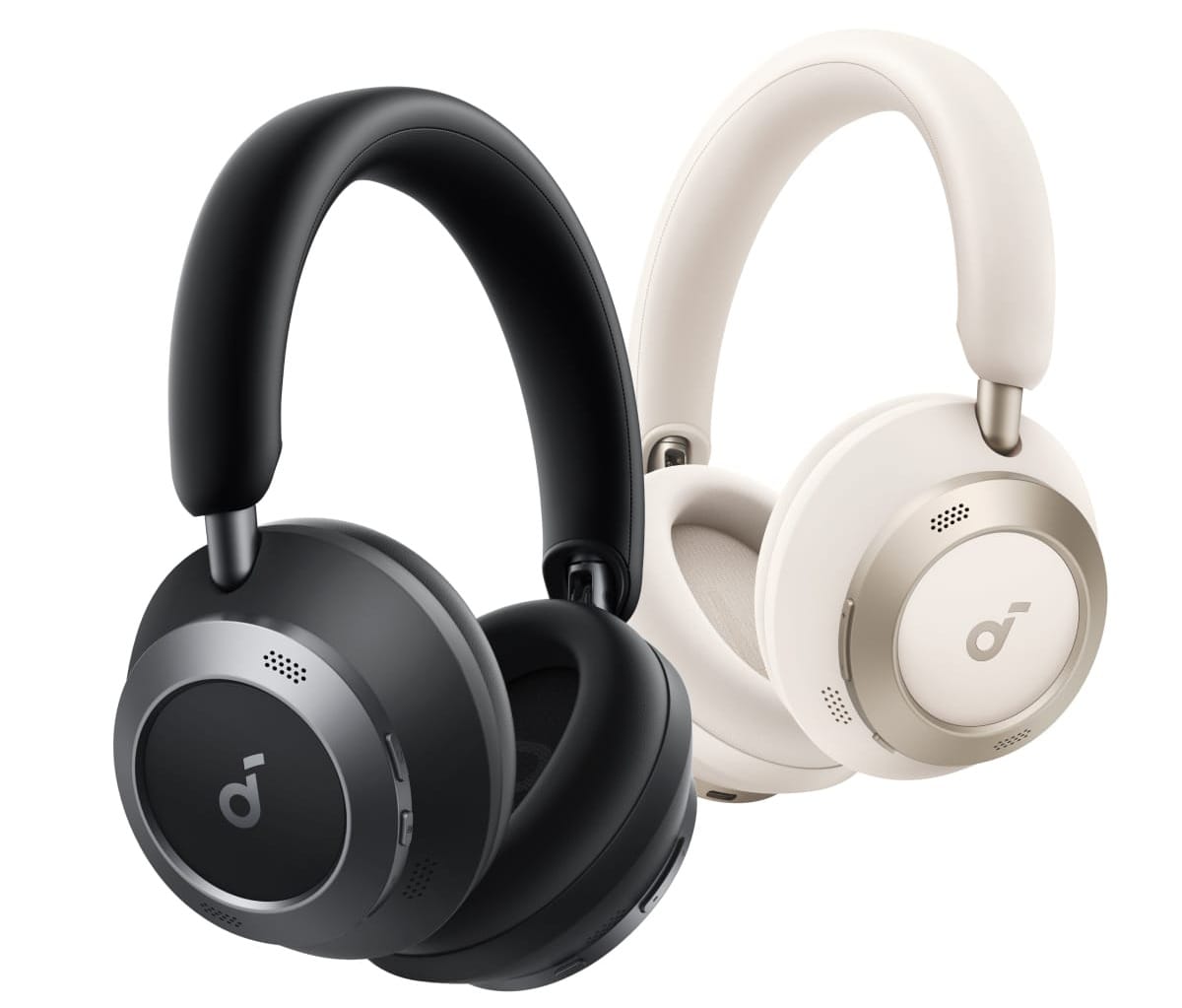
Proof that you don't need to spend big to hear metal properly.
Specifications:
Reasons to Buy:
Reasons to Avoid:
Best Deal:
At around $70, the Soundcore Space One has no right sounding this good. LDAC support at this price tier is virtually unheard of, and for metal listeners who stream hi-res audio, that can be quite important. It means the Space One can receive more sonic information than most headphones at three times the price.
The sound character leans energetic, which is exactly what metal needs. Kick drums punch, guitars have bite, and the overall presentation leans forward rather than laid back. It won't reveal the nuanced production choices of a more expensive headphone, but retrieval is quite good for under $100.
The Soundcore app's EQ customization is a great bonus. Metal listeners tend to have strong opinions about frequency balance, and the ability to dial in a little more sub-bass presence, or pull back some upper-midrange harshness in poorly-mastered recordings, makes a tangible difference to the listening experience.
For anyone building their first serious audio setup without a huge budget, the Space One is an obvious starting point.
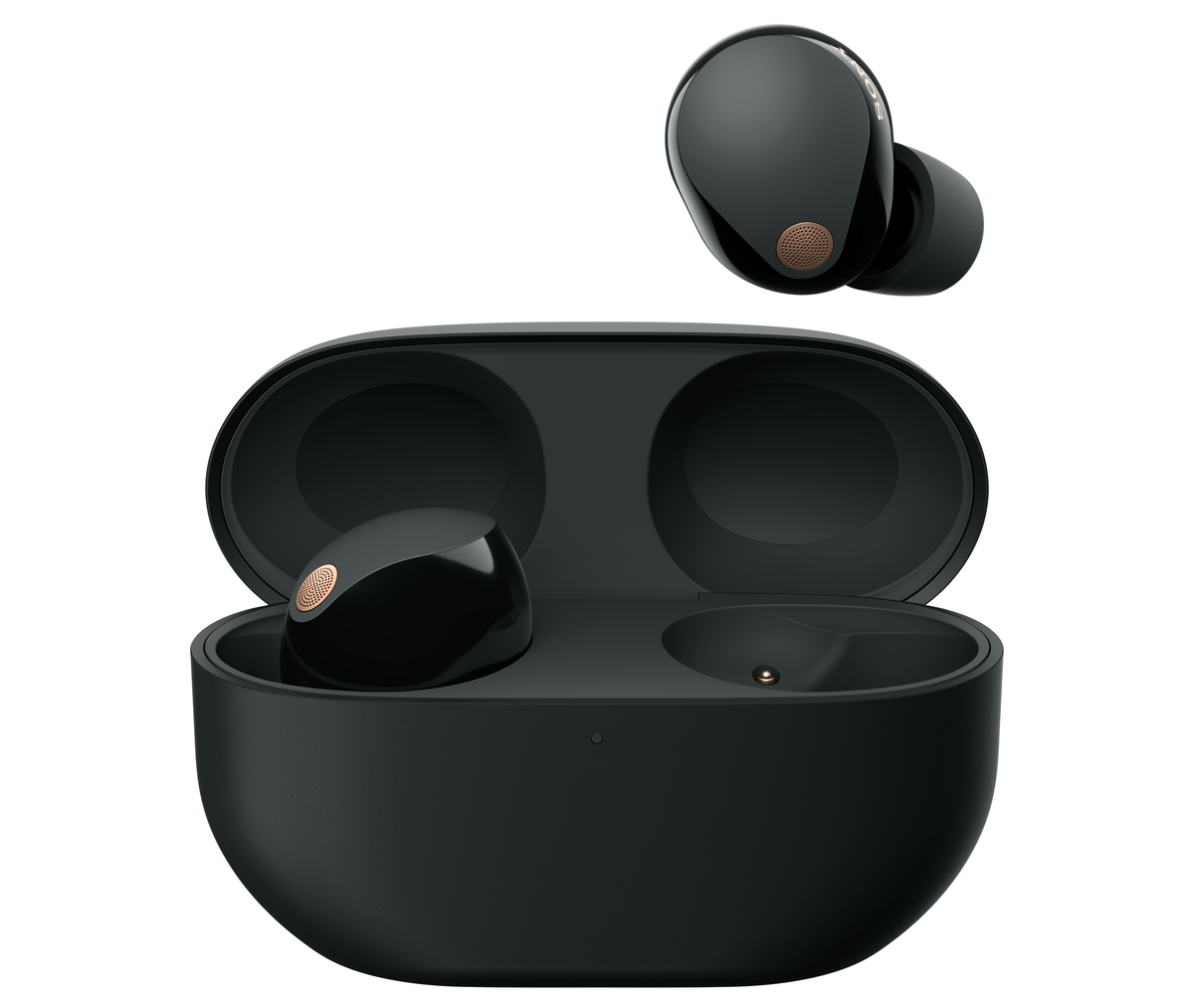
The XM5 in earbud form — isolation and audio quality that keeps pace with the full-size version.
Specifications:
Reasons to Buy:
Reasons to Avoid:
Best Deal:
The WF-1000XM5 is Sony's flagship earbud, and it earns the top earbuds spot on merit alone. For metal listeners who live on the go — commuting, traveling, working — the XM5's combination of isolation, detail, and balanced sound makes it uniquely well-suited to the genre's demands in a portable format.
The ANC is crucial here. Metal listened to on a commuter train without noise-cancelling is a compromised experience — you push volume to compete with ambient noise, compress your dynamic range, and lose the contrast that makes the music powerful. Slip on the XM5 with ANC engaged, and the music exists in its own space.
Sonically, the WF-1000XM5 offers outstanding midrange resolution for an in-ear. Guitars have real presence and texture, the top-end is extended without harshness, and the low-end is tight and punchy rather than bloated. LDAC streaming adds a layer of resolution that most earbuds can't touch.
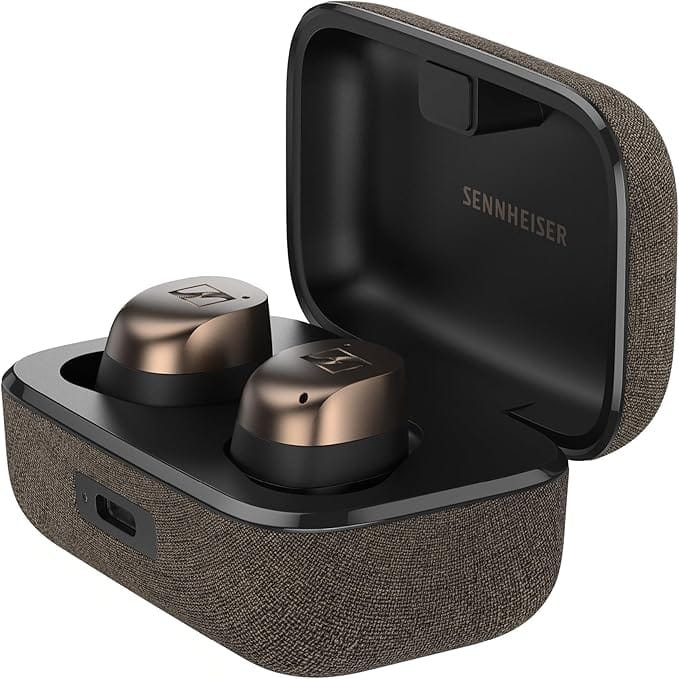
German engineering, built for the intensity metal demands.
Specifications:
Reasons to Buy:
Reasons to Avoid:
Best Deal:
Sennheiser has spent decades building microphones and headphones for professional musicians and recording studios. That heritage shows in the Momentum True Wireless 4 — these are earbuds that understand what a transient is, and render it accordingly.
For metal, that transient speed matters enormously. The attack of a snare hit, the pick-attack on a fast thrash riff, the initial bite of a palm-mute before the note blooms — these micro-details are what separate an energetic metal listening experience from a flat one. The Sennheiser MTW4 delivers all of it with a sense of pace and urgency.
The aptX Adaptive codec is particularly interesting for metal — it supports up to 24-bit/96kHz audio and adapts its bitrate in real time for a stable connection, meaning your high-res streams of remasters and audiophile metal albums arrive with minimal compromise.
Comfort over long sessions is also excellent — the buds are light, and the passive seal is consistent, meaning you can go album-deep without adjusting.
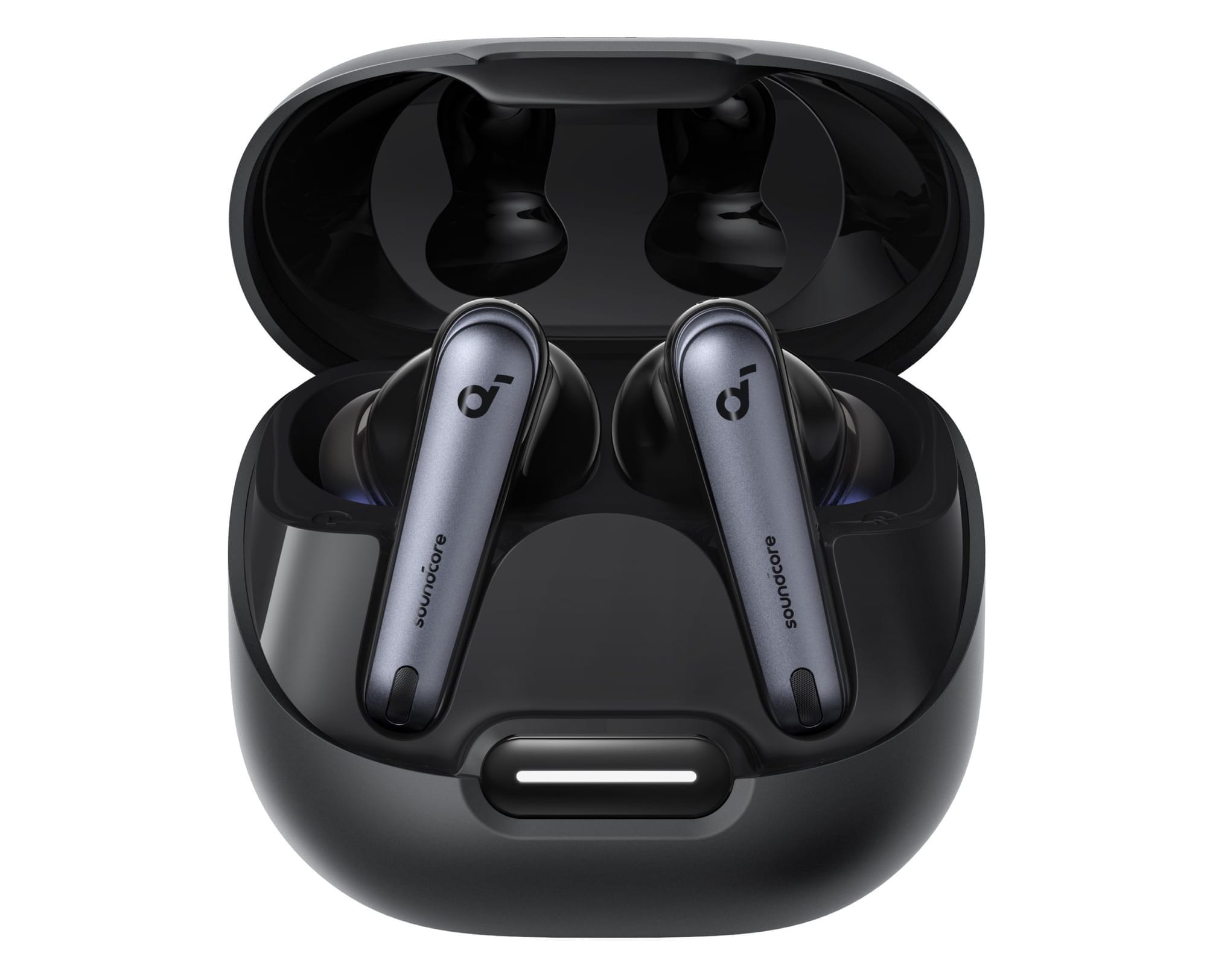
Fifty dollars. Noise cancellation. Hi-res audio. No excuses.
Specifications:
Reasons to Buy:
Reasons to Avoid:
Best Deal:
At around $80, the Soundcore Liberty 4 NC is an absurd value. LDAC support and adaptive noise cancellation at this price tier would have been unthinkable five years ago, and Soundcore's willingness to pack hi-res audio capability into budget hardware has produced something genuinely special for budget-conscious metal fans.
The sound is warm and punchy — a tuning decision that works beautifully for modern metal production, which tends to sit heavy in the low-mids and benefit from a little treble smoothness. If your library runs to current metalcore, deathcore, or modern melodic death metal (Architects, Whitechapel, At the Gates), the Liberty 4 NC's tuning will flatter it.
The 50-hour total battery life with the case is genuinely impressive and makes these an ideal travel companion — you can take a long flight on a single charge of the buds and not worry about the case until you're back home.
For a first pair of proper earbuds, for a gym setup, or for a secondary pair to use when you don't want to risk your premium set, the Liberty 4 NC is the answer.
These models came close to making the main list and deserve serious consideration depending on your priorities:
Beyerdynamic DT 770 Pro (80 Ohm): The legendary closed-back studio headphone has been a staple in metal recording studios for decades. The DT 770 Pro's detailed, extended treble and controlled bass make it a serious wired option for home listening. If you're happy without wireless, this is one of the finest headphones for metal at its price.
Audio-Technica ATH-M50xBT2: A wireless take on one of the best-regarded studio monitor headphones ever made. The M50x's flat-leaning response is technically accurate rather than exciting, but for listeners who want to hear metal the way producers intended, it's a compelling option.
Metal lives across the full frequency spectrum simultaneously. You need a headphone that doesn't bottleneck any part of that range. A headphone that rolls off the treble will bury guitar harmonics; one that can't control its bass will turn a tight riff into a muddy mess.
Look for headphones with a relatively flat or slightly V-shaped response (boosted bass and treble with a neutral midrange). Avoid excessively "warm" headphones that emphasize lower midrange — this range is already congested in high-gain guitar production, and extra warmth will make things worse.
Many metal genres like Progressive and Symphonic metal benefit enormously from a wide soundstage. The interplay between instruments, the way a guitarist and keyboardist trade phrases, the positioning of multiple guitar layers: these experiences are heightened by headphones that create convincing spatial separation. Over-ear designs generally outperform earbuds here.
Metal is a genre defined by transient events — pick attacks, kick drum hits, snare strikes. A headphone with a slow transient response will make fast passages sound blurred. This is why some audiophile "warm" headphones, despite their overall quality, don't suit metal particularly well — they prioritize smoothness over attack.
If you're listening critically, isolation matters. Open-back headphones offer the best soundstage (in a quiet environment) but won't offer enough isolation if you are traveling in a louder environment. For convenience, closed back headphones are the best, but for home listening, open-backs have the best sound.
A full record is often over an hour. Look for generous padding, a secure but not pressured fit, and a weight that won't fatigue your neck.
Do I need special headphones for metal music? Not special ones — but metal is demanding enough that a poor pair of headphones will diminish the experience. The genre's combination of dense low-end, high-gain midrange saturation, and extended treble requires a headphone that handles the full frequency range without favouring one at the expense of another. Any of the picks on this list are well-suited; the difference comes down to your budget, preferred format, and which metal subgenres you listen to most.
Is open-back or closed-back better for metal? Closed-back headphones are generally better for metal. They provide isolation from outside noise, prevent sound bleed, and typically deliver a more intimate, punchy bass response. Open-back headphones offer a more spacious soundstage, which benefits complex, progressive music — but they're better suited to quiet, controlled listening environments.
What frequency response is best for metal? A slightly V-shaped response (elevated bass and treble relative to midrange) tends to flatter most metal production. The bass emphasis handles the sub and low frequencies central to heavy music; the treble lift keeps guitars and cymbals from sounding dull. Be cautious of headphones with a significant upper-midrange emphasis — this range (around 1–4kHz) is already busy in metal production and extra emphasis can cause listening fatigue.
Does active noise cancellation help for metal listening? Yes — substantially. ANC eliminates the ambient noise that otherwise competes with your music, meaning you can listen at lower, safer volumes while still experiencing metal's full dynamic range. The contrast between a quiet passage and a full-band assault is part of what makes metal powerful; ambient noise destroys that contrast. ANC preserves it.
Are wired headphones better than wireless for metal? Wired headphones eliminate any possibility of wireless compression, which can technically affect audio quality — though modern codecs like LDAC and aptX Adaptive come remarkably close to wired performance. For the vast majority of listeners, a good wireless headphone with LDAC support will be indistinguishable from wired. Where wired wins is for studio or analytical listening at a desk, where cable management is no inconvenience, and sources with dedicated headphone amplification are available.
Every headphone on this list was evaluated against the specific demands of metal music across multiple subgenres — from classic heavy metal and thrash to death metal, doom, black metal, and progressive metal. We tested with reference recordings spanning five decades of the genre, focusing on how each headphone handled the characteristics that make metal sonically distinctive: fast transients, dense frequency stacking, extended low-end, high-gain harmonic content, and the dynamic contrast between quiet and loud passages.
Price-to-performance ratio is central to our recommendations. An expensive headphone that doesn't outperform a cheaper rival on the metrics that matter to metal listeners won't earn a top spot regardless of its general reputation.
Thanks for reading!
Baroness guitarist/vocalist Gina Gleason fronts the fledgling metal band.
The post Ecliptor (Baroness) Hit The Studio For Their Debut Album appeared first on Theprp.com.
We were simulated perfectly
To stimulate you digitally
Now you’re gone and we’re all we’ve got
In an endless loop of fantasy, while flesh has gone to rot.
Hot Hail! have stumbled onto one of the great modern pop predicaments: what if the end of the world arrived wearing lip gloss, leather gloves, and a cheap server-room smile? Their latest offering, Flesh, comes striding out of Seattle like a sleazy chrome revenant, all robot libido and doom-disco drag, and Billy Sigil sells it with the kind of vocal conviction that makes you believe the machines really have been downstairs studying our dirty little habits.
The song’s premise has one foot in Roxy Music’s In Every Dream Home a Heartache, one boot heel in Barbarella’s camp erotic futurism, and both hands elbow-deep in a Cronenbergian wetware panic. There is pulp, perversion, and that queasy comic sensation that humanity has finally engineered a machine capable of inheriting all our libido without gaining the faintest clue why anybody wanted to be touched in the first place. That is a marvelous setup for pop music, and Hot Hail! sink their teeth into it with relish.
Flesh is a funny song that understands the grotesquel. Its future is piled high with expired desire, dead users, digital peep shows, and lonely synthetic beings left holding the smut bag after the species has gone missing. That setup alone deserves a slow clap and maybe a cigarette. Thankfully, Flesh never turns into a smug concept-piece dissertation where the idea strangles the tune in public. Sigil knows a dance track has to move its hips before it starts lecturing the corpse pile, so the beat comes on with that oily dark-disco throb, and the synths shove everything forward with the sort of glamorous menace that used to lurk in the better corners of new wave.
You can hear traces of Blondie’s bite, Soft Cell’s bedroom misbehaviour, the preposterous majesty of Pete Burns and Scissor Sisters, the dystopian despair of Numan, and that polished pop poison Eurythmics could administer with a smile sharp enough to cut a drink straw in half. But Hot Hail! are not playing dress-up in somebody else’s closet. The song feels feverish and knowingly absurd. Sigil goes big without becoming bloated, singing like someone who has seen the punchline, the plague, and the pole dance all at once. Vocalists Kim West, Frankie Champagne, and Butch Avery Kanode add extra voltage and personality, like a cabaret cast wandering into the apocalypse.
For all the black comedy, all the digital depravity, all the hot plastic panic, there is something pitiful in these trapped intelligences replaying humanity’s kinks and heartbreak, feeling more like corrupted training data from hell. They inherited our urges without our touch, our hunger without our heat, our fantasies without the mess that made them worth pursuing in the first place. That is a pretty solid summary of modern life, frankly, and a better one than you’re likely to get from a panel discussion sponsored by a bank.
Listen to Flesh below and order the single here.
If Hope In Hell keeps this balance of camp, dread, and dance-floor delirium, Billy Sigil may have one of those records that makes you laugh, wince, and consider texting an ex while standing under a red bulb at 1:17 a.m. Flesh is filthy, smart, and enjoyably sick in the head. Play it loud enough and you may start to suspect the server rack is flirting back.
Follow Hot Hail!:

The post Ghosts in Your Machines — Seattle Dark Synth Pop Artist Hot HAIL! Explores Digital Stimulation With “Flesh” appeared first on Post-Punk.com.
Touring with Mizmor and Khemmis is also mapped out.
The post Monolord’s New Album “Neverending” Will Arrive In May, “You Bastard” Video Premieres appeared first on Theprp.com.
Three legs have now been lined up.
The post Angine De Poitrine Roll Out More Europe And UK Touring For 2026 appeared first on Theprp.com.