 At face value, Mittags-Abgrund appear to be an act after my own heart. Their name—which translates from German approximately to “Midday Abyss”—references what else but Thus Spoke Zarathustra (though the lyrics are penned in progenitor Sch.’s native Russian). Promo material even contains the source quote where Zarathustra proclaims with a kind of prophetic joy, “when, O well of eternity! you serene and ghastly midday-abyss! when will you drink my soul back into you?”
“We’re at the beginning of a new journey now, and we’re approaching it with curiosity”: The Ocean’s Robin Staps can’t wait for Be Prog! My Friend. This is our official preview…
The German proggers and Soen top a bill alongside some of modern prog’s brightest stars. Taking place at Barcelona’s most unique venue, it’s set to be a celebration of all things of the genre we love
Modern prog is in rude health, and the 2026 edition of Barcelona’s sun-dappled knees-up, Be Prog! My Friend is, is here to prove it. In its organiser’s own words, its latest line-up is “diverse, daring and deeply emotional.” It also typifies what the festival is all about.
Prog royalty, from Steven Wilson, Jethro Tull and Steve Hackett have headlined the intimate and intruiging festival in the past. This year, the focus is on championing the next generation of acts taking the genre to bold new places.
Germany’s heavy and ambient proggers, The Ocean, and Sweden’s visceral, vintage-modern aces Soen top the bill. Below them is an eclectic array of contemporary acts that are proving, each in their own fascinating way, just how large a scope the genre has.
It takes place under the Wembley-goes-sci-fi-like arches of the quirky Poble Espanyol, an open-air architectural museum. It’s just a stone’s throw from the Fountains of Montjuïc and, in late September, the weather is still pleasingly warm – an escape from autumn as it begins to blanket Blightly.
Everything about the festival is intimate and focused, and therein lays its charm. Be Prog! does is remain focused on quality over quantity; there’s little in the way of distractions as the organisers, Madness Live, put 10 bands it thinks are worthy of your attention centre stage. Some acts will be new to many punters, and they’ll get just as much love as those they came to see. That sense of community permeates across the unusual – but wholly fitting – venue.
The first night, on Friday 25th September, coincides with the release of The Ocean’s epic new concept album, Solaris, and it’s set to give day one an extra special sheen.
“I see like a lot of classic prog elements in Solaris,” says founding guitarist Robin Staps. “It’s got some of the proggiest tracks we’ve ever done, but at the same time, there’s a heaviness that connects with earlier Ocean albums.”
The album is intense, but in prog’s truest form, it’s meant to get mental cogs turning.
“Every great record I have discovered was initially a bit difficult for me to get into,” he continues. “But there was some black magic that kept me going back to it; that’s how I see the Ocean.”
It’s a truly immersive concept record that captures the essence of both the book and the film, and features Tangerine Dream’s Thorsten Quaeschning on modular synthesisers. It finds the group synthesising vintage prog flavours with atmospheric turns and gut-punching crescendos. But they aren’t the only band to get excited about…

Friday 25th September
After Lapse
The Madrid outfit has enough cut and thrust to get the Be Prog! 2026 party started with a bang, but beneath their muscle is a classic-leaning sound that stylishly nods to Queensrÿche and Dream Theater. It’s a sound where their technical excellence has space to shine, but without ever getting in the way of solid, hooky songwriting.
Agent Fresco
The sparkling Icelandic math rockers are the only Be Prog! alumnus reappearing in 2026. More importantly, it comes during their summer of grand returns, after a seven-year hiatus. Their Arctangent set was a triumph of emotionally vulnerable, but musically watertight contemporary prog, and they’re sure to bring tears – both happy and sad – to the eyes of many. Their music is as complex as it is charming, and they’re not to be missed.
Einar Solberg
Few vocalists in the contemporary prog scene are as enigmatic and virtuosic as Leprous’ powerhouse. Revitalised as a solo act on the orchestra-powered Vox Occulta, while there are naturally echoes of Solberg’s main outfit here, the live experience is altogether different.
He blends a traditional live rock band with cello and keys – the latter from his Leprous bandmate, Harrison White – to recreate the album’s sweeping, cinematic songcraft, while reimagining cuts from his debut solo offering, 16. It’s a very different side to the beloved musician, and is no less barnstorming.
The Dear Hunter
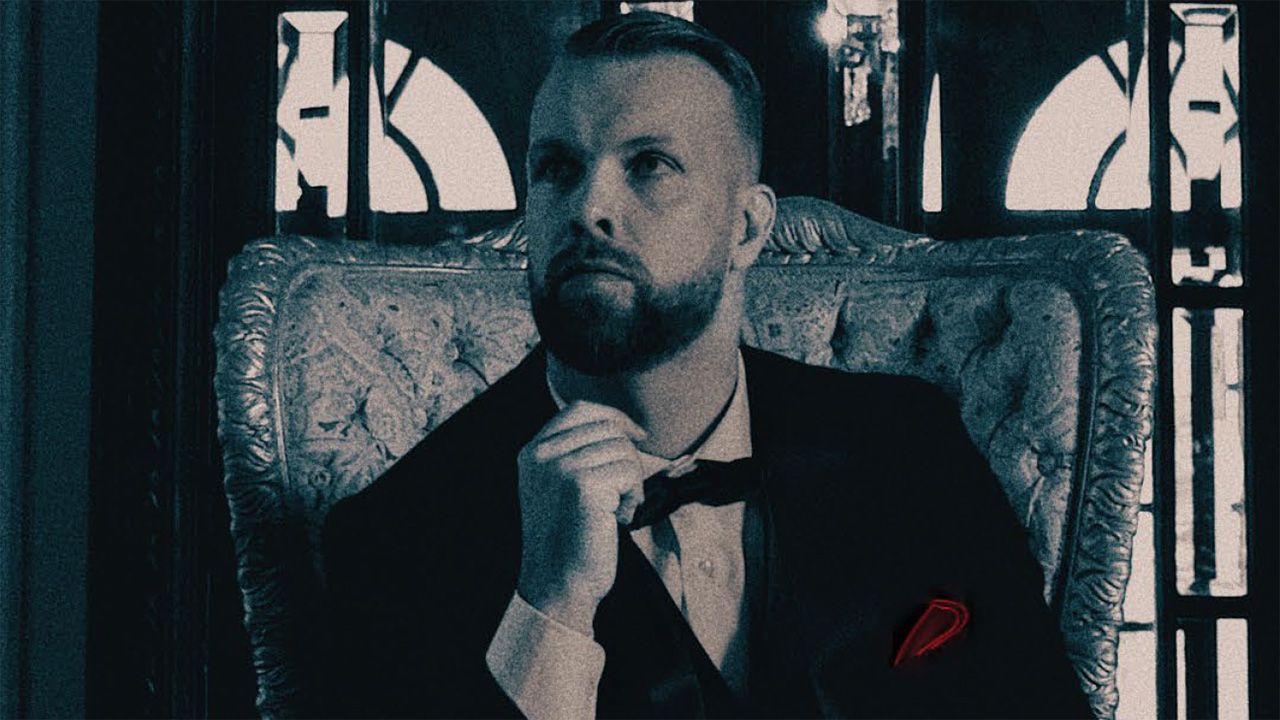
After sadly pulling out late on last year, Prog would like to wager on the Dear Hunter as this year’s dark horse. Why? Well, nestling on the inventive indie side of the music spectrum, Casey Crescenzo’s band are one of those bands that are impossible to pigeonhole. They’ve written a raft of concept albums based on everything from colours to post-apocalyptic dystopias; their imagination is off the scale, and they’ve enough songwriting craft and leftfield thinking within their ranks to pull off their ambitious projects time and again.
They’re a highly narrative-driven band; prepare for tales of wickedness, trickery, and majesty told to tunes from sparkling clean guitars, strings, horns, and genre-bending aplenty. It’s going to be pure cinema.
The Ocean
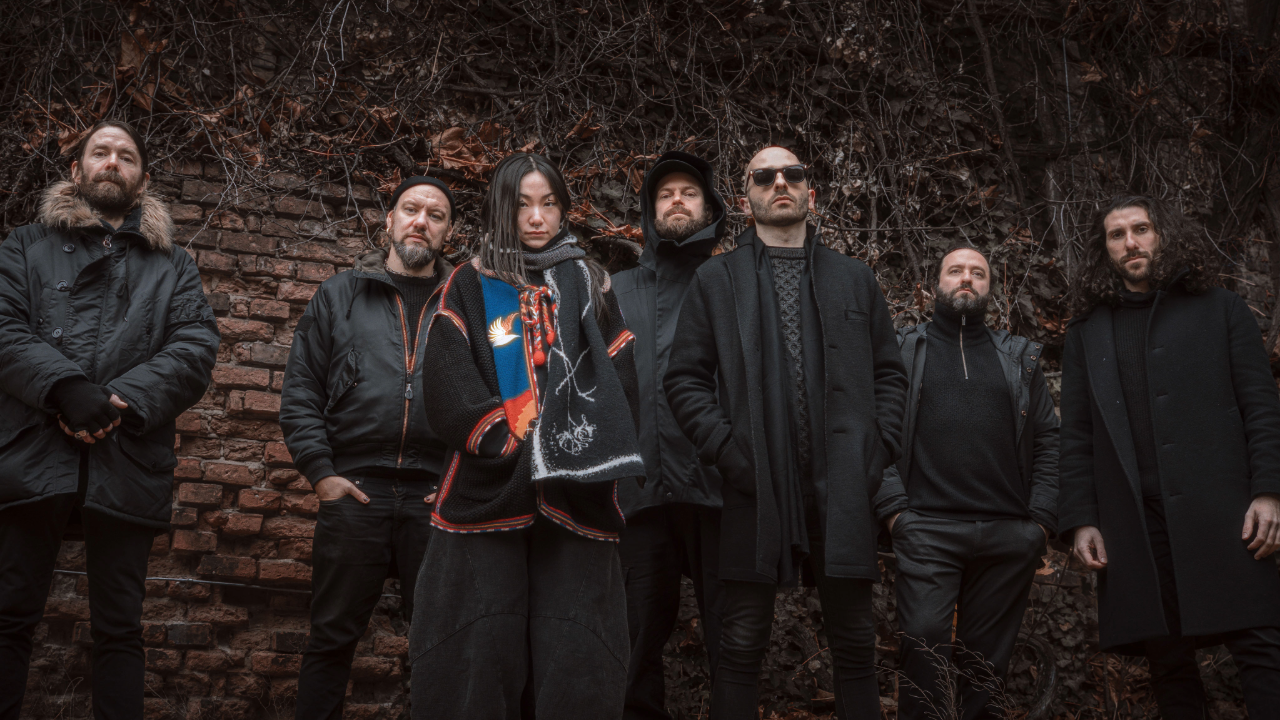
“This will be an experimental show for us,” says guitarist Robin Staps, with the band only two shows into bedding in their new line-up. That includes two new vocalists, Lane Shi and Enrico Tiberi.
“It’s us stepping our feet into this new water, and we’re approaching it with curiosity,” he adds. “People almost expect from us that we do something different with every record now, and with this line-up, everything feels really new, and really great. It was important for the band to have new people, approaches, and inspirations; I need that as an artist. So we’re at the beginning of a new journey now.”
Expect songs from their stunning new concept record, while their new vocalist pairing – who both also play keyboards live – gives fan favourite tracks a new lease of life.
“It’s also record release day for us,” Staps adds with a cheeky smile, “So it’s kind of an unofficial record release party as well. It’s going to be fun!”
Saturday 26th September
Separis Project
Kicking off day two, the Bareclonanians stand out for their deft balance of minimalism and minimalism. This is a band that, with gentle acoustic passages and classical-styled refrains, can be whisper quiet. In the same song, Kristina Vega’s expansive vocals can send it soaring, while a barrage of ultra-complex heaviness acts as an indelible punctuation mark. Life is about balance, and Separis Project have theirs nailed.
Iotunn
The Danish/Faroese band has thrown the kitchen sink at their 2024 album, Kinship, and they’ve rightly been hailed for it. Lyrically, it follows a prehistoric tribesman’s life and afterlife, while exploring everything from nature to individuality and the interconnectedness of everything. Musically, it’s a brooding storm of space rock, melodeath and power metal, with their palette kept broad in the name of storytelling. They’re a fine pick.
Rendezvous Point
The second Leprous offshoot of the weekend, Rendezvous Point most notably features the impossibly talented drummer, Baard Kolstad. The shared musical DNA is clear, but the band also has a more Muse-tinted alt-rock edge, and some truly phenomenal vocals.
But don’t take our word for it – speaking to Prog in 2024, keyboardist Nicolay Tangen Svennæs described their sound as “melodic prog rock with some fast guitars and odd time signatures,” while explaining how they enjoy the freedom “to break the limits of the genre.” Expect plenty of plot twists.
Green Carnation
The Norwegian troupe are currently promoting the final part of a three-album trilogy exploring abusive childhoods and loved ones in crisis. Yet, as harrowing as it sounds, the way they balance their foreboding goth and doom metal influences with ethereal, folky turns makes the A Dark Poem saga special.
They make the marriage of their genres feel natural, and have found themselves at the forefront of modern prog by moving with the times without forgetting the majesty of the classics. Don’t be surprised to see them headlining in future editions. For now, bask in their harmonious darkness… likely in gorgeous, juxtaposing weather.
Soen
The Swedes have long since unshackled themselves from their supergroup tag to become a fine vintage-modern prog in their own unequivocal right. They’re equally as inspired by Judas Priest, Pink Floyd and Yes as they are Tool, djent, and maybe even a dash of Sleep Token on their fierce and finessed new album, Reliance.
Most importantly, they’re a towering presence on stage, and have a near-faultless back catalogue to pull from. Between Joel Ekelöf’s incredibly emotive voice and probing lyrics, tackling everything from personal grief to rallying against corrupt authorities, and former Opeth drummer Martín López’s uncompromising yet always accessible approach to rhythm, the band have something very unique. Under the cover of darkness, the Be Prog! stage is the perfect place for them to shine.
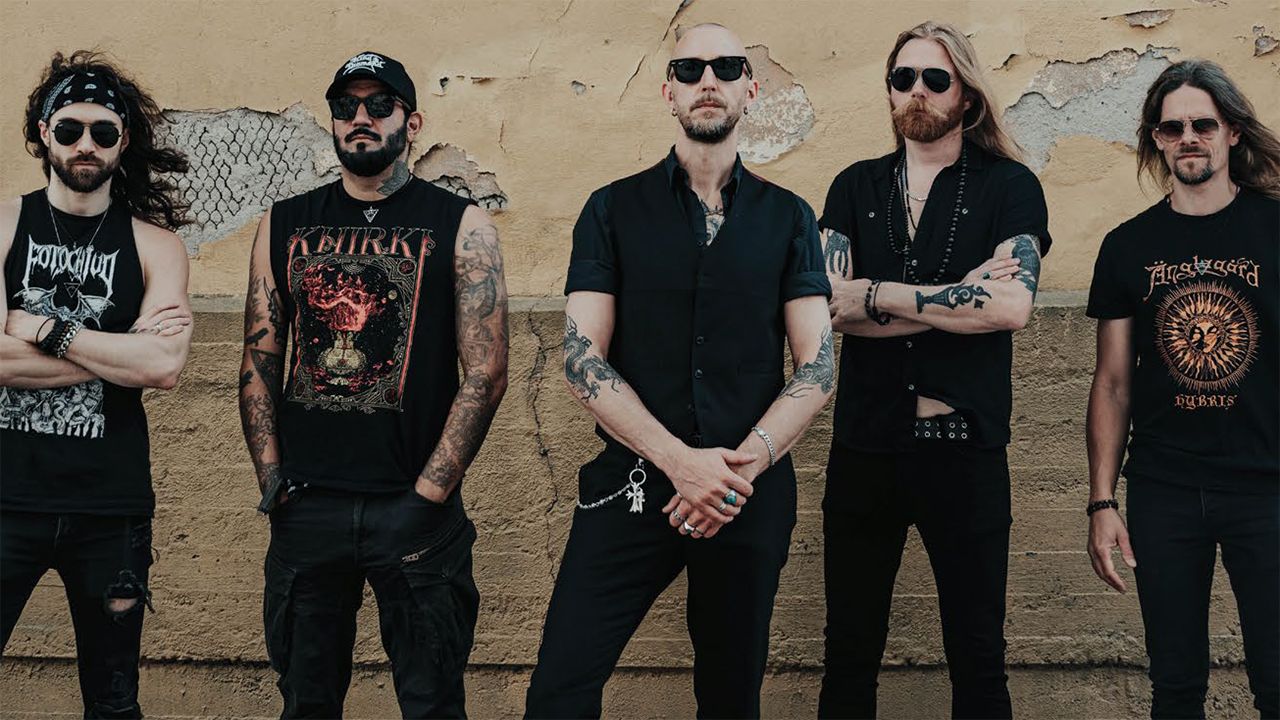
KEY INFO
The venue is now located in the far corner of Poble Espanyol, occupying a quant and well-signposted 1,000 capacity spot. The line-up features five bands per day, with one stage, meaning there are no clashes and running about between tents.
Doors open at 3pm each day, and the first band due to start at 4.00pm. The headline shows will conclude by midnight.
LINE-UP FRIDAY 25 SEPTEMBER (Doors at 3pm) After Lapse, Agent Fresco, Einar Solberg, The Dear Hunter, The Ocean
LINE-UP SATURDAY 26 SEPTEMBER (Doors at 3pm) Separis Project, Iotunn, Rendezvous Project, Green Carnatrion, Soen
LOCATION: The festival takes place at Poble Espanyol, Av Francesc Ferrer i Guàrdia, 13, 08038, Barcelona, Spain. It’s a 30 minute walk from the characterful Las Ramblas street and is easily accessible via public transport.
TRAVEL: Barcelona is 7.5 miles away. Public transport is recommended to reach the festival site. The closest metro station is Espanya, a 10 minute walk from the venue. The nearest bus stop is called Poble. There is also ample private parking.
DISABLED ACCESS: There’s a disabled viewing area at the event.
OTHER ATTRACTIONS: With the festival site opening at 3pm each day, there’s time to explore the city beforehand. Food and drinks can be purchased within the venue too, with a wide range catering for all diets.
ACCOMMODATION: Please note that Be Prog! is not a camping festival. Instead, try local hotels or Airbnb for a place to rest your music filled head.
ABOUT THE LOCATION: Built in 1929, Poble Espanyol is designed to look like a historic Spanish village, with replicas of buildings from different regions. Its village plays host to craft workshops, bars and restaurants. Please note: Museu Fran Daurel art gallery will be closed during the Be Prog! Festival.
DON’T FORGET TO PACK: Sun cream, sunglasses, water and ear protectors. There’s also be a merch stand for, so don’t forget to bring a few extra Euros to show your support to the bands performing.
Disclaimer: All details are correct at time of press. Visit the Be Prog! website for the latest info.

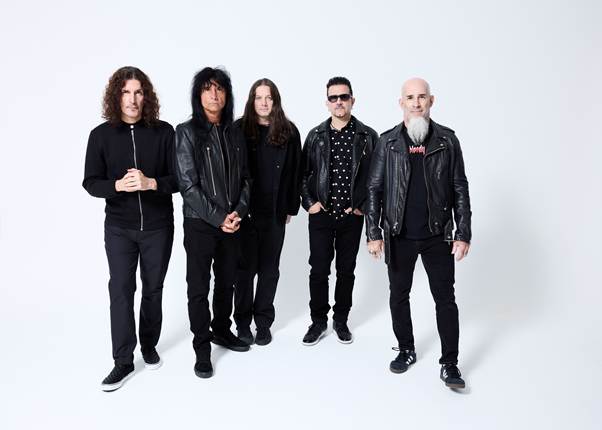 ANTHRAX have treleased their long-awaited 12th full-length studio album Cursum Perficio via Nuclear Blast Records and Megaforce Records (North America) along with a riveting video for the album’s title track. To celebrate the album’s release, the multi-GRAMMY® Award-nominated New York hard rock titans – Scott Ian (guitar), Charlie Benante (drums), Frank Bello (bass), Joey Belladonna (vocals), and […]