Blog
-
Kongh – Dissolved in Time (Review)
This is the fourth album by Swedish doom/sludge metal band Kongh. Dissolved in Time contains three sprawling tracks that total 39 minutes. Kongh’s style mixes sludge, doom, and post-metal, delivering a record that makes a good impression. With contributions from members of Cult of Luna and Grave, Dissolved in Time offers up a well-rounded slab … Continue reading “Kongh – Dissolved in Time (Review)” -
Watch: 95-Year-Old ‘Star Trek’ Legend William Shatner Played His First Heavy Metal Live Show
Including covers of Metallica, Ozzy Osbourne and Motörhead, along with original tracks.
The post Watch: 95-Year-Old ‘Star Trek’ Legend William Shatner Played His First Heavy Metal Live Show appeared first on Theprp.com.
-
Obscura Issue Statement Regarding Ongoing Legal Proceedings Surrounding Allegations
“We respectfully ask our fans, media representatives, business partners and fellow musicians not to contribute to speculation, personal attacks or further public disputes concerning these matters”.
The post Obscura Issue Statement Regarding Ongoing Legal Proceedings Surrounding Allegations appeared first on Theprp.com.
-
Album Review: Temic – Ceiba
Album Review: Temic – Ceiba
Reviewed by Oli Gonzalez
Three years since their blockbuster debut “Terror Management Theory”, prog metal’s newest super group are back with their sophomore release “Ceiba”. Featuring members (current or ex) of Mike Portnoy’s Shattered Fortress, Haken, Shining, and Devin Townsend, this truly does have a feel of prog royalty! Prog Radio described “Terror Management Theory” as “having the potential to innovate and redefine the boundaries of progressive rock and metal”. Can “Ceiba” begin to realise the band’s lofty potential?
In short, yes. Yes it can! Resoundingly yes! “Terror Management Theory” was great from a technical perspective but lacked that human emotion and felt all too ‘proggy woggy’ in parts. Technical for the sake of it. However, “Ceiba” has toned this down and really dialed into that all crucial human feeling.
Vocalist Fredrik leads this charge, asserting himself very early on in ‘Ashes’ with jaw-dropping operatic style performance! His voice is simply mesmerising! All sitting on top of a punchy tight as hell rhythm section, bone crunching guitars, all making way for the synths to add a melodic focal point alongside Fredrik. ‘Beyond The Voice’ takes a different turn, where the distorted guitars yield and the mood is introspective, ambient, where the tactical spaces and silence say more than any notes could. This also gives Fredrik all the room he needs to showcase the tender nature of his voice. Though make no mistake, they can turn up the intensity dial during the blistering choruses! Yep, all accusations of TEMIC being too overly polished and technical can be firmly extinguished. Especially with the powerhouse that is ‘Ceased To Be’. This will move you in more ways than one. Especially with the infectious and instantly memorable chorus! If not, you may just be a robot!
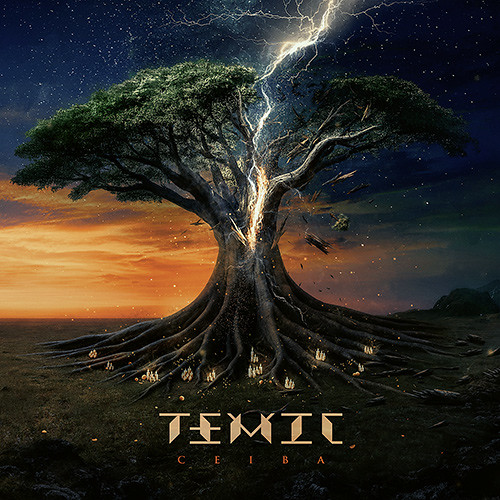
‘Broken’ is a much quieter, calmer 4 minute passage that either gives you some much needed time to lower your heart rate and catch your breath, or slows down the momentum of the album. Depending on who you ask. Though things pick up again in the 9 minute epic that is ‘Casting Stone’. Fredrik’s voice, the synths, the crunching guitar and bass, the complex polyrhythms; everything that makes TEMIC so incredible are on full display here with the lights on bright and the production getting the best out of them. Hell, you can find these elements in pretty much any song! Have fun, play a game, pick one at random and see how quickly they’ll win you over!
We spoke about emotion. Let’s examine ‘Alone’. Just listening to these on the nose lyrics can turn the most stoic individuals into a crumbling quivering mess!
I know that I feel so alone
I don’t want to feel this way, I’d rather feel nothing at allEither you’ll be moved by this, or you’re lying. We can all relate to that feeling, surely! If that doesn’t get you, the absolute face melter of a guitar solo will! No fancy noodling, just good old fashioned riffs delivered with blistering tones and dripping in raw human sentiment!
Is “Ceiba” too long? Maybe. 66 minutes in length feels ambitious, and can feel like a challenge to get through. Forty five minutes feels like the sweet spot for albums in this day and age. Equally, TEMIC aren’t taking any half measures and are throwing everything into “Ceiba”. That, you must respect.
On October 2nd 2026, the world is going to be introduced to a new force in the world of progressive metal!
For all the latest news, reviews, interviews across the heavy metal spectrum follow THE RAZORS’S EDGE on facebook, twitter and instagram.
The post Album Review: Temic – Ceiba appeared first on The Razor's Edge.
-
Game Over – When Darkness Falls Review
 Here it is. My first repeat customer. Last April, Italian five-piece Game Over blindsided me with their sixth LP, Face the End, a love letter to ’70s and ’80s horror flicks and coast-to-coast prime-era thrash. Even with some uneven songwriting, a refreshed lineup helped them carve out a newly honed sound that balanced thrash’s timeworn genre tropes with a punchy, aggressive energy that hit all the right notes. Well, color me surprised again. Just a little over a year later, Game Over returns with their seventh album, When Darkness Falls, and a first glance suggests we’re in for more of the same. Anytime a band releases albums in such quick succession, though, I get wary. Will the songwriting suffer? Is this a case of having too much material for their own good? Will it bring the same fun factor as Face the End?
When Darkness Falls picks right up where Face the End left off, offering a heaping plate of thrash comfort food. It’s the kind of thrash made for tearing around town in your beat-up van with the stereo cranked and a case of cheap beer rattling around in the back. These tracks are stuffed with enough sing-along gang vocals and high-octane energy to get any metal fan to pump their fists in time with the riffs. Game Over pull from both ends of the classic thrash spectrum. “Fight For Your Mind” and “Two Souls One Flesh” channel strong Testament vibes, while “Break Away” does its best early Exodus impression with its “Toxic Waltz” swagger. Elsewhere, Anthrax’s East Coast party atmosphere roots “Scream It Out” and “Self Denied,” balancing their aggression with a sense of fun and accessibility. And while the horror-themed lyrics are tropey as hell, they fit Game Over’s approach so naturally that it’s hard to hold any real complaints.
Game Over’s brand of thrash is almost guaranteed to be a blast live, but its familiarity underscores both When Darkness Falls’ strengths and its limitations. The quartet writes solid, entertaining material that hits exactly where it aims, yet it rarely pushes beyond the safety of the genre’s borders or tests how far their sound could stretch. Outside of “What Fate Brings” and “Curse of Strahd,” as well as closer “Command to Die” which drags somewhat in energy and songwriting, the album’s tracks are appealing and well executed, but so safe that they raise questions about the group’s appetite for evolution. A few calculated risks here and creative detours there could have elevated When Darkness Falls to the next level. Still, the old saying “a classic never dies” applies. Game Over know how to deliver and across the record’s brisk 33 minutes I found myself often nodding along, swept up in the abrasive riffs and infectious energy of “Scream It Out,” “Fight For Your Mind,” “Self Denied” and “Two Souls One Flesh” without a care in the world.
 Game Over continues to run through vocalist Danny Schiavina, who remains one of the band’s strongest assets. Shifting effortlessly between gritty and menacing roars (“Beneath the Ground,” “Curse of Strahd”) and the soaring, Belladonna-esque proclamations of “Break Away,” Schiavina gives When Darkness Falls a dynamic spine and is a force to be reckoned with. He leans less on his higher register here than he did on Face the End, and he’s not pushed quite as forward in the mix as I would have liked, but his performance suits the heavier, more direct approach of the songwriting all the same. The gang vocals also add punch and immediacy, even though they are overutilized. Now the sole guitarist after Alessandro “Sanso” Sansone’s departure, Luca “Ziro” Zironi, comes armed with a formidable ax, firing off power chords, relentless down-picking, and sharp solos that fuel When Darkness Falls with brute force.
When Darkness Falls delivers exactly what it sets out to do. It’s a familiar platter of loud, well-executed thrash served with enough charm and muscle to satisfy the loyal denim faithful still craving the nostalgic bite of olde. After two very similar records in such close succession, though, I’m hoping Game Over develops some new tricks because that’s what ultimately keeps When Darkness Falls from reaching greater heights, and at this point, we know the cut of these Italians’ gib.
Rating: Good
DR: 6 | Format Reviewed: 256 kbps mp3
Label: Scarlet Records
Websites: gameoverofficial.bandcamp.com | gameoverofficial.net | facebook.com/GameOverThrashMetal
Releases Worldwide: September 18th, 2026The post Game Over – When Darkness Falls Review appeared first on Angry Metal Guy.
-
Album Review: Dissimulator – Artifice Dissolves
Album Review: Dissimulator – Artifice Dissolves
Reviewed by Sam Jones
Dissiumulator’s announcement regarding their upcoming album snuck up on me but I’m mighty excited to see what these tech death/thrash boys from Montreal, Quebec, have cooked up for us. Formed in 2021, Dissimulator take the technical aspect of their sound seriously, originally through their 2021 Warped Demo before realising their potential come the release of their debut full length: 2024’s Lower Form Resistance, an easy standout for that year. Curiously my mind was reaching towards what a follow up to that record would look like and once October 2nd rolls round so will everyone else. Sporting the same roster as Lower Form Resistance, Dissimulator seem poised to take us on another cyber trip, once more backed by 20 Buck Spin, as their technical element takes us to the very limit of the stratosphere.
I took to the production here very easily, for Dissimulator have really honed their sound into something ruthlessly fast yet far from overpowering. Even with the strongly technical element their sound throws out its strangely accessible to listen to; newcomers could approach this record more freely than they could with their last I feel and yet I know from listening that the band have not lessened their technicality. If anything they’ve gone even further with the technicality however it feels interwoven with the overall songwriting so completely one can’t separate the two facets. There’s no instance where the songwriting provides track development with some technical playing on the side to draw people in, they’ve become fused one and the same. With that said, their performance is never so technical they they seem vying towards a particular crowd.
Following on from the production, the band have enabled their bass and drum work to prosper greatly all the while limiting actually how loud they’re presented on record. Listen keenly and you’ll be dazzled at just how fast their basslines are playing at; the sheer speed their bass flies with is stunning and will have you honestly gawking. Speed has been Dissimulator’s crowning strength, their ability to merge rampant tempo with technical playing will keep many invested with this record, and yet it manages to stay within its designated location. Neither bass nor drum work herein tries to break out of their assigned positions but that doesn’t stop their impact from being felt. The bass drums are huge and one can feel their strength at every given moment though you feel the after effect of the kicks. Usually this would see the bass drums taper off into the void with a minimised presence, but owing to the mix Dissimulator’s drums feel present due to how they merge with the bass.

The way Dissimulator write riffs to so effortlessly contain and showcase their technical edge was a driving force behind their last record’s success, and thusly has it been replicated here too. We’ve covered how the band fuse their songwriting with that technicality so it’s not as jarring when the band do break out into wilder territory but, it’s the pace at which they flit in and out of varying degrees of riff complexity and proceed playing as if it were the sole and natural thing they could do in that instance. You’ll be listening to a sequence maybe thirty seconds long and in that timespan the band have thrown maybe seven unexpected moments laced seamlessly. Given their tracks have push six and seven minutes long it guarantees audiences will be continuously entertained and thrown off by anything Dissimulator promise. With that said, there are a myriad of pieces that will have you applying the stank face without difficulty. Dissimulator are here for technical playing yes but they always remember you want it heavy, and on that front they always provide.
It’s perhaps an odd thing to say but I appreciate the vocals for being the extreme, growling force they are without them feeling too harsh on the ears. They’ve certainly been given a particular standing in the mix for whilst the riffs play away the vocals are always front and centre when the two are on stage at the same time. They’re aggravated and possess a scathing impact like fingernails furiously scraping on sandpaper and yet they feel smooth as they hit the record and, by extension, yourself. If this was a choice through the mix it was well though if since the band are already playing rapidly with songwriting relentlessly hellbent on cleaving your brain twixt. It’s that one allowance of comfort, like placing a velvet pillow on a gypsum bed.
In conclusion, Dissimulator prove Lower Form Resistance was no fluke. Artifice Dissolves demonstrates the band’s unique stance on technical death/thrash metal is here to stay and is an integral part of their identity. I think many will look on this record and know it as amongst their top releases for the year; at every turn Dissimulator provide unconventional licks and instances where the guitar work comes alive all the while ripping our sinews asunder with basslines and drumming bursting with savagery. This is all accomplished without the band having to slam their songwriting into your face to get you paying attention; they never try and exaggerate the technical quality their music has. They allow their sound to exist as it is on record and you are left to decide on its quality. All in all, Artifice Dissolves is a shredding experience, one that will have you coming back over and again for that familiar rending sensation.
For all the latest news, reviews, interviews across the heavy metal spectrum follow THE RAZORS’S EDGE on facebook, twitter and instagram.
The post Album Review: Dissimulator – Artifice Dissolves appeared first on The Razor's Edge.
-
SHADES OF BLACK: POLDERHAAT, BONJOUR TRISTESSE, SERPENT, ÜBERCHRIIST
(written by Islander) This collection of recommended music will be much shorter than yesterday’s. We’ve got a visitor coming to the house any minute now, and after that I’ll be heading across Puget Sound to join friends in watching our beloved Seahawks play another team named for a bird, one that wouldn’t stand a snowball’s […]
The post SHADES OF BLACK: POLDERHAAT, BONJOUR TRISTESSE, SERPENT, ÜBERCHRIIST appeared first on NO CLEAN SINGING.
-
Album Review: Firtan – Helios
Album Review: Firtan – Helios
Reviewed by Oli Gonzalez
Black metal. A genre full of pretenders and wannabe’s. Every now and then though, a band comes along and shakes the very fabric of the genre to the core and breathes invigorating new life into it!
Enter Firtan!
Hailing from the deepest, darkest depths of Germany – a hotbed and breeding ground for quality black metal – Firtan unveil their 5th album “Helios” via AOP Records. A label that’s handled the releases of Ellende, Heretoir, Finsterforst, and many others within the last year or so. Now Firtan can join that lineage!
Just listening to “Helios” makes you think that Firtan have observed the black metal masses, and walked in the opposite direction in crafting an instantly recognisable sound. Forget the numerous references to Satan that became boring in the late 90s and mindless blast beats. Firtan’s sound is composed of multiple layers that’s as complex as it is challenging. The rhythmic foundations are set in a tighter, more bludgeoning series of grooves, though drummer David can up the ante when required and send the BPM count well over 200 with a series of vicious double kick rallies. When joined by bassist Oliver, the rhythm section is locked in and the thunderous rumble acquired, like during ‘Ambrosia’.

Phillip leads the vocal attack not in a series of KVLT shrieks, but rather a much deeper demonic growl! Sounds standard right? Well this is where things start getting more interesting. He’s joined by violin player and backing vocalist Klara, whose calming resonance provides a wonderful beauty and the beast style, and allows you to fully appreciate the bleak darkness and intensity of the music. She adds a sense of urgency and emotional weight to the already intense and infernal atmosphere, especially in songs like ‘Solis Currus’. Here, the band demonstrates an understanding of atmospheric music and building tension. Heaviness doesn’t always come from overwhelming your listeners with crushing tones and all-out fury. No, you need to let music breathe, sometimes with the notes you’re not playing just as important as what’s being pumped through the speakers! Firtan understand this.
Though this less is more approach doesn’t necessarily apply to the album’s overall composition. See, 63 minutes run time feels like an investment at time, especially given some songs hover well over 5 minutes, with ‘The Hierophant’ clocking in at 11:42! Nobody would be mad at Firtan for dropping a song or two. With that being said, they certainly can’t be accused of short-changing you or half-assing this record. Absolutely not! In fact, “Helios” is one of those records that rewards long term investment and listening. If you stick it out to ‘Shadows of a Dawn’, you’ll be rewarded with a wonderfully opulent number whereby the drums, bass, distorted guitars and Phillip’s growls are removed. Instead, it’s just the lush acoustic guitar melody anchoring the song’s rhythm. Klara is promoted to lead vocalist here, with her simply gorgeous voice being given all the time and attention it needs to fully shine, whilst the violin takes over as melodic focal point when she takes a break. Yes, a totally unexpected find, but I am not complaining one bit!
Now, I’m not normally a fan of covers. But when Firtan have taken a song – in this case ‘Man Of Iron’ by Bathory – and completely reimagined and reengineered it fully in their image, then they’ve won! Do as many covers as you want!
That sums up Firtan really. A band you should expect the unexpected from. Black metal fans craving something that goes against the grain and showcases a wholesome new twist on the genre will be more than satisfied with “Helios”. Firtan will satisfy any craving for intense atmospheric black metal with a folk twist!
For all the latest news, reviews, interviews across the heavy metal spectrum follow THE RAZORS’S EDGE on facebook, twitter and instagram.
The post Album Review: Firtan – Helios appeared first on The Razor's Edge.
-
BLACK BLOOD Sthlm Release Self-Titled EP
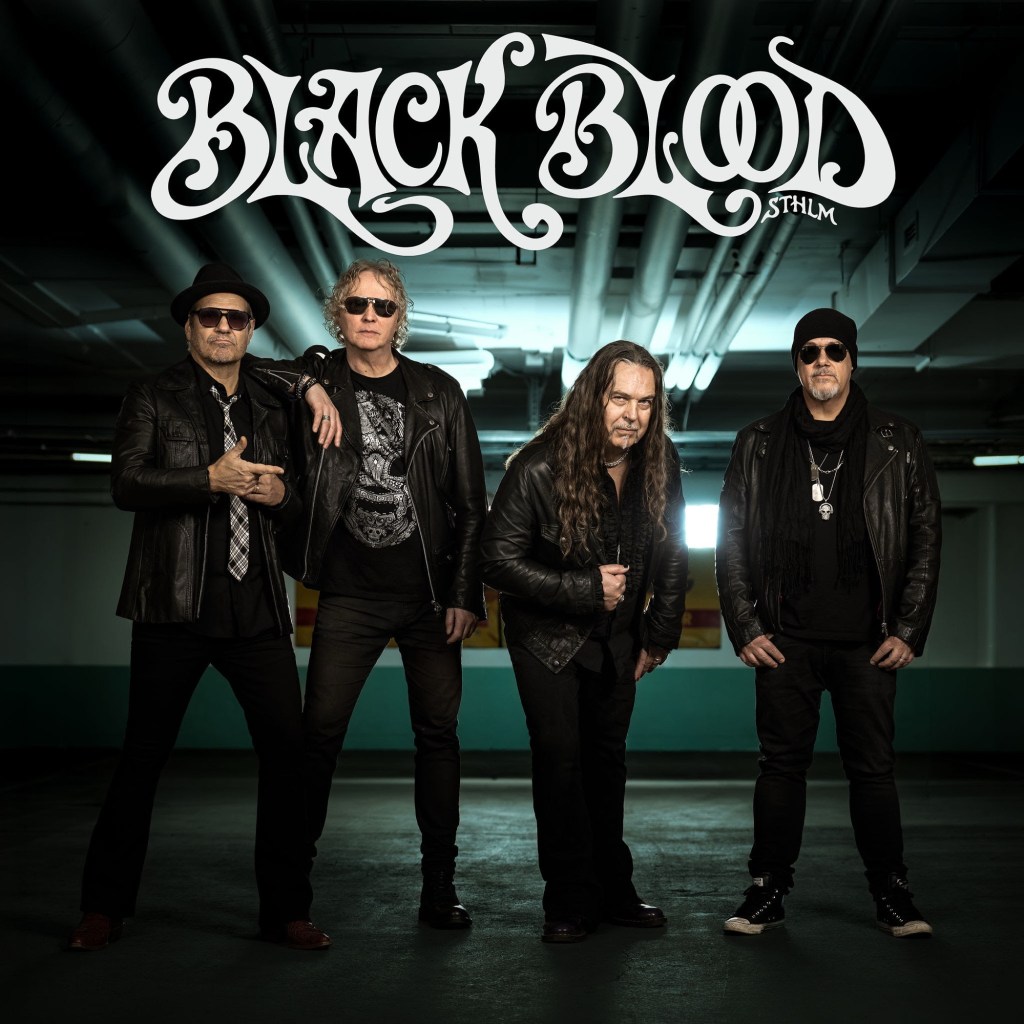
The Swedish hard rock band’s first full statement is out digitally now
Swedish Hard Rock band Black Blood Sthlm release their self-titled EP, marking the band’s first structured release after their debut single “Avalon.” The EP is available digitally now!
Listen to the EP here:
https://bfan.link/black-blood-sthlmep
Featuring four tracks, “In The Wind” (watch the video), “I Know You Believe,” “Fallen Angel” and “Holy Man”, the EP brings the band’s identity into clear focus. After introducing themselves with “Avalon” and following with the singles “In the Wind,” “Holy Man” and “I Know You Believe,” Black Blood Sthlm now present the full picture: a band rooted in classic Hard Rock, shaped by experience, and built around songs rather than formulas.
The focus track of the release is “Fallen Angel,” a slow hard rock ballad that opens a more emotional side of the band. Placed within the EP, the song gives the release a different weight and contrast, showing how Black Blood Sthlm can move beyond the straight hard rock attack while still keeping the same sense of purpose, musicianship and identity.
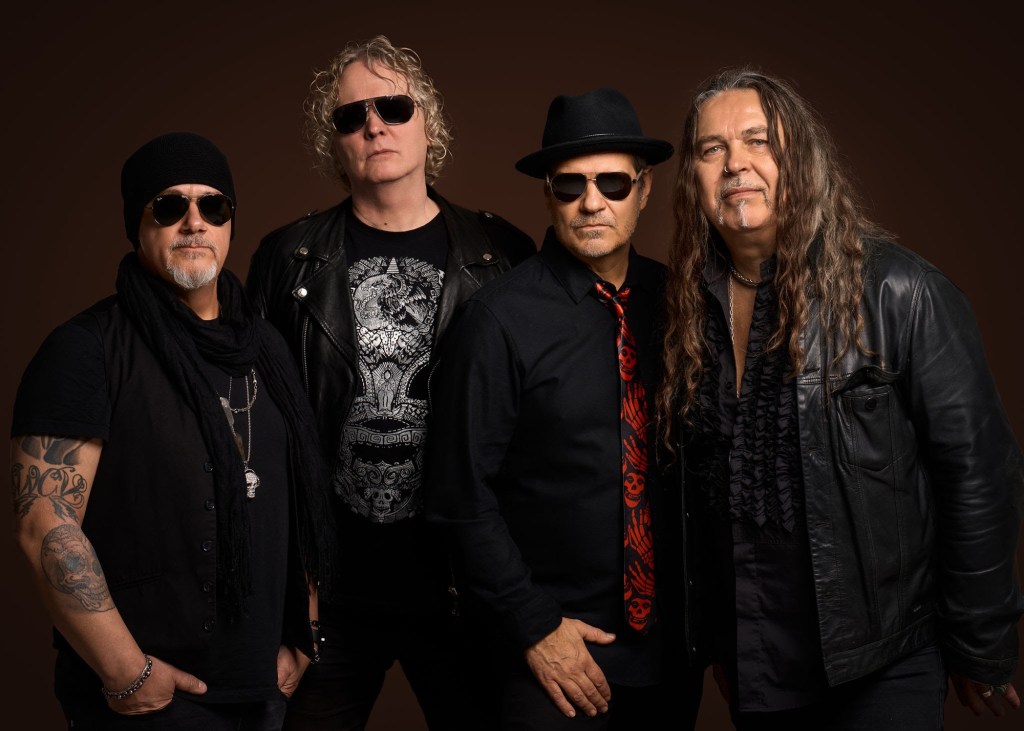
Black Blood Sthlm were formed by four musicians who have lived through different chapters of the Scandinavian rock and Metal scene from the inside. Their roots reach back to 1970s Hard Rock, but the approach is direct, song-focused and free from nostalgia. The sound is built around guitars, voice, rhythm section and arrangements working together with one clear objective: the song.
The band features Matti Alfonzetti on vocals, one of Sweden’s most respected rock singers, known for his work with Jagged Edge, Bam Bam Boys and Skintrade. On guitar, Stefan Bergström brings his long-standing experience from Skintrade, as well as collaborations with Baltimoore, Zinny Zan and Martina Edoff.
Behind the drums is Johan Kullberg, whose career includes Lion’s Share, Zan Clan, Therion and session work with HammerFall during extensive world tours. Completing the line-up is bassist/vocalist Jarmo Lindell, who has worked with Cloud Circus, Andreas Johnson and has also released material as a solo artist.
With this EP, Black Blood Sthlm move beyond the first introduction of “Avalon” and open the next phase of the project. It is a release born from musicians who know the language of hard rock from the inside, but who still approach it as a living form: something to be played, written and brought to the stage with conviction.
Black Blood Sthlm – track-list:
1) In The Wind
2) In Know You Believe
3) Fallen Angel
4) Holy Man
Contacts:
Facebook