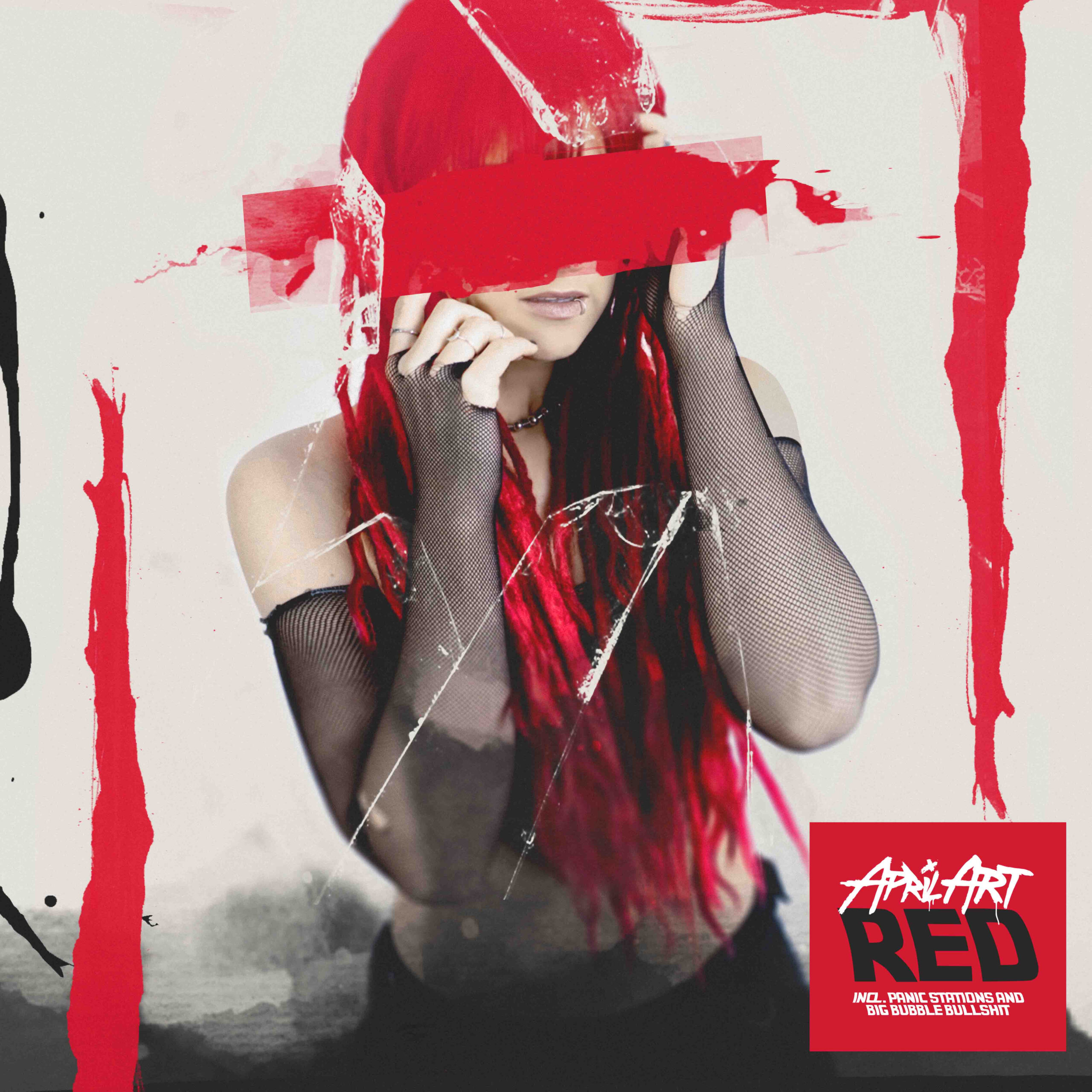
Personnel: Lisa-Marie Watz – vocals Chris Bunnell – guitars Julian Schuetze – bass Ben Juelg – drums, producer
Release Date: October 9, 2026 Record Label: Reaper Entertainment
Setting the Scene
April Art are back on their quest to write their names in the metal history books, and this time they are doing it with RED. The alternative metal band return with another full-length record, following up on their previous releases while pushing further into the sound they have built for themselves, with modern heaviness, massive hooks, and unapologetic energy.
First Impression
RED is an immediately exciting listen that leaves you wanting more. On their previous releases, April Art sounded like a band still working on perfecting their identity. Here, they sound like they have finally reached that point, completely comfortable with the foundation they have built while still finding new ways to expand it. The momentum keeps the album moving from start to finish, but some of the hooks are so damn effective that certain tracks will have you going back to them before you even finish the record.
Similar Sounds
If you’re into any of these artists, this album should be on your radar.
Stitched Up HeartNever Obey AgainSumo CycoIgnescent
The Artwork
The cover art features a dark black-and-white collage of the trio posing for police mugshots over a chaotic background of torn text and scribbles. The whole thing fits the record perfectly, immediately preparing the listener for the darker and more aggressive energy of the tracks inside.
Track on Repeat
“Karma Is A Bitch”
It isn’t an April Art album without a track that feels like a modern remake of a golden-era rock anthem. “Karma Is A Bitch” is exactly that. It immediately sticks in your head and you’ll find yourself singing it everywhere (apologies to the man in the elevator). This is the undisputed track everyone will be jumping to at concerts.
In-depth Notes
Musical Shape 🎸
The first thing that stands out about RED is how much the guitars and hooks carry the album. April Art keep things heavy and direct, but they do not stick to the same pace or intensity from one song to another. “Bulletproof” gets things started with an aggressive punch, while “Hungry for Life” and “Panic Stations” give the album some breathing room with softer verses before the heavier choruses kick back in. The changes in pace work just as well, from the slower, uplifting “Unbreakable” to the faster, almost punk-inspired energy of “Good Guy.” There are also softer intros and melodic keyboard parts, especially on “Blink of an Eye,” adding another side to the album without taking away from its heavier sound. This mix of heaviness, melody, and changes in pace keeps RED from feeling repetitive.
Vocal Performance 🎤
Lisa-Marie Watz does a great job of matching her singing to the different moods of RED. She can go from heavy, aggressive vocals to softer melodies without losing what makes her voice stand out. “Hungry for Life” is a great example, starting quietly before building into a huge chorus and then pulling back again. On “Fall Into Pieces,” she takes a lower, more restrained approach during the verses, which fits the song’s melancholic melody really well. Whether she is singing over a quiet intro or leading a fast, energetic track, Lisa-Marie knows how to make her voice fit the song.
Themes and Concepts 💭
RED moves between struggle and self-confidence. “Fall Into Pieces” explores finding strength after falling apart, while “Big Bubble Bullshit” takes a more confrontational approach. With the uplifting “Unbreakable” and the confident attitude of “Karma Is A Bitch,” April Art cover both the hard times and the determination to rise above them.
Final Verdict
★★★★★★★★☆☆
April Art have built their own take on alternative metal, and with RED, they continue to build on it while taking their sound further. This album shows they’re on the right track.
Mood Meter
%
Intensity
%
Melancholy
%
Darkness
%
Emotional
%
Serenity
%
Energy
%
Romance
%
Joyfulness
Perfect For…
Workout music – has enough energy for several rounds Gaming – can be a soundtrack for any action game Working – listen to while working to focus your energy Driving –unless there’s a traffic jam
Words by Bella Leith Photos by Jordan Munns Taking the stage before the main show, Ninajirachi wasted little time establishing her presence. Storming the arena with Girl EDM, there was an immediate invitation to move, with pounding electronic rhythms met by an equally energetic crowd. In true DJ tradition, every song flowed seamlessly into the […]
2026 marks the 50th anniversary of Judas Priest’s second album, Sad Wings Of Destiny – the moment where they truly gave a glimpse of the band they would become. With the album about to get a lavish reissue, we flashback to this 2008 interview in which singer Rob Halford and original guitar duo Glenn Tipton and KK Downing (talked Metal Hammer through the story of this landmark metal album.
While Black Sabbath virtually created the heavy metal genre, it was Judas Priest who gave it a shape and focus in the mid-70s. Theirs was the music springboard from which others would catapult into legend.
Priest started in 1969, when guitarist KK Downing and bassist Ian Hill decided to take their childhood friendship into music. A year later, singer Al Atkins came into the picture. He joined the duo after his previous band had split up. Crucially, he persuaded the pair to take on his erstwhile outfit’s name: Judas Priest, named after the Bob Dylan song The Ballad Of Frankie Lee And Judas Priest. With Glenn Tipton from The Flying Hat Band on guitar and Alan Moore on drums, the young band toured the local area, supporting the likes of Thin Lizzy and Budgie.
In 1973, both Al and Alan left due to financial problems. One Rob Halford stepped forward to front the band, while John Hinch was brought in on drums – one of many to occupy the stool over the years. John and Rob had already worked together in a band called Hiroshima.
The same year, Priest signed to the Gull label and recorded debut album Rocka Rolla with producer Rodger Bain. It wasn’t an auspicious start. The release received a lukewarm response so, when the band began work on the next one, the world wasn’t exactly expecting a portentous moment. But that’s exactly what happened. One that would invent the concept of heavy metal as we know it…
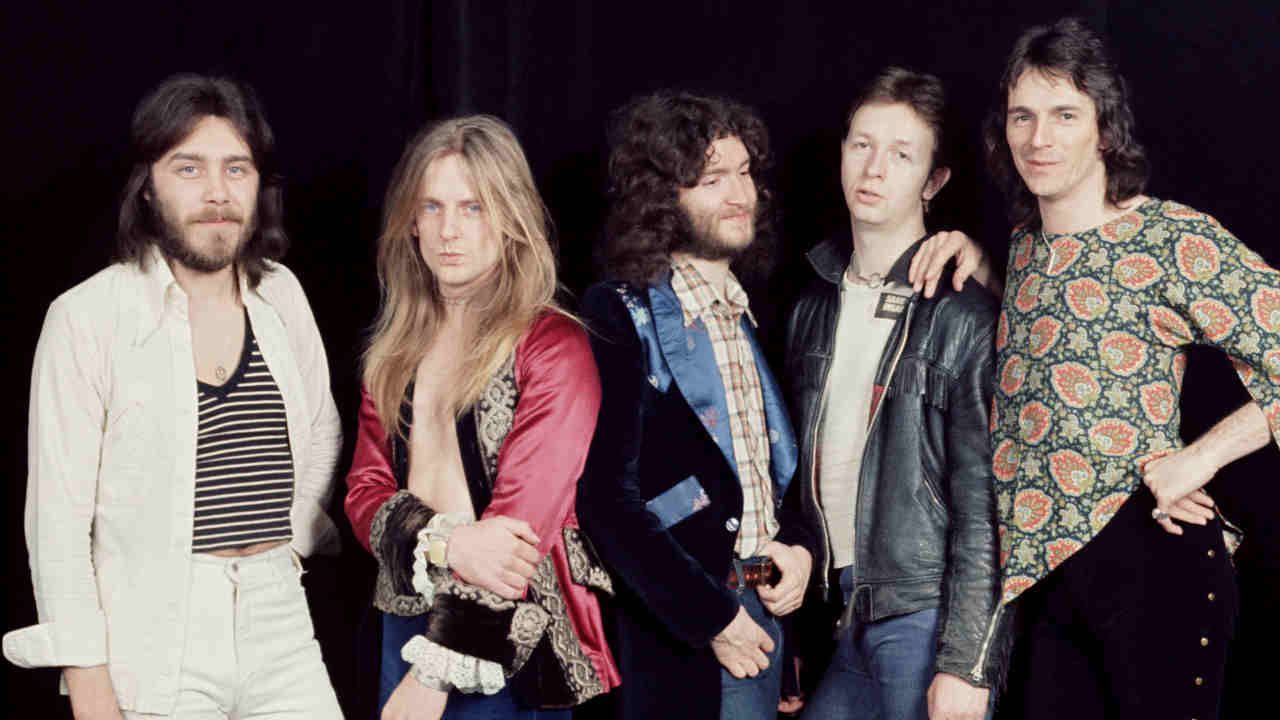
Judas Priest in 1977, the year after Sad Wings Of Destiny was released (Image credit: Sony Music Archive via Getty Images/Tom Sheehan)
“As time passes, the heavy metal world does look back at Sad Wings Of Destiny as being a classic,” says Rob of the album that became the fulcrum of their career. “That happened many years ago now. We in the band accept that sort of response with gratitude.”
Two significant changes happened in the Priest camp as they prepared for the vital second album. Firstly, the decision was made not to work with Rodger Bain again.
“I don’t want to be nasty about Rodger, because he is a good producer and has done lots of quality albums,” recalls Tipton. “But I remember going home and listening to Rocka Rolla and being gutted at how disappointing it sounded. The songs were good, and many have stood the test of time, but it wasn’t well recorded.”
“The fact is that we wanted to grow as a band,” adds Rob, “so the logical thing was to change producers.”
In came the combination of Jeffrey Calvert and Max West, a pair not exactly renowned for their rock credibility. Jeffrey had worked at Morgan Studios in London, which had connections with the Gull label, while Max’s real name was Geraint Hughes Wyn. Amazingly, they were to have their own number one single in the summer of 1975, under the name of Typically Tropical (the song in question being the flighty cod-calypso Barbados), and would later write the Sarah Brightman disco hit I Lost My Heart To A Starship Trooper. All in all, not really the sort of producers one might expect to be involved with the young Priest.
“Gull suggested we work with them,” explains Rob. “As a band we felt that we now had the knowledge to get what was required from the new record. In addition, both Jeff and Max understood that we were gonna be very involved in this album, which wasn’t totally the case first time around.”
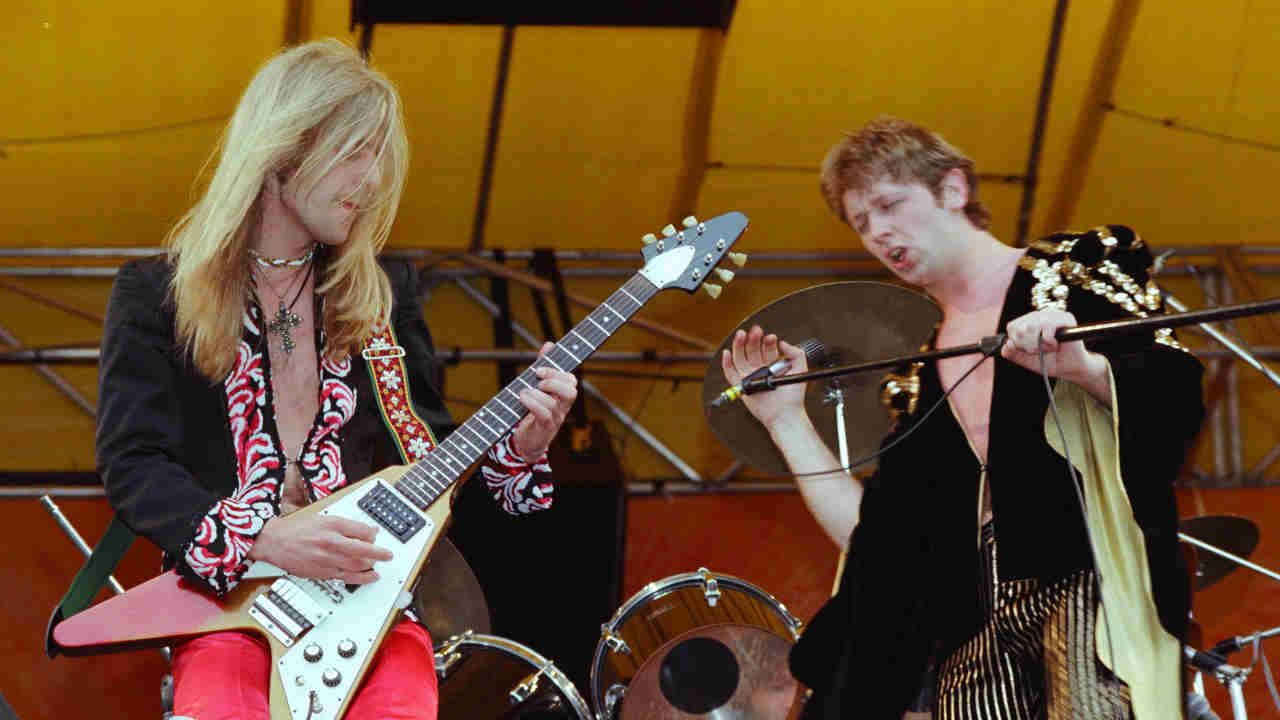
(Image credit: Richard McCaffrey/ Michael Ochs Archive/ Getty Images)
A very young engineer called Chris Tsangarides got his big break on the project, before going on to work with some of the biggest names in rock during the 1980s and beyond (he would produce Painkiller for Priest in 1990).
“Chris apparently heard me doing the solo on Victim Of Changes and loved it so much that he pleaded to work on the record,” laughs KK.
There have been suggestions that Rodger had imposed his own will on the band’s debut, even going as far as leaving off Tyrant, Genocide and The Ripper, all of which were said to be part of the band’s live set prior to Rocka Rolla. However, Rob refutes this view of history.
“I don’t recall any of these songs being played live before the debut,” he insists. “In fact, the only track from Sad Wings Of Destiny that we were doing onstage before that album was recorded was Victim Of Changes. All the others were newly written.”
The second major change came with the departure of John Hinch (he would re-emerge a few years later, managing cult New Wave Of British Heavy Metal band Jameson Raid), and the return of Alan Moore.
“Alan came back for the same reason that we decided a change of producer was necessary,” believes Rob. “Any new band has to constantly look at all levels of musicianship and consistency, if you’re determined to progress and get to the next level.”
In addition, the quality of the material was unquestionably several parsecs removed from what had gone before. The likes of the aforementioned Victim Of Changes, Tyrant, Genocide and The Ripper have become classics that stand loud and proud more than 30 years on.
“I think the writing combination of myself, KK and Rob really started to blossom here,” says Glenn. “We’d gotten to know each other a lot better after the experience on Rocka Rolla, and we’d grown in confidence. To me, this was the real start of Priest as everyone knows us.”
Despite Glenn’s belief that this marked the real birth of the Halford/Tipton/Downing writing partnership, in truth only three songs on Sad Wings… – Genocide, Island Of Domination and Deceiver – carried that famed writing credit. Although Victim Of Changes was predominantly written by the three, with input from Al Atkins, rumour has it that this epic was a combination of two other songs, namely Whiskey Woman (which dated back to the very early days of Priest, pre-Rob Halford) and Red Light Lady which Rob had brought with him from previous band Hiroshima. The frontman, though, recalls things differently.
“We always titled it Victim Of Changes, it never had any other title. I suppose that confusion might have happened because Whiskey Woman is the opening phrase.”
The band went to the famed Rockfield Studios in Wales to record what was definitely a crucial album. Having worked under a highly restrictive budget for Rocka Rolla, now things seemed to open up a little.
“We chose to go to Rockfield because it was a well-known, and heavily used, studio at the time,” says Rob. “It was also a residential place, which allowed us to stay together and concentrate fully on what we were doing.”
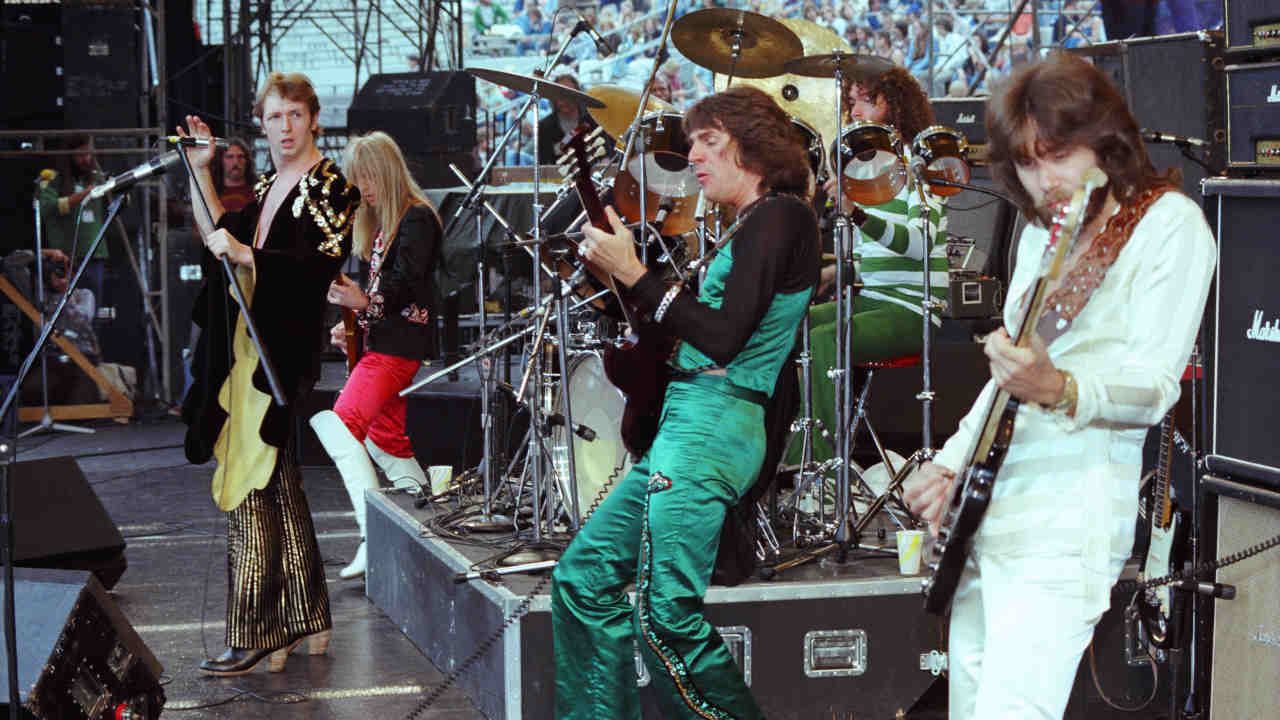
(Image credit: Richard McCaffrey/ Michael Ochs Archive/ Getty Images)
KK, though, doesn’t recall those times as being particularly financially viable for the band. In fact, he has a sense of bitterness about the way things were turning out.
“We were broke, simple as that,” he says. “While we were recording the album, the money dried up. We’d gone from Rockfield to Morgan Studios in London, but our tab ran out. We couldn’t even afford food and drink – that’s how bad things had become. Here we were, in one of the most famous studios around – with the likes of Black Sabbath and UFO also recording – yet living on the breadline.”
In all, Judas Priest spent four months working on Sad Wings Of Destiny until July 1975. They took the occasional break, but for the most part sank everything they had into making the album as good as it could be.
“It was a lot of effort, and it really took its toll on us,” admits Rob. “But then none of our albums have been that easy to make. They have all been about blood, sweat and tears… but that’s the way it should be for any band. Give anything less and you get a poor end result.”
The album was released on March 23, 1976, and gave the band their first ever UK chart success, as it peaked at a modest number 48 (although it didn’t chart in America at the time, the record has now sold over half-a-million copies there). But it was a step forward from the failure of Rocka Rolla, and one cemented by a heavy touring schedule.
All of which meant the band were now really ready for major success. But it wasn’t to happen with Gull Records. There had been a growing unrest with the label’s attitude, and one that came to a head when the money ran out in the studio, leaving the Priest barely able to live. Now, underscores Rob, things were about to be resolved.
“One day we went to the Gull office and said, ‘Look, we want to be a great heavy metal band and show the world that this can be done. It would really help if we could get, like, 25 quid each per week, so that we can put our heart and soul into writing’. What dosh we’d made from touring at the time went to pay off the bills. They refused, so we left.”
“Even though we were playing a lot of shows in those days, we’d gotten to a stage where unless Gull gave us some financial backing, we’d have to come off the road. It was ridiculous,” emphasises KK. “In fact, things were so bad we all had to get part- time jobs. I was screwing bolts into a ceiling. Gull didn’t seem to care what we did touring-wise. Crazy! So, eventually we had to leave, and signed to CBS.”
“Priest has been through so many ups and downs during our life,” adds the singer. “We weathered the storms, from labels to outside attitudes and opinions. We’ve always maintained: we are a heavy metal band, and if you don’t like us or won’t back us… fuck off!”
Sad Wings Of Destiny was to be the band’s last album for Gull, and it has been reissued on numerous occasions over the decades. It remains a landmark release, unquestionably the record that kickstarted the whole metal style. In fact, one could make a strong case for suggesting that this is the blueprint for everything that’s happened since.
“You can hear and sense the growth from Rocka Rolla,” concludes Rob. “Most bands hit their stride on a second release. You learn so much from the first experience. Today, all of us in Judas Priest rate it as a piece of pure metal magic, and are still very proud of what we did.”
First published in Metal Hammer issue 177 (March 2008)
Few artists have represented the sound of traditional country music as consistently as George Strait. Born in Poteet, Texas, on May 18, 1952, and raised in nearby Pearsall, Strait built his reputation with the kind of songs that put the singer, the melody, and the story first. His easygoing delivery, Western swing influences, and love of honky-tonk helped carry traditional country into the modern era. After performing with his Ace in the Hole Band, Strait signed with MCA Records and released his debut album, Strait Country, in 1981. Songs such as “Unwound,” “Fool Hearted Memory,” “Amarillo by Morning,” and “The
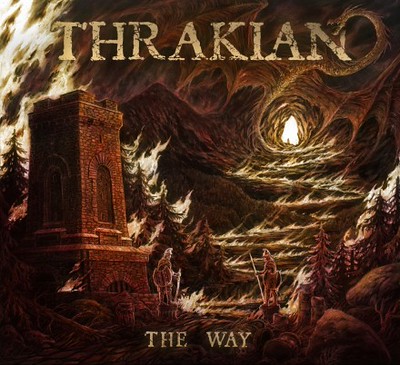
Some of the heaviest records are born not in the rehearsal room but out of the turmoil of life itself, and Thrakian’s debut is a case in point. Hailing originally from the Bulgarian coast and now based in Cardiff, the quartet have spent the past three years hammering their way around the UK live circuit, and The Way, is the first full statement of what they are about. Its subject matter is deeply personal: the experience of leaving one homeland and carving out a life, and a sense of self, in another, viewed through the lens of ancient philosophy and the myths of the Thracians, the long-vanished people whose lands once covered much of modern Bulgaria and whose name the band so clearly echo. It is a story familiar to a great many people but rarely told with this much volume.
There is pedigree here too. Vocalist and guitarist Atanas Kyurkchiev and bassist Matt Strangis also serve in Pantheïst, the long-running funeral doom institution founded in Antwerp by Kostas Panagiotou more than a quarter of a century ago, while lead guitarist Kristiyan Peshev and drummer Svetoslav Simeonov complete the line-up with a sound rooted firmly in the slow-motion catharsis that Neurosis pioneered, filtered through a distinctly Balkan sense of history.
Labors Of Insanity makes for a commanding opening. At just over six minutes it is the shortest track here, yet it still feels vast, opening with a sense of slow-gathering storm before the riffs roll in like weather fronts across a mountain range. Kyurkchiev’s roar is a ragged, lived-in thing, more anguished bellow than technical exercise, and it suits a title that hints at endless, punishing toil. Peshev’s lead lines cut through the murk with a mournful clarity, revealing the melodic sensibility that runs beneath the record’s surface weight. The production deserves early credit too; Vincent gives the guitars a thick, woolly heft without smothering the detail, so every layer has room to be heard. As statements of intent go, it is a hefty one.
Ancient Glory is the album’s longest piece by some distance, and at almost eleven and a half minutes it is where Thrakian truly stretch their legs. If the opener was about struggle, this feels like a reckoning with heritage, a meditation on the grandeur of a lost past and what it means to carry that past into a foreign present. The track ebbs and flows with real patience, crushing sludge passages giving way to sparser, more reflective stretches where the atmosphere is allowed to settle like dust. Simeonov’s drumming is the quiet hero throughout, holding the slow tempos steady without ever letting the tension drain away, and when the song finally surges back to full power the payoff is immense. Peshev’s lead work, meanwhile, adds flashes of light to the gloom.
The Way gives the album its name and arguably its philosophical heart. Concerned with the path itself rather than the destination, it carries a slightly more contemplative air than what precedes it, the riffs circling and repeating with an almost ritualistic quality as the vocals strain against them. There is a sense of searching here, of a band working through uncertainty in real time, and it lends the track an emotional honesty that is hard to fake. Lyrically it appears to wrestle with doubt and direction, and the music mirrors that, refusing to resolve too neatly. Strangis’ bass is particularly prominent, a deep, rumbling undertow that anchors the whole structure.
In The Grips Of Illusions closes the record, and fittingly it was the last song written, completed just before the band headed into the studio. Drawing on the myth of Orpheus and his descent into the underworld, it grapples with the comforting lie that we can undo what has already happened or master what is still to come, and the band have described it as a summing-up of the whole process of making the album. You can hear that in its construction, the track drawing the weight, the melody, and the brooding atmosphere of the previous three songs together into one final, bruising push. It is perhaps the clearest distillation of the Thrakian sound, heavy enough to rattle fillings yet underpinned by a sorrow that lingers long after the last chord fades. There is no tidy resolution here andgiven the subject matter that feels entirely right. A strong, defiant finish.
What sets Thrakian apart is the sincerity at the heart of it all; this is music forged from genuine experience, and that lends every riff a weight beyond mere volume. For a band still in their first few years together, the confidence on display is remarkable, and it bodes extremely well for whatever comes next.
A powerful, deeply personal debut that turns displacement into something monolithic: crushing, contemplative and quietly defiant. Thrakian have found their path, and it leads somewhere well worth following.
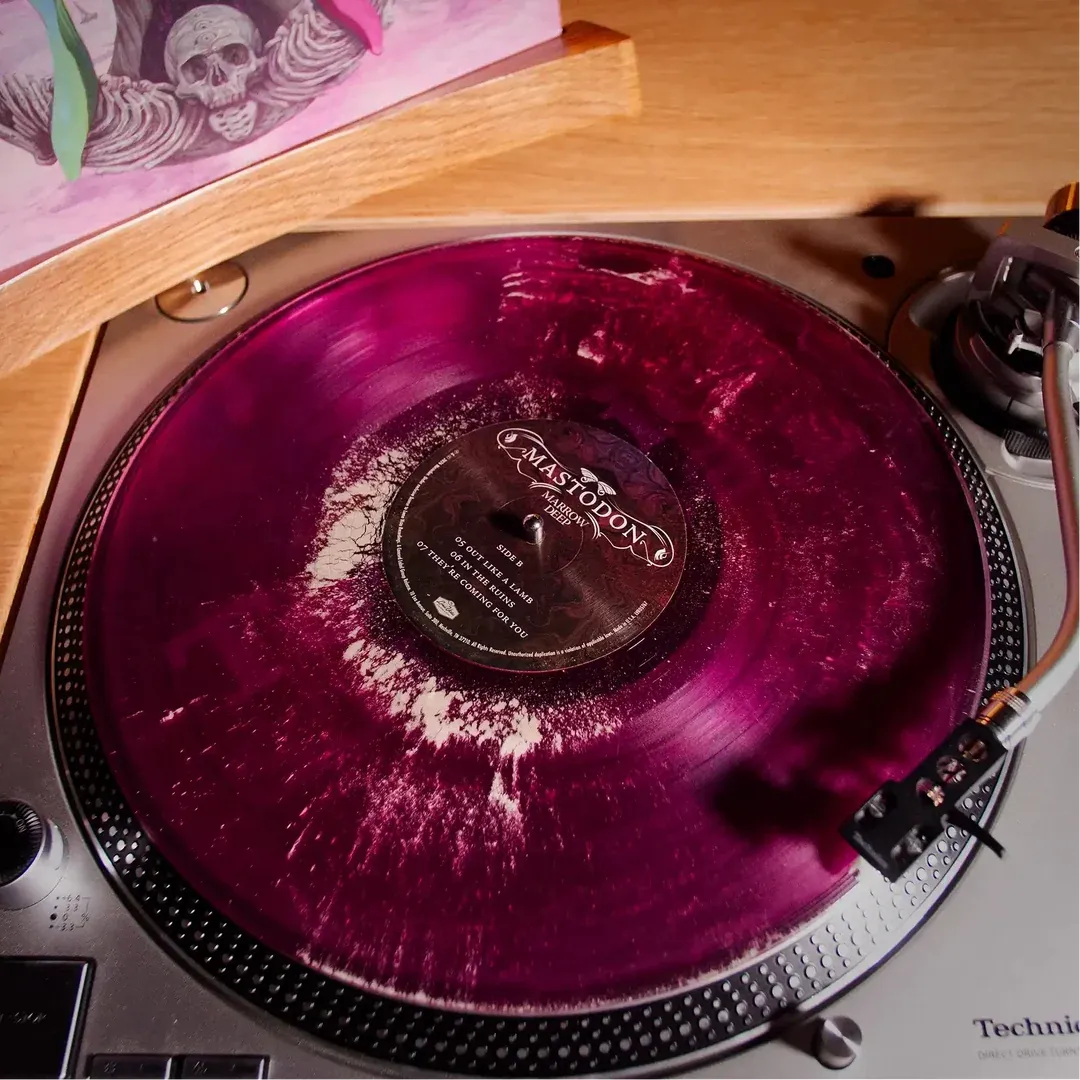
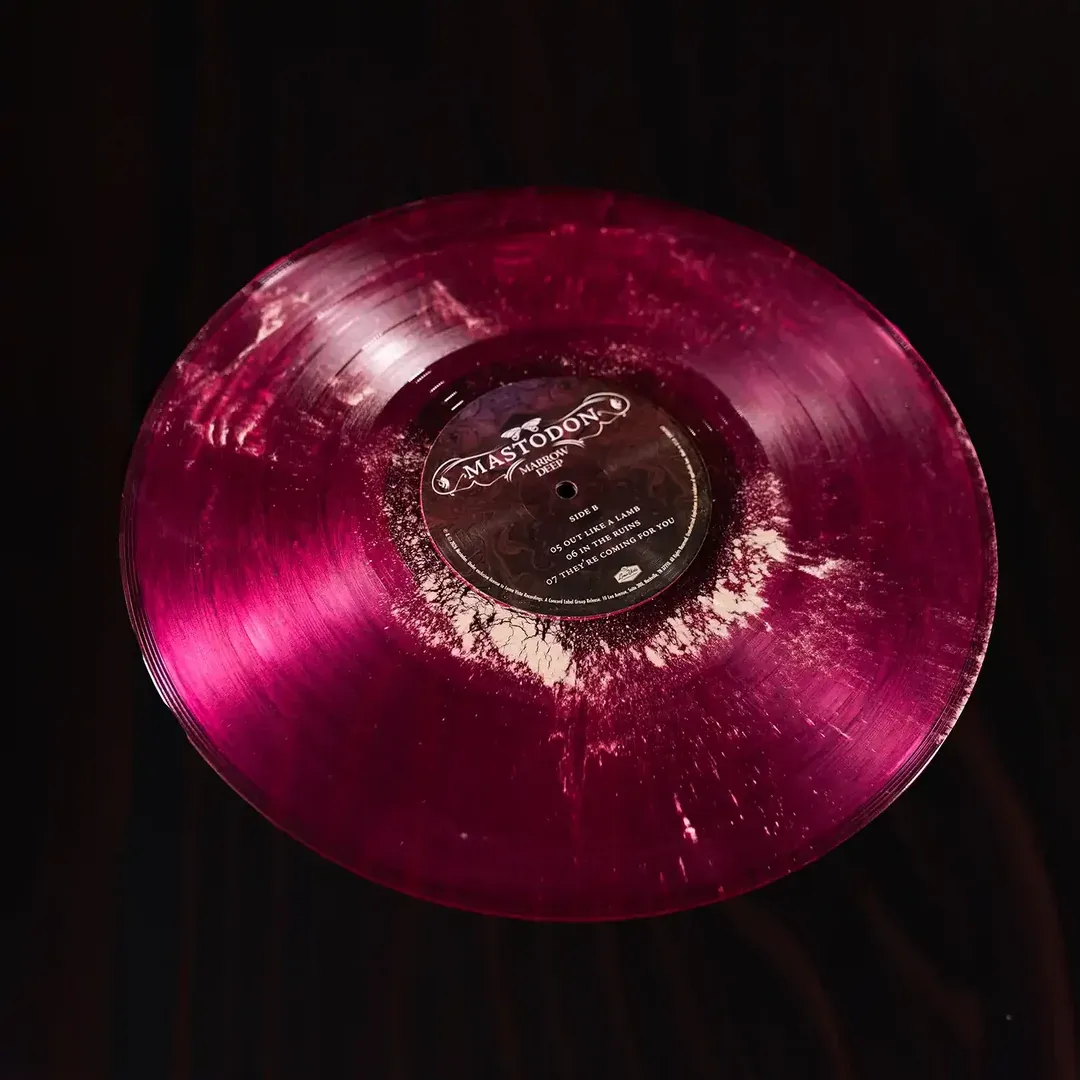
Mastodon are to release a very limited edition 2LP vinyl version of their latest album Marrow Deep – with fragments of actual mastodon fossil pressed into the records.
Only 170 of the double vinyl ‘Bone Dust Edition’ of Marrow Deep are being made available, due to the “finite quantity of bone dust available.”
They are only available for shipping to the USA, Canada and Mexico.
The idea was hatched by bassist Troy Sanders.
The band say: “About 20 years ago, we were given a giant bag of mastodon teeth. Not display-worthy fossils, but a collection of teeth that left us wondering what to do with them.
“Troy eventually had the wild idea to turn them into powder and press them directly into a vinyl record. Huge thanks to Loma Vista Recordings for connecting us with Waxworks to make this dream a reality.”
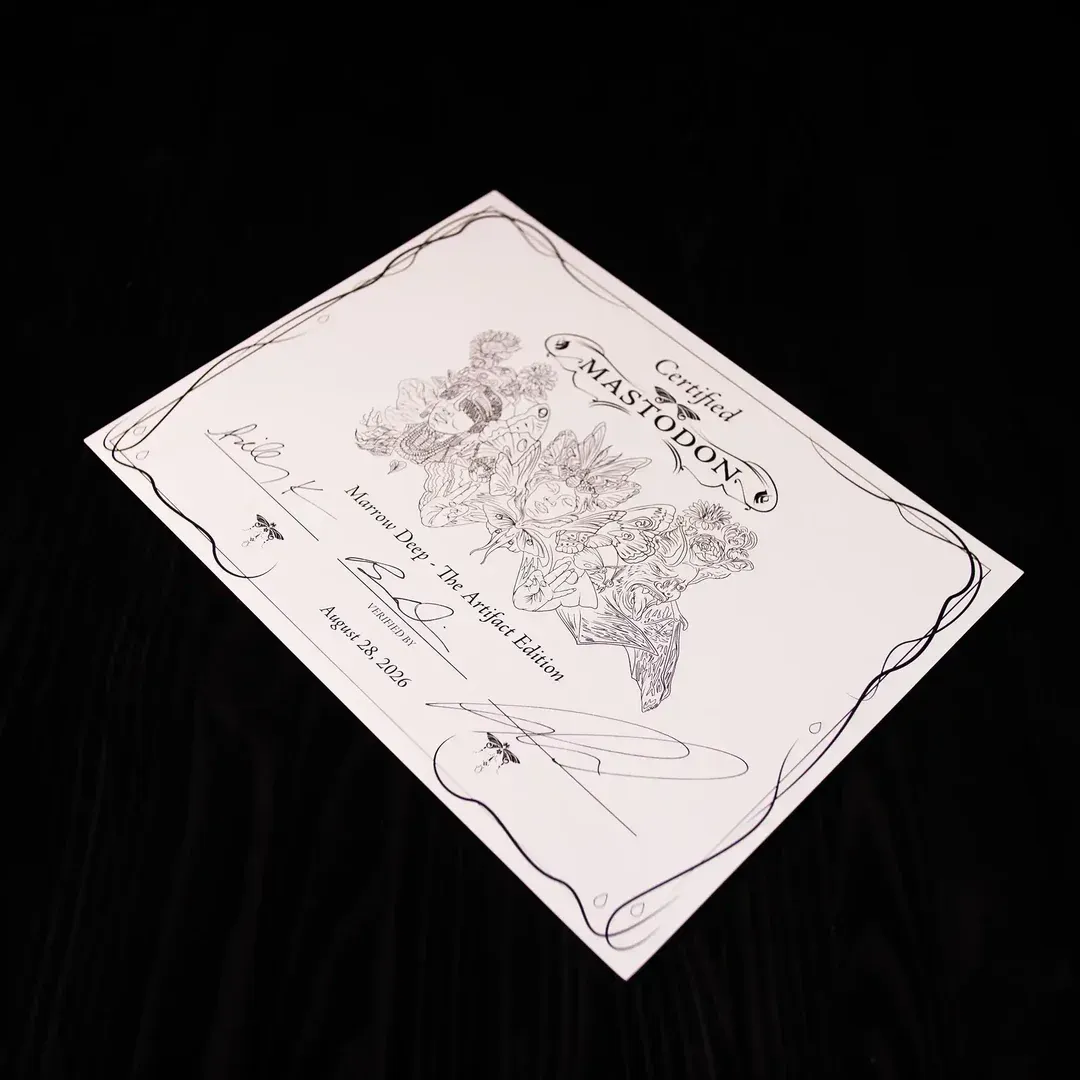
The Bone Dust package also includes a certificate of authenticity.
Sanders adds: “How cool is it to juxtapose something with 11,000 year old fossils with a modern 2026 Mastodon record?”
The process of sprinkling the fossil dust into the vinyl wax before pressing was assisted by a geologist from the University of Georgia. A video detailing the work can be viewed below.
The conveyor belt of talent that is Pelagic Records seems to be showing no signs of slowing down! Playgrounded, Hippotraktor, and label flagship band The Ocean have all released new material in the last few weeks. Now it’s Shy, Low’s latest effort “Purity Spiral”.
Inviting delicate melodies from ‘Grace’ open up the album, like those you’d hear in a soothing dream. Though those melodies suddenly become nightmare fuel with an unexpected dark and crushing twist! ‘The Bloat’ Continues with that darkened crushing vibe, though the pace is much quicker. Before venturing down a more intricate psychedelic spiced avenue. The texture is always dense with multiple layers building an impenetrably complex sound. These foundations are built upon whilst teasing more melodic passages in ‘Palmistry’ without straying too far away from these pillars. ‘Burning Fields’ feels like much welcome respite, with the tone more relaxed and minimalist, with the crushing distortion stripped away. All before making a roaring comeback during the early segments of ‘The Charging Brazen Bull’ . Though we’re introduced to some of the more calmer and tranquil segments of the album so far. Moments were the dynamics drop, offering a semblance of calm and time for reflection. All acting as a ruse and a vehicle to build tension before things ramp up once again towards the song’s satisfying crescendo.
So far, the record has ebb and flowed gracefully, with each song seamlessly transitioning into the next and all forming a sum greater than the whole of its parts!
Remember the nightmare analogy at the beginning? Well the album’s title track ‘Purity Spiral’ ensures this continues! Dark, austere, terror-inducing, this wouldn’t look out of place on an Opeth album. All that’s missing are Mike Akerfeldt’s trademark growls and cleans to complete this illusion! Though it has to be said, a 9 minute number feels like a commitment at this stage. 30 minutes of instrumental moving through segments at this speed can be challenging to digest, especially as it feels like these movements haven’t really had time to be fully processed, leading to a bit of listener fatigue. The idea of an 8 minute song on top of that feels like an ordeal initially. Though we’re treated to a much slower introspective piece with much less friction and complexity. Something to reset the senses with something much easier to digest. Perhaps this could have come earlier?
So, a roaring start but throwing perhaps a few too many ideas into the melting pot has resulted in something that feels too much like a test of mental endurance. Shaving just one song would have made a huge difference! As a result, “Purity Spiral” is going to challenge you and test your patience. But for post-metal fans with the time and patience to invest will love Shy,Low.
Let’s face it. The world of post metal has been shaken pretty hard this year! Neurosis came out of nowhere and released “An Undying Love for a Burning World” in March, and whilst the dust was still settling, Russian Circles joined in on the action with their crushing effort “Nine”! Not to be upstaged, The Ocean showcased the strength of their new lineup on “Solaris”. Yet we still have new material from Cult Of Luna and Rosetta to go! As such, you can feel a bit of sympathy for the likes of Sidus, newcomers in the world of post metal with their debut full length “Lotus”. Hopefully this doesn’t get lost in the shuffle, and hopefully after reading this, post metal fans like yourself will give this a spin on October 16th!
The Berlin based band opened things off with ‘Origins Beneath’. The mood is sombre, introspective. You feel as though they’re building up to something. They slowly but surely increase the intensity as the song progresses, with more layers of melody but also with some thick slabs of distorted guitar slamming into your senses. Still, it feels like they’re holding back, resisting the urge to hit you with the full blown slobber-knocker. No, that comes next in ‘Chasmal’. For anybody enamoured by Russian Circles and craving another fix will be more than satiated by not just the complex tapestry of sound laid down here, but also the sheer mastery of tone and production! That’s what happens when you hire Joe Clayton for mixing and mastering, who lists Conjurer, Pijn, and Bossk as happy customers.
Now, the band operates as (mostly) an instrumental act. Though they enlisted the vocals of Sarp Keski from rising post-metal act Bipolar Architecture for ‘Embrace The Void’. The resemblance to Cult Of Luna’s Johannes Persson is uncanny, given his range of fierce growls dominating the mid range, acting almost like an additional instrument given how they compliment and blend into the music so effectively! No complex vocal passages, just elongated roars dripping in raw human sentiment, matching the urgency and abrasion of the music! This isn’t the only song featuring the vocals, with the album’s title track using a similar vocal approach to add extra depth to their already cavernous sound.
After having your skull pounded by the opening 3 tracks, a welcome breather and respite if offered in the shape of the rather mellow ‘Awaken’. This is achieved through deploying guitar tones built on more shoegazey style and ambient tones. A theme which continues into ‘Soul Gazer’, though the drums make a return and despite the more melodic nature of the composition, handle with caution as this still packs a punch. Likewise with ‘Divine Paradox’, which may well begin taking us down that more mellow avenue but drags us down a darker and scarier cul-de-sac of neck-snapping grooves!
Whilst the aforementioned post-metal heavyweights will likely get all the plaudits, don’t overlook Sidus nor ‘Lotus’. This is an effort that seriously punches above its weight class and points to a wildly successful future in the genre!
Dreams are better than things you’re told, all these changes, keep me alone
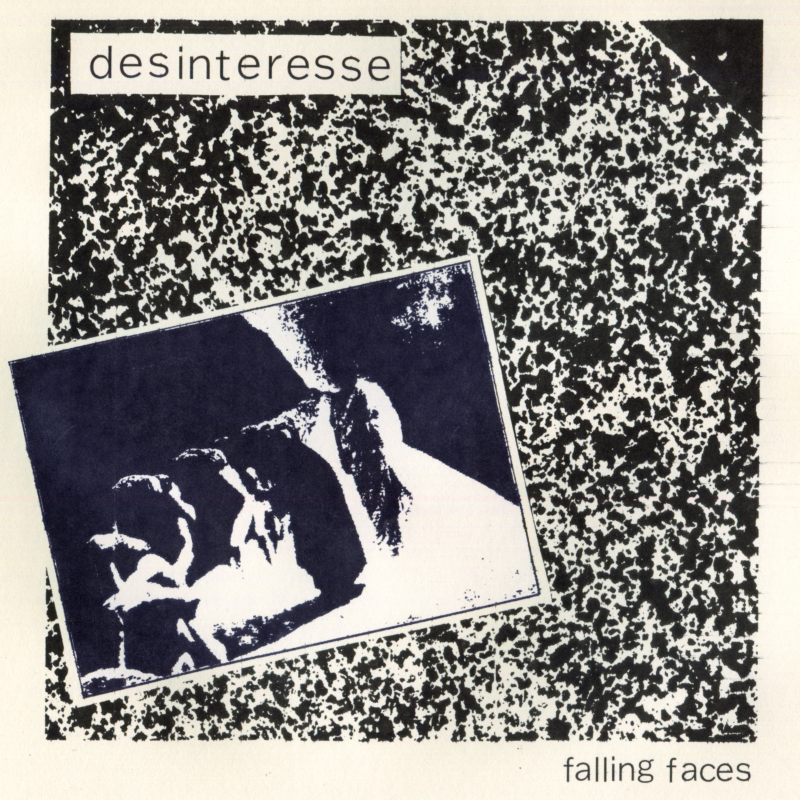
Anyone who has ever wished they could hop into a time machine and go back to the post-punk clubs of 1981 to 1983 knows the frustration of discovering a brilliant band decades after their last gig. A handful of singles, a photograph, and some blurred footage can be enough to make such a long-gone history feel personally inconsiderate. Dutch coldwave trio Desinteresse offer a more agreeable arrangement. They have the look and sound of a lost band from that era, right down to the clothes, severe haircuts, and lean instrumental interplay, with the added advantage that you can see them live now.
Their new song Falling Faces is the first and only single from their forthcoming album A Picture, due at the end of 2026 through Fabrika Records. It also marks the band’s first released song in English, accompanied by a video filmed by their friend Romy Janssen.
Falling Faces sounds strikingly like The Cure during the Seventeen Seconds / Faith era, particularly the taut, restless movement of Play for Today and Primary. The prominent bassline and flanged guitar carry the song forward together, their phrases blending into a fluid melodic pattern, while its steady drumbeat maintains a measured insistence. That close interplay gives the repeating figures a hypnotic continuity, making the tension feel increasingly difficult to escape. The vocal gives that restraint an exposed emotional edge, bringing the ache of separation into an otherwise tightly controlled performance.
The lyrics drift between the intimacy of a dance and the distance left in its wake, trading tears, glances, and dreams across a relationship growing harder to reach. “Dreams are better than things you’re told, all these changes, keep me alone” sets imagined comfort against the ache of what has come to pass. Faces fill an empty space, only to vanish without a trace; even the promise of meeting again leaves open whether another encounter could mend what’s been lost. The refrain, “Push it away,” becomes a quiet plea against a feeling that returns no matter how hard it’s banished.
Janssen’s video extends the impression of an early post-punk performance preserved on an old tape. Blue stage lighting, grainy images, and occasional horizontal tracking lines frame close views of the musicians’ faces and instruments. The camera gives the band room to play, making their appearance and physical presence part of the song’s austere appeal. For anyone still considering that time machine, the footage makes a persuasive case for checking the forthcoming tour dates first.
Watch the video for Falling Faces below:
Desinteresse began in the Netherlands in late 2022 as the partnership of bassist Bart Vranken and vocalist, guitarist, and synth player Sem van den Munckhof. Their early releases, Voor Altijd and Ik Wil Dood Als Ik Het Vergeet, appeared on cassette through their own DECADENCE label in 2023. Drummer Joppe de Swart joined in 2024, with Grijze Dromen marking their first release as a trio.
Their commitment to vintage instruments, effects, amplifiers, and analogue recording has shaped the band since its earliest cassette releases. After moving to Fabrika Records, Desinteresse released Onschuld in September 2025, recorded entirely on analogue equipment at Amsterdam’s The Lullabye Factory. The album drew explicitly on The Cure’s Faith and Pornography, as well as Joy Division and French coldwave band Trop Tard. A Picture follows later this year, preceded by its sole advance single, Falling Faces.
Tour Dates:
October 21 — Trier, Germany — Mergener Hof
October 24 — Parma, Italy — Arcistella
November 6 — Venlo, Netherlands — Grenswerk
November 8 — Amsterdam, Netherlands — Paradiso
November 26 — Vigo, Spain — La Fábrica de Chocolate
November 27 — Porto, Portugal — Hard Club
November 28 — Madrid, Spain — Hangar 48
November 29 — Zaragoza, Spain — La Lata de Bombillas
December 2 — Marseille, France — L’Intermédiaire
December 3 — Lyon, France — Sonic
December 4 — Kusel, Germany — Kinnet
December 6 — Hamburg, Germany — MS Stubnitz
December 8 — Berlin, Germany — Kantine am Berghain




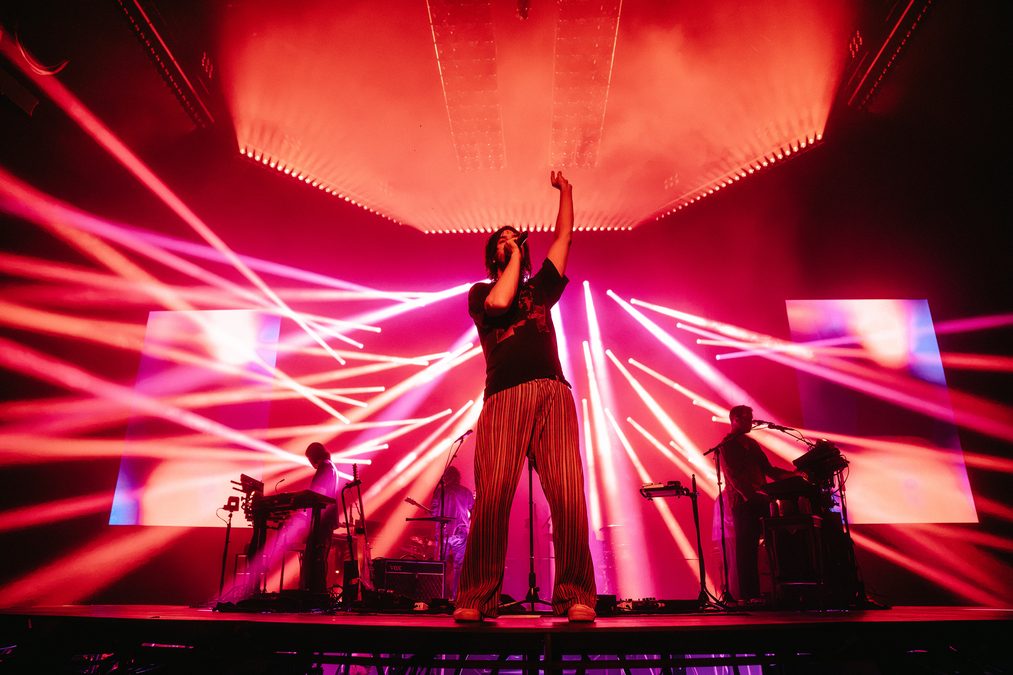 Words by Bella Leith Photos by Jordan Munns Taking the stage before the main show, Ninajirachi wasted little time establishing her presence. Storming the arena with Girl EDM, there was an immediate invitation to move, with pounding electronic rhythms met by an equally energetic crowd. In true DJ tradition, every song flowed seamlessly into the […]