Six solo albums into a career that also includes numerous collaborations, her work as a member of Red Sparowes, Marriages and more, Emma Ruth Rundle has amassed one of the most impressive back catalogues of any current musician.
These Killing Times is another beguiling set of songs that run the gamut from dark to delicate, crushing to sombre, and feel far more dynamic than the raw minimalism of 2021’s Engine Of Hell. This may partially be due to the subject matter, with Emma looking more broadly at the current state of the world, rather than reflecting on her own personal journey.
Opener Powerless muses on her fears and disdain of those who govern us and is gorgeously melodic, but the deep, distorted guitars that underpin Emma’s voice are pure post-metal nirvana. It’s a strong start, but the bar is quickly raised with the sublime God’s Picture. Her woozy, breathy vocals crack with emotion and, perfectly paired in tandem with Patrick Shiroishi’s deep, sighing sax, are reminiscent of Little Earthquakes-era Tori Amos. It’s quite brilliant.
It’s then followed by the gothic leanings of Anvil, which very much sounds like Chelsea Wolfe during her more acoustic Birth Of Violence period, and the 90s grunge stylings of the wonderful Catherine Wheel. The album really reaches its apex, though, with the eight-minute-plus Human Kindness. A song that pulls you into a swirling pit of gruelling, psychedelic riffs and soaring, sun-kissed melodies, its transitions are a form of musical magic that only the likes of Alice in Chains at their best can usually pull off, but this is worthy of the comparison.
These Killing Times is a brilliantly paced album, full of dynamically interesting turns of tempo and changes in feel, with Emma’s voice the greatest weapon, always lilting and soaring in the most unexpected ways. Another masterpiece from one of modern music’s most essential voices.
These Killing Times is out now via Errant Child. Emma Ruth Rundle tours the UK from April 5 2027.
On the cotton candy sky
Written every moment of life
For all eternity
Wonder why we are even alive
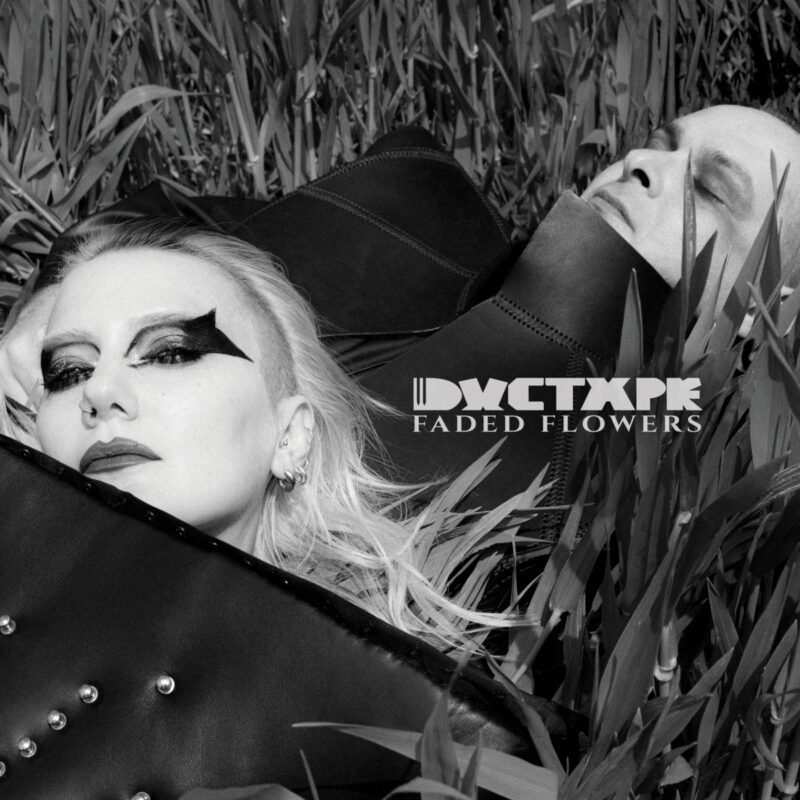
Some records come from a scene, some from a city, and some seem to come from that ugly five-minute interval after you have stared at your phone too long and suddenly hate civilization. Faded Flowers, the latest album from Turkish Darkwave duo Ductape, belongs to the third category. It looks around at modern life: crowded rooms, digital selves, obedient routines, private disintegration, and finds a species that has become astonishingly good at maintaining appearances while quietly running itself into the ground.
Çağla Güleray and Furkan Güleray formed Ductape in 2019 in Istanbul, where their mix of post-punk, darkwave, Turkish and English lyrics quickly carried them well beyond the usual underground boundaries. Four albums and two EPs later, they have relocated their creative base to France. Geography changes; the unease travels well.
On Faded Flowers, that unease has acquired a larger target.
The title gives you the central image without turning it into homework: people as flowers left too long beneath bad light, drained by repetition, expectation, isolation, and the exhausting business of becoming whatever the surrounding machinery finds acceptable. You can hear that pressure everywhere. The basslines have the cold discipline of public transport at six in the morning. Synthesizers cut through with little sympathy. Furkan’s guitar keeps finding ways to sound agitated without becoming decorative, sometimes stalking around Çağla’s voice, sometimes answering it, sometimes scraping at the walls.
Çağla’s magnificent voice remains the great destabilizing force in Ductape. She can sound detached enough to frighten you, then suddenly let some exposed nerve show through before the song has time to make a ceremony of it. There is very little comfort in that delivery, which suits an album concerned with the absurdity of living among millions of people and still feeling marooned.
That particular contradiction runs all through Faded Flowers. Everyone is visible now. Everyone is reachable. Everyone is encouraged to construct a public version of themselves, polish it, post it, improve it, defend it, sell it, then wake up tomorrow and do the same miserable maintenance all over again. Somewhere along the line, identity became administrative labour.
Ductape sounds thoroughly fed up with the arrangement.
The album keeps circling the false authorities people submit to without necessarily believing in them: social roles, digital identities, manufactured ideals, systems of power, inherited expectations, all those little invisible rules that become oppressive mostly because nobody remembers agreeing to them. There is anger in these songs, but also exhaustion, and the exhaustion may be more interesting. Rage still assumes you have energy to spare.
Fine considers one dubious convenience of hitting bottom: at least you can stop pretending the view is lovely. The album’s first single follows a collapse through pain and disorientation toward an unexpected sense of ownership, as Çağla finds a place for herself inside the very circumstances that have undone her. A steady bassline and luminous synthesizers carry her weary composure, giving that uneasy acceptance room to develop. There is something wonderfully suspect about feeling comfortable down there, and the song lets the suspicion sit beside the relief. Within an album preoccupied with keeping up appearances, surrendering the performance becomes its own small freedom.
The accompanying black-and-white video turns that process into a homemade alchemical experiment. Filmed at Misuc in Ankara, it casts the duo as silent-film experimenters collecting ingredients and tending a potion among curious specimens. Ductape handled the direction, styling, and production, with camera work by Mert Yalçın and editing by Çağla Güleray. Its antique laboratory makes an apt workshop for two people attempting to assemble another version of themselves.
Standout track Obscure moves with a bassline so blunt and heavy it seems capable of carrying the song by itself, while Furkan Güleray’s distorted guitar keeps worrying at the edges, leaving abrasions rather than decoration. Synths hang overhead with an icy, almost antiseptic quality, giving the music the uneasy stillness of a room where something unpleasant has already been said. Çağla Güleray sings in English, her low register remarkably composed as she picks through disillusionment without dressing it up for sympathy. That restraint makes the words hit harder. Stolen light, dead idols, resentment calcified through repetition, the dull vacancy that follows years of believing in something that eventually reveals itself as another instrument of control: Obscure gathers these ideas until the song begins to feel less like despair than the slow recognition of how thoroughly faith can be exploited. There is damage here, certainly, but also the uncomfortable clarity that comes when the old explanations have finally stopped working.
Its Berlin performance video brings that severity onto the stage. Directed by Altay Erlik, with cinematography by Emrah Celik and laser animation by Peter Isachenko, the clip concentrates on the duo’s physical presence, giving the song’s accusations the directness of an encounter across a crowded room.
On Gölgesiz, the effort of continuing becomes almost physical. Sung in Turkish, the album’s second single carries accumulated sorrow through persistent drums and guitar figures that seem caught in the same argument with themselves. Çağla keeps her delivery measured, making fatigue audible through the weight she gives each phrase. The rhythm maintains its appointment with the next bar while the person inside it struggles to find a reason to follow. That uneasy relationship between bodily momentum and emotional depletion gives the song its force, extending the album’s concern with lives organised around obligations that have outlasted their meaning.
Made during Ductape’s Latin American tour, the monochrome DIY video places Çağla against expanses of water and open space, her figure often reduced to a silhouette. Visual distortions make her outline appear unstable, as though even occupying a body has become difficult work. The images give the song’s isolation a scale that the surrounding emptiness only enlarges.
Faded Flowers gains its pull from the sense that decay is something social as much as personal. The individual breaks down because the surrounding structure is already cracked. The city keeps moving. The screen keeps glowing. The machine keeps asking for another password. Somewhere inside all that, a person still has to decide who they are. Ductape leave that question open, with the bass still moving underneath it.
Listen to Faded Flowers below and order the album here.
To celebrate the album release, Ductape have announced headline shows and festival dates across Europe well into 2027.
Tour Dates
2026
September 25 — Karlsruhe, Germany — Die Stadtmitte
The 1990s were supposed to be the decade metal died. Grunge arrived, glam collapsed overnight, and the industry decided that guitars with distortion and hair past the shoulders were finished. What actually happened is that metal went underground, got angrier, and came back out having invented groove metal, nu-metal, industrial metal and the most extreme music the genre had produced to that point. These are the thirteen bands who did it.
Nobody planned any of this. The decade has no unifying sound and no scene that connects the bands on this list — a Brazilian thrash band, a Florida death metal outfit, a masked nine-piece from Iowa and a horror-punk act from New York have essentially nothing in common except a ten-year window.
That’s the point. The 90s didn’t have a sound. It had a survival instinct.
How this list was made
Four things, weighed against each other.
Influence. How many bands exist differently because this one existed. Weighted heaviest, because the decade’s whole story is what got built.
Decade impact. What they actually did in the 90s — not before, not after. A band with one enormous 90s record can outrank a band with a long career and a quiet decade.
Innovation. Whether they made something that didn’t exist before they made it.
Endurance. Whether the records still work now, thirty-odd years on.
Those criteria pull hard against each other, and where they conflict is where this list gets contentious. A few of the absences are explained properly further down, because some very obvious names aren’t here and the reasons matter.
The legacy of the 80s: from glam to grit
As the decade opened, the excesses of 80s glam were collapsing and the appetite had shifted to something heavier and more honest. The thrash titans — Slayer, Megadeth, Anthrax — had laid the groundwork with speed and socio-political fury.
It was Metallica who bridged thrash and the mainstream with the Black Album in 1991, and its commercial scale proved metal could still dominate even as a new sound rose out of Seattle. We’ve ranked their whole catalogue here, and the Black Album sits second on it.
Grunge’s impact, and metal’s response
Nirvana and Pearl Jam didn’t kill metal. They changed what it had to do to survive.
Some bands absorbed grunge’s emotional weight and made something new out of it — Alice In Chains and Deftones both belong in that category. Others went the opposite way and doubled down on brutality until the mainstream stopped being a consideration at all. Pantera chose that, and it worked so completely that the entire decade bent around it.
The subgenres the 90s built
While the charts looked elsewhere, four entire genres were being invented underground.
Groove metal. Pantera led it with the Southern-fried, chugging riffs of Cowboys from Hell and Vulgar Display of Power, and it became the blueprint for a decade of bands.
Black metal. The Scandinavian scene brought a raw, lo-fi aesthetic and an ideology that made death metal look tame.
Nu-metal. The back half of the decade fused heavy riffs with hip-hop and electronics, and brought an entirely new audience into a genre that had been told it was finished.
Oakland’s Machine Head arrived in 1994 with a record that sounded like thrash had been handed a hydraulic press.
Burn My Eyes fused thrash aggression with a groove heavy enough to move a room, and it became the biggest-selling debut in Roadrunner’s history at the time. Robb Flynn had come out of Vio-lence with a clear idea of what he wanted, and the result was a record that arrived fully formed.
What makes it a cornerstone is how much of the following decade you can hear in it. Every band who tried to weld technical riffing to a groove in the mid-90s was working from this template, whether they’d admit it or not.
Number12 – Deftones
Hailing from Sacramento, California, Deftones emerged as sonic pioneers, challenging the boundaries of heavy music with their captivating There’s an argument that Deftones don’t belong on a metal list at all, and it’s the wrong argument.
The Sacramento band spent the 90s building something nobody else was attempting — metal, shoegaze, grunge and alternative rock folded into each other until the seams disappeared. Around the Fur in 1997 is where it clicked: crushing heaviness underneath genuinely beautiful melodies, and Chino Moreno moving between a whisper and a scream inside a single bar.
They got filed as nu-metal because of when they arrived. They’ve outlived every band they were filed alongside, and the reason is right here — they were the only ones in that wave interested in atmosphere.
Number11 – Korn
Bakersfield in 1994, and nothing sounded like it.
Korn‘s self-titled debut did something genuinely rare: it created a genre rather than joining one. Down-tuned seven-strings, a bass played like a percussion instrument, hip-hop rhythms underneath metal riffs, and Jonathan Davis singing about things nobody in this music had been willing to say out loud.
It was a commercial slow burn and a cultural detonation. Within four years, nu-metal was the biggest thing in heavy music and every major label had signed three bands trying to be this one.
Whatever you think of what followed, the debut is the source and it still sounds uncomfortable.
Number10 – Fear Factory
Los Angeles, 1995, and Fear Factory made the album that taught metal what to do with a machine.
Demanufacture is the landmark — a record about man versus technology that sounds exactly like its subject. Raymond Herrera‘s drumming is so precise it was regularly mistaken for programming, Burton C. Bell alternated clean singing with roars in a way that became the template for a hundred bands, and the industrial elements weren’t decoration on top of metal, they were structural.
Nine Inch Nails made industrial rock palatable. Fear Factory made industrial metal heavy, and everything from Rammstein’s precision to modern djent’s mechanical feel runs back through it.
Number9 – Sepultura
Belo Horizonte, and the most fearless reinvention any metal band attempted in the decade.
Sepultura could have kept making thrash records and been fine. Instead Chaos A.D. in 1993 slowed everything down, brought in tribal percussion and Brazilian rhythms, and stripped the songs back to something primal — and then Roots in 1996 went considerably further, recording with the Xavante people in the Mato Grosso.
It split their audience and it changed the genre. Nu-metal’s rhythmic approach, the entire idea that metal could absorb music from outside its own tradition — both start here.
Max Cavalera left in 1996 and the band never fully recovered from it, which is its own argument. What they did between 1993 and 1996 stands regardless.
Number8 – Black Sabbath
An odd inclusion on a 90s list, and a defensible one.
The band that invented all of this spent most of the decade in disarray — Dehumanizer in 1992 reunited them with Ronnie James Dio and is genuinely strong, and then it fell apart again almost immediately.
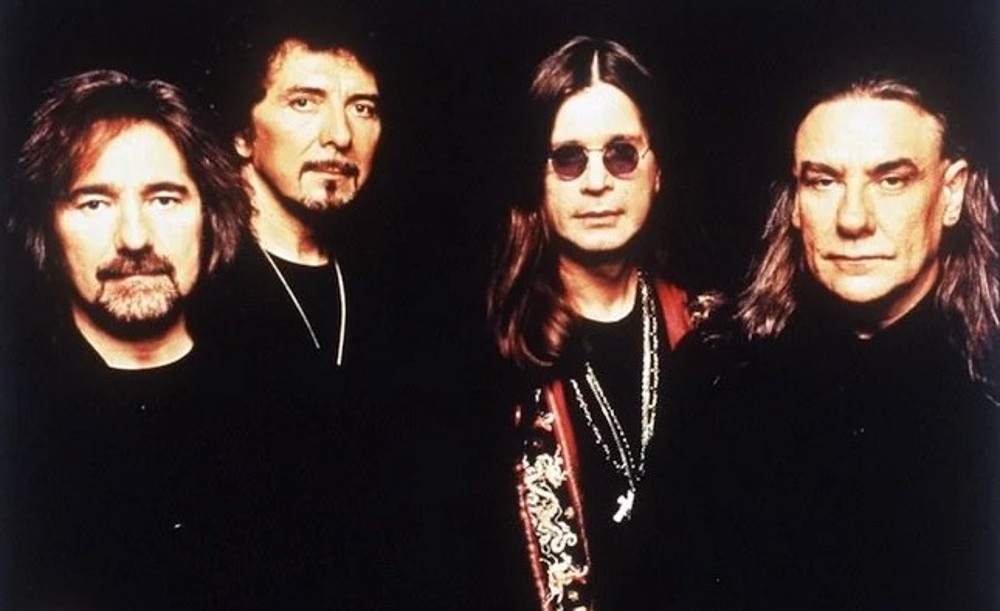
What earns the placement is 1997. The original four — Ozzy Osbourne, Tony Iommi, Geezer Butler and Bill Ward — reunited for the first time in nearly twenty years, and the timing mattered enormously. Metal had spent a decade being told it was over. Sabbath coming back, to genuine mainstream attention, reminded a very large audience where all of it came from.
The Reunion live album went platinum. In a decade about survival, the godfathers showing up and being welcomed was its own kind of statement.
Number7 – Dream Theater
Formed on Long Island, New York, by three musicians who’d met at Berklee and left within a year, Dream Theater spent the 90s proving that virtuosity hadn’t died with the 80s.
Images and Words in 1992 is the record that built progressive metal as a modern genre. “Pull Me Under” became an unlikely radio hit, which nobody involved expected from a song in irregular time signatures, and the album’s success created a commercial space for technical music that simply hadn’t existed.
Every prog-metal band that followed — Opeth’s heavier turns, Between the Buried and Me, half of what djent became — is downstream of this. They made complexity a selling point at exactly the moment the industry was rewarding simplicity.
Number6 – Cannibal Corpse
Buffalo, New York, and the band who made extremity into a career.
Cannibal Corpse spent the 90s being banned, protested and named in legislatures, and it did nothing except make them bigger. Tomb of the Mutilated in 1992 is the landmark — relentless tempos, Chris Barnes‘ guttural vocals, and lyrics designed to be unprintable.
What gets missed is how good the band actually is underneath the controversy. The riffing is intricate, the arrangements are tighter than the genre required, and they’ve now outlasted virtually everyone who tried to have them banned.
They’re also the biggest-selling death metal band in history, which is a strange sentence about a band whose entire output is about dismemberment.
Number 5 – Tool
Los Angeles, and a band who refused every rule about how this was supposed to work.
Tool gave no interviews worth the name, made videos that showed no faces, wrote songs in time signatures nobody could dance to, and got enormous anyway. Ænima in 1996 is the decade’s most quietly influential metal record — progressive, psychedelic, heavy, and structured more like a piece of composition than a collection of songs.
Maynard James Keenan made a virtue of withholding himself, which in a decade obsessed with authenticity was its own kind of provocation. Danny Carey‘s drumming reset expectations for what the instrument could do in this music.
They also made patience a commercial strategy, and it’s still working thirty years later.
Number 4 – Slipknot
One album in the 90s. It was enough.
Slipknot‘s self-titled debut arrived in June 1999 out of Des Moines, Iowa, and it functioned less like a record than an event. Nine members. Masks and boiler suits. Three percussionists. A DJ. A level of onstage chaos that made everything around it look polite.
The reason it’s this high on a decade list with a single album to its name is what happened next — that record is the pivot point between 90s nu-metal and everything heavy music became in the 2000s. It went platinum without radio support, and it created the template for a generation of bands who understood that presentation was part of the music.
There’s a fair argument that one album shouldn’t outrank bands with three. There’s a better one that says this album did more in seven months than most bands manage in a decade.
New York City, and the most underrated band of the decade.
White Zombie spent the 90s doing something nobody else managed — making genuinely heavy music that was also enormous fun. La Sexorcisto: Devil Music Vol. 1 in 1992 went double platinum on the back of “Thunder Kiss ’65,” and Astro-Creep: 2000 in 1995 is the better record: industrial-tinged groove metal stitched together with B-movie samples and horror imagery.
Rob Zombie understood something most of his contemporaries didn’t. The visual side wasn’t a gimmick attached to the band; it was the band. The look, the samples, the artwork and the riffs were a single thing, and it’s the reason White Zombie broke into MTV rotation while heavier acts never got near it.
They split in 1998, at the top, which is why they get talked about less than they deserve.
Number2 – Death
Florida, and the most important band on this list that most people have never heard.
Death started the decade as a brutal death metal band and finished it having invented technical death metal and progressive death metal more or less single-handedly. Human in 1991 is the turn — the songs got complex, the musicianship got extraordinary, and Chuck Schuldiner‘s writing started reaching for something the genre hadn’t attempted.
Then Individual Thought Patterns, Symbolic and The Sound of Perseverance, each further out than the last. Schuldiner used the band as a revolving door for the best players he could find, which is why the Death discography reads like a who’s who of extreme metal musicianship.
He died in 2001, at 34. Opeth, Cynic, Between the Buried and Me, Gojira and virtually all modern technical death metal exist in the space he opened, and he never saw any of it.
Number1 – Pantera
There was never any real doubt.
Pantera entered the 90s having spent the 80s as a glam band nobody outside Texas cared about, and then released Cowboys from Hell in 1990 and became something else entirely. Vulgar Display of Power in 1992 is the decade’s defining metal album, and Far Beyond Driven debuted at number one on the Billboard 200 in 1994 — a genuinely extreme record at the top of the American chart, which had never happened and hasn’t since.
Dimebag Darrell rewrote what a metal guitarist was supposed to sound like: the squeals, the tone, the riffs that sat somewhere between thrash and Southern rock and belonged to neither. Phil Anselmo turned the vocal into pure physical threat. Vinnie Paul and Rex Brown made the whole thing swing, which is the part everyone forgets.
And they did it without compromising once. No ballad, no crossover single, no concession to the decade’s mood. In the years metal was declared dead, the heaviest band in America was selling millions of records.
Dimebag was murdered on stage in 2004. Vinnie Paul died in 2018. The catalogue is untouchable and the ranking of it is here.
Every band, ranked
Where are Metallica and Megadeth?
The question everyone’s going to ask, so here’s the straight answer.
They’re not here because the criteria at the top are weighted toward what a band built during the decade, not how many records it sold in it — and both Metallica and Megadeth spent the 90s consolidating rather than inventing.
Metallica released the best-selling metal album of the decade in 1991 and it’s an extraordinary record. But the Black Album is the endpoint of the 80s thrash project rather than the start of anything — and Load and Reload took them somewhere the rest of the genre pointedly declined to follow. Enormous decade, minimal influence on what came next. Our full ranking is here.
Megadeth‘s 90s run is the strongest four-album stretch of their career — Rust in Peace, Countdown to Extinction, Youthanasia, Cryptic Writings. It’s also, deliberately, refinement rather than reinvention. Rust in Peace is a 1990 album that belongs to the 80s. The whole catalogue is ranked here.
Alice In Chains are the hardest omission to defend, and the reason is a technicality — they got filed as grunge and this is a metal list. Dirt is heavier than several albums by bands who made the cut.
Also absent, and each with a case: Slayer, whose 90s was strong but whose decade of impact was the one before. Rage Against the Machine, who invented something enormous and aren’t really a metal band. Type O Negative, Marilyn Manson, Nine Inch Nails, Faith No More, At the Gates, In Flames, Emperor, Meshuggah and Opeth — several of whom have a better claim than one or two bands on the list.
Thirteen was never going to be enough for a decade this crowded.
Where this ranking will start arguments
Slipknot at four with one album is the obvious one. A single 1999 release outranking bands with three or four 90s records looks indefensible on paper. The case is that the album is the hinge between two eras of heavy music, and influence is the heaviest-weighted criterion.
Black Sabbath at eight on a 90s list will read as sentiment. It partly is. Dehumanizer is genuinely good and the 1997 reunion mattered more to the genre’s morale than anything else that happened that year.
Death at two, above White Zombie and Slipknot, will look high to anyone who came to metal through the mainstream and exactly right to anyone who didn’t. Chuck Schuldiner invented two subgenres in eight years.
Dream Theater at seven on a metal list will annoy people who think prog isn’t metal. Images and Words got a song in odd time signatures onto the radio in 1992, which is its own kind of heavy.
Thirteen bands ranked by what they built during the 1990s, judged on influence, decade impact, innovation and endurance.
Number one: Pantera.Vulgar Display of Power is the decade’s defining metal album, and Far Beyond Driven put a genuinely extreme record at number one on the Billboard 200 in 1994.
Number two: Death. Chuck Schuldiner invented technical and progressive death metal more or less single-handedly, and died at 34 without seeing what grew out of it.
The decade built four genres: groove metal, nu-metal, industrial metal and modern death metal, plus the Scandinavian black metal scene.
Metallica and Megadeth aren’t on the list, because the criteria reward what a band built rather than what it sold — and both spent the 90s consolidating rather than inventing.
Grunge didn’t kill metal. It pushed it underground, where it got angrier and considerably more inventive.
FAQ
What are the most influential 90s metal bands?
Pantera, Death, White Zombie, Slipknot, Tool, Cannibal Corpse, Dream Theater, Black Sabbath, Sepultura, Fear Factory, Korn, Deftones and Machine Head. Each is ranked here by what they built during the decade — influence, innovation and impact — rather than by record sales.
Why isn’t Metallica on this list?
Because the criteria weight what a band built during the decade over what it sold. The Black Album is the best-selling metal record of the 90s and an extraordinary album, but it functions as the endpoint of 80s thrash rather than the start of something new, and Load and Reload took the band somewhere the genre declined to follow.
What subgenres of heavy metal were popular in the 90s?
Groove metal, nu-metal, industrial metal and progressive metal all emerged or peaked in the decade, while death metal and black metal grew enormously in the underground. The 90s produced more distinct metal subgenres than any other decade.
How did grunge affect heavy metal?
It challenged metal’s commercial position but didn’t end it. Some bands absorbed grunge’s emotional weight — Deftones and Alice In Chains among them — while others, Pantera chief among them, responded by becoming heavier and abandoning the mainstream entirely.
Who pioneered nu-metal?
Korn, with their 1994 self-titled debut, which combined down-tuned seven-string guitars, hip-hop rhythms and deeply personal lyrics into something that didn’t previously exist. Deftones and Slipknot were the other major architects in the second half of the decade.
Thirteen bands, four new genres, and no Metallica. Have we got that badly wrong, or does influence really beat sales? Settle it in the comments. And keep it locked on the Loaded Radio stream — follow Loaded Radio for daily rock and metal news.
Every week the Stereogum staff chooses the five best new songs of the week. The eligibility period begins and ends Thursdays right before midnight. You can hear this week’s picks below and on Stereogum’s Favorite New Music Spotify playlist, which is updated weekly. (An expanded playlist of our new music picks is available to subscribers on Spotify and Apple Music, updated throughout the week.)
EarFun isn't a legacy audio brand with decades of hi-fi pedigree—it's a China-based company founded in 2018 that built its reputation the fast way: shipping genuinely competitive wireless earbuds and headphones at prices that undercut the competition by half, then backing it up with surprisingly capable hardware.
The original Wave Pro, EarFun's first stab at over-ear headphones back at CES 2024, became something of a sleeper hit in the budget ANC space, praised for punching well above its $80 price tag before eventually getting nudged off top budget lists by newer competition. The Wave Pro X is EarFun's answer to that. It's a from-the-ground-up flagship over-ear model meant to reclaim that territory with a longer feature list and more premium engineering.
What Is the EarFun Wave Pro X?
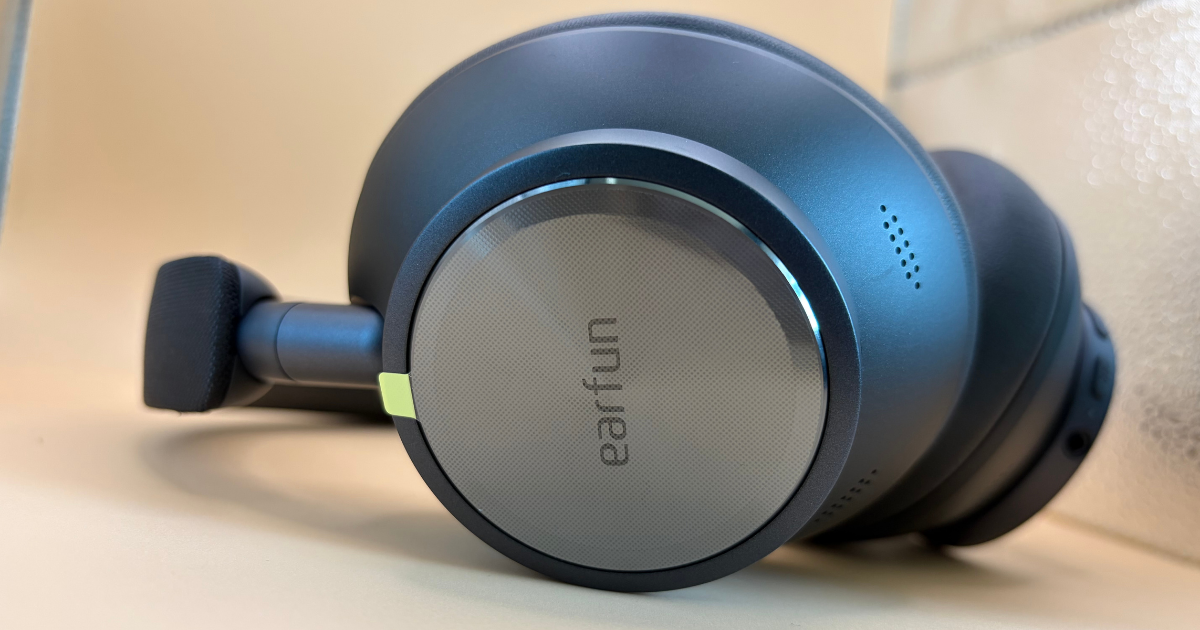
The Wave Pro X is EarFun's new flagship wireless over-ear headphone, announced at CES 2026 and launched in June 2026 for $129.99. It's built around Qualcomm's QCC3095 chipset, running Bluetooth 6.0 with LE Audio and Auracast broadcast support—features that are still rare even on headphones costing more. EarFun is calling it a world-first: the first dual-driver Qualcomm ANC headphone with Auracast support, aimed at commuters, travelers, and anyone streaming hi-res audio who doesn't want to pay flagship prices to do it.
Build Quality and Sound Design
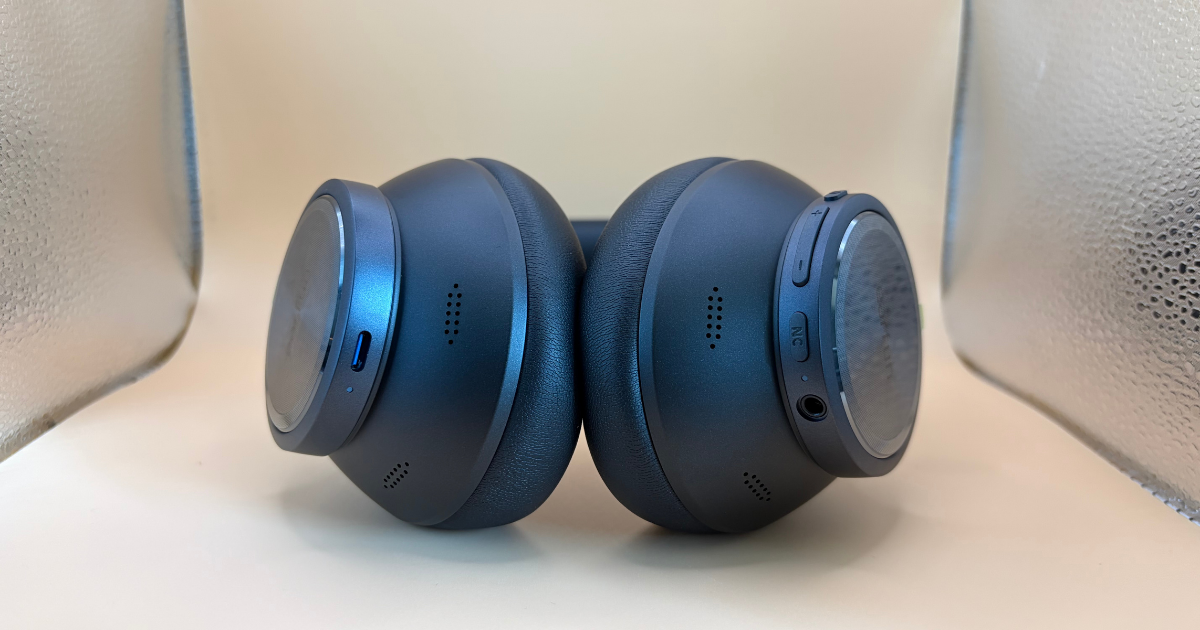
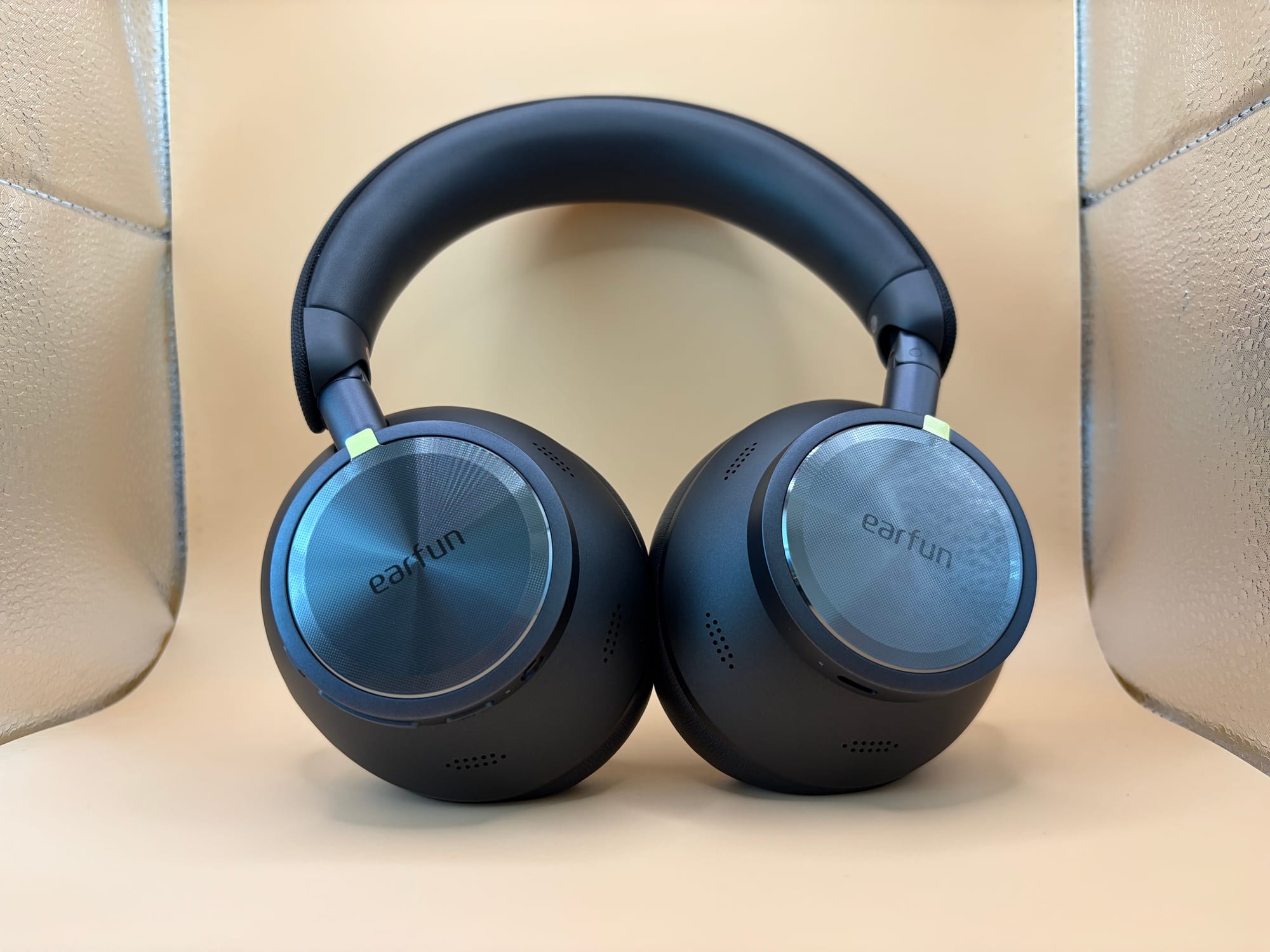
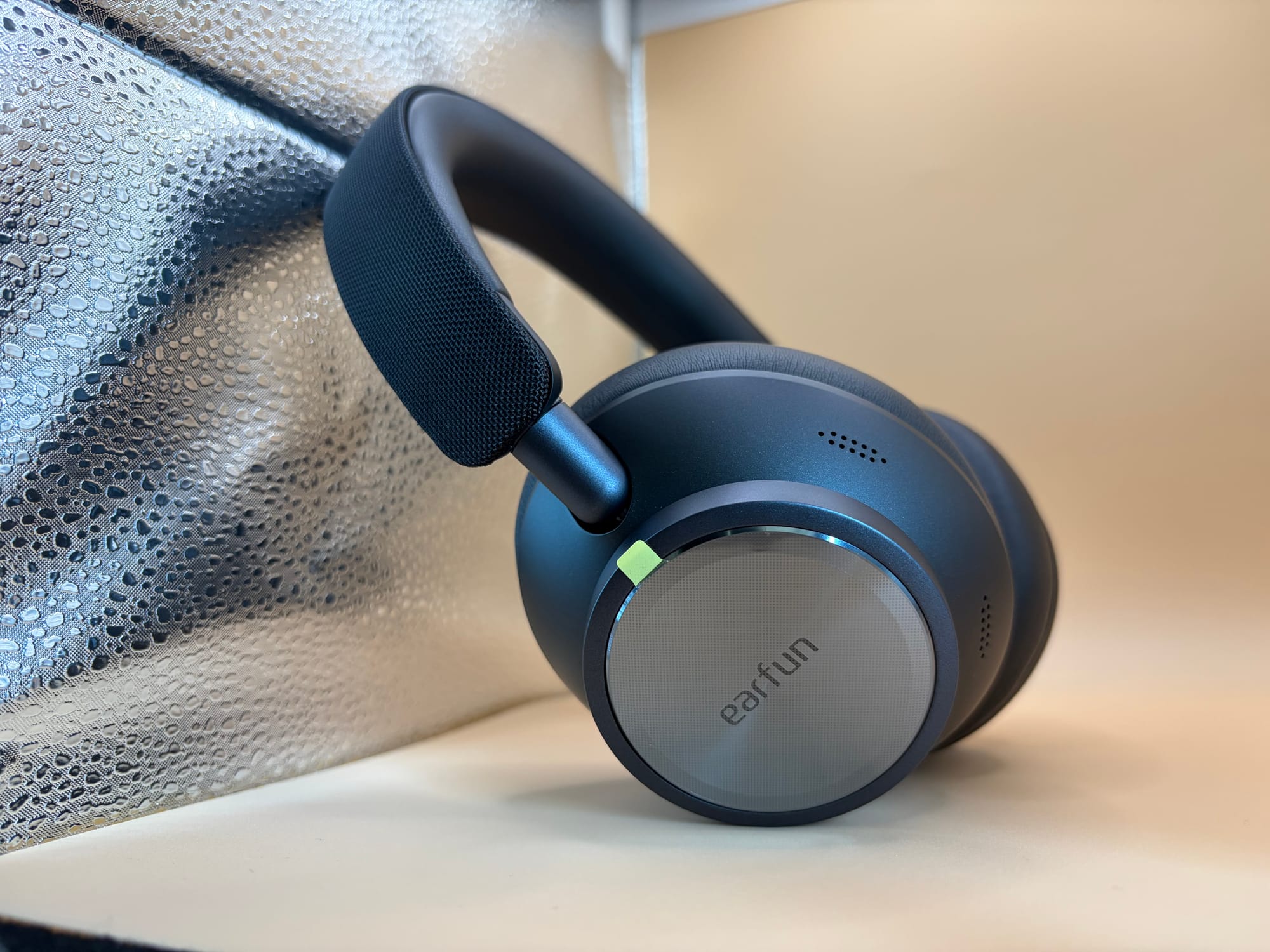
The Wave Pro X sticks to a familiar, sensible playbook for over-ear design: a closed-back, full ear-surround shape that folds flat for travel, with physical controls placed directly on the ear cups instead of an inline remote. The included cable is detachable and tangle-resistant, which matters more than it sounds; a worn 3.5mm connector is one of the most common ways headphones die, and being able to swap just the cable instead of the whole unit is a small but useful design choice.
Inside each ear cup, EarFun runs a coaxial dual-driver setup: a 40mm dynamic driver with a diamond-like carbon (DLC) diaphragm handling bass and mids, paired with a dedicated 10mm liquid crystal polymer (LCP) driver for treble. This is a more ambitious internal layout than you'll find in most $130 headphones, where a single dynamic driver usually does all the work.
Sound Quality
Overall Sound: The Wave Pro X tunes toward a balanced, crowd-pleasing signature rather than a bass-forward "fun" sound or an overly analytical one. It's not going to redefine what a $130 headphone can sound like, but the dual-driver setup does earn its keep in the upper registers, where a lot of budget headphones start to sound congested or harsh.
Notably, right before we released this review, EarFun actually added a new Professional EQ (PEQ) feature to their app, which allows you to customize the sound of the Wave Pro X.
Bass: The low end is present and reasonably controlled rather than boosted for effect. The 40mm DLC driver produces good depth on bass-heavy tracks without bleeding into the mids, though listeners coming from bass-forward tunings (Beats, Skullcandy) may find it comparatively restrained. It's an "accurate over exciting" approach. EQing more bass in can easily be done from EarFun's app, if desired.
Mids: This is where most budget headphones live or die, and it's a strength here. Vocals and guitars sit forward enough to stay clear without getting shouty, and the midrange doesn't get swallowed by the bass the way it can on cheaper single-driver designs.
Treble: The dedicated 10mm LCP tweeter is the Wave Pro X's real differentiator. Treble extension is noticeably cleaner and more detailed than what you'd expect from a headphone in this price bracket, rendering cymbals and high-frequency detail with more texture instead of the usual budget-headphone treble roll-off.
Timbre, Soundstage, and Imaging: Timbre leans natural rather than processed, particularly on acoustic instruments where the dedicated tweeter pays off. Soundstage is moderately wide for a closed-back design — you get a sense of width and layering that closed headphones often lack—though imaging precision (pinpointing exactly where a sound sits within that space) is good rather than exceptional. This isn't a headphone that's going to trick you into thinking you're listening to open-backs, but it's more spacious than most sealed budget headphones manage.
Comfort and Isolation
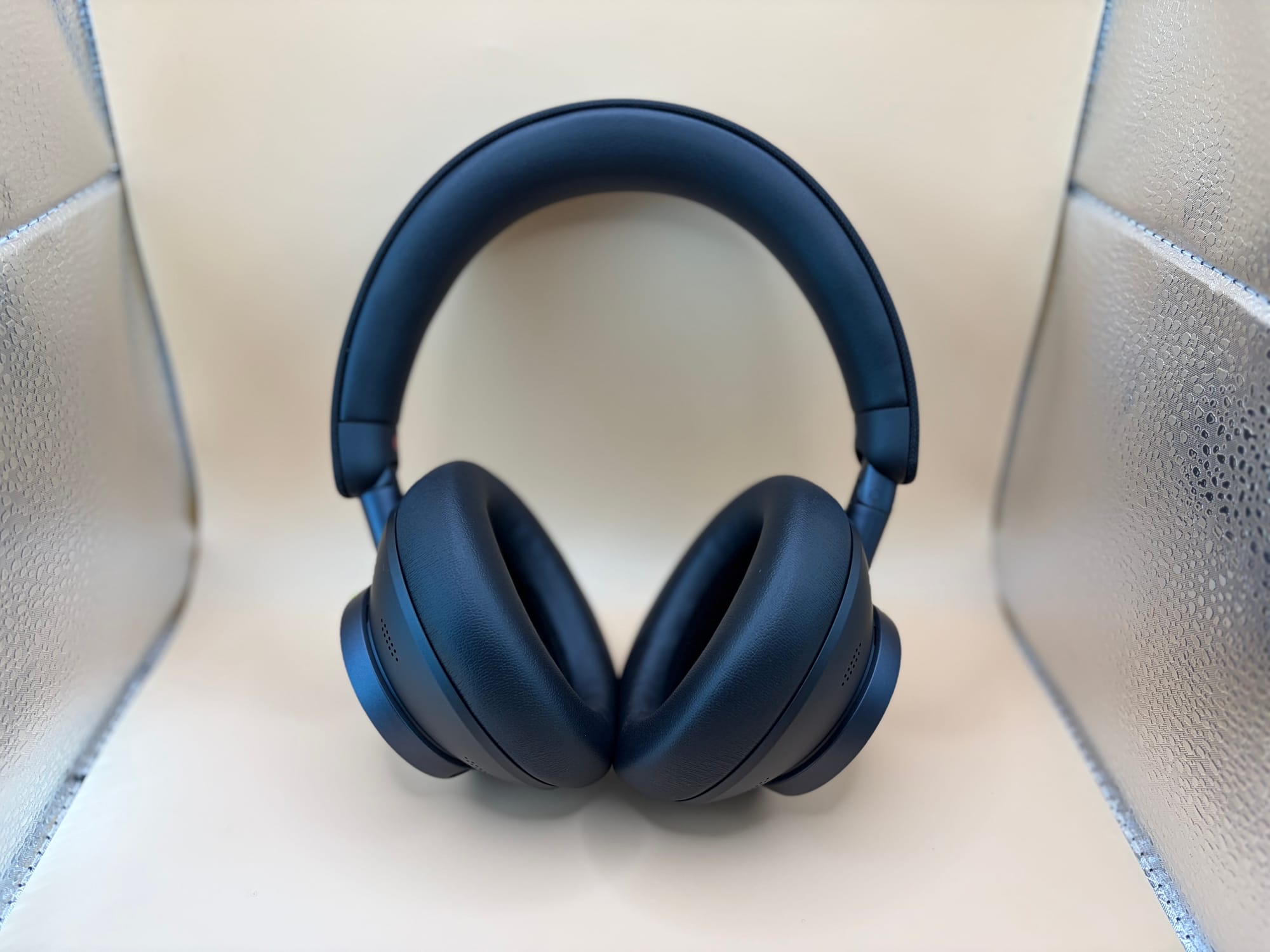
At 256 grams (9.03 ounces), the Wave Pro X stays comfortable for extended wear, helped by memory-protein ear cushions and an adjustable headband that spreads clamping force evenly. The over-ear, closed-back shape does double duty for comfort and passive isolation, sealing out mid and high-frequency noise—chatter, keyboard clicks, air conditioning—before the ANC even engages.
Speaking of ANC: EarFun's 8-microphone hybrid system layers active cancellation over that passive seal, and it's tuned to handle both consistent low-frequency noise and more dynamic ambient sound. A transparency mode is included for quick conversations without removing the headphones. What's missing is auto-pause via in-ear detection—take them off mid-podcast and audio keeps playing until you tap pause yourself, which feels like an odd omission on a headphone this feature-rich.
How It Compares
EarFun Wave Pro (original): The direct predecessor is still worth mentioning because it's the reason the Wave Pro X exists. The original Wave Pro offered 80 hours of battery with ANC off and roughly 55 hours with it on, a 5-microphone ANC array, and Bluetooth 5.3 for $80. The Wave Pro X costs about $50 more but adds a second driver, Bluetooth 6 with Auracast, LDAC plus aptX Lossless, and a beefier 8-mic ANC system. If battery life and price are your only concerns, the original still has appeal on clearance; if you want the more modern wireless stack and better treble detail, the X is the clear upgrade.
1MORE SonoFlow Pro HQ51: This is the headphone that was a major competitor of the original Wave Pro, and it remains a close price-and-category competitor. The SonoFlow Pro generally trades some of the Wave Pro X's battery marathon and codec breadth for a slightly warmer, more consumer-friendly bass tuning that some listeners will prefer out of the box. If you want the safer, more traditionally "fun" sound signature, it's worth a side-by-side listen; if cutting-edge Bluetooth features and battery life matter more, the Wave Pro X pulls ahead.
Anker Soundcore Space One: Sitting in a similar budget-flagship bracket, the Space One leans on Anker's more mature app ecosystem and typically includes conveniences like wireless charging support in some configurations—something the Wave Pro X skips entirely. Sound-wise, the Space One tends toward a punchier low end, while the Wave Pro X's dedicated tweeter gives it an edge in treble clarity and detail retrieval. Choose based on whether you prioritize bass impact or top-end detail.
Final Verdict
The EarFun Wave Pro X is a budget headphone that borrows flagship-level engineering priorities, and for the most part, that bet pays off. The battery life alone is close to a category-redefining number, and pairing it with Bluetooth 6, LE Audio, Auracast, and real hi-res codec support means this headphone won't feel technologically dated for years, which is rare at this price. The stock tuning is good rather than great—accurate and detailed in the treble, a touch conservative in the bass, but I love when headphones have customizable features, and the PEQ option in the mobile app allows you to add extra bass if you want it. The Earfun Wave Pro X is missing some minor conveniences (wireless charging, auto-pause, a physical mute button) which may matter to some buyers. Overall, if you are looking for a well-designed Bluetooth headphone with an impressive list of features and class-leading battery life, the EarFun Wave Pro X is an easy recommendation.
In translating synth pop to a theatrical format in the “American Psycho” musical, Sheik matched what he did with rock in the acclaimed “Spring Awakening.”
In July, 2hollis leaned into darkness with “Hurt,” a cinematic track that flirted with industrial techno. Now, the unpredictable rapper/singer is back to EDM-infused pop bombast with his new song “Sex.”
UK alternative rockers The Bitter Pills are primed to unleash their self-titled debut album on Friday, 25th September, delivering a potent blend of heavy riffs, gritty swagger, and raw, emotive energy. Ahead of the record hitting shelves and streaming platforms, we caught up with the band to get the exclusive, inside track-by-track breakdown of what … Continue reading Exclusive Track-by-Track: The Bitter Pills – The Bitter Pills
John X Belmonte’s Golden Lore understands a basic truth about goth clubs, doomed romance, and every terrible decision made after midnight: grandeur works best when there is something embarrassing hiding underneath it. The song moves with the confidence of a man walking into a ruined cathedral wearing sunglasses, fully aware that vanity and remorse have been sharing the same coat for years. Its synth bass keeps the floor moving with a steady, narcotic insistence, while Belmonte’s voice sits low in the mix, deep and controlled, as though he is delivering private evidence to a room that has already reached its verdict.
The pitch-shifted echo curling around the vocal gives Belmonte’s delivery a doubled quality, part confession and part apparition, suggesting memory as a badly behaved accomplice rather than some sacred archive. Golden Lore keeps circling myth, beauty, regret, and self-invention, those old poisons that people pour into prettier bottles whenever reality starts looking cheap. The lyrics seem fascinated by how easily memory turns vanity into legend, and how legend eventually gets mistaken for truth.
Golden Lore belongs to that hour when the dance floor becomes less a public space than a private reckoning set to a bassline. Belmonte gives the song enough romantic scale to make regret feel almost luxurious, letting memory dress its worst decisions in expensive clothes. By the final chorus, desire, vanity, and remorse have become impossible to separate, and the song leaves them circling one another beneath the club lights until closing time.
As a dance track, Golden Lore has excellent instincts. The rhythm remains disciplined, the bassline stays heavy, and every element serves the forward motion. Nothing gets cluttered for the sake of drama. Then the chorus opens up, and this is where the song earns its black clothes. The melody is gorgeous without becoming sugary, large without losing its bruised center. There is a real sense of release in the refrain, the kind that makes a crowded room briefly feel communal even when everyone inside it is busy maintaining their own private disaster. You can hear why fans of Cold Cave, Drab Majesty, Then Comes Silence, and the Sisters of Mercy might find an immediate point of entry, though Belmonte keeps enough restraint in the arrangement to avoid drowning the song in borrowed gestures.
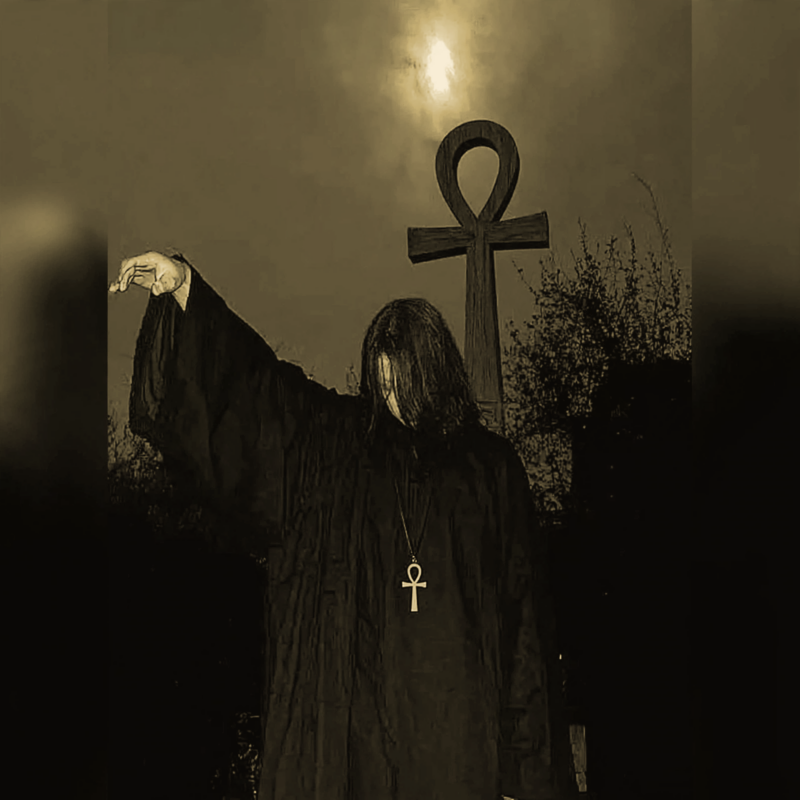
The video takes a similarly direct route. Belmonte performs against images of a mysterious figure moving through a dark landscape with a giant ankh, the superimposition giving the clip the look of damaged film discovered in somebody’s locked drawer. The imagery is simple, but it suits the song’s obsession with memory, myth, and the ghostly versions of ourselves we keep polishing.
Watch the video for Golden Lore below:
Based in New York City, John X Belmonte is an independent darkwave and post-punk artist drawn to the romantic and cinematic possibilities of gothic music. His work pairs brooding atmosphere with rhythmic urgency, giving beauty and emotional intensity equal room within its electronic arrangements. Released September 18, 2026, Golden Lore brings that sensibility to its examination of myth, memory, and remorse.