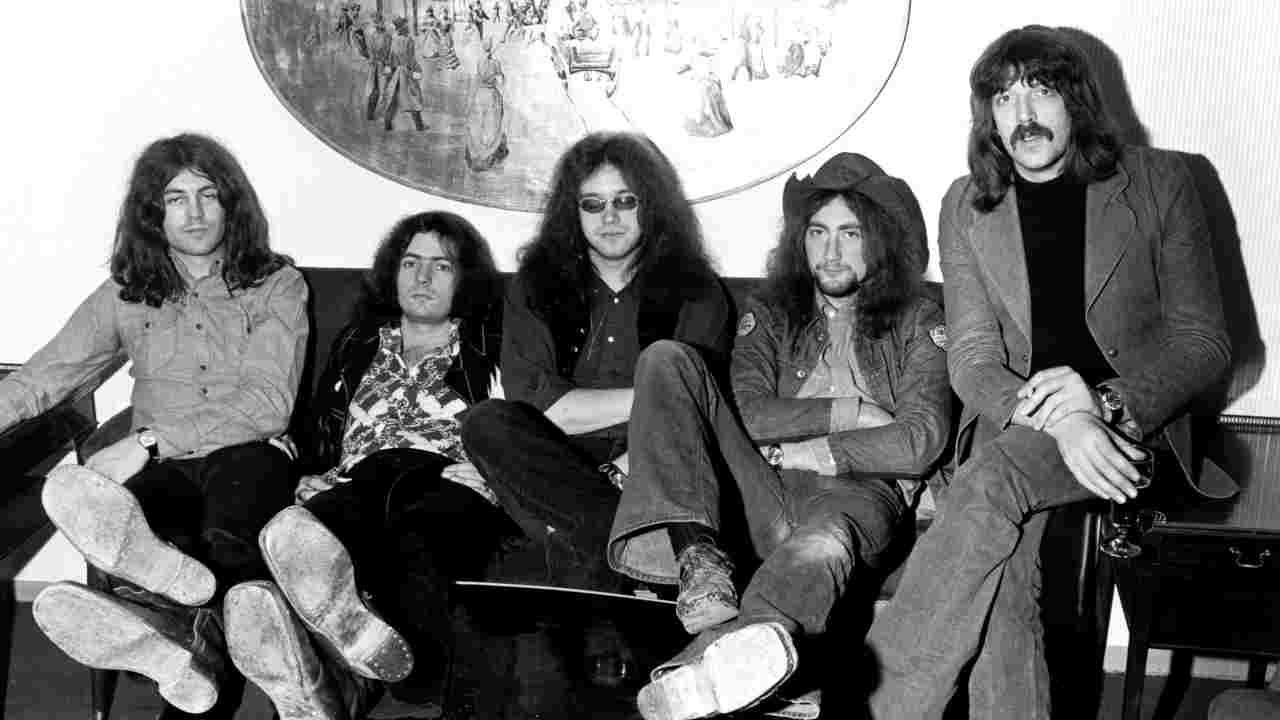
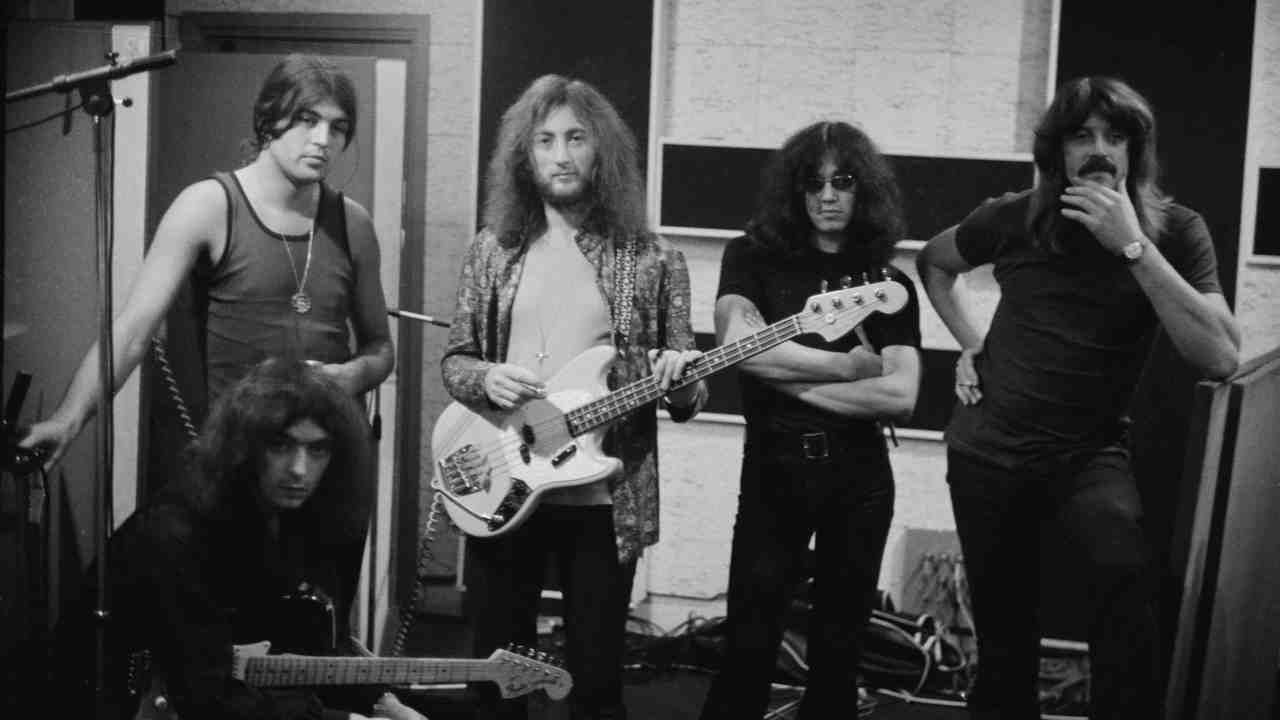
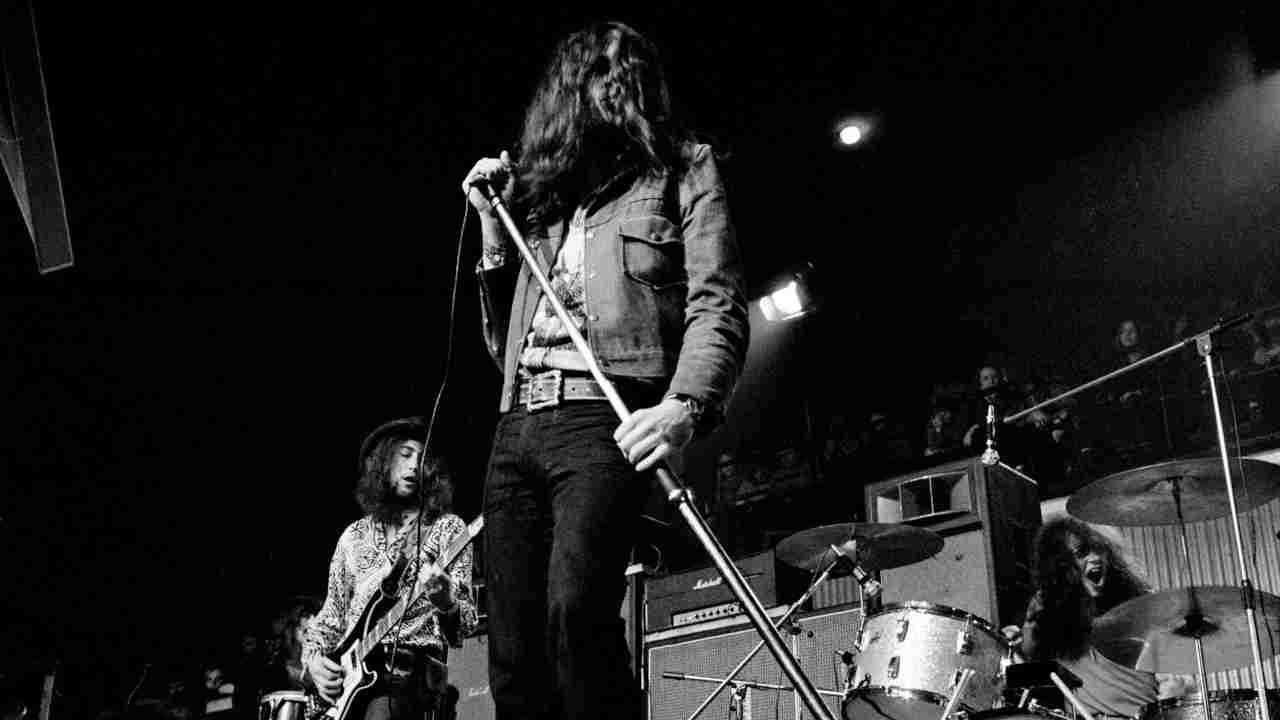
Canadian prog metal elders Protest The Hero have returned with what’s described as their most expansive and ambitious work yet, after more than half a decade of unplanned absence. Within explores their revised line-up via a series of cinematic arrangements, orchestral interludes and bold melodic experimentation. Vocalist Rody Walker and guitarist Luke Hoskin discuss breaking ties with their management and their reinvention as a fully independent band.
“As above, so below; as within, so without; as the universe, so the soul”: With this axiom as their guiding light, Protest The Hero have emerged from the wilderness after six long years of wandering, a new offering titled Within held up to their eager acolytes for examination.
“Yes, the title’s based on the Hermetic maxim, but that’s like a whole bunch of pretentious nonsense,” says vocalist and lyricist Rody Walker with a grin. “When I’m sitting and typing what shit is about, I’m just incredibly dramatic about it. Ultimately, I wanted to write this record about how all of the bigger things affect us individually, in our little inner worlds. That went really well with ‘as within, so without’ – conceptually, it’s about the larger world affecting the individual, specifically in relation to myself and my life.”
The lyrical outlier is lead single Mouthpiece which provides an explosive reintroduction to the prog metal luminaries. It still fits within the general theme, but with more of an external viewpoint. “We have all these voices in our ears telling us what to think and it’s causing us to fight with our families and friends and excommunicate one another,” Walker explains. “People who were more conservative and people who were more progressive could have this communicative nature where we could discuss things and maybe not agree. It wasn’t so fucking hostile.”
The song – like most of the album – bursts from the speakers in a flawless welter of intertwining guitars, sinuous rhythms and vocals that veer from larynx-shredding screams to clean, soaring peaks. In short, it’s nothing unfamiliar to longtime fans. “Oh God, no, dude. It’s the same thing we’ve always done: fast, complicated bullshit,” the singer says with a laugh.
“We leaned back into our punk roots and I think that’s really important for us because it’s the one thing musically we all agree on,” adds guitarist Luke Hoskin. “The songcraft is great and there’s so much melody in it that sometimes metal doesn’t offer, so you’ll hear a lot of that on this record too.”
There’s certainly songcraft and melody on offer, but the busy, blazing technicality that helped define the modern progressive metalcore sound is right to the fore. And, while there might not be too many stylistic deviations on this particular outing, it seems like there might well be more to come from the band soon.
Within comprises just six full tracks plus two strategically placed orchestral interludes titled i: above and ii: below. Hoskin reveals they “hint at something else that’s not on the album.” The pair decline to provide details, but the guitarist adds: “There’s more than meets the eye with this release. The themes on those orchestral pieces are things that no one’s heard yet, but they’ll be able to connect them later.”
Reddit-dwelling superfans have theories – but at the very least a companion piece seems likely. Asked if we can definitively expect more music to follow this in less than six years, Hoskin replies with a laugh: “Oh, yeah. Probably four and a half. A lot of what is coming is either done or in the works, but there’s still work to do.”
A duology or more would help make up for the long wait for this album, which Walker seems largely at a loss to explain. “We released Palimpsest during the pandemic and then what else did we have to do other than drink whisky in the basement? We should have been locking in, but we just didn’t. And then life kind of happened. A handful of us have kids, some of us are working other jobs now; but there’s no real excuse.”
When it did come time to start writing, it was Hoskin who began the process while his bandmates were on one of the number of sporadic tours they’ve continued to play. Protest The Hero never went on a hiatus or disappeared entirely, but the guitarist announced he was stepping away from live shows in 2021.Asked whether he regrets that decision, especially with a new album to take out, he replies in the negative.
“Especially playing new material because at some point that became a huge source of anxiety for me,” he adds. “I do miss hanging out with the fellas and the constant laughter and being able to disconnect from the real world for a bit. But I wouldn’t say I have any regrets; I like the situation we’re in now where there’s a division of labour. While those guys are out touring, I can be at home working on new riffs and the business side of things.”
We don’t even have management now. It’s created a lot more work, but it’s cool because we’re in control of our success or failure
That division of labour is marked, with there essentially being two different iterations of the band at this point in time. Hoskin and Walker are joined on the album by longtime collaborator Cameron McLelland on bass and Intervals drummer Nathan Bulla. The vocalist is the only common thread between that line-up and the live band, which also features guitarist Ben Davis, bassist Henry Selva and drummer Matt Kidby. Longtime guitarist Tim MacMillar will also be out on the road, but wasn’t involved in the recording process.
“Our friend Milen [Petzelt-Sorace] is a composer, and he and I are a little writing team,” Hoskin explains. “It just ended up that Milen and I dug into it a little more and a little faster, and when I talked to Tim about recording, he was like, ‘This is your thing, so just go and do it.’”
“We also want the live experience to be a little looser and that’s why we get to bring in guys like ‘HK’ [Kidby] on the drums, who’s a more punk drummer in his heart,” Walker adds. “It’s not as rigid. Sometimes the songs are a little faster than they should be. It’s interesting how the division has been created, but it all works to create this bigger idea.”
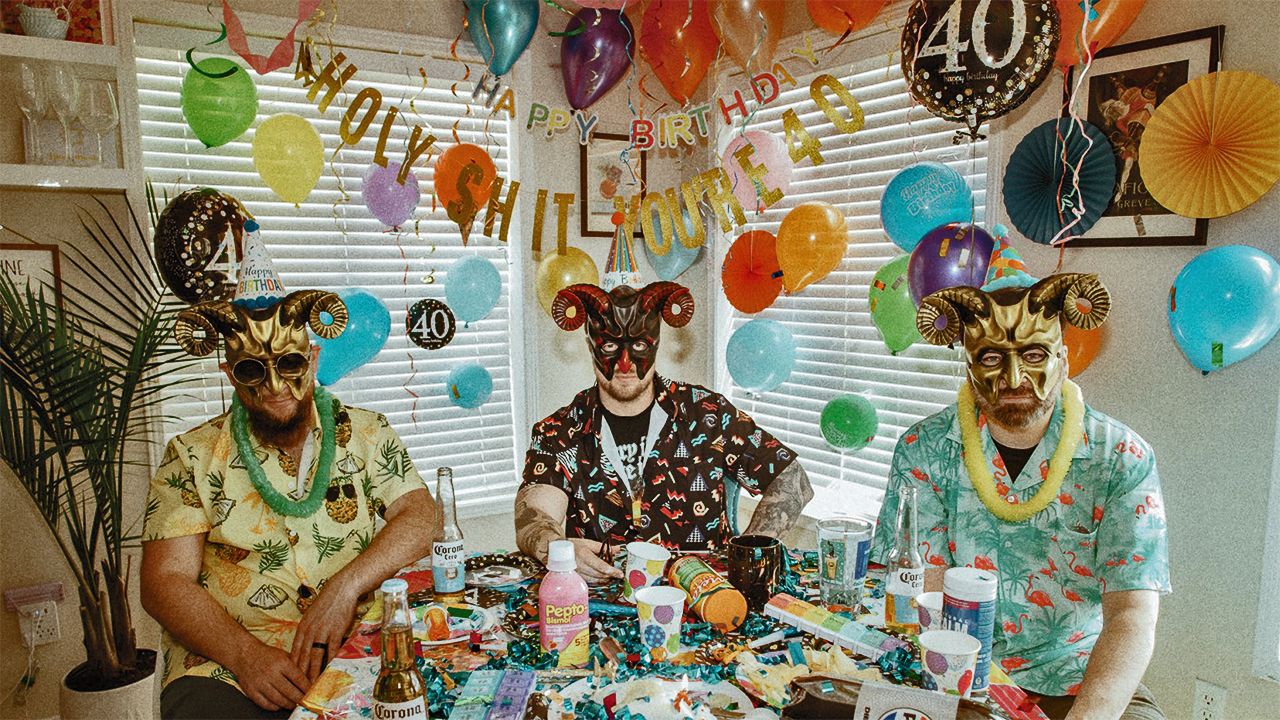
When it comes to the business side, Hoskin needs all the extra time he can get. The band previously crowdfunded 2013’s Volition and released a series of tracks on a subscription format that were later gathered together as 2016’s Pacific Myth. This, though, is the first time they’ve released an album entirely independently.
“We’e spent every moment since we were tied to some label in some way,” Walker says. “I’m not speaking ill of any of those labels, because a lot of the situations were great, but we are finally free from any obligation.”
“We don’t even have management now,” Hoskin adds. “It’s created a lot more work, but it’s cool because now we’re in control of our success or failure. It’s very empowering, but it has been a lot.”
It’s an exciting time for fans of the modern breed of progressive metal. Many of its originators have re-emerged, with the likes of Textures breaking hiatus and Paul Ortiz, aka Chimp Spanner, teaming up with TesseracT vocalist Daniel Tompkins in Prince Of Failure.
“What I really like about the scene is that the older guys are still coming out with great music and pushing prog forward,” says Hoskin. “I’m thinking Opeth and Devin Townsend and Haken. Devin’s new record is a masterpiece, but he’s his own thing and he always has been.”
And are Protest The Hero happy to take on the mantle of prog metal elder statesmen? “Oh fuck, is that what we are?” says Walker, laughing.
“We’ll own it,” says Hoskin. “I’m just satisfied being alive and making music, so if someone looks at us as being an older band now, who cares?”