Part of his upcoming ‘Bass Warrior’ run.
The post Ex-Megadeth Bassist David Ellefson To Cover “Countdown To Extinction” On His Fall European Tour appeared first on Theprp.com.
Part of his upcoming ‘Bass Warrior’ run.
The post Ex-Megadeth Bassist David Ellefson To Cover “Countdown To Extinction” On His Fall European Tour appeared first on Theprp.com.
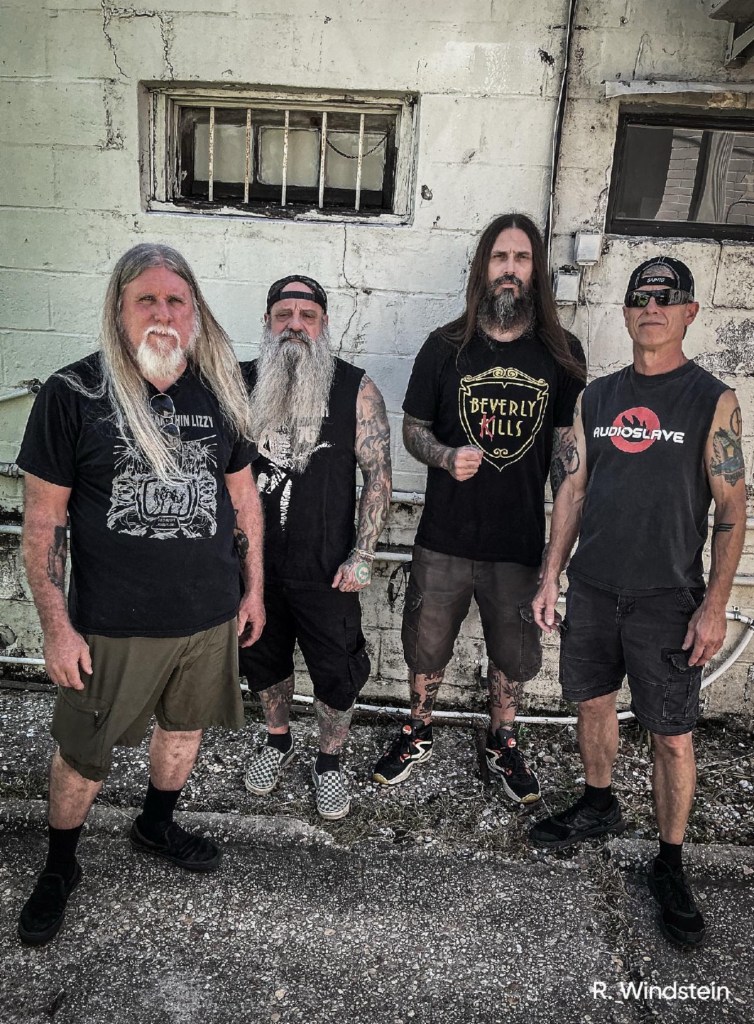
Louisiana metal icons CROWBAR, led by riff lord and vocalist Kirk Windstein with guitarist Matt Brunson, drummer Tommy Buckley, and returning bassist Pat Bruders will return to the road this week on an epic North American tour.
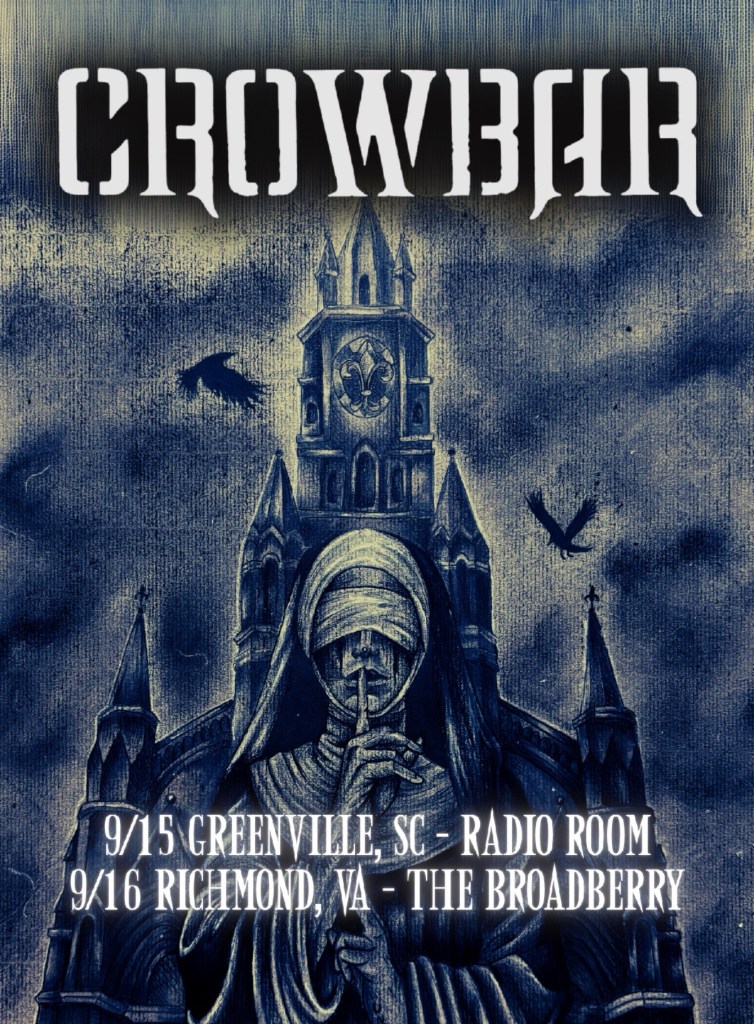
The journey begins with two headlining shows on September 15th and 16th in Greenville, South Carolina and Richmond, Virginia respectively. From there, the band will join Dying Fetus and Sanguisugabogg from September 17th in Philadelphia, Pennsylvania through October 22nd in Nashville, Tennessee. Additional support will be provided by Left To Suffer, Deterioration, and Scorching Tomb on select dates.
The band will also be doing Meet and Greets throughout the tour. Find more information HERE.
On November 13th and 14th, the band will join Slayer for two special Reign In Blood 40th Anniversary shows at the Kia Forum in Inglewood, California alongside Cannibal Corpse and Cavalera, followed by a performance at The Great NOLA Trendkill with Pantera, Down, Black Label Society, Corrosion Of Conformity, Power Trip, Eyehategod, Pig Destroyer, Rāde, and Herakleion later that month.
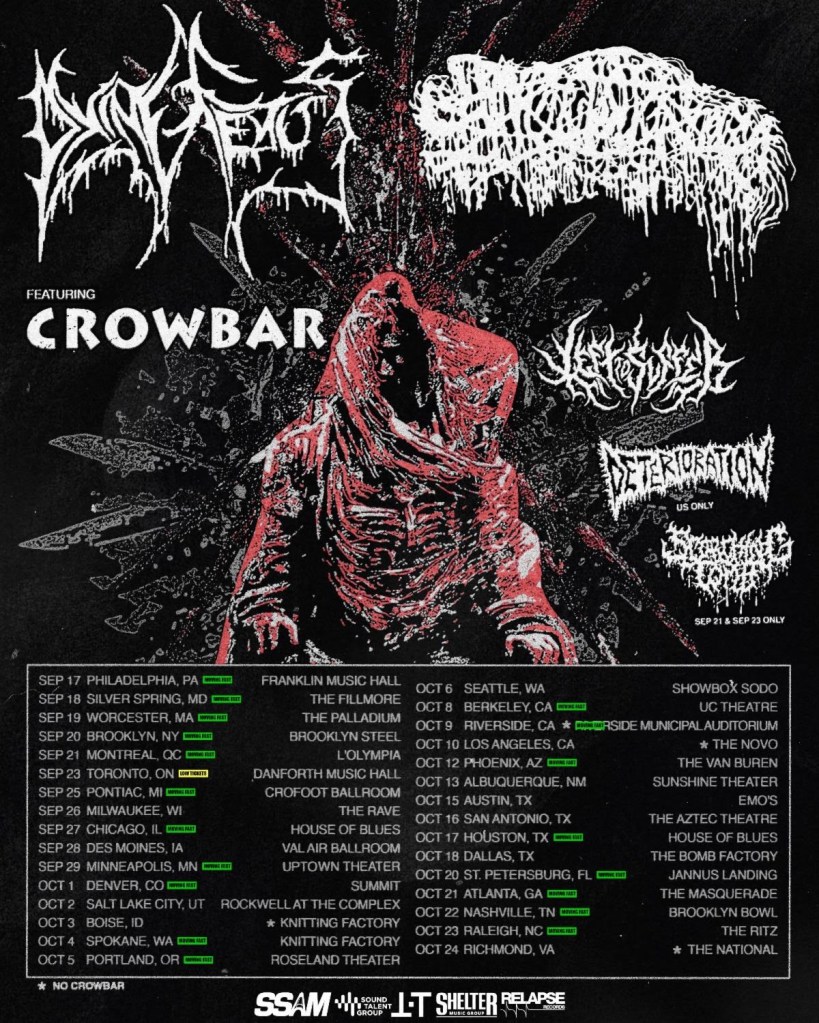
Tickets for all shows are on sale now. See all confirmed dates below.
CROWBAR:
9/15/2026 Radio Room – Greenville, SC
9/16/2026 The Broadberry – Richmond, VA
w/ Dying Fetus, Sanguisugabogg, Left To Suffer, Deterioration:
9/17/2026 Franklin Music Hall – Philadelphia, PA
9/18/2026 The Fillmore – Silver Spring, MD
9/19/2026 The Palladium – Worcester, MA
9/20/2026 Brooklyn Steel – Brooklyn, NY
9/21/2026 L’Olympia – Montreal, QC +
9/23/2026 Danforth Music Hall – Toronto, ON +
9/25/2026 Crofoot Ballroom – Pontiac, MI
9/26/2026 The Rave – Milwaukee, WI
9/27/2026 HOB Chicago – Chicago, IL
9/28/2026 Val Air Ballroom – Des Moines, IA
9/29/2026 Uptown Theater – Minneapolis, MN
10/01/2026 Summit Music Hall – Denver, CO
10/04/2026 Knitting Factory – Spokane, WA
10/05/2026 Roseland Theater – Portland, OR
10/06/2026 Showbox SoDo – Seattle, WA
10/08/2026 UC Theatre – Berkeley, CA
10/09/2026 Riverside Municipal Auditorium – Riverside, CA
10/10/2026 The Novo – Los Angeles, CA
10/12/2026 The Van Buren – Phoenix, AZ
10/13/2026 Sunshine Theater – Albuquerque, NM
10/15/2026 Emo’s – Austin, TX
10/16/2026 The Aztec Theatre – San Antonio, TX
10/17/2026 House Of Blues – Houston, TX
10/18/2026 The Bomb Factory – Dallas, TX
10/20/2026 Jannus Landing – Tampa, FL
10/21/2026 The Masquerade – Atlanta, GA
10/22/2026 Brooklyn Bowl – Nashville, TN
+ w/ Scorching Tomb
End Tour
11/13/2026 Kia Forum – Inglewood, CA w/ Slayer, Cannibal Corpse, Cavalera
11/14/2026 Kia Forum – Inglewood, CA w/ Slayer, Cannibal Corpse, Cavalera
11/20-21/2026 The Great NOLA Trendkill @ Lakefront Arena – New Orleans, LA w/ Pantera, Down, Black Label Society, Corrosion Of Conformity, Power Trip, Eyehategod, Pig Destroyer, Rāde, Herakleion
CROWBAR was created in 1990 from the ashes of The Slugs. Original members Kirk Windstein and Jimmy Bower (Down, Eyehategod) had a vision to move away from the trendier thrash sound of that time, and create their own brand of doom metal with a bit of upbeat hardcore mixed in.
Heavily influenced by The Melvins, Carnivore, Trouble, Saint Vitus, and a blend of Black Sabbath meets East Coast Hardcore, CROWBAR set out to create an original sound which has become influential to many bands over the last 36 years. Windstein is the only original member and has helped carry the band through numerous lineups and twelve critically acclaimed albums.
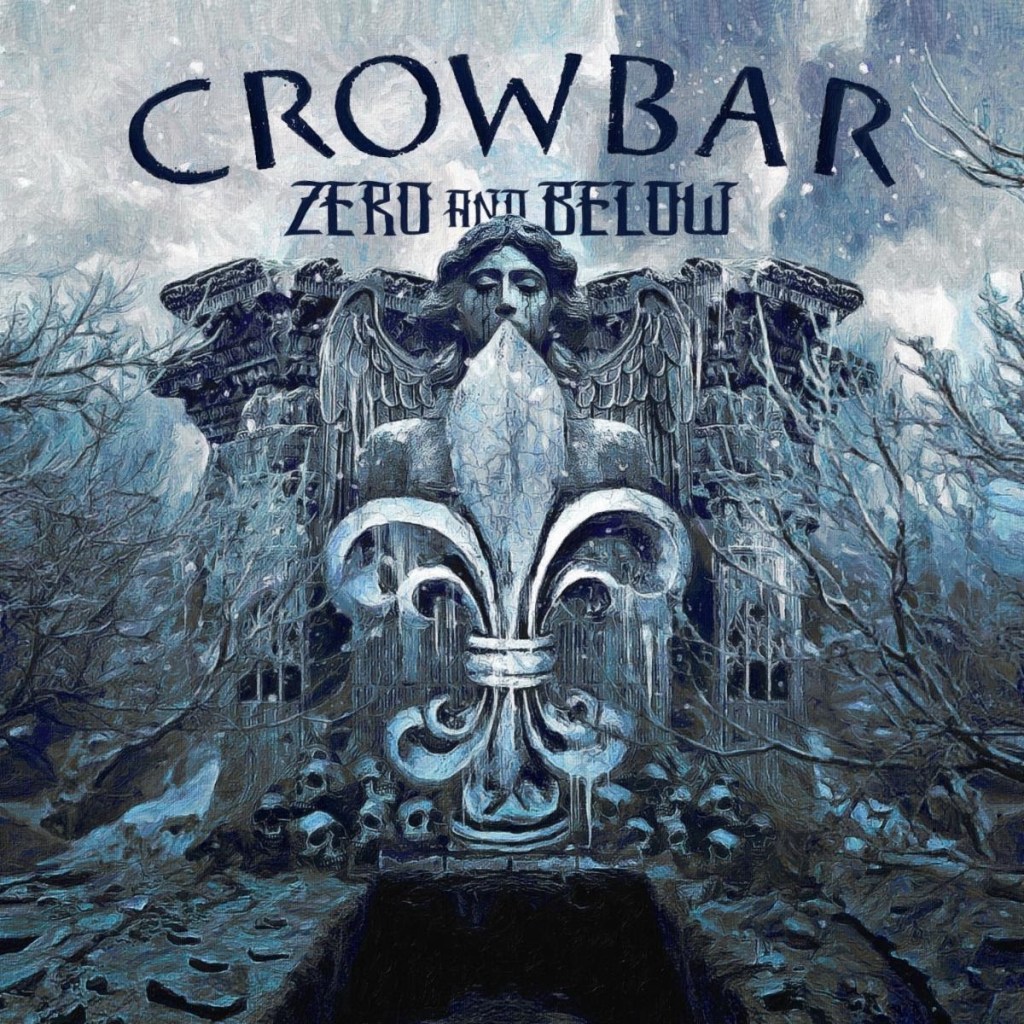
CROWBAR’s most recent studio offering, the critically acclaimed Zero And Below, was released in April 2022 via MNRK Heavy.
https://www.facebook.com/crowbarmusic
https://www.instagram.com/crowbarmusic
Source: EARSPLIT PR

Taking place in early 2027.
The post Fuming Mouth Added To The Black Dahlia Murder’s European “Nocturnal” 20th Anniversary Tour appeared first on Theprp.com.
Love songs have spent a century turning devotion into a virtue simply because somebody found a chorus for it. Modern Friend’s Pictures takes that old bargain and puts a collar around its neck. Writing from the perspective of a dog, Voytek Korab considers the peculiar compromises of modern relationships, where being wanted can mean learning to live entirely on somebody else’s terms. The affection may be real, but the conditions deserve a closer look: be available, be agreeable, and please do not need anything inconvenient.
A founding member of My Favorite Robot, Korab has spent years inside underground electronic music, playing everywhere from Coachella and DC-10 to the Rex Club and Montreal’s Piknic Elektronik. Modern Friend grew from a different urge, one he had been carrying for much of the last decade: get back to singing, get back to writing songs, and give a more personal voice to the ideas taking shape around the music.
Pictures, the third single from the forthcoming debut album Nothing Out Of Something, carries that return into a brisk new-wave frame where melody and discomfort share the same room. The beat moves with tidy motorik efficiency as Korab keeps the vocals languid and dreamy. The hooks settle in quickly, making an inviting setting for a less comfortable question about what people are willing to surrender in exchange for being wanted.
“I hope to one day be your best accessory” gives the joke its sharpest point. Here, a prospective partner is already negotiating their own reduction, volunteering to fit whatever space another person has available. You can be a modern man’s best friend, provided you remember that “stay” is an instruction and not a promise. “Just put up pictures when I’m lost” brings a more tender possibility into the song through the familiar image of lost-dog flyers fastened to streetposts. Beneath the joke sits a vulnerable hope: if I go missing, care enough to come looking.
Korab describes the feeling beneath the song’s humor:
“It’s a song about wanting to be loved for who you are, while quietly realizing that sometimes love can begin to feel more like possession, decoration, or convenience than connection.”
That distinction gives Pictures its emotional weight. The pet becomes a metaphor for the partner who learns to accept affection on somebody else’s schedule, gradually editing out the needs and opinions that might spoil the arrangement. Small concessions accumulate until one person’s comfort determines the shape of both their lives. Being needed can feel reassuring enough to postpone asking whether that need leaves room for your independence. Korab keeps the premise playful, but the imbalance is familiar: one person waits faithfully for attention while the other decides when to give it.
Watch the video for Pictures below:
Mixed by Justin Drake at Bakehouse Studios in London and mastered by Ali X in Mexico, Pictures gives its uneasy observations an appealing pop finish. Its easy movement suits the satire: the song makes accommodation sound pleasant enough that you can understand how somebody might overlook the cost.
By the end, Pictures has made its canine perspective uncomfortably familiar. Modern romance is for the dogs when loyalty becomes an expectation and affection remains a reward. Even the most faithful companion deserves more than an occasional scrap of attention.
Listen to Pictures below and order the single via Permaculture here.
Follow Modern Friend:
The post “Just put up pictures when I’m lost” — Romance is for the Dogs in Montreal Duo Modern Friend’s Latest Single, “Pictures” appeared first on Post-Punk.com.
He managed to correctly guess tracks by Faith No More, Sevendust and 311 prior.
The post Watch: Linkin Park’s Colin Brittain Takes On Iron Maiden’s “Hallowed Be Thy Name” On Drumeo’s ‘For The First Time’ Series appeared first on Theprp.com.
London MetalFest The Underworld / Electric Ballroom / The Dev 11th + 12th September 2026 Review + Videos by: Jack Merry @jacksabbath94 Camden and heavy […]
The post London MetalFest @ Camden Town, 11th-12th Sept 2026 appeared first on Metal-Rules.com.
Scottish blackened thrasher Hellripper has digitally released a pair of ZEKE covers ahead of his next round of European and North American touring. His cover choices included “Let’s Get Drugs” and “Mainline“, both of which are now streaming via leading digital service providers. Both of those covers previously emerged via a flexi disc exclusive to…
The post Hellripper Digitally Release Two ZEKE Covers appeared first on Theprp.com.