Blog
-
Less Than Jake Share New Single “Another Hostage Situation”
Ska-punk veterans and live-show ringmasters Less Than Jake are set to release ‘Another Hostage Situation’, a B-side from their -
Grey & Purple Songbook Love Through the Window Review
Grey & Purple Songbook Love Through the Window Review
A distant glance can sometimes become the beginning of an entire imaginary romance. Grey & Purple Songbook transforms this familiar experience into “Love Through the Window,” an energetic song driven by playful storytelling, infectious funk rhythms, and the thrill of an unexpected attraction.

Grey & Purple Songbook – Love Through the Window
“Love Through the Window” begins with an immediate burst of energy. From its opening moments, the rhythm pulls the listener into the music and establishes a lively atmosphere. As usual, Grey & Purple Songbook knows how to build a song that does more than entertain: it places the audience directly inside a story.
This time, the narrative follows a man working in his office who notices a woman through another window. Their distant glances gradually become a silent flirtation. Nothing needs to be said because the attraction develops through expressions, gestures, and the possibility of something unexpected.
The idea has a playful element of voyeurism, but the situation also feels surprisingly familiar. Many people have experienced a similar moment: seeing someone across a street, inside another building, or on the opposite side of a crowded room and briefly imagining an entire relationship with them.
Love Through the Window by Grey & Purple Songbook – A Distant Attraction
The story captures the strange intensity of an attraction experienced from afar. These encounters rarely become genuine love stories, yet they can remain vivid in our memories. A brief exchange of glances is sometimes enough to awaken curiosity and inspire fantasies about a life that will probably never exist.
Grey & Purple Songbook explores that emotional space with humor and lightness. The song does not become overly romantic or nostalgic. Instead, it celebrates the excitement of the moment and the pleasure of allowing the imagination to escape from everyday routines.
The office setting makes the situation even more effective. A place normally associated with schedules, responsibilities, and repetition is suddenly transformed by the appearance of a stranger. Through that distant window, an ordinary day opens into a small adventure filled with possibility.
Funk Rhythms and Irresistible Momentum
The arrangement perfectly supports the playful nature of the lyrics. Funk influences give the track a vibrant pulse, while the pressing rhythm keeps everything moving forward. The music seems to reflect the growing excitement of the protagonist as he waits for another glance from the mysterious woman.
Sudden stops and restarts add personality to the composition. These rhythmic changes create anticipation, almost as if the song itself were participating in the flirtation. Each pause briefly holds back the energy before the instruments return with renewed momentum.
The groove encourages movement without losing sight of the narrative. It is easy to imagine the song accompanying a stylish cinematic sequence in which two strangers observe each other from opposite buildings while the world continues moving around them.
This combination of storytelling and rhythm is one of the track’s greatest strengths. The concept could have easily remained a simple romantic anecdote, but the energetic production turns it into an invitation to dance, dream, and momentarily abandon caution.
An Invitation to Follow the Moment
The song recreates that particular energy we feel when we want to live fully, let ourselves go, and follow the possibility of a new adventure. Whether the flirtation becomes something real is ultimately unimportant. What matters is the spark it creates and the way it makes an ordinary moment feel exciting again.
“Love Through the Window” is another enjoyable release from Grey & Purple Songbook. Its funky vibrations, dynamic changes, and imaginative narrative work naturally together. This is a lively and well-crafted track that makes you want to move while reminding you that even the briefest glance can inspire an unforgettable story.
Explore more: discover new indie rock bands; explore gothic stories
Funky and Cinematic
 If you love energetic music like this: Discover More Bands Here
The post Grey & Purple Songbook Love Through the Window Review appeared first on Edgar Allan Poets – Noir Rock Band.
-
Leon Majcen on Record Release Strategies and the Downside of Truck Leases
Leon Majcen recalls getting overpaid at his first gig at 13, describes his old day job at a Nashville tree company, and explains why he tailors every show to the room that he’s playing. -
Listening Now : Jay Pinto – Mostly out of Habit
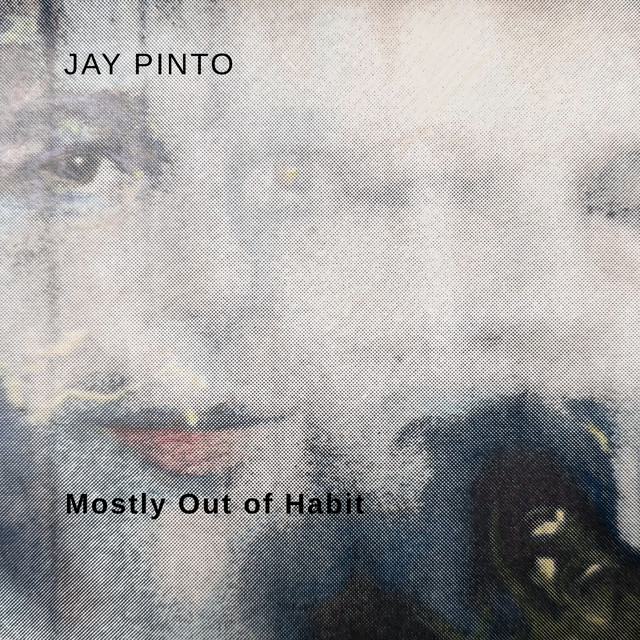

Jay Pinto’s Mostly Out of Habit is a quietly reflective piece of indie folk that finds beauty in the ordinary. Built around the small, repetitive gestures of everyday life—waiting, reaching, arguing, continuing—the song observes how much of being human happens almost automatically. There is a gentle, unhurried quality to the arrangement, allowing Pinto’s songwriting and intimate vocal delivery to carry the emotional weight.
Rather than forcing a dramatic narrative, Mostly Out of Habit stays close to the everyday, turning familiar routines into something quietly profound. Its folk-rock character gives the track an organic warmth, while the lyrics leave plenty of space for personal interpretation. Thoughtful, understated and deeply human, it is the kind of song that grows more affecting with each listen, finding meaning in the simple act of carrying on.
Connect:
-
Weekday Social So Close Review
Weekday Social So Close Review
The song opens with a beautiful energy that carries punk vibes. Louise’s voice enters next, showcasing a truly beautiful, delicate, and intense timbre. This vocal tone stands out in the mix and defines the band’s sound. There is a palpable chemistry among the band members: Louise (lead vocals/guitar), Gavin (backing vocals/bass), and Ben (drums). This synergy suggests long hours spent in rehearsals, mastering their craft.

The music feels authentic and sincere. It maintains a slight garage influence, grounding it in an indie aesthetic. This band possesses the ability to channel their energy into their art, resulting in a unique style. In the bridge, the vocals are layered with a generous reverb, creating a nearly suspended moment. This feature highlights the band’s willingness to experiment. The song is an alternative emo punk rock piece, which I recommend to everyone.
From the outset, the opening section promises an exhilarating experience. As the instrumentation kicks in, the listener is immediately drawn into the vibrant atmosphere. The rhythmic pulse provides a solid foundation, allowing the vocals to shine.
So Close – Sound and Atmosphere
Louise’s voice acts as a focal point throughout the track. It is powerful and gentle at times, creating a charming contrast. Her performance elevates the song, each note delivered with emotional conviction.
The instrumentation is sharp and robust. Gavin’s bass lines are engaging without overshadowing the vocals. They provide an essential groove that keeps the track grounded. Ben’s drumming is energetic and precise, driving the song forward with relentless momentum. His beats echo the urgency of the punk ethos while allowing space for the melodic elements to thrive.
So Close – Performance and Production
The bridge introduces a refreshing shift in mood. With the added reverb on Louise’s vocals, the atmosphere becomes dreamlike. This moment of reflection serves as a pause before the track dives back into its energetic roots.
Visually, one can imagine the band performing energetically on stage. Their presence conveys a sense of unity and passion. This dynamic is likely to translate well in a live setting, enhancing the overall experience for the audience. The music feels meant for communal enjoyment, encouraging fans to come together.
“So Close” is a remarkable display of musical craftsmanship. The balance of punk energy and melodic sensitivity creates a unique listening experience. The chemistry among band members enhances the authenticity of the track. This single is sure to resonate with fans of alternative emo punk rock.
Energetic
If you love this music: Discover More
The post Weekday Social So Close Review appeared first on Edgar Allan Poets – Noir Rock Band.
-
Alex Terrible Directly Addresses Past Allegations, Thanks Those That Stood By Him

Alex Terrible has issued the most detailed statement of his career about the Nazism allegations that have followed him for a decade — and for the first time, he addresses the specific thing at the center of them. The Slaughter To Prevail vocalist names the Black Sun tattoo he has since covered up, acknowledges he knew the symbol’s history when he got it, and concedes that his own interpretation of it doesn’t erase what it means to other people. He also has a message for the companies who won’t work with him, and a longer one for the people who did.
 STREAM THE METAL BREAKDOWN DAILY NOW:
Scott Penfold covers the Alex Terrible statement on today’s Metal Breakdown Daily — what he actually said, what’s different about this one, and the post he put up two days earlier and deleted. Download the free Loaded Radio App on Apple iOS and Google Play and get it every weekday morning.
What he said
The statement went up on Instagram on Sunday, September 14, and it’s addressed to a specific audience — not fans, but the industry.
His opening: he wants to make something very clear to anyone who works with him, wants to work with him, or is considering doing business with him in future. He has big plans for his music, his career, and everything he’s building around it.
Then the problem, stated plainly. Over the years, some people and companies have chosen not to work with him because of the controversies around his past. Some have told him privately that they respect him and support him, but are afraid of how being associated with him might affect their own reputation.
His response to that is not what you’d expect: I understand that. Everyone has the right to make their own decision.
And then the line the headline comes from.
“I am not a Nazi. I have never considered myself a Nazi, and I never will.”
 LIVE & LOUD: Stream the World’s Hardest Radio Station 24/7
The Black Sun, addressed directly for the first time
This is the part that makes this statement different from every previous one, and it’s worth reading properly rather than summarised.
He says that as a teenager in Russia he spent time around right-wing people and the football hooligan subculture. Then the admission most people in his position wouldn’t make:
He knew what the Black Sun was, and he knew its history.
But within that specific subculture, at that time, he says he did not perceive wearing the symbol as a declaration of Nazism or fascism. To him, it represented something extreme, rebellious, and connected to the environment he was surrounded by.
Then the concession — and this is the whole statement, in three sentences:
Looking at it now as an adult, he understands that his personal interpretation of a symbol doesn’t erase its history, or what it represents to other people. He understands why people see it and immediately make certain assumptions about him. And he understands that choosing to put that symbol on his body was his decision, and he takes responsibility for that decision.
But, he adds, it does not mean that he was, or is, a Nazi.
The tattoo has since been covered up.

Why that paragraph matters
I want to be careful here, because it would be easy to either over-praise this or dismiss it, and neither is honest.
What’s different is the concession. Almost every statement of this kind — in music, in sport, in politics — rests entirely on intent. I didn’t mean it that way, therefore you’re wrong to read it that way. It’s the standard move and it never works, because it asks the offended party to accept that the speaker’s private meaning outranks the public one.
Terrible doesn’t do that. He says he knew what it was. He says his reading of it doesn’t erase what it is. He says the decision was his and he owns it.
That’s the argument that was available to him all along and he’s never made it before. August’s statement was a general denial — he’d made some stupid mistakes and he isn’t a Nazi. December 2023’s was similar. This one deals with the actual object.
Whether it’s sufficient isn’t my call and it isn’t the same answer for everybody. Someone who lost family to that symbol is entitled to a different conclusion than someone who didn’t, and nothing written here changes that. But it’s a materially better statement than anything he’s produced before, and pretending otherwise to seem tough would be dishonest.
The message to the industry, which is unusually blunt
The back half of the statement is about work, and it’s the section that will get least attention and is arguably the most revealing.
On companies who won’t touch him: if you don’t want to move forward with him or work with him because of the controversy around his past, he understands. But he also won’t work with you in the future.
And then this, which has a real edge to it:
A lot of people turned their backs on him in the past, and then once he became successful, suddenly they wanted to work with him despite the exact same controversy. No, thank you.
That’s not a man asking to be forgiven. That’s a man who has reached a position of leverage and is using it to close a door from his own side.
Read alongside the rest, it tells you what this statement actually is. It isn’t an apology tour. It’s a line in the sand aimed at labels, promoters and brands — here is my position, decide, and understand that your decision is permanent in both directions.
We Recommend – The 13 Most Brutal Metal Breakdowns Ever Recorded (Ranked)
And the thanks
He closes on the people who didn’t walk.
To everyone who has worked with him and continues to work with him — every label, band, company and person involved — he says he truly appreciates them. That he understands they’re sometimes putting their own reputation on the line by standing beside him.
Thank you, genuinely, for not turning your backs on me because of the mistakes I made in my past, and for believing in me as a human being.
He also states, flatly, that he’s not right-wing and not left-wing. That he’s a musician, a father and a husband trying to understand himself and become a better version of himself.
Elsewhere in the statement he refers to being barely able to leave the house at that period of his life because of serious health problems, which is offered as context for how isolated he was as a teenager rather than as an excuse for the decision.
Two days earlier, he posted something very different
And here’s the context that makes this story worth more than a transcript.
On September 12, Alex Terrible posted about people insulting him online. It was a long argument about his right to answer back on his own platform — that somebody comes onto his page, insults him, and then he’s the bully for responding. It opened with the line about understanding Ronnie Radke better than most people, and it closed by asking whether he’s supposed to live by a different set of rules just because he has followers.
He deleted it within hours. We covered it here.
Two days later, this went up. Specific instead of defensive. About the allegation instead of the people making it. Taking responsibility instead of arguing about fairness.
And it’s still up.
That’s a man working something out in public — getting it wrong, taking it down, and coming back with a considerably better version. Most people do that privately. He’s done it on a platform with millions of followers inside seventy-two hours.
Check Out – SONIC TERROR: The 13 Most Insane Extreme Metal Subgenres You (Still) Haven’t Heard
The wider record, for completeness
The allegations, stated fairly: Terrible has documented past associations with neo-Nazism, including the Black Sun tattoo, and the football hooligan subculture he describes himself. He has faced these allegations publicly since at least 2023. He has also faced allegations of homophobia over past social media commentary, which he denies.
His position, stated fairly: he has consistently denied ever subscribing to Nazi ideology — in December 2023, again in August of this year, and now in the most detailed form yet. He now describes the associations as mistakes he takes responsibility for.
Both of those things are true at once, and any coverage that includes one without the other is misreporting it.
Where Slaughter To Prevail are right now
Worth noting, because the commercial context is part of why this statement exists.
The band are one of the biggest names in modern deathcore, and their profile has grown sharply — Terrible’s solo cover of Korn’s “Freak On A Leash” landed in August and did substantial numbers. They added eight more North American dates to their autumn run earlier this month, on top of an already full schedule.
Deathcore has spent the last few years moving from the far edge of the genre toward something close to the mainstream, and Slaughter To Prevail are one of the reasons why.
Which is exactly the point at which the question of who will and won’t do business with you stops being theoretical.

Screenshot 
Screenshot 
Screenshot 
Screenshot TL;DR
- Alex Terrible issued a detailed statement on Instagram on September 14 addressing the Nazism allegations that have followed his career, opening with: “I am not a Nazi. I have never considered myself a Nazi, and I never will.”
- For the first time he addresses the Black Sun tattoo specifically. He says he knew the symbol and its history as a teenager in Russia, but within the football hooligan subculture he was part of did not perceive wearing it as a declaration of Nazism.
- The key concession: he says his personal interpretation of a symbol “doesn’t erase its history or what it represents to other people,” and that putting it on his body was his decision, for which he takes responsibility.
- The tattoo has since been covered up.
- A message to the industry: companies that won’t work with him now won’t get the chance later. He notes that people who turned their backs previously came back once he became successful — “No, thank you.”
- Thanks to those who stayed: he acknowledges that labels, bands and companies who work with him are putting their own reputations on the line.
- He also states he is neither right-wing nor left-wing, describing himself as a musician, father and husband.
- Two days earlier he posted a defensive statement about online critics and deleted it within hours. This one is still up.
FAQ
What did Alex Terrible say about the allegations against him?
In a statement posted to Instagram on September 14, 2026, he wrote: “I am not a Nazi. I have never considered myself a Nazi, and I never will.” He said that as a teenager in Russia he spent time around right-wing people and the football hooligan subculture, and addressed his Black Sun tattoo directly — acknowledging he knew its history but did not, at the time, perceive wearing it as a declaration of Nazism.
What is Alex Terrible’s Black Sun tattoo?
The Black Sun is a symbol with documented Nazi associations. Terrible had it tattooed as a teenager in Russia and has since covered it up. In his September 2026 statement he said that while his personal interpretation of it at the time was as something extreme and rebellious, he now understands that his own reading “doesn’t erase its history or what it represents to other people,” and that he takes responsibility for the decision to get it.
Has Alex Terrible apologized?
He has taken responsibility for the decision to get the tattoo and described his past associations as mistakes, while consistently denying that he ever subscribed to Nazi ideology. He has made similar denials in December 2023 and August 2026, though the September 2026 statement is the first to address the symbol specifically.
What did Alex Terrible say to companies who won’t work with him?
That he understands their decision, but that he won’t work with them in future either. He added that people who turned their backs on him previously wanted to work with him once he became successful, “despite the exact same controversy,” and his response to that was: “No, thank you.”
Who is Alex Terrible?
The vocalist of Slaughter To Prevail, a Russian deathcore band who have become one of the biggest acts in modern extreme metal. He is known for an exceptionally low vocal range and for performing in a mask, and has faced allegations relating to past neo-Nazi associations and homophobia, both of which he denies.
The first statement he’s made that deals with the actual object rather than the accusation. Where do you land on it? Tell me below. And keep it locked on the Loaded Radio stream — follow Loaded Radio for daily rock and metal news.
The post Alex Terrible Directly Addresses Past Allegations, Thanks Those That Stood By Him appeared first on Loaded Radio.
-
Angine de Poitrine Make US TV Debut On Fallon
Costumed Canadian microtonal math-rock sensation Angine de Poitrine blew up beyond anyone’s expectation over the past year, largely on the strength of viral videos from their KEXP session. It’s easy to imagine today’s new footage making its way around the internet too. After making their UK TV debut back in June, the band took to the US airwaves for the first time Monday night, guesting on Jimmy Fallon’s Tonight Show.
The post Angine de Poitrine Make US TV Debut On <em>Fallon</em> appeared first on Stereogum.
-
Possumwulf You Can’t Kill My Love Review
Possumwulf You Can’t Kill My Love Review
The song opens with a desert atmosphere that feels intense and raw. It gives listeners the sensation of being a renegade driving a car through vast arid landscapes. This vivid imagery paves the way for an emotional journey. As the track unfolds, the vocals draw you deeper into its essence, creating a rich, immersive experience.

The steady rhythm complements the lyrical narrative, grounding it effectively. Guitars and arrangements expand the auditory space, leading listeners into a territory that almost feels psychedelic. This musical exploration evokes a strong sense of nostalgia while maintaining high emotional intensity. Each note serves to envelop the listener, creating a powerful connection to the song’s theme.
The visionary quality is enhanced by the building intensity of the vocals and harmonies. Additional backing vocals become increasingly insistent, adding layers to the experience. This gradual growth creates a sense of instability, engaging the listener both sonically and emotionally.
You Can’t Kill My Love – Sound and Atmosphere
The track expertly blends numerous influences, ranging from folk and country to alternative and even avant-garde flavors. This eclectic mixture results in a sophisticated musical offering. Each style contributes its unique flavor to the overall composition, enriching the listening experience. The diverse elements resonate well, showcasing the band’s versatility and creativity.
The song’s structure supports a journey that feels thoughtfully crafted. Lines of verse and chorus intertwine seamlessly, creating a narrative flow that encourages deeper listening. This construction elevates the emotional weight of the lyrics, allowing powerful moments to shine through. Each transition enhances the overall experience, making it more than just a collection of sounds.
Even amid its complexity, the song remains accessible. Listeners may find themselves tapping along or letting the music wash over them. There is a sense of familiarity, even as the sound embraces the avant-garde. This balance between innovation and tradition makes the track inviting.
You Can’t Kill My Love – Performance and Production
Production is also a highlight of the song. Each instrument finds its place, blending without overshadowing one another. The clarity of sound enhances the emotions portrayed, drawing you closer to the heart of the piece. Sound engineering intricacies add to its enchanting essence, creating a space where listeners can connect with the music.
Ultimately, this single is a striking discovery. It invites you to explore multiple layers, revealing new nuances with each listen. The combination of elements works harmoniously, showcasing the artistic intent behind the music. There is something for everyone, making it an inviting experience.
Fans of various genres will find enjoyment and resonance here. Each listen deepens your appreciation for the creativity on display. Therefore, it is highly recommended for anyone looking for fresh and engaging music.
Unique
If you love this music: Discover More
The post Possumwulf You Can’t Kill My Love Review appeared first on Edgar Allan Poets – Noir Rock Band.
-
Def Leppard’s Volume 4 Boxset – Containing Exclusive Rarities Coming Nov. 13th
Def Leppard, Britain’s greatest arena rock band, release “Volume 4”, the fourth of six volumes showcasing the band’s complete recorded output. Available on both 180g […]
The post Def Leppard’s Volume 4 Boxset – Containing Exclusive Rarities Coming Nov. 13th appeared first on Metal-Rules.com.
-
Listening Now : Possumwulf – You Can’t Kill My Love
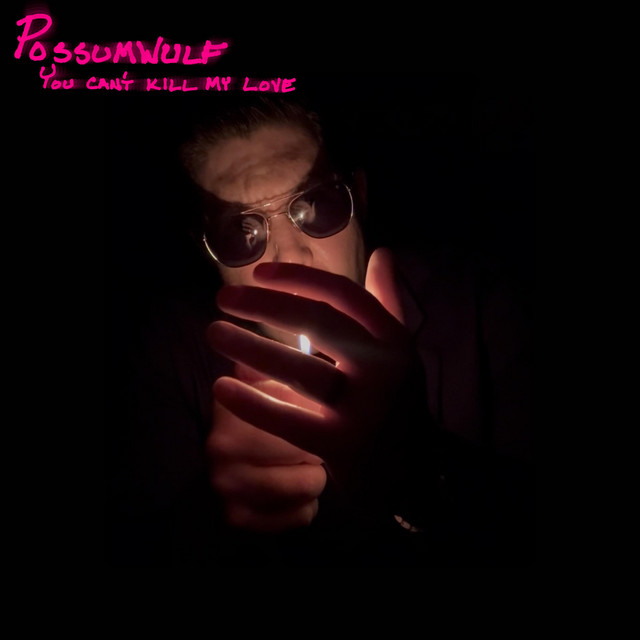
Possumwulf’s You Can’t Kill My Love is a wonderfully unruly piece of alternative rock that refuses to settle into one shape. Rooted in Southern Americana but pushed into art-rock and post-rock territory, the track begins with ethereal strings and acoustic guitar before gradually erupting into a dense wall of fuzz and abrasive horns. There is a raw, almost feral quality to the arrangement, with the rough edges becoming an essential part of its character.
The song carries a strong sense of defiance, reflected in its increasingly confrontational sound. Possumwulf’s distinctly Southern perspective gives the track an earthy identity, while the unpredictable shifts between fragile and explosive passages keep it constantly engaging. You Can’t Kill My Love feels like a beautiful mess by design—dark, noisy, dramatic and gloriously resistant to convention.
Connect: