Bimbocore pioneer SCENE QUEEN has released a heavy new single titled “METALICIOUS” featuring guest appearances from Left To Suffer. The track arrives in tandem with the launch of her brand new extended play METALICIOUS, which was released on September 11 via Hopeless Records. Described by the artist as a collision between indie sleaze club music and heavy metal, the new song conceptually captures the chaotic energy of a girls night out in a heavy metal mosh pit.
The METALICIOUS extended play finds SCENE QUEEN, also known as Hannah Collins, pushing her established sound into its heaviest territory yet while experimenting with nostalgic pop influences. Delivering her lowest vocal screams to date alongside prominent deathcore features, the new project balances heavy trauma processing with unapologetic fun. To celebrate the arrival of the new record, the vibrant artist is preparing to bring her fierce stage presence to fans across the United States on her upcoming headline tour.
At 81 years old guitar hero Robin Trower is enjoying an Indian summer, recording prolifically. Live sightings of him in the UK in the eighties and nineties were quite rare, but he’s been a regular visitor since. The last time … Continue reading →
In 2015 Prog looked back to the short-lived neo-prog era, selecting five albums from the 80s that illustrate the power, energy and lasting influence of the British second-wave movement.
This wasn’t supposed to happen. According to the official, BBC‐approved version of rock history – you know, the one featuring footage of Rick Wakeman in a wizard’s outfit and the Emerson Lake & Palmer trucks rolling down the motorway – progressive rock was consigned to the dustbin five minutes after the Sex Pistols swore on live telly. Anyone who was remotely cool immediately binned every prog album they owned, cut their hair and got with the programme. Year Zero had arrived, and nothing that went before could ever dare to show its face again.
Nonsense, of course. But all the same, by the turn of the 1980s, there had unquestionably been a seismic shift in the UK musical landscape. All of which meant, ironically, that what had been dismissed a few years previously as the bland, complacent music of the establishment was now the ultimate outsider music. In the early 80s, if you wanted to be a true rebel, you came out of the closet as a prog fan.
In many ways, it shouldn’t be surprising that a new generation of prog bands should have come to prominence at that time. It fits in with the usual decade‐long cycle that sees those people who are fans at 13 or 14 soon pick up instruments and form bands of their own, and by the time they’re in their early 20s, they’re writing their own music informed by those teenage influences.
They soon found that there were plenty of people who wanted to hear it. Unfortunately, the neo‐prog scene’s time in the spotlight was a relatively brief one. And for that we can put the blame pretty squarely at the doors of Britain’s major labels.
Pallas, Twelfth Night and IQ all signed major deals after Marillion proved that prog could still prove a commercial force to be reckoned with – but attempts by the industry to build interest in the neo‐prog scene were half‐hearted at best. As the 80s turned into the 90s, the big deals were no longer on the table, and progressive rock’s great second wave had completely lost momentum.
But in many ways, that wave gave progressive music a lift with which to build itself back up. Later on, the rise of the internet helped bands forge more effective links with its audience and sell records and gig tickets directly to fans – a process pioneered by the neo‐prog bands. The revitalising spirit they injected into the genre is still being felt.
We present Prog’s selection of the top five essential neo-prog albums.
Marillion: Script For A Jester’s Tear (EMI, 1983)
Undoubtedly the record that put the Second Wave of British Prog on the map. Long-form songwriting and ear-catching musicianship (Steve Rothery’s guitar lines and Mark Kelly’s keyboard hooks have rarely been more sublime) were shot through with a charisma and lyrical bite not seen since the prime of a certain band beginning with ‘G’ to whom Marillion were incessantly compared.
The melancholic melodramatics shot through these six compositions were repeatedly offset by Fish’s intense, angst-ridden vocals, touching on heartbreak, heroin addiction, urban isolation and the troubles in Northern Ireland en route.
Pallas: The Sentinel (Harvest, 1984)
The Aberdeen outfit’s initial intention to make a concept album out of their Atlantis Suite song cycle was scuppered by their label switching the running order and including more commercial tunes. Yet this is still a fine record, even if the central conceptual narrative is somewhat disjointed by the rearranged tracklisting.
The driving synth-rock of Arrive Alive (Eyes In The Night) grabs your lapels with its instant hook and jumpy tempo, then Cut And Run and Shock Treatment reinforce the dystopian sci-fi theme with some gusto. But more lasting pleasures can be found in the sweeping symphonic pomp of final track Atlantis.
Pendragon: The Jewel (Elusive, 1985)
Neo-prog had gone fully overground by the time Pendragon released their first full-length album. The upbeat prog-pop of Higher Circles that opens the set reflects the distinctly radio-friendly style it was now adopting, but the plot thickens considerably on the trippy, windswept Alaska and the staccato rhythms of Circus.
Yet throughout, the stirring, heart-on-sleeve romanticism that has characterised their best work since this album is already high in the mix, courtesy of Nick Barrett’s distinctly English, folk-influenced vocals, the Moog-heavy melody patterns and piercing guitar excursions.
IQ: The Wake (GEP, 1985)
The Southampton neo-prog survivors’ second album is widely regarded as their defining early statement, and the 1985 long-player manages to marry a distinctive, soaring synth sound with a punky, agitated tempo and some seriously dizzying time signatures.
Peter Nicholls’ fragile, uneasy vocal has a drowning-not-waving quality to it that’s strangely magnetic, even if his years listening to Peter Gabriel have obviously rubbed off heavily. What really stands out, all these years later, is the sheer strength of the melodies – something that has helped IQ endure as a band to this day.
From the eerie, childlike singing that fills the opening bars of We Are Sane, it’s clear that this first studio album release from the neo-prog pack was taking a distinctly different tack to the Tolkien-esque textures associated with the original prog movement. The use of samples on that track and This City add spooky atmospherics to the sonic stew, and there are strong hints of Peter Hammill in Geoff Mann’s malevolent, theatrical vocals.
Mann would leave the band soon afterwards, and the group would pursue a broader, more accessible style on subsequent albums. But as a startling statement of how the new breed could shake up a supposedly moribund genre, this takes some beating.
Levi Benton and Jerod Boyd have been there since 2007. Nineteen years, two constants, and a band that survived the scene it came from. Their eighth album, No Place For Me, arrives October 2 on Solid State, their first for the label, and Levi Benton has described it as everything he’s felt for a long time but never had the words for. This week he joins Scott Penfold to talk about it. Also on the episode: Autumn Kings’ Jake Diab, whose first label album lands in the middle of a tour with Black Veil Brides. Listen below.
LISTEN TO THE FULL EPISODE NOW:
Levi Benton on the album that taught him who he is, five singles from a ten-track record, and nineteen years without a lineup change — plus Autumn Kings’ Jake Diab on what release day looks like from the back of a van. Download the free Loaded Radio App on Apple iOS and Google Play, or hit play above.
Miss May I: nineteen years, five people, no drama
Start with the thing that shouldn’t be remarkable and is.
Miss May I formed in Troy, Ohio in 2007 and became one of the defining bands of the American metalcore wave that followed. Apologies Are for the Weak in 2009, Monument, At Heart, Rise of the Lion, Deathless, Shadows Inside, and Curse of Existence in 2022.
The current lineup is Levi Benton on vocals, Jerod Boyd on drums, Ryan Neff on bass and clean vocals, and Elisha Mullins on guitar.
In a scene that has spent the last two decades chewing through vocalists and staging reunions, that kind of continuity is genuinely rare. Ask around the bands they came up with and most of them have a different singer, a hiatus, or a lawsuit somewhere in the story.
Neff has also been quietly useful elsewhere — he stepped in to cover touring duties for Polaris earlier this year, which is the sort of thing that only happens when other bands trust you.
LIVE & LOUD: Stream the World’s Hardest Radio Station 24/7
No Place For Me, and what Benton has said about it
The eighth Miss May I album arrives October 2 via Solid State Records. It’s their first for the label and their first full-length since 2022.
Ten tracks: “Sanctuary,” “Portrait of Pain,” “Hand Me A Halo,” “Pray for Silence,” “Death Threat,” “Die on the Vine,” “Fire Falls,” “Bury Me Down,” “Ashes Of The Altar” and “Highbrow Thieves.”
Benton’s own framing of the record is unusually direct. He’s described No Place For Me as everything he’s felt for a long time but never had the words for, and said that writing it taught him who he actually is — even when that hurt to look at.
That’s not press-release language. That’s a man describing something that cost him.
Half the album is already out
Here’s the thing nobody has asked him about.
Five of the ten tracks have already been released — “Sanctuary,” “Pray For Silence,” “Hand Me A Halo,” “Die On The Vine” and “Death Threat.” That’s half a record in public before release day.
For a band nineteen years in, on a new label, that’s a deliberate choice rather than an accident of scheduling. Whether it’s a Solid State strategy, a confidence play, or a response to how people actually consume records now, it’s a decision worth understanding — and it’s the one part of this campaign nobody in the press has picked up.
“Death Threat” and the video they made themselves
The most recent single is also the most revealing.
Benton has described “Death Threat” as being about being held in an emotional chokehold while someone uses your own flaws against you — and added that our darker habits deserve to be seen and worked through, not weaponised.
The video was made entirely in-house. Benton came up with the concept, William Story produced and directed, and the whole thing was shot at the band members’ own properties using whatever they could get hold of.
Nineteen years in, on a new label, with a budget presumably available — and they went and filmed it in each other’s back gardens.
Miss May I co-headline with Born of Osiris through November and December, with Convictions and Downswing supporting.
It’s a strong pairing — two bands who came out of the same era and went in different technical directions, sharing a bill at the point where both catalogues are deep enough to build a set from. If you’re planning the rest of the year, our touring guide has the wider picture.
Autumn Kings: releasing an album from the back of a van
Also on this week’s episode, and worth your time.
Autumn Kings release Epiphanies on September 18 via Hopeless Records — their first album on a label after nine years of doing everything themselves.
The band formed in LaSalle, Ontario in 2015 and have since relocated to Detroit. Jake Diab and Joseph Coccimiglio met working at a grocery store. Eleven years later they have close to a hundred million streams, a Hopeless deal signed in August 2024, and three songs that charted before the album they’re on even existed.
That last part is the interesting problem. “Sleep When I’m Dead” reached 16 on the US Mainstream Rock chart. “Hellbound” hit 18. And “Gone, Gone, Gone” went to 6 — their biggest to date. Sequencing a debut label album around three songs the audience already knows is a genuinely awkward job, and one most bands don’t face.
The record also features Howard Jones, formerly of Killswitch Engage, on “yOunG BLoOds.” The band described the song as being about the sentiment of revolution simmering across the world and about being unafraid to call out injustice — and called Jones one of the greatest heavy metal vocalists to ever live, which is quite a thing to say about someone you’ve just emailed a song to.
And then there’s the timing. Autumn Kings are on tour with Black Veil Brides from September 16, and the Nashville show at Brooklyn Bowl on September 18 falls on release day. Their first label album comes out while they’re loading in.
Epiphanies tracklist
Sleep When I’m Dead · Hellbound · Young Bloods (feat. Howard Jones) · Only Human · Time · Snake Charmer · Become Numb · Tongue Tied · Help Myself · Gone, Gone, Gone · Fell for a Devil
Two bands, two very different clocks
Worth noting what these two conversations have in common, because it isn’t obvious.
Miss May I are nineteen years in with the same five people, moving to a new label for the first time in years, making a record their singer says taught him who he is.
Autumn Kings are eleven years in from a grocery store job, releasing their first label album in the middle of someone else’s tour.
One band has everything to lose and is making the most personal thing they’ve done. The other has everything to gain and is doing it from a van.
This week’s Loaded Radio Podcast: Levi Benton of Miss May I, plus Jake Diab of Autumn Kings.
Miss May I’s eighth album, No Place For Me, arrives October 2 via Solid State Records — their first for the label and first full-length since 2022’s Curse of Existence.
Five of the ten tracks are already out: “Sanctuary,” “Pray For Silence,” “Hand Me A Halo,” “Die On The Vine” and “Death Threat.”
Benton on the record: it’s everything he’s felt for a long time but never had the words for, and writing it taught him who he actually is even when that hurt to look at.
The “Death Threat” video was made entirely in-house, from a Benton concept, shot at the band members’ own properties.
Miss May I co-headline the Perpetual Iron tour with Born of Osiris in November and December, with Convictions and Downswing.
Autumn Kings release Epiphanies on September 18 via Hopeless — their first label album after nine years independent, featuring Howard Jones on “yOunG BLoOds.” Release day falls on their Nashville date with Black Veil Brides.
FAQ
When is Miss May I’s new album released?
No Place For Me, the band’s eighth studio album, arrives October 2, 2026 via Solid State Records. It is their first release for the label and their first full-length since 2022’s Curse of Existence.
Who is in Miss May I?
Levi Benton on vocals, Jerod Boyd on drums, Ryan Neff on bass and clean vocals, and Elisha Mullins on guitar. The band formed in Troy, Ohio in 2007.
What songs are on No Place For Me?
Ten tracks: “Sanctuary,” “Portrait of Pain,” “Hand Me A Halo,” “Pray for Silence,” “Death Threat,” “Die on the Vine,” “Fire Falls,” “Bury Me Down,” “Ashes Of The Altar” and “Highbrow Thieves.” Five have already been released as singles.
When is Autumn Kings’ album Epiphanies out?
September 18, 2026 via Hopeless Records. It is the band’s first album on a label, following nine years as an independent act, and features Howard Jones of Light the Torch and formerly Killswitch Engage on the track “yOunG BLoOds.”
Where can I listen to the full interview?
The complete episode is embedded above and available on The Loaded Radio Podcast feed via Apple Podcasts, Spotify, Podbean, TuneIn and all major platforms.
Nineteen years and the same five people, against eleven years from a grocery store job — two very different bands, one episode. Listen above, and subscribe to The Loaded Radio Podcast for new episodes every week. Keep it locked on the Loaded Radio stream — follow Loaded Radio for daily rock and metal news.
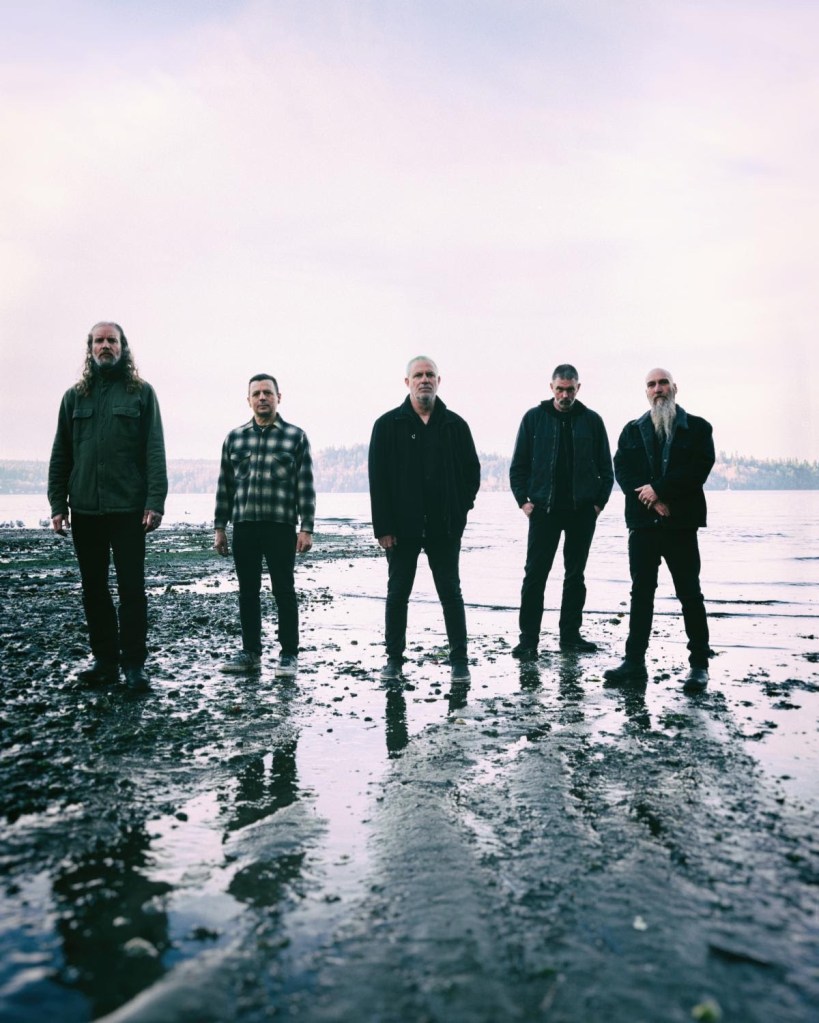
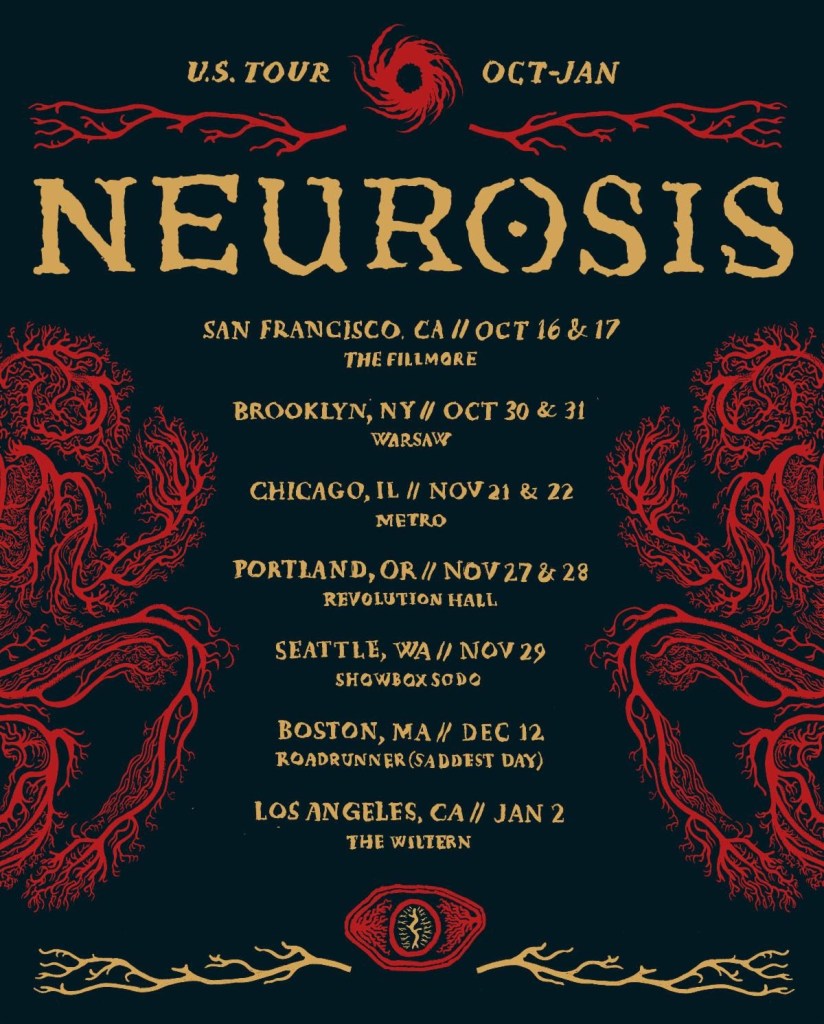
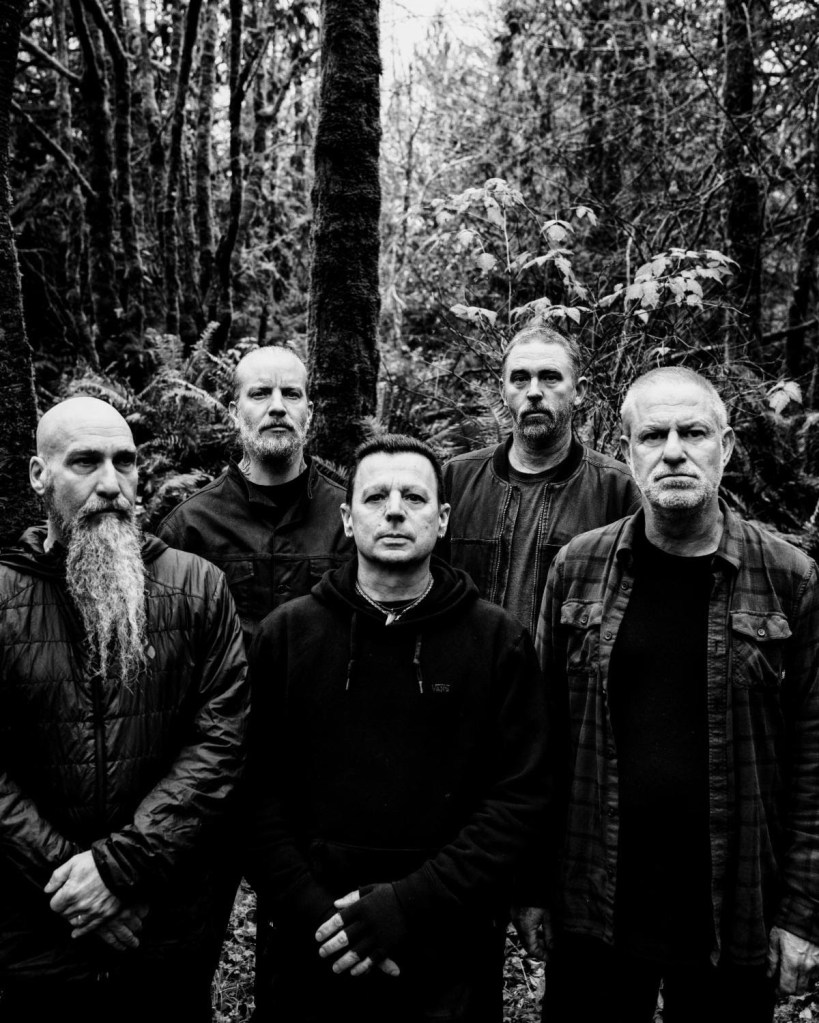
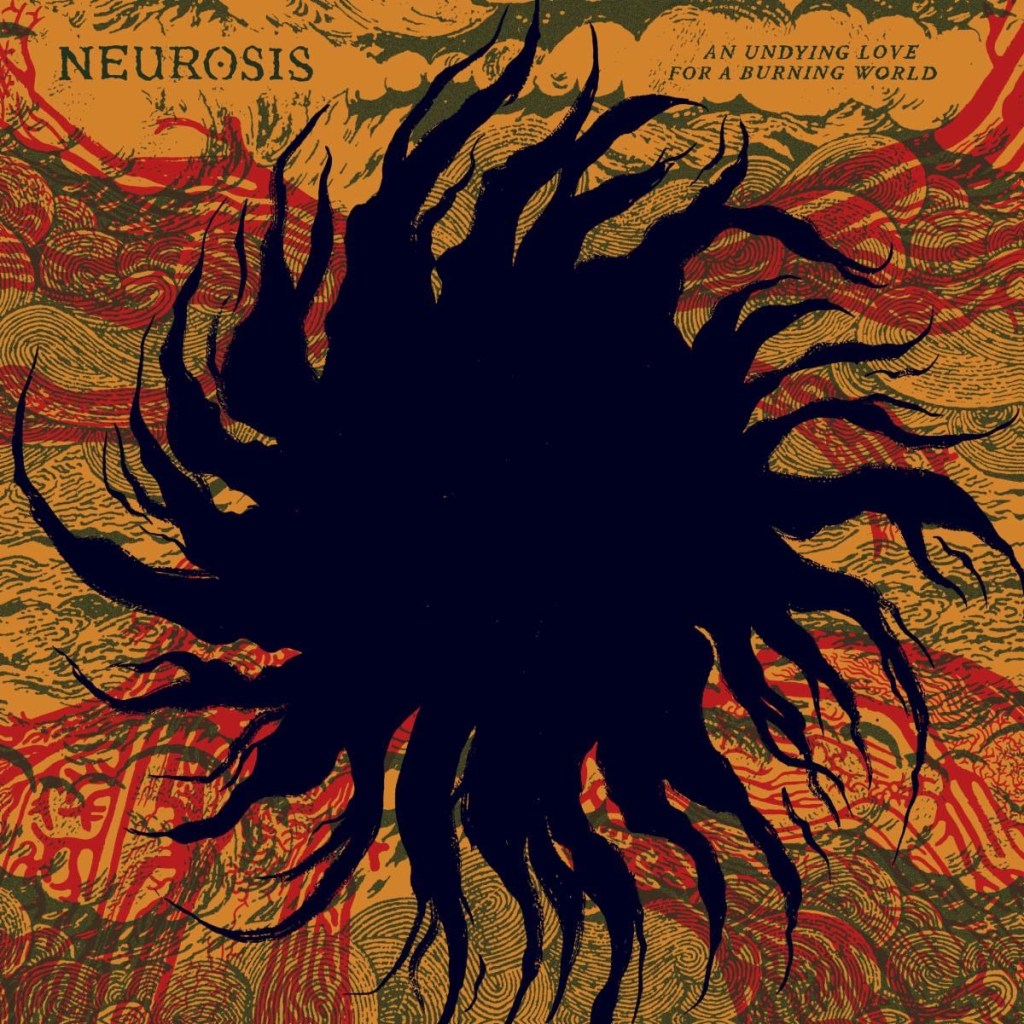
The mighty NEUROSIS continues to book new live performances in support of their mammoth An Undying Love For A Burning World LP, today announcing tour dates through the end of the year and into 2027.
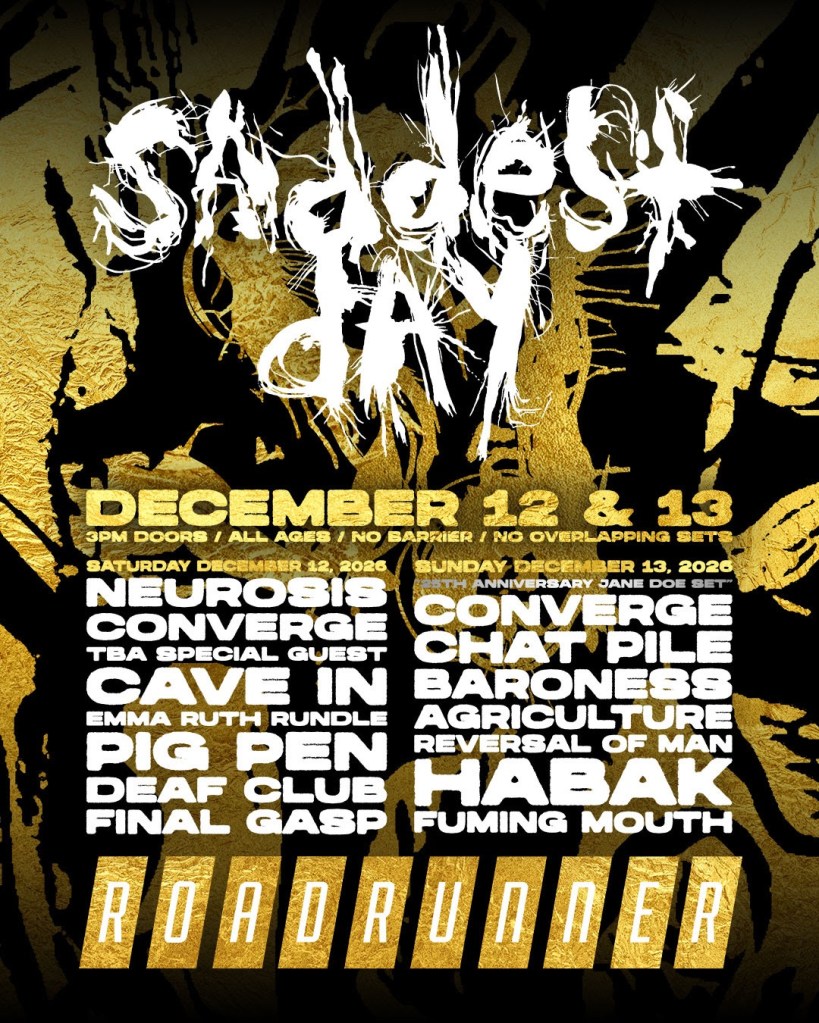
Following the already announced San Francisco shows on October 16th and 17th, NEUROSIS has just announced two shows in Brooklyn on October 30th and 31st, two Chicago shows on November 21st and 22nd, two Portland shows on November 27th and 28th, a Seattle show November 29th, a set at Converge’s Saddest Day in Boston on December 12th, and a Los Angeles performance on January 2nd. They will also make their return to play two sets at Roadburn Festival in the Netherlands in April of 2027.
General ticket sales for the new shows begin this Friday, September 11th at 10am local time. Both San Francisco shows are sold out. Expect to see more NEUROSIS live announcements over the coming months.
photos by Bobby Cochran
NEUROSIS Tour Dates: 10/16/2026 The Fillmore – San Francisco, CA w/ Terry Gross [SOLD OUT] 10/17/2026 The Fillmore – San Francisco, CA w/ Kowloon Walled City [SOLD OUT] 10/30/2026 Warsaw – Brooklyn, NY w/ Uniform 10/31/2026 Warsaw – Brooklyn, NY w/ Primitive Man 11/21/2026 Metro – Chicago, IL w/ Mr. Phylzzz 11/22/2026 Metro – Chicago, IL w/ Primitive Man 11/27/2026 Revolution Hall – Portland, OR w/ special guests TBA, Great Falls 11/28/2026 Revolution Hall – Portland, OR w/ special guests TBA, Trigger Object 11/29/2026 Showbox SODO – Seattle, WA w/ special guests TBA, Great Falls 12/12/2026 Converge’s Saddest Day @ Roadrunner – Boston, MA w/ Converge, Coalesce, more 1/02/2027 The Wiltern – Los Angeles, CA w/ Special Guests TBA 4/17/2027 Roadburn Festival – Tilburg, NL w/ Emma Ruth Rundle, more
The return of NEUROSIS and surprise release of their first new album in a decade, An Undying Love For A Burning World, tore a hole in the sky in March of this year. The album immediately became fan favorite in the band’s groundbreaking discography, heralded as one of the year’s best immediately upon its release.
An Undying Love For A Burning World was recorded by Scott Evans (Kowloon Walled City, Sumac, Great Falls) at Studio Litho in Seattle over three weekends this Winter and mixed in three days, just six weeks before release at Evans’ Antisleep Audio in Oakland.
Watch the FIREKEEPER ALLIANCE x NEUROSIS short film featuring the songs “We Are Torn Wide Open” and “Mirror Deep” HERE and stream the album HERE.
An Undying Love For A Burning World is available on LP in an array of variants, CD, cassette, and digital/streaming via the band’s own Neurot Recordings HERE.
In wake of their forthcoming LP release Beyond Spacetime, prog/power metal ensemble Signum Regis offer in listening a new track “Time To Pay” featuring guest vocalist Tim Ripper Owens. Read more…
New York hardcore veterans Murphy’s Law will be heading out to Europe this fall for a headlining tour, celebrating the 40th anniversary of their self-titled debut album. London, UK based Clobber will be joining them on select dates. Read more…
Frontier Touring is thrilled to announce that Australia’s own Empire of the Sun, one of the country’s most visionary music projects, will bring the Ask That God: Afterlife Tour to Australia and New Zealand in February and March 2027. The six-date run will be the band’s largest tour of the region to date. When Australian […]
”I watch MTV and it’s hard not to throw shit at the TV set because it’s so fucking boring. Even the bands around here in LA are the same way, the whole music industry. We meet these people and they say, ‘Do this, do that.’ And we go, ‘Fuck it, fuck you!’ Because it’s just not us. We do whatever we want to…” Axl Rose, 1986
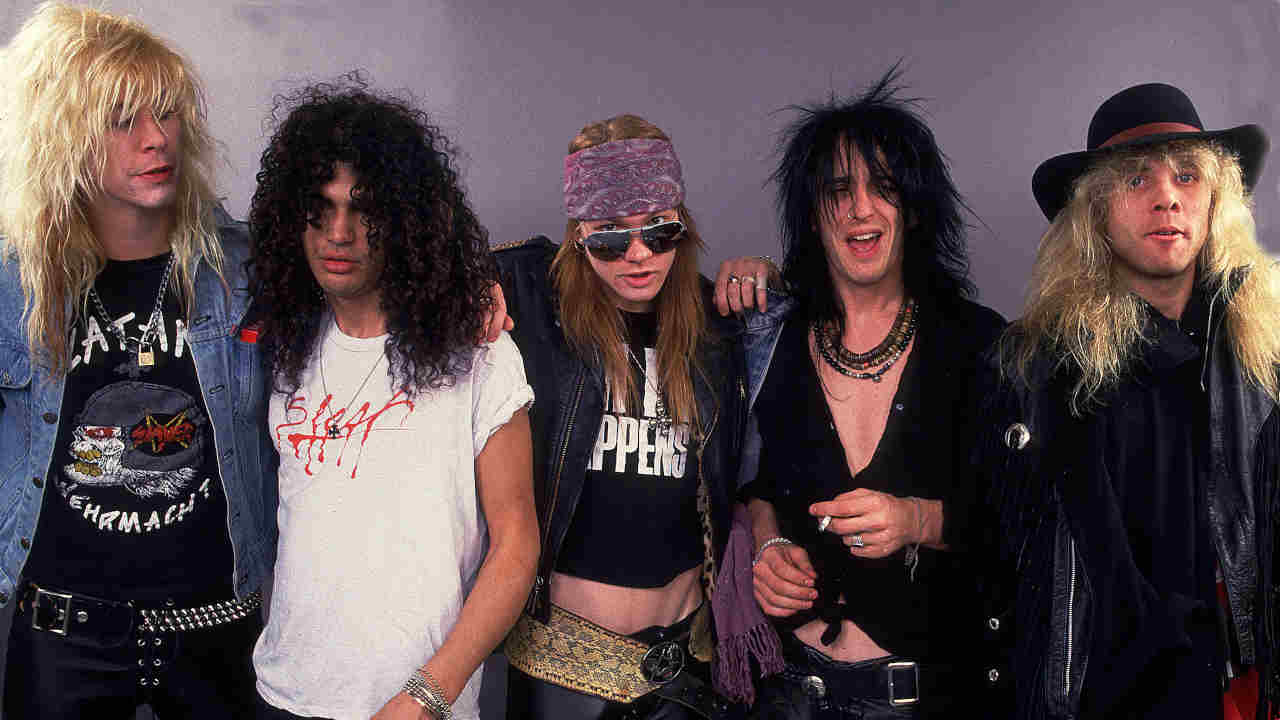
Scene: exterior of a club, the Sunset Strip, Hollywood, an undetermined night in the mid-80s. The imaginary camera in your head pans across the sidewalk, taking in the otherworldly images. Crowds of people of unspecified and indistinguishable gender cluster in pools of neon, some of them gripping half-full beer bottles, others clutching empty shot glasses. The chatter of voices and clack of high heels is drowned out by a choir of Harley Davison engines roaring by. Someone throws a bottle over their shoulder, not caring where it lands. It arcs up and down, then smashes in the busy street. Someone laughs,and they all head towards the door.
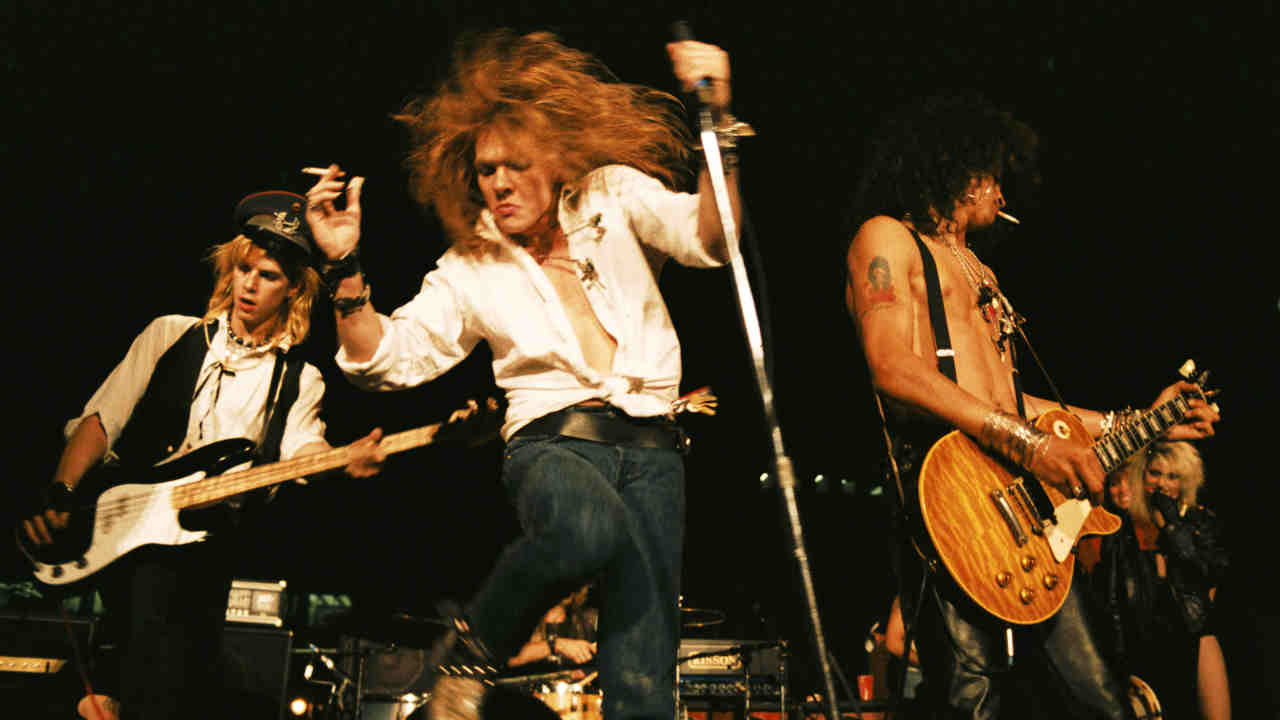
Cut to: the club’s interior. The imaginary camera weaves around the tightly-packed crowd, cutting through the hairpsray smog as it heads towards the front of this tiny venue. On the club’s stage, five junkie-looking men in last night’s make-up and last week’s leather trousers are train-crashing through a new song they’ve just written called Welcome To The Jungle. The drape behind them reads ‘Guns N’ Roses’, with a logo to match. Besides them, a trio of barely-clothed women gyrate in their underwear. It’s hot and getting hotter…
The song rattles to a halt and the singer – a rail-thin streak of sinew and rage with an explosion of flaming candy-floss hair and a tomcat’s howl – opens his mouth. “You have to excuse me,” he spits. “I haven’t been asleep in 48 hours, I think. I am coming down on my fuckin’ dope. So this next song is about getting too fuckin’ high. This song is called My Michelle.” Welcome to Hollywood, baby.
More than 30 years on, such scenes have slipped from reality into myth. But Guns N’ Roses were all too real. They waltzed with the Devil down Sunset Strip, danced with Mr Brownstone in long-vanished clubs, and rose above Hollywood on a pillar of flame that would go on to engulf the world. They were – and still are – the great leveller; an unstoppable force in rock and metal’s evolution over the past three decades. Ask any musician from any band in any genre, and they’ll pretty much all tell you how important Guns N’ Roses are to them. In terms of music, in terms of attitude, in terms of lifestyle.
“Guns N’ Roses is my favourite band of all time,” says M Shadows of Avenged Sevenfold. “I love that band. You can compare us all you want – they’re a huge reason why I’m in a band, and even write music. My dad gave me Appetite For Destruction when it came out.”
Shadows would be the first to admit his band are standing on the shoulders of giants. Guns N’ Roses didn’t invent rock’n’roll or carnage, but they perfected it. At their cliché-defying best – that is, at any point between 1985, when they formed, and 1991, when they got so big and bloated you could see them from space – they truly were the most dangerous band in the world. “We were a train wreck,” says original drummer Steven Adler. “But you couldn’t take your eyes off us.”
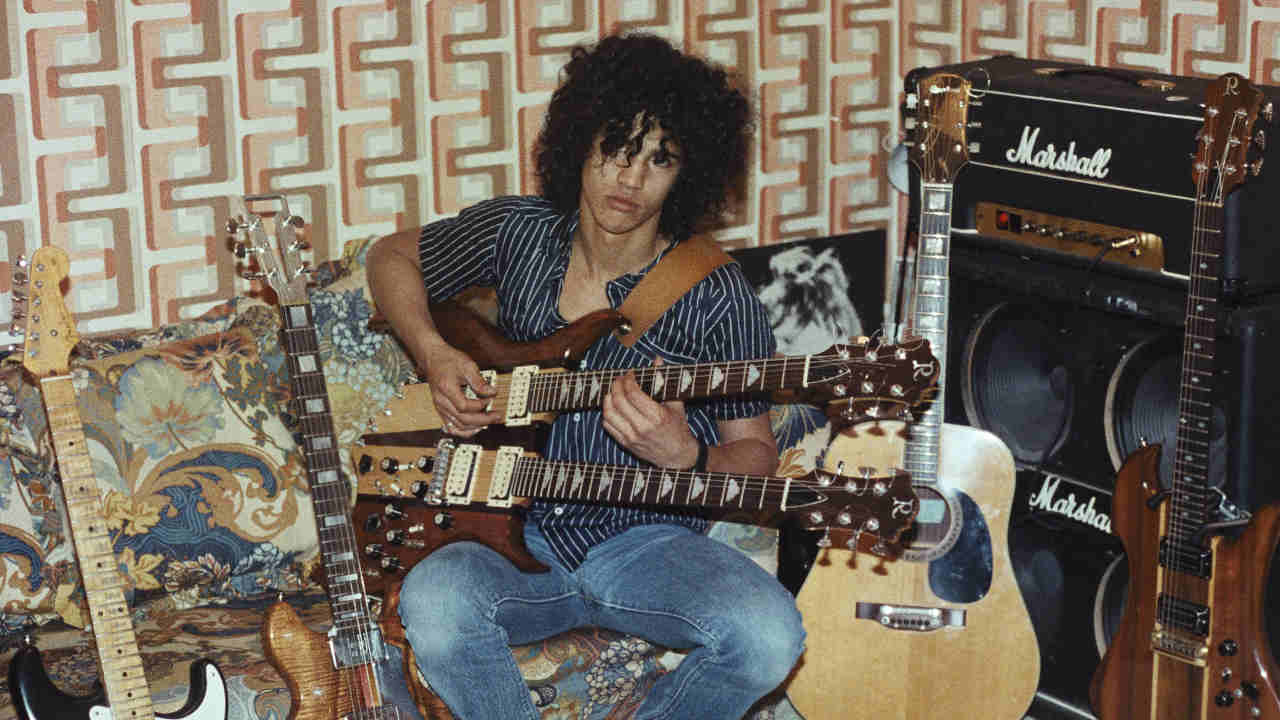
A teenage Slash in his bedroom in 1983 (Image credit: Marc S Canter/Michael Ochs Archives/Getty Images)
Guns N’ Roses was built on chaos. In late 1982, a 20-year-old kid from the hick city of Indiana named Bill Bailey arrived in Los Angeles in search of fame, fortune or anything in-between. One of the first people he met in Los Angeles was another Indiana transplant, an old schoolfriend and budding guitarist named Jeff Isbell. Within a few months, both had renamed themselves. Bill Bailey became Axl Rose and Jeff Isbell renamed himself Izzy Stradlin’.
Axl was a bundle of trouble, even as a kid. “I remember, the first day at school there was this big fucking commotion,” Izzy later recalled. “I heard all these books hit the ground, yelling, and then he went running past. A bunch of fucking teachers chasing him down the hallway…”
At the same time as the young Axl was giving his teachers the finger, at a different school 2000 miles away two of his future bandmates were plotting their own dreams of rock’n’roll stardom. Steven Adler was a pupil at Bancroft High, just off Santa Monica Boulevard in LA. An aspiring drummer, Adler befriended an English-born, mixed-race kid named Saul Hudson. It would be a few years before Saul started calling himself Slash. But he was already on the way.
“He was one of the cool kids,” says Steven now, his slurred voice the result of a series of strokes and heart attacks brought on by a lifetime of hardcore drug abuse (though he’s currently clean). “I gave him his first guitar when he was 12 years old. He was writing songs a week later. We started ditching school three weeks into knowing him. We’d walk up and down Sunset, Santa Monica and Hollywood Boulevard, and that guitar went everywhere with him.”
Axl Rose and Slash in their pre-Guns N’ Roses band Hollywood Rose (Image credit: Marc S Canter/Michael Ochs Archives/Getty Images)
For all that, it was years before they actually played in a band together. The Sunset Strip scene of the late 70s and early 80s was basically a collection of random musicians joining each others’ bands for a few weeks or months at a time, then moving on to something else. It wasn’t until the middle of 1984, when Adler joined Slash’s band Roadcrew, that the pair finally teamed up. Even then, they both had a firm eye on the competition.
“You’d walk up and down Sunset and see all these flyers everywhere,” says Steven.“Me and Slash were hanging out at the Rainbow and we saw this one flyer on the sidewalk and picked it up. The guitar player and singer looked really cool, so we went to see them at Gazarri’s.”
The guitarist was Izzy Stradlin’, the singer was Axl Rose, and their band was called Hollywood Rose – or maybe just Rose, depending on what they decided to put on their flyers. The two parties hooked up, played a few gigs… then fell apart. Slash joined a band called Black Sheep. Izzy joined perpetual no-hopers London. Axl teamed up with a guitarist named Tracii Guns in LA Guns. In April 1985, the latter would change their name to reflect their two key members: Guns N’ Roses.
By June 1985, Tracii Guns was out and Slash, Izzy and Adler were all back in, as was a beanpole bass player from Seattle named Duff McKagan. This soon-to-be-classic lineup bonded over a trip to Seattle, which started with their car breaking down 25 miles outside of LA and ended with them unsuccessfully trying to burn down the actual venue they were playing in.
Their chief role models were the big beasts of the 1970s: Led Zeppelin, Aerosmith, the classic icons of the tight-trousered titans who laid down the foundation stone for arena rock and heavy metal. But there was no bloat here: Guns N’ Roses were street punks in rock stars’ clothing.
“We always read in magazines how they did it their way,” remembers Steven. “We figured that we’d do it our way, and fuck everybody else. When people told us, ‘Do it like this,’ we’d go, ‘Fuck you, we’re gonna do it like that.’ We were not going to take any shit from anybody.”
Vicky Hamilton would play a key part in the early development of the band that would become GN’R, first as their booker and then as their manager. She was working at a booking agency and managing various hopeful bands when Axl and Izzy introduced themselves to her.
“Axl said, ‘Can we come in and play you a demo?’” she recalls now. “I was, like, ‘No, put it in the mail to me.’ ‘Well, we want to bring it in and play it.’ ‘Well, I don’t have a stereo.’ And Axl went, ‘That’s okay, I’ll just bring a ghetto blaster.’ They played me the demo, and it was unbelievable.I’d worked with Poison, Stryper, Mötley Crüe. But this was a different animal. It felt a lot more dangerous. They felt like outlaws.”
Next to a bunch of pampered poodles like Poison, Guns N’ Roses were a pack of feral dogs. The two bands hated each other. They would paper over each others’ flyers until telephone poles were inches thick. “Lock me in a room with Poison, and there’s only gonna be one person walking out,” spat Axl.
Even early on, Axl was a unique figure. “He had his issues,” says Steven. “But he had this real charismatic, Jim Morrison kind of aura around him. One minute you’re in love with him, the next you’re going, ‘What the fuck does that mean?’”
It was a constant game to see who would end up on the receiving end of the singer’s hair-trigger temper. “Axl used to be one of those guys who, if he even thought someone was looking at him weird, would just haul off and smack ‘em,” Izzy later recalled. “And sometimes the people he went for weren’t even looking at him.”
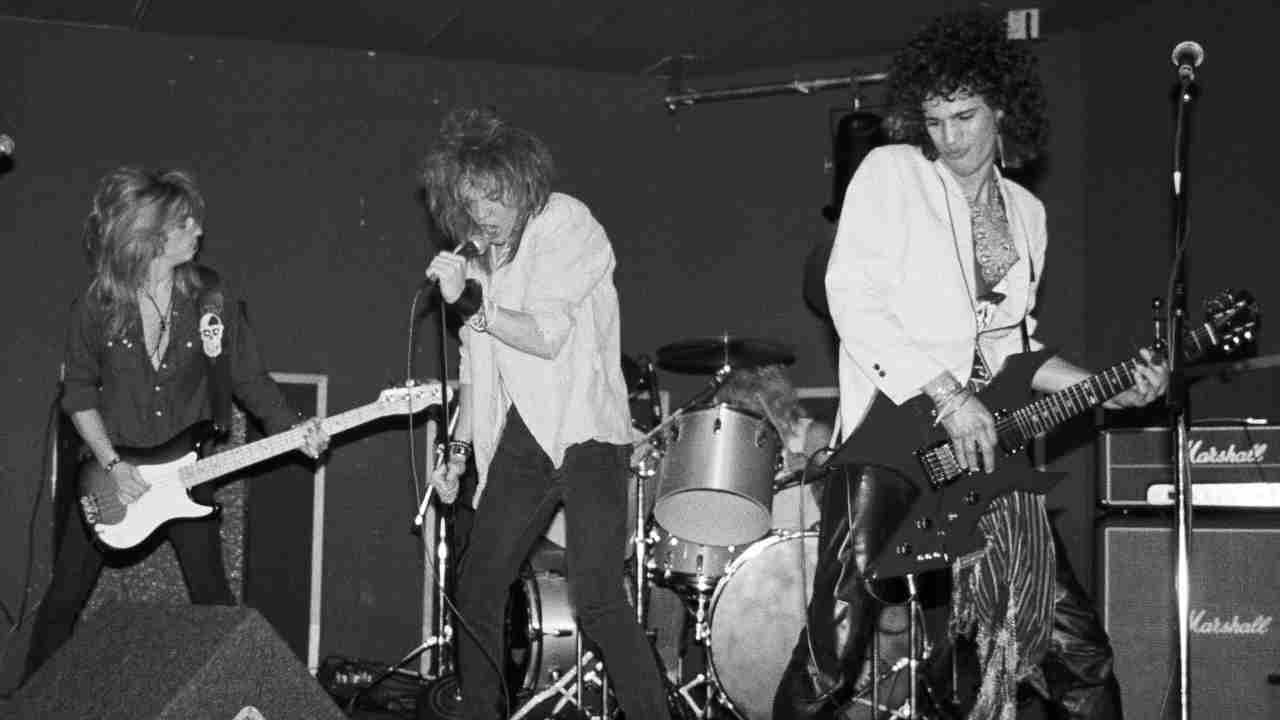
GN’R onstage in LA in September 1985 (Image credit: Marc S Canter/Michael Ochs Archives/Getty Images)
But Guns N’ Roses was far from just The Axl Rose Show. This was a band of five distinct characters: the volatile frontman in Axl; the elegantly wasted, top hat-sporting Slash; the relentlessly eager, clown-ish Adler; dyed-in-the-wool punk rocker Duff; the effortlessly cool Izzy. The latter was the mystery component, even to his bandmates.
“Izzy was very quiet and he only had a small circle of friends,” recalls Vicky Hamilton. “His humour was very cynical. He was early on the drug path. He was already going to rehab before those guys even started.”
Their individual personalities fed into the songs they were writing. By the end of 1985, half the songs that would make it onto Appetite For Destruction were in their set.
“When we first started, none of us were perfect at playing, apart from maybe Slash,” admits Steven. “But it was something we really enjoyed doing, and that was more important than getting great at playing. It was a match made in heaven. Then it went right to hell.”
In most bands, there’s a ‘sensible one’. Guns N’ Roses weren’t most bands. They had five distinctly insensible ones. According to Steven, the closest they did had to a steady hand was him, which shows just how fucked-up things were.
“Man, I was the sensible one,” he laughs. “I was the one saying, ‘Come on, this is our dream coming true, let’s not throw it away.’ The whole thing was this crazy, out-of-control monster.”
In reality, the soberest member of the band was Axl. Although ‘sober’ is a relative term. “I don’t abstain from doing drugs, but I won’t allow myself to have a fuckin’ habit,” he told writer Del James in 1989. “I’ll have done blow [cocaine] for three days and my mind will go, ‘Fuck no.’ I’ll just refuse to do coke that day. The same thing with heroin. I did it for three weeks straight… with a girl I wanted to be with, and we just sat there listening to Led Zeppelin, doing drugs and fucking. I stopped on Saturday because I had serious business to attend to on Monday. I can’t hide in drugs.”
His advice to would-be druggies was “don’t get a habit, don’t use anybody else’s needle and don’t let drugs become a prerequisite to having a good time.” Unfortunately, his bandmates weren’t listening. Slash and Izzy were full-on junkies, and Adler was coming up fast on the inside. Duff, on the other hand, was a borderline alcoholic, presumably just to be different.
“I love the guy a lot, but the fact is Slash is not what you’d call your thinkin’ man’s drug-user,” Izzy said of his fellow guitarist. “He’s real careless, doing really shitty things like OD-ing in other people’s apartments. A lot.”
Sex was arguably even higher on their list of priorities, at least for some members. “The concept of safe sex didn’t exist before then,” said Slash. “I was running around, dick wet from one pussy going into another.”
The gloves were off when it came to sexual competition between the fivesome too, with various women flying through the ranks. The band would have contests to see who could get the most blowjobs in one day. “I won that every time,” boasts Steven now. “It didn’t matter if you were hard or not. If she put it in her mouth, that counted. My record was 13 in a day. Lucky 13.”
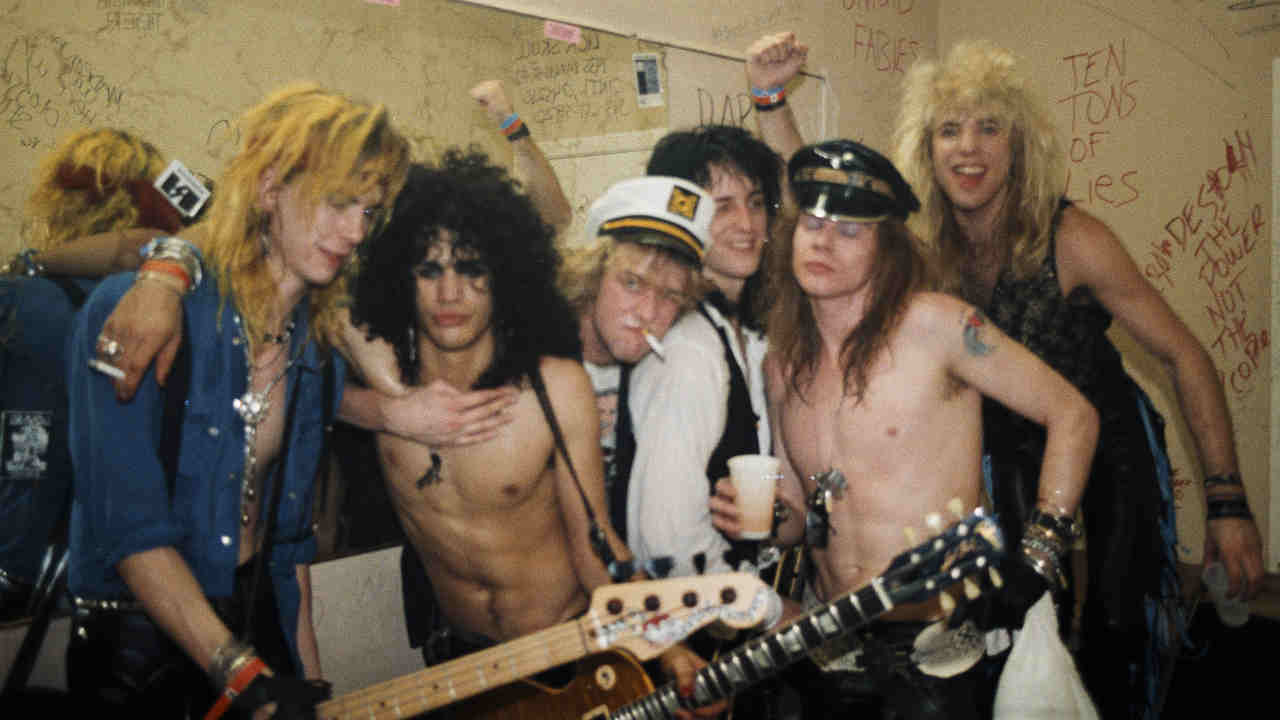
GN’R backstage at the Fenders Ballroom in 1986, five days before they signed to Geffen (Image credit: Marc S Canter/Michael Ochs Archives/Getty Images)
Nor were any of them worried about the spectre of AIDS – the big sexual bogeyman of the day. “I’ve been tested for AIDS a few times,” admitted Slash at the time. “But honestly, the first time I was tested I didn’t care about the result in terms of my own mortality. I was more concerned about the fact that if it was positive, I wouldn’t be able to get laid for however long it took for me to kick the bucket.”
The sexual charge that fired the band crackled onstage, too. Hollywood wasn’t short of strippers, many of whom were befriended by the band. Performances would be enhanced by dancers who were in various states of undress.
The girls had another use, too. Some of them would take band members under their wings, and sometimes into their beds. Given that your average stripper earned far more than most struggling musicians, it guaranteed them a warm meal and a hot shower alongside any other perks that may have, ahem, arisen.
“Strippers were our sustenance for the longest time,” recalled Slash of that era. “We crashed at the strippers’ houses and that’s where we got extra cash.”
When they weren’t enjoying the mothering instincts of LA’s finest exotic dancers, the band lived in a loft in their rehearsal room. It was freezing cold and there was no plumbing. They would light bonfires in the car park. They were effectively homeless people in leather trousers.
In the autumn of 1985, Vicky Hamilton got a call from Slash. “Can Axl stay on your couch for a little while?” he asked. “The cops are looking for him.” The singer had been accused of a sexual assault, and they were basically on the run from the law (the charges were later dropped).
“I said, ‘Oh boy, okay, for a couple of days,’” she says. “What was supposed to be a couple of days ended up being six months. It started with Axl on my couch, and then a few days later the rest of the band moved their gear in.”
Her one-bedroom apartment just off the Sunset Strip became the epicentre of the carnage. At any given time, there would be anything between eight and 20 people in the place: five musicians, assorted roadies, various girlfriends and any number of one-night stands. It wasn’t so much a home as an animal house. But even then there was a pecking order.
“Axl was always on the couch and the rest would be in sleeping bags in the pretend-dining room,” says Vicky. “They were terrible house guests. My roommate and I would barricade ourselves in the bedroom.”
It was Hamilton who helped Guns N’ Roses to the next level. She passed on a tape to Tom Zutaut, superstar A&R man with Geffen Records. Zutaut had spotted Mötley Crüe and turned them into superstars. He planned to do the same with Guns. On February 28, 1986, he saw them for the first time at The Troubadour nightclub. Less than a month later, he had signed them to Geffen for a $75,000 advance.
GN’R in 1987: (from left) Duff McKagan, Slash, Axl Rose, Izzy Stradlin’, Steven Adler (Image credit: Paul Natkin/WireImage)
Not that the deal doused the band’s fire. On the day they were due to sign with Geffen, Axl and Steven got into a fight at Vicky’s apartment. It was a big one.
“Axl wouldn’t go to Geffen Records down the street and sign the deal,” says Steven. “I was pissed at him, and we got into it. Just destroyed the place. It was fucking crazy.”
It was also the final straw for the apartment’s long-suffering owners, who promptly evicted Vicky and her unruly house pests. “My landlord was, like, ‘Get them the fuck out of here,’” she says, laughing. “I got them a record deal, they got me evicted.”
Guns N’ Roses were too tightly bound to each other to let a fist-fight knock their accelerating juggernaut off course. “It was a gang mentality,” insists Steven. “We were one for all, all for one. The three musketeers. Or the five musketeers.” He laughs. “With guitars and a drumkit.”
Geffen half-heartedly tried to tame them. Vicky Hamilton was replaced as manager by Alan Niven, and the band were moved into a shared hovel in an effort to fire their creativity. The plan backfired when the quintet spent their advance on getting even more fucked up. The name they gave their new abode pretty much tells you all you need to know: The Hell House.“A lot of crabs were transferred in that place,” noted Slash years later.
“It was,” added Duff McKagan, “a place where the whole sleaziness of the band could fester.”Their new paymasters managed to wrangle them into the studio to record their debut EP, the mock-live Live ?!*@ Like A Suicide: a four-track, 14-minute blast of sleaze and venom with crowd noises pilfered from 70s mega-festival the Texxas Jam. Anyone unsure of where Guns N’ Roses were coming from only needed to look at the titles of two of its songs: Reckless Life and a cover of Nice Boys (Don’t Play Rock’N’Roll).
What happened next has been cut-up, chewed over and regurgitated countless times down the years. Guns N’ Roses recorded their debut album, Appetite For Destruction, with producer Mike Clink. Released in June 1987, it ultimately exploded like nothing ever had before it. By the end of 1988, it had sold in excess of ten million copies (today that figure stands at an impressive 18 million). Guns N’ Roses weren’t just the most dangerous band in the world. They were also the biggest. “We wanted to change the world,” says Steven Adler. “And we did.”
They did. Even today, if you want to get to the heart Guns N’ Roses and the era in which they emerged, just crank up Appetite For Destruction itself. It’s not just one of the greatest records ever released, it’s a document of a time, a place and a band that will never be repeated.
Now that’s Hollywood, baby.
Originally published in Metal Hammer 264 (November 2014)
Four Corners are a local (Glasgow) band who advertised their Bloc+ gig online recently. The words “free entry” caught my eye along with “pop punk”. Emma and I had no plans so decided to check it out. The music sounded good and neither of us had been to the venue before. After dodging a road … Continue reading Gig Review: Four Corners – Bloc+, Glasgow (12th September 2026)


 LISTEN TO THE FULL EPISODE NOW:
 LIVE & LOUD: Stream the World’s Hardest Radio Station 24/7


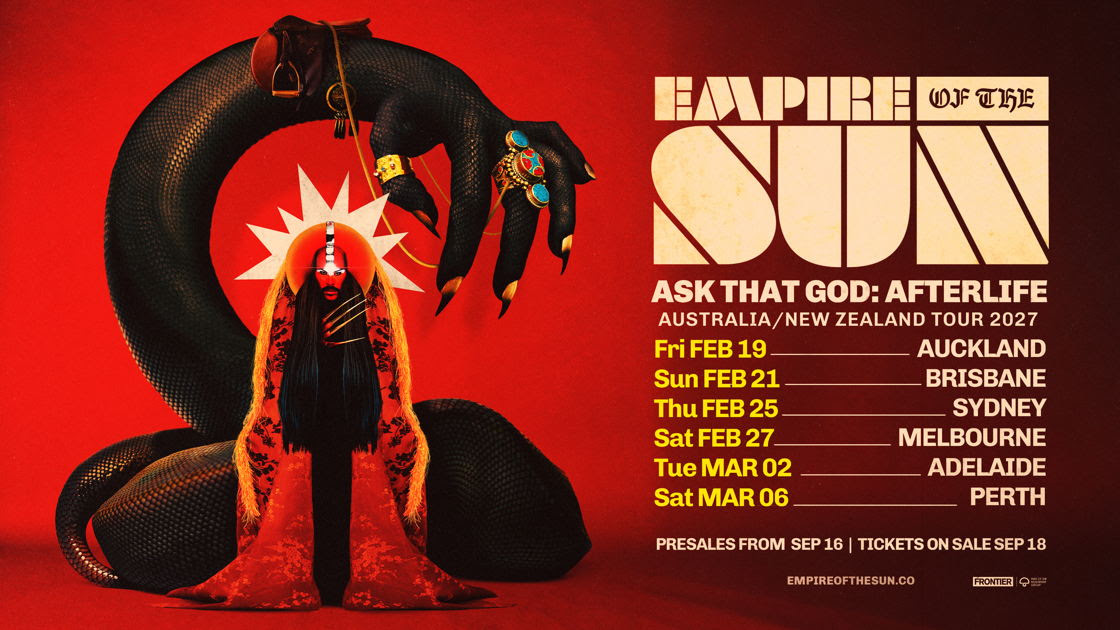 Frontier Touring is thrilled to announce that Australia’s own Empire of the Sun, one of the country’s most visionary music projects, will bring the Ask That God: Afterlife Tour to Australia and New Zealand in February and March 2027. The six-date run will be the band’s largest tour of the region to date. When Australian […]