Punk may have changed the musical landscape and proved that anyone with a guitar and a mission statement could start a band, but years that followed expanded punk’s simplicity in countless exciting directions. Sometimes, it blows my mind just how many incredible bands and movements formed in the wake of the punk explosion. From 1976-1982 alone, the sheer amount of musical creativity is staggering, with so many bands quick to combine punk’s feral, DIY essence with art rock instrumentation; spacier, dubbed-out rhythms; bleak industrial textures; and much, much more. In the UK, hundreds of bands formed in the wake of the Sex Pistols, who begat Joy Division, The Banshees, and Cabaret Voltaire, who begat thousands of other bands that we all know and love today.
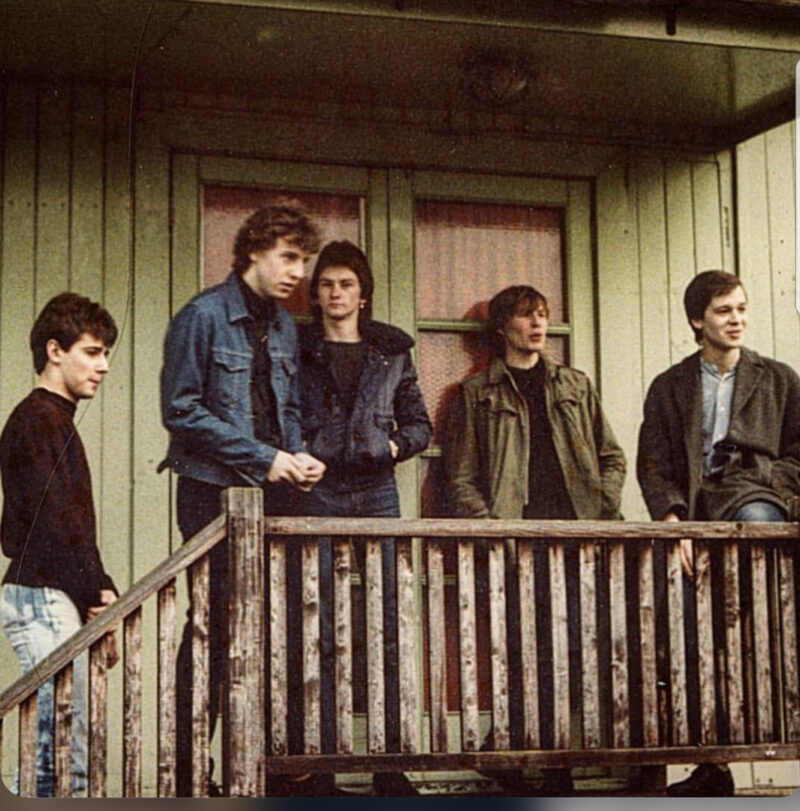
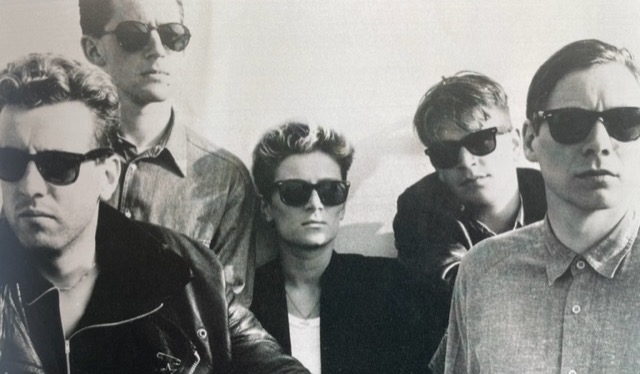
One of the most lasting and beloved bands from the original UK post-punk boom was Sad Lovers & Giants. Formed in Watford in 1980 by Garce (Simon) Allard, guitarist Simon Blanchard, bassist Cliff Silver, drummer Nigel Pollard, and keyboardist/saxophonist David Wood, Sad Lovers & Giants (SLAG for short), quickly signed with Last Movement and Midnight Music and released a string of crucial early singles as a statement of intent. During those early years, the band was extremely prolific, cutting two moody full length LPs in addition to these singles, each track as powerful as the last. The band caught the ear of John Peel and cultivated a devout cult following both on the strength of their studio recordings as well as their explosive live show. Soon after, the band would splinter, with Blanchard and Powell leaving to form The Snake Corps.
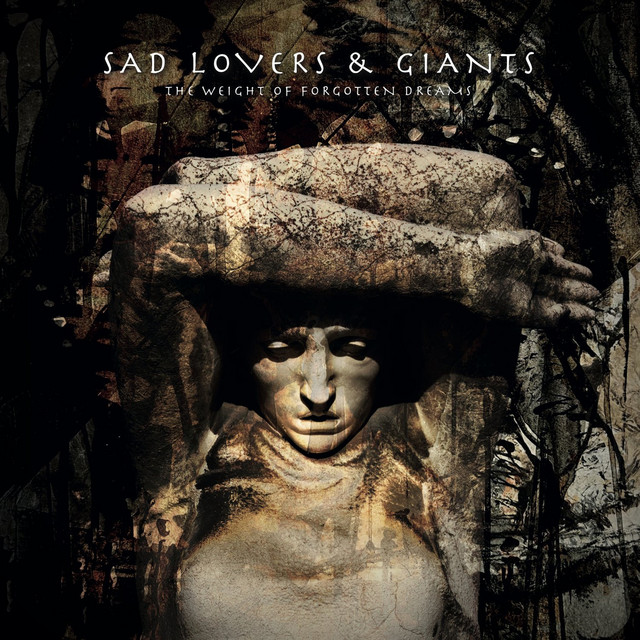
In 1987, SLAG would reform with a new lineup and release three incredible records that saw the band expanding their sound and influencing the budding dream pop movement. 1987’s The Mirror Test is a landmark album for me personally, and it’s impressive to hear the album’s lush textures reflected in countless bands today. Again, in 1991, the band went on hiatus, but have since returned in the new millennium and have rekindled the spark that brought them together all those years ago. Since reuniting in 2002 (and again in 2009 with Pollard), the band has performed hundreds of gigs (including their first series of shows in North America in 2016), recorded a session for LA’s Part Time Punks, released a handful of standalone singles, and recorded two full length LPs. Their latest release, this year’s The Weight of Forgotten Dreams, features ten new tracks, all of which stay true to SLAG’s majestic sound and atmospheric energy. The album is currently available on CD, digital, and vinyl, and will be followed up by a highly anticipated documentary that aim’s to capture the band’s many evolutions and highlights over their 40+ year career.
We had the chance to catch up with the current incarnation of SLAG, including vocalist/guitarist Garce Allard, original drummer Nigel Pollard, and current members Tony McGuinness, Will Hicks, and Ian Gibson about the new album, the band’s legacy, and more. Former guitarist and close friend Simon Blanchard also drops in for a spell…
Congratulations on the new album! Can you tell us a bit about the recording of it?
Garce: Our writing and recording processes aren’t separate. We have home studios in which we produce demos that are saved into a SLAG Dropbox, there are files for demos, instrumentals and raw vocal and sax stems. If anyone comes up with a demo it goes in the appropriate file. I always save a AIFF of my raw vocals at every stage.
Usually what happens next is that the demos are played at rehearsal and everybody contributes ideas. Quite often these ideas are road tested at live shows and subtle changes are made, then it’s back to the original demo which gets an upgrade. When the demo file and instrumental file look like they are full enough to consider an album we produce a provisional running order and work out what needs doing to each track before it can be handed over to Igor and Tony to mix.
Effectively, all the recording is done at home. The only time we go into a recording studio is if I need to ‘perform’ my vocals as we often notice they are different when I sing them in front of other people. This didn’t happen with the new record, so every vocal was recorded in the studio at the bottom of my garden.
On a personal note, I write all the lyrics and whilst the others freely critique them I mainly use Nigel as a specific sounding board while a song develops, but Tony ultimately produces my vocals from the raw stems that I have comp’d and uploaded to the Dropbox file. Tony is the only person on the planet I would trust to edit the actual words I write as happened with a song on The Weight of Forgotten Dreams where I just got lost in thickets of words which needed a sympathetic pruning!
Very occasionally we look in the demo files and there’s a long forgotten piece of music that is 95% album ready. This actually happened on this record.
It’s been eight years between Mission Creep and The Weight Of Forgotten Dreams – were you working on the record all this time, or were you focused on other things?
Garce: Song writing is a perpetual thing but the other project we’ve worked on over the last three years is the SLAG documentary being produced by Jean Paul Van Mierlo who did the excellent Adrian Borland film Walking in the Opposite Direction. This is with the same film maker Marc Waltman.
This is your second record working with Igor Garanin – can you share some stories about working together?
Garce: Igor is a mix engineer Tony knows through Above & Beyond and he did such a great job on Mission Creep that we used him again on the new album. Tony works with Igor in the studio and then sends us mixes for comment.
How has your songwriting style evolved over the years?
Garce: If you mean the way we get to a finished album, then the human process is very similar but the technology available now means we don’t have to do the traditional ‘recording studio’ thing. In that sense we are effectively self producing whereas before, the person paying for the studio i.e. Nick Ralph if it was Midnight Music, had a large say in the overall production decisions and the ‘style’ of the finished songs.
But I think what you mean is the evolution of our style of song. Many other people will have many differing views on this and which album they like best and I accept it has changed subtly from album to album. Not a lot has changed vocally other than I’ve got better at writing melodies and perhaps more focused on saying what I want, in the way I want, in order to compliment the music and bring out the best in a song.
Changes in personnel obviously bring an element of change so the key personnel swap was Tony McGuinness for Simon Blanchard on guitar after the second album. I could write an essay on that. Then there was Juliet Sainsbury (currently lives in LA) on keyboards in the eighties, she was the most accomplished keyboardist we’ve had so what she plays the others wouldn’t have been able to. Then we’ve had Cliff Silver on bass replaced by Ian Gibson and both are like chalk and cheese as musicians and songwriters.
The net result of all this in my opinion, is that if anything the cinematic quality of the ambient strings and ‘wet’ noise has become more lush and expansive but…to a listener coming to the band now, the songs on the latest album have all the same sonic qualities and idiosyncrasies as all the other albums. We have a distinctive SLAG sound which we understand and respect.
Nigel: Our style has not really changed over the years; we all know what makes a good SLAG song . Our songs stand the test of time, and I personally cannot distinguish between songs written 40 years ago to those that are on our latest album. Garce has and continues to write very emotional and evocative lyrics which many fans can connect with.
Can you expand on some of the lyrics or themes behind the record?
Garce: “We will be ashes, we will be silent and old, we will be wisdom, we will be left in the cold” were the lyrics I wrote as a twenty four year old for our second single “Things We Never Did.” I am now far older than the age I envisaged in that song and I have no intention of being silent or of being left in the cold!
Broadly I would describe my lyrics as ‘English Melancholia’ but I noticed a wry-ness creeping in over the course of this recent album, although given that I am writing about the state of the world as I currently see it there’s precious little to chuckle about; call it gallows humour.
As a device I often write against a fictional dystopian backdrop (“Asylum Town,” “Repentance Day,” “Down To The Wire”) but increasingly the dystopia has become reality since the last album in 2018.
Unfortunately, that does seem to be the case, doesn’t it? Sad to think that all the prophecies, whether it be in lyrics or films or literature has come true, in a sense. On a lighter, but related note, what else, other than music, do you tend to draw inspiration from?
Garce: Literature and Art
Nigel: Differing cultures and the great outdoors.
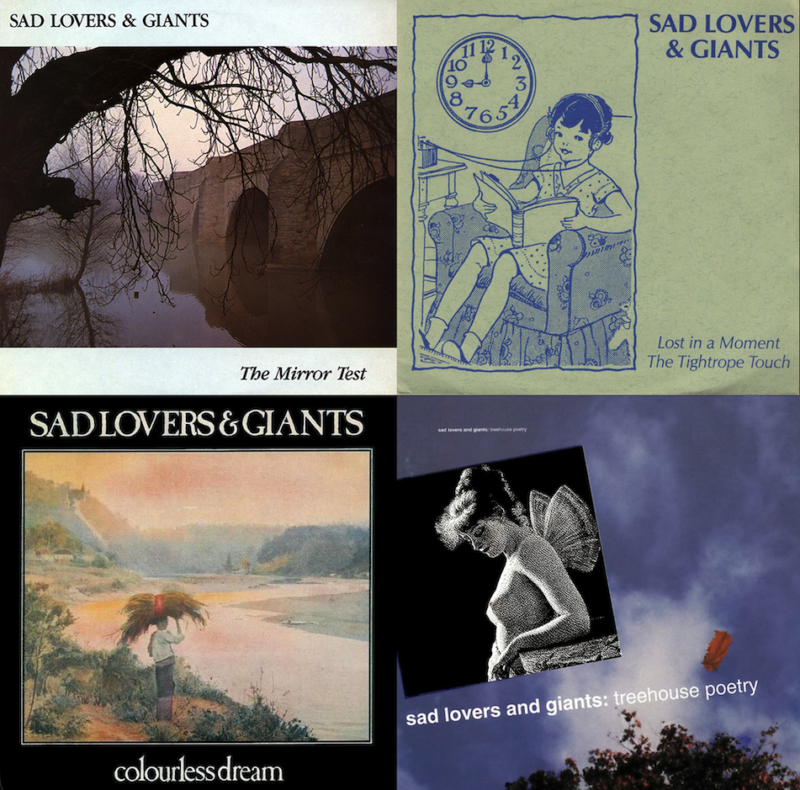
Sad Lovers & Giants have always had such iconic artwork across both your singles and LPs. The covers alone really convey such a strong sense of emotion and perfectly reflect the music in my opinion. I’d love to hear more about what inspires your album artwork.
Garce: Simon Blanchard designed the sleeves for the first three singles including the image for “Lost In a Moment” (girl in armchair with teddy bear!) which is one that is particularly well known. Given that he also wrote much of the songs I think his design choices were intuitively in alignment with his songwriting.
Midnight Music did the design work for many subsequent releases but they were building on the foundations he had laid.
We asked Simon to design The Weight of Forgotten Dreams as he did such a great job with the previous album, Mission Creep and Cherry Red Records asked him to design the box set they released.
Simon: Well it’s imortant to remember I can’t claim credit for all the band’s sleevework and Tony’s contribution is not to be underestimated. It’s not always easy to provide a visual foil for their music, but having been there since the beginning, I probably have a basic understanding of the strange world they inhabit. There’s usually a lot of trial and error and this time it was helpful to have access to some of Garce’s original paintings, which I montaged-up with the photography. To me it felt that the result sat well with the music and luckily the band liked it.
Will you be touring for this record?
Garce: In SLAG world there are three things happening currently. The Weight Of Forgotten Dreams, the film and then the live double album recorded for the film, so we will be playing live more over the next two years to coincide with this creative phase.
I was happy to hear that the band finally came to the US after all these years, but sadly I live in New York and couldn’t make it to the West Coast/Austin shows. Do you plan to come back to North America at all?
Garce: We want to come back and at some point over this next two years would be great timing but we are not in any specific discussions at present. Obviously as we did the West Coast plus Canada and SXSW in Austin last time, the East Coast and New York would be a priority next time.
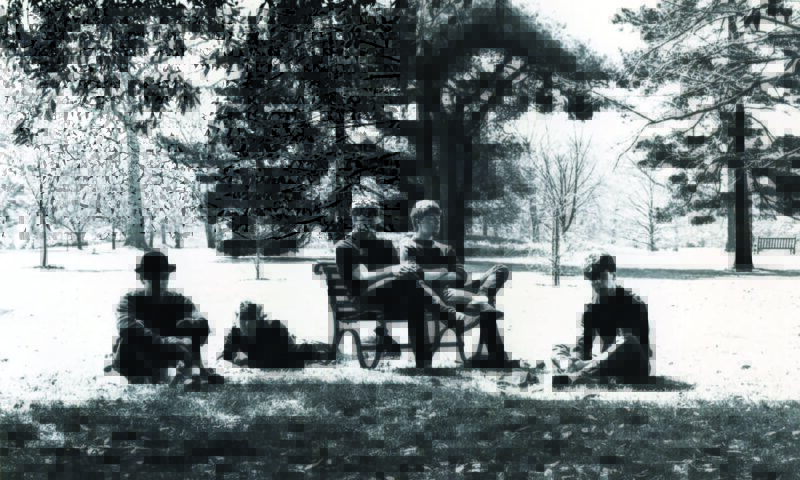
Looking back to the formation of the band, can you tell us a bit about how you all came together?
Garce: The band was originally formed by Simon, Nigel and Dave Wood, who were at school together. They were called The Traumatics and they recruited an outside bass player called Steve Carter who sadly died quite recently. Dave played tenor sax and both Simon and Steve sang.
At that time I was playing guitar (and singing backing vocals) in another local band called Suspect Device and we knew each other from playing together supporting a well known local band called Mr E and The Imaginations. Mr E had supported The Ruts at The Marquee club and the guitarist and singer of The Ruts were at our gig.
I knew Dave Wood from drinking and playing pool together at The Feathers in Rickmansworth and he invited me to audition as the singer of The Traumatics. From that first meeting we knew it would work because we shared the same musical tastes.
Our first London gigs were performed as The Traumatics with Steve Carter on bass. When we did “50:50” he sang it and I played keyboards. We changed the name from The Traumatics to Sad Lovers & Giants in January 1981. Sometime after the first single we brought in Cliff Silver on bass who we knew from playing with other Watford bands that he was in. We also bought a string synth and Simon began experimenting with spacial guitar sounds. Dave began playing the string synth more than the sax.
Simon: We formed pretty soon after the punk explosion in the late seventies. We had been listening to rock music for years before that as young teenagers but it suddenly became very clear that you could be in a band with only very rudimentary music skills. We slowly got better – but not that much.
Was there a coherent scene in Watford?
Garce: There were a lot of young bands who all knew each other and played and drank in the same pubs. There was the Watford Pub Rock competition run by the owner of the local music shop and there were several fanzines. Apart from ‘our sort of music’ i.e. Post Punk/New Wave/Alternative/Art School bands, there were other more mainstream rock and blues bands mainly comprised of older musicians. Watford was a seething mass of music and musicians but probably no different to many large towns in the early eighties.
The UK music scene at that time was quite remarkable looking back on it. I listened to a BBC radio 4 programme the other day whose basic premise was that the counterculture of the ’60s didn’t die out but was boosted by punk and morphed into the indie scene of the ’80s. But then the establishment pushed back, Thatcherism (Margaret Thatcher, prime minister 1979 to 1990) was in effect a counter-counterculture where alternative views were discouraged. On the whole we weren’t overtly political but if you were in one of those young bands then you knew who the enemy was and just doing it was resistance of sorts. That was the true source of the apparent coherence.
A disparate collection of bands from Watford and nearby towns got together and put out an album called The Thing From The Crypt but the DIY record scene was just a reflex in the instinctive resistance to the establishment.
I love that compilation and was very happy to pick up the Dark Entries reissue a few years back! Otherwise, the band has such an iconic catalog of tracks, including bangers like “50:50,” “Seven Kinds of Sin,” “In Flux,” “Colourless Dream,” etc. that are still heard in clubs today. How do you feel about the band’s legacy thus far?
Garce: When we started we were defining our sound and every new song we wrote was a step into the unknown. When we reformed in 2009 we were coming off the back of a reputation built over thirty years and eight albums so from then on there was a pressure to maintain the standards we had set.
As a live band we’ve surpassed those early standards which comes not only from experience but from having a huge back catalogue of great songs to choose from; we have the songs and we know how to use them.
These days we’ve scaled our live show up for some seriously large gigs and have sold out 1200 capacity venues in our own name but we are still a cult band albeit with a huge worldwide following. Sometimes I dream about suddenly becoming a mainstream act but in reality I’m quite happy being where we are. Which begs the question, “if it’s not about world domination what is it about?” Answer: the music, the fans, the international travel, the ‘pinch yourself’ moments when we achieve something surprising like having “Colourless Dream” used in the Netflix Andy Warhol series. But above all it’s about the shared experience of doing it all with your mates and…still being able to make music.
As a post punk-eighties band, we are always going to be remembered for those first two albums but there are eight others and Spotify has helped get them heard with around 150,000 plays a month. I’m very proud of all of them; they are all unique and have their own story to tell.
The trick with the last two has been to keep our essential ‘sound’ whilst conforming to modern production expectations because fans listen to the work recorded in the analogue world of the early eighties and the production standards of that era were completely different, nevertheless they are synonymous with what the fans think of as SLAG. That is acceptable when it’s tinged with nostalgia but not in the modern world. If I remember correctly there was hardly any compression used on the early albums, can you believe that?
So I think The Weight of Forgotten Dreams sits well in the legacy scheme of things. But what next? Do we write one last happy album?
Hopefully there will be many more to come! Can you share some personal highlights from over the years?
Garce: Showcasing at SXSW in 2016
Nigel: Playing our first gig as Sad Lovers & Giants in our hometown of Rickmansworth, recording our second single (“Colourless Dream”) in Surrey Sound where Siouxsie and the Banshees had been recording their LP Juju. More recently playing to 5,000 people at the 2024 Visor fest in Murcia, Spain, with the Sun going down – Magical!
Tony: Highlight for me was selling out Echoplex in LA at the end of our first US tour.
Ian: I enjoy playing live so my personal highlights are:
- The first time we played The Marquee in Wardour Street – I felt it was a proper rock venue that I’d previously been to as a punter, it felt a bit surreal to me to be up on that stage in front of paying punters.
- Another surreal moment was my overseas debut at Club Isla near Valencia, which felt like an enormous gig to me.
- The Echoplex in LA was special.
- The festival in Murcia was too….so many great gigs.
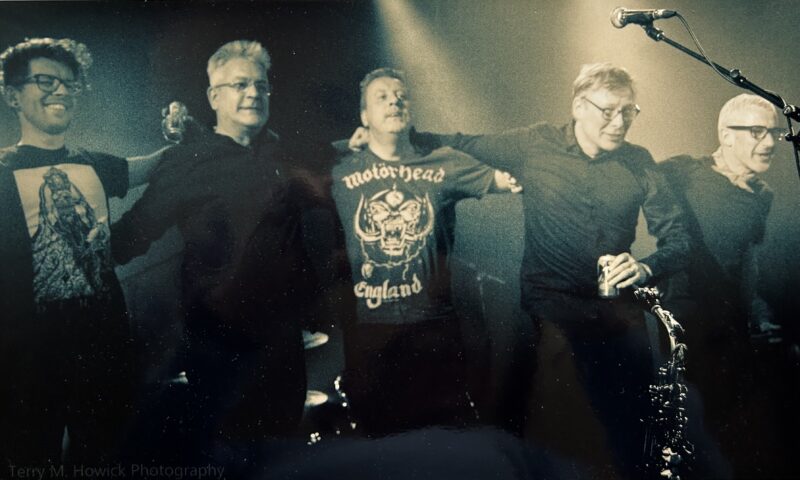
Will: Playing live is definitely my favourite part of being in Sad Lovers & Giants. I love meeting the fans and other bands that we play with, I love seeing places around the world from a perspective that I wouldn’t be able to access without the network of promoters and friends that the band cultivates. I love feeling the connection with our audience during a performance – which feels like a celebration of the band, every time, and I feel privileged to be part of it and to help contribute to the legacy. In particular, I will always remember our US tour – which was a huge undertaking for the band – a chaotic yet rewarding experience of massive drives, downtown motels and passionate crowds.
What’s next for the band?
Garce: We play two gigs in Italy this October, then we put the final touches to the film for the rest of this year. The live album will be pressed and ready for release around then but the exact timing of everything depends on the film. Then we have a gig on a boat in Paris in March followed hopefully by a small tour of Portugal and Spain. After that there will inevitably be a series of gigs in all the usual places, namely Holland, Germany and Greece.
Meanwhile the demo file will begin filling up again! §
Follow Sad Lovers & Giants
Header photo by Simon Blanchard
The post Down To The Wire — An Interview With Sad Lovers & Giants appeared first on Post-Punk.com.