Showing Teeth recently released her debut EP, A Fate Worse Than Loneliness, and left listeners wanting more. We spoke with her about the story behind the record, her views on the music industry, survival, and her creative process.
Reuel
Hello! I’m very happy to chat with you. How are you doing?
Showing Teeth
I’m good! I’m very happy to be on tour and see so many friends!
Reuel
Amazing! You’ve recently released your debut EP, A Fate Worse Than Loneliness. What inspired the title, and how do the songs’ themes relate to it?
Showing Teeth
I started writing music for myself (and what would become Showing Teeth) after a very dark chapter in my life that I am grateful for. I left family and relationships completely behind to free myself of a very negative hold they all had on me. Being raised in a sheltered, christian-conservative environment, I had an extremely warped view of what I was supposed to be as a woman, and it drove me to developing severe mental illness and trauma with the entire world around me. I was scared of everything and so angry. A Fate Worse Than Loneliness was my initial attempt at just dumping all of those emotions into something. Each song goes into a different emotion; or even a different stage of grief. The EP title comes from the lyrics in Shallow Grave: “I sacrifice my loneliness for something much worse, I beg a God for changes but I can’t be heard.” Basically for me, I felt far more lonely being in an environment that was harming me than I do now on my own. I love being alone so much.
Reuel
You’ve released three tracks from the EP as singles. Should listeners expect more of that same vibe from the rest of the record, or do the unreleased tracks carry some surprises?
Showing Teeth
Showing Teeth is a singer/songwriter project so it’s not a traditional metal band and I wanted that to be clear in the EP. So no, all the songs are pretty different. I’m very inspired by many genres of music and I like to let my lyrics and storylines guide me to the instrumentals no matter what genre it turns out to be.
Reuel
Releasing your debut is no doubt a huge milestone for any musician, but it’s also challenging. What was your favorite and least favorite part of working with your bandmates on A Fate Worse Than Loneliness?
Showing Teeth
I don’t have bandmates, but I do have people I love to collaborate with! I like to collaborate on instrumentation because I am a genuine music fan and at the end of the day, someone who plays guitar all the time will probably play guitar better than me! My favorite part of collaboration is the trust people put in me and my writing. I get nervous sometimes when I’m telling someone else how to play their instrument, but everyone I work with really trusts my vision and it’s so rewarding after years in the music scene not feeling heard. And the best part about working with other musicians is everyone has their own “voice” on their instrument, and I love really making that clear. I want everything to sound truly human and unique and give those people their flowers. My least favorite thing if I had to pick something is, because it is just me at the end of the day, if I start to hate a demo, there’s no saving it. Even if my producer hears an idea I had and loves it, I just can’t accept any serious alterations from someone else. It feels like it’s not my emotion anymore and I lose the connection with it. So I can get stuck on a lot of demos.
Reuel
If all the tracks on A Fate Worse Than Loneliness came to life and became real people, which one of these songs would be your best friend?
Showing Teeth
Probably Paradigm. That song is about accepting loss but still believing in change. I think that song is a lot like me, so we would be friends.
Reuel
You’re kicking off a tour with President right around the EP’s release date. Which track from your EP are you most excited to play live for a larger audience and see their reaction to it?
Showing Teeth
I’ve been playing some unreleased songs that have been resonating with me and that’s been the most fun. I’m actively feeling all of those emotions on stage and I can tell that speaks to a lot of people. I love having that experience with others. I think everyone just wants to feel something.
Reuel
What musicians can you credit as the ones who inspired you, personally, in your life or career as a musician?
Showing Teeth
As a person, I am super inspired by Matt Halpern. Periphery was a band I worshiped growing up, and honestly still is THAT band for me. Matt’s willingness to meet with me as just a fan of his, and to then listen to my demos and offer to play drums on them was a life changing experience for me. Getting to know him more, we are very similar people emotionally and I think that’s why we connected so fast musically. I really credit him in helping me develop my confidence as a writer, he is always cheering me on.
As a performer and writer, I am incredibly inspired by George Clarke from Deafheaven and Ethel Cain. Very different artists, but live shows that changed me as an artist and a music fan. You can really feel everything they are feeling on stage.
Reuel
We have readers from all around the world, including women who still face barriers, and even persecution, in the music industry. What message would you like to share with those who dream of pursuing a music career?
Showing Teeth
Write everything down and record every idea; never stop documenting your art and your passion. And never lose your love for music and being a fan! Reach out to artists and ask questions. Some may not see it, but you never know who will answer. People crave authenticity, so truly just be yourself and make the music you want to make. Your music family will find you. And most importantly, there’s no specified way you’re “supposed” to be as a woman and an artist, but you should allow your experiences as a woman to inspire your art. We all desperately need more of that in the world right now.
Reuel
This is brilliant advice. Thank you for your time!
Follow Showing Teeth
The post Interview | Showing Teeth: “There’s No Specified Way You’re ‘Supposed’ To Be As a Woman” first appeared on FemMetal – Goddesses of Metal.
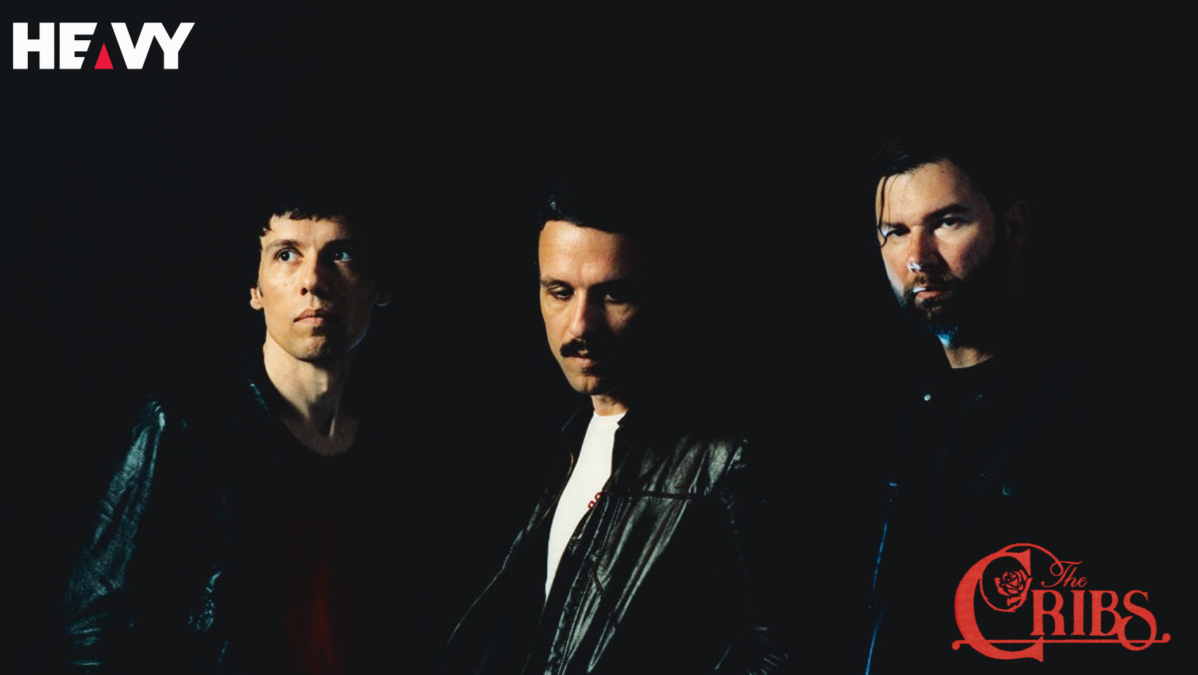 Interview by Ali Williams THE CRIBS are bringing ninth album Selling A Vibe to Australia this October, and Ryan Jarman is considerably happier about the shows than the long-haul flight. It will be their first national tour since 2018; the pandemic prevented an Australian visit for 2020’s Night Network. Ahead of the return, the guitarist […]
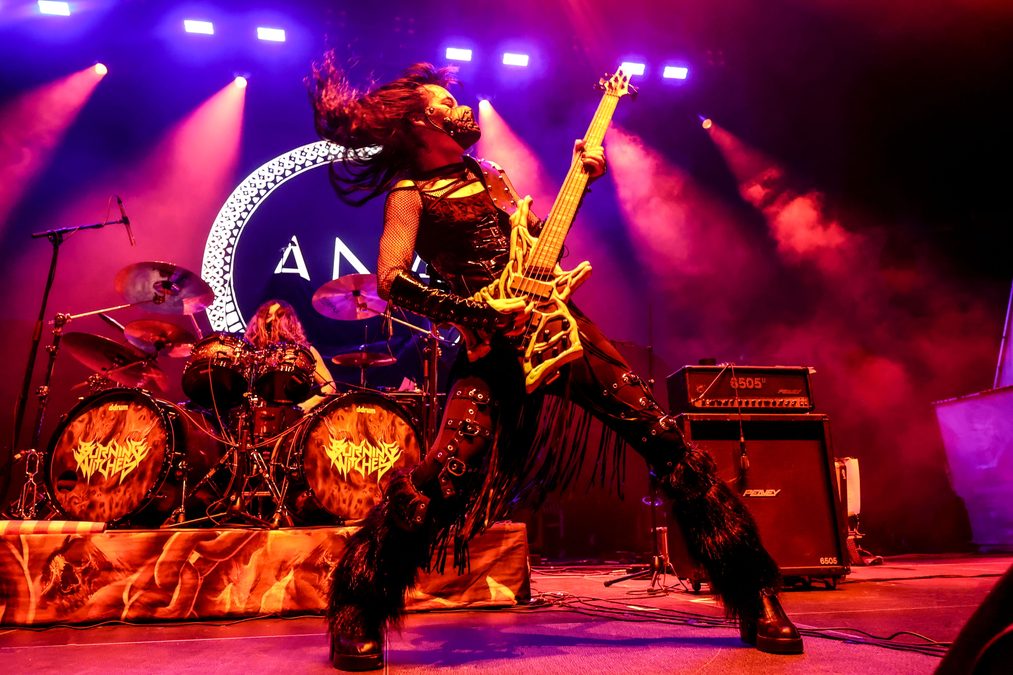 Photos by Paul Miles Melbourne’s premier symphonic metal powerhouse ANA have returned home from tearing the United States a brand-new one. In what can only be described as a monumental, career-defining milestone, our homegrown champions landed the coveted support slot for the legendary, unmistakable icon of the dark arts himself: Danzig for a run of […]
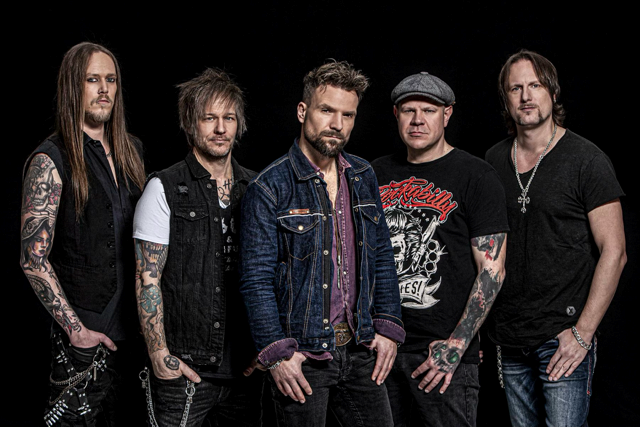 With their new single Saints & Sinners, THE NEW ROSES open a new chapter. The song is a powerful rock anthem about true connection, made for both major stages and rock radio. Combining their signature blend of huge hooks, distinctive guitars and high-energy rock, THE NEW ROSES prove that their musical journey continues to move […]
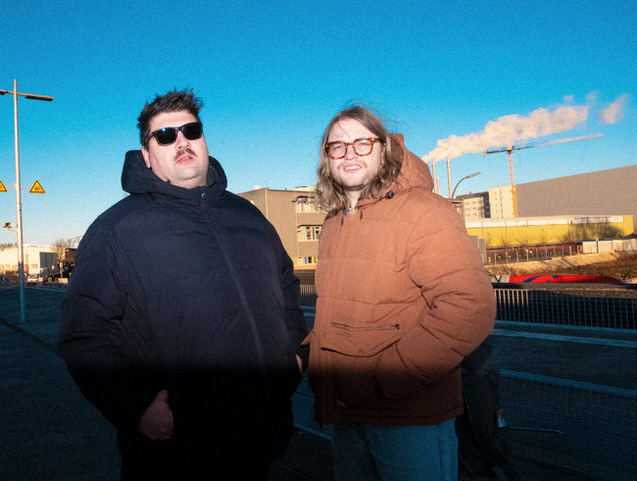 Vesperian is very happy to announce the signing of Hamburg-based power duo THE HEBRIDEAN SHEEP. The band first made a name for themselves with their wild clips on TikTok, Instagram and YouTube. They built a strong following without releasing a single full track, only song snippets, and that was enough to catch the attention of […]
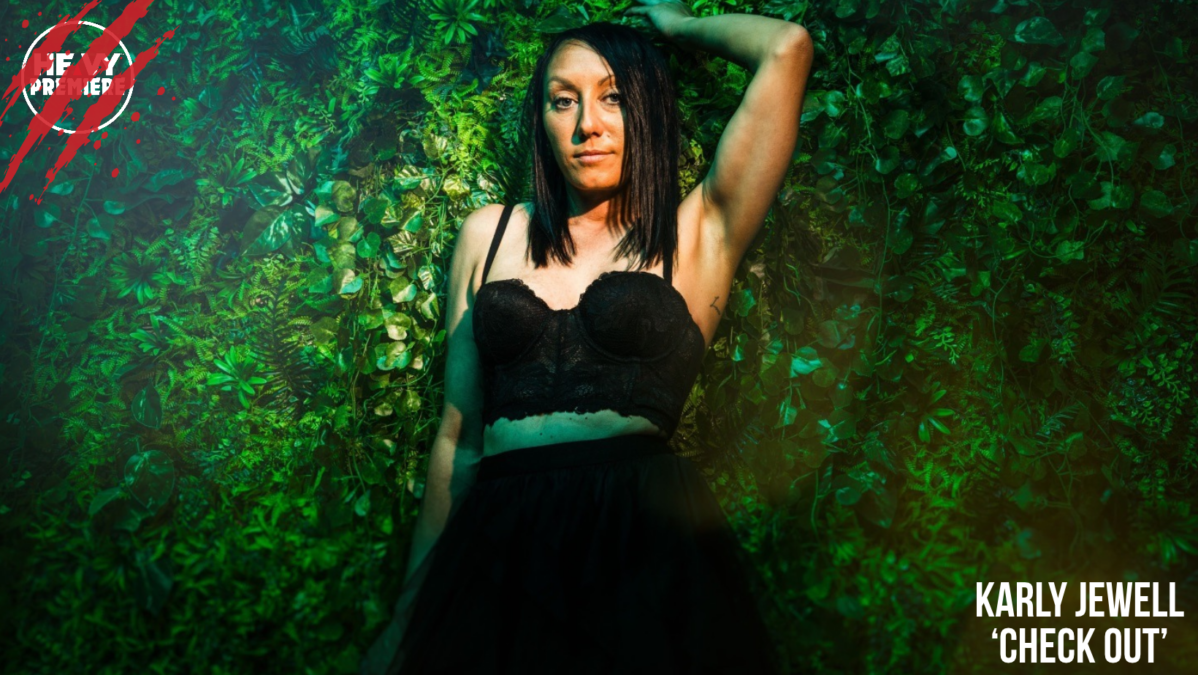 Melbourne vocalist Karly Jewell’s has released Check Out, the final single from her second full length album, There’s A Jewell In Town, which on release debuted on the ARIA Australian Artists Chart at Number 3! Born from the deepest corners of grief, Check Out is an anthem for anyone who has ever felt like giving […]