Ex-Slipknot percussionist Chris Fehn has looked back on the “intimidating” talent of late founding drummer Joey Jordison in a new interview.
Talking to Meltdown, the 53-year-old, who joined the nu metal nine-piece in 1998 and departed in 2019, remembers trying to fit his parts in between Jordison’s “madness” while writing and recording music.
“It’s very intimidating to be a percussionist with Joey Jordison,” he says (via Blabbermouth). “I’m in the studio watching this guy, like, ‘What am I gonna do? This guy can cover everything. He’s just a phenomenon!’”
He adds: “But yeah, it’s cool, ’cause he realises that the percussion was a big part of it also. So he’d work up some parts or somebody would come up with some parts and we’d just fit it in there within his madness. And it was cool to do. Really cool. I miss that dude a ton.”
Elaborating on Jordison’s technique, Fehn calls it “unbelievable”.
“[It was] unbelievable how hard he hit, but yet how smooth he could be and technical,” he continues. “In soundcheck, he’d just whip out some jazz and you’re just like,’Well, is there anything you can’t do?’ He was amazing.”
Jordison co-founded Slipknot with percussionist Shawn ‘Clown’ Crahan in 1995 and, alongside late bassist Paul Gray, was one of the band’s key songwriters for their first four studio albums. He had a composer credit on such successful singles as the Platinum-selling Wait And Bleed, the Grammy Award-winning Before I Forget, and Duality, the band’s most-streamed song with more than a billion Spotify listens.
Jordison was let go from Slipknot in 2013, three years after Gray died of an overdose, aged 38. The drummer revealed in 2016 that towards the end of his Slipknot tenure he had been struggling with transverse myelitis: a rare neurological disorder which greatly affected his ability to play.
After Slipknot, Jordison played drums with the metal bands Scar The Martyr, Sinsaenum and Vimic. He died in his sleep on July 26, 2021, aged 46. His cause of death has never been disclosed.
Meanwhile, Fehn and Slipknot parted ways shortly after the percussionist filed a lawsuit against the band in spring 2019. The suit alleged that Fehn was receiving less money than his bandmates, due to the existence of other Slipknot-related business entities of which he was unaware. The case was voluntarily discontinued in October 2020.
In 2014, Slipknot replaced Jordison with Jay Weinberg, who was himself replaced by ex-Sepultura member Eloy Casagrande in April 2024. Fehn was replaced by Michael Pfaff, who, due to his longtime anonymity and the potato-crisp-like design of his mask, was nicknamed ‘Tortilla Man’ by fans.
Global Beatles Day takes place on June 25 – a fan-created event that celebrates the anniversary of the first international satellite TV broadcast of The Beatles classic All You Need Is Love, which was beamed to an estimated 400 million people live from Abbey Road Studios back in 1967
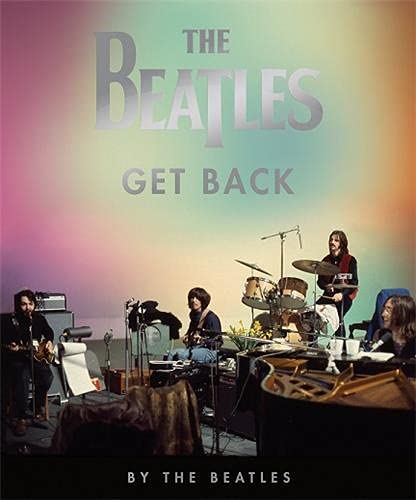
And with the Prime Day savings n full swing, it seems only right to highlight some of The Beatles discounts that are available on Amazon right now – including massive savings on the The Beatles: Get Back hardcover book. The 240-page volume has been reduced from $60 to $23.24 in the US, while in the UK, it’s down 68% from £40 to just £12.75.
There’s 68% off the price of The Beatles: Get Back hardback book on Amazon UK, and 61% off the price in the US, making this an ideal time to pick up the 240-page volume if you haven’t managed to get it already. It’s the official account of the creation of The Fab Four’s final album Let it Be and is chronicled by the band themselves and contains hundreds of images by Linda McCartney and Ethan A. Russell.View Deal
The Beatles may have split up in 1970, but the legendary four-piece seem to be as popular now as they ever were. And with loads of discounts available for Prime Day, I’ve highlighted some of my other favourite deals below.
If you’re in the US, there’s a nice saving on The Beatles: 1967-70 vinyl box set, which has been reduced by 16% from $75.98 to $64.12.
American fans also have access to the Sgt. Pepper’s Lonely Hearts Club Band short-sleeve t-shirt which is down from $22.99 to $18.39 – and if you think you know everything about the George, Paul, John and Ringo, you test your knowledge with the officially licensed Beatles Trivial Pursuit game – down from $21.99 to $17.49. With over 600 themed questions, answering everything is going to take you a very long time indeed.
Across in the UK, you can get your hands on the The Beatles: Yellow Submarine graphic novel which is down in price from £26.99 to £21.99.
The 8CD Beatles Anthology Collection is also on sale for Prime Day, with Amazon taking the price down from £87.32 to £76.02. The collection includes a total of 191 tracks, including live songs and studio outtakes.
My final pick foes to this Abbey Road hoodie which Amazon have cut from £33.99 to £28.78. It’s available from sizes S- XXL and you can order it in a variety of colours.
These are just some of many Beatles-themed discounts this Prime Day and to discover even more bargains, head on over to Louder’s Prime Day music deals page which we’re updating throughout the week. And don’t forget to visit our pages highlighting the best Prime Day turntable deals, and we’re also collecting our favourite Prime Day vinyl deals too.
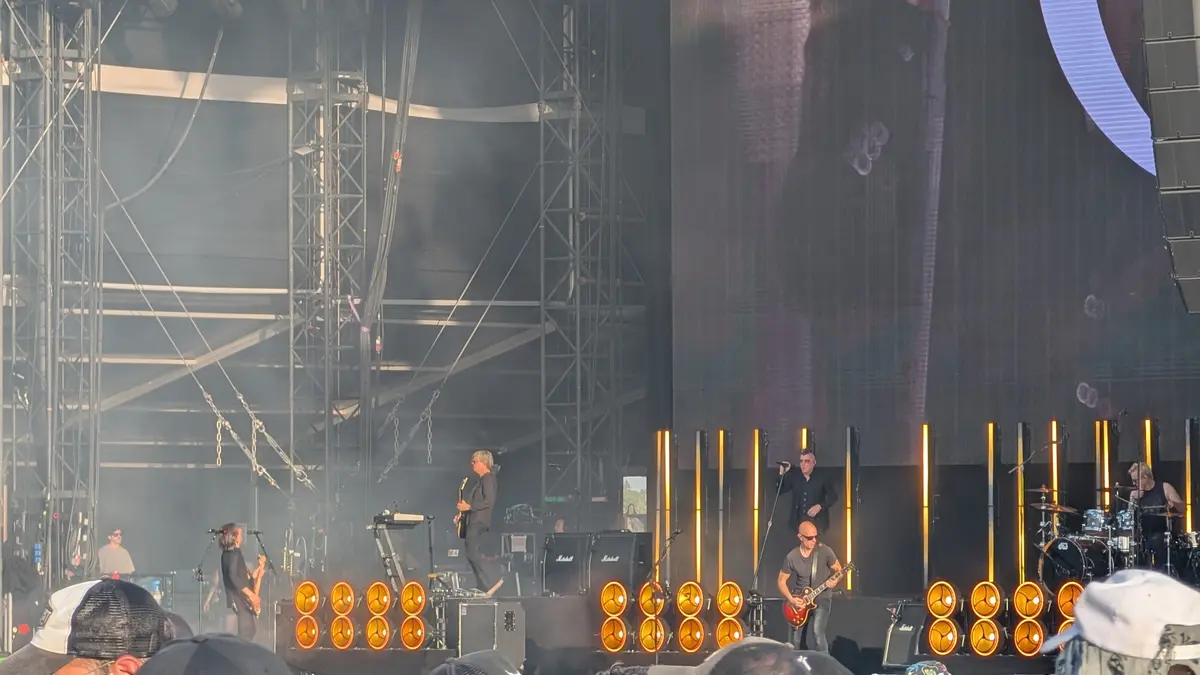
Hellfest 2026. Clisson, France. The sun is starting to take its leave as A Perfect Circle follow Anthrax on the other Main Stage. Could this be more different from Anthrax, which my colleague Sean covered? Hardly. Does it work well? More or less.
I mean, there is a rainbow in the sky the instant they come on stage, and the playing is absolutely splendid. Josh Freese on drums could play nursery rhymes and still sound good doing it. Maynard James Keenan’s vocals are absolutely great.
The issue here is that they are sandwiched between Anthrax and Megadeth. And, honestly, context is as important as anything in this business. Well, said context does not work well here.
A Perfect Circle – Hellfest 2026. Photo: Bogdan Bele/MetalTalk
A Perfect Circle’s trippy tracks fall flat in the moment, and the very calm, for lack of a better word, setlist, certainly does not help. Pretty much everyone seems sleepy and waiting for this to end.
And the visuals, essentially, their logo throughout, with the occasional image of one of the guys on stage, do not help.
So Dave Mustaine & co. can resume normal programming. I doubt they would have ever imagined getting such a head start.
HELLFEST 2026
Prepare to be consumed by the relentless energy of the most influential bands in Heavy Metal as they ignite the Hellfest stages with blistering performances. The immersive atmosphere of Clisson will immerse you in a dark, captivating experience like no other.
With its unparalleled lineup and unwavering commitment to the spirit of metal, Hellfest 2026 promises an unforgettable journey into the depths of sonic mayhem. Read all the Heavy Metal News at MetalTalk.
Long before celebrity skins, virtual concerts, and soundtrack collaborations, musicians were getting full video games built around their images, songs, and stage mythology.
Old-school musician games could be inventive, awkward, or blatantly commercial. Some had real artist involvement. Others felt like marketing tie-ins built around a famous name.
Modern musicians usually appear in games as skins, soundtrack contributors, rhythm-game subjects, or virtual concert performers.
Full console or PC adventures centered on one artist are far less common now.
Let’s check them out.
1. Escape-Era Arena Rock Meets Arcade Weirdness
One major arena-rock band entered games early with two adaptations tied to its Escape-era fame.
Journey Escape arrived in 1982 for Atari 2600 and was based on the hit album Escape.
One year later, Bally Midway released an arcade game while the band was still riding the success of Escape, which included “Don’t Stop Believin’,” “Open Arms,” and “Who’s Crying Now.”
Arcade version had a bizarre plot. Wild alien Groupoids stole the band’s electro-supercharged instruments, so players guided Steve Perry, Neal Schon, Steve Smith, Jonathan Cain, and Ross Valory across five galaxies to recover them.
Key presentation choices made the cabinet feel closer to a rock novelty item than a normal arcade release:
Digitized black-and-white band photos appeared on tiny cartoon bodies.
Five separate musician stages turned each band member into a playable arcade character.
A final Galactic Stadium concert rewarded players after the instruments were recovered.
Gameplay was not really about performing music. It turned band fame, album imagery, and tour mythology into arcade spectacle.
Completing the game led to a concert at Galactic Stadium, where a looped cassette tape inside the cabinet played “Separate Ways” off Frontiers.
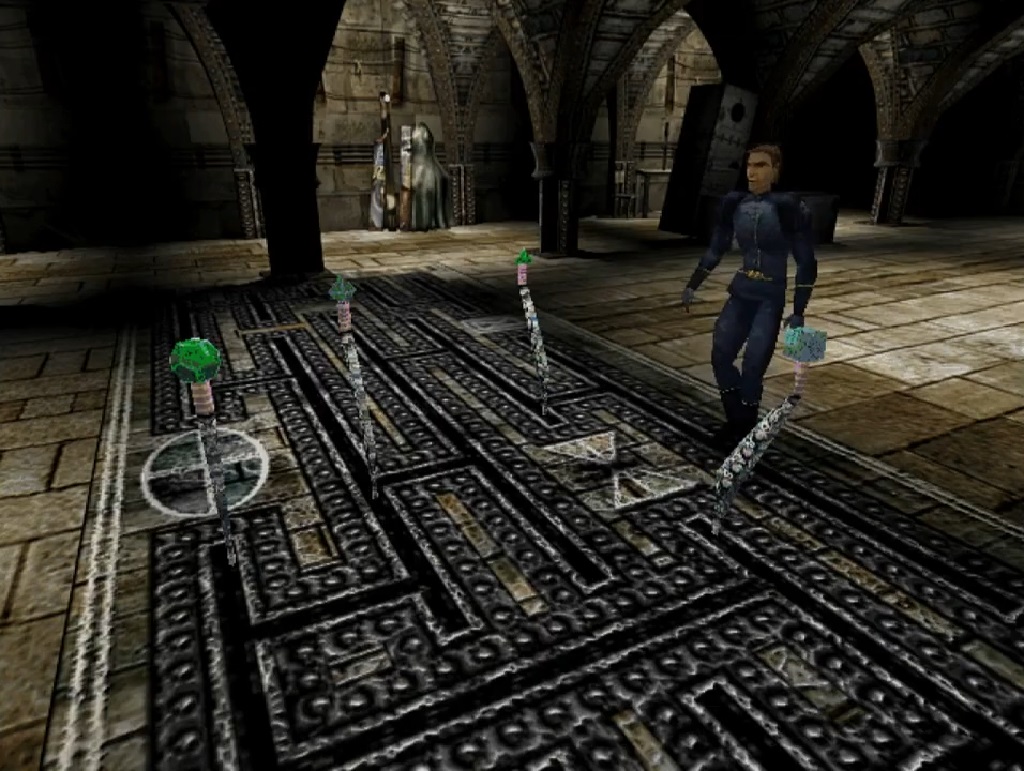
2. Revolution X
Aerosmith’s arcade shooter transformed rock music into a loud, chaotic symbol of rebellion
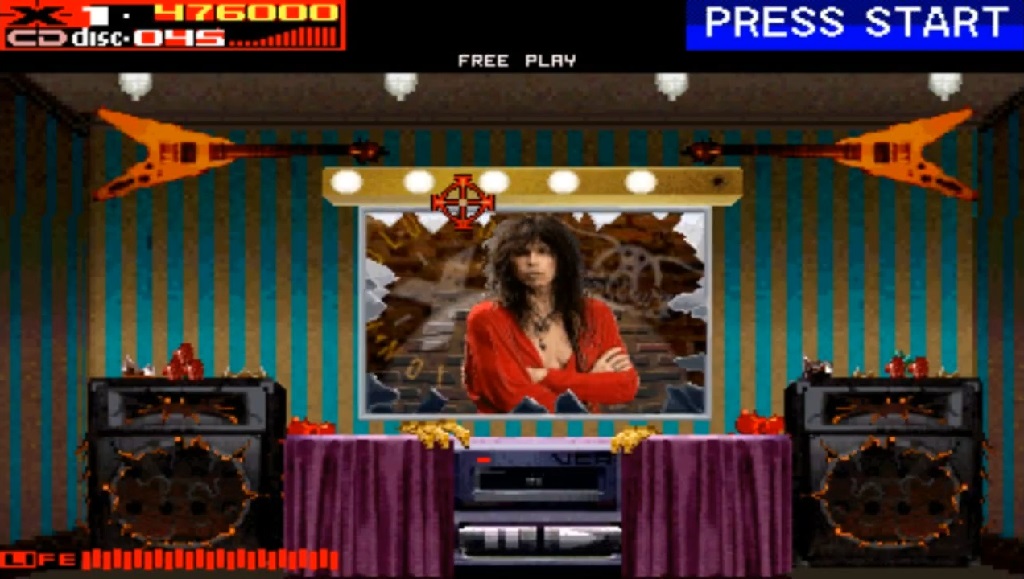
Aerosmith became the center of a dystopian arcade shooter with Revolution X.
Midway released the game in 1994. Earlier, it had reportedly been pitched as a Jurassic Park arcade tie-in before shifting into an Aerosmith on-rails shooter.
Story placed players in a future controlled by New Order Nation, a government and corporate military force that hates youth culture and rock music.
Aerosmith gets kidnapped by NON, led by the leather-clad Headmistress Helga.
Enemy design leaned hard into exaggerated arcade chaos:
NON soldiers filled the screen as constant targets.
Rollerblade gunmen added a strange 1990s action-movie texture.
Ninjas and other enemy types made the anti-rock regime feel cartoonishly overbuilt.
Players shoot through NON forces while fighting to rescue the band.
Anyone interested in other fast, arcade-style entertainment can also check out PowerPlay here, though Revolution X belongs to a very different kind of coin-op chaos.
Console versions sent players to destroy three NON installations in the Amazon Jungle, the Middle East, and the Pacific Rim before heading to London for a final fight with Helga at Wembley Stadium.
Steven Tyler provides a vocal cameo after large explosions, similar in spirit to the “Toasty!” cameo in Mortal Kombat II.
Revolution X turned rock music into rebellion, but it also showed how easily a band name could be attached to an existing arcade concept.
SNES version later ranked 10th in Electronic Gaming Monthly’s “20 Worst Games of All-Time.”
3. Michael Jackson’s Moonwalker
Moonwalker worked because it turned Michael Jackson’s performance style into actual gameplay
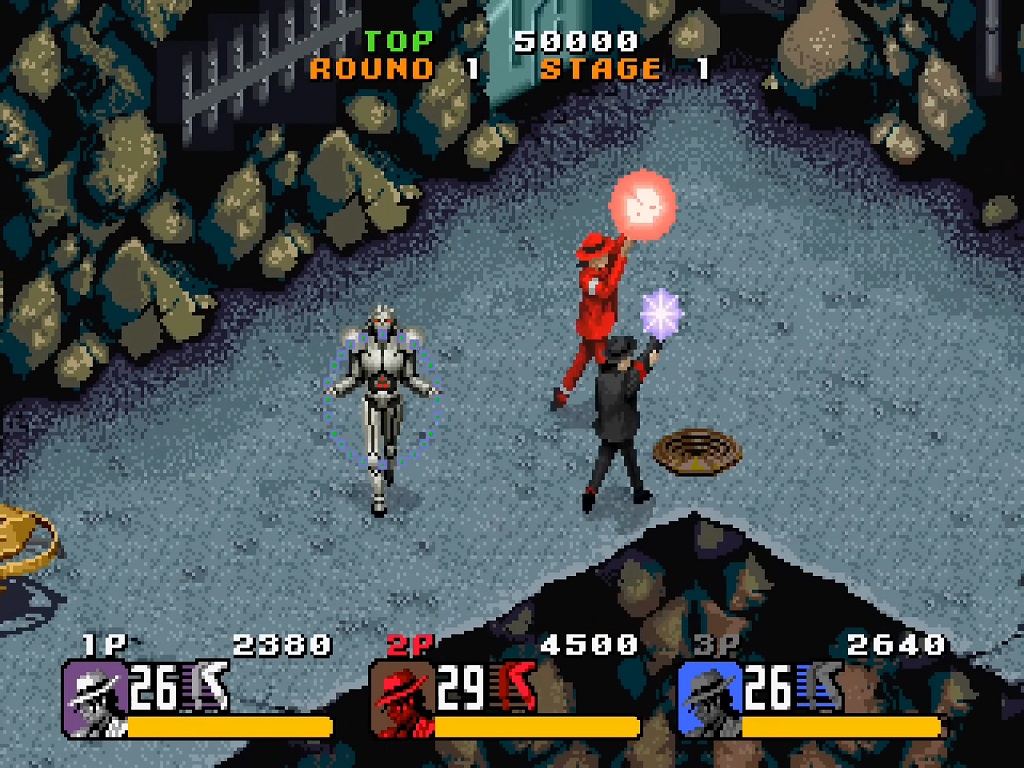
Michael Jackson’s Moonwalker remains one of the most famous musician-led games.
Released in arcade and Sega Genesis/home console versions around 1989 and 1990, it loosely followed the 1988 film Moonwalker.
Its story had Michael rescuing kidnapped children and fighting Mr. Big, an evil record executive.
Arcade version used a three-quarter-view style. Home console version played as a 2D action game loosely comparable to Shinobi.
Several recognizable Jackson trademarks became combat language:
Dance routines worked as attacks.
Fedora, white suit, and spins helped define the character on-screen.
Magic effects turned stage movement into action-game spectacle.
Synthesized 16-bit versions of Jackson hits, including “Beat It,” gave the game a direct musical identity.
Moonwalker worked because it translated Jackson’s performance style into action. Music was not just background. It powered the fantasy.
4. KISS: Psycho Circus: The Nightmare Child
KISS always looked ready for video games. Makeup, costumes, fire, blood-spitting, and comic-book personas already made the band feel like fantasy characters.
KISS: Psycho Circus: The Nightmare Child arrived for PC and Sega Dreamcast in 2000.
It was tied to the band’s 1998 Psycho Circus multimedia push, which also included a 31-issue comic book series and action figures.
Instead of letting players directly control KISS, the game follows Wicked Jester, a fictional band whose members gain magical powers and fight the Nightmare King.
Band mythology appears through character structure rather than direct control:
Each Wicked Jester member has a KISS counterpart.
Each character gets a separate section to complete.
Armor upgrades can make players resemble Gene Simmons’ Demon persona.
First-person shooter design gives the game horror corridors, monsters, weapons, and supernatural threats.
KISS imagery gives the game its look, but the band elements mostly function as visual dressing for an average shooter.
5. Queen: The eYe
The eYe used the band’s music as the backbone for a dystopian story about control and forbidden rock
The next game on this list of ours is Queen: The eYe, which used the band’s music to build a futuristic dystopian CD-ROM adventure.
Destination Design developed it, and Electronic Arts published it. It spanned five CDs, largely because the discs were packed with remixed and remastered Queen songs.
Players control Dubroc, a secret agent working for an Orwellian organization called the Eye. After discovering banned rock music, Dubroc is sentenced to death in a Running Man-style television show called The Arena.
Design appears influenced by Resident Evil, with 3D character models over pre-rendered backgrounds and tank controls.
Gameplay pulled several late-1990s adventure ideas into one package:
Room navigation relied on fixed camera angles.
Puzzle solving sat beside hand-to-hand combat.
Platforming added another layer to an already crowded structure.
Critics disliked its dated graphics and forced Queen references.
Still, Queen’s theatrical and anti-authoritarian music made sense for a sci-fi story about banned rock, control, and spectacle.
Unlike games that put musicians directly on screen, Queen: The eYe used the band as atmosphere and story fuel.
6. Beatles: Rock Band
Beatles: Rock Band set a higher standard for musician-based games.
Released on September 9, 2009, for PlayStation 3, Wii, and Xbox 360, it was developed by Harmonix, published by MTV Games, and distributed by Electronic Arts.
It was the fourth Rock Band installment and the series’ first band-centered game.
Rock Band’s core formula used instrument-style controllers and microphones, letting players perform guitar, bass, drums, and vocals.
Beatles version added three-part vocal harmonies, matching a key part of the band’s sound.
Game launched with 45 tracks and recreated the band’s career through famous live settings and psychedelic dreamscapes.
Career structure moved through major phases of the band’s public image:
Cavern Club captured early club-era performances.
Ed Sullivan Show, Budokan, and Shea Stadium covered global fame.
Rooftop concert material gave the game a natural finale.
Release also coincided with remastered Beatles album collections.
Instead of forcing the band into action gameplay, it centered performance, rhythm, harmony, and musical history.
7. AVICII Invector
AVICII Invector feels more like a musical tribute than a traditional celebrity tie-in
AVICII Invector shows a more modern approach to musician-focused games.
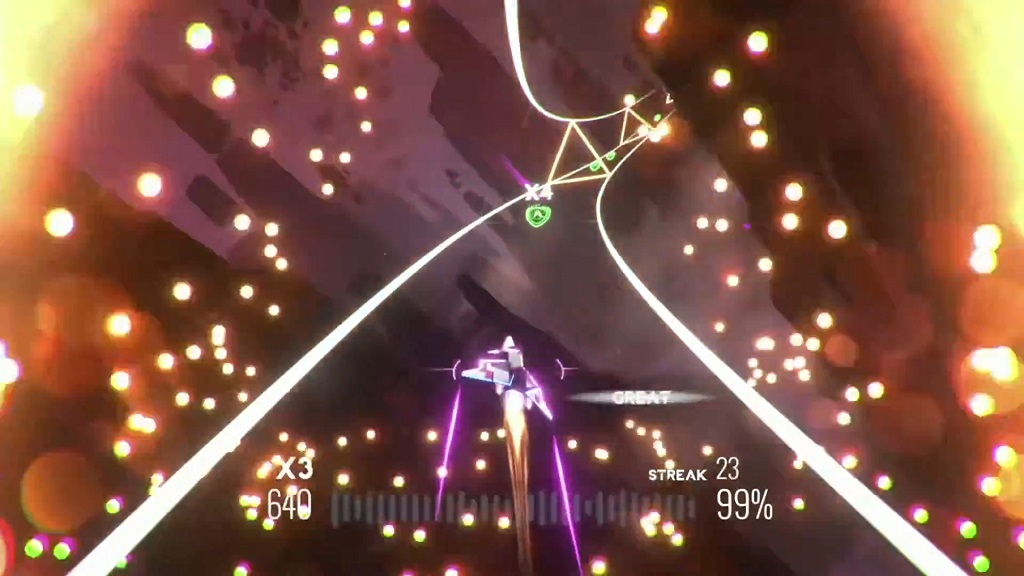
Centered on the late DJ and producer Avicii, it is a rhythm game packed with his songs.
Players move through bright, fast tracks while hitting beats and reacting to tempo changes. Music controls the structure, pace, and visual energy.
Several design choices separate it from older musician tie-ins:
Rhythm mechanics carry the experience instead of combat.
Concert-like visuals match the scale of electronic dance music.
Avicii’s catalog shapes each stage rather than sitting behind unrelated action.
Older musician games often turned artists into superheroes, rebels, mascots, or sci-fi figures. AVICII Invector focuses on sound, rhythm, and concert-like immersion.
Its tone feels more like tribute than novelty branding. Players are not asked to control Avicii as an action hero. They play inside the pulse of his music.
Closing Thoughts
Musician-based games are fascinating because they try to turn sound, image, personality, and stage presence into mechanics.
Older games often chose spectacle. Arena rock became alien instrument recovery. Michael Jackson became a dance-powered hero.
Aerosmith fought an anti-rock regime. KISS became horror-shooter mythology. Queen’s catalog became a five-disc dystopian adventure.
Results varied wildly. Some games were creative.
Some were awkward. Some felt like commercial tie-ins. Many are still memorable because they captured pop culture ambition at its strangest.
Best musician games know what fans love about the artist. Weirdest ones show what happens when fame itself becomes game design.
By the admission of all involved, the making of Pink Floyd‘s Wish You Were Here was a challenging, tortuous and frustrating experience. “Compared to the records we’d made before and since, it was like hitting a brick wall,” drummer Nick Mason told British music magazine MOJO last year. “To start with, we didn’t have an idea between us.”
David Gilmour has very clear memories of the day that the band started working on the title track, however, as he shared with director John Edginton in his documentary The Story of Wish You Were Here.
“I remember the moment of creating it quite often,” Gilmour told the director, during an interview at his home studio in West Sussex, revealing that the song’s unforgettable opening motif was written on a 12-string guitar. “I played that in the control room of number 3 studio at Abbey Road. It was just something I’d been strumming at home, and Roger [Waters] immediately said, ‘What’s that? What’s that?’ and we had to immediately get on with that and work it up.”
“Some [riffs] have a little bit of magic to them, and some don’t,” he added, “and the ones that do have that bit of magic to them, it’s obvious to people around.”
“I said to him, What’s that you’re playing? That’s really nice, that’s really good. Maybe I should try and do something with it,” Waters recalled in a 2012 BBC interview.
“I think Roger and I then working on writing the verses, and putting those chords into the whole thing,” Gilmour recalled on the same programme. “And then Roger did those brilliant words, and there we were.”
“It still resonates, it still has has its meaning,” Gilmour told John Edginton. “It means that to me every time I sing it. It’s a very very good combination of music and words that seems to capture something.”
Wish You Were Here, the album, was released on September 12, 1975. It received somewhat mixed reviews at the time, with Melody Maker‘s take on the record, written by Allan Jones, being particularly savage.
“From whichever direction one approaches Wish You Were Here, it still sounds unconvincing in its ponderous sincerity, and displays a critical lack of imagination in all departments,” Jones wrote. “It’s really all quite predictable, and forces one to the conclusion that for the last two years (possibly longer) the Floyd have existed in a state of suspended animation… Wish You Were Here sucks. It’s as simple as that.”
Record buyers took a rather different view. The album went to number 1 in the both the UK and US, and has now sold around 20 million copies worldwide.
Hellfest 2026. Clisson, France. It is downright weird seeing the Grindcore pioneers Napalm Death without bassist Shane Embury, their longest-standing member. Even without Shane, this “resolutely unapologetic noise band from Birmingham, England”, as vocalist Barney Greenway explains retains its major characteristics.
Shane can not be with them at the moment, with Adam (Clarkson) deputising very aptly.
Napalm Death – Hellfest 2026. Photo: Bogdan Bele/MetalTalk
With that said, it is Napalm Death business as usual. Short songs, lots of social awareness and activism, and Barney Greenway running around the stage like a man possessed while belting out his lyrics. The band does what it does best, plays at breakneck speed, straight and to the point. This is no yacht rock gig.
Songs like Narcissist are powerful and designed to grab listeners by the throat until they get the point.
That social dimension comes back throughout the show, as the frontman explains the band’s position on topics like religion (it’s not positive), or Narcissism (in the song of the same name), in which cases he mentions the current occupant of the White House, despite the song being written prior to that.
But, despite Greenway saying that Napalm Death and musical beauty are rather far from each other, they play the closest thing, Amoral.
Napalm Death – Hellfest 2026. Photo: Bogdan Bele/MetalTalk
This band has been called “just noise” enough times. For the sizable crowd present at the Altar, though, it obviously is not, judging by the reaction.
At one point toward the end of the set, guitarist John Cooke needs to head out, being sick from the extreme heat. In truth, The Altar stage is an oven during their set.
Someone asks for a bass solo, at which point Greenway promptly tells him that there is no such thing with this band, as there is no need.
In the meantime, the guitarist is too sick to continue as planned. Napalm Death had five or more songs left, so they decide to finish with two, one being The Dead Kennedys’ Nazi Punks Fuck Off, followed by You Suffer, their most popular track.
Maybe two minutes in total.
Napalm Death – Hellfest 2026. Photo: Bogdan Bele/MetalTalk
HELLFEST 2026
Prepare to be consumed by the relentless energy of the most influential bands in Heavy Metal as they ignite the Hellfest stages with blistering performances. The immersive atmosphere of Clisson will immerse you in a dark, captivating experience like no other.
With its unparalleled lineup and unwavering commitment to the spirit of metal, Hellfest 2026 promises an unforgettable journey into the depths of sonic mayhem. Read all the Heavy Metal News at MetalTalk.
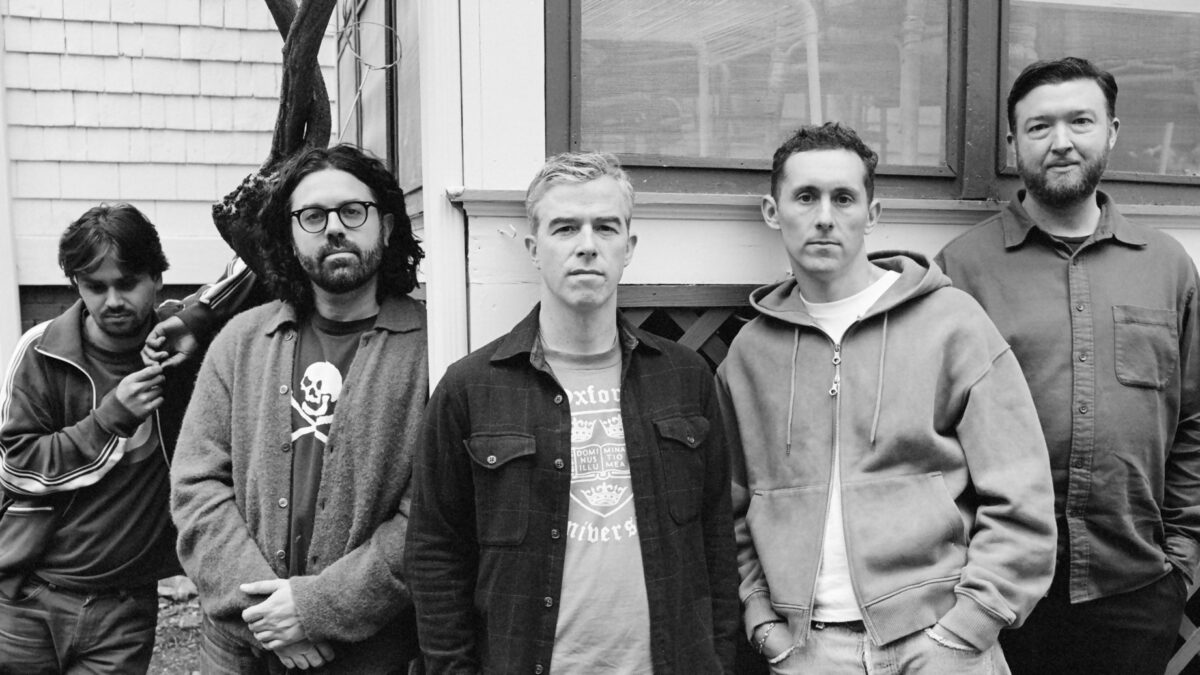
Ahead of their return to Outbreak Fest this weekend, Fiddlehead have announced the details of a new three-track EP, set for release later this week.
The release is called ‘Baby I’ll Change’ and will be yours in full on June 26. It’s the first new music from the band since 2023 full-length ‘Death Is Nothing To Us’.
Vocalist Patt Flynn had this to say about it, stating, “We’ve gone into every record with the idea that it might be the last thing we ever do,” explains vocalist Patrick Flynn. “Everything’s been treated that way because of the nature of our lives and our relationship with making music and creating art; it’s not career-driven.”
The artwork for the EP looks like this:
And the tracklisting like this:
1. The Dogs 2. Porchlight 3. Baby I’ll Change
The band have also released the title track, and it is a stirring piece of emotional outpouring. A patient, beautifully constructed, deep set, tear-stained piece of melodic hardcore that will sit heavy on your heart long after it has faded into the background. From the brit-pop bounce at its sensational conclusion to the quivering in Pat’s voice as he utters these words, it’s an instant masterpiece. Music that needs to be heard as much as it needed to be made.
Instrumental duo Missoula push your buttons with their new album Death Doula.
Missoula is the instrumental brainchild of drummer Brooks Wackerman (Avenged Sevenfold, Bad Religion) and guitarist John Konesky (Tenacious D). Konesky says, “Missoula is what happens when you take the reins off and let yourself run free, naked and fearless, thru an infinite universe.” Well then. That makes me think in terms of chaos, but, rather, the music has well-ordered energy and a pervasive artistic flair.
There are ten kickin’ tracks on the new record. Each is digestibly sized, the first five running under three minutes in length. Riff-driven, every nut has an internal kernel that fuels exploration. Sometimes there is syncopation coordinated with disruption, like with “Nixon Nights.” Other instances are spacey, as in “Love Bombs.” Some songs are crispy while others are lush. Not exactly something for everyone, but certainly a great deal of variation.
Stand out tracks for me include “Carnival,” which is very narrative (my mind tells me a story when it listens to the notes), and “Dracula’s Garden Party,” which wins the ribbon for best title – it is a wild ride that earns its distinction. It is also worth noting that “Folk Lores” is a little bit upsetting, but then the album closes with “Angry Plum,” a beautiful, peaceful acoustic song. I thoroughly enjoyed this album. Highly recommended.
Death Doula is available on Friday, June 26th from Org Music. Listen and get your very own at the links below.
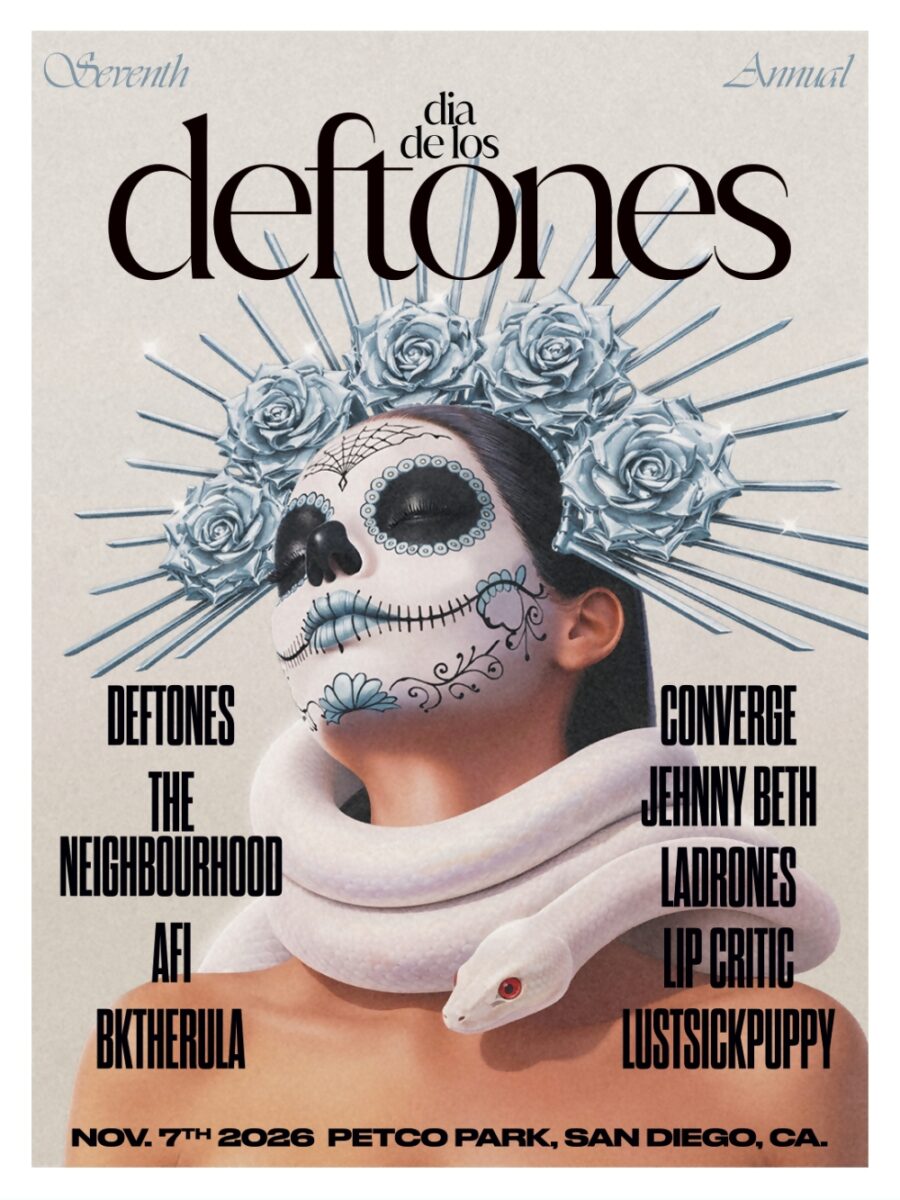
Deftones have announced the details of the 7th edition of their one-day festival extravaganza, and the line-up is as brilliantly eclectic as expected.
Set to take place on November 07 at Petco Park, San Diego, it will be headlined by Deftones, of course. But they will also be joined by a star-studded array of alternative music greats. They are The Neighbourhood, AFI, Bktherula, Converge, Jehnny Beth, Ladrones, Lip Critic, and LustSickPuppy. A little bit of everything.
Tickets for the event will go on general sale from June 26 from right here.
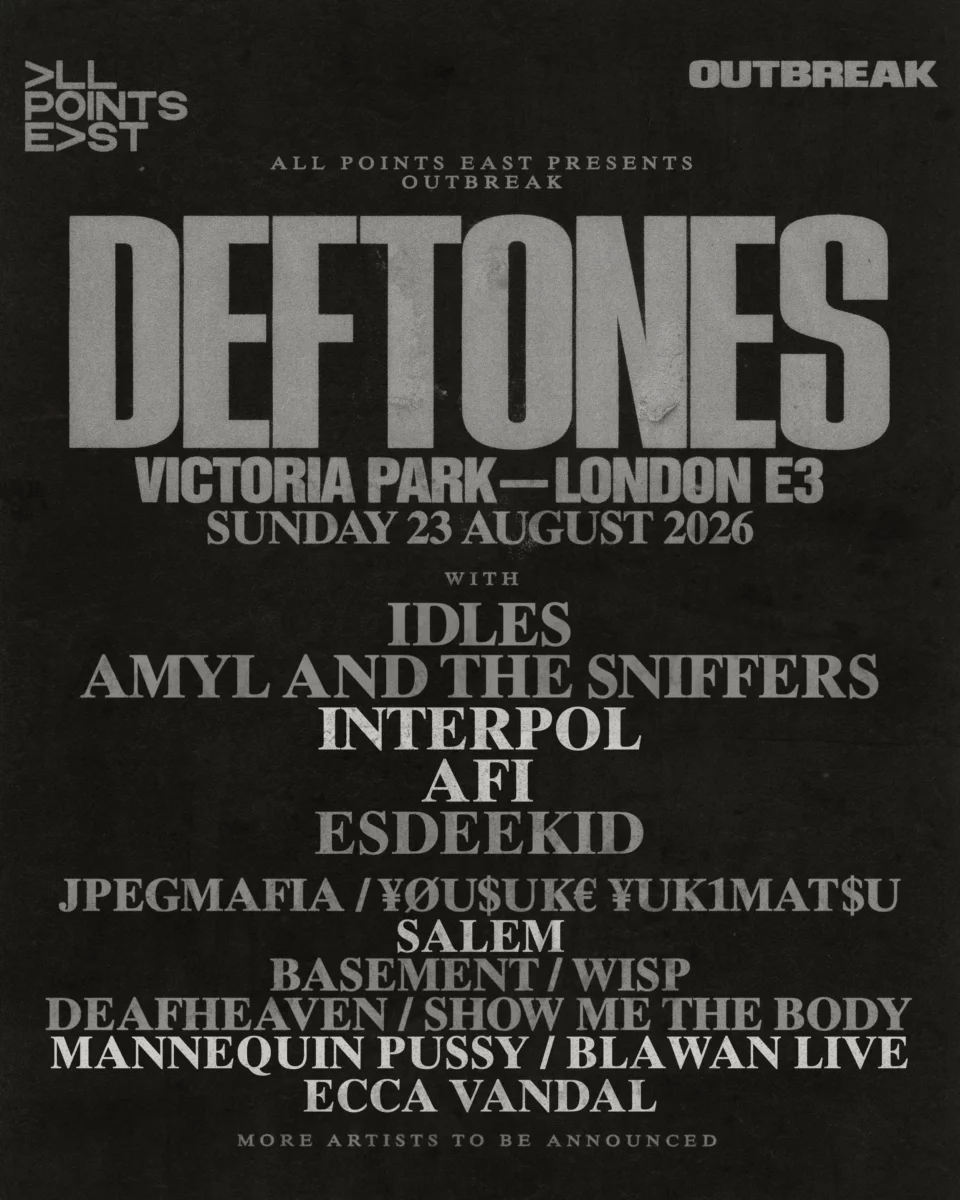
Deftones are set to play a special all-dayer in the UK later this year as well. The band will be headlining All Points East x Outbreak, and will be joined by Idles, Amyl And The Sniffers, Esdeekid, JPEGMAFIA, ¥øu$Uk€ ¥uk1mat$U, Basement, Wisp, Deafheaven, Show Me The Body and more.