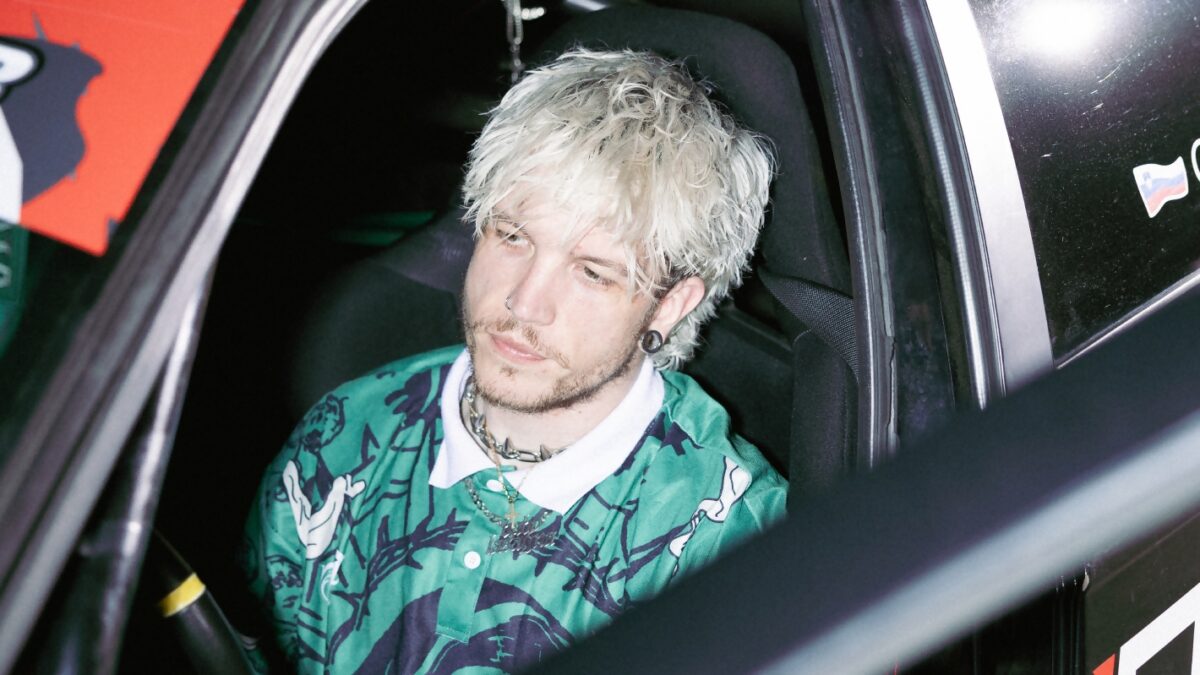
Toronto rocker Emily Mac releases her new single ‘Animal‘, the closing statement on her debut EP ‘Rock N Roll Animal‘, out now. Where the earlier songs on the EP dig through heartbreak and hard truths, ‘Animal‘ arrives as something looser and more playful, a song about choosing fun over hurt and going after exactly what […]
[INCREDIBLE album artwork provided by Juliana Lapa]
Two things I’ve written over the course of the last two months have inspired me to wander in here today to discuss the third full-length from Brazilian… ‘progressive music band’ Papangu. Before we jump into particulars, I say ‘progressive music band’ because despite the fact that Papangu displays elements of progressive rock, progressive metal or even progressive ciranda, to label the collective as any of one of those is a bit of misnomer because, in true progressive music fashion, Papangu appear to care about boundaries or boxes about as much as one of those Japanese grinding noise J-pop black metal chamber orchestras whose members are all feral cats.
Wait… Cats love boxes.
Okay, for the sake of neatness, let’s just go ahead and throw Papangu under the incredibly broad ‘progressive rock’ umbrella, given that the ‘progressive music’ tag feels too generic for a band this kaleidoscopic, and also because riffin’ & wailin’ guitars are tattooed up and down the sleeves of this baby. (Not a literal baby. Calm down.)
Right, back to the two articles that lead me here.
FIRST: The recent Diamonds & Rust jump back in time that explored the wildly adventurous Praxis debut Transmutation, wherein I recounted how an early job at a new / used record store was responsible for opening the doors to a literal world of music previously (mostly) unchartered for me. That job was over three decades ago (gasp), and I have spent the years since continuing my extensive exploration into as many conceivable corners of Earth’s musical ventures as time allows.
Release date: August 7, 2026. Label: Independent
Despite this, my familiarization with Papangu over the course of their last three albums has conjured the following impression: Outside of a fistful of obvious choices, I really don’t know shit about Brazilian music. Thankfully, however, I believe I understand the basics: It’s largely a collision between Euro, African and Amerindian music that results in something that’s frequently rhythm-centric and tailor-made to conjure and perpetuate a ‘festival’ spirit that brings people together to connect and celebrate (and maaaayyyybe even conjugate.) Does that mean it’s raucous pea whistle blasts and trance-like rhythms 100% of the time? Not even close. It does, however, maintain that communal feel that makes it clear that the Papangu experience is meant to be shared, and you will feel good while doing so. In that regard, the music of Brazil on the whole very much reminds me of what it’s like to spend time completely ensconced in the music and culture of New Orleans. What a wonderful thing.
But the particulars? Forró, sertanejo, ciranda and MPB, for example? It’s all over Brazil, I’m likely not (yet) versed enough to differentiate between them, and Panagu’s incorporation of such elements across their work over the years has inspired me to dig deeper, which is always appreciated when you’re a music obsessive with an eternal fire blazing in the furnace. Celestial of course continues the band’s directive to underscore the music at the heart of northeastern Brazil, but it does so with an even more streamlined interpretation compared to earlier works that absolutely feels as if you’re catching them ripping through these songs at a lively backyard hangout session.
I’m still getting to know the record, but right off the bat I’d say it feels as if they’re continuing to push the metal a little further into the backdrop, particularly when compared to the debut, resulting in something that feels even more aligned with the current throwback heavy prog scene. Sure, we could easily spend a week spotlighting an avalanche of ‘70s inspirations, but Celestial seems most fit to trot alongside an equally impressive stack of modern throwbackers that refuse to allow music fans to forget about the existence of hammond organs, Moog synthesizers and flutes. In particular, we are focusing on Papangu’s Nordic amigos, thanks to that region’s shared affinity for working in regional folk and, in some cases, splashes of actual heavy metal. Need a quick launching point / reminder? Look to bands such as Wobbler (Norway), Tusmørke (Norway), The Chronicles of Father Robin (Norway), Arabs in Aspic (Norway), Anekdoten (Sweden), Hällas (Sweden), Malady (Finland), and Kairon; IRSE! (Finland), et al.
So, yes, even though I said Celestial appears to push the harsher elements a little further into the background, we still get those moments where a curious cousin of black metal peeks through like Grutle Kjellson suddenly popping his head out of a porcupine nest nestled in a 120 year-old spruce tree. They crop in “Fechamento de Corpo” (“Full-body Design”), which is the darkest, most mythical / forest-y cut of the album, and they also bring some added wait to “Taxidermia,” a song that, outside of the harsh vocals, doesn’t really get to feeling full metal until it crosses the 5-minute mark.
The SECOND bit of writing that brought me here relates to the write-up I just did for Japanese progressive power band Galneryus and their latest album A Cry from the Sky Above. The album is quite good and I enjoy it, but its goodness will always be marred by the decision to use A.I. artwork for the cover, which I continue to hope was purely a Warner Japan resolution (that the band for some reason greenlit).
A.I. artwork is all over the music industry, and now we have musicians becoming more vocal about accepting its use in the production process and even within the songwriting stages. At the very least, I hope these artists are open about such decisions, so those of us who remain diametrically opposed to their use in art can opt-the-fuck out. This, fortuitously, is one of the principal themes behind Celestial, as indicated in the album’s liner notes:
“Taking a bold stance against the usage of A.I. tools in art, Papangu rejected all digital shortcuts: Celestial was recorded and mixed to magnetic tape, with no computers whatsoever, and mastered fully analogue at the renowned Emil Berliner Studios.
Recorded mostly live in the studio over the course of nine days, the band’s second collaboration with Berlin psych producer Richard Behrens (Elder, Kadavar, Earth Tongue) makes heavy use of vintage instruments and legendary recording gear from the 60s and 70s.”
Accordingly, Celestial does indeed come across like a band that’s spent years honing their craft by—hey, what a novel idea—simply playing together live. Papangu has always been tight, but performing the majority of these songs live in the studio showcases just how well these guys interact with one another, giving each player ample opportunity to shine amidst a production that’s warm, bouncy and very much in line with the album’s overall analog directive.
Opting for the more unembellished route does, however, sacrifice some of the accoutrements that have been utilized in the past; for the first time there are no guests, so no exploratory percussive elements, horns, etc. to be found amidst these 50 minutes. I would say this gives even more room for keyboard missions in 2026, though, as Celestial boasts a full range terrifically vintage ivories that include Hammond organ, Fender Rhodes, Roland Juno 106, Minimoog, Moog Matriarch, and the infamous Yamaha DX7 (the official sound of the ‘80s, used by Prince on Purple Rain, Europe for the Final Countdown, etc.) It’s great—it all sounds great, and underscoring the vintage keyboards definitely maximizes that warm ‘70s prog rock vibe at the crux of the album.
Now, with all this talk about a more straightforward trajectory and stronger lean on retro prog, it’s important to mention that Celestial is FAR from actually sounding ‘straightforward’. This is still a huge mishmash of styles characteristic of zeuhl that dips, lifts, zigs and zags around various meters and complex song structures with quite a strong improvisational element coloring the corners. Likewise, Papangu continues to set themselves apart from their contemporary piers by sustaining that unmistakable ‘Brazilian spice’ that makes songs like “Bode Expiatório” and “Afirmação” feel so bright, sprightly and, yes, perfect for some sort of festival atmosphere where sharing the good times with friends becomes prime directive numero uno.
So, do you need to be a fan of progressive rock in order to fall for an album like Celestial? Yeah, probably. But maybe you ARE a fan of progressive rock, even if you don’t know it yet. I feel like any fan of music in general is one album away from discovering a path previously obscured, provided you go into the adventure with an open mind and an appetite for exploration. Plus, Papangu’s brand of prog is something I’d consider to be rather approachable, thanks to that vivid festival spirit they’re so good at tapping into and the fact that they still manage to keep the songs relatively pithy (for prog) and catchy. In other words, Papangu albums aren’t here to show off, they’re essentially catalysts for fellowship, which Celestial once again nails with aplomb.
In 2010, producer Youth (aka Martin Glover of Killing Joke) connected David Gilmour with The Orb, and result was the album Metallic Spheres – which was rebooted in 2023 as Metallic Spheres In Colour. Youth told Prog how it all came about, and couldn’t hide his enthusiasm over the idea of a live show, featuring the Pink Floyd guitarist.
There’s an undeniable synchronicity at play in that The Orb and David Gilmour’s Metallic Spheres In Colour – the remix of their 2010 album Metallic Spheres – can be traced back to the activities of Scottish systems administrator Gary McKinnon, who in 2002 was accused by the US government of “committing the biggest military hack of all time.”
McKinnon pleaded harmless motives by claiming he was looking for information on UFOs. As he faced extradition, decades in jail and a potential $2m fine, Pink Floyd guitarist David Gilmour stepped up to the fundraising plate with the release of Chicago – Change The World, a cover of Graham Nash’s 1971 single Chicago, which in turn was later remixed by The Orb and producer Martin ‘Youth’ Glover with the full participation of Gilmour, to become Metallic Spheres. Now it’s been given a whole new lease of life.
“It’s a remix of a remix of a cover!” Youth says with a laugh, as he ponders the long road from the Nash cover to Metallic Spheres In Colour. Gilmour instigated the 2010 album after he and Youth – best-known as the bassist with pioneering post-punk band Killing Joke – had been working on another project.
“David suggested this Gary McKinnon remix,” Youth recalls, “and I just developed that into, ‘Well, let’s do some extra guitars,’ and then you’re in the same room working together. You take it from there, really. I thought that was more interesting than just doing a straightforward remix.”
It wasn’t the first time Youth had worked on such a project with an artist of such a huge global stature. “The Fireman project with Paul McCartney started when he asked me to do a remix,” says Youth. “I said, ‘Well, rather than do a remix, let me just sample sounds off your album, construct a new track, and maybe you do a couple of overdubs.’ And he was like, ‘Oh, has anyone done that before?’ I said, ‘No.’ He said, ‘Oh, that’s good! Let’s do that, then.’
“McCartney and Gilmour are artists, and they want to do things that are creative and edgy as well as appealing to their own sensibilities. Part of my job as a producer is to encourage the artist to do that.”
Given the cosmic nature of both The Orb’s succession of albums and Pink Floyd’s back catalogue, the biggest surprise with Metallic Spheres isn’t that the collaboration took place at all, but that it took so long to come to fruition – especially as The Orb’s Alex Paterson and Youth had been huge Pink Floyd fans since their schooldays together in the 70s. “We’ve wanted to work with David Gilmour since the beginning,” Youth says with a grin.
It all goes back to this Dionysian, bohemian underground current that has always been there, going back to the earliest shamanic rituals in caves
Consequently, Floyd’s influence had left an indelible mark on The Orb’s expansive music, while the sleeve of their Live 93 album gives a sly wink to the iconic artwork of Floyd’s Animals. But why has Metallic Spheres been given an overhaul now? “The original was much leaner and cleaner,” explains Youth, “but it was a bit Marmite for a lot of The Orb’s fans – some really loved it and some thought it was wasn’t really The Orb. It wasn’t exceptionally The Orb and it wasn’t exceptionally David Gilmour.
“It was more between the two. There was talk of remastering it. I said, ‘Why don’t we just remix it?’ I could get Alex Paterson and his bandmate Michael Rendall to apply their genius into re-envisioning it with a more classic Orb aesthetic. I think it’s benefited from becoming more of a definitive Orb record.”
The resulting album, Metallic Spheres In Colour, gains from a greater warmth and depth in sound that was absent from the gloss of its predecessor. Here, The Orb’s characteristic deep throbs, pulses and ambient washes coalesce more strongly with Gilmour’s beautifully cosmic guitar playing. Over the album’s two extended tracks – Seamless Solar Spheres Of Affection Mix and Seamlessly Martian Spheres Of Reflection Mix – the parameters of space rock, prog, dub, psychedelia, ambient and electronic music aren’t just pushed further into the outer reaches, they’re actually woven to create a whole new entity.
But what is it that binds these threads together? “That’s an interesting question,” ponders Youth. “It’s an attitude, I think, and a philosophy. I’ve done my own deductions of what that is. It’s the legacy and lineage of all of what I do and everything I’m involved with, whether it’s [sound system] Spiral Tribe, The Orb, David Gilmour and so on.
“It all goes back to this Dionysian, bohemian underground current that has always been there, going back to the earliest shamanic rituals in caves. All the way through history there has been this Dionysian element, and that’s what I’m attracted to. It’s Triple Goddess-orientated. It’s timeless, it’s transgressive and it’s shamanic in its essence.
“Its role is to rebalance and counterpoint the more established elements of society, and it facilitates a kind of primal energy we all have of emotional expression and celebration, and, to a greater or lesser degree, liberation and a certain amount of ecstatic losing yourself. It’s a rave aesthetic and sensibility without the 160 bpm kick drum. All of these scenes have a psychedelic element, which is the soul of shamanic trance states, and the intention is to gain transcendence.”
But surely the greatest way to gain transcendence would be to put all of this into a live setting? The prospect of seeing The Orb and David Gilmour bring their collaboration to the stage in tandem with the increase in audio-visual technology is a tantalising one, but is there any realistic possibility of such an event happening? “I want to believe there is,” says Youth, “and I hang on to the rainbow of that because I can just imagine it would be the most mind-blowing event.”
According to Youth, a number of possibilities concerning live performances have been mooted. One idea certainly runs close to the original cause of Gary McKinnon’s plight – staging an outdoor event close to Area 51 in the Nevada desert. Popular among UFOlogists and conspiracy theorists the world over, this is where – according to them – the United States Air Force holds evidence of extra-terrestrial life and interplanetary travel.
He has reached a degree of success where he really doesn’t have to do anything. But David does want to do this live
“I had this idea of building special quadrophonic sound system stacks and burying all the sub-bass into the sand, so that whole desert sand would be like a boom box,” says Youth. “Basically, there’d be four quad stacks, and then you’d have to go full Atmos and have 36 speakers and have things flying around, and you’d do it outside in the desert and you have, like, my most amazing visuals.
“That could still be the most amazing gig I could ever witness. I think that would be even more amazing than U2’s recent triumph in Las Vegas [their opening show at The Sphere], which was pretty mind-blowing. I think you could even blow that out the water by doing that.” Youth’s imagination isn’t limited to just that concept. “The other idea is to do a show outside the pyramids in Giza, which is a possibility as well,” he offers.
The prospect of these locations – as well as a mooted show at the Sierra Navada Observatory, close to Youth’s studio in Spain – are indeed tantalising. Each location would bring a unique visual characteristic of their own. But just how close are they to actually coming to fruition?
“Well, you’ve got to be realistic,” Youth sighs. “David Gilmour is going to be 80 in a couple of years’ time. And he’s reached a degree of success where he really doesn’t have to do anything. But David does want to do this live. He’s keen and I wouldn’t rule it out.”
Luxembourg may be a small country, but there is no shortage of heavy metal bands coming from there. For example, the amazing Blanket Hill! And as they were performing in Wacken, we got the chance to interview them.
Benedetta
I’m here with the amazing Blanket Hill, how are you doing guys?
Blanket Hill
Yeah, very good, very good. We just got off stage, playing Wacken, so we’re still a bit like overwhelmed, but yeah, feeling great.
Benedetta
How does it feel to have played Wacken in its 35th anniversary?
Blanket Hill
Yeah, it’s pretty surreal to be honest. There’s been loads of people who’ve asked us that question now since we got off stage and it’s a bit difficult to answer because I think it will take a couple of days just to kind of come to terms with the experience. But it’s been fantastic, there’s people from all over the world coming together and celebrating and there’s music for everybody. And I just think, also the crew, I do want to mention them because they were so nice. We’re not by far the biggest band playing this festival and they’ve been super sweet and it’s been great. Yeah, I think it’s like a bucket list moment for anyone that starts playing heavy music, playing a festival like Wacken.
Benedetta
Do you think that will we ever reach some sort of equality between men and women in heavy metal music?
Blanket Hill
I hope so because I do think it’s not an issue of quality. I think there are structural issues as well and music seems like a boys club at times, unfortunately. Even if we look at the situation back home, there’s a few bands that have female participation but it’s not equal and I do hope it gets to that point. Because I think, at the very least, we’re just missing out on really good bands and really good music. And I get that people don’t want to make it a big deal. They’re like, “Oh, but I don’t care.” But I guess there are structural issues that need changing. So I think it’s really good that people keep talking about it because it is an issue as is loads of other stuff. So I think it’s good that it’s highlighted especially. So thank you also for talking to us even though you don’t have a girl in the band, really. I think especially the scene that we come from, because we come mostly from the hardcore scene. So hardcore for a long time seemed like this white guys exclusively and all the tough guy shit. But especially in Europe, I think, there’s more and more bands popping up with women playing in them. And those bands are actually really, really good. I think there’s still some people that find an issue with it. Maybe they think it’s not tough enough. If you have a girl in the band, that’s absolute bullshit. These bands, I mean, they’re mostly harder than the other bands. For example, a band like Haywire from Germany. Fucking incredible. I’m not talking about the American Haywire. Incredible. Super, super hardcore.
Benedetta
Guys, thank you so much for taking the time to do this interview with me. Is there anything else that you want to add to our viewers and readers?
Blanket Hill
Yeah, I think if people like hardcore music, we’d appreciate their support in giving us an ear, checking out the songs, and then also what we always want to stress is support your local artists. Because each big band here and all the legendary bands that you have, they start somewhere. And there’s great music everywhere. And I guess in the scope of your magazine, also female-led, female-participation bands that deserve even more of your support than another white guy band playing the same old shit. So yeah, I think that’s really important. And yeah, big shout out to Luxembourg Hardcore, hell yeah. Free Palestine.
Pain Of Truth are in really unrelenting form right now as they share another taste of their upcoming self-titled album.
The new track is titled ‘Stranded’, and finds the band musing on the state of the world in as blunt and belligerent way as possible. Basically, we’re all fucked, and there’s nothing we can do about it.
It’s a rather pessimistic stance to take, but one that is bolstered by just how hard it goes. The sharpest riffs, the cleanest of breakdowns and the most potent sense of chaos. It is hardcore as it should be. Unashamed, abrasive and grand.
Get yourself stuck in:
‘Pain Of Truth’ is set for release on September 25 via DAZE. Here is previous offering, ‘Unforgiven’:
The band are set to hit the road this Autumn for an extensive tour with some very special guests throughout. Here are all the places they will be playing, and who they will be playing with:
OCTOBER
14 – MONTREAL Théâtre Fairmount * 15 – TORONTO East End United Basement ^ 16 – PITTSBURGH Preserving *^ 17 – BALTIMORE Baltimore Sound Stage * 18 – LAKEWOOD Roxy @ Mahall’s * 20 – DETROIT Magic Stick * 21 – CHICAGO Bottom Lounge * 22 – SAUGET Pop’s Nightclub * 26 – DENVER Marquis Theater #% 27 – SALT LAKE CITY Metro Music Hall #% 28 – BOISE Shrine Social Club #% 30 – PORTLAND Hawthorne Theatre #$ 31 – VANCOUVER The Cobalt #
NOVEMBER
01 – TACOMA Airport Tavern #$ 03 – SACRAMENTO Goldfield Trading Post ! 04 – SAN FRANCISCO Great American Music Hall ! 05 – LOS ANGELES The Regent Theater ! 06 – PHOENIX Kingdom ! 08 – OKLAHOMA CITY Flyover Fest ~ 09 – SAN ANTONIO The Rock Box **$$ 10 – HOUSTON Bad Astronaut **$$ 12 – NASHVILLE Eastside Bowl **%!! 13 – ATLANTA The Masquerade – Hell **%!! 14 – TAMPA The Orpheum **%!! 16 – MIAMI Lincoln’s Beard **%!! 18 – GREENSBORO Hangar 1819 **% 19 – PHILADELPHIA Union Transfer **$ 20 – WORCESTER The Palladium – Upstairs **$ 21 – BROOKLYN Brooklyn Steel **$ (No Barricade)
* = with 100 Demons and Shattered Realm ^ = with Killing Pace and Locked Shut # = with Missing Link and Fatal Realm $ = with Locked Shut % = with xforever warx ! = with Killing Time, Missing Out and Mizery ** = Madball and Rotting Out !! = with Contention $$ = with Mizery
So, to the third day of Bloodstock Festival 2026, we start in the Sophie Lancaster Tent with the enigmatic amphibious Doom merchants Froglord. Hailing from Bristol, they brought their own form of slime-drenched doomer grooves to the Sophie Stage.
Usually, the first band on the bill have a tough ride to a minimal crowd, yet this was quite the opposite, as the Sophie tent was packed out, such was the interest.
So, the question is did Froglord disappoint? Of course not. Though they only had a short thirty-minute slot, Froglord more than filled their time and clearly were winning over new fans with ease.
Froglord – Bloodstock Festival 2026. Photo: Adrian Stonley/MetalTalk
As a band, they play Doom Metal, dripping with riffs and hooks, yet it is punchy and interesting. There are some nice alt-Metal segues. The band, dressed in robes and masks are ably assisted by two scantily clad dancers and they put on a forceful show from the moment they hit the stage.
With the set predominantly split between their The Mystic Toad and this year’s Lower and Slower Volume 1 albums, they provided a balanced overview of their work.
Froglord – Bloodstock Festival 2026. Photo: Adrian Stonley/MetalTalk
Entering the stage to Croak, they rapidly ripped into They Came From Saturn before Herman from their Metamorphosis album sent the audience into raptures. Of course, there is time for the Mystic Frog to make an appearance, not just via the song but in person as he is paraded around the stage.
The set ends with the heads-down party of Swamp Boogie seeing the reintroduction of the dancers who mob the lead singer whilst the audience, many dressed as frogs themselves, party the morning away.
Froglord – Bloodstock Festival 2026. Photo: Adrian Stonley/MetalTalk
This was an overwhelming start to the day, and those who made the effort will have some fantastic memories to take away. I see more coming from these guys, so watch this space.
Imperial Age
The first trip to the main Ronnie James Dio stage saw the arrival of Imperial Age, our favourite Atlantean-obsessed Russians. It has been a long journey for the band, who left their homeland, Russia, in protest at the attack on Ukraine and over a period of time they worked their way through Europe via Turkey before they were offered Asylum through artistic visas in the home of Heavy Metal, the UK.
Imperial Age – Bloodstock Festival 2026. Photo: Adrian Stonley/MetalTalk
Although the original band are only represented now by the two singers and founders, Jane Odintsova and Alexander ‘Aor’ Osipov, they have clearly spent their recent time working hard to reimagine the band, and this was one of the first outings of the new Imperial Age.
Despite a few technical gremlins, they provide a set of melodic and powerful Symphonic Metal with dual singers Aor and Jane swapping vocal duties. Interestingly, on the newer material, two songs played today, Jane has now turned to more extreme, dirty vocals to complement her symphonic tones. It works well with the newer extreme vocals, creating a much heavier sound that has the potential to reach across the varying Metal genres.
Imperial Age – Bloodstock Festival 2026. Photo: Adrian Stonley/MetalTalk
With a new band in place, it has also enabled them to redefine the sound of Imperial Age and has enabled the band to expand and adapt their songwriting and musical prowess, with them utilising sudden breakdowns, a thrashier approach to the music, and lower guitar tunings, which gives the music a darker resonance.
Though playing early in the day, the set is generally a success, and they pull a good crowd. Unfortunately, the gremlins continue, and as they introduce their latest single, Gnosis, a song which has not been played live before from their forthcoming album, the sound completely cuts out and the band are left high and dry. This, as it would later turn out, was due to a timing error on the part of Aor.
Imperial Age – Bloodstock Festival 2026. Photo: Adrian Stonley/MetalTalk
On the positive side, they had done enough in their time to show why they are still a pull, and that they can clearly expand and develop their career here in the UK. On this, showing the future looks bright.
Vended
Mid-afternoon sees the power and precision that is Ohio noise merchants Vended. Coming over in a similar vein to compatriots Slipknot, which is unsurprising due to two members of the band being the sons of members of Slipknot. Singer Griffin Taylor is the son of Corey Taylor, and drummer Simon Crahan is the son of Shawn ‘The Clown’ Crahan.
Vended – Bloodstock Festival 2026. Photo: Adrian Stonley/MetalTalk
The band produced a set of cranium-crunching, intense heavy metal that saw fans flocking to the arena. These were a big pull, and they did not disappoint.
They have clearly learned a lot about the business from family, as Griffin is the consummate frontman who whirls around the stage like a dervish, spitting out the angst-filled vocals. He is ably assisted by the masked bassist Jeremiah Pugh, who clearly takes a strong role in the songwriting with the application of his heavy bass riffs.
Vended – Bloodstock Festival 2026. Photo: Adrian Stonley/MetalTalk
This is a band that take no prisoners and they are here to ensure that Bloodstock is laid waste.
With songs played from across their career, it is no surprise that numbers such as Am I The Only One and set closer Asylum are religiously received by the delirious hordes. Quite simply a triumph.
Vended – Bloodstock Festival 2026. Photo: Adrian Stonley/MetalTalk
Northlane
Next up are a quite different contingent in alt-Metal pioneers Northlane, an Australian Heavy Metal band hailing from Blacktown, Sydney who were formed in 2009. Their sound encompasses a number of different styles which are combined to make an interesting take on the genre.
Northlane – Bloodstock Festival 2026. Photo: Adrian Stonley/MetalTalk
You cannot take this band for granted, as they more than made it clear that if they thought the audience was getting comfortable within a song, then they would take a side step and mix it up.
They describe themselves as Metalcore and Progressive Metalcore with Djent overtones, courtesy of their keyboard wizard and guitarist Jon Deiley, who weaves techno magic in the background, creating a secondary layer to the tunes.
Northlane – Bloodstock Festival 2026. Photo: Adrian Stonley/MetalTalk
The band currently comprises guitarists Jon Deiley and Josh Smith, drummer Nic Pettersen and vocalist Marcus Bridge, who must go down as the best-dressed and nattiest singer on the bill so far this weekend.
Northlane have currently released six studio albums with their latest, Anemoia, due out later this year. From this set it is clear that they are a band who are unafraid to experiment and are clearly ambitious, although carrying no commercial compromise in their sound. Yet, there is a clear freshness in their approach to their music.
Northlane – Bloodstock Festival 2026. Photo: Adrian Stonley/MetalTalk
In the future, they have a seven-date UK tour announced for November and early December this year, starting in Wolverhampton and culminating at the 02 Academy Brixton. So get along. You may be very pleasantly surprised.
Nevermore
This weekend, Bloodstock is fortunate enough to be responsible for Nevermore playing one of their first shows in 16 years. The US Power Metal titans brought a perfect retro set of thrash aggression, and progressive complexity.
Nevermore – Bloodstock Festival 2026. Photo: Adrian Stonley/MetalTalk
With the show being a tribute to founder Warrel Dane, who died after a heart attack in 2017, it meant that today was very special for all concerned, and the band were clearly intent on ensuring that this was a triumph.
Currently, the band remains built around long-time members Jeff Loomis on guitars and Van Williams on drums, but have recently been joined by Jack Cattoi on guitars, Oceans Of Slumber’s Semir Özerkan on bass, and Turkish singer Berzan Önen on vocals.
Nevermore – Bloodstock Festival 2026. Photo: Adrian Stonley/MetalTalk
With no new material, the set was built around their greatest hits, and there was no one complaining about that. As intimated previously, it has been a long time since they visited these shores, and there was a strong and clear intention of putting that right on the Bloodstock stage.
With songs such as Beyond Within, Narcosynthesis and The River Dragon Has Come, there is a multitude of opportunities for the band to unleash their own special and seasoned Thrash upon the willing fans. Additionally, it seems as though there is more headbanging going on stage than in the audience, although this is probably because the assorted Bloodstock hordes are too busy creating circle pits.
Nevermore – Bloodstock Festival 2026. Photo: Adrian Stonley/MetalTalk
It is energetic, it is enthusiastic, and it is completely entrancing and enthralling. If Nevermore came back with a message, then they more than delivered it.
Bleed From Within
So, from the old skool to the new kids on the block. Well, I had written that in advance before realising that Bleed From Within have been a band for 23 years and are nearing a similar anniversary to the one that Bloodstock is celebrating this weekend.
However, the booking of this Scots Metalcore/Death Crossover was a moment of absolute magic.
Bleed From Within – Bloodstock Festival 2026. Photo: Adrian Stonley/MetalTalk
Producing the biggest audience of the day, they were here to conquer. If the Scottish football team had as much attitude and enthusiasm as Scott Kennedy and his motley crew then they may well have won the World Cup. Unfortunately, Scott, you have got to keep dreaming.
Their approach to the show was one of conquering uncompromise. Opening to a bagpiper, the Celtic and delicate choral vocals of Hannah Boulton who is almost an additional member of the band having performed backing vocals on their last four studio albums and for the first time today in the live environment.
Bleed From Within – Bloodstock Festival 2026. Photo: Adrian Stonley/MetalTalk
It was clear that for the band, today was something very special, and as Scott pointed out, it was the biggest gig they have played in their career so far. Being honest, on this appearance they should have no problem moving up to headliner status soon.
Not only do they have the stage presence they also have the songs. With Scott Kennedy berating and cajoling the audience at every opportunity, they worked Bloodstock to its knees, although they did bounce back when requested.
Bleed From Within – Bloodstock Festival 2026. Photo: Adrian Stonley/MetalTalk
Opening the set with Zenith from their latest album, they tore through a set that was intrinsically popular with the audience, who were gleefully screaming every note and crunching chord.
Levitate and In Place Of Your Halo saw the audience ecstatic, and it was clear that for many here today, this was the set of the day. Long may the Scottish hordes continue to conquer.
Bleed From Within – Bloodstock Festival 2026. Photo: Adrian Stonley/MetalTalk
Slaughter To Prevail
Finally, we come to the evening’s headliner, and it was of interest to us to see how Slaughter To Prevail would be received. Lead Singer and Frontman Alex Terrible (Aleksandr Shikolay) has made no secret that there are parts of his life that he now deeply regrets, and he aired this openly during this performance.
Slaughter To Prevail – Bloodstock Festival 2026. Photo: Adrian Stonley/MetalTalk
On tonight’s show, it seems as though Bloodstock are forgiving, as the band came out and brought a visually stunning and intense Deathcore experience that shook the night.
The band, originally formed in Yekaterinburg in Russia are now based in Orlando, Florida, USA and have been through numerous line-up changes over the years. So, what do we make of the latest version?
Visually, they were stunning, hitting the stage to storms of pyro and bedecked in devil masks. It seemed as though the gates of Hell had opened in Derbyshire, and from the start there was no holding them back.
This was an experience and an absolute triumph.
Slaughter To Prevail – Bloodstock Festival 2026. Photo: Adrian Stonley/MetalTalk
Technically, the band are awesome, and their bone-crunching delivery shakes you to the very core. There is a visceral musical extremism on show tonight, with the band not risking leaving survivors. The crowd was worked constantly and to within an inch of their lives, yet the band were also leaving their souls on the stage. This was an incredible musical love in based on uncompromising attitudes.
The songs reflected the intensity and angst that the band bring to their performances. Bonebreaker, Demolisher, I’m Dead are delivered with a brutality that is reflected in Alex guttural delivery. Every growl and scream is returned by the audience, who are worshipping at Slaughter’s dark altar.
Slaughter To Prevail – Bloodstock Festival 2026. Photo: Adrian Stonley/MetalTalk
I have said it before, and I will say it tonight. But coming in with an open mind made this show all the more interesting, and by the end there was another convert.
Quite simply awesome.
Slaughter To Prevail – Bloodstock Festival 2026. Photo: Adrian Stonley/MetalTalk
Bloodstock 2026 will be held over the long weekend of 6-9 August 2026. MetalTalk’s Matty Hunter, Adrian Stonley and Keith Conlin will report from Catton Park.
Take Part: Were you at Bloodstock this year? Who did you enjoy seeing the most? Email MetalTalk Editor Steve Ritchie to share your experience at Bloodstock@MetalTalk.net.
#boa26. For more information, visit bloodstock.uk.com. You can view a map of BloodstockHERE.
Bloodstock 2027 will be held over August 5th – 8th. Early bird standard weekend tickets will be available at the main entrance box office throughout the festival, priced £210.00 with no booking fee. Tickets can be purchased online from Monday 10th August at 9 am at the official Bloodstock website.
Froglord – Bloodstock Festival 2026. Photo: Adrian Stonley/MetalTalkFroglord – Bloodstock Festival 2026. Photo: Adrian Stonley/MetalTalkImperial Age – Bloodstock Festival 2026. Photo: Adrian Stonley/MetalTalkVended – Bloodstock Festival 2026. Photo: Adrian Stonley/MetalTalkNorthlane – Bloodstock Festival 2026. Photo: Adrian Stonley/MetalTalkNorthlane – Bloodstock Festival 2026. Photo: Adrian Stonley/MetalTalkNevermore – Bloodstock Festival 2026. Photo: Adrian Stonley/MetalTalkNevermore – Bloodstock Festival 2026. Photo: Adrian Stonley/MetalTalkNevermore – Bloodstock Festival 2026. Photo: Adrian Stonley/MetalTalkBleed From Within – Bloodstock Festival 2026. Photo: Adrian Stonley/MetalTalkThe post Bloodstock Festival 2026 – The Saturday Review first appeared on MetalTalk – Heavy Metal News, Reviews and Interviews.
Necrosonic Festival returns to Mansfield Tavern on Saturday, August 22 2026, and the full lineup has been revealed to the masses! With dual headliners Rivers of Nihil (USA) and our very own Psycroptic, alongside exclusive reunions, one-off performances and long-awaited resurrections ~ this year’s ritual is the most formidable yet. With a massive deference to […]
Baby Lasagna has expanded their musical universe in a way only they can with a song that dips its toes into modern metal.
Titled ‘Face On Your Phone’, it deals out slick riffs, gruff barks and plenty of pit-swelling intent in a manner that pays tribute to Baby Lasagna’s respect and love for the genre. It feels genuine and loving rather than forced, and when matched with a narrative around facing off against the hate they receive online, it feels even more poignant and powerful.
By the time that you reach the breakdown, you are intoxicated.
Baby Lasagna had this to say about the song and its subject matter:
“For the past two and a half years, I’ve been living under the public eye. It has brought me so many incredible, life-changing experiences, but also countless hateful comments and messages. When that kind of behavior keeps repeating day after day, it almost becomes collective bullying. It reminded me of my own experiences with bullying at school. I didn’t want to write a song that leaves people feeling like victims. I wanted to give strength to everyone going through something similar. ‘Face On Your Phone’ is a fighting song—it encourages people to stand up to those who hide behind a screen.”
It follows on from ‘End The Party’, which sounds a lot like this:
Baby Lasagna is set to close out 2026 with a tour of the UK and Europe.
Here are all the dates:
NOVEMBER
15 – MILAN Legend 16 – MUNICH Technikum 18 – COLOGNE Kantine 19 – AMSTERDAM Melkweg Max 21 – MANCHESTER Club Academy 22 – LONDON Shepherd’s Bush Empire 24 – LEUVEN Het depot 26 – BERLIN Columbia Theater 29 – HAMBURG Uebel & Gefährlich 29 – POZNAN Tama 30 – WARSAW Palladium
DECEMBER
01 – KRAKOW Kwadrat 03 – PRAGUE Archa+ 04 – VIENNA Arena 05 – BUDAPEST A38 06 – BRATISLAVA M.Music Club
Black Sabbath guitarist Tony Iommi may have been the king of metal riffs onstage, but offstage he was a fiercely private – at least until he published his autobiography, Iron Man: My Journey Through Heaven And Hell With Black Sabbath, in 2011. Metal Hammer caught up with Iommi when the book was published to look at the events that made him the man he was.
Tony Iommi has never been a man to use his private life to foster celebrity status. While others have invited the world to invade their privacy in search of ephemeral fame, the Black Sabbath guitarist has always refused to talk about such matters. All that has changed with his autobiography, Iron Man: My Journey Through Heaven And Hell With Black Sabbath, in which he has revealed a lot more about himself than ever before.
“I can’t say I am very comfortable with telling everyone what’s gone on in my life outside of music,” he says. “But I knew that if I was to do this book, that side of things had to be faced.”
Many who know him will be surprised that Iommi has chosen to do the book at all. Often reticent when faced with being in the spotlight offstage, the quietly spoken metal hero has never given the impression he’s keen to write his memoirs. But, having made the choice, the result is very much a reflection of the man: frank, honest, funny, entertaining, upbeat.
For Iommi, one of the biggest problems was that much of his life with Sabbath was so well documented there was hardly anything more to say. Which makes the other side of his story – the hitherto unrevealed private section – even more fascinating. For instance, the fact that he is an only child.
“I can’t say how that affected me compared to those who had brothers or sisters. Well, there was a time when my parents took in this guy. He was our lodger, but slept in the same room as me. I hated the situation. Suddenly, I wasn’t the centre of attention. It seemed to me I was being sidelined for someone who wasn’t even family.”
He looks a little tense as he talks about his upbringing and the way it affected him. But that’s part of the learning curve. Once you’ve gone public with this information, you have to expect to be probed about it.
“My paternal grandfather had money, although that didn’t mean my father did. In fact, we really didn’t have much. The first house we lived was OK, but when we moved to a shop in Aston, I hated it. The carpet and lino were wearing badly, and my room was just so small. There were boxes all over it, which cut the size down even further. It was a horrible time. And the area was also bad. Lots of gang problems.”
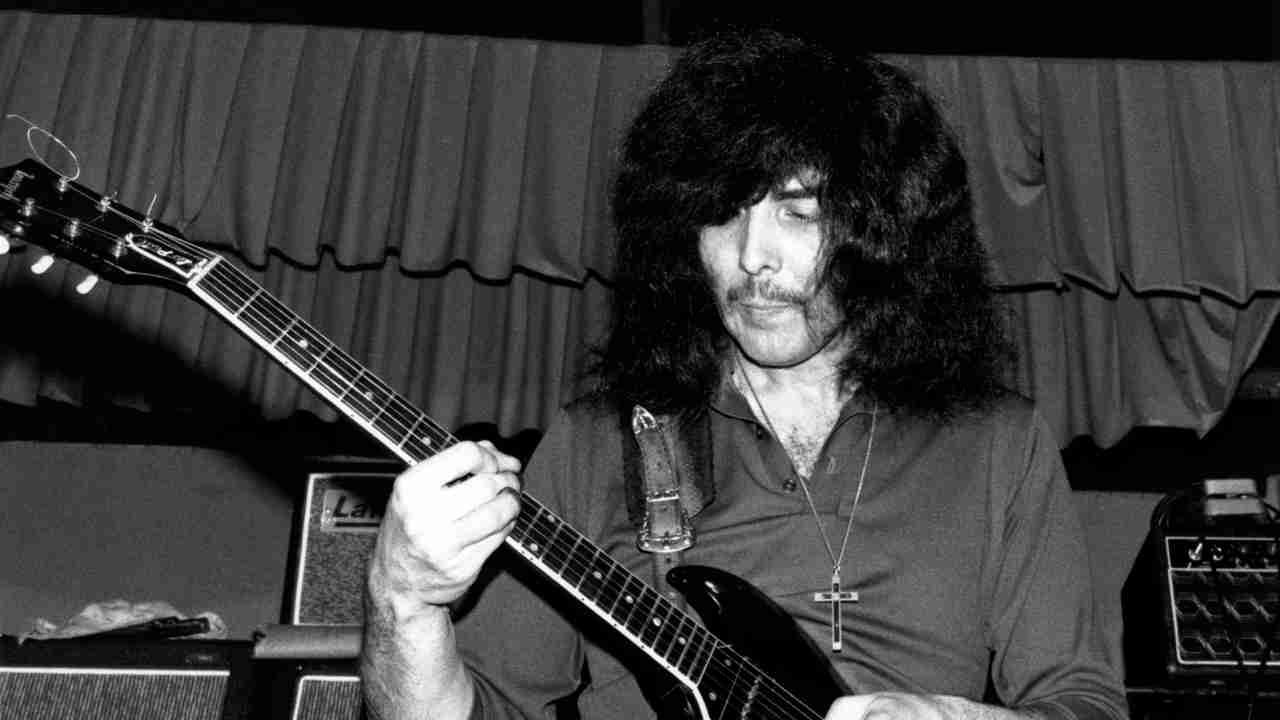
Black Sabbath‘s Tony Iommi performing onstage in the late 1960s (Image credit: Ellen Poppinga – K & K/Redferns)
Yet it’s this very grimness that many believe helped to turn Birmingham into the home of metal. It’s something of which Iommi is fully aware. In fact, he recalls vividly what it was like to be a young, aspiring musician in the city.
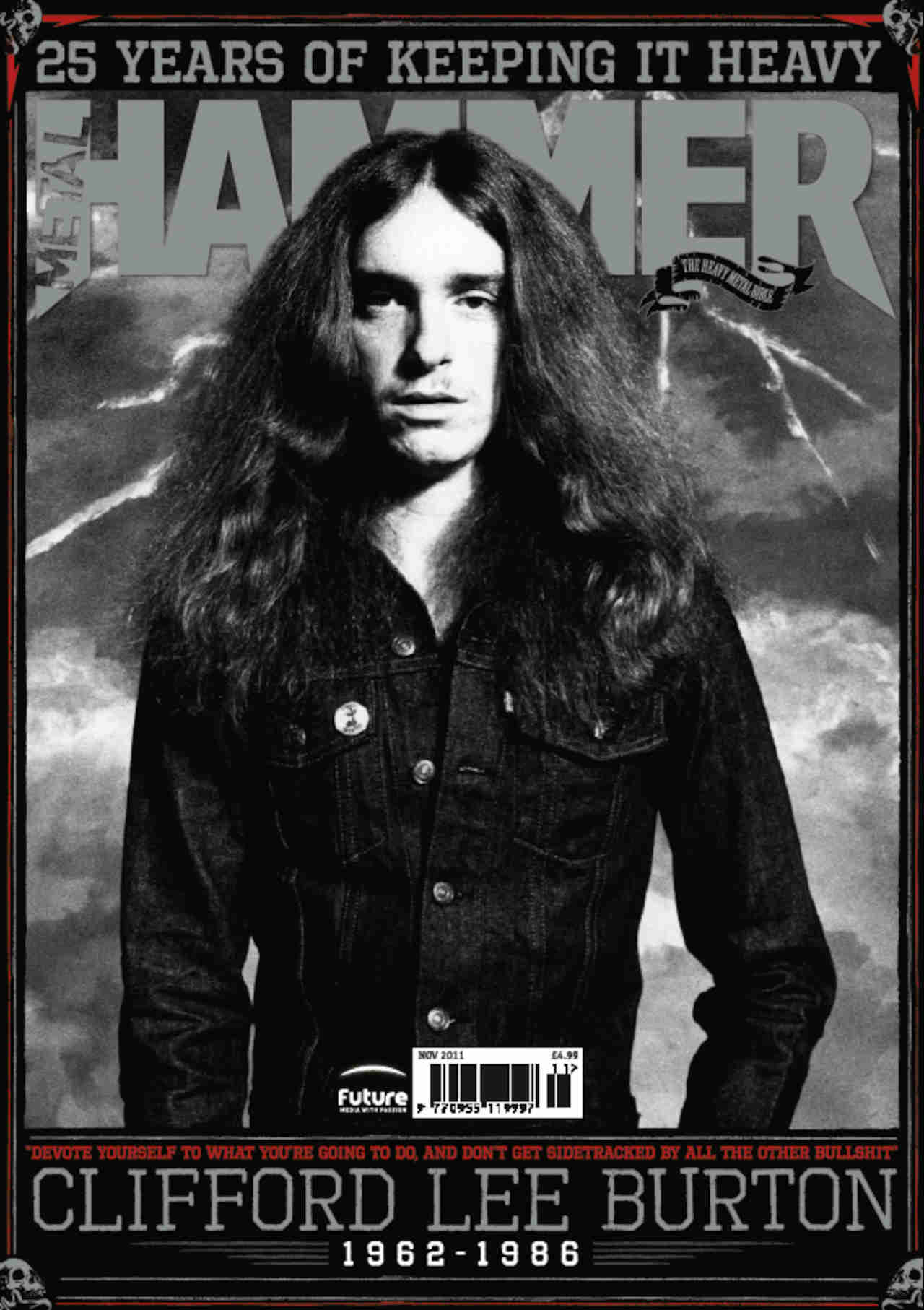
This feature originally appeared in Metal Hammer issue 224, September 2011 (Image credit: Future)
“It was very different type of community to, say, London. But we didn’t all know each other, despite playing in the same venues all the time. Sabbath knew Robert Plant and John Bonham from Led Zeppelin. They were local lads and John was in a different band every week, or so it seemed. He ended up being the best man at my first wedding. But the attitude in Birmingham at the time was that if you were in a band, then you stuck with them. You didn’t go off and play with others – that was seen as being disloyal. Today, everybody seems to have side-projects and plays with anyone. But in the late 1960s, if you were in a band, then that’s where you belonged. It was like a gang mentality, and you never changed gang membership!”
This sense of belonging together gave a lot of the local acts a feeling of camaraderie, something that perhaps helped to keep the city apart from other areas of the country where the loyalty factor was overridden by the demand for success. And Iommi still remembers Sabbath’s first ever London gig with a shudder.
“We played the Speakeasy, and we just felt out of place. Everyone looked so posh compared to us, and we really didn’t belong there at all. It took us ages to come to terms with London.”
It wasn’t only in the capital where Iommi had a sense of unease. If he turned to his family, he’d have his musical aspirations derided.
“Everyone – my parents, cousins, the whole family – kept telling me I needed to get a proper job and stop wasting my time. Well, I did have a job in a factory, but I was committed to being a professional musician.”
However, attitudes weren’t totally cut and dried. Iommi’s mother, in particular, actually played a role in helping the band.
“My dad liked Ozzy a lot, and thought he was really funny – which he was. But it was my mum who helped us out. She’d put up the money for us to hire a van for a gig. But then an hour later, she’d be going on at me. ‘When are you getting a proper job?’ she’d say like everyone else. It confused me, so much, the switch from being supportive to suddenly being the opposite.
“My mum came to a few gigs in the early days. But she thought we were too loud!”
“Oh, that’s when everyone was suddenly proud of me and what I’d done,” smirks the guitarist. “Members of the family would go round telling everyone that they were my cousin, uncle or whatever.”
It wasn’t just his family who failed to take Black Sabbath seriously. The band were shunned by the city of Birmingham for years.
“We were ignored for so long. That’s why it means so much that the city council gave their approval recently for the Home Of Metal exhibition, which celebrates what Birmingham has done for metal. Recognition at last.
“Up until this happened, we were ignored, and we’ve always not only been proud to be from here, we’ve also actively supported what’s going on. We’ve never made any big fuss about it, but Sabbath have donated money to hospitals for beds and much-needed machines, and to other local charities. The thing is, we did it without looking for publicity.
“I do remember a while ago when someone suggested the council erect a statue of us. It was covered on the local TV news, and afterwards two women said on air (adopts a sneering voice), ‘They want to put up a statue to them?’ So, I’m glad for the acceptance now.”
No rock autobiography would be complete without drug stories. And Iommi doesn’t hold back about the excesses he and the rest of Sabbath enjoyed during the hedonistic 1970s. But he’s also prepared now to talk about how hypocritical he was in the mid-1980s.
“When Glenn Hughes was in Sabbath (for the 1986 album Seventh Star), he was having major drug problems. In the end we had to get rid of him because of it. He was doing so much coke. By then I was off the stuff, although I’ll admit I did have the occasional line. So I was guilty of having a go at Glenn about his problems, while sneaking off to have a little myself!”
Iommi reveals that, for him, breaking the drug habit wasn’t as tough as it was for others.
“I’ve always been lucky in that I can stop doing something when I want. I did it with coke, also drinking and smoking, I just quit them. Sure, I did have the very occasional lapse, but I’ve not done even that for years. What happened was that when I lived in LA, coke was so easily available that it became very natural. You didn’t have to go too far to get any. But when I moved back to England, it was so much harder to find. And that encouraged me to quit.
“My second wife, Melinda, was always good at spotting when I’d been doing drugs. It didn’t matter how much I’d lie and deny it, all she’d say is, ‘I can tell when you’ve been doing it!’”
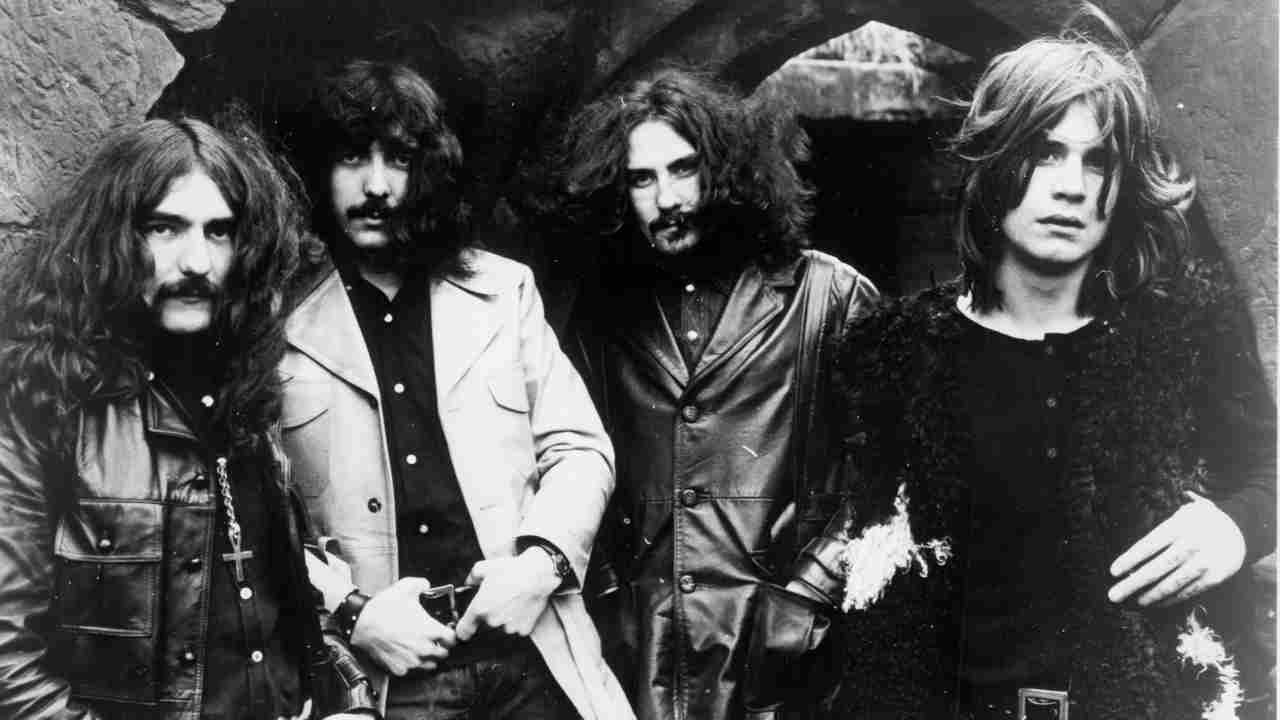
Black Sabbath in 1970: (from left) Geezer Butler, Tony Iommi, Bill Ward, Ozzy Osbourne (Image credit: Michael Ochs Archives/Getty Images)
Iommi has three ex-wives (he’s now married to Maria Sjöholm, who is described in the book as the love of his life), and the guitarist admits writing about those relationships meant he had to re-examine what went wrong with them.
“It would have been so easy just to have laid the blame on the ex-wives – and so wrong. I was at fault in my own way each time. So I had to be totally honest and tell it like it was, not like I wished it had been. I did cheat with other women, and there were other things that led to the break-up of each marriage. But that was one of the hard things with this book – opening up my private life the way it had to be done.”
Iommi also had to expose his innermost emotions over the death last year of Ronnie James Dio. And, sitting here even now talking about that painful moment clearly upsets him.
“It was the first time I’d seen a current bandmate die. We lost Ray Gillen [Sabbath singer in the mid-80s], but that was several years after he left the band. It was such a shock. Geezer was in LA with him all the time, but I was over here. One day, Geezer called and said that Ronnie’d taken a turn for the worst. I said I’d fly straight out, but he said, ‘You might not want to see the way he looks now.’ But before I could arrange to go out, he died.
“The thing is we were all getting on so well in Heaven & Hell. The problems we had in Sabbath when Ronnie was in the band were down to egos clashing, and we’d grown out of that. I’d learnt not to react when Ronnie blew up. You let it go and it passed. Before, I’d have a go back at him when he was in a mood, so things got worse.
“One of things about the funeral that sticks in my mind was seeing Ronnie’s body in the coffin. They’d done a very good job in hiding what the illness had done to him physically.”
As with anyone writing their life story, Iommi faced the publishers’ axe when it came to content. He had to cut out a lot of material, but he doesn’t feel that the book’s been compromised.
“I’d written a lot about my friends, but it was all very boring. Who wants to read about how I go out for dinner with them? It isn’t the sort of riveting stuff you expect from a book like this!
“I’ve had a lot of people ask me if I’ve written about them. I had Bev Bevan [an old friend of Iommi, who was briefly in Sabbath during the early 80s and appears on The Eternal Idol album as a guest] asking me the other day. I told him what I tell everyone: buy a copy and find out!”
Now it’s written, he certainly won’t be at a loose end, with plenty planned and rumoured. There are persistent reports of an original Black Sabbath reunion for a tour and possibly a new studio album. But the guitarist is far too wily to give anything away on this front.
“There are always stories. The Birmingham Mail took comments I’d made off the record and printed them as if it confirmed we were back together. I was indulging in speculation with a journalist I thought I could trust. Right now there’s nothing to say on the subject.”
But on stronger ground, Iommi is getting involved with the movie world. He’s signed up to compose the music for three films.
“It’s a deal with Mike Fleiss. He produced The Texas Chainsaw Massacre remake and Hostel. The first film will be a horror movie. Will I have a part in it? Absolutely not!”
For Tony Iommi the future stretches out as an exciting challenge.
“I’ve always had a positive attitude to life. Whenever I’ve been knocked back, I get up and start again. I did it when I lost the tips of two fingers in an industrial accident when I was 17. Doctors told me that I had no hope of playing guitar again. I refused to accept that. When I heard what Django Reinhardt, the jazz guitarist did with just two fingers it inspired me to find a way to carry on and become a musician. After that anything was – and is – possible!”
Originally published in Metal Hammer issue 224, September 2011. Tomy Iommi’s new solo album, From The Dark, is out on October 23 via BMG.
 I’m still getting to know the record, but right off the bat I’d say it feels as if they’re continuing to push the metal a little further into the backdrop, particularly when compared to the debut, resulting in something that feels even more aligned with the current throwback heavy prog scene. Sure, we could easily spend a week spotlighting an avalanche of ‘70s inspirations, but Celestial seems most fit to trot alongside an equally impressive stack of modern throwbackers that refuse to allow music fans to forget about the existence of hammond organs, Moog synthesizers and flutes. In particular, we are focusing on Papangu’s Nordic amigos, thanks to that region’s shared affinity for working in regional folk and, in some cases, splashes of actual heavy metal. Need a quick launching point / reminder? Look to bands such as

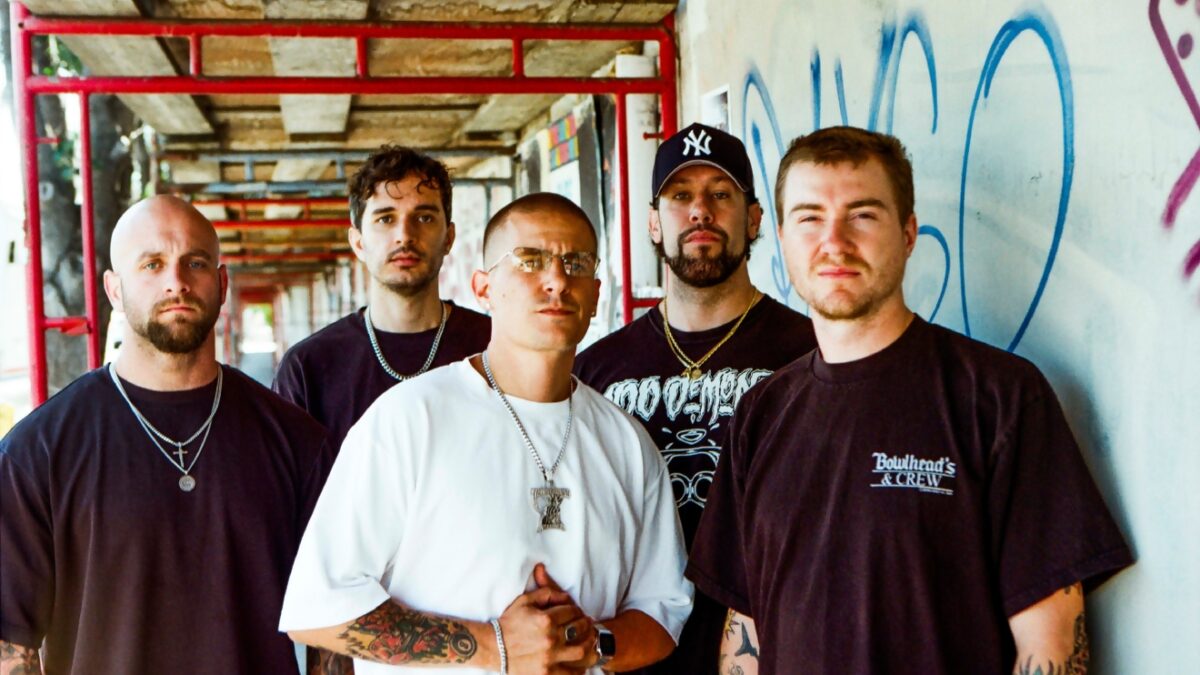


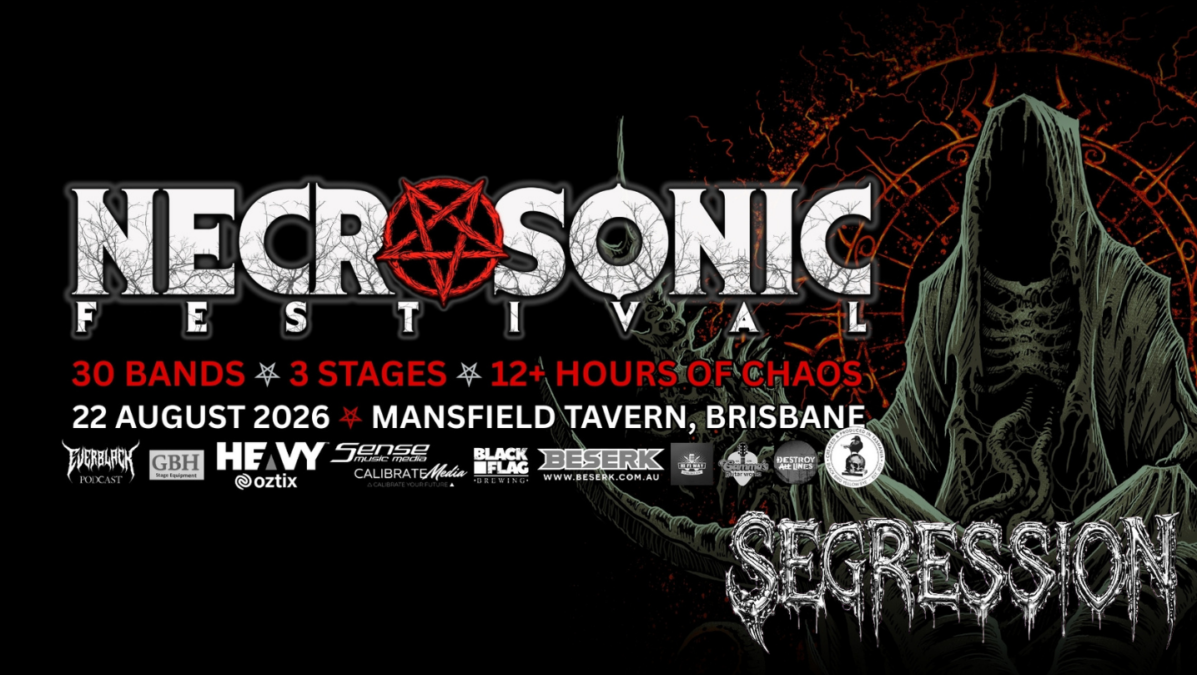 Necrosonic Festival returns to Mansfield Tavern on Saturday, August 22 2026, and the full lineup has been revealed to the masses! With dual headliners Rivers of Nihil (USA) and our very own Psycroptic, alongside exclusive reunions, one-off performances and long-awaited resurrections ~ this year’s ritual is the most formidable yet. With a massive deference to […]