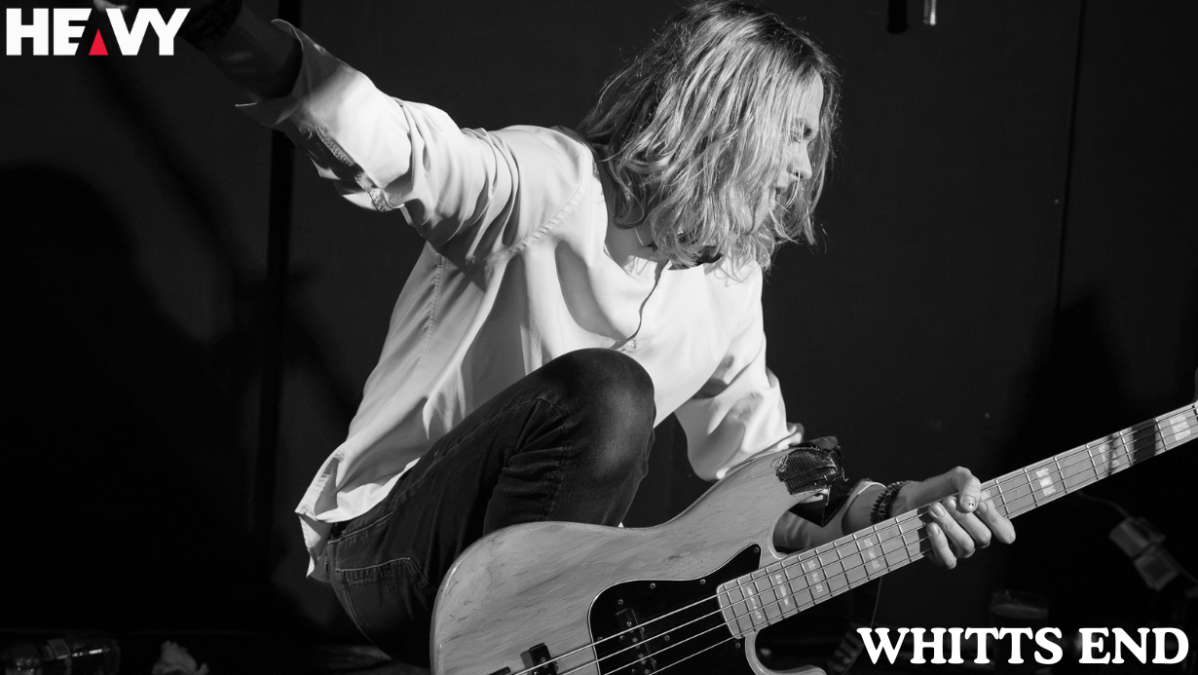
 With Mizzie Maxx Photo by Trix Photography @trixphotography_ From childhood inspiration sparked by AC/DC to building a name in Brisbane’s thriving original music scene, Whitt’s End has been making waves with their energetic live shows and honest songwriting. Brothers Saxon and Jarvis have already packed plenty into their musical journey, recently wrapping up dates on […]
Category: news
-
Whitt’s End Save It For Another Day
With Mizzie Maxx Photo by Trix Photography @trixphotography_ From childhood inspiration sparked by AC/DC to building a name in Brisbane’s thriving original music scene, Whitt’s End has been making waves with their energetic live shows and honest songwriting. Brothers Saxon and Jarvis have already packed plenty into their musical journey, recently wrapping up dates on […] -
MARCUS MILLER Returns to Australia in April 2027
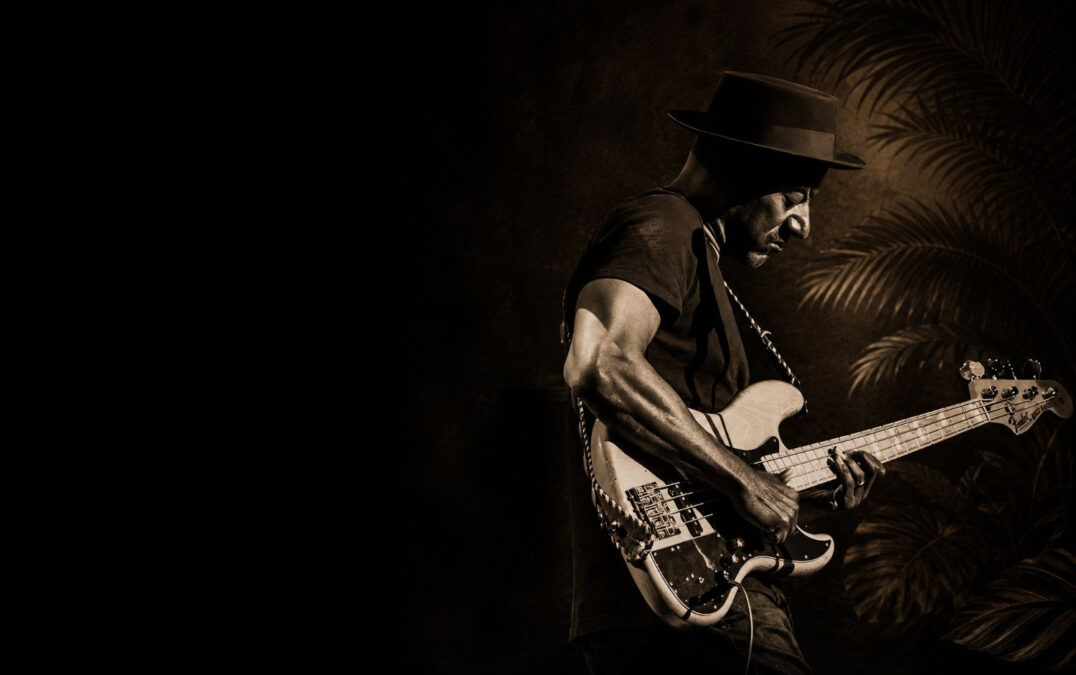 Five-time Grammy Award winner Marcus Miller will return to Australia next April for a national tour celebrating one of contemporary music’s true icons. As a bassist, composer, producer and bandleader, few musicians have played such a pivotal role in shaping modern music. During a remarkable career spanning more than four decades, Miller has collaborated with […]
-
Rebel Rose unleash video for new single “Don’t Panic!”
Rebel .
The post Rebel Rose unleash video for new single “Don’t Panic!” first appeared on Sleaze Roxx.
-
Gig review: MALMO MELODIC- Plan B, Malmo, Sweden, 24-26 July 2026
 Now in its third year, Malmo Melodic continues to grow in scale and stake a claim to be the world capital of the melodic rock community for one weekend. There were 30 countries represented, once again with the United Kingdom … Continue reading
The post Gig review: MALMO MELODIC- Plan B, Malmo, Sweden, 24-26 July 2026 appeared first on Get Ready to ROCK!.
-
NOIR ADDICTION: Pretty Things Don’t Last And Finding Comfort In The Dark
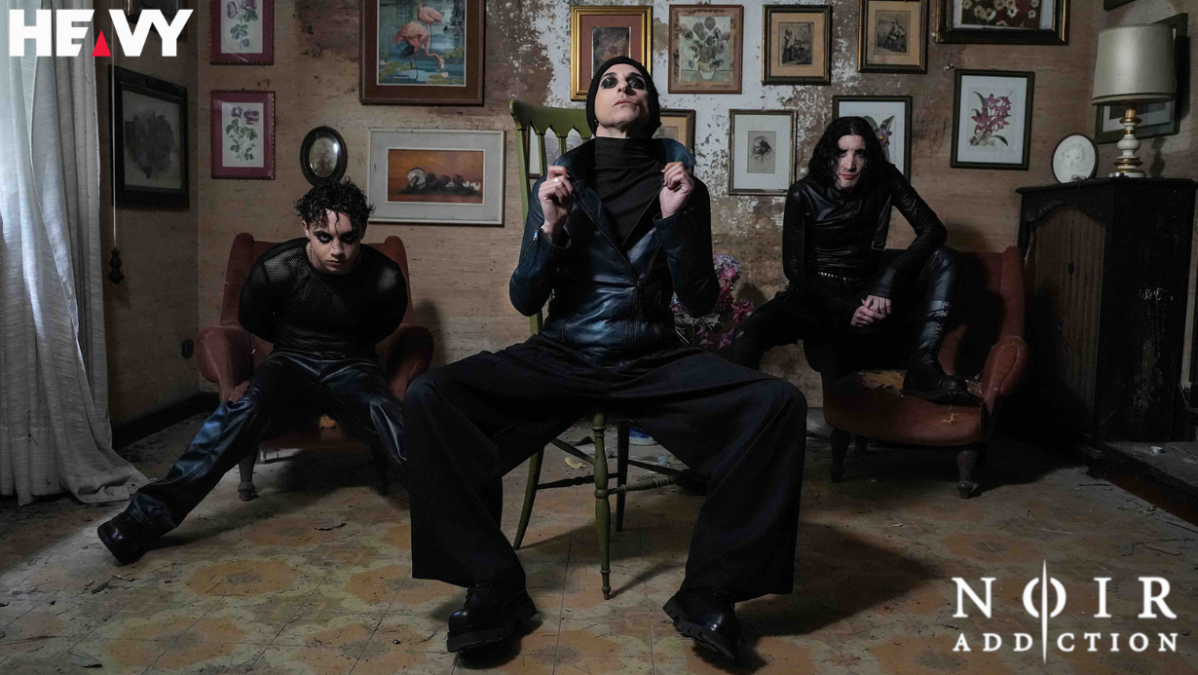 Interview by Angela Croudace For Sonny Lanegan, frontman of Noir Addiction, music is about creating something authentic enough to pull listeners into its world. Speaking about the band’s latest EP, Pretty Things Don’t Last, Sonny explained that its songs explore love, obsession, addiction and the desire to escape life. While each track stands on its […]
-
IRONFLAME – Worlds To Conquer (Album Review)
The conquests continue to stack up.
The analogy of medieval warfare to traditional expressions of heavy metal is an apt one, for the skill of the blacksmith and the swordsman alike tends to determine who walks off the battlefield. In this respect, multi-instrumentalist and composer Andrew D’Cagna is among the rare sort that forges his own tools and wields them in combat, boasting a healthy level of participation in the present American metal scene between more than half a dozen projects, spanning the subgenres of doom, folk, black, heavy, and power metal.
Though noteworthy bands like Icarus Witch and Nechochwen have seen fairly prolific output over the past decade with his input, his primary focus has remained upon the traditionally grounded heavy/power metal powerhouse outfit Ironflame. Now 6 full-length albums deep into a career that has seen D’Cagna going it mostly alone in the studio, Worlds To Conquer is the latest towering palace of sound to be constructed by this one-man metallic legion.
To those not initiated into this NWOTHM stalwart, Ironflame marches to the beat of a similar stylistic drum to that of fellow compatriots Visigoth and USPM revivalists Twisted Tower Dire. Epic themes of battlefields of a historical or fantastical character are implied in every single crushing riff and soaring vocal melody, tempered with a very methodical and polished approach to songwriting and execution that often resembles the gallantry of Hammerfall, but is more so rooted in the gritty character of 80s American heavy and power metal icons like Dio and Riot V.
Occasionally, D’Cagna’s outside involvement in various doom and black metal projects seeps into the stylistic flow of things, be it a dreary atmospheric passage or a slower-paced haunting metallic interlude reminiscent of Candlemass, and even a few isolated nods to the early 90s aesthetic of Scandinavian 2nd wave icons Darkthrone and Satyricon. Distilled into a cohesive opus by Andrew’s prowess as a guitarist, bassist, keyboardist and drummer; to speak nothing of his powerful tenor voice that is uncannily similar to that of Solitude Aeturnus’ own Robert Lowe, it’s a mighty undertaking by any standard.

In storybook fashion, Worlds To Conquer establishes a vivid setting and comes with a healthy supply of twists and turns befitting a grand tale. The somber ode of a lone piano sets an epic doom tone at the onset of the opener “Night Closes In”, which explodes into a galloping charge with a mighty battle cry ringing out of D’Cagna’s voice with every note, often adorned with rich intermittent harmonies that are echoed in the accompanying guitar assault. The follow-up crusher “Legion Of Fire” effectively blurs the lines between a vintage mid-80s USPM sound and a pummeling late 80s Bay Area thrash attack, upping the aggression ante further while maintaining a consonant melodic character topped off with a riveting guitar solo duel.
The mid-paced drive of “Dynasties Fall” lies on a heavy helping of Iron Maiden-inspired harmonized guitar splendor above a bottom-heavy foundation; meanwhile, the old-school metallic bluster of “Where Cauldrons Burn” and “Shadow Slave” function as near-complete throwbacks to the 80s heyday of Dio and Armored Saint. With each passing anthem, the plot thickens further, pushing towards an explosive apex point, yet all the while never really venturing too far outside of what would be considered a conventional song.
The fast-paced cruiser “Crimson Shores” generally functions as another thrash-infused power anthem with an even more amped up drum performance and some occasional bass flourishes to complement the busy guitar work, not to mention featuring the most technically charged guitar solo section of the album. “Valhalla Is Calling” manages to take it a step further by trading in the thrashing quickness for a more progressive blend of ideas, frequently shifting in feel and stylistic dimension from a Crimson Glory-inspired metallic upsurge to a pulled-back Candlemass-infused stomp, then segues into a blast beat interlude out of nowhere for added measure.
The final hurrah and title entry “Worlds To Conquer” would seem to have practically nowhere to go relative to its 2 predecessors, yet stands tall at the top of the fray by delivering the most spellbinding vocal showcase out of D’Cagna above the most mercilessly memorable earworm anthem of the whole bunch.
30 years prior, the American mainstream was delivering what it thought was the eulogy of old-school heavy metal, and it might well have been so were it not for the defiance of bands of the same pedigree as this one. Much like the booming NWOTHM movement that has coincided with its 2016 birth, Ironflame is a band that stands on the old ways without even the hint of an apology, and isn’t afraid to take risks when the moment is right.
There might be times when this album feels like it came out alongside the mid to late 90s exploits of Twisted Tower Dire’s debut and Slough Feg’s Twilight Of The Idols, but it packs enough of a modern punch to be perfectly at home with what heavy/power metal has been bringing to the table in 2026. It’s a slight cut below the legendary offering that was this outfit’s third studio LP, Blood Red Victory, and smash sophomore outing, Tales Of Splendor And Sorrow, but core fans of this band and traditional metal in general will find an opus that wants for very little here.
Release Date: August 14th, 2026
Record Label: High Roller Records
Genre: Heavy MetalMusicians:
- Andrew D’Cagna / Vocals
- Quinn Lukas / Guitars
- Jesse Scott / Guitars
- James Babcock / Bass
- Noah Skiba / Drums
Worlds To Conquer Tracklist:
- Night Closes In
- Legion of Fire
- Dynasties Fall
- Where Cauldrons Burn
- Shadow Slave
- Crimson Shores
- Valhalla is Calling
- Worlds to Conquer
- Death’s Immortal Flame (CD Bonus Track)
Order the album here.
The post IRONFLAME – Worlds To Conquer (Album Review) appeared first on Sonic Perspectives.
-
Rod Stewart Cancels Shows Following Heart Procedure
Read the singer's statement updating fans on his health. Continue reading… -
TOMB SLAB – Tomb Slab (Album Review)
Primordial sludge unearthed.
Like a decrepit old corpse that has been marinating in the earth for a few decades and decided to rise again just to remind the surrounding town what’s waiting for them in the future, sludge is an art form that just seems to get better with age. This was perhaps best understood by the New Orleans scene that perfected the craft after the initial strides of its Pacific Northwest forerunners Melvins, though the hardcore-infused doom metal bug didn’t take long to make its way across the pond and plant a few auspicious seeds like that of Nottingham’s own Iron Monkey.
Roughly 30 years to the day that said outfit made a respectable studio splash in the mid to late 90s, a new disciple of sorts has emerged from the same locale in Tomb Slab, built out of several active members of the English Midlands’ underground extreme metal scene and bringing a more blackened take on the sludge equation, forging an eponymous debut that could be best described as pleasantly modern in its traditional ugliness.
At every turn, this outfit telegraphs their influences in the most overt ways possible, yet paints them with such an intense enthusiasm that it comes off as music that could have been unleashed in ’96 were the production of a more lo-fi character. Guitarist James Caygill’s mud-steeped riffs and feedback-rich tone are almost dead-ringers for the sort of filthy sounds that Jimmy Bower and Brian Patton were drawing from the instrument during Eyehategod’s heyday, though at times the underlying Black Sabbath influences are more pronounced.This tendency towards a vintage doom sound is further bolstered by the loose jamming quality of the rhythm section, particularly that of Kez Whelan’s drumming, which often feels like a slightly slower emulation of Bill Ward’s classic early 70s handiwork with shades of Chris Hakius’ cymbal-heavy attack, whereas John Hunter’s bass work is more straightforward and anchors an otherwise chaotic arrangement. The outlier of the pack is vocalist Dean Lettice, who opts for a uniform blackened shriek that puts a diabolical twist on an otherwise agony-based aesthetic.

As a total package, Tomb Slab comes close to blurring the lines between a studio LP and an EP, opting to give the listener six individual tracks the hard way in just over half an hour yet leaving nothing to the imagination. Leaning heavily into a more traditional doom feel, the opening 6-minute slough “Kingdom Of Tyranny” pummels the auditory marshlands with the force of an anvil, and the massive splash of decrepit water and earth lands somewhere halfway between a blistering Nola offering and a more laid-back stoner anthem, albeit with a raving voice at the helm.
The maddened resound of “The Butcher” kicks up the tempo a bit more following a choir of guitar feedback and a glassy bass exposition of the main riff and definitely ranks as one of the heaviest offerings of the bunch, while the quick-paced heavy rocking ode to Clive Barker’s classic Irish horror flick “Rawhead” has banger entry written all over it. The up-tempo carnage continues with a mighty slab of Iommi-inspired riffing with double the fury, “What’s Below Remains Below”, which is contrasted by the punishingly slow and harrowing trudge of “Tomb Of Flesh”, taking the cake in terms of raw, unrefined nastiness alongside the elongated final blast of down-tempo sonic suffering “Toils Of The Unclean Spirit”.
Though enthusiasm often finds itself standing in the stead of originality in Tomb Slab’s playbook, the sheer level of the former effectively cancels out any deficit in the latter. Then again, there is definitely something to be said for how changing a single element in the equation, in this case the vocal approach, can shift its dimensions into something far more unique.This isn’t to say that Lettice’s approach is entirely without precedent, and Johnny Morrow’s often higher-pitched shrieks did strike a bleak and agonized tone that was undoubtedly an influence on how these songs were crafted, but the former just takes it a step further and presents a rather interesting alternative universe where Gorgoroth or Darkthrone ended up dabbling in sludge/doom.
The result is something that is not entirely a retread, but can still be best appreciated as a heartfelt tribute to a sound that was all the rage 3 decades ago and has been making the rounds again in recent years, and definitely something with lots of future potential.
Release Date: July 17th, 2026
Record Label: Independent
Genre: Blackened Doom/ Sludge MetalMusicians:
- Kez Whelan / Drums
- John Hunter / Bass
- James Caygill / Guitars
- Dean Lettice / Vocals
Tomb Slab Tracklist:
- Kingdom of Tyranny
- The Butcher
- Rawhead
- What’s Below Remains Below
- Tomb of Flesh
- Toils of the Unclean Spirit
Order the album here.
The post TOMB SLAB – Tomb Slab (Album Review) appeared first on Sonic Perspectives.
-
Live Gallery: Kittie – Club Academy, Manchester
Live Gallery: Kittie – Club Academy, Manchester
10th August 2025
Support: Split Chain, Harpy
Photos: Rich PriceWe look back at the epic Kittie show through the eyes of our photographer Rich Price!
Kittie


Split Chain


Harpy


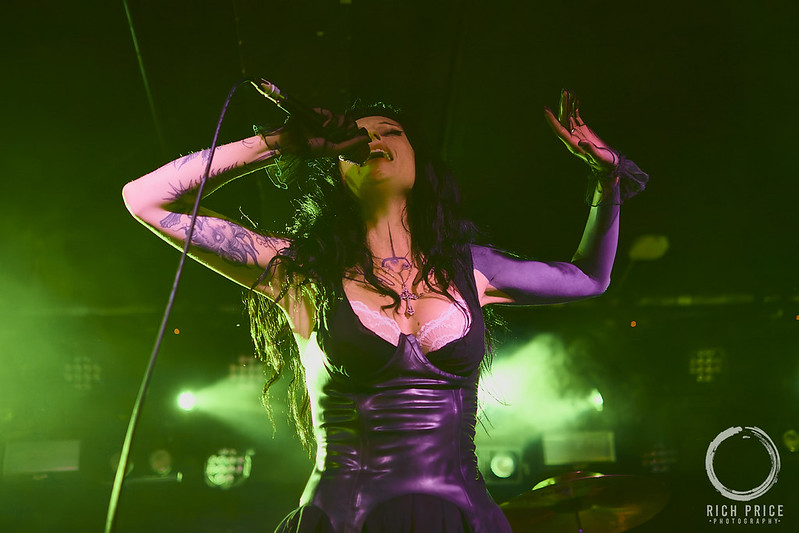
Photo credits: Rich Price
For all the latest news, reviews, interviews across the heavy metal spectrum follow THE RAZORS’S EDGE on facebook, twitter and instagram.
The post Live Gallery: Kittie – Club Academy, Manchester appeared first on The Razor's Edge.
-
Four Suspects Wearing Metal Shirts In A Bulgarian Courtroom Just Restarted The Satanic Panic

Four of the five teenagers accused of killing 37-year-old Georgi Kuzev in Plovdiv, Bulgaria appeared at their August 7 hearing wearing band merch — Powerwolf, Mayhem, Pantera and Sepultura. Within days the shirts, not the case, had become national news.
A Bulgarian tabloid ran a headline claiming Satanic black metal brought the accused together, and the country started arguing about whether heavy music makes people violent. Louder reported the story on August 11. If you’ve been in this scene longer than five minutes, you already know how this goes.
 STREAM THE METAL BREAKDOWN DAILY NOW:
Scott Penfold gets into the latest hard rock and metal news on today’s edition of The Metal Breakdown Daily. Download the free Loaded Radio App on Apple iOS and Google Play and get it every weekday morning.
What actually happened
Let’s separate the two stories, because the coverage has welded them together and they don’t belong together.
The case. Georgi Kuzev, 37, died in Plovdiv after an assault on August 4. Prosecutors allege that five teenagers, imitating an online far-right “paedophile hunter” group, arranged a meeting between Kuzev and a 17-year-old girl posing as 15, then attacked him for roughly an hour at Youth Hill. He was taken to hospital and died several hours later.
The Plovdiv District Court ruled on August 7 that all five would remain in custody, finding sufficient evidence to reasonably assume they attacked Kuzev and no evidence that he provoked them. Two of the accused have appeals scheduled. Nobody has been convicted of anything.
And this part matters enormously: prosecutors have stated that Kuzev had never been charged with any sexual offence, and that he did not lie about his age during the online exchanges.
The media story. Four of the accused wore metal shirts to that hearing. The tabloid 24 Chasa ran a piece under a headline — translated from Bulgarian — claiming Satanic black metal brings together the teenage killers from Plovdiv. The article, via Louder, alleged that the bands in question send aggressive messages and model brutal violence for their fans, and focused heavily on Varg Vikernes, the former Mayhem bassist convicted in 1994 of murdering Øystein “Euronymous” Aarseth and burning churches, released on parole in 2009.
Bulgarian broadcaster Nova reported that the shirts had led to widespread speculation that the teens’ musical taste was what prompted the aggression.
None of the four bands have commented. There is no indication any of them are aware they’ve been drafted into a Bulgarian tabloid’s causal theory of murder.
 LIVE & LOUD: Stream the World’s Hardest Radio Station 24/7
The obvious problem
Powerwolf are a German power metal band who dress like cartoon werewolves and write songs about vampires with a wink. They are, structurally, a heavy metal pantomime. Sepultura are Brazilian legends who are on their farewell run. Pantera are Pantera — Texas groove metal, the single most mainstream band on that list.
Mayhem are genuinely extreme and genuinely have a violent history attached to a former member from thirty years ago. Fine. But the argument being made isn’t about Mayhem. It’s about four shirts averaged into one word — Satanic — and then presented as motive.
A Bulgarian commenter on the 24 Chasa Facebook post put it more efficiently than any of us could: Pantera and Sepultura have nothing to do with Satanism, Mayhem is a different conversation, and the music has nothing to do with any of it.
Another one, which is the whole argument in a sentence: the problem isn’t the shirts and it isn’t the music, it’s moral values, upbringing, parental control, and above all the absence of parents from their own children’s lives.
That’s a fan of nothing in particular making a sharper point than the paper did.
We Also Recommend – Blackgaze: Why the Most Controversial Genre in Metal is Stronger Than Ever in 2026
We have been here so many times
Here’s why this lands differently for us than it does for the general news reader.
In 1990, the parents of a young American man who attempted suicide brought civil action against Judas Priest, alleging the band had buried the phrase “do it” in a 1978 track. The case was dismissed. Priest were a primary target of the PMRC throughout that era, and the Reno trial is now a documented low point in how seriously courts were willing to take this stuff.
In 1999, after Columbine, Marilyn Manson was blamed by politicians and media outlets for two shooters who, it later turned out, weren’t even fans.
Not once — not one single time — has any metal artist been found legally responsible for a crime committed by a listener.
That’s a thirty-five-year, multi-continent, repeatedly-tested record. And it doesn’t matter, because the panic was never really an argument. It’s a shortcut. Something incomprehensible happens, and pointing at a t-shirt is faster and more satisfying than examining radicalisation, online vigilante culture, or what these particular kids were actually consuming — which, per prosecutors, was a far-right vigilante group, not a Powerwolf record.
That’s the part that should sting. The alleged blueprint here is documented, and it’s political, and it’s online, and nobody in the Bulgarian coverage is leading with it. The shirts are easier.

Why it keeps working
Metal makes a perfect scapegoat and always has. The imagery is deliberately transgressive. The logos are unreadable. The album covers are designed to alarm exactly the kind of person who ends up writing these stories. The scene has spent fifty years cultivating an aesthetic of menace and then acts surprised when someone takes the costume literally.
But the research keeps landing on the other side. Study after study finds metal fans to be no more violent than anyone else, and in some measures rather more thoughtful than the genres nobody worries about. The community that gets painted as a violence factory is, in practice, the one that picks strangers up off the floor of a pit.
Meanwhile a man is dead, five families are destroyed, and the national conversation is about band merchandise.
That’s the real cost of a moral panic. Not that it insults us — we can take it. It’s that it burns the oxygen that should be going to why five teenagers thought a vigilante ambush was a reasonable evening.
Check This Out – Black Metal Bands Unleashed: The 13 Most Influential Masters of Brutal Metal
TL;DR
- What happened: four of five teenagers accused of killing Georgi Kuzev, 37, in Plovdiv, Bulgaria wore Powerwolf, Mayhem, Pantera and Sepultura shirts to their August 7 hearing.
- The reaction: tabloid 24 Chasa ran a headline claiming Satanic black metal brought the accused together and alleged the bands model brutal violence; broadcaster Nova reported widespread speculation that their music taste caused the aggression.
- What the case actually alleges: prosecutors say the teens imitated an online far-right “paedophile hunter” group and lured Kuzev to a meeting before assaulting him. He had never been charged with any sexual offence and did not lie about his age.
- Legal status: all five remain in custody. Nobody has been convicted. Two appeals were scheduled for August 13.
- The precedent: no metal artist has ever been found legally responsible for a crime committed by a fan — including the dismissed 1990 Judas Priest subliminal case and the post-Columbine campaign against Marilyn Manson.
- Band response: none of the four bands have commented.
FAQ
What happened in the Bulgarian metal t-shirt court case?
Four of the five teenagers accused of killing 37-year-old Georgi Kuzev in Plovdiv wore heavy metal band shirts — Powerwolf, Mayhem, Pantera and Sepultura — to their hearing on August 7, 2026. Bulgarian media seized on the clothing, with tabloid 24 Chasa running a headline claiming Satanic black metal brought the accused together, prompting a national debate about whether heavy music encourages violence.
What are the teenagers accused of?
Prosecutors allege that five teenagers, imitating an online far-right “paedophile hunter” group, arranged for Kuzev to meet a 17-year-old girl posing as 15, then assaulted him for around an hour at Youth Hill in Plovdiv on August 4, 2026. He died in hospital several hours later. Prosecutors have stated Kuzev was never charged with any sexual offence and did not lie about his age. All five remain in custody and none has been convicted.
Does listening to heavy metal cause violence?
There is no established evidence that it does, and no heavy metal artist has ever been found legally responsible for a crime committed by a fan. The 1990 civil case against Judas Priest over alleged subliminal messages was dismissed, and the post-Columbine campaign blaming Marilyn Manson collapsed under scrutiny. Research has consistently failed to establish a causal link between metal fandom and violent behaviour.
Have the bands responded?
No. As of publication, none of Powerwolf, Mayhem, Pantera or Sepultura have commented on the case or on being named in Bulgarian coverage.
Why was Mayhem singled out in the coverage?
Bulgarian tabloid coverage focused on former Mayhem bassist Varg Vikernes, who was sentenced in 1994 to 21 years — then Norway’s maximum — for the murder of guitarist Øystein “Euronymous” Aarseth and a series of church burnings. He was released on parole in 2009. The other three bands named have no comparable history.
Every generation gets its own version of this story, and the shirts change but the argument never does. Have you ever been judged for what’s on your chest? Tell us below, and keep it locked on the Loaded Radio stream — follow Loaded Radio for daily rock and metal news.
The post Four Suspects Wearing Metal Shirts In A Bulgarian Courtroom Just Restarted The Satanic Panic appeared first on Loaded Radio.