In wake of their forthcoming LP release Beyond Spacetime, prog/power metal ensemble Signum Regis offer in listening a new track “Time To Pay” featuring guest vocalist Tim Ripper Owens.
Read more…
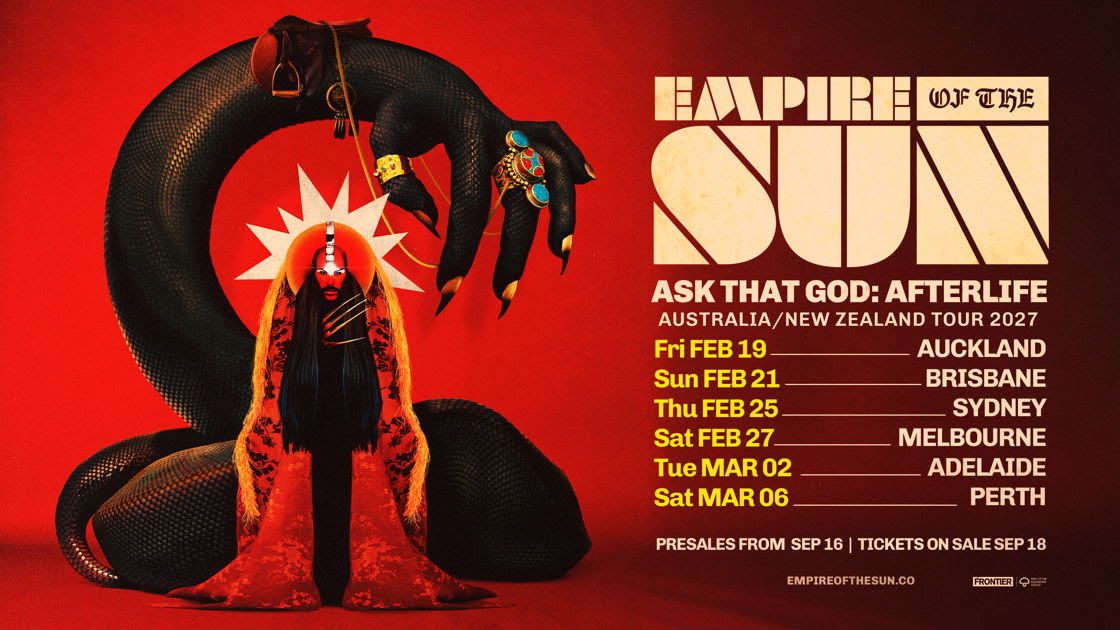 Frontier Touring is thrilled to announce that Australia’s own Empire of the Sun, one of the country’s most visionary music projects, will bring the Ask That God: Afterlife Tour to Australia and New Zealand in February and March 2027. The six-date run will be the band’s largest tour of the region to date. When Australian […]
”I watch MTV and it’s hard not to throw shit at the TV set because it’s so fucking boring. Even the bands around here in LA are the same way, the whole music industry. We meet these people and they say, ‘Do this, do that.’ And we go, ‘Fuck it, fuck you!’ Because it’s just not us. We do whatever we want to…” Axl Rose, 1986
Scene: exterior of a club, the Sunset Strip, Hollywood, an undetermined night in the mid-80s. The imaginary camera in your head pans across the sidewalk, taking in the otherworldly images. Crowds of people of unspecified and indistinguishable gender cluster in pools of neon, some of them gripping half-full beer bottles, others clutching empty shot glasses. The chatter of voices and clack of high heels is drowned out by a choir of Harley Davison engines roaring by. Someone throws a bottle over their shoulder, not caring where it lands. It arcs up and down, then smashes in the busy street. Someone laughs,and they all head towards the door.
Cut to: the club’s interior. The imaginary camera weaves around the tightly-packed crowd, cutting through the hairpsray smog as it heads towards the front of this tiny venue. On the club’s stage, five junkie-looking men in last night’s make-up and last week’s leather trousers are train-crashing through a new song they’ve just written called Welcome To The Jungle. The drape behind them reads ‘Guns N’ Roses’, with a logo to match. Besides them, a trio of barely-clothed women gyrate in their underwear. It’s hot and getting hotter…
The song rattles to a halt and the singer – a rail-thin streak of sinew and rage with an explosion of flaming candy-floss hair and a tomcat’s howl – opens his mouth. “You have to excuse me,” he spits. “I haven’t been asleep in 48 hours, I think. I am coming down on my fuckin’ dope. So this next song is about getting too fuckin’ high. This song is called My Michelle.” Welcome to Hollywood, baby.
More than 30 years on, such scenes have slipped from reality into myth. But Guns N’ Roses were all too real. They waltzed with the Devil down Sunset Strip, danced with Mr Brownstone in long-vanished clubs, and rose above Hollywood on a pillar of flame that would go on to engulf the world. They were – and still are – the great leveller; an unstoppable force in rock and metal’s evolution over the past three decades. Ask any musician from any band in any genre, and they’ll pretty much all tell you how important Guns N’ Roses are to them. In terms of music, in terms of attitude, in terms of lifestyle.
“Guns N’ Roses is my favourite band of all time,” says M Shadows of Avenged Sevenfold. “I love that band. You can compare us all you want – they’re a huge reason why I’m in a band, and even write music. My dad gave me Appetite For Destruction when it came out.”
Shadows would be the first to admit his band are standing on the shoulders of giants. Guns N’ Roses didn’t invent rock’n’roll or carnage, but they perfected it. At their cliché-defying best – that is, at any point between 1985, when they formed, and 1991, when they got so big and bloated you could see them from space – they truly were the most dangerous band in the world. “We were a train wreck,” says original drummer Steven Adler. “But you couldn’t take your eyes off us.”
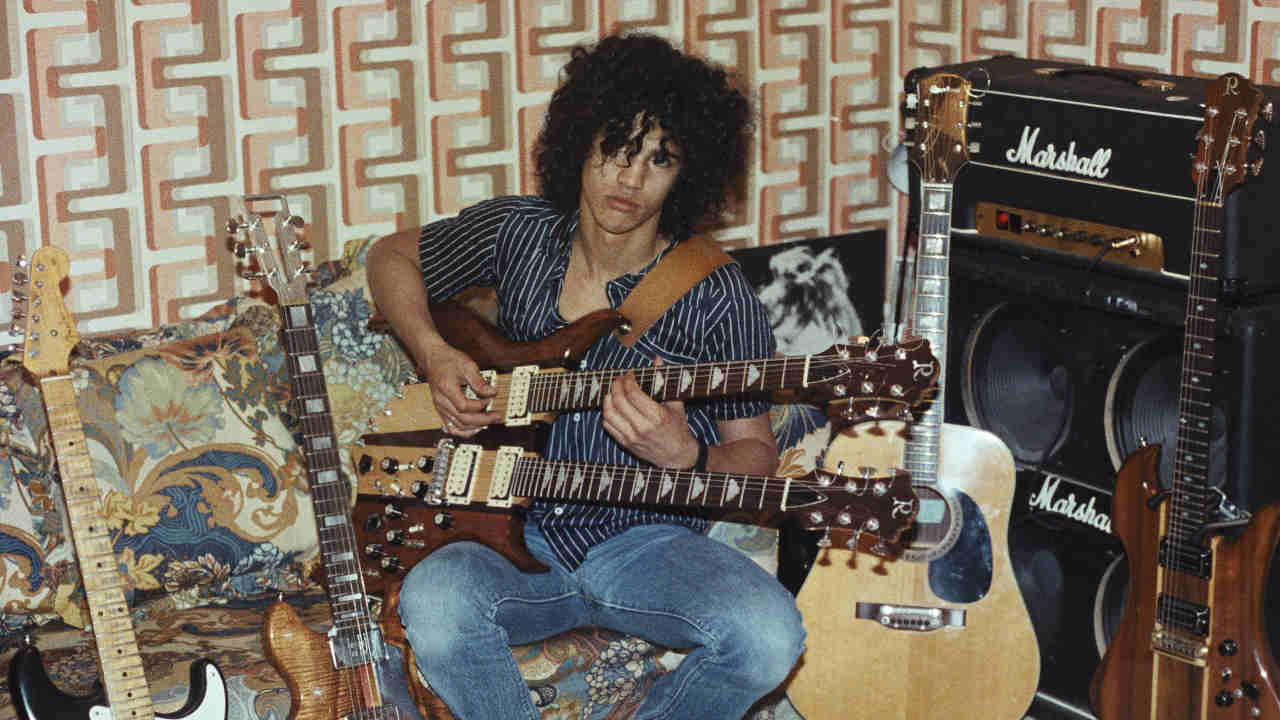
Guns N’ Roses was built on chaos. In late 1982, a 20-year-old kid from the hick city of Indiana named Bill Bailey arrived in Los Angeles in search of fame, fortune or anything in-between. One of the first people he met in Los Angeles was another Indiana transplant, an old schoolfriend and budding guitarist named Jeff Isbell. Within a few months, both had renamed themselves. Bill Bailey became Axl Rose and Jeff Isbell renamed himself Izzy Stradlin’.
Axl was a bundle of trouble, even as a kid. “I remember, the first day at school there was this big fucking commotion,” Izzy later recalled. “I heard all these books hit the ground, yelling, and then he went running past. A bunch of fucking teachers chasing him down the hallway…”
At the same time as the young Axl was giving his teachers the finger, at a different school 2000 miles away two of his future bandmates were plotting their own dreams of rock’n’roll stardom. Steven Adler was a pupil at Bancroft High, just off Santa Monica Boulevard in LA. An aspiring drummer, Adler befriended an English-born, mixed-race kid named Saul Hudson. It would be a few years before Saul started calling himself Slash. But he was already on the way.
“He was one of the cool kids,” says Steven now, his slurred voice the result of a series of strokes and heart attacks brought on by a lifetime of hardcore drug abuse (though he’s currently clean). “I gave him his first guitar when he was 12 years old. He was writing songs a week later. We started ditching school three weeks into knowing him. We’d walk up and down Sunset, Santa Monica and Hollywood Boulevard, and that guitar went everywhere with him.”
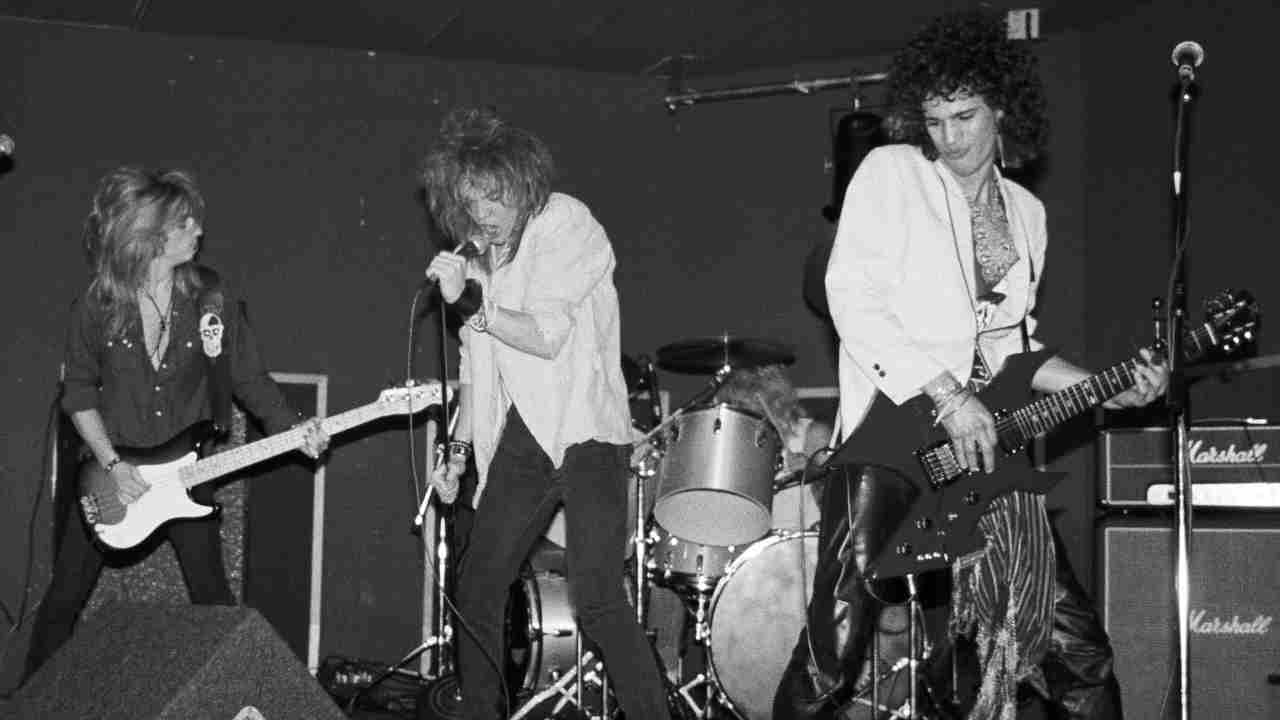
For all that, it was years before they actually played in a band together. The Sunset Strip scene of the late 70s and early 80s was basically a collection of random musicians joining each others’ bands for a few weeks or months at a time, then moving on to something else. It wasn’t until the middle of 1984, when Adler joined Slash’s band Roadcrew, that the pair finally teamed up. Even then, they both had a firm eye on the competition.
“You’d walk up and down Sunset and see all these flyers everywhere,” says Steven.“Me and Slash were hanging out at the Rainbow and we saw this one flyer on the sidewalk and picked it up. The guitar player and singer looked really cool, so we went to see them at Gazarri’s.”
The guitarist was Izzy Stradlin’, the singer was Axl Rose, and their band was called Hollywood Rose – or maybe just Rose, depending on what they decided to put on their flyers. The two parties hooked up, played a few gigs… then fell apart. Slash joined a band called Black Sheep. Izzy joined perpetual no-hopers London. Axl teamed up with a guitarist named Tracii Guns in LA Guns. In April 1985, the latter would change their name to reflect their two key members: Guns N’ Roses.
By June 1985, Tracii Guns was out and Slash, Izzy and Adler were all back in, as was a beanpole bass player from Seattle named Duff McKagan. This soon-to-be-classic lineup bonded over a trip to Seattle, which started with their car breaking down 25 miles outside of LA and ended with them unsuccessfully trying to burn down the actual venue they were playing in.
Their chief role models were the big beasts of the 1970s: Led Zeppelin, Aerosmith, the classic icons of the tight-trousered titans who laid down the foundation stone for arena rock and heavy metal. But there was no bloat here: Guns N’ Roses were street punks in rock stars’ clothing.
“We always read in magazines how they did it their way,” remembers Steven. “We figured that we’d do it our way, and fuck everybody else. When people told us, ‘Do it like this,’ we’d go, ‘Fuck you, we’re gonna do it like that.’ We were not going to take any shit from anybody.”
Vicky Hamilton would play a key part in the early development of the band that would become GN’R, first as their booker and then as their manager. She was working at a booking agency and managing various hopeful bands when Axl and Izzy introduced themselves to her.
“Axl said, ‘Can we come in and play you a demo?’” she recalls now. “I was, like, ‘No, put it in the mail to me.’ ‘Well, we want to bring it in and play it.’ ‘Well, I don’t have a stereo.’ And Axl went, ‘That’s okay, I’ll just bring a ghetto blaster.’ They played me the demo, and it was unbelievable.I’d worked with Poison, Stryper, Mötley Crüe. But this was a different animal. It felt a lot more dangerous. They felt like outlaws.”
Next to a bunch of pampered poodles like Poison, Guns N’ Roses were a pack of feral dogs. The two bands hated each other. They would paper over each others’ flyers until telephone poles were inches thick. “Lock me in a room with Poison, and there’s only gonna be one person walking out,” spat Axl.
Even early on, Axl was a unique figure. “He had his issues,” says Steven. “But he had this real charismatic, Jim Morrison kind of aura around him. One minute you’re in love with him, the next you’re going, ‘What the fuck does that mean?’”
It was a constant game to see who would end up on the receiving end of the singer’s hair-trigger temper. “Axl used to be one of those guys who, if he even thought someone was looking at him weird, would just haul off and smack ‘em,” Izzy later recalled. “And sometimes the people he went for weren’t even looking at him.”
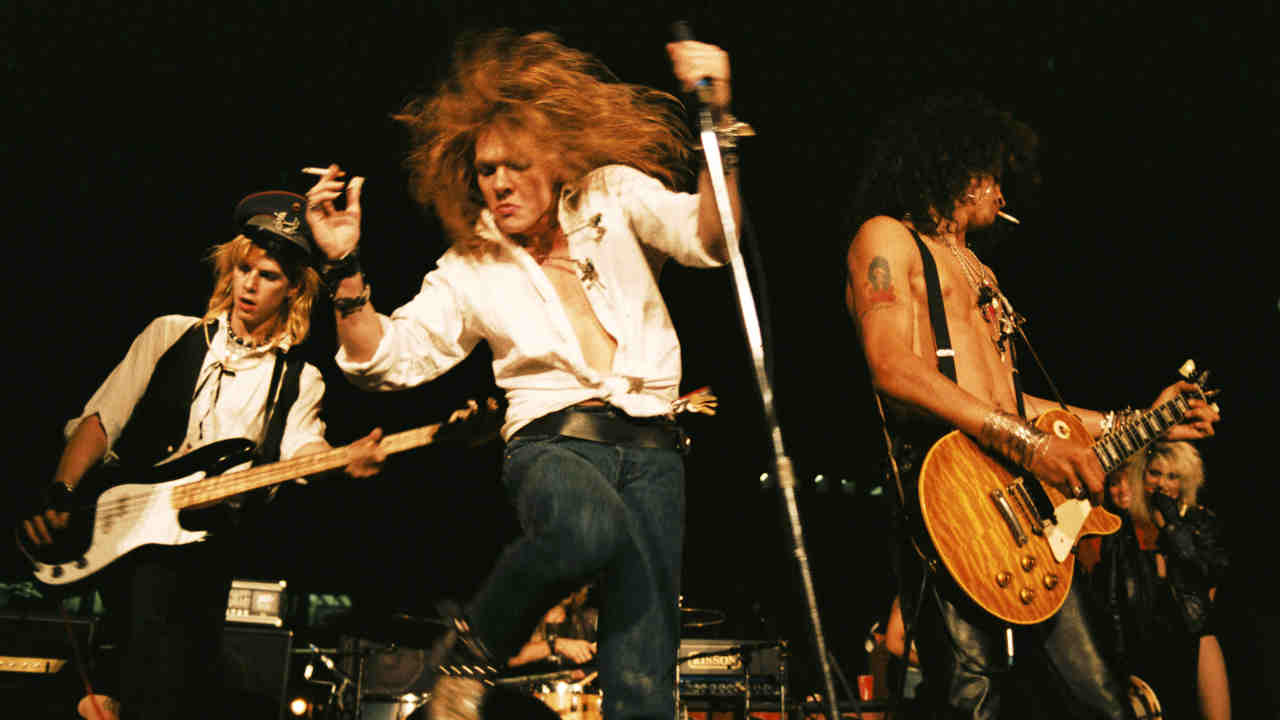
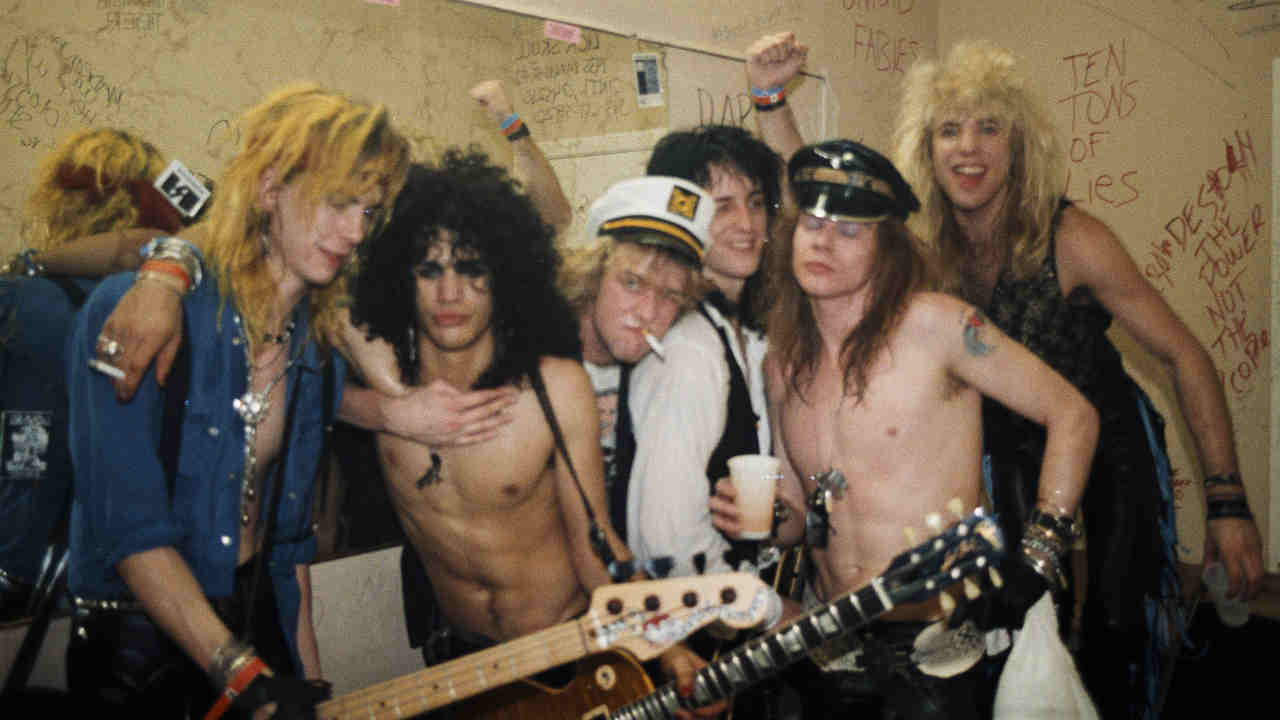
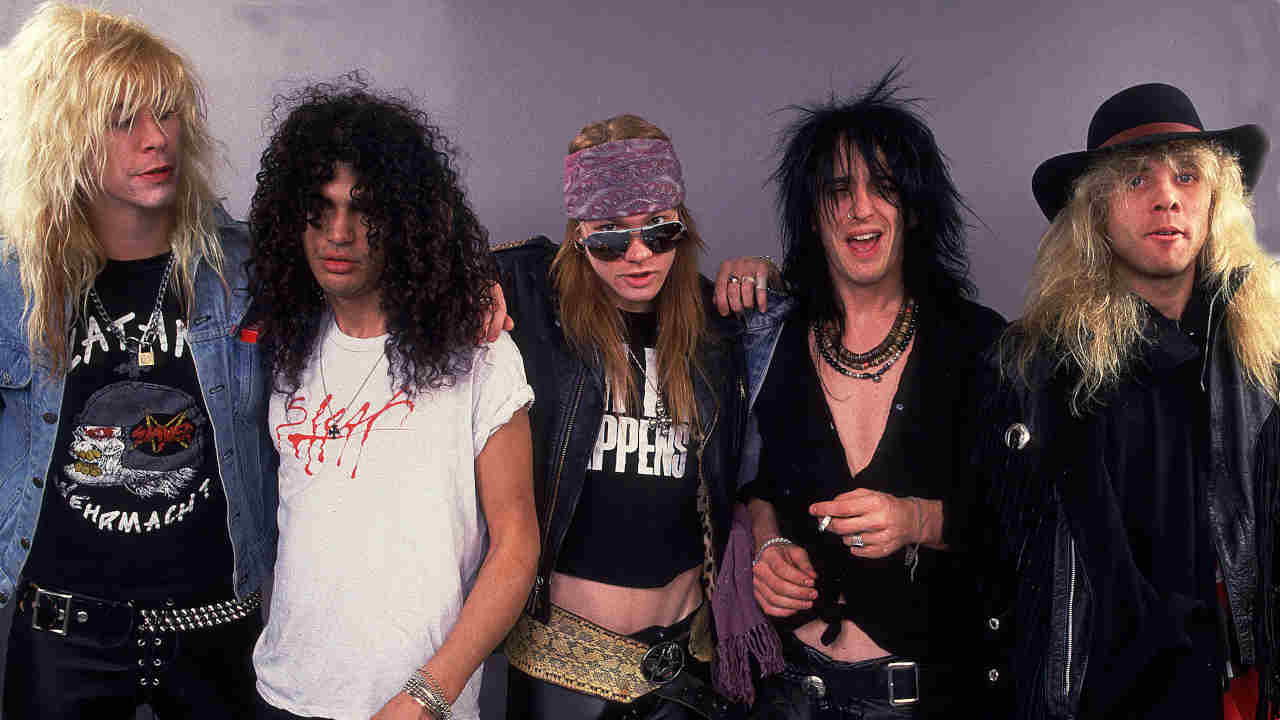
But Guns N’ Roses was far from just The Axl Rose Show. This was a band of five distinct characters: the volatile frontman in Axl; the elegantly wasted, top hat-sporting Slash; the relentlessly eager, clown-ish Adler; dyed-in-the-wool punk rocker Duff; the effortlessly cool Izzy. The latter was the mystery component, even to his bandmates.
“Izzy was very quiet and he only had a small circle of friends,” recalls Vicky Hamilton. “His humour was very cynical. He was early on the drug path. He was already going to rehab before those guys even started.”
Their individual personalities fed into the songs they were writing. By the end of 1985, half the songs that would make it onto Appetite For Destruction were in their set.
“When we first started, none of us were perfect at playing, apart from maybe Slash,” admits Steven. “But it was something we really enjoyed doing, and that was more important than getting great at playing. It was a match made in heaven. Then it went right to hell.”
In most bands, there’s a ‘sensible one’. Guns N’ Roses weren’t most bands. They had five distinctly insensible ones. According to Steven, the closest they did had to a steady hand was him, which shows just how fucked-up things were.
“Man, I was the sensible one,” he laughs. “I was the one saying, ‘Come on, this is our dream coming true, let’s not throw it away.’ The whole thing was this crazy, out-of-control monster.”
In reality, the soberest member of the band was Axl. Although ‘sober’ is a relative term. “I don’t abstain from doing drugs, but I won’t allow myself to have a fuckin’ habit,” he told writer Del James in 1989. “I’ll have done blow [cocaine] for three days and my mind will go, ‘Fuck no.’ I’ll just refuse to do coke that day. The same thing with heroin. I did it for three weeks straight… with a girl I wanted to be with, and we just sat there listening to Led Zeppelin, doing drugs and fucking. I stopped on Saturday because I had serious business to attend to on Monday. I can’t hide in drugs.”
His advice to would-be druggies was “don’t get a habit, don’t use anybody else’s needle and don’t let drugs become a prerequisite to having a good time.” Unfortunately, his bandmates weren’t listening. Slash and Izzy were full-on junkies, and Adler was coming up fast on the inside. Duff, on the other hand, was a borderline alcoholic, presumably just to be different.
“I love the guy a lot, but the fact is Slash is not what you’d call your thinkin’ man’s drug-user,” Izzy said of his fellow guitarist. “He’s real careless, doing really shitty things like OD-ing in other people’s apartments. A lot.”
Sex was arguably even higher on their list of priorities, at least for some members. “The concept of safe sex didn’t exist before then,” said Slash. “I was running around, dick wet from one pussy going into another.”
The gloves were off when it came to sexual competition between the fivesome too, with various women flying through the ranks. The band would have contests to see who could get the most blowjobs in one day. “I won that every time,” boasts Steven now. “It didn’t matter if you were hard or not. If she put it in her mouth, that counted. My record was 13 in a day. Lucky 13.”
Nor were any of them worried about the spectre of AIDS – the big sexual bogeyman of the day. “I’ve been tested for AIDS a few times,” admitted Slash at the time. “But honestly, the first time I was tested I didn’t care about the result in terms of my own mortality. I was more concerned about the fact that if it was positive, I wouldn’t be able to get laid for however long it took for me to kick the bucket.”
The sexual charge that fired the band crackled onstage, too. Hollywood wasn’t short of strippers, many of whom were befriended by the band. Performances would be enhanced by dancers who were in various states of undress.
The girls had another use, too. Some of them would take band members under their wings, and sometimes into their beds. Given that your average stripper earned far more than most struggling musicians, it guaranteed them a warm meal and a hot shower alongside any other perks that may have, ahem, arisen.
“Strippers were our sustenance for the longest time,” recalled Slash of that era. “We crashed at the strippers’ houses and that’s where we got extra cash.”
When they weren’t enjoying the mothering instincts of LA’s finest exotic dancers, the band lived in a loft in their rehearsal room. It was freezing cold and there was no plumbing. They would light bonfires in the car park. They were effectively homeless people in leather trousers.
In the autumn of 1985, Vicky Hamilton got a call from Slash. “Can Axl stay on your couch for a little while?” he asked. “The cops are looking for him.” The singer had been accused of a sexual assault, and they were basically on the run from the law (the charges were later dropped).
“I said, ‘Oh boy, okay, for a couple of days,’” she says. “What was supposed to be a couple of days ended up being six months. It started with Axl on my couch, and then a few days later the rest of the band moved their gear in.”
Her one-bedroom apartment just off the Sunset Strip became the epicentre of the carnage. At any given time, there would be anything between eight and 20 people in the place: five musicians, assorted roadies, various girlfriends and any number of one-night stands. It wasn’t so much a home as an animal house. But even then there was a pecking order.
“Axl was always on the couch and the rest would be in sleeping bags in the pretend-dining room,” says Vicky. “They were terrible house guests. My roommate and I would barricade ourselves in the bedroom.”
It was Hamilton who helped Guns N’ Roses to the next level. She passed on a tape to Tom Zutaut, superstar A&R man with Geffen Records. Zutaut had spotted Mötley Crüe and turned them into superstars. He planned to do the same with Guns. On February 28, 1986, he saw them for the first time at The Troubadour nightclub. Less than a month later, he had signed them to Geffen for a $75,000 advance.
Not that the deal doused the band’s fire. On the day they were due to sign with Geffen, Axl and Steven got into a fight at Vicky’s apartment. It was a big one.
“Axl wouldn’t go to Geffen Records down the street and sign the deal,” says Steven. “I was pissed at him, and we got into it. Just destroyed the place. It was fucking crazy.”
It was also the final straw for the apartment’s long-suffering owners, who promptly evicted Vicky and her unruly house pests. “My landlord was, like, ‘Get them the fuck out of here,’” she says, laughing. “I got them a record deal, they got me evicted.”
Guns N’ Roses were too tightly bound to each other to let a fist-fight knock their accelerating juggernaut off course. “It was a gang mentality,” insists Steven. “We were one for all, all for one. The three musketeers. Or the five musketeers.” He laughs. “With guitars and a drumkit.”
Geffen half-heartedly tried to tame them. Vicky Hamilton was replaced as manager by Alan Niven, and the band were moved into a shared hovel in an effort to fire their creativity. The plan backfired when the quintet spent their advance on getting even more fucked up. The name they gave their new abode pretty much tells you all you need to know: The Hell House.“A lot of crabs were transferred in that place,” noted Slash years later.
“It was,” added Duff McKagan, “a place where the whole sleaziness of the band could fester.”Their new paymasters managed to wrangle them into the studio to record their debut EP, the mock-live Live ?!*@ Like A Suicide: a four-track, 14-minute blast of sleaze and venom with crowd noises pilfered from 70s mega-festival the Texxas Jam. Anyone unsure of where Guns N’ Roses were coming from only needed to look at the titles of two of its songs: Reckless Life and a cover of Nice Boys (Don’t Play Rock’N’Roll).
What happened next has been cut-up, chewed over and regurgitated countless times down the years. Guns N’ Roses recorded their debut album, Appetite For Destruction, with producer Mike Clink. Released in June 1987, it ultimately exploded like nothing ever had before it. By the end of 1988, it had sold in excess of ten million copies (today that figure stands at an impressive 18 million). Guns N’ Roses weren’t just the most dangerous band in the world. They were also the biggest. “We wanted to change the world,” says Steven Adler. “And we did.”
They did. Even today, if you want to get to the heart Guns N’ Roses and the era in which they emerged, just crank up Appetite For Destruction itself. It’s not just one of the greatest records ever released, it’s a document of a time, a place and a band that will never be repeated.
Now that’s Hollywood, baby.
Originally published in Metal Hammer 264 (November 2014)
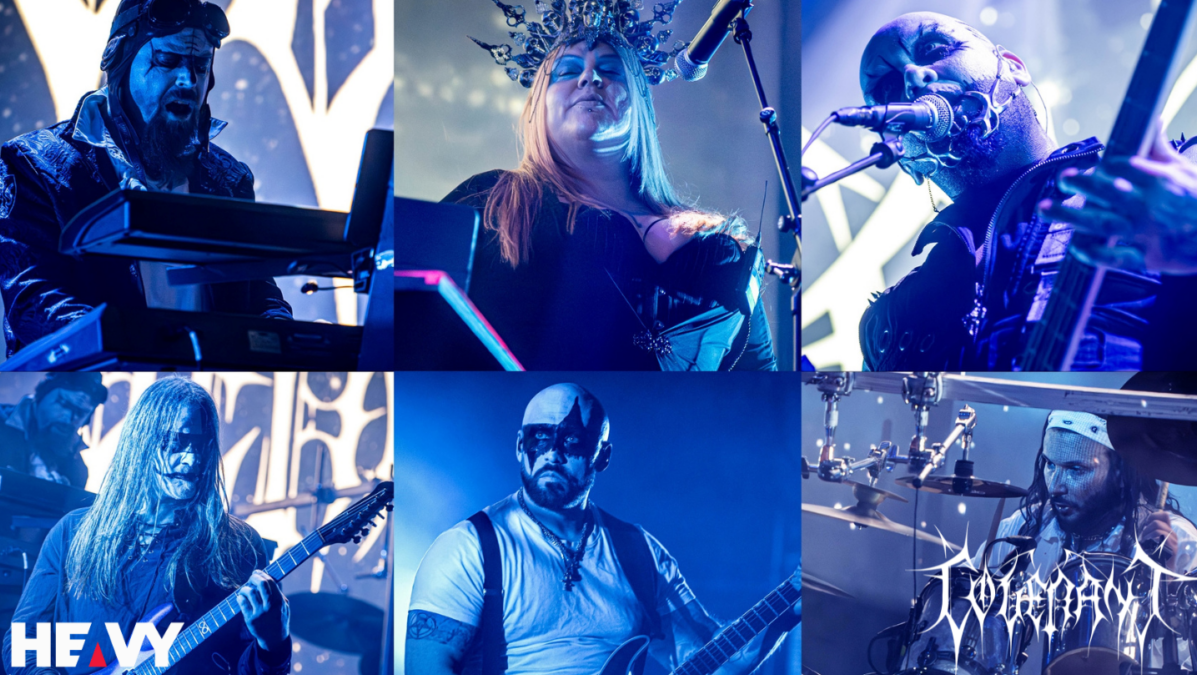 Australia, stretch your necks and brace your ear drums, because the metal gods have smiled upon us once again. After nearly three long decades of waiting, industrial symphonic black metal royalty The Kovenant are finally crossing the equator to make their monumental Australian debut this week. Let that sink in for a second. Thirty years. […]
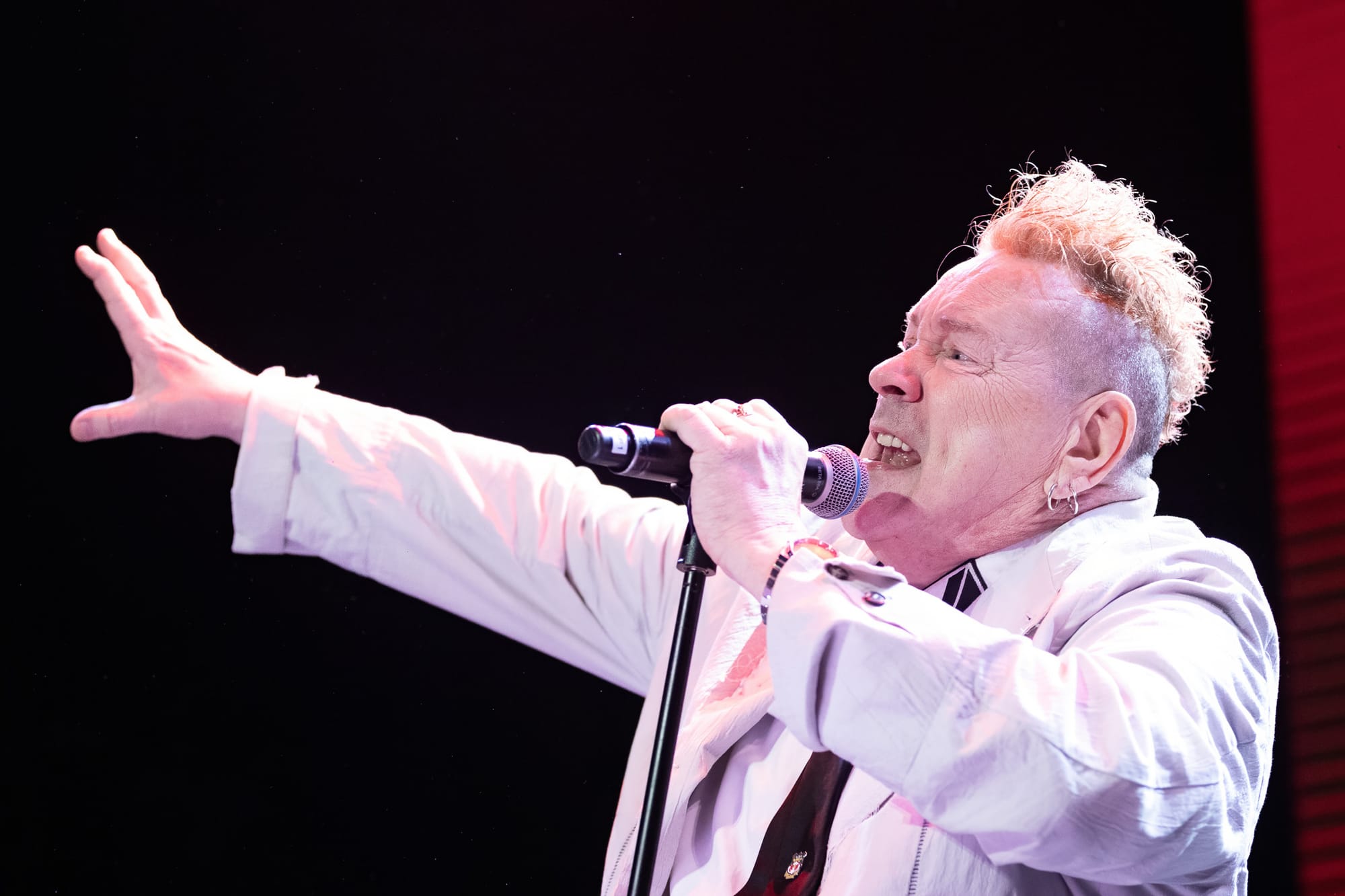
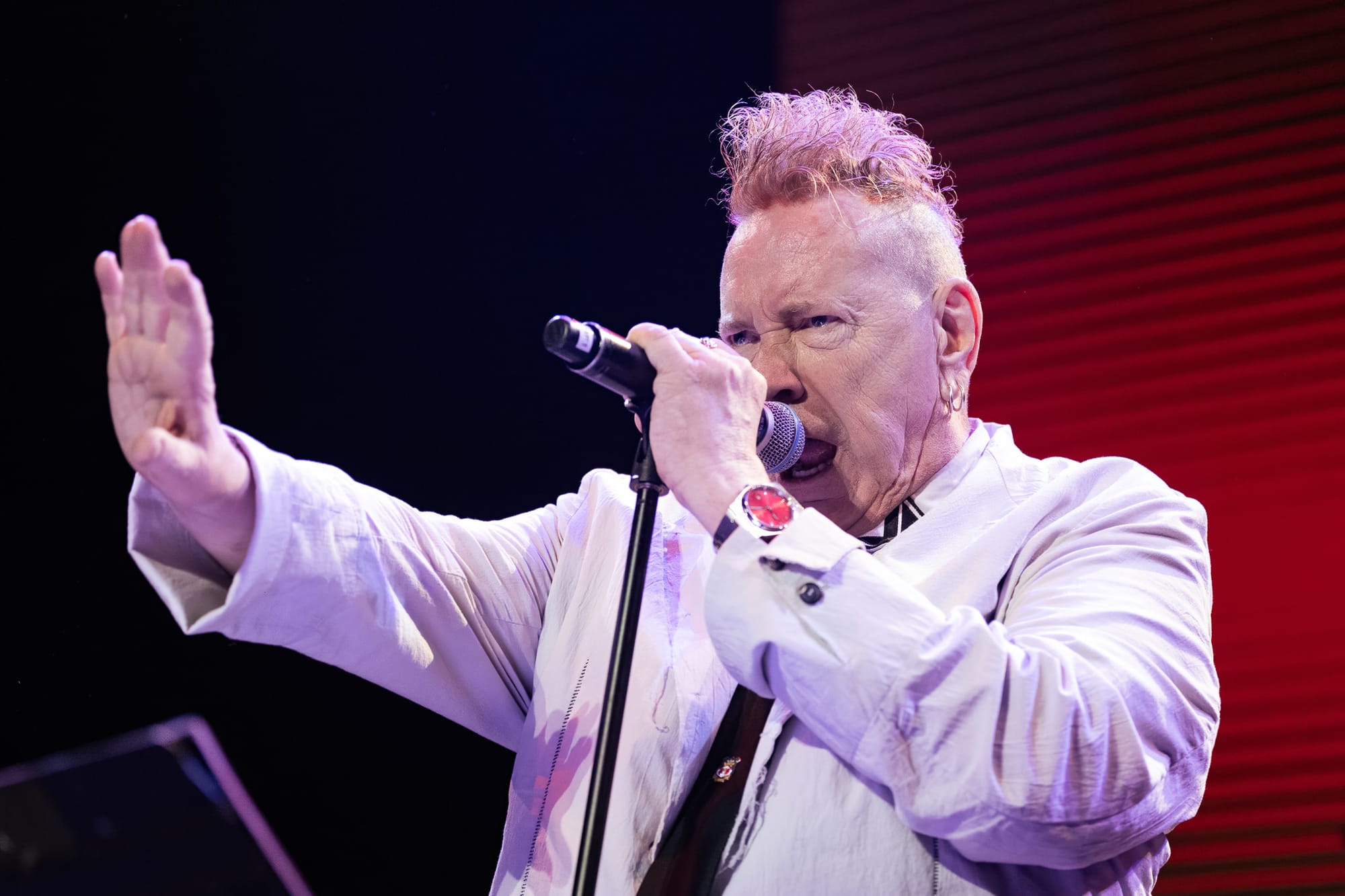
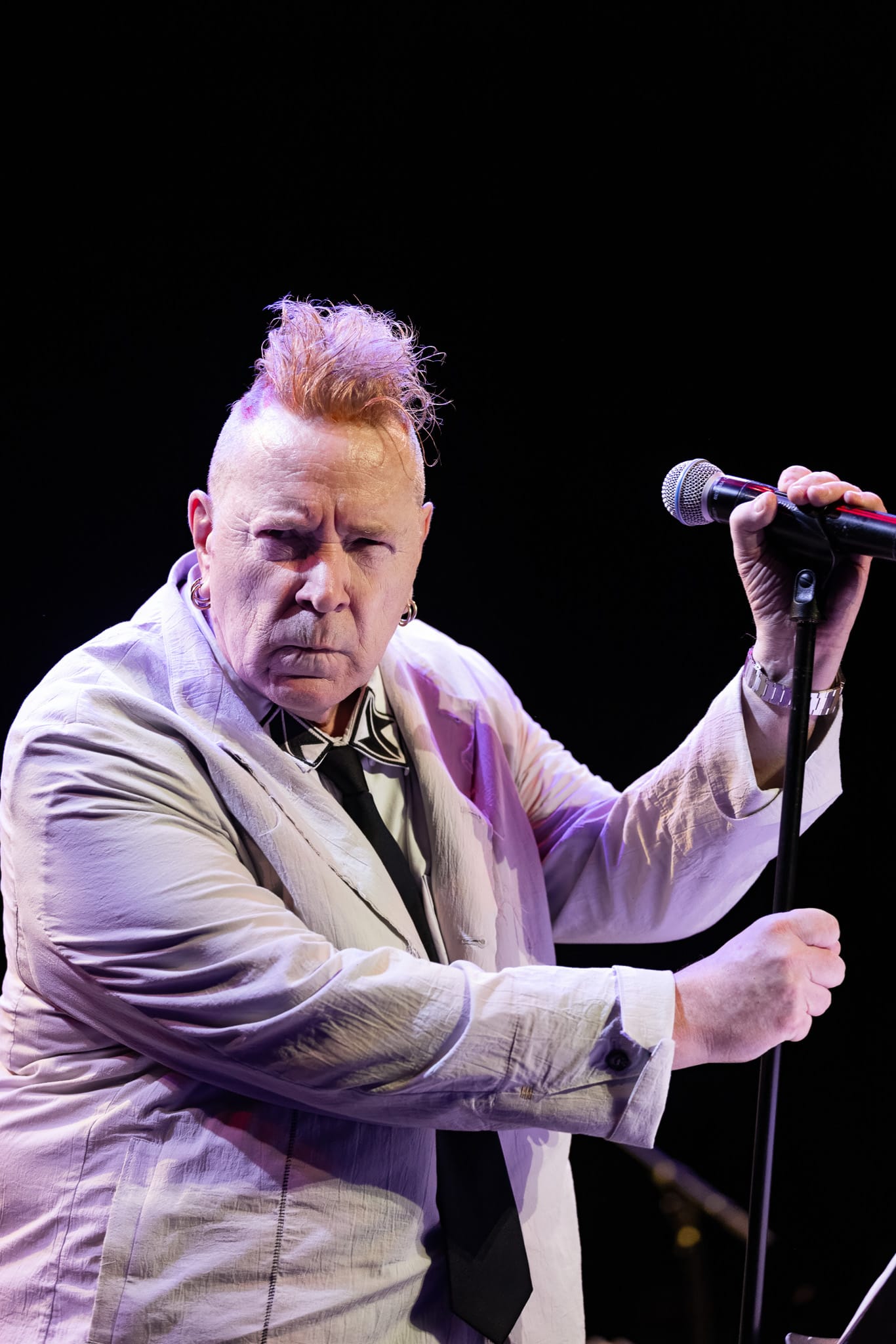
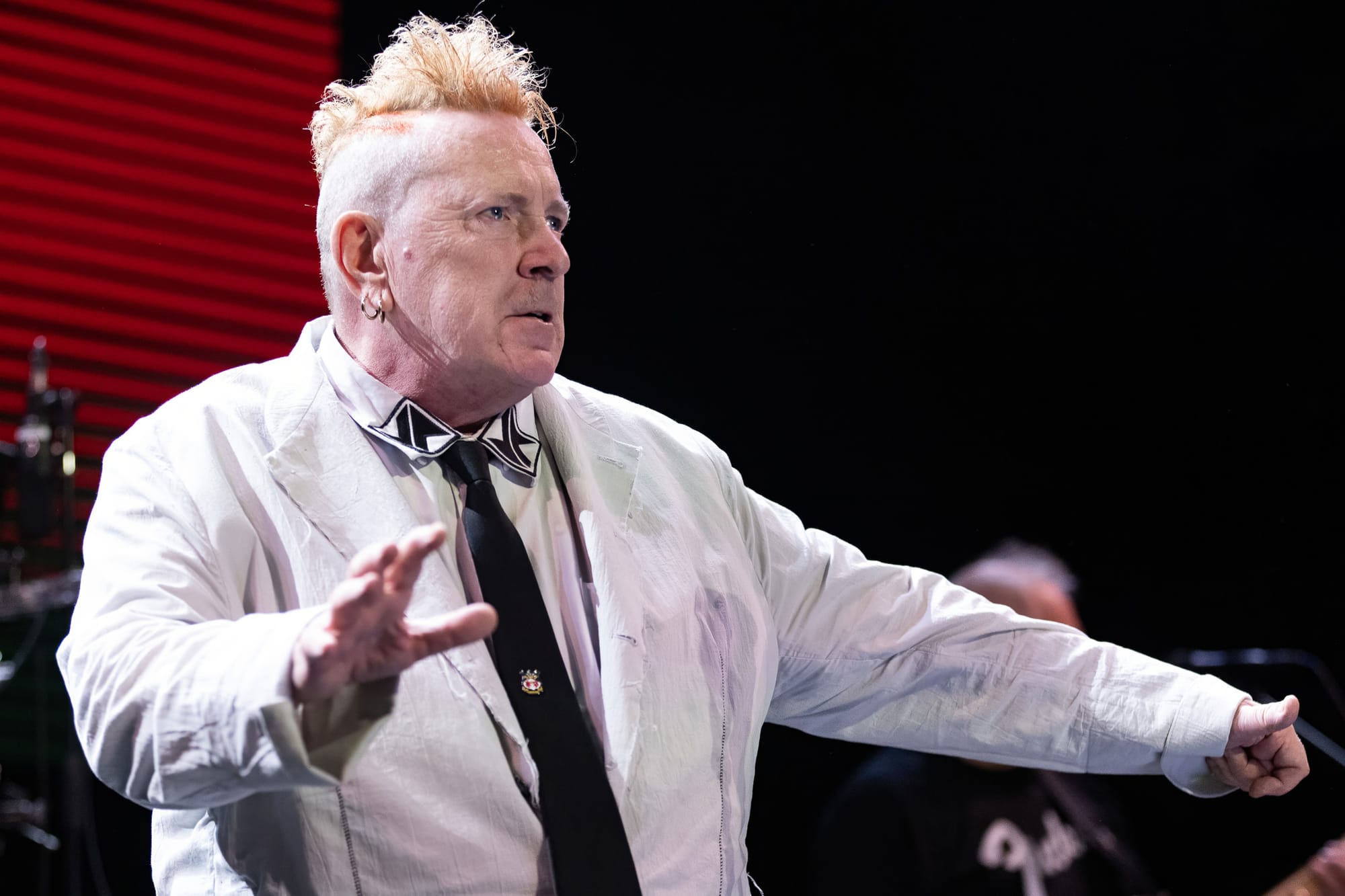
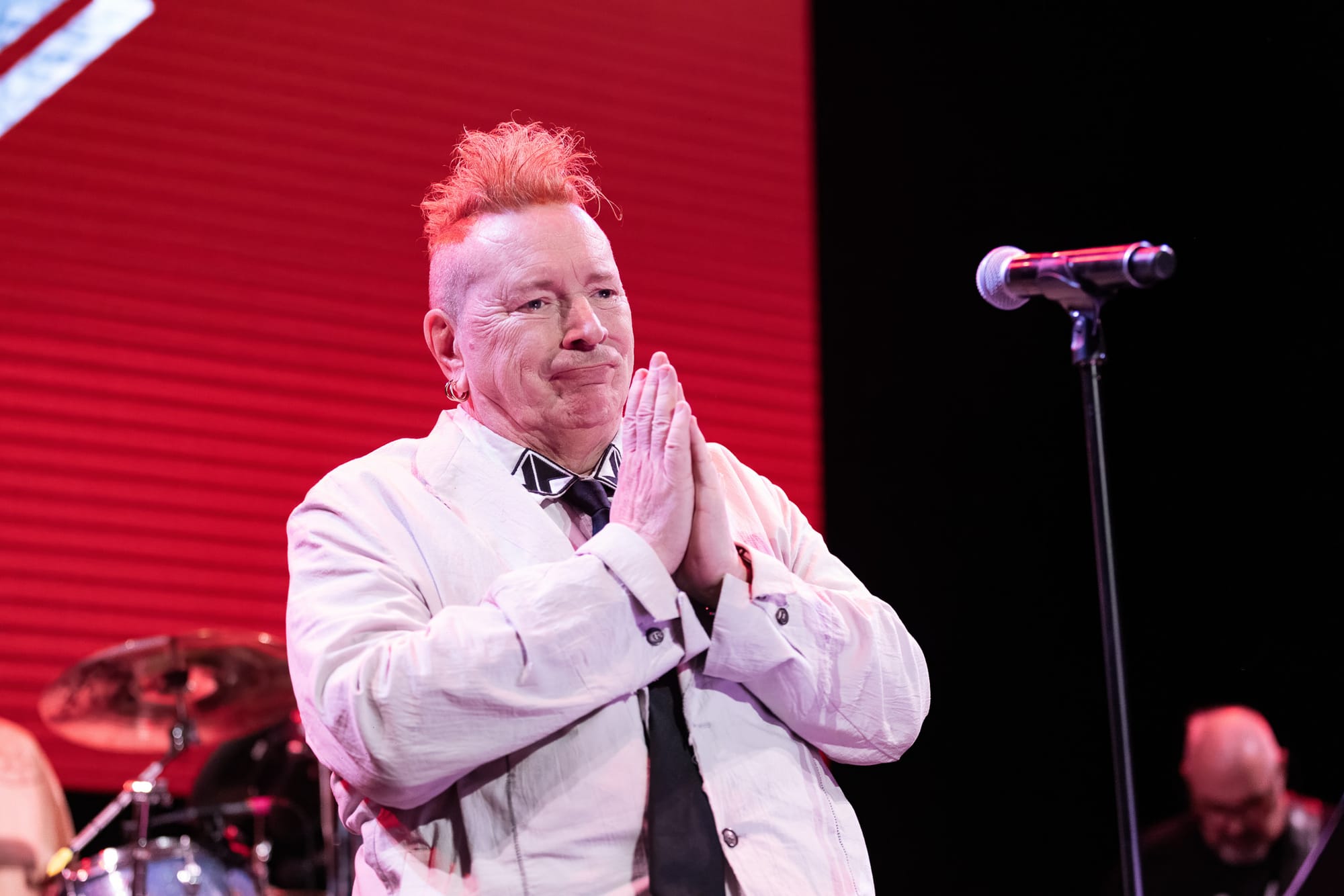
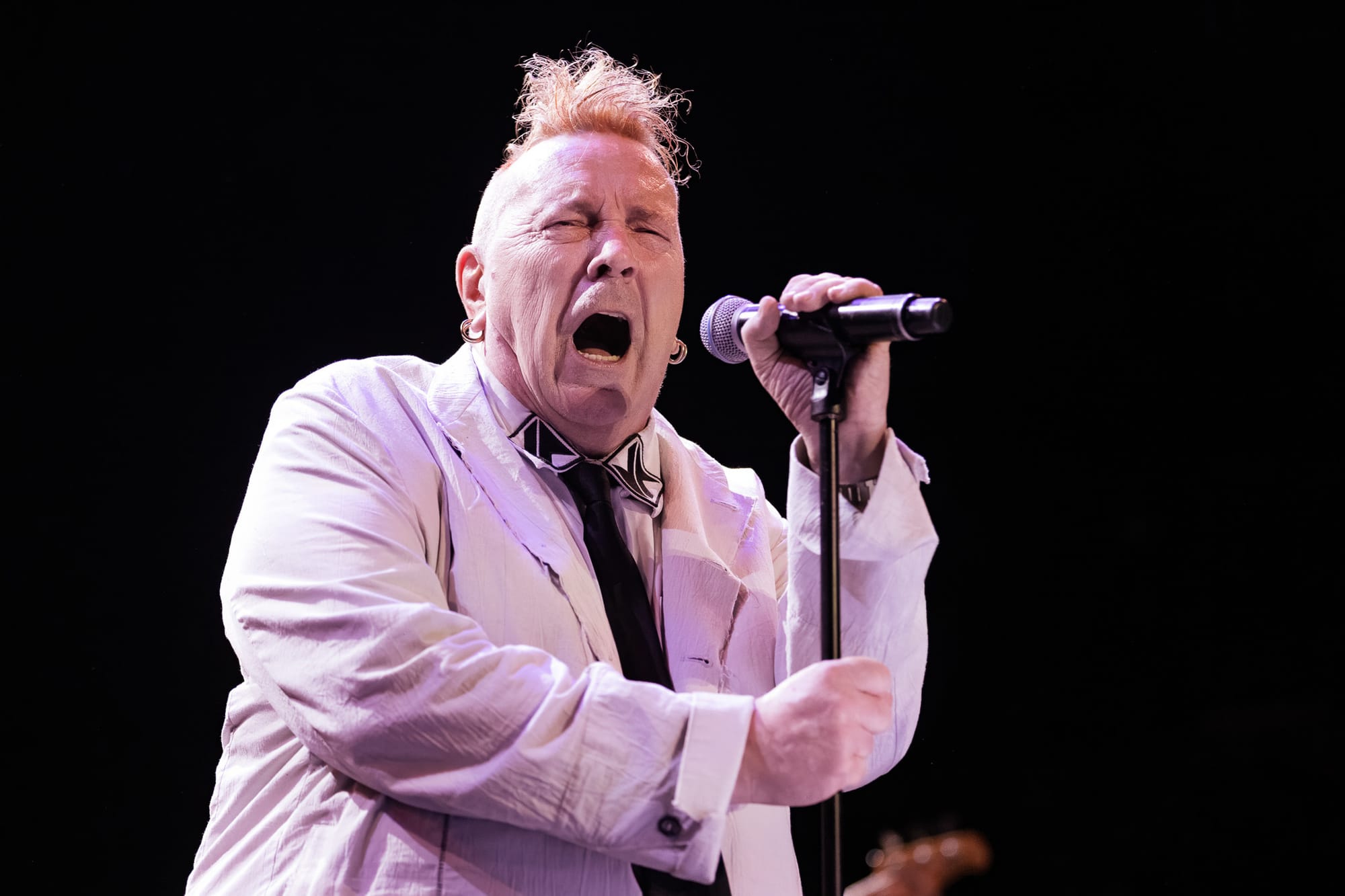
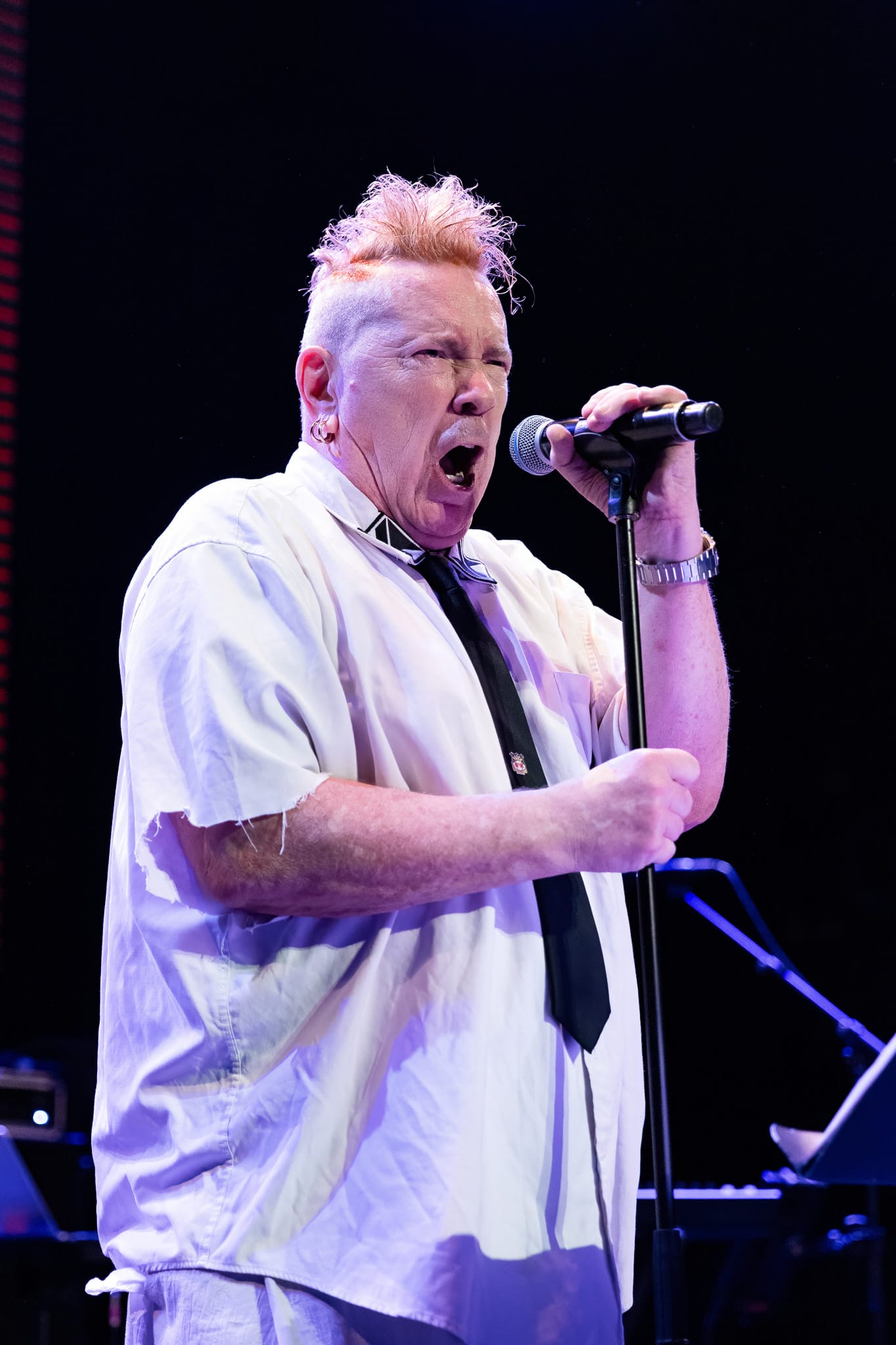
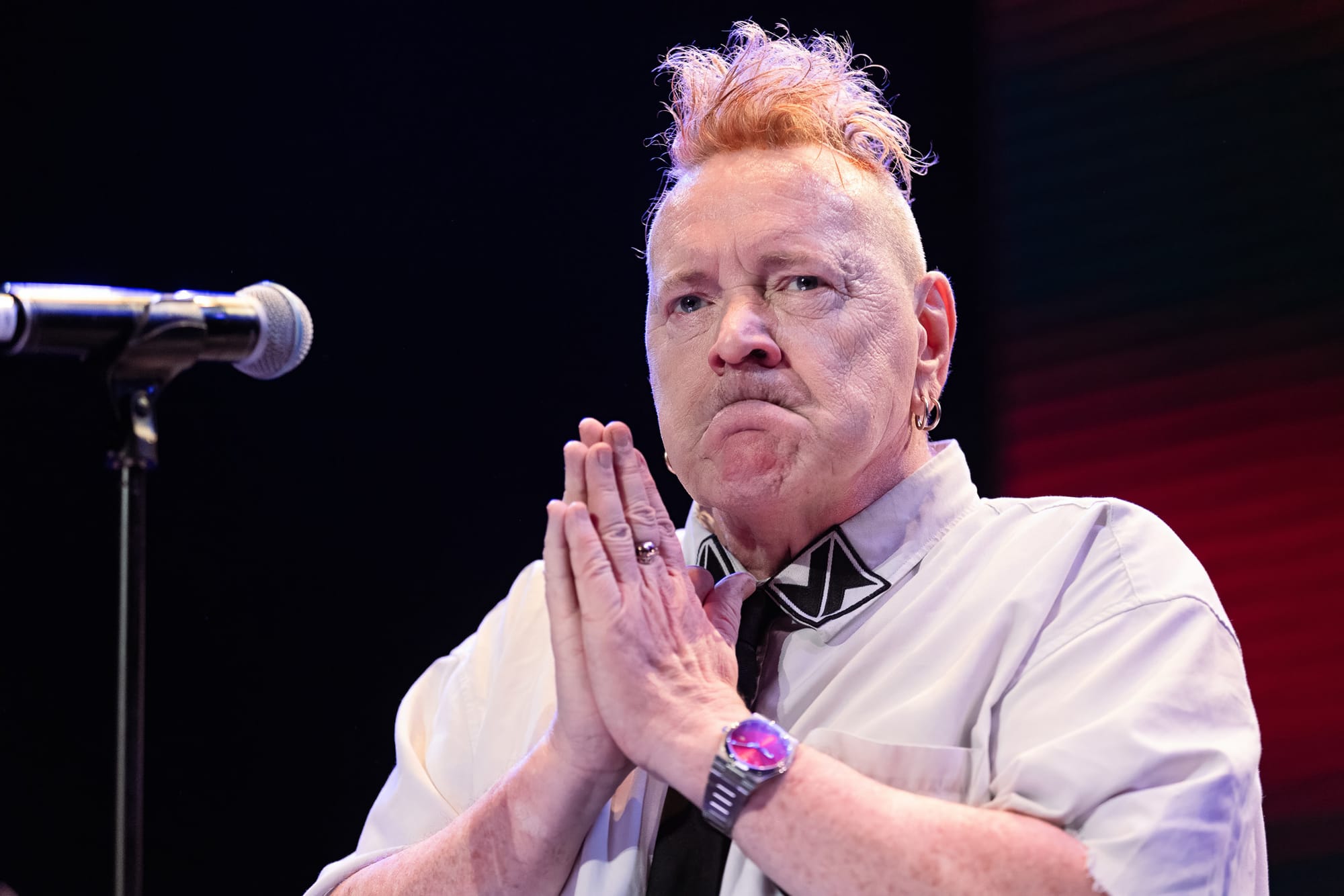
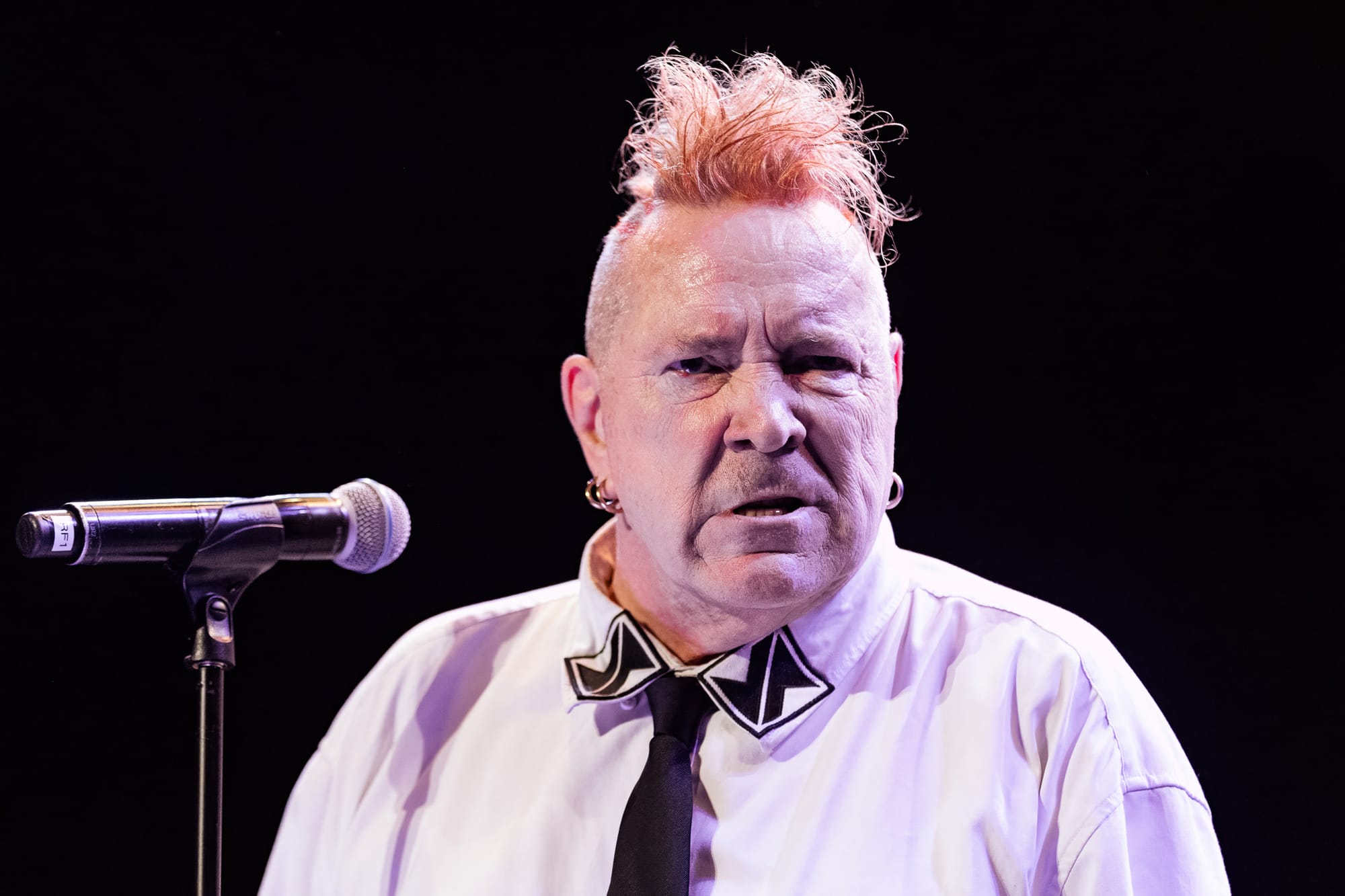
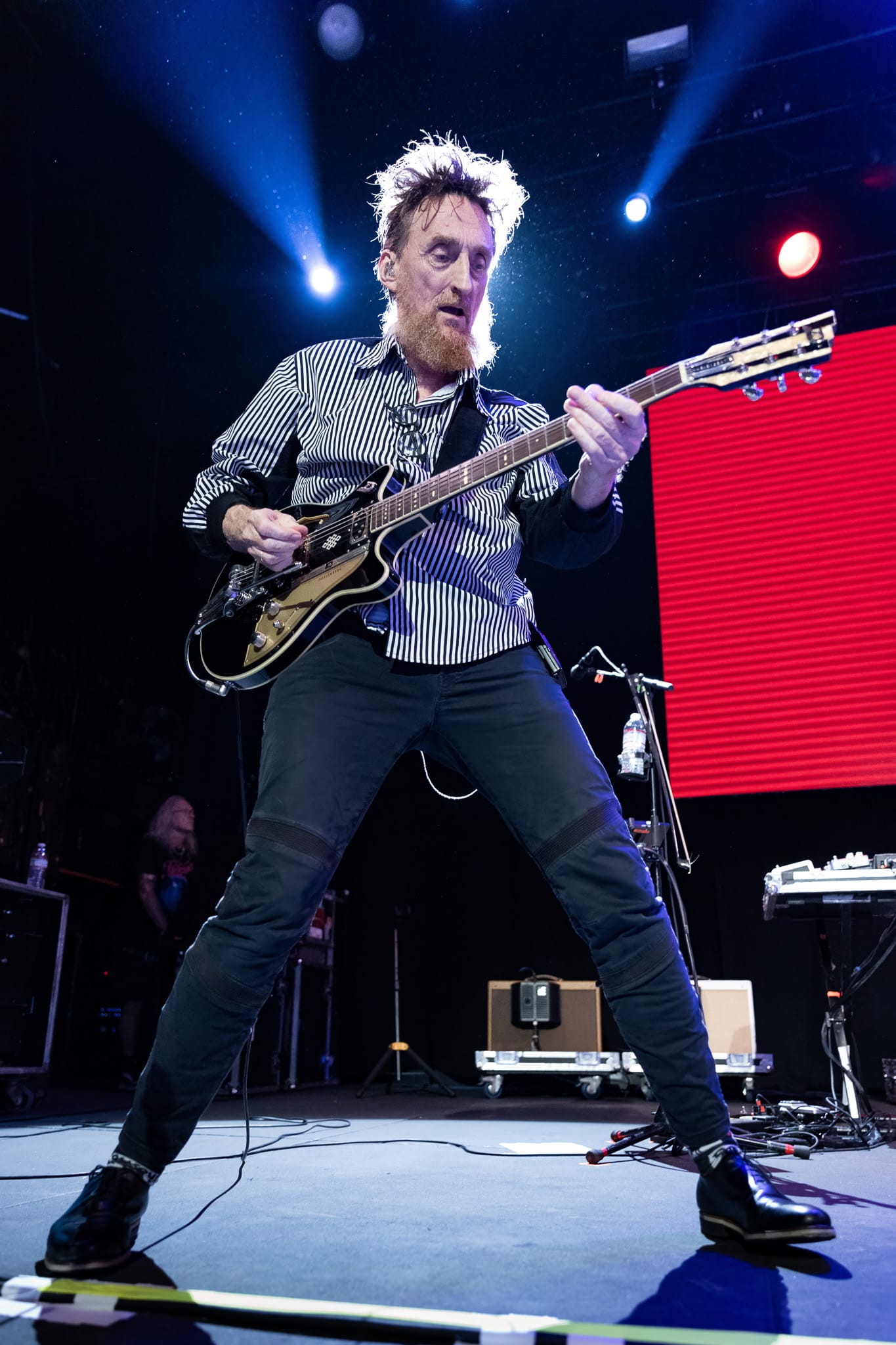
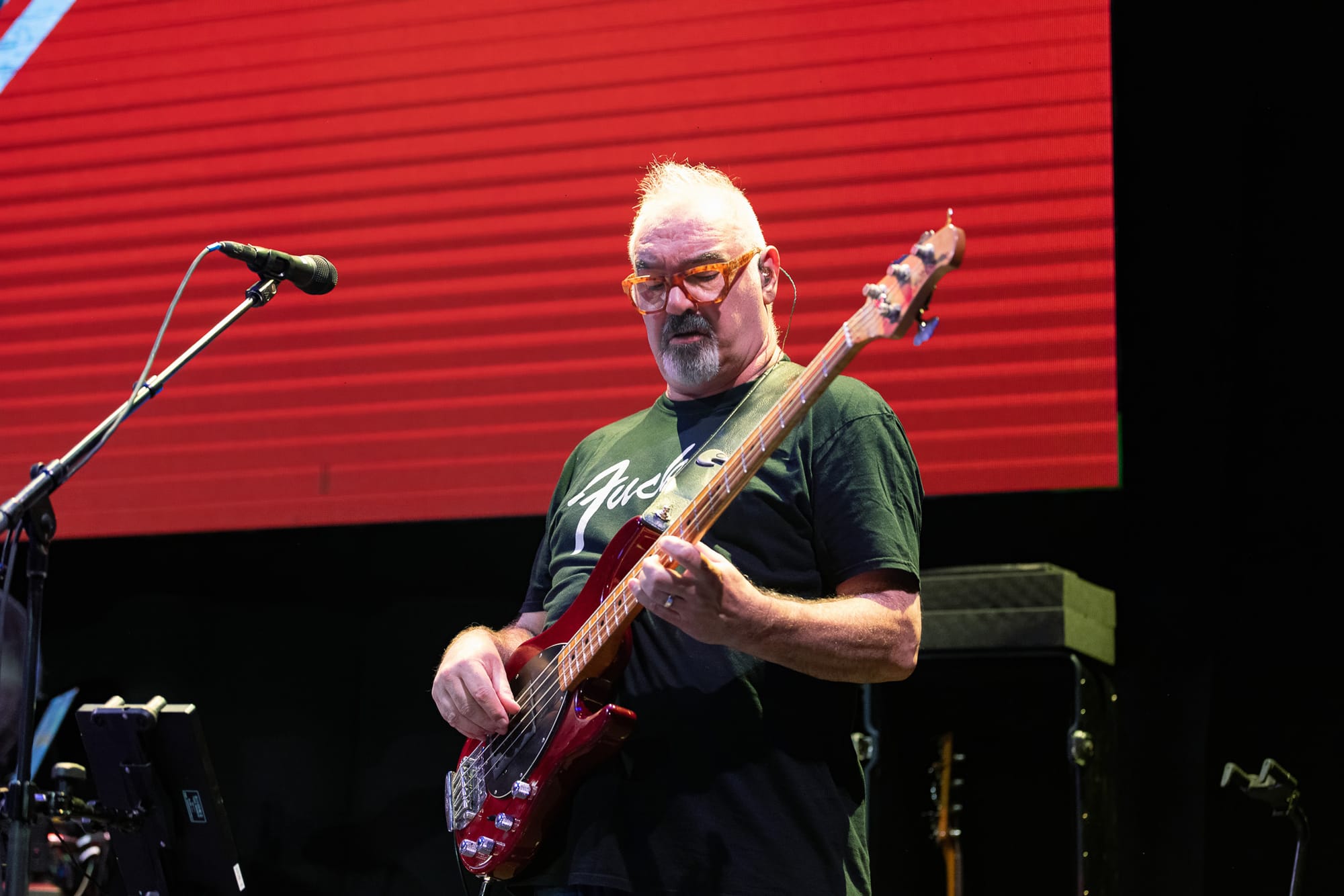
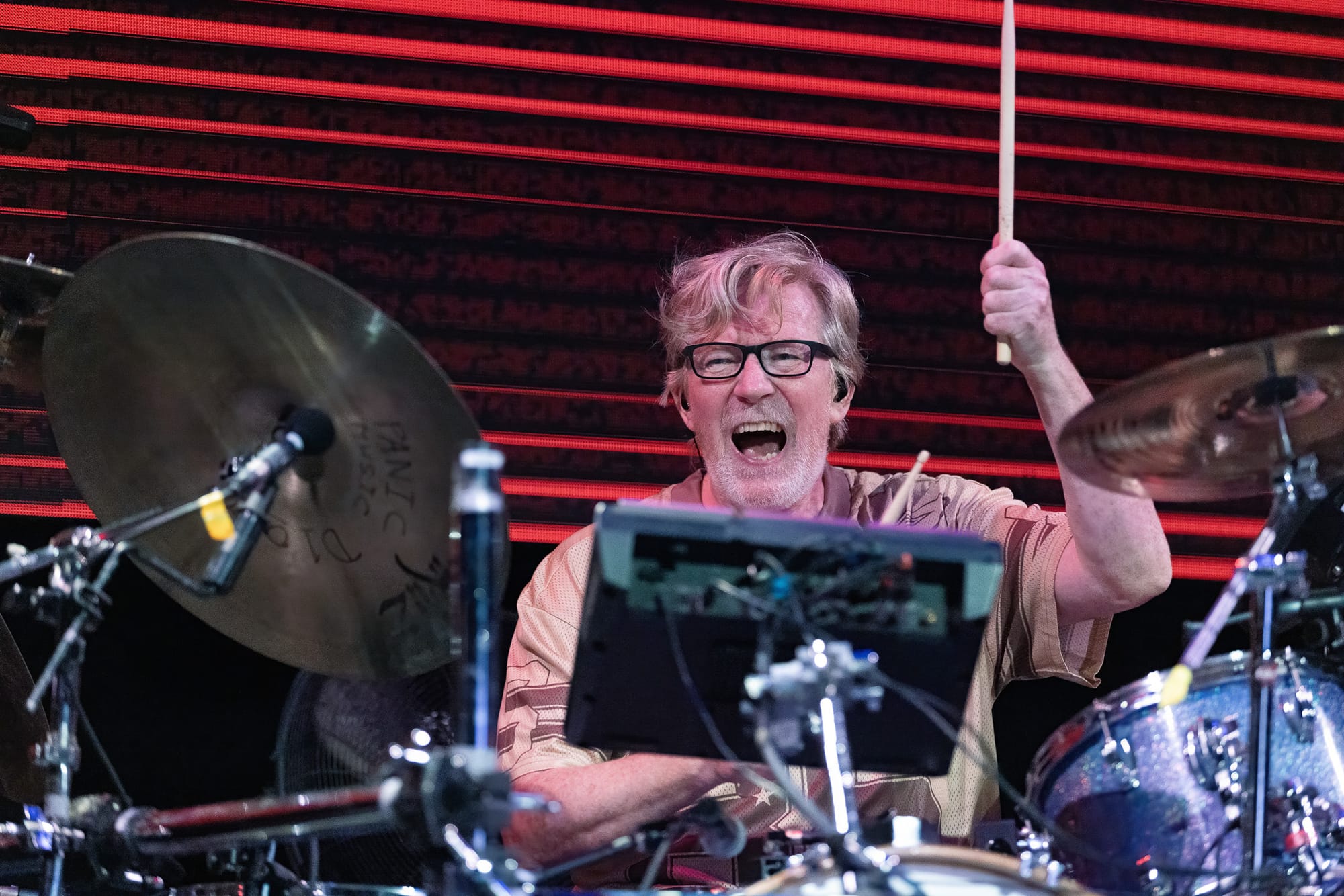
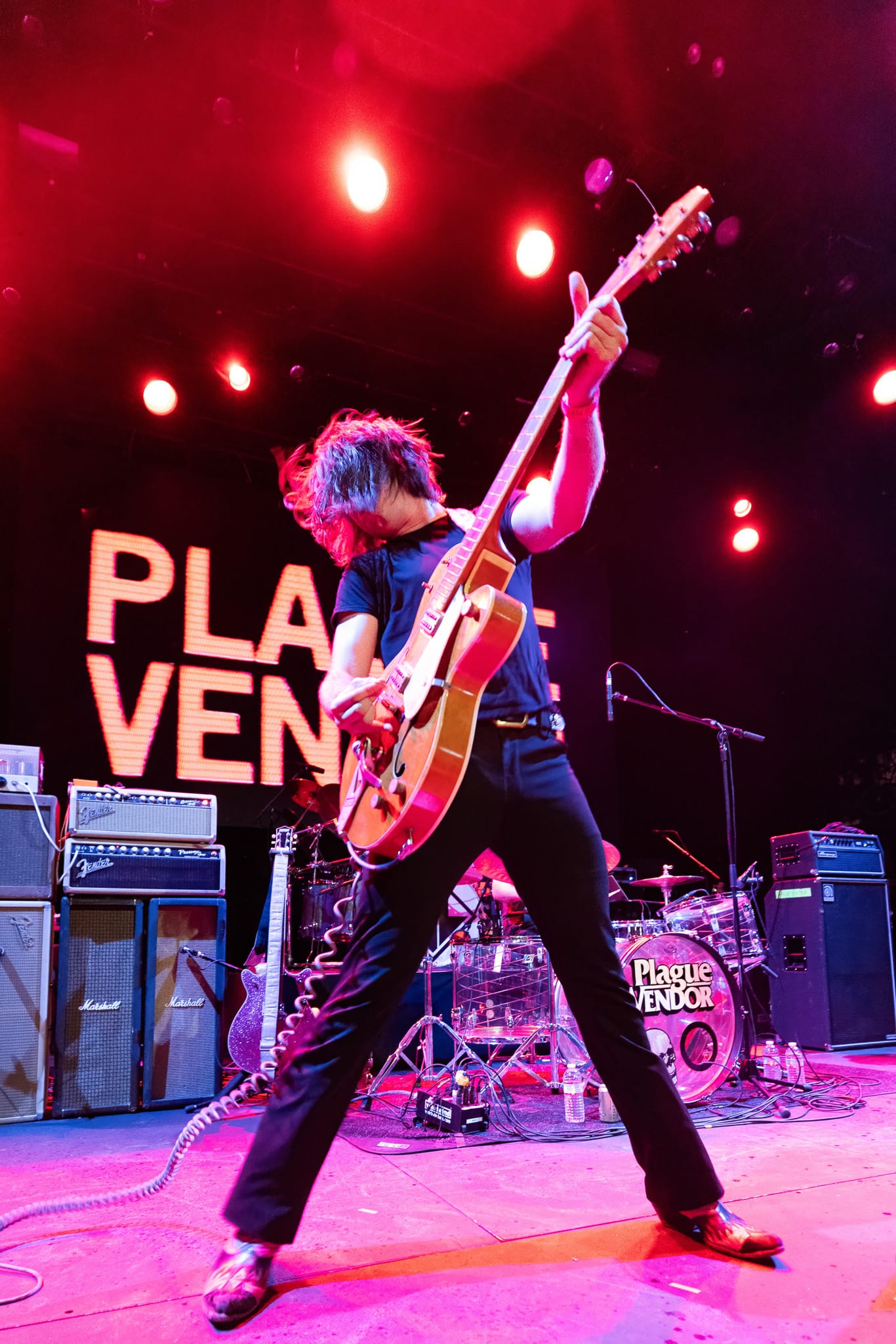
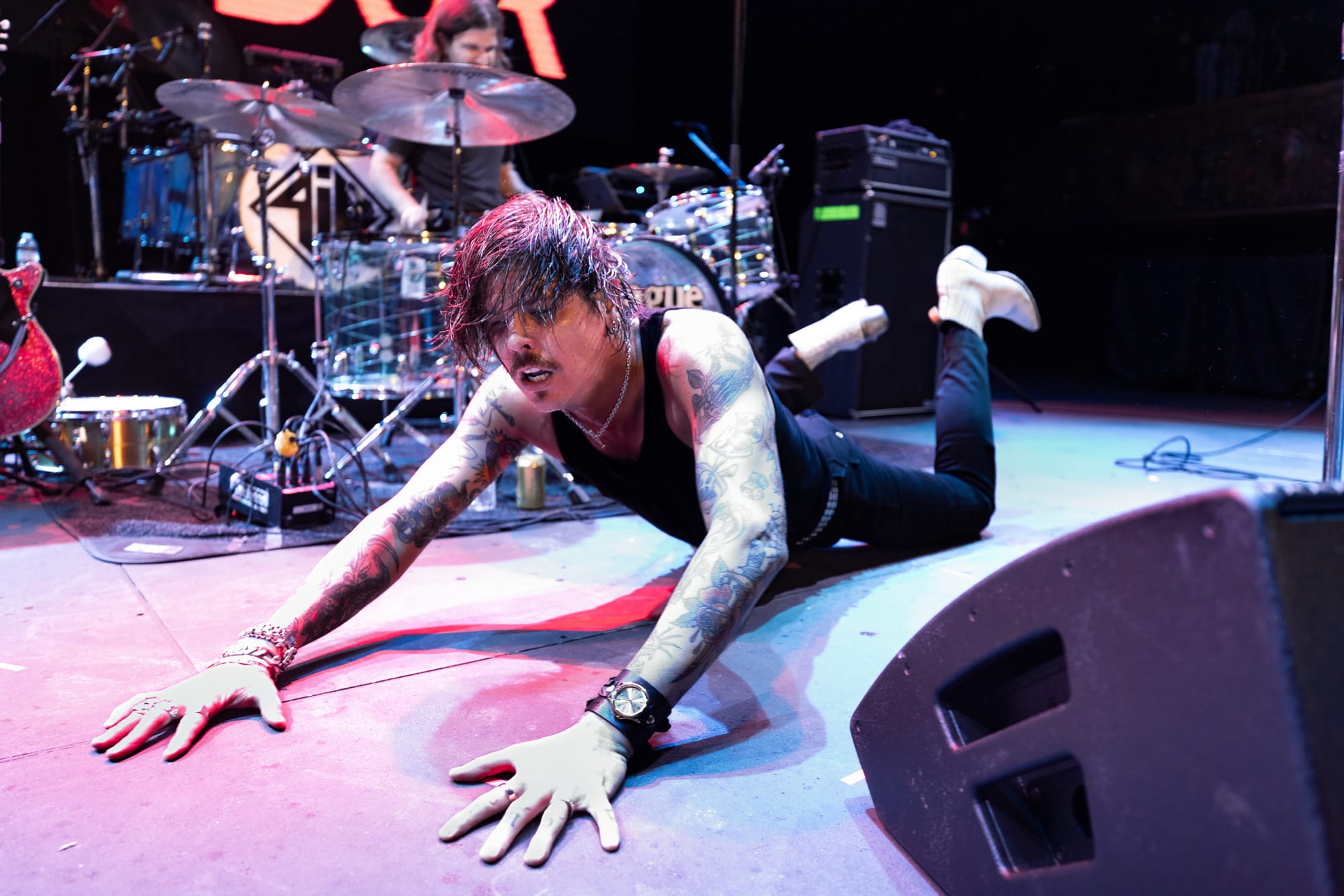
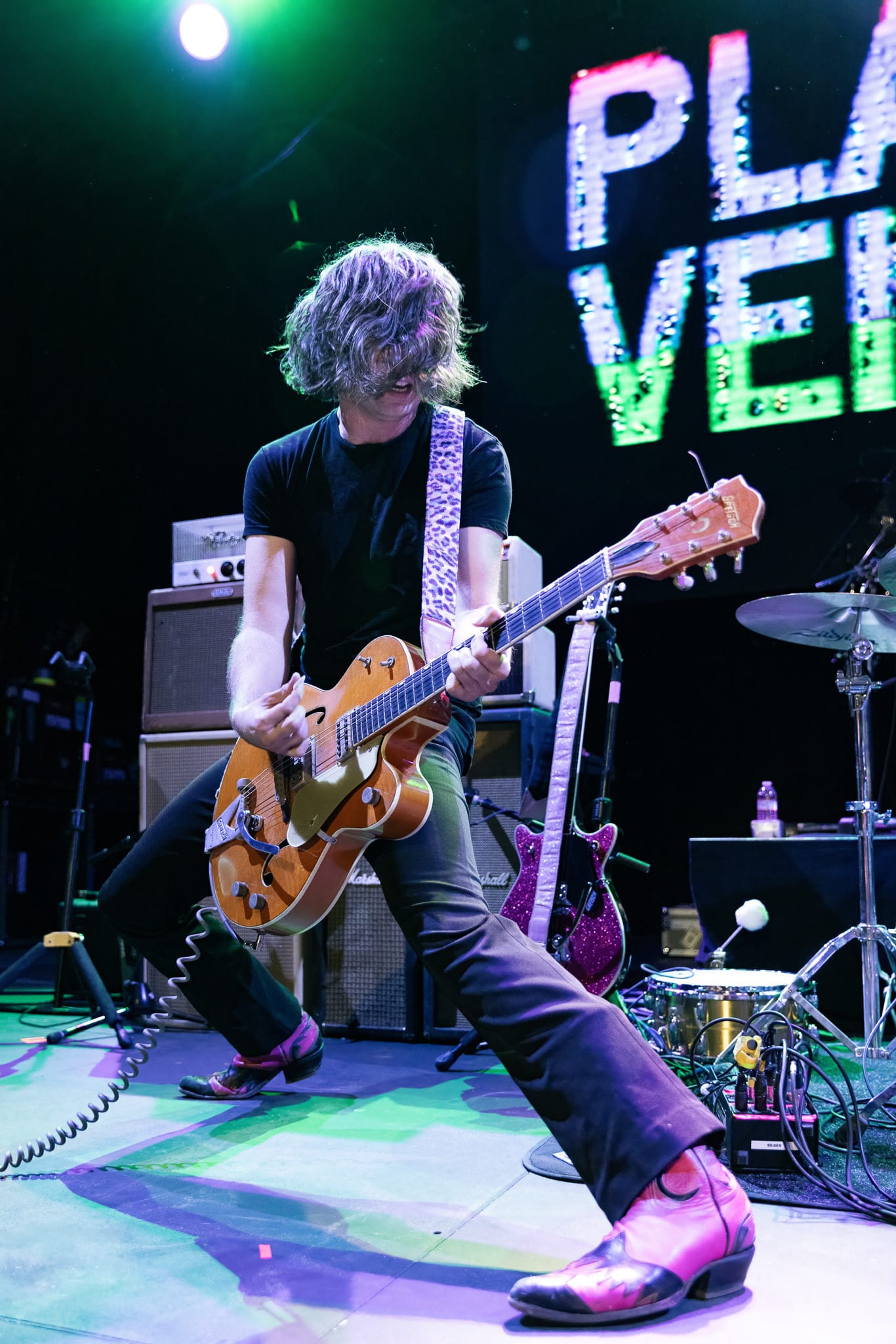
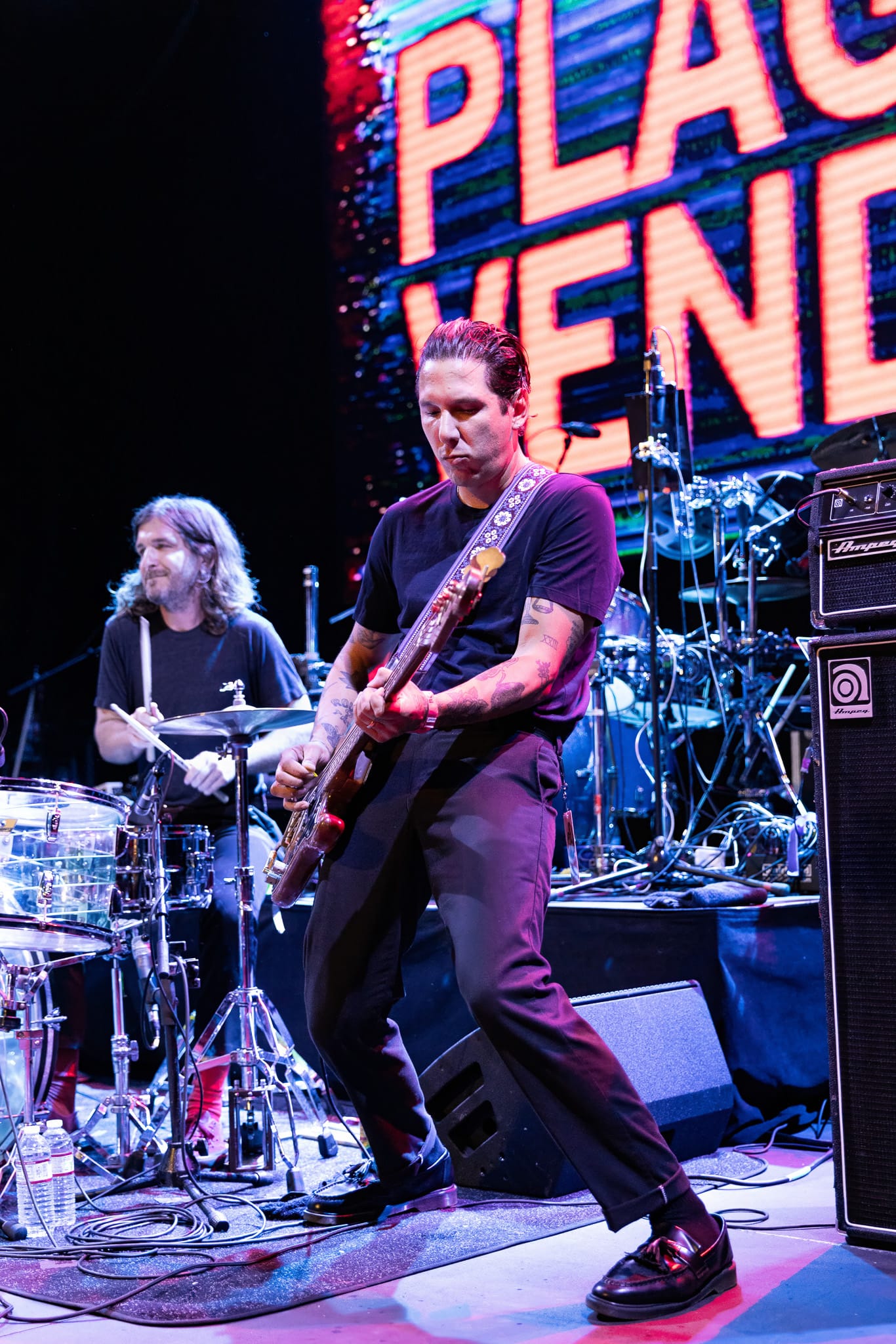
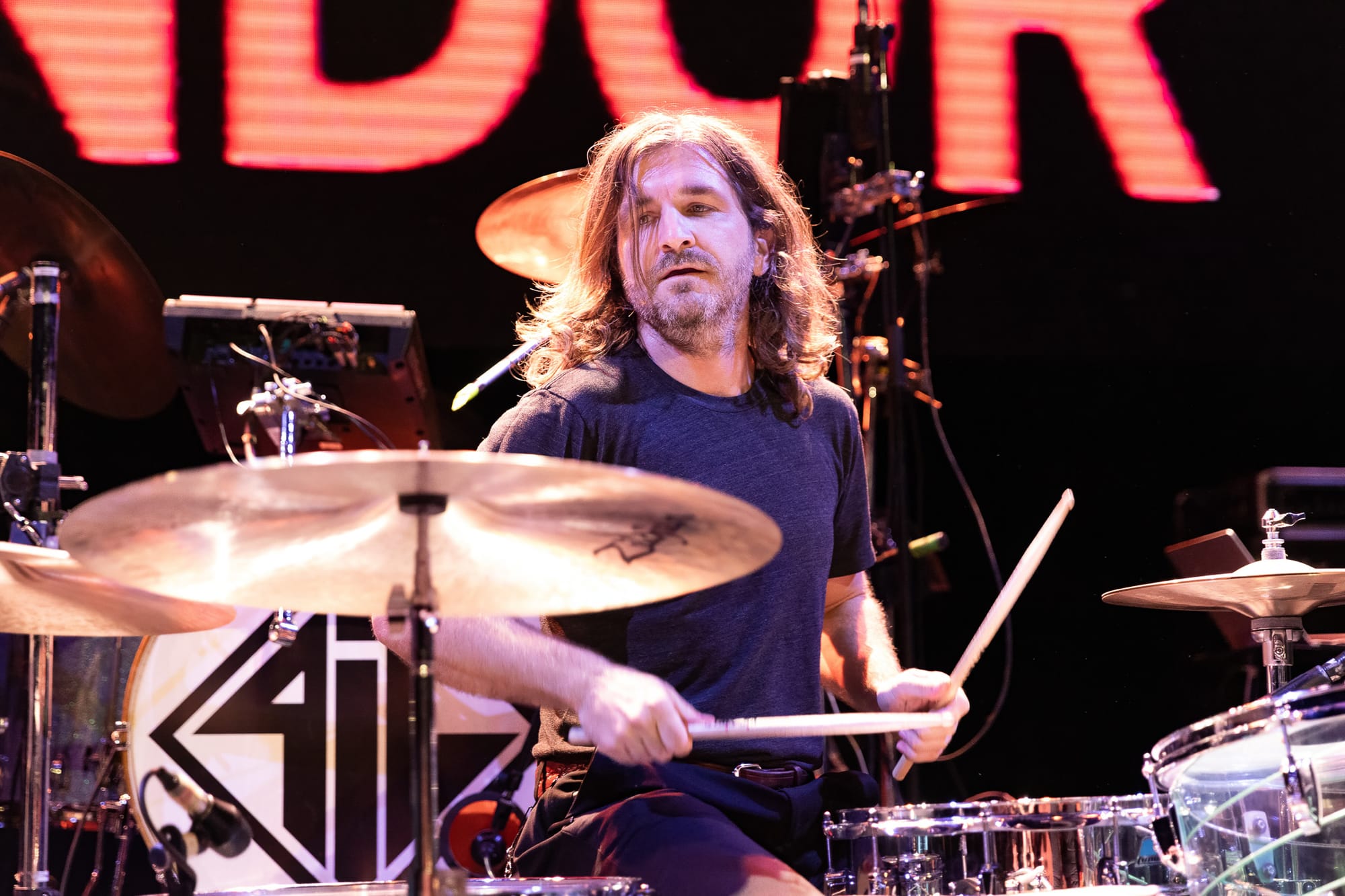
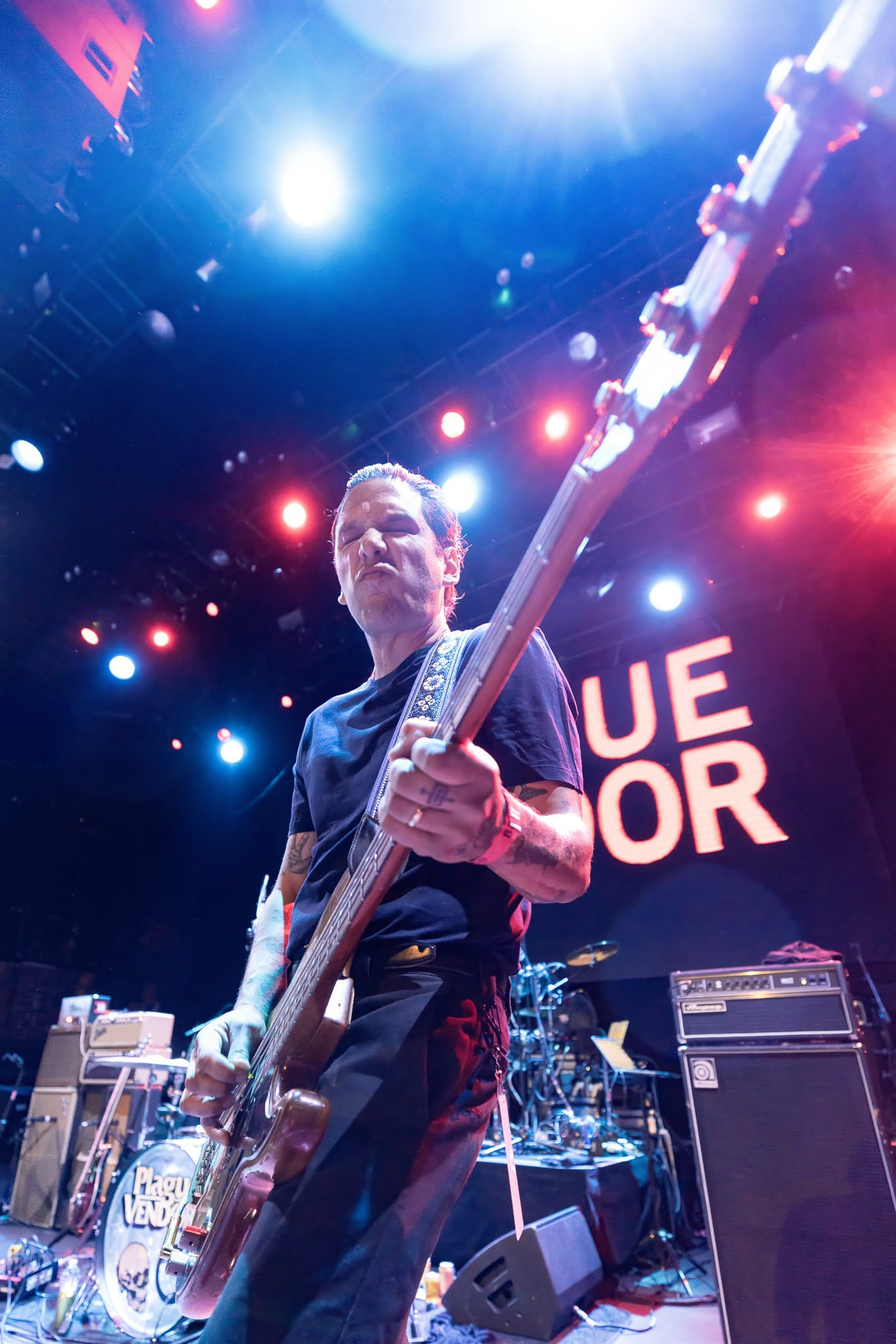
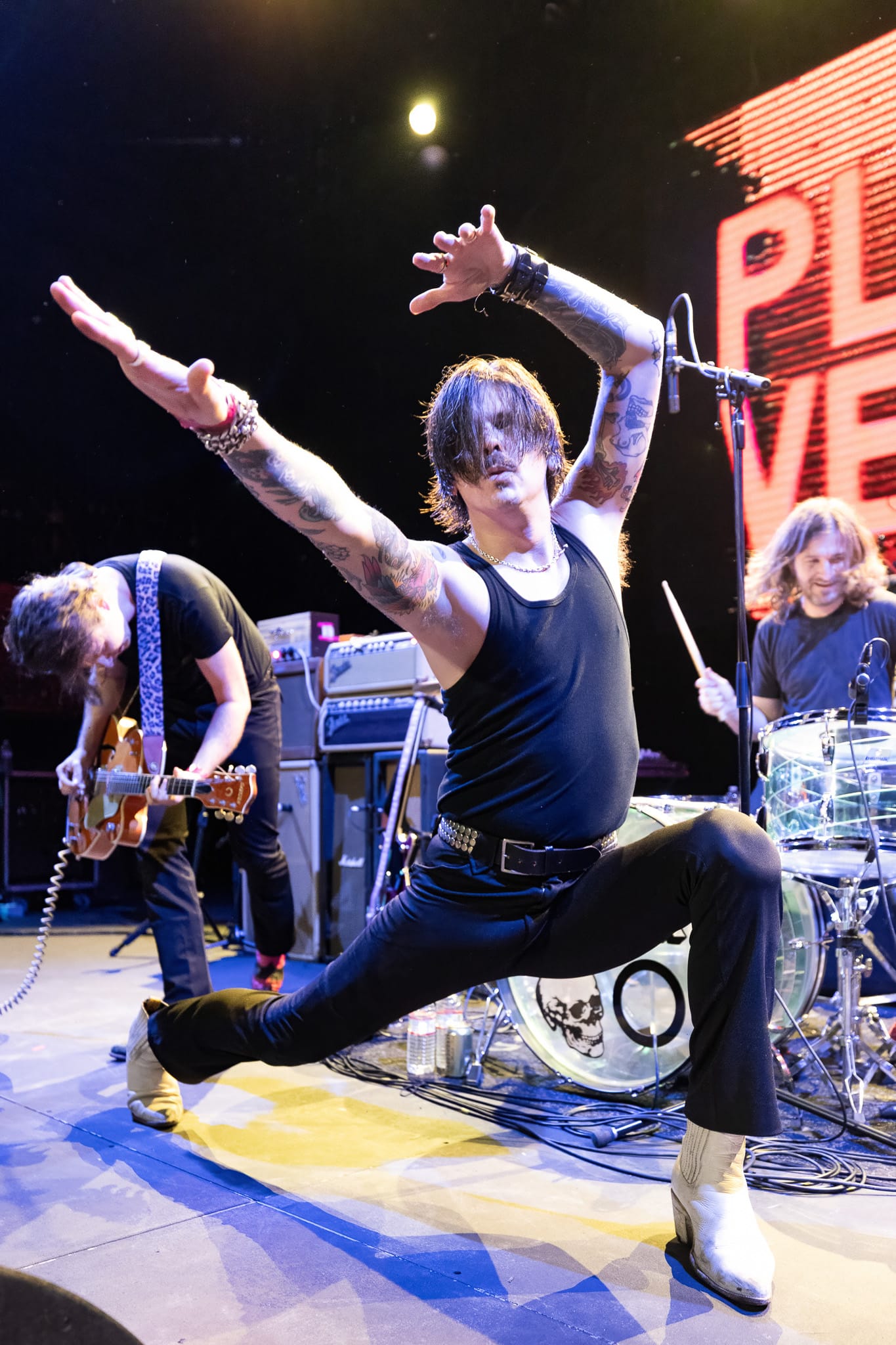
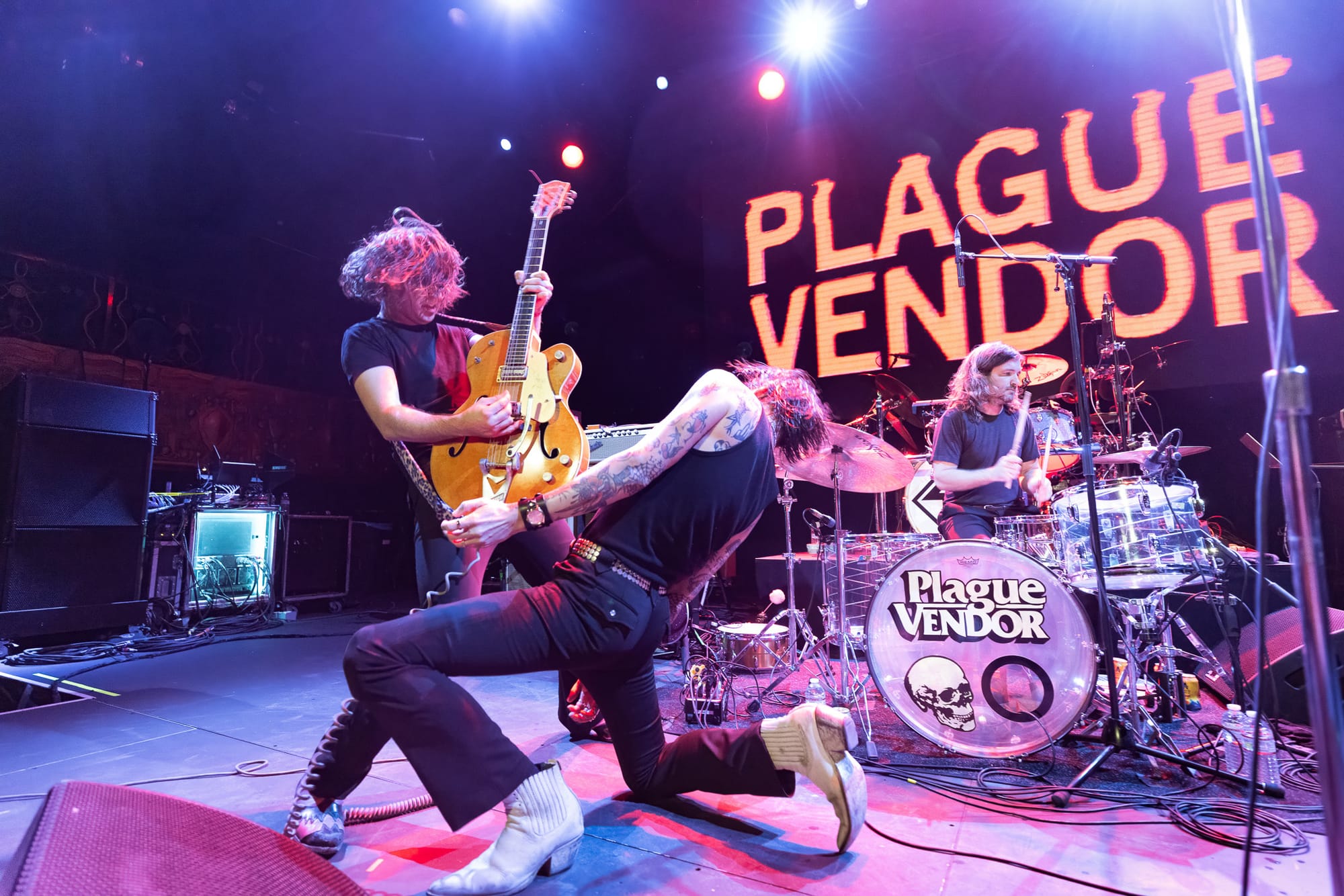
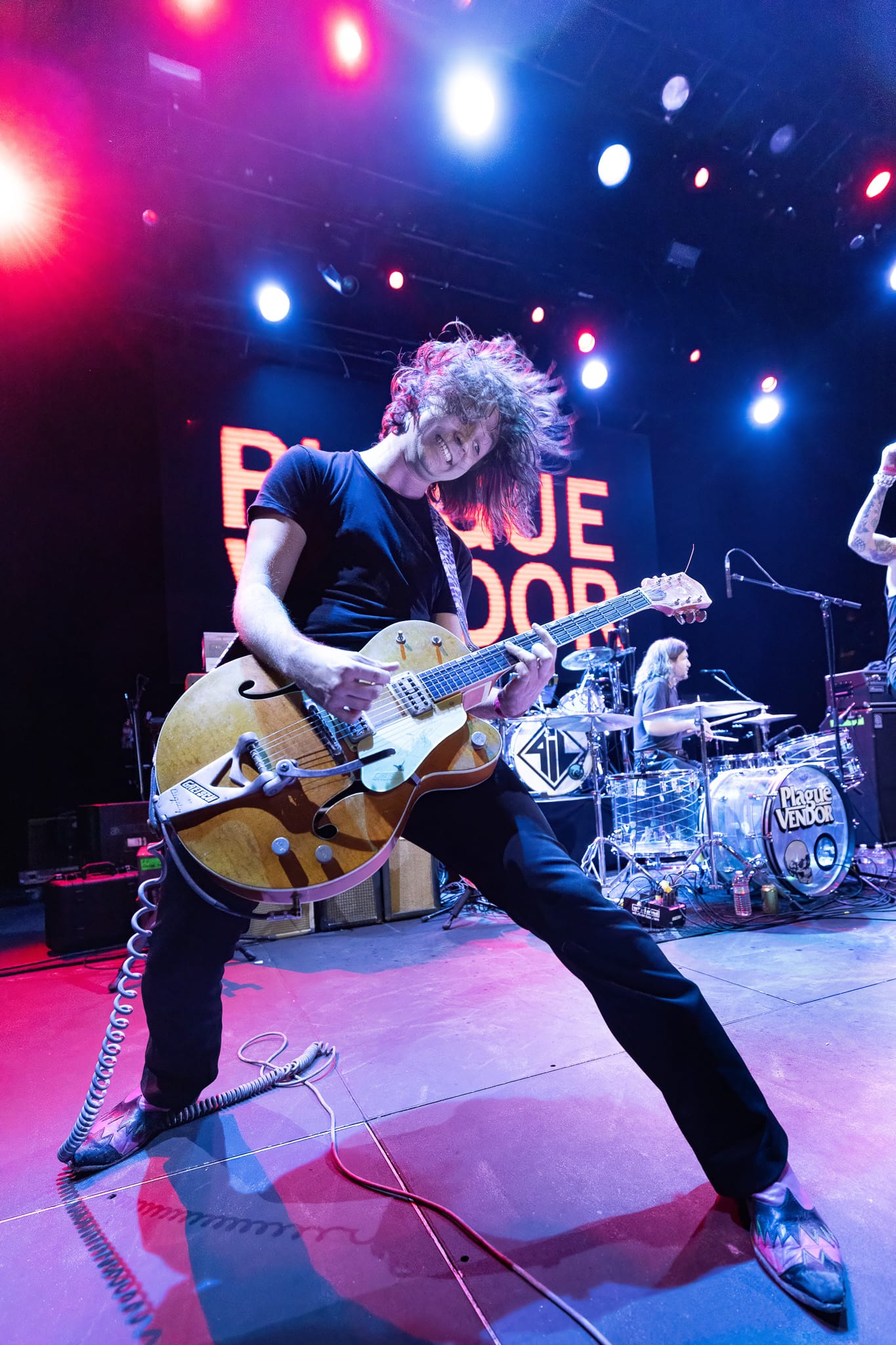
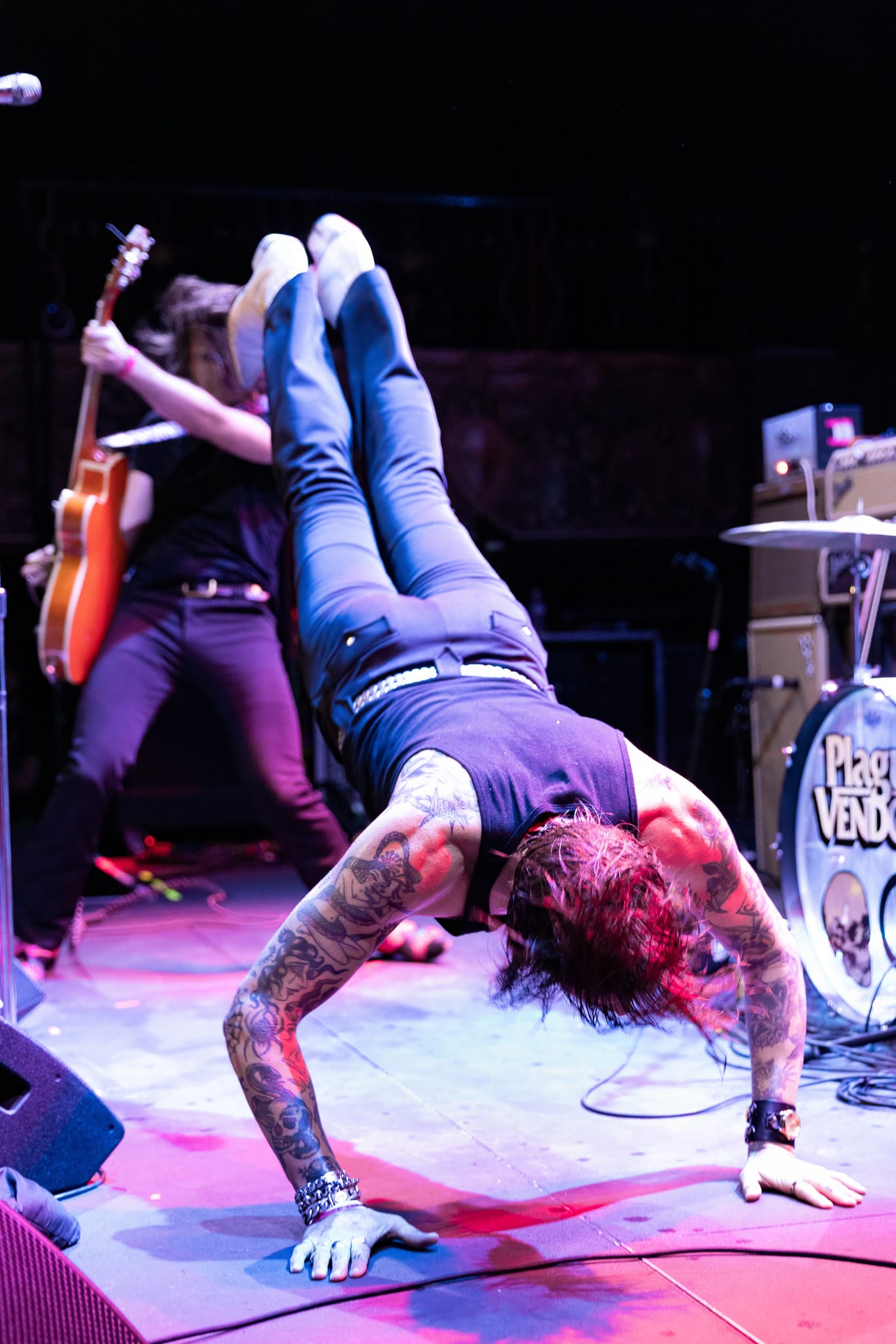
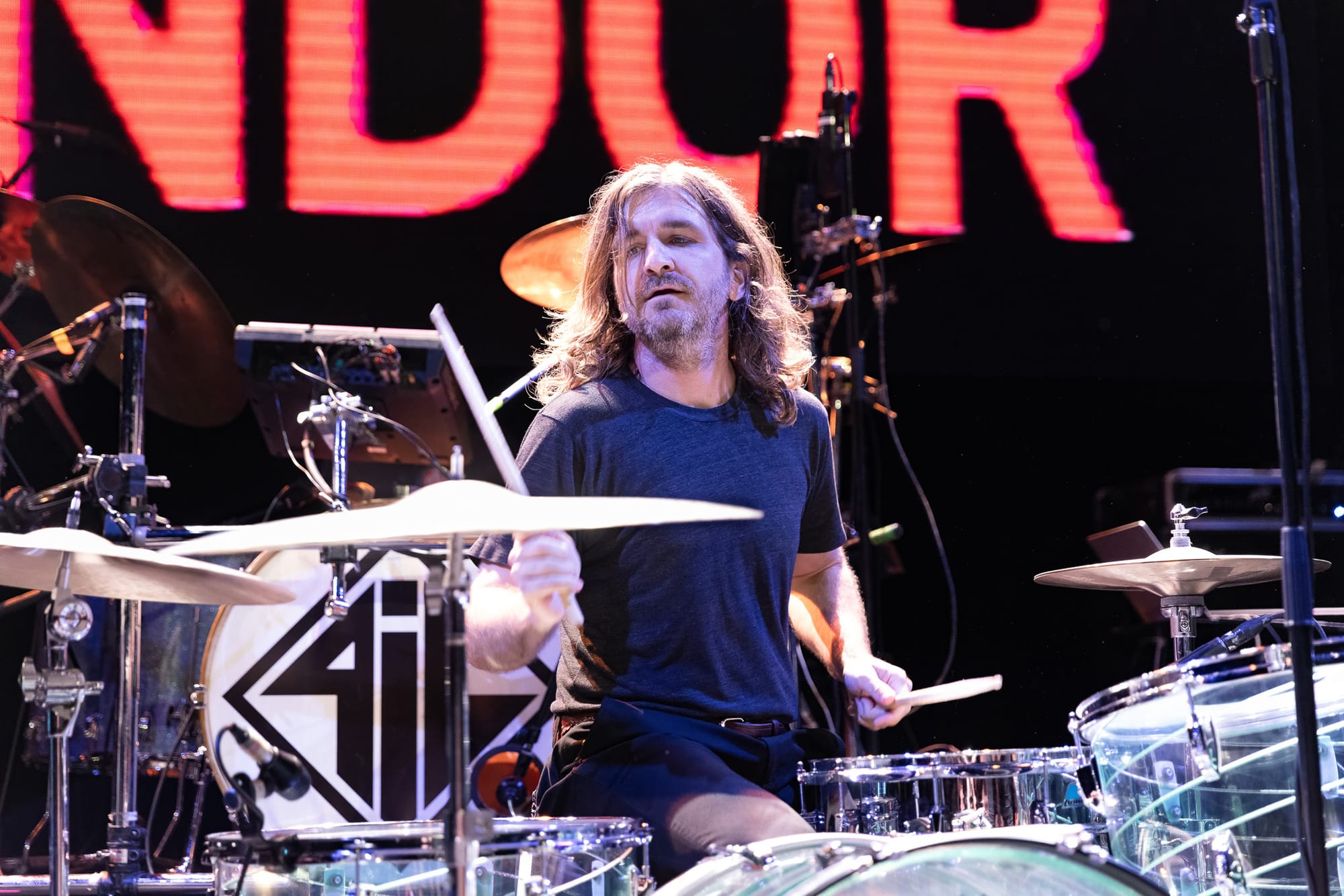
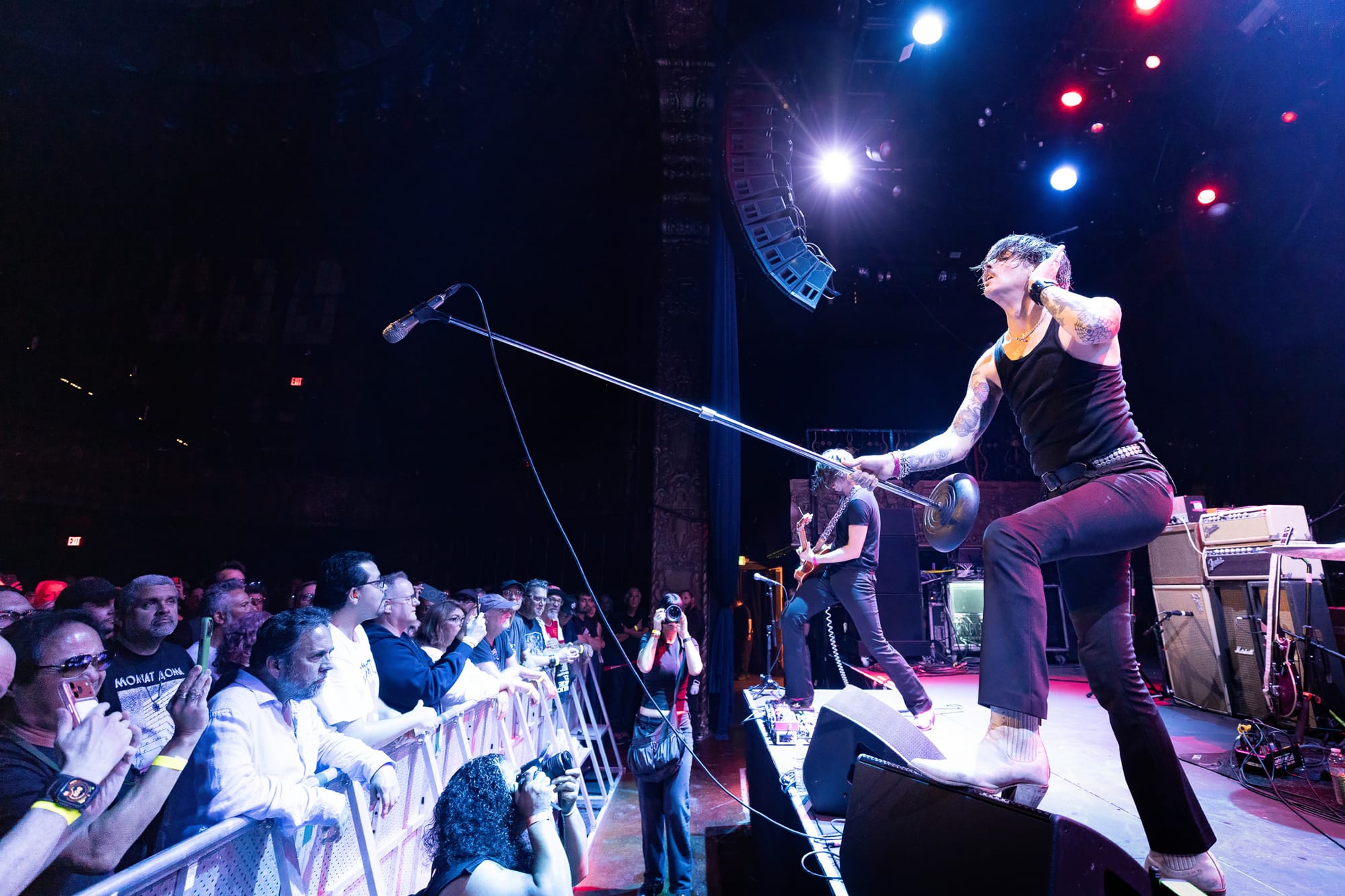
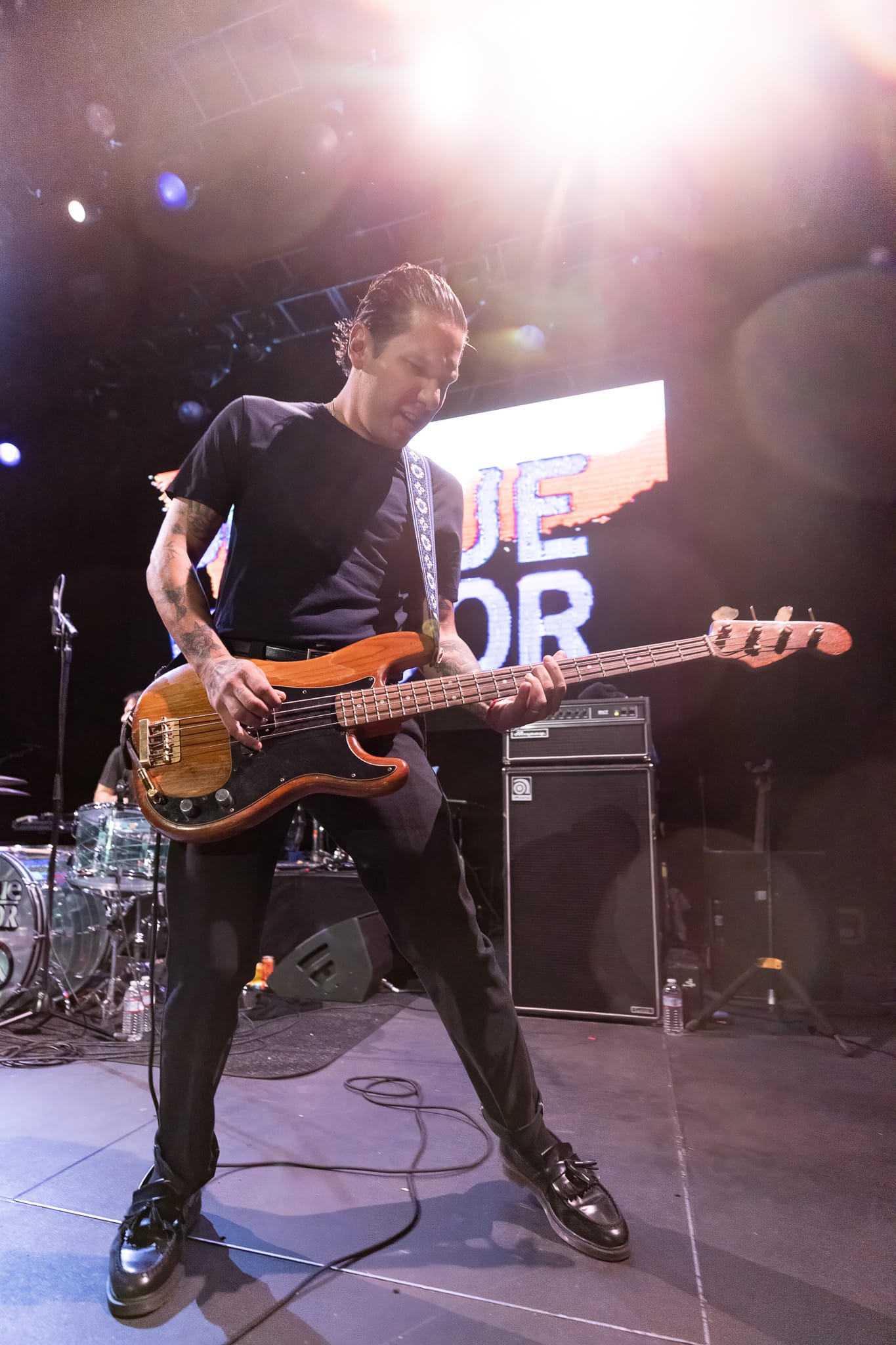
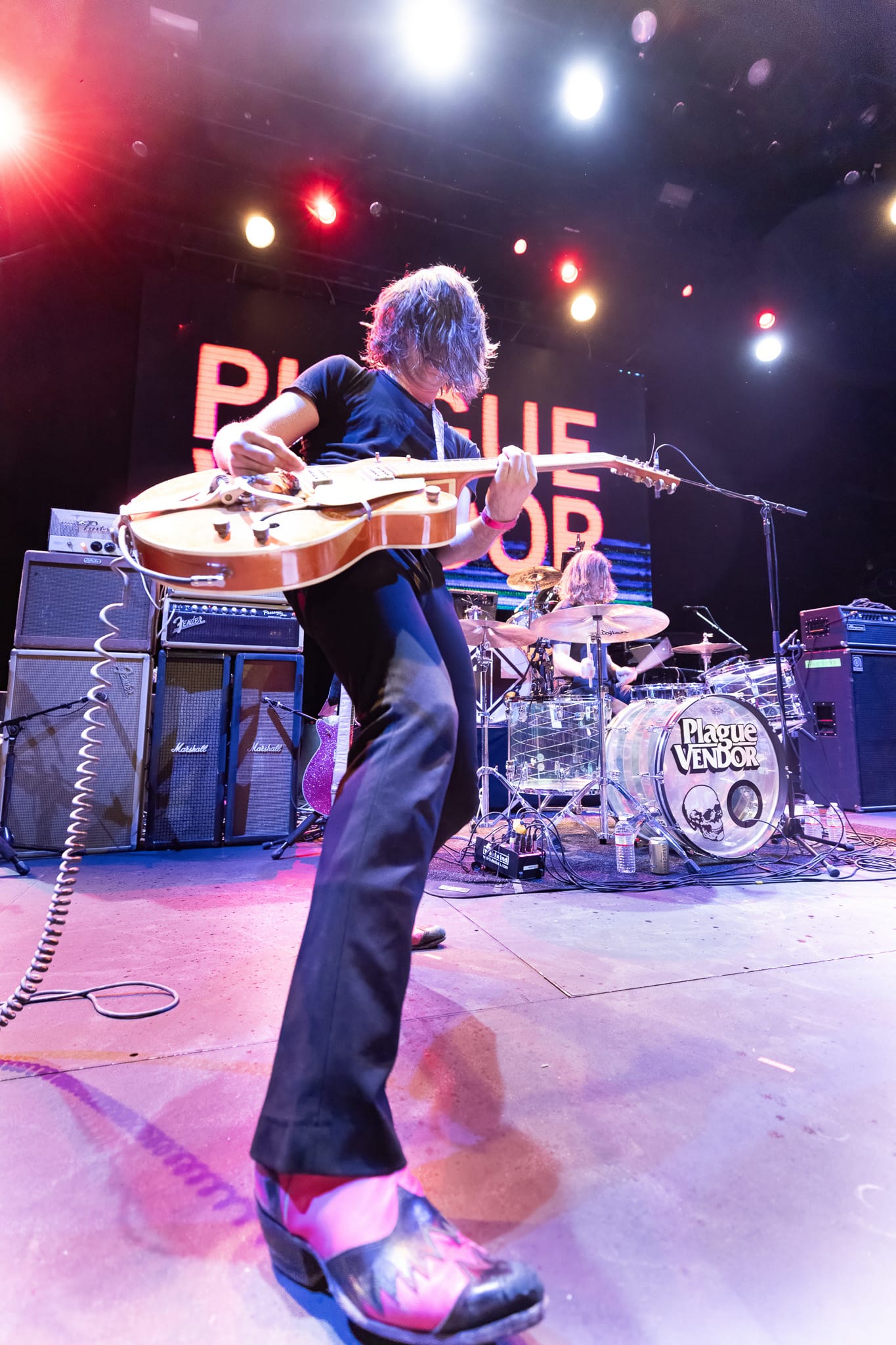
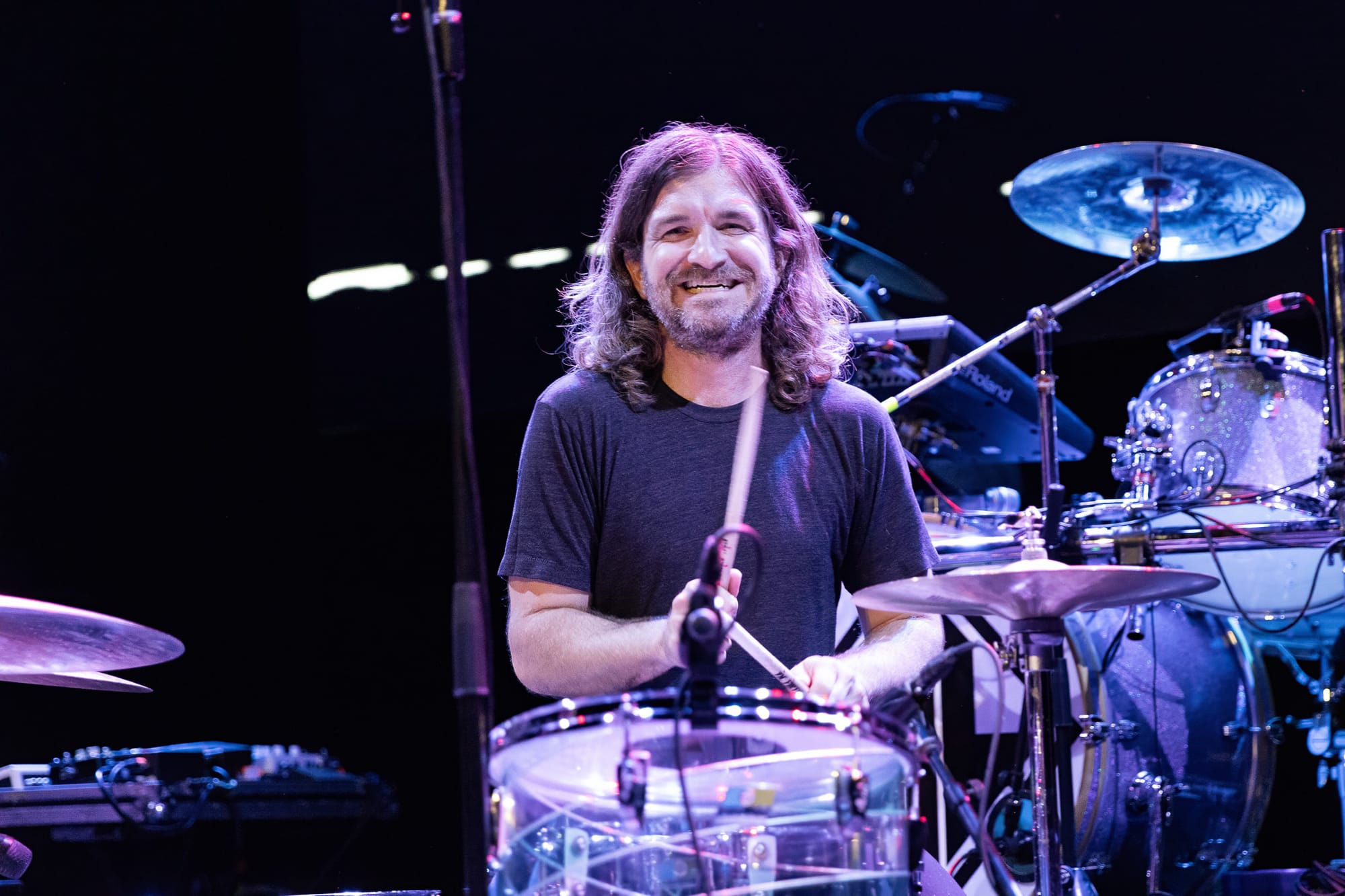
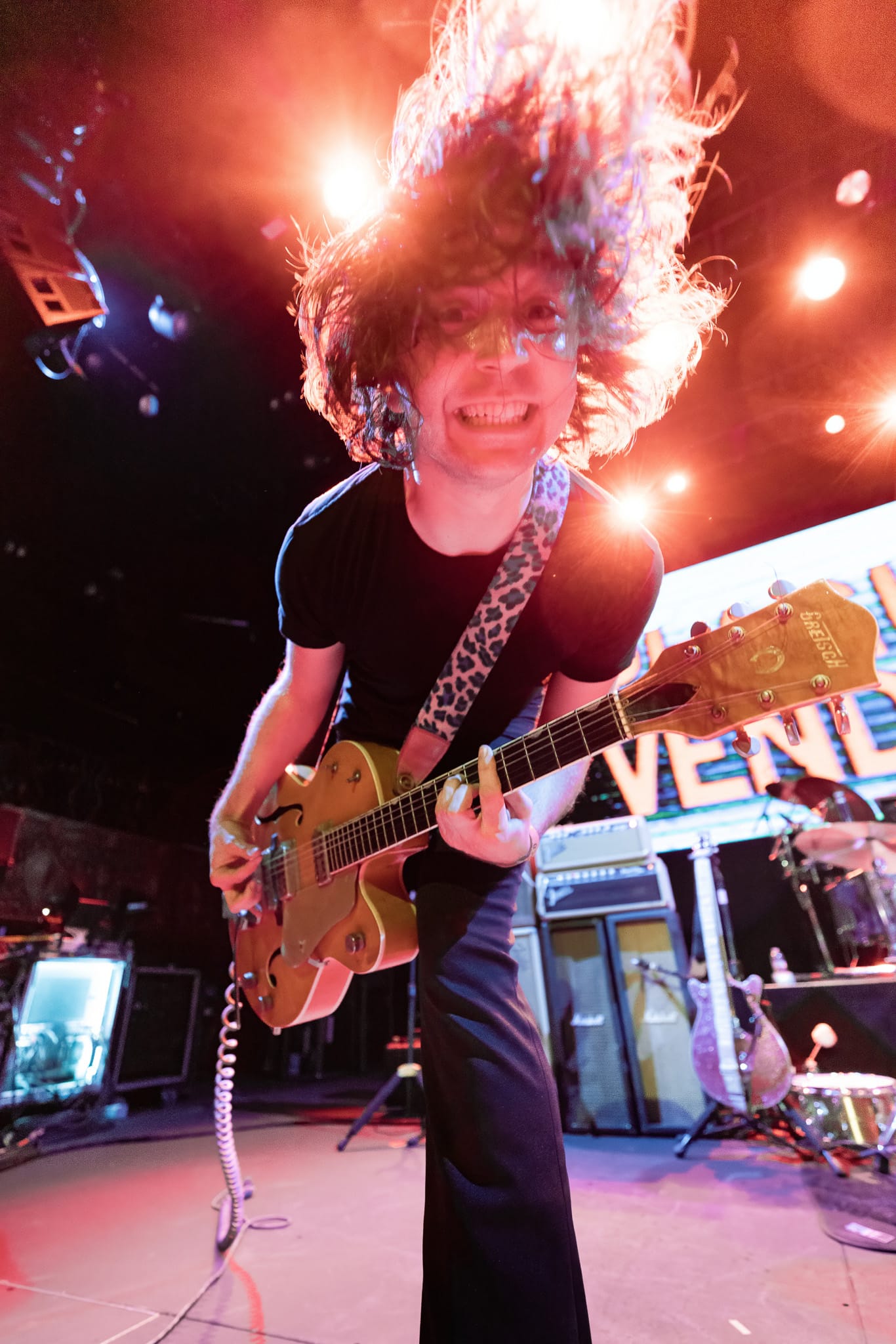
 Photo gallery by Em Eaton TERRA VALĒ ~ MONOCHROMIA AUTOPHAGIA