They say that success is the best revenge, and certainly Nickelback have shown that they can deal with those who are constantly criticising them with humour, and the fact that they remain one of the biggest-selling Canadian bands in music history certainly gives credence to the phrase.
Anyone who has witnessed some of their sold-out arena tours can attest that this band rocks hard and the sight of thousands absolutely losing their minds at the shows is the truest stamp of their genuine popularity.
Of course, the music is what has drawn the crowds, and with ten critically and publicly acclaimed albums under their belts already, the pressure was on for number eleven. Thankfully, Everything Under The Sun more than delivers all it promised and may be the best thing the band have done to date.
Nickelback – Everything Under The Sun may be the best thing the band have done to date.
There is absolutely no screwing around here, and opener Rattle The Cage sets their stall out from the very first notes onwards, a thumping and bared-teeth rocker that could flatten city blocks and is arguably one of the heaviest songs they have ever released.
Whilst this certainly kicks like a very angry mule, the band have not forgotten how to write a hook and their masterful blend of melody and muscle permeates the album from start to finish.
There is a lot to take in here. A weighty fifteen tracks gives the band plenty of scope to stretch themselves, and whilst the temptation may be there to bulk out the time with filler, it seems like Chad Kroeger and Co have just hit a very purple patch where new songs seemed to be pouring out of them in a flood.
Blistering fare like Bones For The Crows and a stuttering Chasin’ Famous have real weight and punch. But irresistible sugar-rush numbers like Simple Song and Last Night Was Fun head into more commercial, mainstream territory, with crossover appeal easy to see.
Throughout, vocalist and lead guitarist Kroeger, along with bassist brother Mike, guitarist Ryan Peake, and drummer Daniel Adair, bring their A Game, and there is a real sense of fun and focus here, their determination to make their stamp while having a damn good time lifting everything.
It is not just all beers and blood, though. The release carries some real emotional weight, be it the nostalgic If I Don’t Go echoing the feel of their previous smash Photograph but with a much more serious edge and the shining positivity of Lift Somebody Up leaving it impossible not to feel hopeful and elated.
There are even touches of psychedelia in the far-out Technicolor Steamboat and a twisting and fascinating Bottled Dreams is another real highlight.
The album closes with the Lenny Kravitz-like Up To No Good, a funky number with real balls and a slam-dunk way to seal the lid on this latest opus, demanding to be played again from start to finish the moment the last note fades.
With a shimmering production by Kroeger and Chris Baseford, Everything Under The Sun is the band’s most rounded, mature and wide-ranging album yet and displays that thirty-one years into their career, the best is yet to come.
A masterful piece of work, and with Nickelback heading back to the arenas next year, they continue to be unstoppable. A band you can believe in.
Nickelback release Everything Under The Sun on 30 October 2026 via Virgin Music Group. Pre-orders and more info can be found at nickelback.lnk.to/everythingunderthesun.
Nickelback have announced their 2027 Everything Under The Sun Tour, with six UK and Ireland arena dates beginning in Leeds on 22 May. Don Broco will join the Canadian rock
Event Details
Nickelback have announced their 2027 Everything Under The Sun Tour, with six UK and Ireland arena dates beginning in Leeds on 22 May. Don Broco will join the Canadian rock band as special guests on the tour, which supports their eleventh studio album, Everything Under The Sun, due on 30 October 2026 through Virgin Music Group.
Nickelback have announced their 2027 Everything Under The Sun Tour, with six UK and Ireland arena dates beginning in Leeds on 22 May. Don Broco will join the Canadian rock
Event Details
Nickelback have announced their 2027 Everything Under The Sun Tour, with six UK and Ireland arena dates beginning in Leeds on 22 May. Don Broco will join the Canadian rock band as special guests on the tour, which supports their eleventh studio album, Everything Under The Sun, due on 30 October 2026 through Virgin Music Group.
Nickelback have announced their 2027 Everything Under The Sun Tour, with six UK and Ireland arena dates beginning in Leeds on 22 May. Don Broco will join the Canadian rock
Event Details
Nickelback have announced their 2027 Everything Under The Sun Tour, with six UK and Ireland arena dates beginning in Leeds on 22 May. Don Broco will join the Canadian rock band as special guests on the tour, which supports their eleventh studio album, Everything Under The Sun, due on 30 October 2026 through Virgin Music Group.
Nickelback have announced their 2027 Everything Under The Sun Tour, with six UK and Ireland arena dates beginning in Leeds on 22 May. Don Broco will join the Canadian rock
Event Details
Nickelback have announced their 2027 Everything Under The Sun Tour, with six UK and Ireland arena dates beginning in Leeds on 22 May. Don Broco will join the Canadian rock band as special guests on the tour, which supports their eleventh studio album, Everything Under The Sun, due on 30 October 2026 through Virgin Music Group.
Nickelback have announced their 2027 Everything Under The Sun Tour, with six UK and Ireland arena dates beginning in Leeds on 22 May. Don Broco will join the Canadian rock
Event Details
Nickelback have announced their 2027 Everything Under The Sun Tour, with six UK and Ireland arena dates beginning in Leeds on 22 May. Don Broco will join the Canadian rock band as special guests on the tour, which supports their eleventh studio album, Everything Under The Sun, due on 30 October 2026 through Virgin Music Group.
Nickelback have announced their 2027 Everything Under The Sun Tour, with six UK and Ireland arena dates beginning in Leeds on 22 May. Don Broco will join the Canadian rock
Event Details
Nickelback have announced their 2027 Everything Under The Sun Tour, with six UK and Ireland arena dates beginning in Leeds on 22 May. Don Broco will join the Canadian rock band as special guests on the tour, which supports their eleventh studio album, Everything Under The Sun, due on 30 October 2026 through Virgin Music Group.
Artist presales start on Tuesday 13 October at 10am local time, with general tickets going on sale on Friday 16 October at 10am local time through Live Nation. VIP packages will also be available.
Nickelback – The Everything Under The Sun Tour Poster
With a career that spans over thirty years, Northern Irish Pagan Metal pioneers Waylander return with their sixth studio release Mac Tíre, Son Of The Land. Although it is not a concept like predecessor Eriú’s Wheel, it still continues to encompass Irish mythology, pagan spirituality, history, and cultural pride into epic storytelling. This is delivered with a sound that melds crushing Metal aggression with authentic Irish folk instrumentation that is guaranteed to invoke “the heathen spirit that dwells within every listener.”
Lyric-wise, vocalist and lyricist Ard Chieftain O’Hagan explains that he finds his inspiration from “the landscape of my homeland, the history, the folklore and the ancient monuments from ancient times.” The result is both a very grounded and powerfully uplifting listen. You can feel the genuine passion in both the words and the delivery.
The title Mac Tíre: Son Of The Land comes from the Irish language, where the word for wolf is Mac Tíre, which means son of the land, harking back to ancient times when Ireland was known as the isle of trees, full of forest and bogland, and the wildlife was many and varied, with the wolf the most abundant predator.
This time around, the album also features guest contributions from John Ryan of Theigns And Thralls on fiddle and cello, Lily Maria as the voice of Deirdre on She O The Sorrows and additional vocals from Madre Tortura and Nicole Quinn.
Opening piece When The Land Speaks is “about taking time to attune to the earth, the land where you dwell and truly connect.”It is a superb mood-setting piece, with the first two-thirds focusing solely on traditional instrumentation. The pace intensifies and develops a Metal undercurrent with the arrival of the raw, rugged vocal element, which I do like immensely, along with how this piece builds in atmosphere, intensity and pace, in turn setting the mood and pace of the album.
The next piece, Macha, is a tribute to one of the oldest and most enduring figures in Irish mythology, the goddess Macha, from Armagh, where Ard Chieftain hails from. Musically, it is an up-tempo, driving and stirring piece. I love how you have the flowing melody from the whistle contrasted against the strong vocal delivery and driving Metal undercurrent.
There is a reflective drop midway, rebuilding to its former intensity and closing on a suitably uplifting swathe of lead work towards the close. An excellent piece and a worthy homage.
Ages Of Éireann, which features guest musician John Ryan on fiddle, was the first song Waylander completed for this album. It reflects on the various eras of Ancient Ireland, Ice, Stone, Bronze and Iron and how those eras shaped both the land and its people. Again, a powerful, punchy, and uplifting piece where whistle and fiddle meld sublimely with the more Metal side of the sound.
Hy Brasil (Isle Of Mists) explores the Irish myth of the mysterious island to the west of Ireland, which is said to have been sought by many over the centuries. Described as cloaked in mist except for one day every seven years, when it becomes visible, it still cannot be reached.
Musically, it is delivered at a slower pace than predecessors, and I love how the whistle undulates and weaves around and between the guitars, building that misty, mysterious atmosphere and also the way the lyrics are delivered in a more reflective and contemplative manner, along with the spoken element just after midway, after which the leadwork soars out like the mysterious island briefly revealing itself.
The next piece is about the volcanic mountain Sliabh Gullion, the highest point in County Armagh, from where on clear days you can see six counties. This is another area steeped in folklore and mystery, particularly the legend of Fionn MacCumhaill, the Irish hero and leader of the Fianna bands of young roving hunter-warriors. He was said to have a magic thumb that bestowed him with great wisdom.
It is a superbly atmospheric and engaging piece thanks to the extensive quantity and range of traditional instrumentation included. I love the ever-gradual layered build in pace and intensity as it progresses.
Yearning for the olden times of vast forests, Our Once Wooded Isle reflects on a time when Ireland was known as the island of trees, compared to now, when it is one of the least forested places in Europe. Lyrically, the song reflects on the cause and needed remedy.
Musically, it has a harder, darker, and more driving Metal sound, bolstered by the raw vocal delivery, with the flute appearing in the chorus and returning just after midway. Here, the pace drops back, and the mood turns reflective, adding an atmosphere of lift and optimism.
Mallachtaí is lyrically inspired by the unique tradition of satire as used in the Bardic tradition, which was a potent weapon in ancient Irish society. Musically, it cuts sharply like the lyrics, the delivery of which packs a punch. But it is also hugely catchy thanks to the choral repeats of “Mallachtaí!” and the repeating passage “I curse you from now, until the end of your days, heed the words that you hear, try not to tremble with fear”, along with the melodic flow of the whistle work.
Signs And Symbols looks at the esoteric, the ancient, the profound and the unexplained. This is a superbly up-tempo piece that is absolutely awash with traditional Irish instrumentation and bolstered further by a superb swathe of latter-part leadwork. A track guaranteed to get the heart beating and the blood coursing through your veins.
Final piece, She Of The Sorrows, symbolises the destructive consequences of jealousy, prophecy, and the attempt to control fate. This is based on the tragic tale of Deidre of the Sorrows, from the Ulster Cycle in Irish mythology, which tells how Deirdre’s prophesied beauty led to her forbidden love with the warrior Naoise, their exile in Scotland, and their eventual betrayal and death at the hands of King Conchobar.
Musically, it is a powerful piece that is dense with pounding rhythms, soaring whistle and superbly punctuated raw vocal delivery. Lily Maria, as the voice of Deirdre, adds a sad, haunting aura to the choruses. Just after the midpoint, it ebbs away reflectively, adding impact to the hauntingly delivered lines “Naoise, Aille, Ardan, your doom is coming for you.”
When it rebuilds, it holds a slower, darker mood reflecting Deirdre’s betrayal at the hand of the king. You will not hear a more hauntingly emotive swathe of lead work than you will find at the end of this piece. This is an amazing track that you cannot fail to be moved by.
It is rare I am impressed by a Folk Metal album. Most are too flowery for me. But Mac Tíre: Son Of The Land is a superb listen. It is powerful, uplifting and engaging.
My favourite aspect is the balanced contrast between the raw, well-phrased vocal delivery and the ever-constant, beautifully atmospheric delivery of the whistle work across this album.
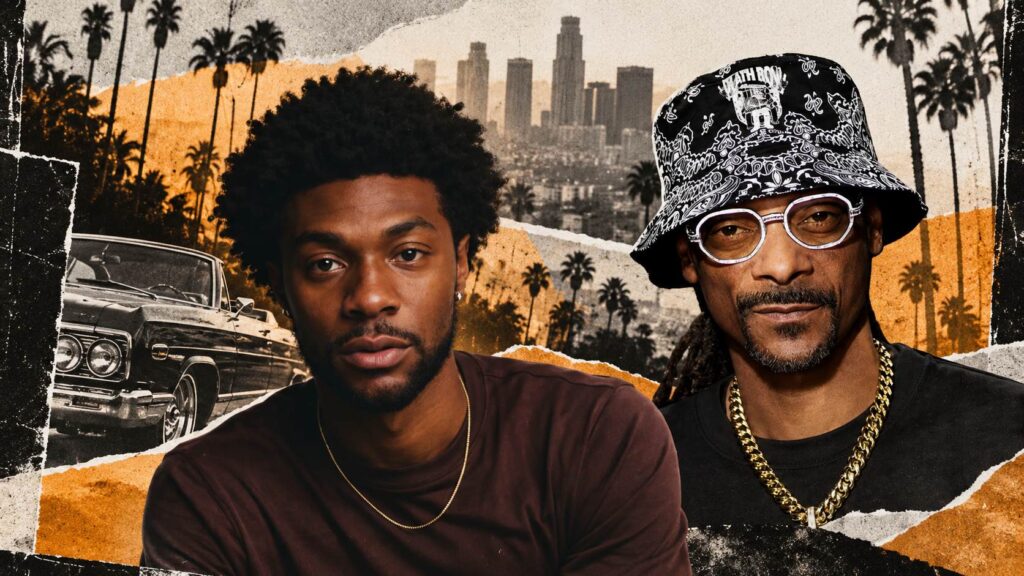
Snoop Dogg is getting his own movie, and Universal Pictures has confirmed that it will arrive in theaters on August 6, 2027. The film, titled Snoop, will tell the story of the Long Beach rapper who became one of the biggest names in hip-hop, with Jonathan Daviss playing the lead role.
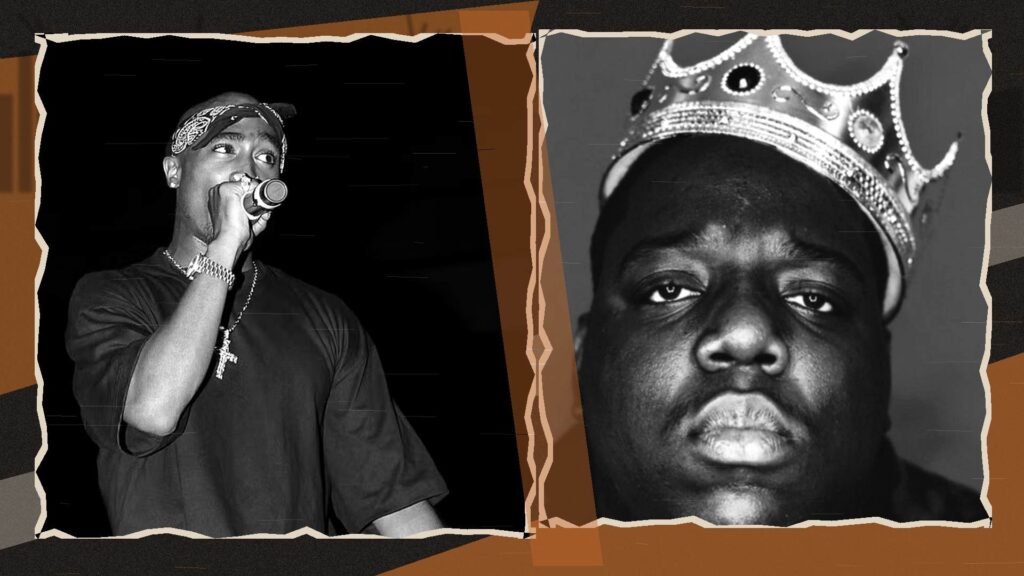
The cast already includes actors playing Dr. Dre, Tupac Shakur, Suge Knight, Warren G, Nate Dogg and the Notorious B.I.G. With so many figures from the 1990s rap scene involved, the movie appears set to spend considerable time on the years when Snoop was recording with Death Row Records and helping bring West Coast hip-hop to a worldwide audience.
Snoop Dogg is also producing the film, with Craig Brewer directing. Universal has confirmed that music from the rapper’s catalog will appear in the movie, although the studio has not announced a complete soundtrack or revealed how much of his later career the story will cover.
When Is the Snoop Dogg Biopic Coming Out?
The official Snoop Dogg biopic release date is Friday, August 6, 2027, for theaters across the United States.
Universal Pictures confirmed the date on July 22, 2026, along with the film’s title, director and lead actor. The announcement described Snoop as a movie about the life and career of the rapper and entertainment entrepreneur.
The release is being handled by Universal, the studio behind Straight Outta Compton, the 2015 film about N.W.A., and 8 Mile, the 2002 drama starring Eminem.
Universal has scheduled a wide theatrical release rather than announcing the movie directly for streaming. No official date has been confirmed for its eventual arrival on a streaming service.
As of October 14, 2026, the studio has not released an official trailer or confirmed the film’s running time.
Jonathan Daviss Will Play Snoop Dogg
Jonathan Daviss, best known for playing Pope Heyward in the Netflix series Outer Banks, will portray Snoop Dogg.
The actor faces a particularly recognizable role. Snoop has been a public figure for more than three decades, and his voice, relaxed delivery, appearance and manner of speaking are immediately recognizable to generations of music fans.
Daviss will be portraying Calvin Broadus, the young man from Long Beach who became Snoop Doggy Dogg during the early 1990s.
The movie is expected to show at least part of his rise from local rapper to international star, although Universal has not disclosed the exact beginning or ending of the story.
According to People’s reporting on the cast, Snoop was personally involved in the process of selecting the actor who would portray him.
Daviss will also be working alongside actors portraying some of the biggest artists and executives in hip-hop history. Several of those figures were directly involved in Snoop’s early recordings, while others had important personal connections to him.
Snoop Dogg Biopic Cast, Who Is Playing Each Rapper?
The supporting cast includes musicians, actors and performers playing the people who surrounded Snoop during his rise to fame.
The announced cast places considerable attention on Snoop’s early life and the Death Row Records period. The movie will also portray important family relationships rather than concentrating entirely on recording sessions and performances.
Several actors already have experience in music-related productions. Algee Smith, who will play Warren G, previously portrayed Ralph Tresvant in The New Edition Story.
D’Angelo and Angie Stone’s Son Will Play Biggie Smalls
One of the more unexpected casting announcements came in September, when SwayvoTwain was selected to play Christopher Wallace, better known as the Notorious B.I.G.
SwayvoTwain, whose real name is Michael D’Angelo Archer II, is the son of R&B artists D’Angelo and Angie Stone. He is a recording artist himself, and Snoop will be his first major movie role.
The casting attracted attention because Biggie was closely associated with New York hip-hop during the same period that Snoop and Death Row were dominating the West Coast.
Biggie’s inclusion suggests that his relationship with Snoop will appear in the film. Universal has not confirmed that the movie will devote an entire section to the East Coast and West Coast rap conflict.
What Will the Snoop Dogg Movie Cover?
Universal has not released a detailed plot description. However, the announced characters point toward the period when Snoop met Dr. Dre, recorded his first major songs and joined Death Row Records.
We can identify several real events from his career that are closely connected to the people already cast. Their appearance in the film is not a guarantee that every event will receive its own scene.
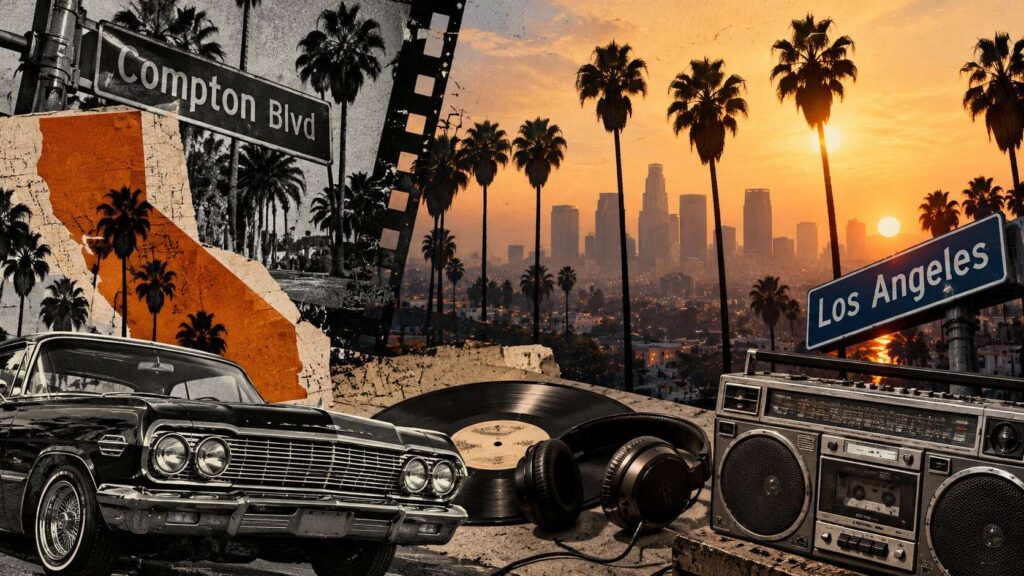
Lowrider culture developed in Southern California’s Mexican American communities and later became closely associated with West Coast hip-hop visuals.
Snoop Dogg’s Early Years in Long Beach
Before he became Snoop Dogg, Calvin Cordozar Broadus Jr. grew up in Long Beach, California.
He developed his interest in music during his teenage years and began recording with friends. Warren G and Nate Dogg were part of the early group 213, named after the telephone area code associated with their hometown at the time.
Those friendships became central to Snoop’s career. Warren G helped connect him with Dr. Dre, who was building a solo career after leaving N.W.A.
The casting of Warren G, Nate Dogg and Big Reecie Cup suggests that the movie will include scenes from Snoop’s life before his first album, although the studio has not described them in detail.
Meeting Dr. Dre and Recording The Chronic
Dr. Dre helped introduce Snoop Dogg to a much larger audience in 1992.
Snoop appeared on Dre’s single “Deep Cover” before performing on several tracks from The Chronic, one of the albums most closely associated with the rise of G-funk.
His laid-back delivery provided a contrast to Dre’s heavy basslines, synthesizers and funk-influenced production. Songs such as “Nuthin’ but a ‘G’ Thang” helped establish the sound that millions of listeners would associate with West Coast rap.
Dre played a major part in Snoop’s early success, and Myles Bullock has been cast to portray him.
We do not yet know how the film will recreate the recording sessions or which songs will receive the most attention.
Doggystyle and Snoop’s First Major Success
Snoop released his debut solo album, Doggystyle, in November 1993.
Produced by Dr. Dre and released through Death Row Records, the album included “Gin and Juice,” “Who Am I (What’s My Name)?” and “Doggy Dogg World.”
Doggystyle debuted at number one on the Billboard 200. Its success turned Snoop from a featured performer on Dre’s recordings into a major solo artist.
The album also helped bring the Long Beach rap scene into mainstream American music.
Its songs remain among the most recognizable recordings of Snoop’s career. Given Universal’s confirmation that the movie will feature his music, the early Death Row catalog is a natural source of material for the soundtrack. The studio has not yet announced which tracks will be included.
Death Row Records, Tupac and Suge Knight
Death Row Records was central to West Coast hip-hop during the first half of the 1990s.
Founded by Suge Knight and Dr. Dre, the label released several major rap albums and became associated with some of the biggest names in the genre.
Snoop recorded his debut under Death Row, while Tupac Shakur joined the label in 1995. The two rappers appeared together on “2 of Amerikaz Most Wanted,” released on Tupac’s 1996 album All Eyez on Me.
The film includes actors portraying both Tupac and Suge Knight, suggesting that Death Row’s internal relationships will be part of the story.
Snoop’s time at the label involved commercial success and serious personal difficulties. His career during the 1990s also included a highly publicized murder trial that ended in acquittal in 1996.
Universal has not confirmed how much of the trial, the label’s business conflicts or Tupac’s death will appear in the film.
Will the Movie Cover the East Coast and West Coast Rap Rivalry?
Before their rivalry became public, Tupac and Biggie shared a friendship and appeared onstage together during the early 1990s.
The casting of the Notorious B.I.G. and Tupac Shakur raises questions about how the movie will handle one of the most heavily discussed periods in hip-hop history.
During the mid-1990s, tensions involving artists and record labels in New York and Los Angeles attracted enormous media attention.
Tupac and Biggie became central figures in the public conflict, although the history involved more people and events than those two rappers.
Both artists were killed in separate shootings, Tupac in September 1996 and Biggie in March 1997.
Snoop had professional and personal connections to artists on both coasts. The film therefore has an opportunity to show relationships that are sometimes overlooked in simplified accounts of the rivalry.
Still, the presence of Biggie and Tupac in the cast does not establish how much of the story will focus on their deaths or the conflict between record labels.
Who Is Directing the Snoop Dogg Biopic?
Craig Brewer is directing Snoop. His previous movies include Hustle & Flow, Dolemite Is My Name and Coming 2 America.
Brewer has experience directing films about musicians and the entertainment business.
Hustle & Flow, released in 2005, follows a Memphis man trying to build a rap career. The movie won an Academy Award for the song “It’s Hard out Here for a Pimp.”
In Dolemite Is My Name, Brewer directed Eddie Murphy as Rudy Ray Moore, the comedian and filmmaker whose work influenced later generations of hip-hop artists.
For Snoop, Brewer rewrote an earlier screenplay by Joe Robert Cole, whose credits include Black Panther and Black Panther: Wakanda Forever.
The film is being produced by Snoop Dogg, Brian Grazer and Sara Ramaker, alongside Allan Mandelbaum.
Grazer also produced 8 Mile, giving the production another connection to a major hip-hop film.
Snoop Dogg is one of the producers, working through Death Row Pictures alongside Universal and Imagine Entertainment.
The project is the first film under the production agreement between Death Row Pictures and NBCUniversal Entertainment & Studios.
Snoop acquired the Death Row Records brand in 2022, years after leaving the label as a recording artist. His involvement with the new film gives him a direct role in bringing his life story to the screen.
In September 2026, Snoop also spoke about the emotional experience of seeing actors portray members of his family, including his late mother, Beverly Tate.
Lauren London has been cast as Beverly Tate, while Laya DeLeon Hayes will portray Shante Broadus, Snoop’s wife.
The family casting indicates that the film will give attention to relationships outside the recording studio. It remains unclear how far into Snoop’s adult life the story will continue.
Will Snoop Feature His Original Songs?
Universal has confirmed that Snoop will use music from the rapper’s extensive catalog.
The studio has not announced a soundtrack album or released an official track list.
Several recordings are closely connected to the career events likely to appear in the movie.
“Deep Cover” (1992). Snoop’s early collaboration with Dr. Dre introduced his voice to a much larger audience.
“Nuthin’ but a ‘G’ Thang” (1992). One of the defining collaborations from Dr. Dre’s The Chronic.
“Who Am I (What’s My Name)?” (1993). A major single from Snoop’s debut album.
“Gin and Juice” (1994). One of the best-known songs from Doggystyle.
“2 of Amerikaz Most Wanted” (1996). A collaboration with Tupac Shakur during the Death Row period.
None of those tracks has been individually confirmed for the film. Their relevance comes from the real musical history connected to the announced characters.
Later hits such as “Drop It Like It’s Hot” could become part of the story if the movie follows Snoop into the 2000s. Universal has not established that the film covers those years.
What the Film Could Tell Us About West Coast Rap
Parliament-Funkadelic’s 1970s recordings became a major source of samples for West Coast hip-hop producers, helping shape the genre’s signature sound.
Snoop helped make the sound of Long Beach recognizable to listeners far outside California.
During the early 1990s, Dr. Dre’s G-funk production combined slow rhythms, deep bass and synthesizer melodies inspired by funk records. Snoop’s delivery fitted that sound without trying to match the aggressive vocal style associated with some earlier gangsta rap.
The combination helped The Chronic and Doggystyle reach audiences who had not previously followed West Coast hip-hop.
Other artists followed their own musical directions as the scene developed. Some kept elements of G-funk, while others concentrated on street storytelling or production styles influenced by their local communities.
RockSoFFMag has also covered the career of Mozzy and his influence on West Coast rap. His rise from Sacramento decades after Snoop’s debut illustrates how the region continued producing artists with their own approaches to lyrics, recording and independent releases.
The new film offers an opportunity to revisit the earlier period when Snoop, Dr. Dre, Warren G and Nate Dogg brought Long Beach music into the national spotlight.
Has Universal Released a Trailer for Snoop?
Universal has not released an official trailer for Snoop.
Online videos labeled as trailers should not be treated as official previews unless they come from Universal or another confirmed production account.
The studio has also not announced the movie’s running time, final rating or soundtrack release date.
The August 6, 2027 theatrical release remains the confirmed date, although movie schedules can change before opening.
Movie Insider’s film listing records the movie’s production activity and announced release information, including filming planned in the Los Angeles area during 2026.
What Remains Unconfirmed About the Snoop Dogg Movie?
Universal has announced the lead actor, director, supporting cast and theatrical release date. The studio has not revealed the complete plot.
The supporting cast suggests that Snoop’s upbringing, his work with Dr. Dre and his Death Row years will receive attention. His family relationships will also appear, with actors portraying his mother and wife.
We still do not know how much time the movie will spend on his later albums, his television career, his business ventures or his work after acquiring Death Row Records.
The next major announcements are expected to establish more about the story through an official synopsis, promotional footage and soundtrack information.
For now, Snoop is scheduled for a wide theatrical release on August 6, 2027, with Jonathan Daviss portraying the rapper and a supporting cast that brings many of the major names from 1990s West Coast hip-hop into the film.1
Album Review: Kirner & Montcorbier AOR Project – Ride The Open Sky Rock Company – November 4th, 2026 Reviewer – Jason Hopper Stanislaw Kirner & Elian de Montcorbier are two songwriters with a passion for AOR and have assembled a group of musicians together to bring their songs to life. Having never heard their first album […]
15th October 2026 Support: Wayside and Lifespark Words & Photos: Martin Hingley
Leeds welcomes Portsmouth rockers Acres for the second night of The Host tour as they kick off their winter run of shows.
First up are German metalcore outfit Lifespark, bringing their riff-driven blend of post-hardcore and pop to the UK for only the second time. Using Wheatus’Teenage Dirtbag to introduce themselves, the band take to the stage with their 2025 release Bloom, its pulsing intro and catchy chorus setting the tone. They bring a fresh approach to post-hardcore, throwing in a rousing cover of Natasha Bedingfield’s Unwrittenbefore vocalist David Lukacs introduces the next song as being by the best boyband of all time. The band then put their own spin on Take That’s Patience. Lifespark provide a fun and energetic start to the night.
Unfortunately, What Lies Below have to announce that they can’t perform due to technical issues with their computer.
Melbourne post-grunge trio Wayside are a welcome addition for a crowd that’s been waiting a while to hear some live music. Bathed in blue light and surrounded by fog, the band create an ethereal atmosphere as they move through a melodic and intricate set. Tracks such as Room 22 and Parallax Error showcase their sound, keeping the audience engaged despite the earlier delay.
With three albums behind them, Acres have become a staple of the UK post-hardcore scene. Opening with three tracks from their latest release, The Host, they get straight down to business as the thumping beats of Not So Different hit the crowd. The pits open early, and the band clearly thrive on seeing fans enjoying themselves.
Although Acres have explored different sounds throughout their nearly fifteen year career, tonight’s set focuses on their more recent post-hardcore era. The songs have been worked on with The Plot In You frontman Landon Tewers as producer, and you can certainly hear his influence in their sound. Halfway through, they turn to their previous album with the punchier Into Flames and Nothing. For me, this is where the band really excel, with vocalist Ben Lumber showcasing just how versatile his voice can be. That range comes through again later in the set with the slower, more ballad-like Around Again.
One of the night’s standout tracks is Staring At The Sun, which has everything you’d want from a song in this genre, from catchy sing-along sections and heavy breakdowns to raw emotion and more fantastic screams from Ben. The band’s energy and musicianship are impressive throughout, although I’d have liked to see the drum kit pushed further back on stage to give the other members more room to move around.
As the evening comes to a close, Acres throw it back a couple of years with Lost, from their EP What It’s Like To Feel Worthless, which goes down a storm with the crowd.
From pulsing lights and thumping riffs to great vocals and through-the-roof energy, Acres have put on one heck of a show tonight. I’d love to see what they could do with a bigger stage and production.
Just at the cusp of the holiday season, acclaimed pop-rock firebrand LØLØ is trading holiday cheer for heartbreak with the release of her new double single, mall santa, out today. Featuring the title track and silent night, the project delivers a bittersweet twist on the most wonderful time of the year. mall santa finds LØLØ […]
Tony Iommi, the legendary guitarist and driving musical force behind Black Sabbath’s garlanded career, releases his brand new album From The Dark now. Featuring vocalist Jorn Lande, who shares writing credits on all songs, as well as bassist Becky Baldwin and drummer Karl Brazil, it was co-produced by Tony and Mike Exeter, his long-time creative partner, co-writer, producer and audio engineer. Fans […]


 Five debut albums, ten songs to start with, and new discoveries for fans of indie rock, shoegaze, jangle-pop and Americana….


 Just at the cusp of the holiday season, acclaimed pop-rock firebrand LØLØ is trading holiday cheer for heartbreak with the release of her new double single, mall santa, out today. Featuring the title track and silent night, the project delivers a bittersweet twist on the most wonderful time of the year. mall santa finds LØLØ […]
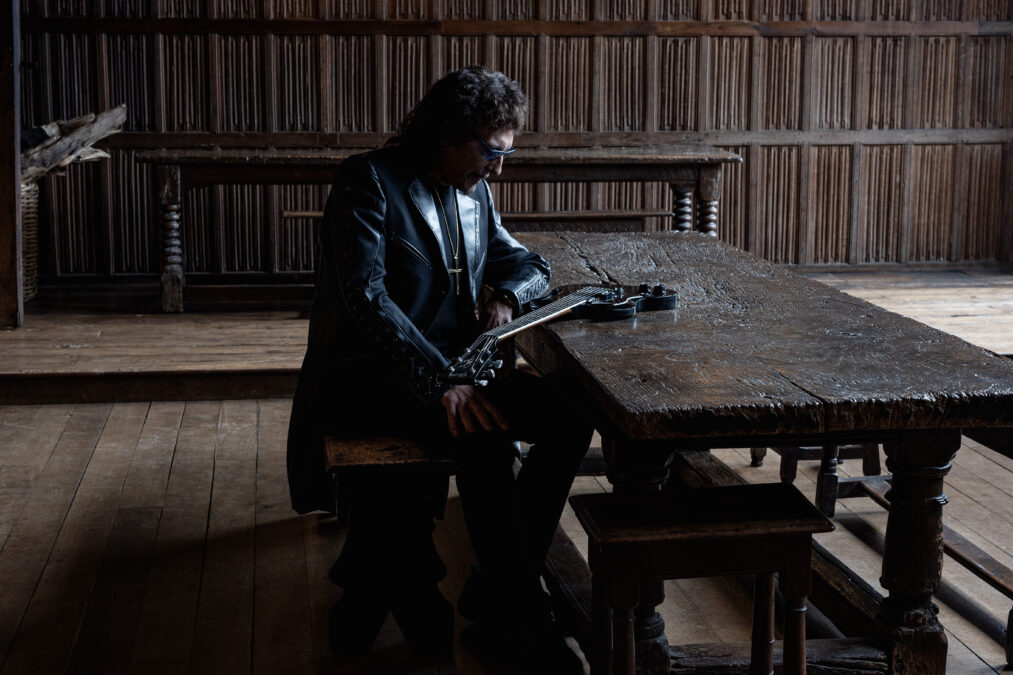 Tony Iommi, the legendary guitarist and driving musical force behind Black Sabbath’s garlanded career, releases his brand new album From The Dark now. Featuring vocalist Jorn Lande, who shares writing credits on all songs, as well as bassist Becky Baldwin and drummer Karl Brazil, it was co-produced by Tony and Mike Exeter, his long-time creative partner, co-writer, producer and audio engineer. Fans […]