Following the departure of lead singer Scott Kelly after he admitted to abusing his wife and children in 2022, Neurosis reshaped themselves with new frontman Aaron Turner of Sumac and Old Man Gloom. Despite the upsetting circumstances, the post-metal icons have come back even stronger. Earlier this year, they released the surprise album An Undying Love For A Burning World. Last night, they gave their first performance in seven years.
It couldn’t be any less than five stars, it really couldn’t. Supported by Georgia Nevada from Cambridge, who came over as a coquettish Dolly Parton type figure. She wasn’t rough enough round the edges for my liking, but a large … Continue reading →
Madison Beer grew up in Jericho, New York, on Long Island, where she began taking singing lessons at age eight and performing in school plays years before the world outside her family knew her name. In 2012, her mother posted a video of her singing “At Last” by Etta James. Justin Bieber shared the clip with his millions of followers, bringing Beer international attention and leading to a deal with Island Records and management by Scooter Braun. Her debut single, “Melodies,” followed in 2013. Her early recordings blended pop with R&B, but disagreements over the direction of her music led
Following the limited release of their debut album ‘Violet Crown‘, French fuzz stoner / heavy blues rock quartet Voodoo Queen unveil the official music video for ‘Bright Cage‘, one of the album’s most emotionally charged tracks. ‘Bright Cage‘ explores the feeling of being trapped inside a role that slowly becomes unbearable. What begins as an ordinary […]
The blues rock guitarist and singer has been cast in the upcoming AMC drama Thunder Road, where he will appear alongside an ensemble cast that includes Dennis Quaid, Chase Stokes, Michael Rooker, Matt Barr, Maggie Grace and West Duchovny.
The series is scheduled to begin production this summer and will premiere on AMC and AMC+ in 2027.
Created by John Fusco, Thunder Road follows the multi-generational saga of the Whitlock family, whose legacy in stock car racing is deeply intertwined with their Southern hill country roots. The series explores family dynamics and fierce rivalries set against the high-stakes world of NASCAR.
For blues fans, Fusco’s involvement is noteworthy. He wrote the 1986 film Crossroads, a cult classic inspired by the legend of Robert Johnson that remains one of the most beloved blues films ever made. Fusco, a blues musician himself, has released four blues albums since 2018, with the most recent, Borderlands, being released in 2022. Other film credits include Young Guns, Hidalgo, and The Highwaymen.
“We couldn’t be more thrilled to welcome Devon Allman to Thunder Road,” Fusco told Deadline. “As the son of Southern rock icon Gregg Allman, Devon carries a legacy in his blood, but he’s a gifted performer and a magnetic presence entirely in his own right. That’s exactly the alchemy this show runs on. In a story world that mines deep family legacy at a crossroads, Devon brings a lived-in authenticity you simply can’t manufacture. He doesn’t play the next-gen South, he’s of it. As Jimmy Fuchs, he’s going to be electric.”
Allman shared the news with fans on social media, expressing his excitement about making his acting debut in a major television series.
“Plot twist! I’m really pumped to share that you’ll see me on TV next year – acting – in the new AMC drama ‘Thunder Road’, Allman wrote. “To play the bad guy and act in an ensemble cast with badasses like Dennis Quaid, Chase Stokes, & Maggie Grace is really a dream come true for me. Can’t wait!”
John R. Miller’s The Great Unknowing expands his country-rooted songwriting without leaving its working-class concerns behind. The album moves between acoustic character studies, honky-tonk arrangements, and louder electric passages, but Miller’s focus stays on people dealing with disappointment, economic pressure, and their own bad habits. Greg Brown’s 1994 album The Poet Game offers a useful earlier model. Brown also built songs from ordinary lives and local details, then allowed broader social concerns to emerge without turning the writing into commentary first and music second.
Scott Gorham flashed that famous California-sun smile as he recalled his audition for Thin Lizzy in 1974. “The whole thing was wild and raucous, with the guitars out front,” he said. “Phil asked me to join that night, and gave me their records, because I’d never heard anything they had done. And here’s their one hit single, Whiskey In The Jar. I take it home, and I’m expecting to hear what I heard at rehearsal, right? Except what I’m hearing is ‘da-der-derble-derble-derble…’ I’m going: ‘What the fuck is this?’. Took an instant dislike to it.
“So after about six months of playing this damn song, I go to Phil and say: ‘You know, Whiskey In The Jar, it’s great, but we got a new band now, you know?’ He goes: ‘Yeah, I get it. Let’s get rid of Whiskey In The Jar.’ Like it was that easy. Now if I reverse the whole thing, and say a new guy comes in years later and goes: ‘You know, Scott, this is a whole new thing. I think we’ve got to drop The Boys Are Back In Town. Heaven to God! I’d be: ‘You’re so fucking fired!’”
But then, as Lizzy leader Phil Lynott once told me: “I hated it that for years that was the only song we were known for. It was like a novelty song. Like Yellow Submarine. Would the fuckin’ Beatles have played that?” Well, no. But then The Beatles already had a zillion No.1 hits when they threw Ringo a bun and let him sing Yellow Submarine.
In the summer of ’72, Thin Lizzy were nobodies, in desperate need of a hit. Their first two albums had been commercial disasters, and their label, Decca, was about to drop them. “We used to say: ‘When are we going to waste another few weeks making an album that won’t sell?’” recalls drummer Brian Downey.
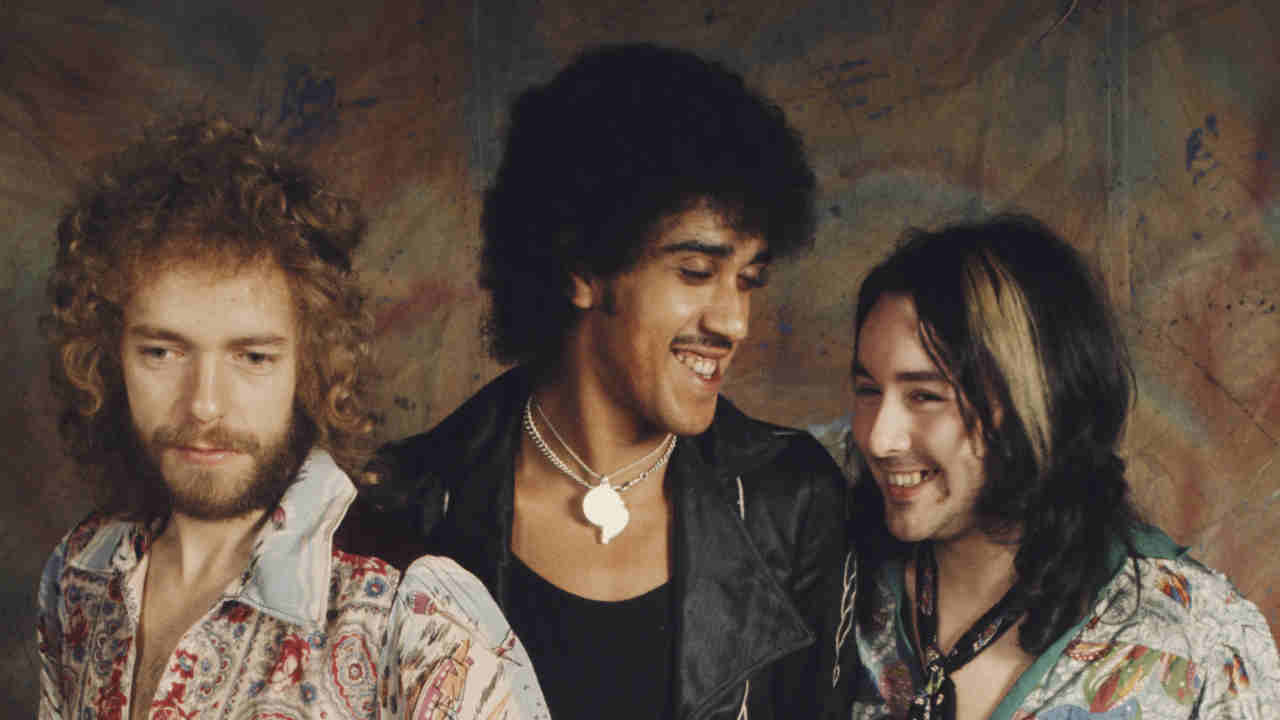
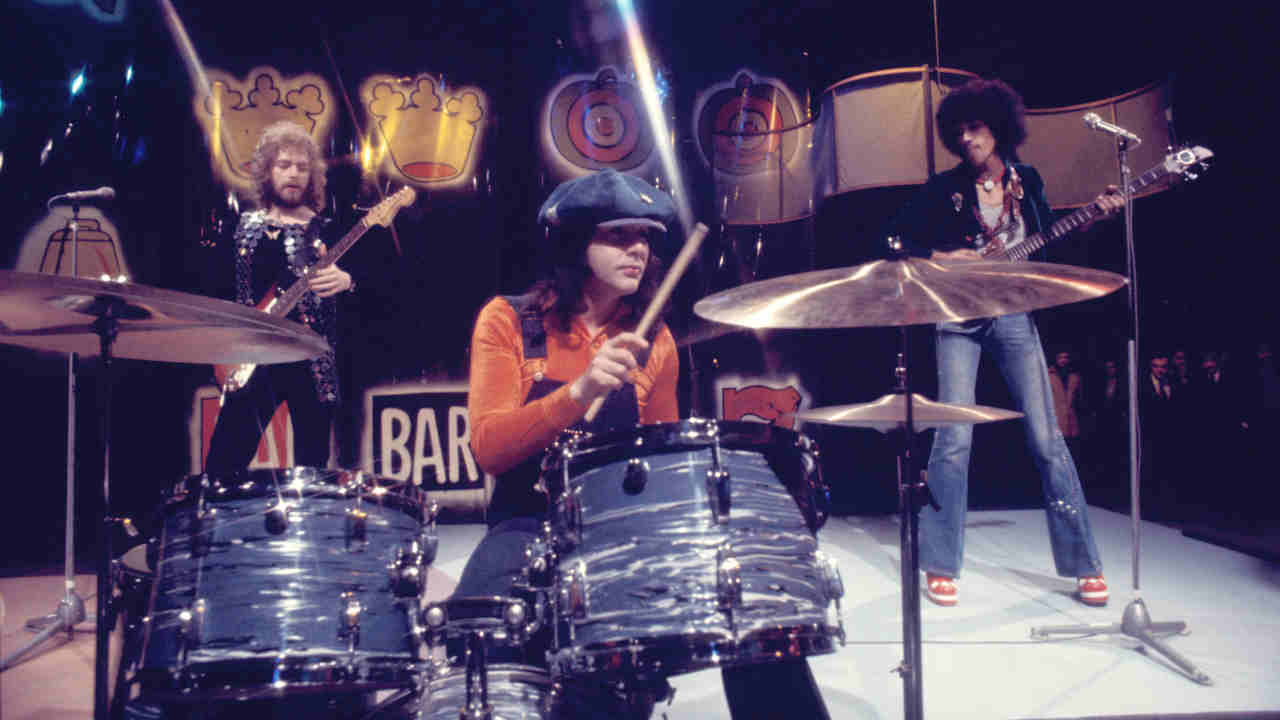
Thin Lizzy in 1973: (from left) Eric Bell, Phil Lynott, Brian Downey (Image credit: Michael Putland/Getty Images)
When their manager Ted Carroll talked Decca into giving the band one last chance with a single, Lynott felt sure he had the answer in a powerful, Hendrix-influenced funk-rock groover he’d written called Black Boys On The Corner.
“Phil had written this great song especially for the single, which he saw as part Hendrix, part commercial pop tune,” Downey remembers. “I think it was the first song he’d written about being black, and it was important to him.”
All they needed was a B-side. But with Lynott determined not to use another of his own songs, preferring to keep the good stuff for the next album, the band worked up an electric version of an old traditional Irish ballad called Whiskey In The Jar that Lynott and original Lizzy guitarist Eric Bell had strummed in smoky Dublin folk clubs for Guinness-and-hash money.
As Bell recalled in 1973: “We were rehearsing in the Duke Of York pub in King’s Cross in London, and Phil picked up the Telecaster and just began singing Whiskey to his own accompaniment, and I found that little riff which announces the song and runs through it now on the disc. Ted Carroll heard us fooling around on it and started enthusing about how good it sounded. So we put it together a little more solidly.”
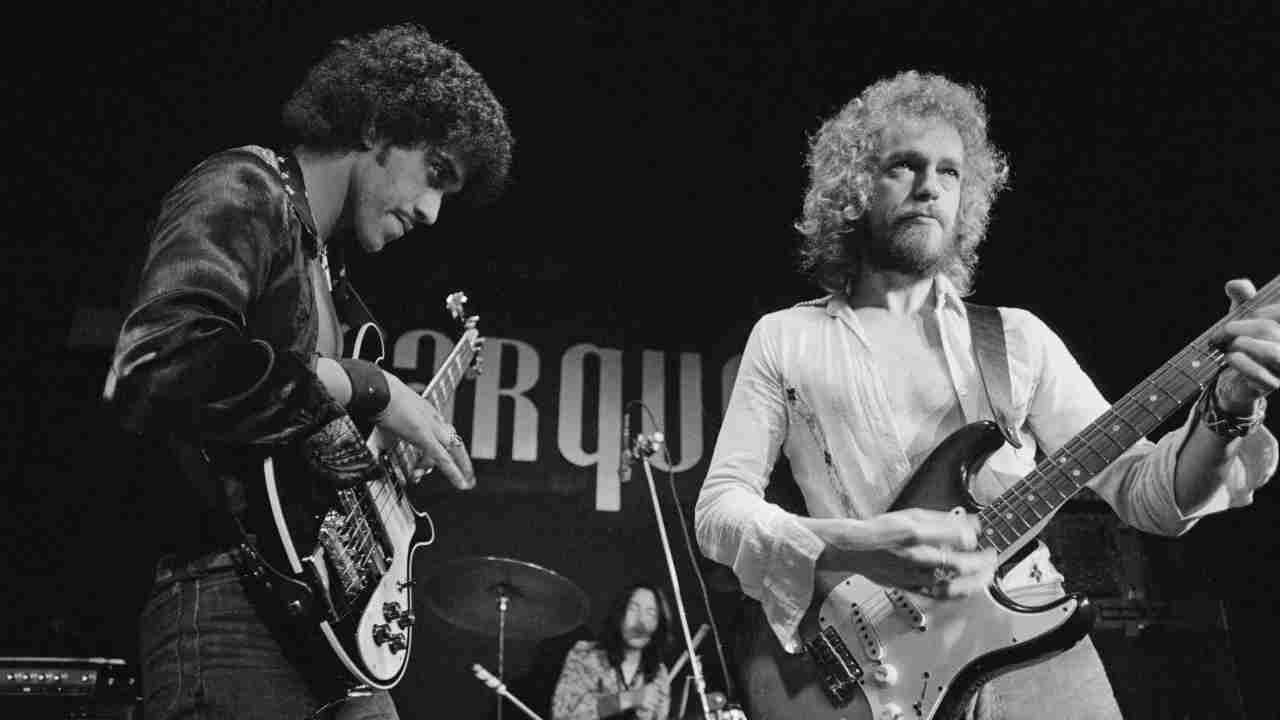
Thin Lizzy live at the Marquee Club in London in 1973 (Image credit: Michael Putland/Getty Images)
“It was an afterthought,” says Carroll. “But Eric worked up this fantastic electric guitar version, with that brilliant intro of his, and the first time I heard it I said: ‘This is a hit!’”
Decca head honcho Dick Rowe agreed, and unilaterally switched the tracks around, making Whiskey the A-side and Black Boys the B-side. It was left to Carroll to tell the band. And they were not pleased.
“Phil was furious,” says Carroll. “He’d put so much into Black Boys, seeing it as the band’s first big statement single. But we were in no position to argue. Lizzy were really in debt at the time and things were getting desperate. Decca wanted Whiskey as the A-side, so we went with it, and the band began playing it live.”
So desperate were the band, in fact, that they had just accepted £1,000 (around ten grand in today’s money) to record an album of Deep Purple covers, under the fictional aegis Funky Junction.
“Phil saw himself as more of a Rod Stewart than an Ian Gillan,” says Downey, “so he did the bass and some backing vocals, and Ted got in Benny White, the singer from another Irish band he managed called Elmer Fudd, who was like a copycat Gillan.”
With Jon Lord-style keyboards by Fudd’s Dave ‘Mojo’ Lennox, and a photo of another band completely on the cover (Hard Stuff, also managed by Carroll), the album Funky Junction Play A Tribute To Deep Purple went on sale in Woolworth in January 1973, priced just 50p.
“It was an embarrassment,” says a cringing Downey. “But we were desperate for the cash. It got us out of a jam so we could carry on going as Thin Lizzy.”
After that album, a rocked-up version of Whiskey In The Jar represented a massive step forward – at least in terms of profile in Ireland where it reached No.1. But despite Decca chopping the track down from five minutes-plus to three-and-a-half by editing out most of Bell’s dappled, Gaelic-lilt guitar solo, it looked like its chances of breaking the band in the UK were slight.
“John Peel liked the band and would play us on his show,” Lynott recalled. “And a few other ‘specialist DJs’, as they called them, like Kid Jensen and Stuart Henry, loved us, but you would never hear us on the radio in the day.”
Until, that is, Carroll had another brainwave. “I decided to send these miniature bottles of Whiskey to some of the producers at Radio 1 [and Top Of The Pops and the The Old Grey Whistle Test]. I peeled off the labels and replaced them with some we’d had made up with ‘Whiskey In The Jar: Thin Lizzy’ on them. It worked a treat, and Radio 1 finally began playing the song.”
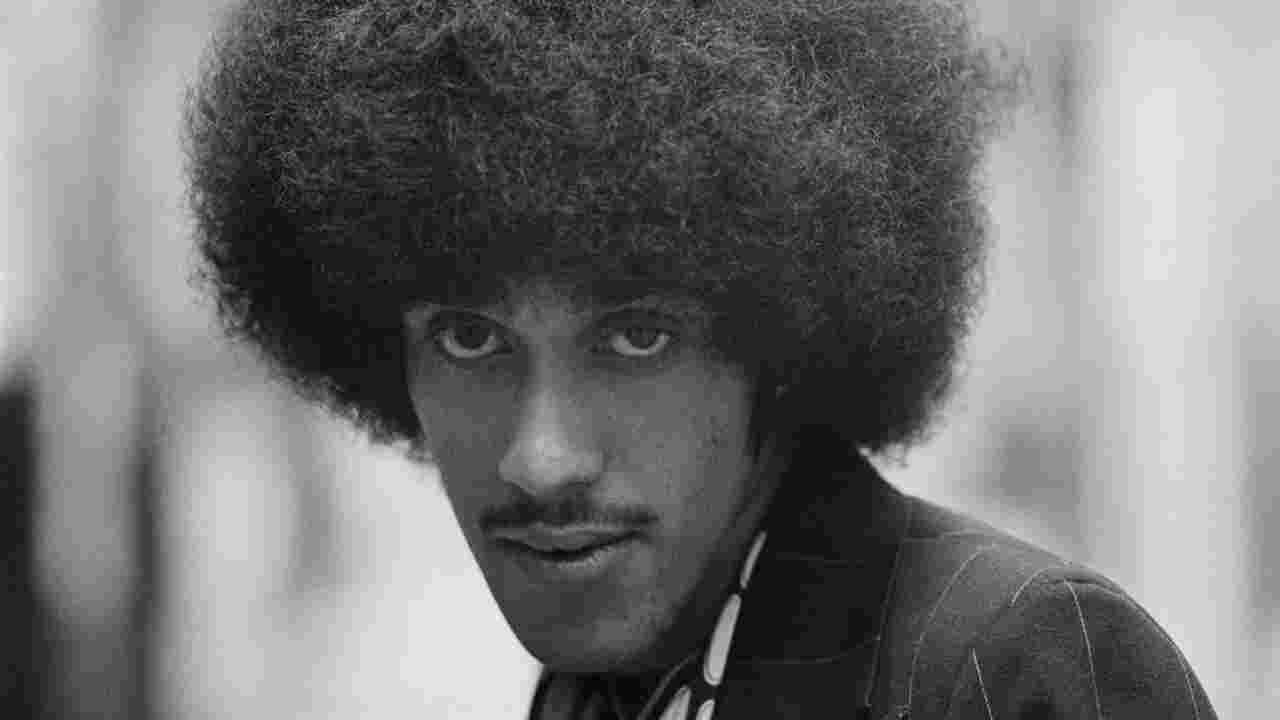
Thin Lizzy’s Phil Lynott in 1973 (Image credit: Jack Kay/Express/Hulton Archive/Getty Images)
By March it was nestled at No.6 in the UK chart and Lizzy were making their debut appearance on Top Of The Pops. But it was a joke version, Bell says now, not to be taken seriously. “When it became a hit I couldn’t believe it, having to go on telly playing it, or miming to it, which I hated.”
Further infuriating the band was Decca’s thoughtless misspelling of ‘Whiskey’ – the Irish spelling – on the record sleeve as ‘Whisky’, the English spelling of the golden grain. Heresy.
“Whiskey In The Jar was a huge embarrassment to all of them,” Lynott’s then live-in girlfriend Gale Clayden told me. “They were supposed to be a rock band! But Phil was driven. He was going to do whatever it took to make it happen.”
“Eric had a problem with it,” says Carroll. “None of them really liked it. But Whiskey was a huge hit. The biggest Lizzy ever made, selling more copies even than The Boys Are Back In Town [released later, in ’76]. It was a turning point for the band. They went from playing clubs to fifty people a night to headlining halls to a thousand people a night.”
Thin Lizzy performing Whiskey In The Jar on Top Of The Pops in 1973 (Image credit: Watal Asanuma/Shinko Music/Getty Images)
Although he was loath to admit it at the time, fearing, as he said, that people would think of Lizzy as “this electric Irish folk band”, the fact is that Lynott felt a real connection to the song.
On the one hand, as Downey recalls: “Phil was such a tough cookie, a hard man. You didn’t mess.” But there was another side too. Lynott was shy, gently spoken, devoured Irish history books. He loved the plaintive folk ballads of the mythological Celtic past, and would reference 19th-century Dublin poets such as Clarence Mangan, who had influenced James Joyce.
“To hear Phil speak, Ireland was the greatest place in the world,” Scott Gorham says. “He’d drag me along to some well and go: ‘You know what happened here?’ I’d be: ‘You know what? I don’t really give a fuck.’ He’d be like: ‘Well, I’m gonna tell ya anyway! Here in the twelfth century…’ He knew all the dates and names and which battles happened.”
The origins of the song – about a stand-and-deliver Irish highwayman who robs a governor-laird – are caked in layers of unreliable oral histories, but likely go back to the 17th century, sharing some of its lines and plot with the broadside ballad Patrick Fleming, named after the notorious Irish highwayman executed in 1650.
Over the centuries there were dozens of versions of the song, with various locations mentioned including Kerry, Kilmoganny and Sligo Town. Thin Lizzy placed the tale of the highwayman betrayed by his woman in ‘the Cork and Kerry mountains’.
The names in the song also change. The Captain Farrell of Lizzy’s version becomes a Colonel called Pepper and many other nom de plumes; the ‘Molly’ that Lynott sings of is also variously known as Jenny, Emzy, Ginny – or indeed any name that fits the stanza.
Another notable rendering of the song turned up in 1728 in the English poet and dramatist John Gay’s The Beggars Opera, said to be inspired by Gay hearing an Irish ballad-monger belting it out in a Soho tavern.
According to the American music historian Alan Lomax, “the folk of seventeenth-century Britain liked and admired their local highwaymen; and in Ireland (or Scotland) where the gentlemen of the roads robbed English landlords, they were regarded as national patriots. Such feelings inspired this rollicking ballad”.
But for all the success and attention that Whiskey In The Jar brought Thin Lizzy, when their next album, Vagabonds Of The Western World, was another flop, and the band were finally dropped by Decca, Lynott’s fear that they would be one-hit wonders seemed to be confirmed.
As we now know, it was the dark before the dawn, and a new, upgraded ‘live and dangerous’ Thin Lizzy would become the one the world now recalls most fondly. Eric Bell, who left Lizzy not long after Whiskey, recalls watching the band on Top Of The Pops in their Boys Are Back pomp: “I thought: ‘Fuck me, Philip!’ He was dressed in black leather with a black studded armband on, portraying a hard man. I thought: ‘Ah, right, that’s his new image. He’s reinvented himself. He doesn’t want to play Whiskey In The Jar any more.’”
Originally published in Classic Rock issue 298 (February 2022)
Various Artists: Motorway City – The Golden Age of Car Travel 1966-82 (Ace Records) Released 31 July 2026 CD | Vinyl Highway cruising never sounded so sublime: Bob Stanley has trawled through the library music archives to piece together a sonic excursion with a mood for every road trip. But as the world prepares to […]
Das 35. Wacken Open Air steht vor der Tür! Die ersten von euch sind auf dem Weg und die meisten von euch zumindest mit packen beschäftigt
Aus diesem Anlass fassen wir euch einmal alle wichtigen Hinweise hier zusammen:
Anreise mit Bahn & Bus:
Nutzt, wenn immer möglich, die attraktiven Angebote von Bus & Bahn!
Unser W:O:A Shuttlebus bringt euch sicher und günstig vom Bahnhof Itzehoe zum Wacken Open Air – und auch wieder zurück. Dieser ist für alle W:O:A Ticketinhaber kostenlos.
Wir haben mehrere Fahrradabstellplätze eingerichtet. Bitte nutzt diese. Im Bereich von Not- und Rettungswegen angeschlossene Fahrräder müssen wir kostenpflichtig entfernen. Zur Verfügung steht Euch unter anderem eine Fahrradabstellfläche am alten Busplatz (Dorfstraße).
Anreise mit dem PKW
Anreisezeitraum:
Folgende Camping-Areas haben seit heute, am Sonntag, 26.07.2026, 09 Uhr geöffnet:
Campground
Split Camping
Camper-Park
Bauer Uwes Garten
Wheels of Steel
Die Anreise am Sonntag ist nur mit tagesgültigem Access Pass möglich.
Ihr bekommt, passend zu eurem Access Pass, eine Routenbeschreibung vom Wacken Ticketcenterin euer Postfach.
Bitte beachtet die angegebene Autobahn und die entsprechenden Abfahrten für eure Route. Die Anreiserouten sind mit euren Routensymbolen gekennzeichnet.
ACHTUNG: Die Anschlussstelle 7 Schenefeld von der A23 ist nur Behördenfahrzeugen, Liefer- und Busverkehr vorbehalten.
Schaltet euer Navigationsgerät spätestens ab der Ausfahrt von der Autobahn aus.
Fokussiert euch bei der Anfahrt auf die Beschilderung am Straßenrand und auf die digitalen Anzeigen.
Den Anweisungen der W:O:A Traffic Control und Stewards ist zu jeder Zeit Folge zu leisten!
Plant für eure Anreise ausreichend Zeit ein und versorgt euch im Fahrzeug mit ausreichend Wasser, Getränken und Snacks. Nehmt auch eine Powerbank mit, damit wir euch über unsere W:O:A-App mit aktuellen Informationen versorgen können.
Für aktuelle Verkehrshinweise während der Anreise zum Wacken Open Air hört den Verkehrsfunk bei Radio BOB!
Die Polizei Schleswig-Holstein postet in regelmäßigen Abständen die aktuelle Verkehrslage. Folgt hierfür der Polizei Schleswig-Holstein auf X (ehemals Twitter), Facebook oder Instagram.
Denkt auf der gesamten Fahrt zum W:O:A an die Bildung von Rettungsgassen, um ankommende Rettungsfahrzeuge nicht zu behindern und Platz zur Durchfahrt zu gewähren.
Vor Ort:
Haltet euren Access Pass und eure Tickets bzw. die Barcodes griffbereit (egal ob digital auf dem Handy oder ausgedruckt) – Tickets suchen bedeutet für euch Hektik und für alle anderen unnötige Wartezeiten.
Befolgt bitte die Anweisungen der Stewards und nutzt die zugewiesenen Stellplätze und Flächen. Achtet beim Parken und Aufstellen der Zelte darauf, dass ihr dies so platzsparend wie möglich tut! Fragen zum Festival werden gerne beantwortet, nachdem Ihr euer Fahrzeug geparkt habt.
Es werden zwei Fahrzeugparkreihen mit vielen Fahrzeugen nebeneinander gebildet und zwischen diesen Fahrzeugreihen entsteht der Freiraum für eure Zelte und euer Campingequipment – die Fahrspur, die dann auf der anderen Seite eures Fahrzeugs entsteht, dient als Verkehrs- und Rettungsweg für euch und die Rettungsdienste!
Haltet die Verkehrs- und Rettungswege frei – ihr werdet sonst abgeschleppt. Die Verkehrs- und Rettungswege sind mit Trassierband (rot/weiss = Flatterband) gekennzeichnet und für die Zufahrt von Rettungsfahrzeugen und Feuerwehr sehr wichtig.
ACHTUNG: Je nach Wetterlage kann es auf den Flächen notwendig sein Parken und Zelten zu trennen, stellt euch auch darauf bitte ein, das es nicht zu bösen Überraschungen im Fall der Fälle kommt.
Taxen:
Taxen findet ihr an den Busplätzen. Leider gibt es unter den Taxen jedes Jahr einige schwarze Schafe – achtet daher auf unsere Aufkleber auf den akkreditierten Taxen und vergleicht die Preise mit der ausgehängten Preisliste.
Macht keine Festpreise aus, sondern wendet euch bei Problemen an die Crew vom Busplatz.
Traktoren:
Private Traktoren haben immer wieder zu hohen Sachschäden auf dem W:O:A geführt, daher ist ihre Nutzung nicht mehr erlaubt.
Wohnmobile und Gespanne:
Wir bitten zu beachten, dass Fahrzeuge und Gespanne ab 3,5 Tonnen für uns einen erheblichen Mehraufwand darstellen, insbesondere bei schlechten Bodenverhältnissen.
Heavy Duty:
Fahrzeuge ab 7,5 Tonnen müssen sich zwingend im Vorfeld bei uns anmelden.
Wir können keine Anreise für Fahrzeuge dieser Größe garantieren und behalten uns vor je nach Platzverhältnissen den Zugang zum Gelände zu verwehren.
Wetterlage:
Das Wetter heute ist durchwachsen bei 18°
Bitte beachtet stets unsere aktuellen Informationen zur Wetterlage und schaltet die Push-Nachrichten als auch die Standort-Funktion in eurer W:O:A-App ein.
Denkt an wetterfeste Kleidung und Sonnencreme.
Sorgt dafür, dass ihr für den Notfall euren Abschlepphaken parat habt, um im Notfall Zeit zu sparen.
Sicherheitsfeature der W:O:A-App:
Helft uns, euch möglichst schnell und sicher von eurem Standort auf den Acker zu bekommen, indem ihr die „Standort“-Funktion in unserer App aktiviert.
Diese findet ihr in den Einstellungen der W:O:A-App.
Wir danken für euren Support und wünschen euch eine sichere, entspannte und pannenfreie Anreise.