Germans Knife have disclosed details and first single in connection with their new full-length announcement. Entitled Into Your Nightmare, it was produced, mixed and mastered by Martin Buchwalter at Studio Gernhart. Cover artwork was created by Timbul Cayhono. Official release date: December 18, 2026. Read more…
Clutch have announced their 14th studio album, Wasted Lands, for release on 22 January 2027 through their Weathermaker Music label. The Maryland band have shared the title track today, with its official video scheduled to premiere at 5pm BST on 25 September.
Written and recorded at the band’s Doom Saloon base in Frederick, Maryland, the album reunites Clutch with producer Machine for the first time since 2015’s Psychic Warfare. Neil Fallon, Tim Sult, Dan Maines and Jean-Paul Gaster wrote the record with live performance in mind.
Fallon says the creature at the centre of Wasted Lands grew out of an online impersonation incident in which someone using his name allegedly promised a fan a free T-shirt and dinner.
“The inspiration for the lyrics in Wasted Lands,” vocalist Neil Fallon said, “came about when it was brought to my attention that someone had been dragging my name on Facebook. Weird, right?
“Apparently, I had reneged on a free t-shirt and dinner. I think it was a prize in a pay-to-play contest. Not to overstate the obvious, but it was a load of horse hockey. Many people tried to explain to this person that it was not me and that they had been hustled. But they simply would not believe it.
“So I thought, screw it, no half-measures. You want a monster? Let’s give you one.”
Elsewhere on the new album, Beware The Fever features banjo played by Fallon on an original writing-session demo.
Wasted Lands will be available on CD, cassette and vinyl, with several retailer-exclusive vinyl editions. Clutch begin a US headline tour with Slomosa and Blood Vulture in October 2026, then take the album to Australia in January 2027 with Corrosion of Conformity.
Right now, somewhere on a stage in America or the UK, a 79 year old man is standing up there alone, answering questions from the audience about songs he wrote nearly sixty years ago. That’s Justin Hayward, and the tour is called The Story in Your Eyes. It’s a nice, gentle name for what it actually is, which is the last surviving member of a five piece band doing his best to keep the whole thing alive by himself, because there’s genuinely nobody left to help him.
That’s not an exaggeration for effect. Every founding member of the Moody Blues is dead. The last one standing from the classic Nights in White Satin era, John Lodge, died suddenly in October 2025, only months ago as I write this. Most “get to know the band” articles about the Moody Blues read like they were written in 2015 and never updated. This one isn’t going to do that. Here’s who each of these guys actually was, what they actually did, and what actually happened to them.
The Moody Blues formed in Birmingham in 1964. Every founding member has now died, with Mike Pinder, the last surviving founder, passing away in April 2024.
John Lodge, who joined the band in 1966 and remained a key figure for decades, died suddenly in October 2025 at the age of 82.
Justin Hayward is now the only surviving member of the classic lineup. At 79, he is still performing and touring with an intimate solo show through the rest of 2026.
At this point, the story is no longer really about meeting the band. It is about one remaining member carrying more than sixty years of songs and history.
Member
Role
With the Band
Status
Denny Laine
Guitar, lead vocals
1964 to 1966
Died December 5, 2023, age 79
Clint Warwick
Bass, vocals
1964 to 1966
Died May 15, 2004, age 64
Ray Thomas
Flute, harmonica, vocals
1964 to around 2002
Died January 4, 2018, age 76
Mike Pinder
Keyboards, Mellotron
1964 to 1978
Died April 24, 2024, age 82
Graeme Edge
Drums, poetry
1964 to 2018
Died November 11, 2021, age 80
John Lodge
Bass, vocals
1966 to 2018
Died October 10, 2025, age 82
Justin Hayward
Guitar, lead vocals
1966 to present
Alive, 79, touring solo
Patrick Moraz
Keyboards
1978 to 1991
Alive, still active in music
Right now, somewhere on a stage in America or the UK, a 79 year old man is standing up there alone, answering
How Five Guys From Birmingham Almost Ended Up Named After a Brewery
Before any of this gets sad, it’s worth knowing the band almost had one of the worst names in rock history.
In 1964, Ray Thomas and Mike Pinder, who’d been playing together since their teenage band El Riot and the Rebels, teamed up with Denny Laine, Clint Warwick, and Graeme Edge, and needed a name fast.
They called themselves the M&B Five, hoping to flatter Mitchells & Butlers, a Birmingham brewery that owned a bunch of the clubs they wanted to play, into sponsoring them.
The brewery said no. Pinder, thinking on his feet, suggested The Moody Blues instead, inspired by the idea that music could genuinely shift someone’s mood, a concept he later called almost magical, according to an interview reported by American Songwriter.
A band that would go on to sell more than 70 million records worldwide came within one rejected sponsorship pitch of touring the world as the Mitchells & Butlers Five.
Denny Laine: The One Who Left, Then Joined Paul McCartney’s Band Instead
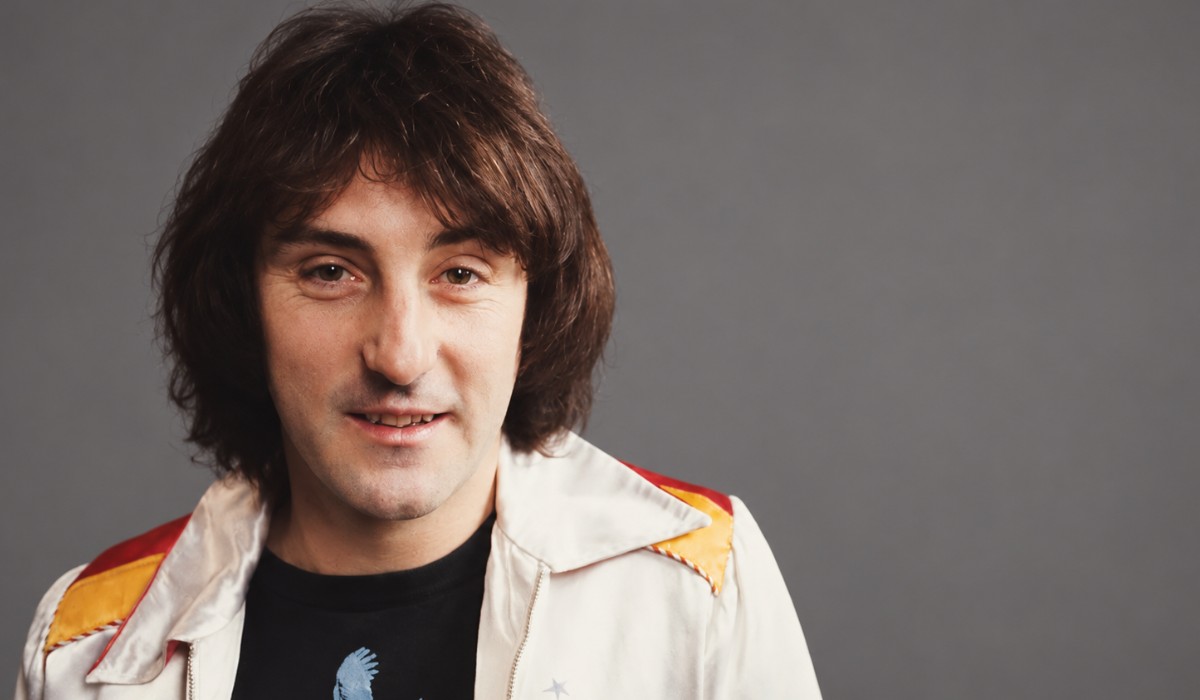
Denny Laine
Denny Laine was the original singer, and it’s his voice on “Go Now,” the band’s first big hit and their only UK number one with the founding lineup. Born Brian Frederick Arthur Hines, he picked the stage name Laine partly as a nod to singer Frankie Laine.
By 1966 he’d left the band, right as they were about to move into the orchestral, classical influenced sound that would define them. Instead, Laine went on to do something arguably even bigger: he joined Paul McCartney’s post-Beatles band Wings, and stayed for the entire decade the group existed, the only member besides Paul and Linda McCartney who was there from start to finish.
He co-wrote “Mull of Kintyre,” which sold over two million copies in the UK alone, still one of the best selling singles in British chart history. Laine died December 5, 2023, at 79, and McCartney posted a tribute noting the two had reconnected and rebuilt their friendship in his final years, according to AP’s report.
Clint Warwick: The First to Go
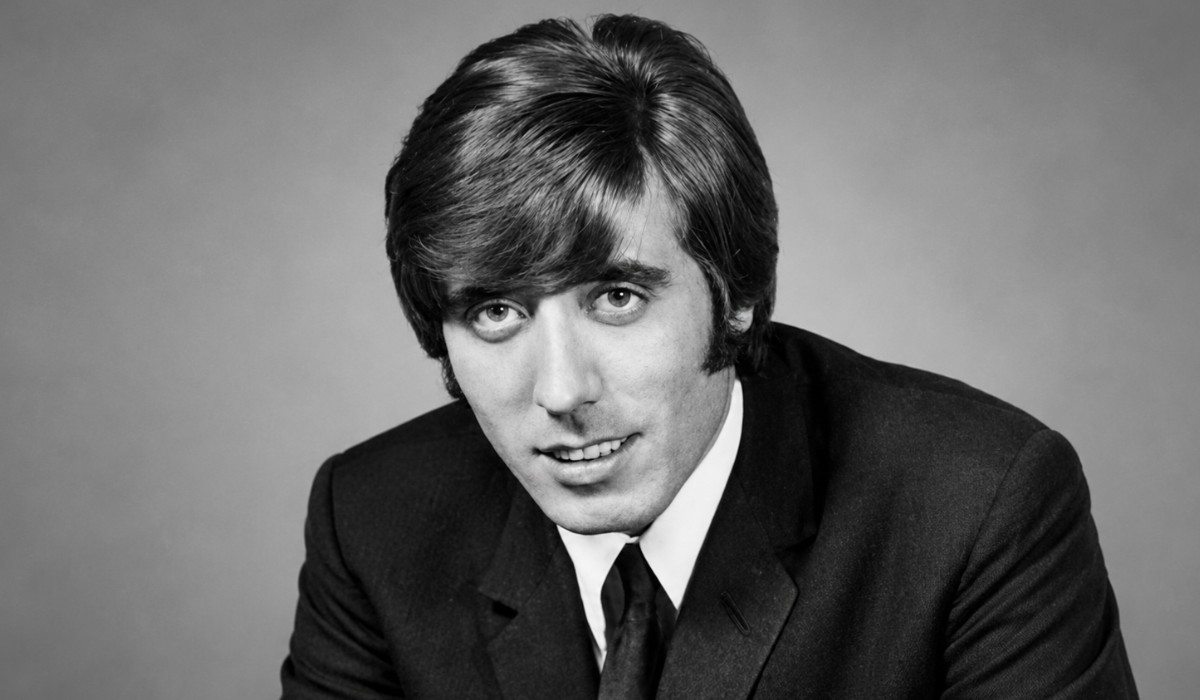
Clint Warwick
Clint Warwick, born Clinton Eccles, played bass on those early R&B flavored records and left alongside Laine in 1966.
He never rejoined the spotlight the way Laine did, and largely stepped away from the public side of music. He was the first of the group to die, passing on May 15, 2004, in his hometown of Birmingham at 64.
Clint doesn’t get the retrospectives the others do, but without him and Laine in that original lineup, there’s no “Go Now,” and probably no Moody Blues at all to eventually become a popular band.
Ray Thomas: The Flute Solo Everyone Knows, Even If They Don’t Know His Name
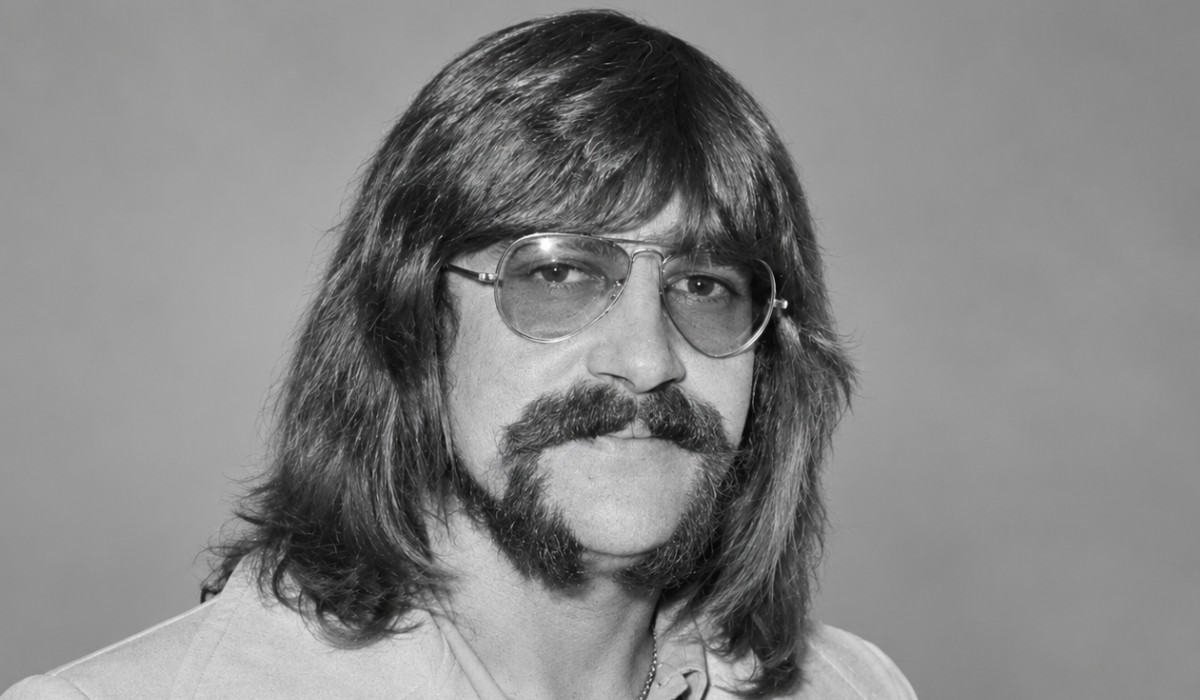
Ray Thomas
If you’ve heard “Nights in White Satin,” you’ve heard Ray Thomas, even if you never clocked his name. That flute solo closing out the song is one of the most recognized instrumental moments in progressive rock, and it’s his.
Thomas stuck with the band the longest of any founding member outside Edge, writing songs like the delightfully strange “Legend of a Mind” (yes, the one that’s basically a tribute to Timothy Leary) before stepping back around the turn of the millennium due to declining health.
He’d disclosed a prostate cancer diagnosis back in 2014. The genuinely rough part of his story is the timing: Thomas died on January 4, 2018, just months before the Moody Blues were formally inducted into the Rock and Roll Hall of Fame that April.
Mike Pinder: The Guy Who Tested Mellotrons for a Living, Then Made One Famous
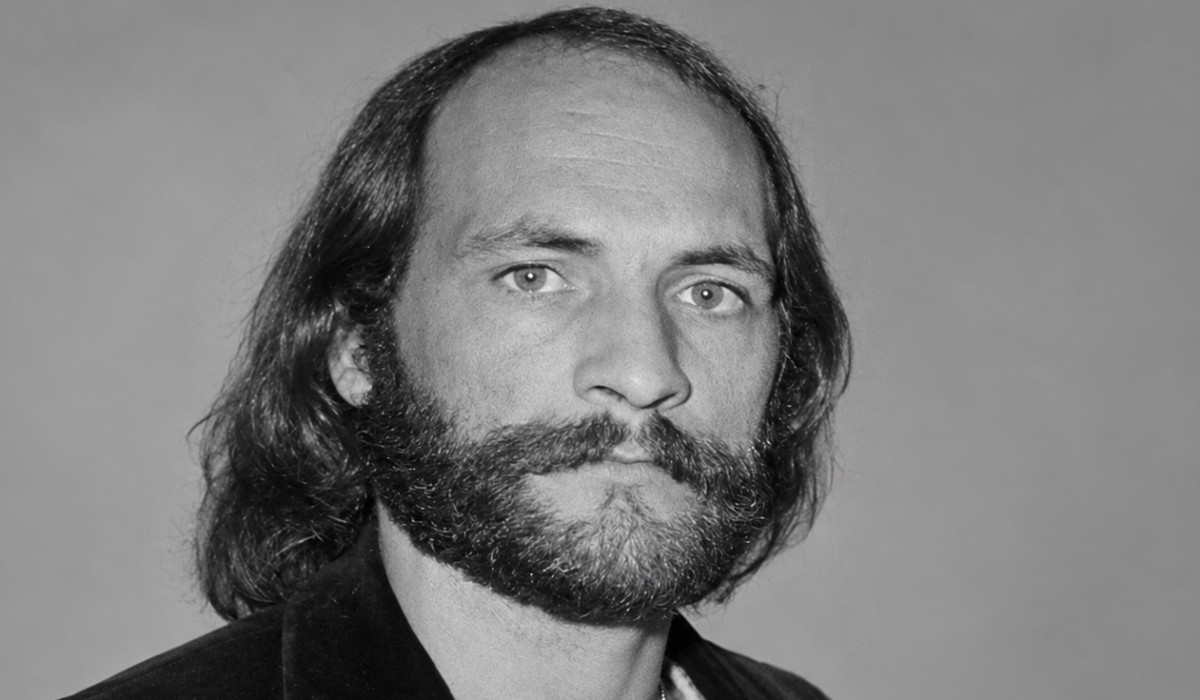
Mike Pinder
Here’s the genuinely funny detail almost nobody mentions. Before Mike Pinder was in a band, he worked at Streetly Electronics in Birmingham, the company that built Mellotrons, and part of his job was testing them.
So when he joined the Moody Blues, he wasn’t just a keyboardist who picked up a weird new instrument, Mike was probably the single most qualified person in England to know exactly what a Mellotron could do.
He first used it on a single called “Love and Beauty” that went nowhere. The next one was “Nights in White Satin,” and suddenly that eerie, swirling, faux orchestral sound was everywhere.
For context on just how strange the Mellotron’s fanbase was outside the band, other early owners reportedly included Princess Margaret, Peter Sellers, and Scientology founder L Ron Hubbard, according to Telegraph.
Pinder left the band in 1978 and eventually settled in Northern California. He died there on April 24, 2024, at 82, after several years of dementia, the last of the founding five to go.
Graeme Edge: The Only Member Who Never Actually Left
Graeme Edge
Out of everyone who ever played in the Moody Blues, Graeme Edge is the only one who stuck around the entire time, from that first Birmingham lineup in 1964 all the way through to when the band stopped touring in 2018.
He wasn’t just the drummer either. Edge wrote poetry that got read aloud on the records, most famously “Late Lament,” the spoken word piece that closes out Nights in White Satin’s parent album, narrated by Pinder back in 1967.
Decades later, on their final tours, Hayward actually brought in actor Jeremy Irons to recreate those recitations live, which Hayward later called absolutely magical. Edge died November 11, 2021, at 80, from cancer.
John Lodge’s tribute at the time called him “the White Eagle of the North,” a nod to one of Edge’s own poems, and described his drumming as the engine room of the whole band. Ultimate Classic Rock reported similar tributes from others who knew and worked with Edge.
John Lodge: Gone Only Months Ago, and Suddenly
John Lodge
John Lodge joined in 1966 alongside Justin Hayward, replacing Warwick on bass, and became one of the band’s two principal singers and songwriters for the next several decades. He co-wrote and sang lead on some of their biggest tracks, stuck around through every album up to their final one in 2003, and kept touring with the group until they stopped in 2018.
Then, on October 10, 2025, his family announced he’d died suddenly and unexpectedly at 82. No cause was given. His family’s statement, described him slipping away peacefully surrounded by loved ones and the sound of the Everly Brothers and Buddy Holly playing in the room, the same artists that had gotten him into music as a kid growing up near Birmingham.
Justin Hayward: The Last One, Still Out There
Justin Hayward
Justin Hayward joined in late 1966, replacing Denny Laine, after Eric Burdon of the Animals passed along a demo tape to Mike Pinder on his behalf. He went on to write 20 of the band’s 27 singles released after 1967, including “Nights in White Satin,” “Tuesday Afternoon,” and “Question,” which is a genuinely wild amount of a band’s most famous material to have come from one guy.
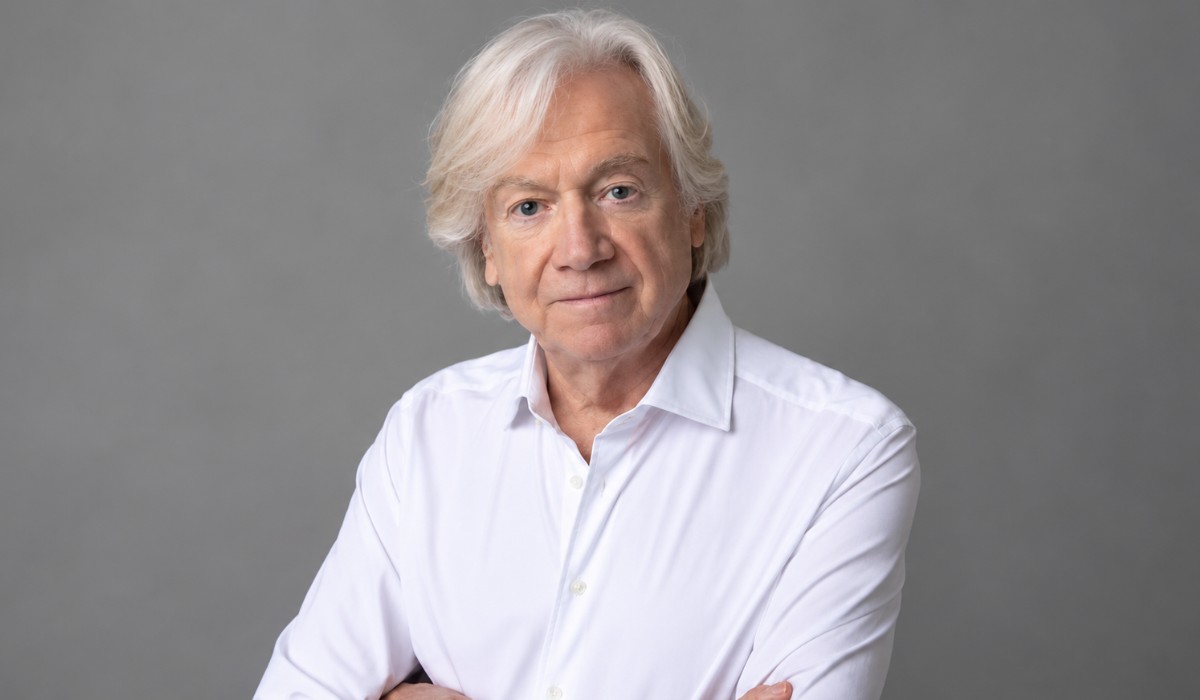
Now 79, and following Lodge’s death, Hayward is officially the last surviving member of the classic lineup. He’s currently touring The Story in Your Eyes through the rest of 2026 across the US and UK, playing intimate venues with a live Q&A built into the show.
He’s said publicly that no matter how much time passed between the band members over the decades, being back together always felt exactly the same. In a recent interview covered by Ultimate Classic Rock, Hayward described that bond as something that never really changed. Now he is the only one left to remember what it felt like when they were all together.
Patrick Moraz: The Later Member Almost Nobody Talks About
Patrick Moraz
Patrick Moraz isn’t part of the “classic” five, but he deserves a mention because he was actually with the band for 13 years, longer than some of the founding members.
He replaced Pinder on keyboards in 1978 and stayed until 1991, when he was controversially let go and later won a legal case against the band over unpaid royalties.
He’s still alive and still active in music today, one of only two people who ever held a Moody Blues membership card and can still pick up the phone.
So Where Does That Leave the Band
Justin Hayward is the last surviving member of the classic Moody Blues lineup, still performing songs that were built by a group of musicians whose history now stretches back more than six decades.
That gives the band a very different place in 2026. Their legacy is no longer tied to the possibility of another album, tour or appearance together. It lives in the records, the people who still listen to them and the stories Hayward continues to tell from the stage.
Some artists, meanwhile, continue adding new chapters decades later. At 78, Tony Iommi returned with his first solo album in 21 years, showing how differently a long musical career can continue once the band that made the artist famous is no longer the whole story.
Audrey Nuna is an American singer, rapper, songwriter, and visual artist born Audrey Chu in Manalapan, New Jersey. She began making music while still in high school, posting covers online before attending New York University’s Clive Davis Institute of Recorded Music. There she connected with producer Anwar Sawyer, who became an important creative partner as she began developing her own recordings. Her music moves between hip-hop, R&B, pop, trap, and experimental production while keeping her voice and visual style at the center. Nuna released her first independent singles in 2018 before signing with Arista Records in 2019. Songs including “Time,”
Hatebreed singer Jamey Jasta has opened up about the conversation with Metallica’s James Hetfield which encouraged him to quit drinking.
The hardcore frontman, 49, gave up alcohol in 2008, shortly before meeting Hetfield backstage at an MTV event. Talking exclusively to Metal Hammer, he reveals that the heavy metal singer/guitarist, who went to rehab for alcoholism and other addictions in 2001, urged him to take his sobriety one show at a time. The advice made getting clean feel like less of an “impossibility”.
“I already owed Metallica a huge debt of gratitude, because they played [Hatebreed’s] Perseverance music video when they hosted [MTV programme] Headbanger’s Ball,” Jasta remembers. “So, when I became host, I told them I was trying to be sober at the time, and he said, ‘You just got to get through the first show.’”
He continues: “You just have to know that you can do a show sober. Once you do, once you get a couple under your belt, it gets better as you go, because it feels like such an impossibility. That’s just great life advice for anything: whatever you think is impossible, on the other side of doing it is the best feeling, because you had told yourself, ‘Oh, there’s no fucking way.’”
Jasta first revealed that Hetfield had helped him on his journey to sobriety in 2019, when Hetfield re-entered rehab due to further addiction issues. Jasta wrote on social media at the time: “Meeting James at MTV and speaking with him about my drinking problem was very eye-opening, because this is a guy who is in one of the biggest bands in the world, with so much pressure on him and so much weight to carry, and he really made me think: if he could quit, so could I.”
Jasta has been part of Hatebreed since their 1994 founding and is the band’s sole constant member. They’re one of the best-selling hardcore acts in the world, having shipped more than 1.5 million records in North America. Their single Live For This was nominated for Best Metal Performance at the 47th Grammy Awards in 2005, but lost to Motörhead and their cover of Metallica’s song Whiplash.
Hatebreed will release their new album, Fatal Paradox, via BLKIIBLK on November 6. It will be their first album without founding bassist Chris Beattie, who was dismissed in 2024 and filed a lawsuit against his ex-bandmates in July 2025 alleging unpaid profits. The band’s attempt to dismiss the suit was shot down in May.
Meanwhile, Metallica are currently preparing for a residency at Las Vegas multimedia venue The Sphere, which kicks off on October 1 and concludes on March 13. After that, the metal giants will continue their M72 world tour across North America from May to June. Limp Bizkit and Avatar will support. Get tickets via Metallica’s website.
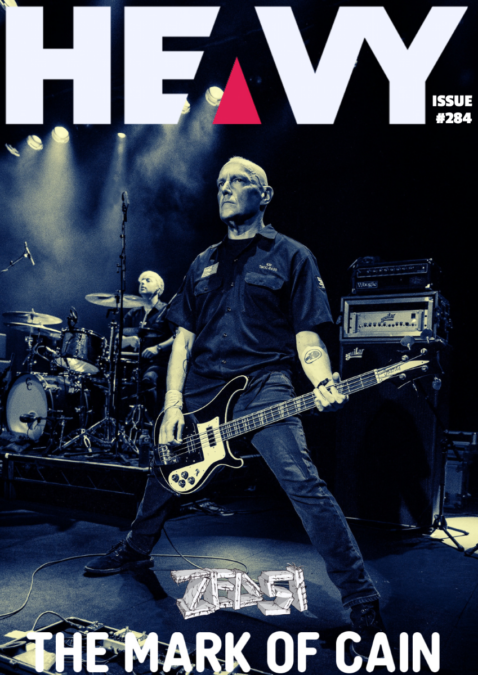
VIEW HEAVY AUSTRALIAN CONTENT DIGIMAG #284 HERE This weeks DigiMag is a ripper, featuring a great cover story chat with The Mark Of Cain about a heap of things, especially their appearance at the upcoming ZED51 festival. We also spent time chatting with NFI, Mertas, Jovi Skyler and others. Speaking of Jovi, we also premiere […]
Bullet For My Valentine have announced their eighth studio album, Social Apocalypse, for 19 March 2027 via Spinefarm. The Welsh Metal band have also unveiled the title track, their first new song in four years, alongside an accompanying video and plans for a UK and European arena tour.
Matt Tuck says the record reflects the speed of change and the divisions he sees around him. “Everything in life is changing at such a rapid pace, and it is hard to find a great deal of positivity when you look at events in the world,” he says. “People are being pitted against each other.”
The band worked again with producer Carl Bown. Two guests appear on the album: Against The Current vocalist Chrissy Costanza joins In The Absence Of You, while Lorna Shore’s Will Ramos features on I Don’t Trust Tomorrow.
Social Apocalypse Tracklist
Social Apocalypse
In The Absence Of You (ft. Chrissy Costanza)
I Don’t Trust Tomorrow (ft. Will Ramos)
Here Without You
Acid Rain
Fragile
CVLT
Masquerade
Read Between The Lines
Enough Is Never Enough
Bullet For My Valentine will release their new album, Social Apocalypse, on March 19th, 2027, via Spinefarm. Artwork: @Yossip
A limited white-label first pressing is available for a 72-hour preorder window from the announcement. Further physical editions, including standard and deluxe vinyl and a signed CD, go on presale on 28 September. The album is also available to presave digitally at https://bfmv.lnk.to/SocialApocalypse.
The newly announced tour begins in Lisbon on 21 January 2027 and runs through Europe before four UK arena shows in February. Pendulum will appear as special guests throughout, with Dark Divine opening. UK tickets go on sale on 30 September at 9am through MyTicket.
Bullet For My Valentine 2027 Tour Dates
February
OVO Hydro, GlasgowExhibition Way, Stobcross Rd, Glasgow G3 8YW
Bullet For My Valentine have announced their eighth studio album, Social Apocalypse, for 19 March 2027 via Spinefarm. The Welsh Metal band have also unveiled the title track, their first
Event Details
Bullet For My Valentine have announced their eighth studio album, Social Apocalypse, for 19 March 2027 via Spinefarm. The Welsh Metal band have also unveiled the title track, their first new song in four years, alongside an accompanying video and plans for a UK and European arena tour.
Bullet For My Valentine have announced their eighth studio album, Social Apocalypse, for 19 March 2027 via Spinefarm. The Welsh Metal band have also unveiled the title track, their first
Event Details
Bullet For My Valentine have announced their eighth studio album, Social Apocalypse, for 19 March 2027 via Spinefarm. The Welsh Metal band have also unveiled the title track, their first new song in four years, alongside an accompanying video and plans for a UK and European arena tour.
Bullet For My Valentine have announced their eighth studio album, Social Apocalypse, for 19 March 2027 via Spinefarm. The Welsh Metal band have also unveiled the title track, their first
Event Details
Bullet For My Valentine have announced their eighth studio album, Social Apocalypse, for 19 March 2027 via Spinefarm. The Welsh Metal band have also unveiled the title track, their first new song in four years, alongside an accompanying video and plans for a UK and European arena tour.
Bullet For My Valentine have announced their eighth studio album, Social Apocalypse, for 19 March 2027 via Spinefarm. The Welsh Metal band have also unveiled the title track, their first
Event Details
Bullet For My Valentine have announced their eighth studio album, Social Apocalypse, for 19 March 2027 via Spinefarm. The Welsh Metal band have also unveiled the title track, their first new song in four years, alongside an accompanying video and plans for a UK and European arena tour.
Album Review: Cats in Space – Suit of Armour Cherry Red Records – November 6th, 2026 Reviewer – David Pearce Cats in Space are back with their seventh studio album ‘Suit of Armour‘. Since I first saw them on the Rising Stage at the Ramblin’ Man Festival in Maidstone in 2016, the line-up has changed […]
Strike 3 is the latest hard-hitting rock/pop anthem from Brisbane rock machine Mizzie Maxx. The song is a call-to-arms of sorts, offering empowerment at those times where you reach your reaching breaking point, drawing the line and then taking your power back. Fuelled by powerful vocals, atomic guitars and an explosive, hook-filled chorus, Strike 3 […]




 VIEW HEAVY AUSTRALIAN CONTENT DIGIMAG #284 HERE This weeks DigiMag is a ripper, featuring a great cover story chat with The Mark Of Cain about a heap of things, especially their appearance at the upcoming ZED51 festival. We also spent time chatting with NFI, Mertas, Jovi Skyler and others. Speaking of Jovi, we also premiere […]

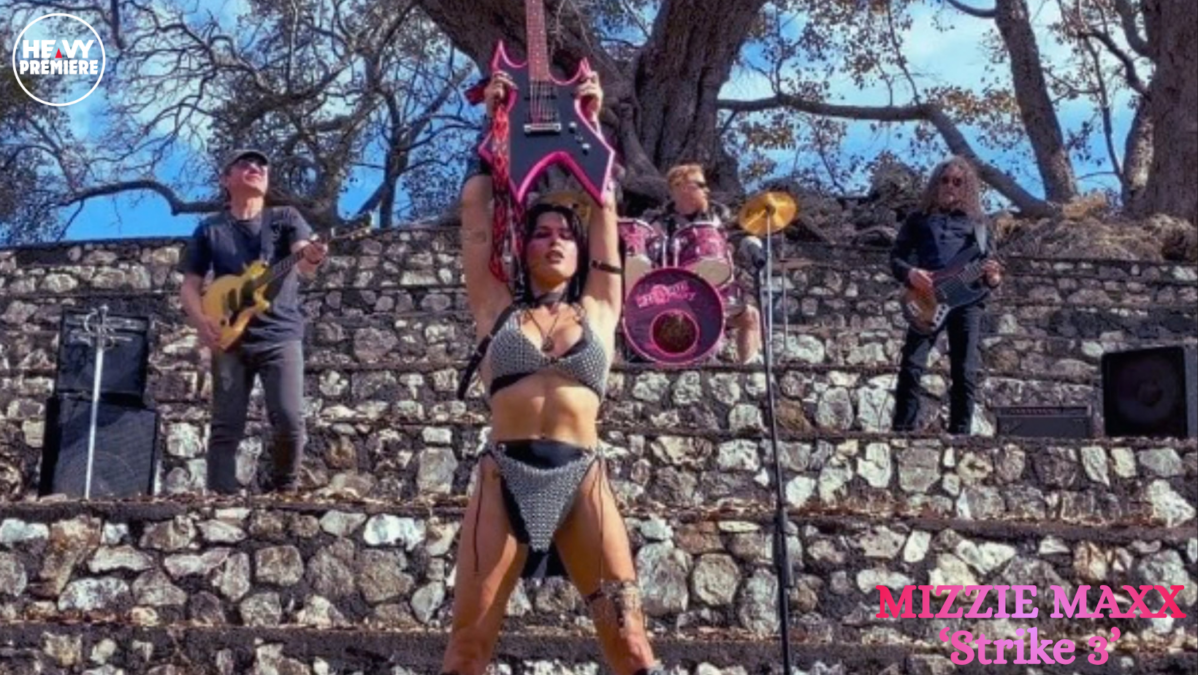 Strike 3 is the latest hard-hitting rock/pop anthem from Brisbane rock machine Mizzie Maxx. The song is a call-to-arms of sorts, offering empowerment at those times where you reach your reaching breaking point, drawing the line and then taking your power back. Fuelled by powerful vocals, atomic guitars and an explosive, hook-filled chorus, Strike 3 […]