What began as an impromptu phone call in 2017 snowballed into a punk prog supergroup featuring Stewart Copeland of The Police fame, King Crimson and Zappa guitarist Adrian Belew and Level 42’s Mark King. Together Gizmodrome became a very happy and well-timed accident – and as Copeland told Prog that year, they also became “a hell of a lot of band.”
“Is it prog?” ponders Stewart Copeland, who is tall, gangly and adept at a comedy French accent. “Recently the French were telling us: ‘It’s progressive, but the songs are short. We are confused. We think maybe it is punk prog!’ I’d say we’re prog because there are way too many fucking drum fills all over the place. And we’re prog because Adrian’s guitar-playing is insane and should not be allowed on a pop record. And then Mr King fires up and this is a whole new world – all the other bass players, like Stanley Clarke, will soil their pants when they hear this. Oh my God, that’s a hell of a lot of band. Then again, maybe it’s punk because of the energy – and because, frankly, it’s our intention to burn down the city and eat all the children.”
Lock up your preconceptions: Gizmodrome are here. Something of an all-star musical supergroup – “That’s better than being called a shit group,” offers Mark King – they combine the fantasy line-up talents of Copeland on drums, King on bass and Adrian Belew on guitar, with Italian keyboardist Vittorio Cosma (a long-time Copeland collaborator) smoothing it all together. Stentorian vocals and peculiar lyrics are chiefly provided by Copeland in a manner he describes as “Tom Waits meets Barry White with a little hair of Lee Marvin,” while King and Belew chime in with sweeter voices.
The outfit’s phenomenal pedigree coalesces in vibrant, imaginative and unexpected ways. As they eagerly confirm, there was a natural chemistry, and what’s emerged from the lab – a studio in Milan – is a fizzing fusion of prog, jazz, pop, funk, reggae and, er, fusion.
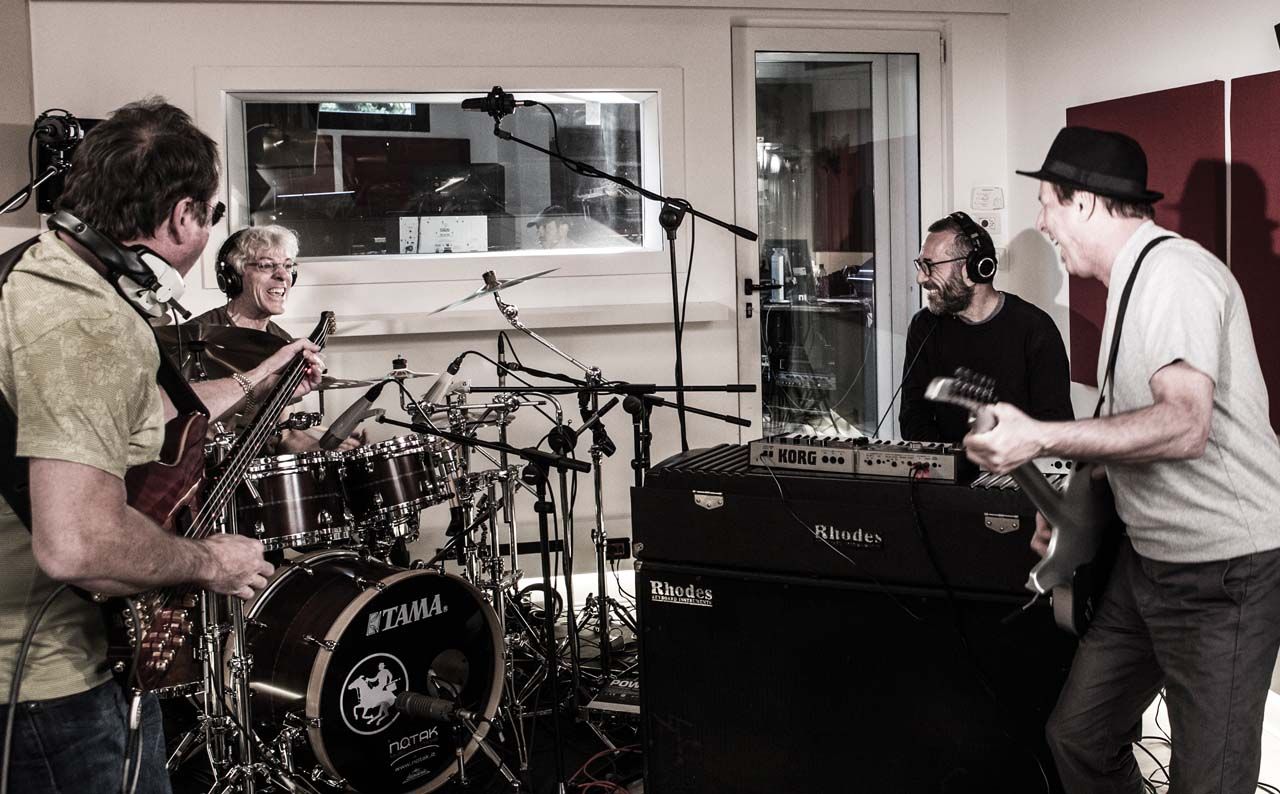
That chemistry is clear as Copeland, King and Belew, evidently enjoying each other’s company, banter boisterously in a London hotel. Their enthusiasm, humour and sparky interplay perfectly match their eponymous album’s eclectic effervescence. So how did this crackling collaboration, this dream ticket of dexterity, come about? Although the three constantly interrupt each other with quips and teases, they’re equally fast to eulogise each other’s talents. King kicks off the tale.
“Last July, I get a text from Stew, saying, ‘Hey Marco – already with the Italian thing – do you wanna come join a band in Italy?’ Straight away I said yes. Seven days later we’re in the studio. As a bass player, the chance to play with Stewart is just fantastic. He’s got to be in every drummer Top 5. And I started out as a drummer, so the drums are very important to me. Then you see Adrian weave his magic, making things happen. It’s just been an absolute joy. And so easy to do – it’s not as if everyone had to find their place, to settle in… we just played, and it sounded so good that after 10 days most of the songs were in the can. Stew had most of these songs ready, but they weren’t much like they are now. We did another session in April. There’s a real sound to this band, it’s happening.”
Belew concurs. While he did add a few parts later, “90 per cent of it is us three in the studio, being able to get excited, to talk about it. Very rarely does putting people in the room together result in the synergy that this automatically had. It was palpable. By the end of the second day I was thinking, ‘Damn, what a great band this is!’ And then I’d think: ‘Oh… is it a band? Or is it a project?’ But every day we’d get up, go to the little piazza, have breakfast and talk about everything in the world. Then we’d go to the studio, play, have a little tequila at five and get straight back into it until a long late-night meal at some Italian restaurant. You do that for a couple of days, you get to know each other. The jokes and stories start to flow. You become invested in the whole thing. And you realise: this is a band! We should go and play this for the world.”
“That,” says Copeland in his best Doctor Evil voice, “was my secret plan all along. Adrian thought he was coming in to play a few solos on ‘Stewart’s project’ – but by day three it’s his project. I mean, otherwise I can’t afford these guys!”
Thus bonded, they plan to tour early next year (with Level 42’s Pete Biggin on drums to free up Copeland), hoping the response to the album will be as good as all the early signs indicate.
Copeland and King technically toured together back in 1981, when Level 42 supported The Police across Europe. King reckons it was a “fantastic education for a young dude to stand side-stage and watch how these guys, who were becoming one of the biggest bands in the world, were doing it.” He’d never met Belew before Gizmodrome, “so that in itself, if nothing else, has been brilliant.” The pair express excitement at how their voices sat together instantly. And Copeland and Belew knew each other “just marginally, by reputation.”
Butting in over their relentless rapport, Prog asks if, as primary songwriter, Copeland had to adopt the headmaster role. “Ah, no – one important part of the process was we dispensed with the notion of ‘sanctity of the composer.’ Of course, when you write a song, you imagine it’s perfection; it’s goddam Stairway To Heaven, y’know? But with these guys, it’s gonna get better. Whatever chords or riffs I had, they’d chew on it for five minutes then for the next 25 they’d fuck it up, with my blessing and encouragement. For example, Belew comes in on something that seemed a perfectly good song and – fuck me – we’re into a whole new cosmos! Again, that was my secret trick, my plan. I wanted them to realise it was our album, not mine. That’s the way you get things happening.
“You get stuff out of Belew that Trent Reznor’s not gonna get; you get the real shit, coming out of his imagination. Once set free, it gets freer and freer and wilder and crazier. But this got way better than I even imagined: you can hear the excitement of real inspiration. By the way, that’s an old Police trick. Next time you hear a Police record, consider that the drummer and guitarist had never heard that song until 20 minutes before recording it. It’s a useful technique…”
For the first time in a long time, this material was custom-made for what I like to do
Adrian Belew
King interjects, “We’d be shouting out, ‘Section change!’ And, ‘I don’t know this part yet!’ At times it was like The Troggs Tapes on acid.”
“It struck me that for the first time in a long time, this material was custom-made for what I like to do,” Belew says. “I bring a lifetime of experience in, and everything I’ve learned since I heard Purple Haze when I was a kid, anything you want, I can throw it in there. And if you don’t like that, fine, I got another idea. If Stewart’s singing about an alien radio station, cool, I’ll play an alien radio station sound…”
Alien radio stations are just one element of Copeland’s curious, declamatory, serio-comic lyrics, which remind one of his erstwhile punk alter ego Klark Kent. Here be zombies in the mall, horny politicians and “strange things” happening. A recurring theme is that of letting off steam, escaping, going off the rails.
“At home, I’m a suburban dad, driving my kids to school,” the drummer says. “But when I’m out in the world, sitting at a lonely train station, riding a cab across a strange foreign city – that’s when your mind goes into really weird reveries. That’s where this shit comes from. Y’know, ‘the pain of the life that I have lived.’” (Imagine, if you can, Copeland putting on a Steven Toast voice for that last part.)
The original motivation was fun in the sun in Italy. When these serious players came in we tried to hold onto that nihilistic feeling
Stewart Copeland
He goes on to discuss how mistakes are made while “looking for Babylon” – but of course what happens on the road stays on the road. Quoting his own lyrics, he says, “Back home you got a solid life/That don’t mean a thing out here…” The sense of rootless disorientation in his songs is, however, leavened with madcap humour. Which forces the question: what is the fascination with horses? The lyrics make frequent allusions to our equine friends. The trio crack up, pointing at each other and declaring, “Oh, that was him!”
Finally, King shrugs, “Oh, Stew is just fucking obsessed with horses.”
Eventually Copeland moves us on. “Some things are autobiographical. I’m an old bastard coming down from my ivory tower for a fling, or at least the guy in some of the songs is. Maybe a little dinged and dented, but just give me a Cadillac and I’ll stay all night. We seem to visit many strange cities in these songs. ‘Ah, my life is a strange city,’” he all but winks.
Pressing them on whether their previous rich bodies of work inform or colour this music leads to King professing his lifelong love of jazz fusion and Belew getting mildly defensive on the subject of his King Crimson past. “Of course when you’ve partially shared 30 years with a band of that name, some of that’s in there, but I’ve been out of that orbit for many years now. I’ve branched out solo and with my own band, so… I don’t think in those terms any more.”
Copeland clarifies that his own performance style delivery is influenced by the opera he spent three years writing. “It’s storytelling – you act the note as well.”
“He’s in character,” adds Belew. “And he’s going for it. Playfully.”
“Playful?” mock-protests Copeland. “I already told you: my intention is to burn down the city and eat all the children. It’s Darth Vader, but in a good mood. Hey, the original motivation was fun in the sun in Italy. The mission was la dolce vita. Then when these serious players came in we tried to hold onto that nihilistic feeling… and we just went ape-crazy.”
Savage Grace have never exactly been known for great album covers, and that is one tradition that has remained remarkably consistent throughout their career. Thankfully, the music has always been more interesting, as After the Fall from Grace proved back in the day. Power metal and speed metal are the coordinates on Savage Grace’s musical compass, and… Continue Reading →
Following the explosive releases of their tracks Heavy Metal Heaven and the crushing hangover anthem Death March, Gold Coast-based metal madmen Boner Contention are bringing their heavily medicated onslaught to the live stage. The band will be tearing up Mo’s Desert Clubhouse in Burleigh Heads on Friday, November 20 for a monumental hometown gig dubbed […]
Hailing from Surrey, England, PINTGLASS have carved out their own corner of heavy music with a distinctly British take on deathcore and beatdown hardcore. Crushing breakdowns, aggressive vocals and an unapologetic love of pub culture have earned the band a reputation for their signature sound, affectionately known as geeza-core. From Way of the Geeza and […]
Scott Holiday is a child of the desert. A beach dweller these days, the Rival Sons guitarist grew up in sight of California’s Mariana mountain range, on the edge of the Mojave riverbed. Summers were spent exploring, taking psychedelics and absorbing otherworldly surroundings. It left clear marks on his musical vocabulary, captured now in his kaleidoscopic debut (under the solo guise of HOL1D4Y) Topology. It’s trippy but hooky. Think Pink Floyd via The Beatles at their weirdest, wrapped in a cinematic package and punctuated by the distinct, suave yet gnarly guitar tones crafted in his day job.
“My stepdad had these massive outdoor speakers, and we would listen to [Pink Floyd’s] Echoes while the full Moon came up over the mountains, the stars out,” he says. “So when I think of desert music, I think of Pink Floyd and cosmic music. Topology fits into that world.”
The first music I remember hearing
Some of the first music I took in was on TV shows. The Beatles’ Yellow Submarine I remember pretty deeply – very psychedelic cartoon, comical and light and far-out. And stuff from Sesame Street like the Pinball Number Count song – you’d be hard-pressed to find a funkier song than that.
The first song I performed live
One of the first things I learned and performed in front of junior high kids was Rush’s Fly By Night. I think we were playing this song maybe without a singer, so I was covering multiple jobs. Around the same time, I got up with my cousin, who’s a great singer, and we did [Extreme’s] More Than Words at my uncle’s wedding – we nailed that one.
The guitar hero
Jeff Beck. There’s something elusive and visceral and raw and creative and beautiful about Jeff. Also Dave Gilmour, Django Reinhardt, and then you get into the jazz world and it’s Grant Green, Wes Montgomery, Kenny Burrell. Of course, Hendrix and Page. I like modern players too, like Nels Klein, Jonny Greenwood, and Ruban Nielsen from Unknown Mortal Orchestra – nobody ever talks about him.
The singer
If you were gonna force me, I would probably say Aretha Franklin is the ultimate voice, and David Bowie the ultimate character-singer voice.
The songwriter
I could get into the Leiber & Stollers, but as a writer, David Bowie, Bob Dylan, George, John and Paul, and their individual works. Joni Mitchell, Prince…
The greatest album of all time
The first that popped into my head is The Dark Side Of The Moon, and in that world I also think of [Hendrix’s] Axis: Bold As Love, Led Zeppelin IV. But in hip hop you might pick A Tribe Called Quest’s Midnight Marauders, or in the jazz world John Coltrane’s A Love Supreme, or Kind Of Blue by Miles Davis. And Bob Marley’s Babylon By Bus .
The best cover version
Donny Hathaway’s cover of John Lennon’s Jealous Guy, his 1972 live version. Generally I feel originals are better, but you’d have to be so Lennon-biased to hear those two and go: “The Lennon version’s better.” Donnie’s just feels more realised to the meaning of the song.
The best record I’ve made
Probably Topology, because it’s the only one that is mine [laughs]. With Rival Sons, Great Western Valkyrie sticks with me for some weird reason, and I think Feral Roots is the other one – we had a certain groove, and a way we were writing that felt really succinct on those two records.
Spoon, from Austin, Texas. I love that band. I feel like they’ve never made anything bad. When I’m making Rival Sons records or my own, just in the ethic and the quality control, I think of a band like Spoon. They are a benchmark in my head. Gimme Fiction is great, but they have no bad records – even their B-side demos.
My Saturday night party song
If I’m on the bus and we’re gonna rev it up, and I’ve got all the crew dudes, I have the ‘Roadie Friday’ playlist. The first song that jumps into my head is Van Halen’s Dance The Night Away. And the first five or six Van Halen records, just put them on random – you’re gonna start partying when you hear these songs.
The song that makes mr cry
Keith Richards, Hate It When You Leave. There’s something raw with Keith that I just feel like it speaks to me. Keith sings a love song in a way that I feel connected to. Also my partner in Rival Sons [Jay Buchanan]. He wrote a song called Feel Better, that’s deep. And I love Deep Swimming on his new record.
The song I want played at my funeral
I would want the people I love the most to play things to feel great, and feel love and feel joy. Like The Bar Kays’ Holy Ghost, which is one of the funkiest songs ever put to tape, and with the message of ‘dance and live until we can’t dance and live any longer’.
Topology is out now via Sacred Tongue/Thirty Tigers.
GDP is gearing up for the imminent release of his first new album in 14 years, Cross Off Matthew. Arriving this Friday October 23 via Run For Cover Records/Civilians, the album proves that the NJ emcee is still in top form with 12 tracks of mind-bending beats and razor-sharp bars that are sure to please […]
LARGE MIRAGE have once again cemented their place as one of the most compelling acts on the Australian circuit, returning today with mesmerising new single Watching. The second single from their forthcoming EP Wildfire, WATCHING captures the band’s distinctive take on heavy psych rock, bringing uncompromised power, songwriting and musicianship into the arena of contemporary […]
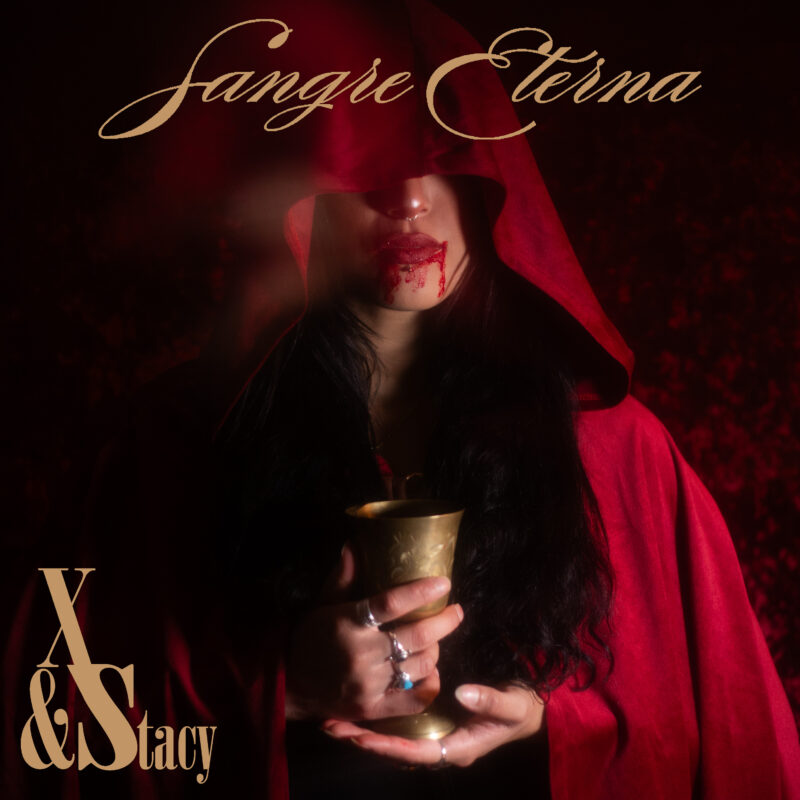
Somewhere in the Windy City, a daring duo have apparently decided that the ideal soundtrack for eternal damnation should involve a drum machine, a considerable amount of sexual frustration, and the sort of theatrical excess that would make Dracula consider hiring a new stylist. X & Stacy, the body beat duo of Yasmine Esparza (X) and Jason Schmal (Stacy), have returned with their second single, Sangre Eterna, indulging their appetite for industrial electronics, Italo Disco, and European club music.
The proceedings begin with a funereal chime, that ancient announcement that somebody has either died or is about to make a spectacularly poor romantic decision. Eerie Spanish-language vocals drift into the arrangement, establishing an atmosphere of supernatural unease before a gloriously indecent backbeat barges into the funeral procession and starts rearranging the furniture. Suddenly, the cemetery has acquired a dance floor, and the mourners are behaving in ways that would get them excommunicated from most respectable religious institutions.
X & Stacy’s influences encompass the synthetic romanticism of Depeche Mode and Red Flag, the mechanical brutality of SPK, and the Latin pop sensibilities of Selena, an unlikely family gathering whose members would probably spend Christmas arguing over the thermostat. The song’s melodic sensibility also recalls the sleek synthpop of Cetu Javu, lending a seductive elegance to this peculiar congregation. Yet Sangre Eterna finds these ingredients getting along rather splendidly.
Minor-key synths conjure a mood of exquisite depravity as the rhythm section strides on with the resolve of a particularly horny undertaker. Through the electronics, a chamber-goth shimmer emerges: resonant, string-like tones that evoke hammered dulcimer or sitar. The passage summons the mystical grandeur of Dead Can Dance, lending the song an arcane, ritualistic air—as if the dance floor had been consecrated for a beautifully illicit ceremony.
The Spanish vocals are punctuated by gasps and moans that push the proceedings toward something deliciously absurd, suggesting an intimate encounter conducted in the basement of an abandoned nightclub. Then comes a screeching guitar passage that recalls the more unhinged experiments of Bauhaus, tearing across the electronic arrangement with the abrasive theatricality of Daniel Ash attacking a particularly troublesome piece of furniture. The collision of gothic rock and New Beat works beautifully, introducing a welcome dose of instrumental violence into an already wonderfully disordered affair.
One imagines this playing during a vampire film in which the bloodsuckers abandon their aristocratic obligations, raid a discount clothing store for leather trousers, and spend eternity getting thrown out of nightclubs. Frankly, immortality has seldom sounded quite so entertaining.
Listen to Sangre Eterna below and order the single here.
Having shared stages with Madeline Goldstein, Normal Bias, Choke Chain, and others, X & Stacy clearly know their way around the darker corners of contemporary club culture. Sangre Eterna suggests they’ve also developed a healthy appreciation for the pleasures of making drum machines behave badly.
Progressive Black Metal band ENSLAVED formed in 1991, just as the ‘second wave’ of Black Metal’ was forming in Norway. The so-called ‘first wave of Black Metal’ didn’t really have the defining characteristics of the genre that we have come to know today, so in many ways, the second wave was more important in shaping Black Metal. Consider this as well: at the time of formation, two of the members were just teenagers. Ivar and Grutle were 13 and 17, respectively. Teenagers? Indeed. Their first full-length was released in 1994, and they were very prolific early in their career, releasing eight more albums since their debut. ‘Mið’ is their 17th full-length album, and today, they are celebrated not only for being one of the early pioneers of the genre, but also for their energetic and punishing live performances. When commenting on the album, the band mentions simply this: On ‘Mið,’ the Old Norse word for ‘the center,’ or ‘the middle,’ we are reaching for the center of ourselves, a journey in all directions.
Two singles were released ahead of the album, and they are songs I would like to begin the review with. ‘Solar Will’ is first, and in addition to its deep aggressiveness, it also has those characteristic odd chord progressions that illuminate the band. It’s commanding as well, yet melodic, and reflective of the band’s unfettered attitude when it comes to their music. The lead breaks are done tastefully too, and the variation from clean to harsh vocals and back keeps the song alive. There is often a temptation to just run down the fretboard as fast as you can, but leads are more effective when they follow the melody line as they do. ‘Spirit Helper’ embraces some of the band’s folk style, something that isn’t heard that often. It features Kevin Kicking Woman on vocal chants (a Blackfoot), and it’s a traditional morning prayer song that formed the basis for the ENSLAVED song. Kevin notes, ‘songs are the Blackfoot way of knowing. Expressing relationship and responsibility, belonging and accountability. The purpose of this song is having the performative expression giving meaning to life. Connecting to the universes through the cosmos, earth beings, water beings and spirit beings.’
The leading song on the album is usually one of the best and it establishes the sound that the band wants you to hear. ‘Non-Being’ is that song. It’s a short, instrumental offering that echoes in the deep…it might be coming from the depths of an ocean, a wide mountain pass, or even outer space. A clean riff plays with melody, but there is darkness in the background. Segueing into ‘I Am Ice,’ this is quintessential ENSLAVED. Featuring artist Jonan Sara Jr., it’s a fast and bumpy ride over crushed skulls of the dead. Progressive chord structures are unusual, and Grutle’s signature vocals have a snarl to them that is immediately recognizable. It’s not all pedal to the metal; however, there are darker, ambient passages, and even some eerie keyboard notes. ‘Mountain’ enters with clean guitars and vocals that match. It’s slow and expansive at first, perhaps reflecting the majesty one feels when they come face to face with a towering spire. The second half of the song isn’t as melodic, however. They make a sharp transition to a low, rumbling riff that carries a lot of weight with it. It’s their use of different chords that make them stand out here, because they don’t follow a conventional structure or stick to places you might expect. Instead, they explore freely.
‘Parting’ is more in line with past works from the band if you are familiar with them. It may also be the best and most varied song on the album. An eight-minute opus, it’s part beauty, and part beast. Charming piano notes lead the song, and a feeling of something magnanimous accompanies them in the background. When the main riff drops, it’s a monster, and it’s both groovy and catchy. Clean vocals were the right choice at this point in the song, because it gives the band a chance to display more of their melodic side. Exploring these melodies, I find that they are refined, sophisticated, and elaborate. It’s a side of the band that is every bit as vital and their more intense and aggressive side. ‘Tale of Trees’ is a deep cut that has plenty of aggression, but also polished and mature melodies. They come busting through a closed door seemingly out of nowhere, and man do they soar. There are also some keyboard passages that add to the flavor.
‘I Miðju’ is the closing track, and in keeping with the title of the album, it translates to ‘in the middle’ or ‘in the center.’ If you don’t have your feel planted firmly on the ground, this song could sweep you up and carry you away with the wind. It explores every inch of the band’s varied and diverse style…wonderful melodies, naked aggression, and everything in between. One of the defining features of the band is their ability to create odd and unusual connections between passages that are polar. Meaning, making a cohesive sound out of spare parts, if you will, because some of these things feel like they don’t belong in the same song. Did they find their center on the album? Most definitely. Some of the songs are shorter, and more concise than past works, and that’s the dominant characteristic of the album. But a sense of exploration is still at the center of the band’s sound on ‘Mið.’ On their 17th album, they remain restless and unsatisfied with keeping the status quo and instead continue charting a path of discovery in the band’s long and storied career.
The British Blues Boom found its fullest expression in late 60s releases from the likes of The Yardbirds, Cream and the Rolling Stones, when the blues-fuelled energy of the mod clubs in the earlier part of the decade had drifted and all-night dancing had been replaced by a laid-back, dope-smoking vibe.
Key players such as John Mayall, Eric Clapton and Peter Green reached a crossroads in their careers, as the blues scene split between purists and those taking the path towards out-and-out rock. Meanwhile, the likes of Free, Led Zeppelin and Jethro Tull took their first steps towards 70s greatness, and in doing so inspired a wave of American acts to follow suit.
From Spooky Tooth to Chicken Shack to Ten Years After and beyond, we look back at the British albums and bands that really left their mark.
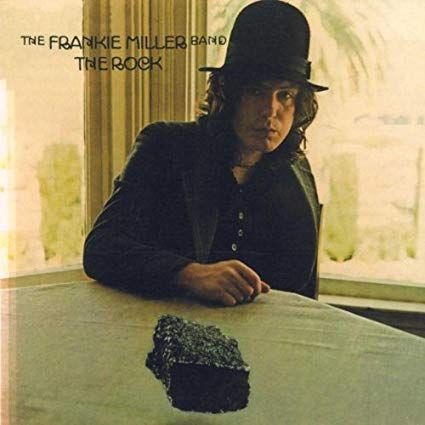
Already hailed as one of the finest Scottish soul singers of the 70s, Frankie Miller was dispatched to San Francisco to record his third album with producer Elliot Mazer and a band that included guitarist Henry McCullough and keyboard player Mick Weaver from the Grease Band.
The Rock’s underlying Stax feel proved what a great singer/songwriter Miller was, with the Memphis Horns kicking (br)ass and the Edwin Hawkins Singers laying down backing vocals on the brilliant A Fool In Love.
Ain’t Got No Money was covered by Bob Seger and Cher, but Miller’s inability to hold on to his band for any period of longevity denied him the success he deserved
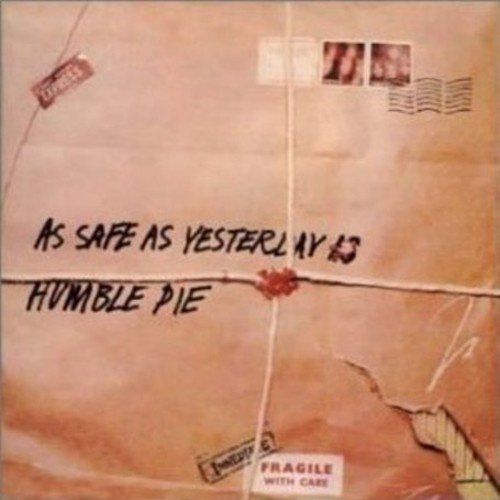
Formed by Peter Frampton and Steve Marriott in the wake of the Small Faces’ demise, Humble Pie were stuffed to the gills with promise that they never fulfilled.
But as their debut album shows, they could rock. Frampton and Marriott bend their guitar strings round each other with passion and sensitivity while bassist Greg Raidley and drummer Jerry Shirley do the same with the rhythm section.
And they took it in turns to add piano or organ overdubs. It’s a masterful blues rock workout. All it lacks is some decent melodies to go with the songs.
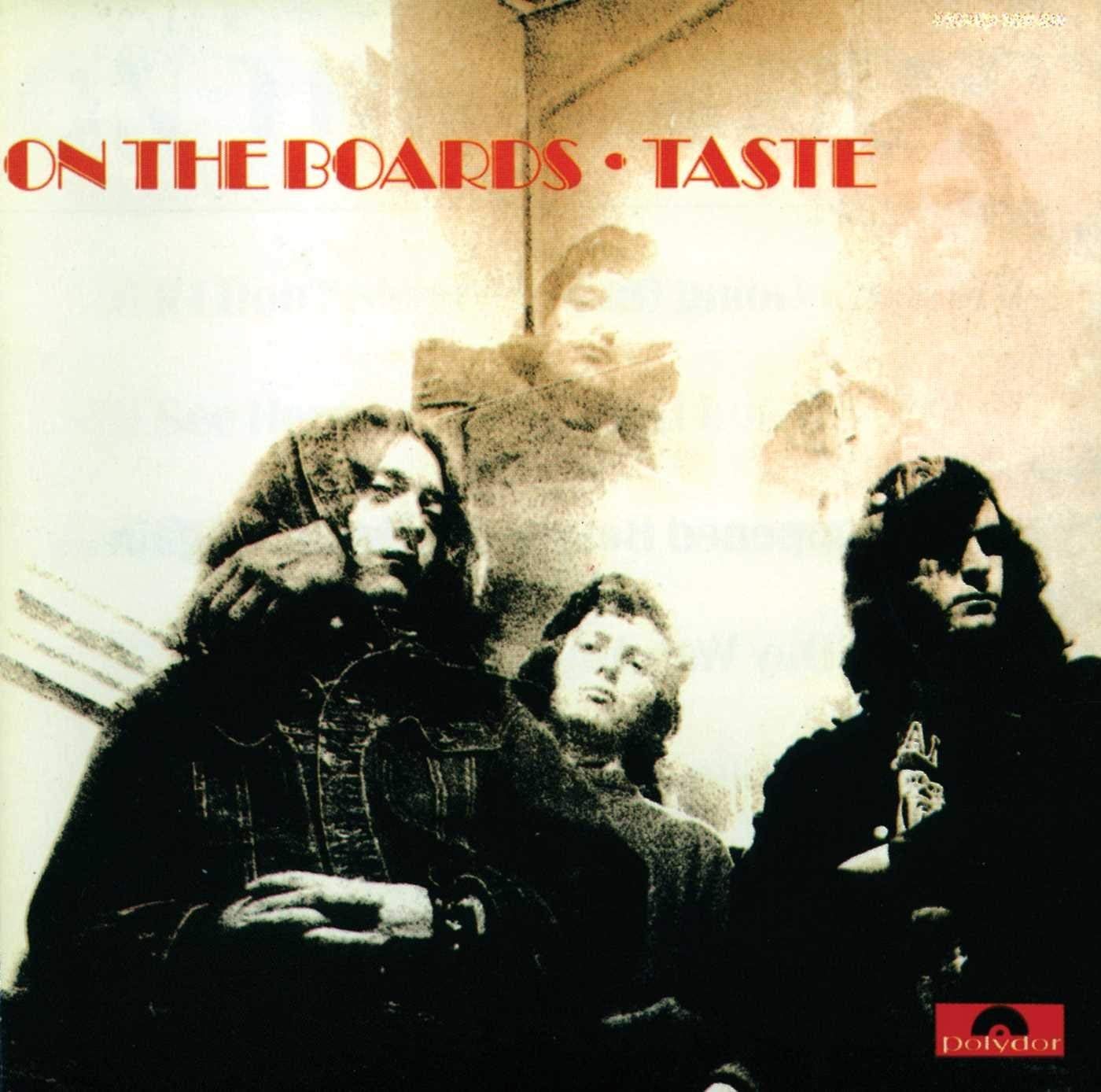
Unwisely hyped as the new Cream (they even supported them at the farewell Royal Albert Hall shows) just because they were a trio, Taste, featuring a youthful Rory Gallagher, had their own ideas and breathed fresh into the already hackneyed heavy blues scene.
On The Boards, their second album, adds some jazz influences, particularly when Gallagher plays a saxophone solo on It’s Happened Before, It’ll Happen Again. There’s also a folksy tinge to RailwayAnd Gun and If The Day Was Any Longer.
But rock is what they do best, as I’ll Remember, Eat My Words and the opening showstopper What’s Going On demonstrate.
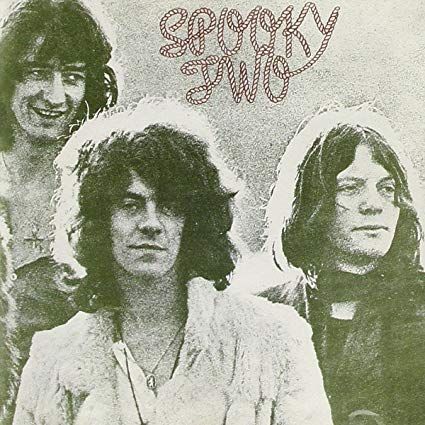
It was Spooky Tooth’s misfortune to be sandwiched between Led Zeppelin and Free’s turbo-charged, all-pervasive ascents. A couple of years later, the band’s thoughtful but solid style would have found room to grow.
Keyboard player Gary Wright shares vocals with Mike Harrison, a strong, complementary pair of voices, and also writes most of the songs, including the memorably catchy Better By You Better Than Me, later rescued from oblivion by Judas Priest.
The tracks on their second album are an eclectic bunch, blending the blues with folk, country, gospel and even prog. And they sound better now than they did then.
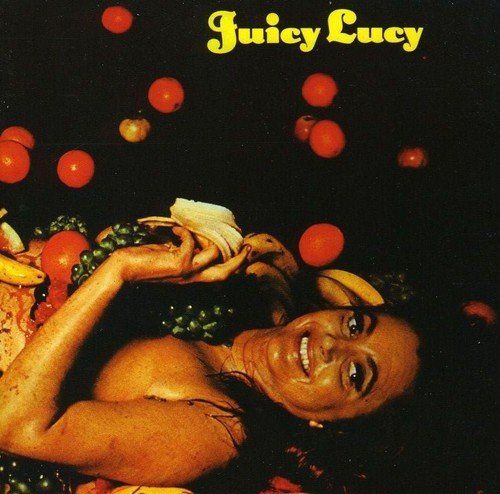
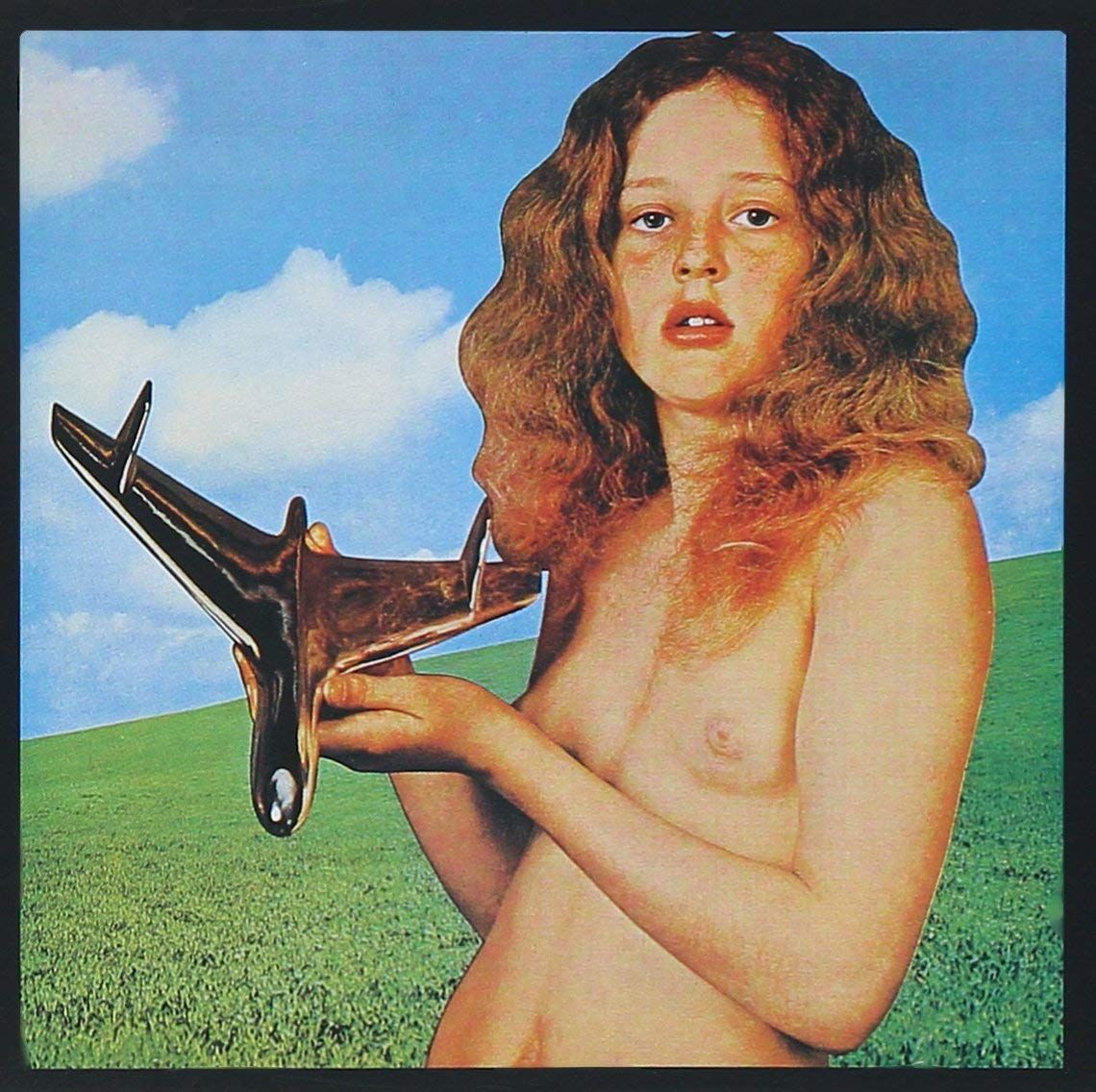
Juicy Lucy took their name from a character – a prostitute, in case you were wondering – in Virgin Soldiers, Leslie Thomas’s novel about troops serving in the Far East. Formerly a psychedelic combo called The Misunderstood, the Juicy crew struck gold with the first single from their self-titled debut album.
Who Do You Love?, a crazed hard rock cover of a Bo Diddley song which got to No.14 in the UK, and stayed in the chart for three months.
These days their first album is remembered for another thing entirely: its cover, depicting a naked woman surrounded by fruit. Talk about squeeze my lemon, baby.
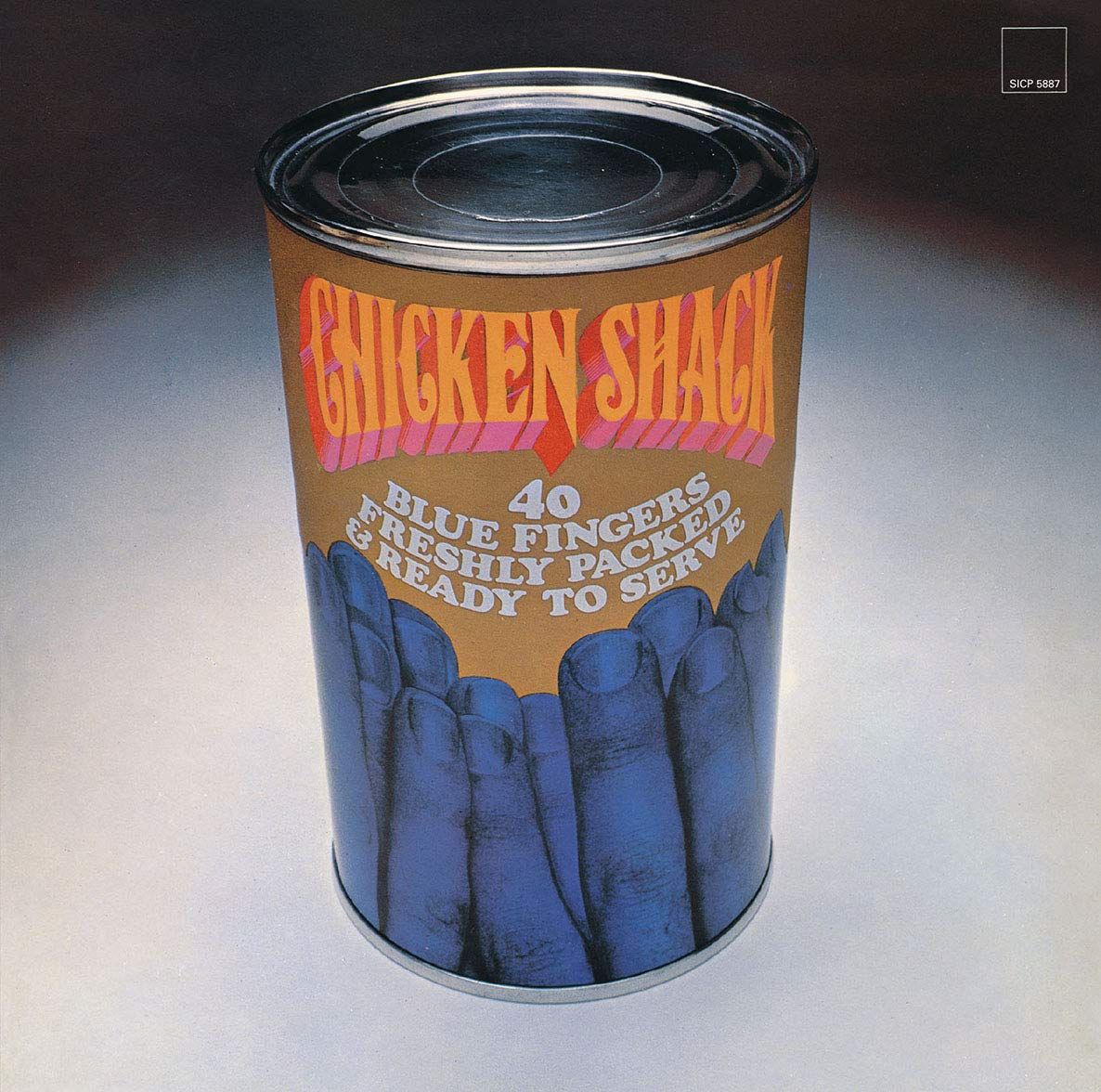
Whichever way you look at it, Chicken Shack guitarist Stan Webb is chronically under-appreciated. His band is always name-checked as the group that gave the world Fleetwood Mac’s Christine McVie (back when she was Christine Perfect), but Chicken Shack were at the cutting edge of British blues rock.
Stan’s intricate, understated blues lines – heavily influenced by Freddie King – complement his sometimes OTT vocal performance. Just check out his version of King’s The Letter on this debut Shack record.
Perfect gives hints of Mac to come with her laid-back When The TrainComes Back, the perfect antithesis to Webb’s frantic instrumental Webbed Feet.
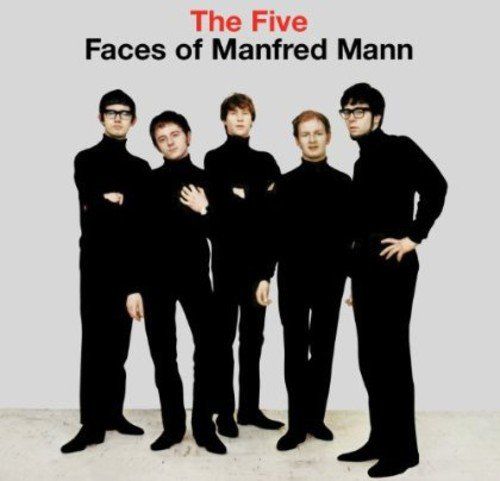
Everyone knows the Manfred Mann hit parade. Less well known is their accomplished take on R&B that was neatly captured on their strangely hit-free debut album.
Keyboard player Manfred, sax/flute/guitar player Mike Vickers and drummer Mike Hugg had a jazz background in common, while singer/harmonica player Paul Jones and guitarist Tom McGuiness hailed from the blues scene.
The resulting fusion is sharp, intelligent and played with style – check out Muddy Waters’ Hoochie Coochie Man and Got My Mojo Working or Howlin Wolf’s Smokestack Lightning. They also come up with some sprightly songs of their own like I’m Your Kingpin and Don’t Ask Me What I Say.
Like Cream’s debut, this (the only) album from Eric Clapton and Ginger Baker’s post-Cream dream-teaming with Steve Winwood was never going to live up to the huge expectations. It’s patchy and inconsistent, certainly.
Alongside a pair of fine Winwood tunes in Had To Cry Today and Can’t Find My Way Home, there’s a sprightly cover of Buddy Holly’s Well Alright and the moody, slow-burning Sea Of Joy with Winwood’s soaring vocals bang on the money.
But the everyone-gets-a-solo Do What You Like is stretched paper-thin. The highlight is Clapton’s Presence Of The Lord, his guitar playing up there with the most spine-tingling in his catalogue.
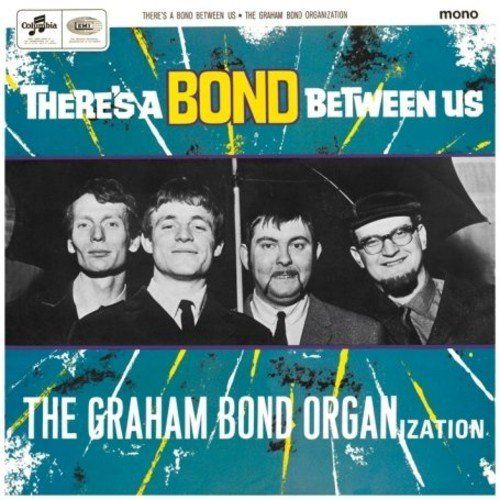
Before the demons dragged Graham Bond down (and under a tube train in 1974), he piloted a musically inspired but personally fractious band that included Jack Bruce and Ginger Baker, who would of course become two-thirds of Cream.
Catching their uncompromising and expressive brand of R&B in the studio was not easy, and this album is not among producer Robert Stigwood’s finest career achievements. But Bond’s passionate, wailing voice and Hammond are able to cut through the flat production, particularly on Walking In The Park. Bruce shows his innovative songwriting credentials with Hear Me Calling Your Name, while Baker previews Toad on Camels And Elephants.
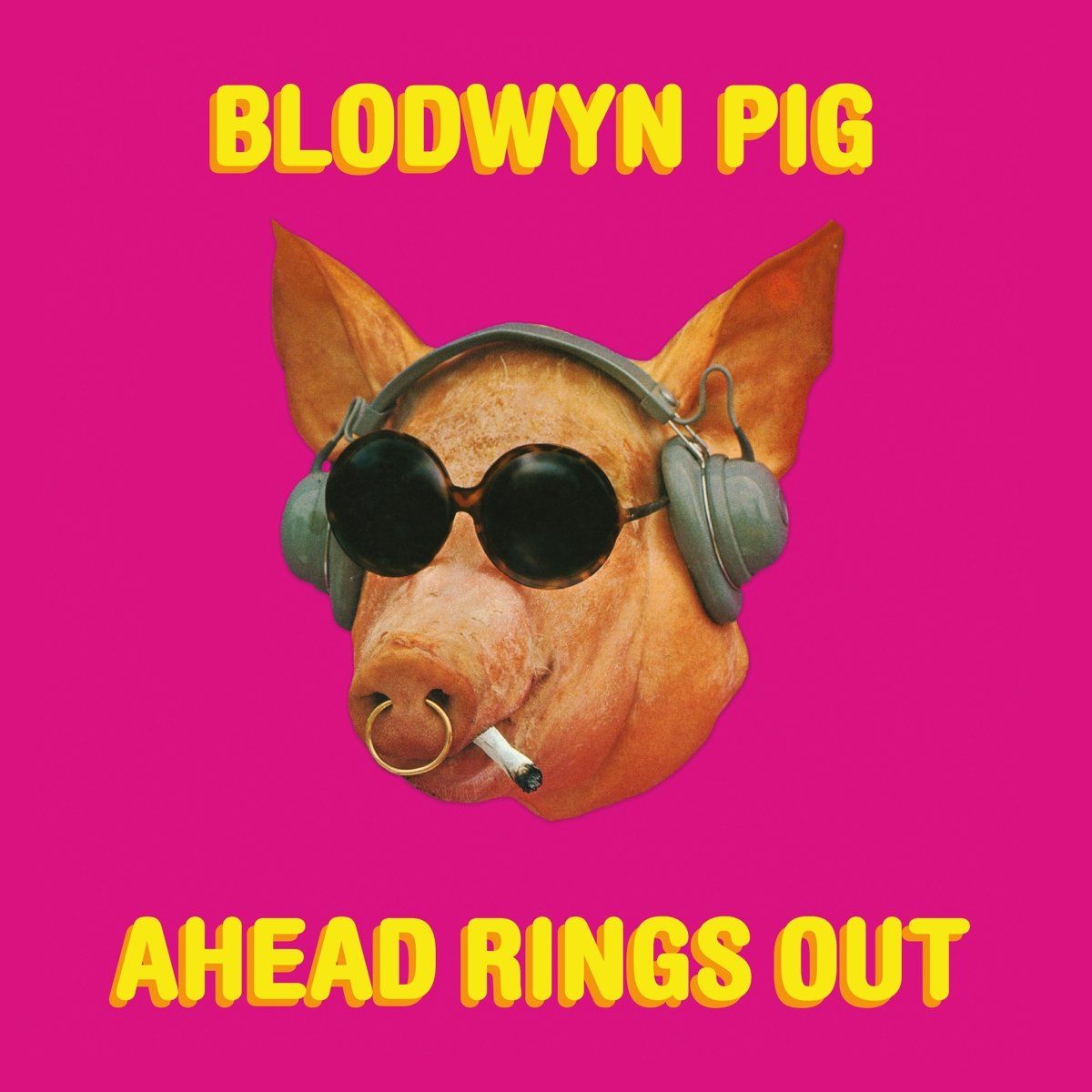
The band guitarist Mick Abrahams quit Jethro Tull for after This Was, Blodwyn Pig was another quartet, this time pairing Abrahams with sax/flute/fiddle player Jack Lancaster.
But the contrast with Tull couldn’t be greater on their wildly diverse debut. There’s a freewheeling, rocking abandon of It’s Only Love and Sing Me A Song That I Know, the sweet, gentle Dear Jill, the laid-back blues of Up And Coming and the heavy metal of Ain’t Ya Comin’ Home Babe?
The only direct comparison comes on the jazzy, flute-driven Leave It With Me, taking over where Ian Anderson left off after Dharma For One.
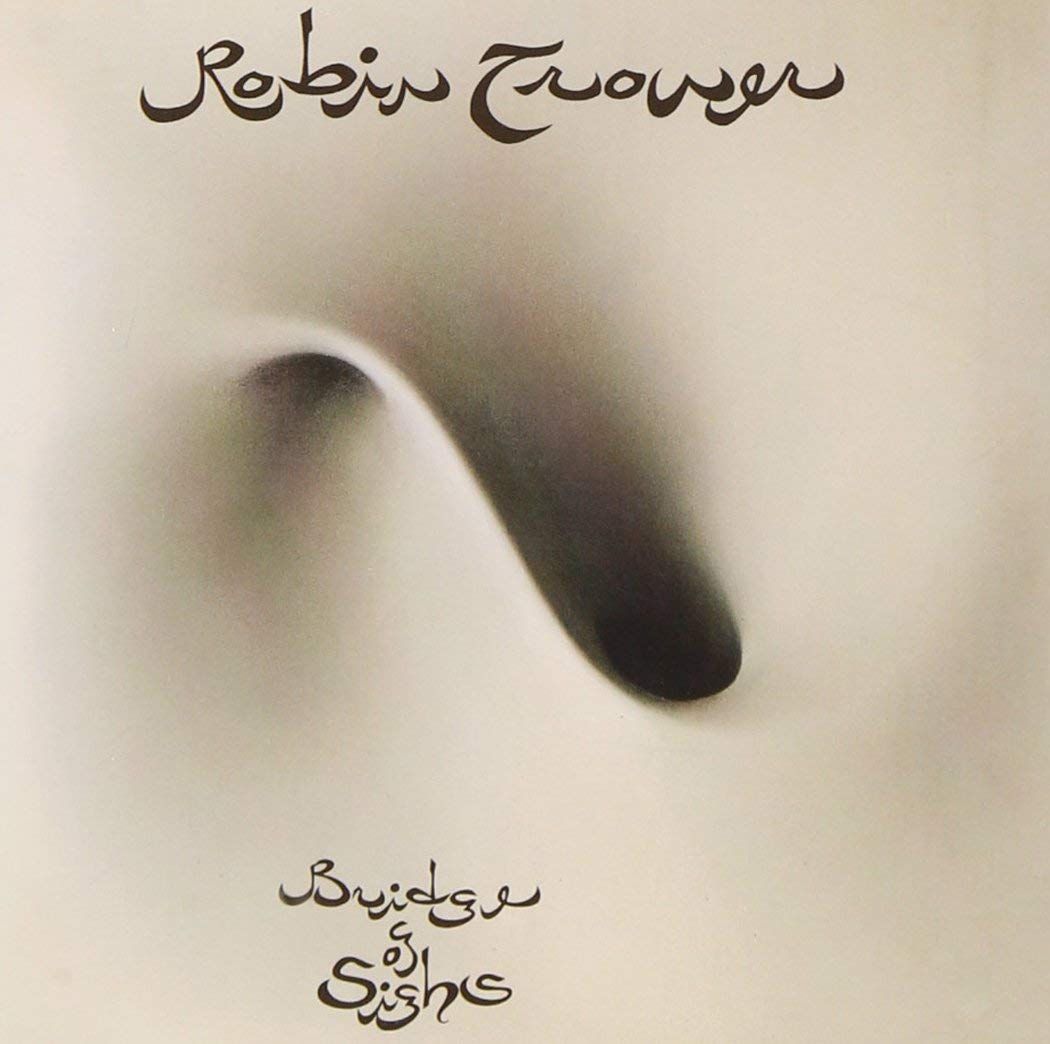
Who would have thought that the “backroom” guitarist with the stately, keyboard-led Procol Harum would become one of the great blues rock guitarists. And it was the second of his power trio’s superb trilogy of back-to-back albums in the mid-70s that sealed his reputation.
From pounding opener, Day Of The Eagle, to closer Little Bit Of Sympathy, it’s a beautifully balanced, dynamic record filled with quality songs, masterful playing from Trower (Bridge Of Sighs, TooRolling Stoned) with his overdriven, reverb-drenched, swirling psychedelic sound and Hendrix inflexions, plus some outstanding performances (About To Begin, In This Place) from peerless blues rock vocalist Jimmy Dewar.
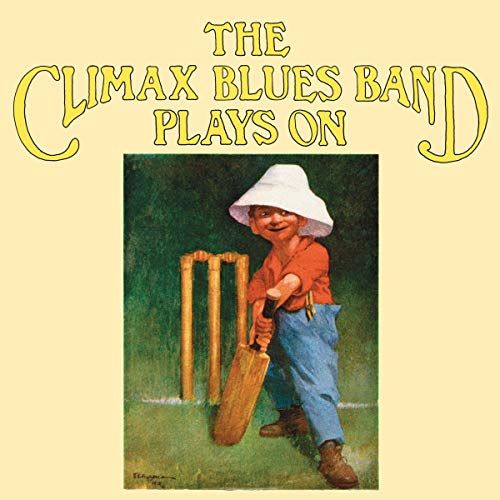
These Staffordshire blues terriers sounded a bit too much like John Mayall & The Bluesbreakers on their first album, but the follow-up, Plays On, branched out in several directions.
The addition of a mellotron to the mix brings a progressive dimension to the sound, notably on Mum’s The Word, based on Also Sprach Zarathustra (the 2001 theme). But there’s also Colin Cooper’s jazzy playing on the smoky instrumental Flight, the whiff of psychedelia on HeyBaby… and the Latino-tinged Cubano Chant.
And there’s still room for some solid blues on SoMany Roads and the rip-roaring Twenty Past Two/Temptation Rag.
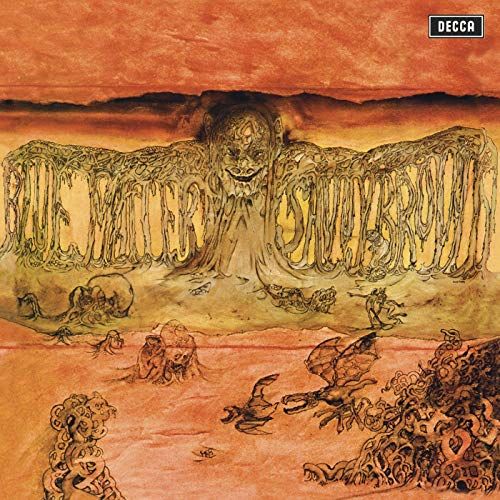
Frequent restructuring blighted Savoy Brown’s career but founder/ guitarist Kim Simmonds got the blend right on their third album, Blue Matter, with solid, reliable guitarist “Lonesome” Dave Peverett and Chris Youlden whose distinctive voice was matched by his bowler hat and monocle.
The album is worth it for the slow-building opener, Train To Nowhere which is a classic of the era. A simple guitar riff over a bass line sets the scene for Youlden’s soulful vocal, picking up steam with drums and piano before the whistle blows.
Tolling Bells comes close but sadly Youlden isn’t featured on the live tracks on (what was) side two of the album.
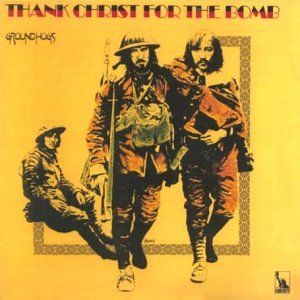
Breaking out of an increasingly moribund blues scene at the end of the 60s, Tony McPhee swapped his mellow boogie for something heavier and came up with the semi-conceptual Thank Christ For The Bomb.
It seemed a risky move, but he had no trouble making the switch. The songs are briefer, but each one packs a punch, even when the emphasis is acoustic. And when the band stretches out on the title track, adding layers of sound after a slow start, McPhee rips out a solo that would not disgrace an MC5 album.
The reward for such bravado was the first of three Top 10 albums.
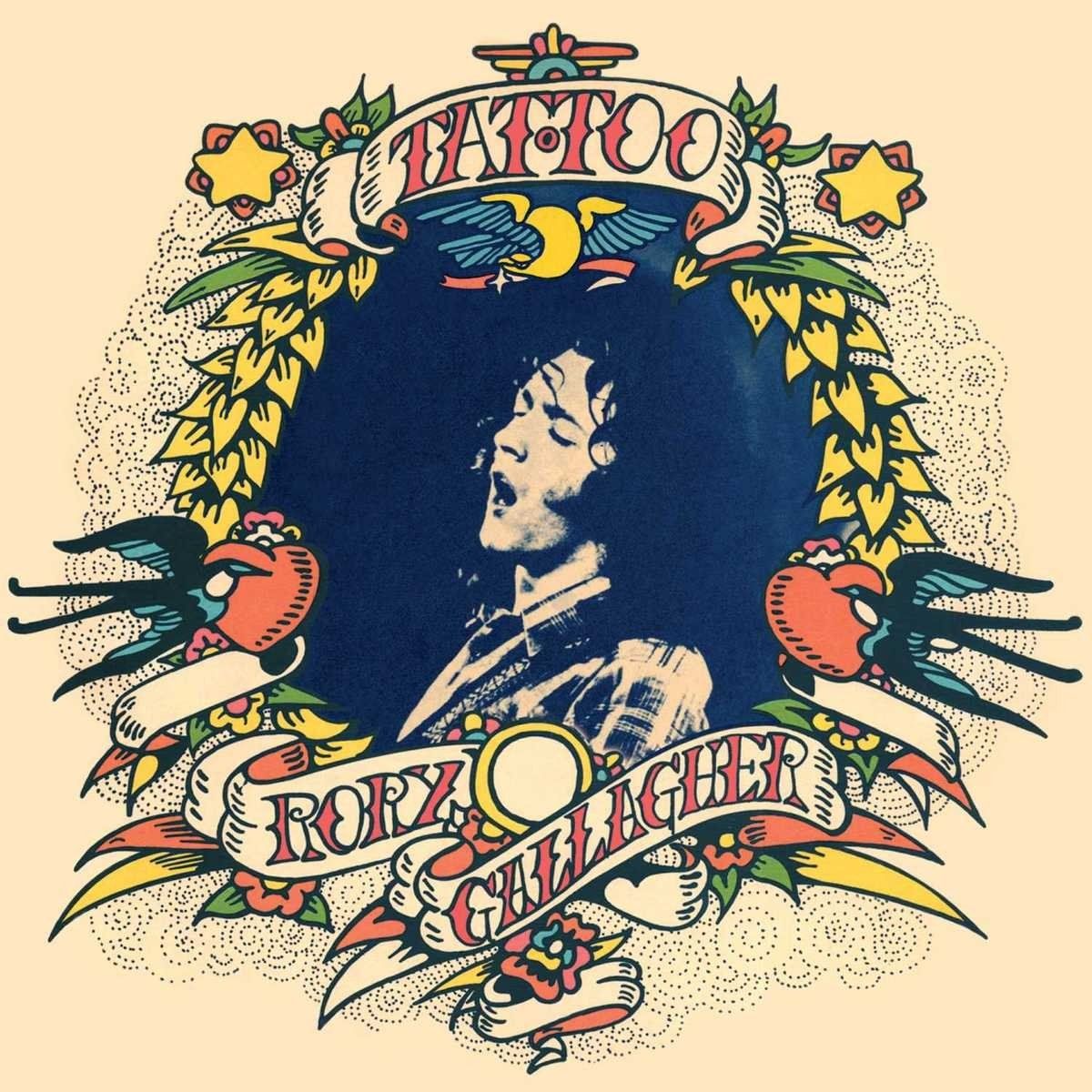
His mercurial nature makes is hard to choose the definitive Rory Gallagher album, but Tattoo comes close, mainly because after four solo albums he’s finally locked in tight with his band.
After grabbing you first by the heart with the evocative, medium-paced Tattoo’d Lady and then by the balls with the full-tilt Cradle Rock, Gallagher eases back and mixes things up a bit with a blend of Delta blues guitar and jazzy piano on 20⁄20 Vision or the impressively melodic, languid ballad, A Million Miles Away.
But the cornerstone is a pair of stretched-out, rocking blues, Sleep On A ClothesLine and Who’s That Coming?
Also known as The Angry Young Them, the debut album from Belfast’s rabble-rousers begins the way most albums end – with a hell-for-leather jam and the vocals only appearing over a minute into the song.
Van Morrison was contrary right from the start! From the same school as The Rolling Stones, the Morrison-fronted Them covered John Lee Hooker, aped Howlin’ Wolf, and with stonkers like Gloria, influenced hell-raising garage bands and pub-rockers everywhere.
If You And I Could Be As Two, meanwhile, could be the birth of Van’s lost-in-music, high-kicking, piano-shaking, soul man schtick.
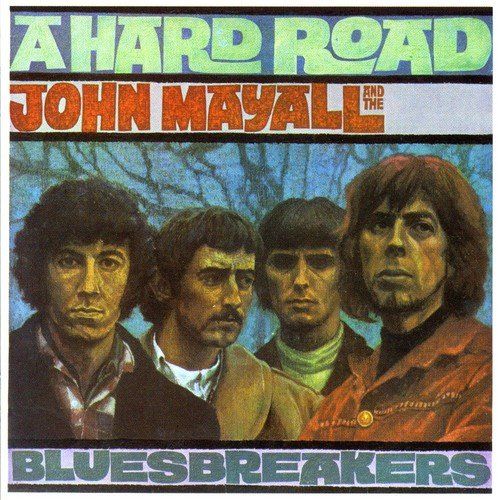
Replacing Eric Clapton with Peter Green was John Mayall’s masterstroke. While the guitarist stayed less than a year, he left an indelible mark on A Hard Road with the instrumental The SuperNatural – exploring the sustained tone he’d use for Albatross in Fleetwood Mac – and The Same Way, which was an embryonic Man Of The World.
Mayall had moved on too. There’s an unexpected zest to Leaping Christine, and he jousts on bottleneck with Green on Elmore James’ Dust My Broom.
New drummer Aynsley Dunbar freshens up the rhythm section, but it’s Mayall’s blend of original songs and covers that gives the Bluesbreakers their own identity.
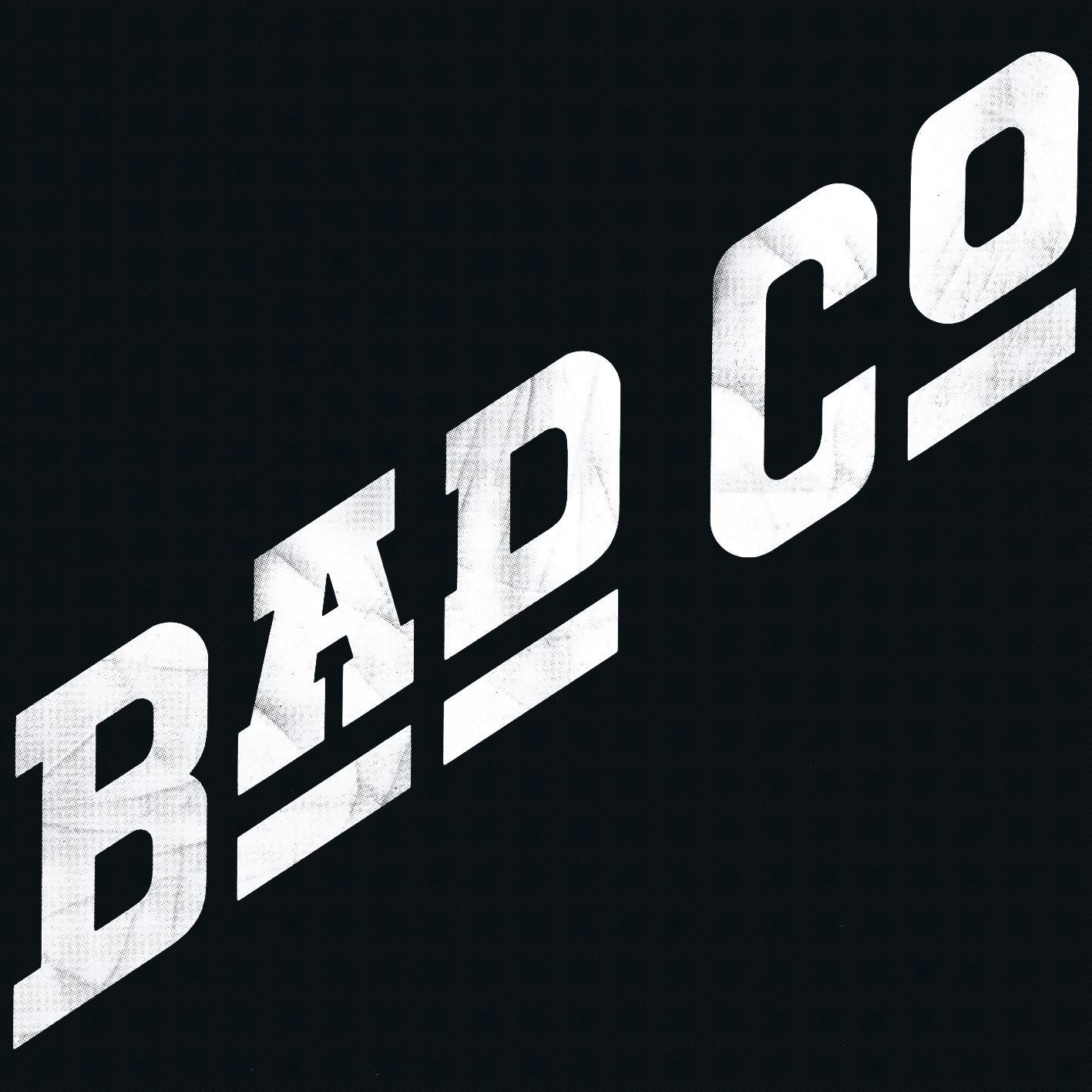
Bad Company had their fair share of detractors when they burst onto the scene in the mid-70s. Ex-Free men Paul Rodgers (vocals) and Simon Kirke (drums) were criticised for following a more commercial path, despite the fact that their former band had enjoyed several hits.
Completed by Mick Ralphs (guitar, ex-Mott The Hoople) and Boz Burrell (bass, ex-King Crimson and Snafu), Bad Company had Zeppelin’s Peter Grant as their manager – and the American market in their sights.
They struck the bullseye. Can’t Get Enough might have had a tasty Top 40 sheen, but it was expertly rendered blues rock to the core.
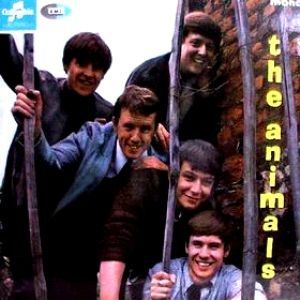
They wrote very little material themselves but the Animals reworked their covers so thoroughly they probably thought they had written them.
So while their debut consists mainly of the standard R&B repertoire – Chuck Berry, Ray Charles, Little Richard – you learn more about the Geordie band’s uninhibited character than many bands who wrote their own songs.
Eric Burdon in particular was prone to personalise any song he fancied and John Lee Hooker’s I’mMad Again becomes an extended grievance of his own. And The Story Of Bo Diddley is a glorious shaggy dog story that incorporates his skewed version of the history of R&B.
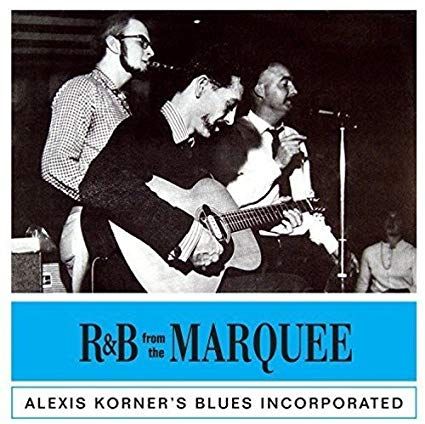
Credited as the inspiration behind John Mayall and The Rolling Stones, several of whom played with him, guitarist Alexis Korner began pioneering the blues in the mid-50s, often in tandem with revered harmonica player Cyril Davis.
R&B At The Marquee qualifies as the first British blues album, drawing on country blues and Chicago electric blues with a particular fondness for Willie Dixon songs.
Blues Incorporated’s approach is unpretentious but still academic compared to the young Turks who would soon consign Korner to yesterday’s man. But without him it’s arguable whether The Stones, Manfred Mann or even the Small Faces would have got started.
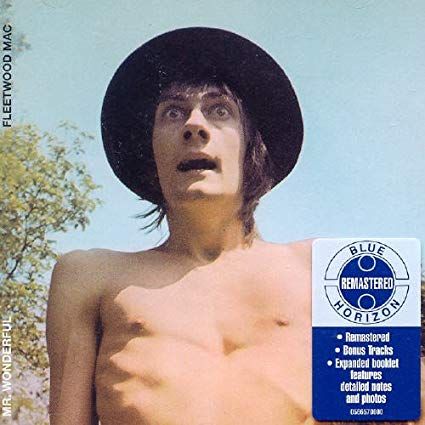
For many people, Fleetwood Mac’s second album was something of a disappointment after the marvellous debut that established the group as the best British blues band of the day, for which guitarist/ vocalist Peter Green can take most of the credit.
Mr Wonderful doesn’t have the strength in depth of its predecessor, and guitarist /vocalist Jeremy Spencer’s Elmore James fixation (Dust My Broom, Coming Home…) was one track away from sinking the ship with an overload of copycat slide playing, but its highlights include some of Mac’s most magical moments.
Shuffle opener Stop Messin’ Round is energetic, loose but controlled, featuring some tongue-curling licks from Green – as much fun as you can have with a guitar without getting arrested. Lazy Poker Blues is in a similar vein and adds the kind of double-entendre lyrics you might expect from a song title with the word poker in it.
Elsewhere, Need YourLove Tonight is an already fine blues ballad given a velvet coating with the surprisingly effective addition of an orchestra. Love That Burns highlights Peter Green’s breathtaking playing – one second incisive and biting, the next soft and exquisitely delicate. Completely mesmerising.
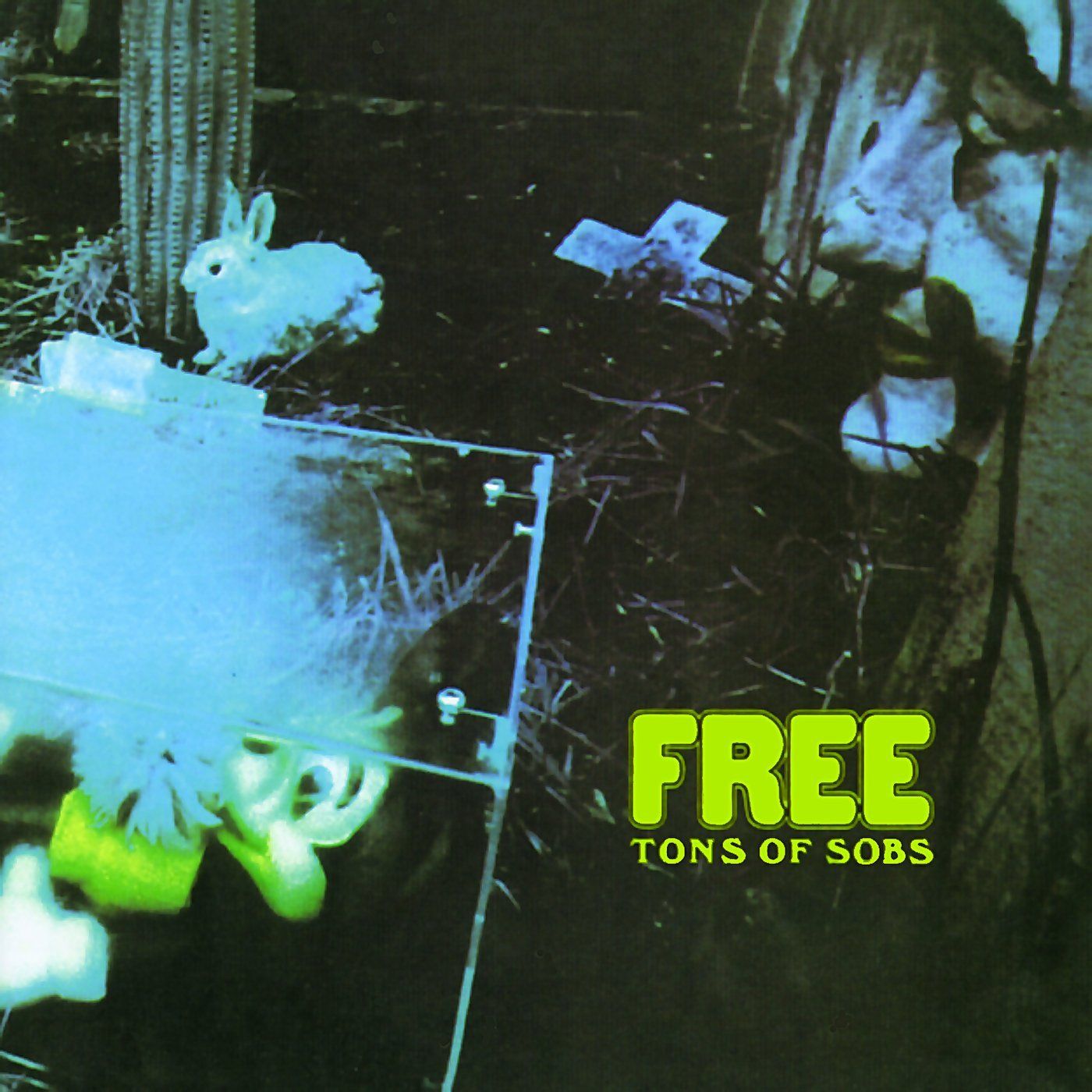
Free’s blues heritage is undeniable. Guitarist Paul Kossoff and drummer Simon Kirke came from a blues combo called Black Cat Bones. Vocalist Paul Rodgers arrived from the similar-sounding Brown Sugar, and bassist Andy Fraser had been a Bluesbreaker. Free was a formidable coming together of raw British blues rock talent.
And they didn’t disappoint, coming up with their own distinctive brand of blues on their debut. They didn’t pummel like Zeppelin, caress like Cream or strut like The Rolling Stones. Rather, Free loped and grooved, driven by Kossoff’s aching guitar, Fraser’s throbbing bass and Rodgers’s sonorous voice.
Tons Of Sobs begins and ends deceptively with the pastoral sounds of Over The Green Hills (parts one and two). But in between there are all-time blues rock classics such as Worry, Walk In My Shadow and I’m A Mover.
Such is their authenticity, these songs sound like they were recorded by crusty old blues legends instead of raw new kids on the block. (Andy Fraser, let us not forget, was barely out of his school uniform at the time of the album recording.)
The standout track on Tons Of Sobs is The Hunter, a swaggering version of the blues rock staple originally written for Booker T. and the M.G.’s.
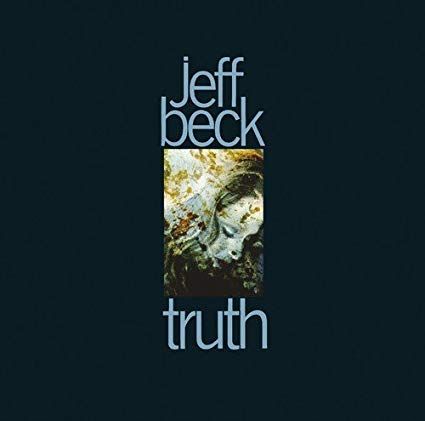
By 1968, Jeff Beck had become a major pioneering force on the electric guitar, following Clapton in the Yardbirds, before clocking up two pop hits with Tallyman and Hi-Ho Silver Lining. By the time he was assembling the band for Truth (only later dubbed ‘The Jeff Beck Group’), he determined to make an album for himself.
With Ronnie Wood on bass, Rod Stewart on vocals and guests like Jimmy Page, John Paul Jones and Keith Moon popping up for guest spots on Beck’s Bolero, it was an album that not only helped establish the British blues rock sound, but featured many of its best exponents.
Audacious and experimental, it smashes genre conventions at every turn. Willie Dixon’s You Shook Me and I Ain’t Superstitious are masterfully reinvented, even Broadway hit Ol’ ManRiver and the Henry VIII-authored Greensleeves are dragged into Beck’s musical vision.
Record company execs, meanwhile, thought that Beck was actually Rod: “They said, ‘We always knew that Beck would make it. By the way, who’s the fellow on guitar?’” Beck grimaced later. “They actually said that. I’ve still got those words ringing in my ears.”
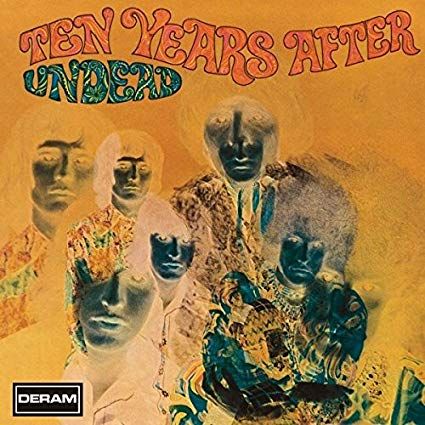
After the John Mayall/Eric Clapton’s Bluesbreakers album had catapulted producer Mike Vernon into Britain’s premier R&B scout, he spotted the potential of Ten Years After, spearheaded by the guitar pyrotechnics of Alvin Lee.
The band’s self-titled debut album in 1967 was the springboard that enabled them to leap from the UK to America. Suddenly their US record label was demanding a follow-up to maintain the momentum.
Hastily recorded at Klook’s Kleek in West Hampstead, conveniently next door to Decca’s recording studio, Undead catches the sweaty, small-club atmosphere and Ten Years After’s free-form approach to the blues with the jazzy, flashy I May Be Wrong But I Won’tBe Wrong Always and Woodchoppers Ball, and the moody blues of Spider In Your Web.
The encore was a youthful but already potent I’m Going Home that would become their defining anthem after it was featured in the Woodstock movie. “Basically, that album put it in a nutshell,” says Alvin Lee. “I was so happy with it. When I first heard it, I thought, ‘What are we going to do next?’”
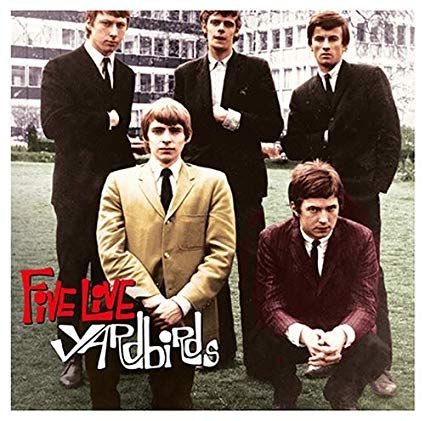
In the mid-60s, live recording was struggling to reach embryonic status. The technology required had not yet been invented. But the Yardbirds were a hot live band that had failed to capture their vitality in the studio. And London’s Marquee Club, their regular gig, had a recording studio backstage. So they decided to give it a go.
You can get a flavour of the chaos that surrounded the recording of Five Live Yardbirds by the frantic, stumbled introductions by compere Hamish Grimes at the beginning of each side of the original album. Mercifully, the Yardbirds were unaffected by the mayhem and delivered their typical high-energy set.
With the exception of Eric Clapton on lead guitar, they were not the most proficient R&B band around. But they more than made up for it with their enthusiasm. And they had a secret weapon: the rave-up, where they sped up into a frenzy that drove the audience wild every time – on Howlin’ Wolf’s Smokestack Lightning, the Isley Brothers’ Respectable and Bo Diddley’s I’m A Man and Here Tis.
Clapton sets it all up with a blistering Too Much MonkeyBusiness, but Five Live Yardbirds is actually a team effort from Keith Relf’s wailing harmonica to Paul Samwell-Smith’s driving bass.
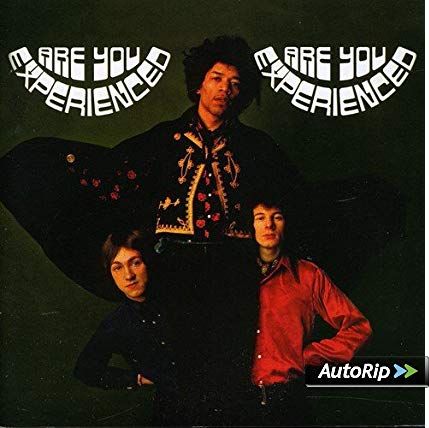
As Ronnie Wood commented to Classic Rock, “It was really Jimi Hendrix who invented that hard rock stuff”. Electric Ladyland tends to get all the plaudits but, with Foxy Lady, Manic Depression, Red House, Fire and the title track, Hendrix’s first album is like a greatest hits collection, with almost every track an instantly recognisable, timeless rock classic.
It would be nice to say that Are You Experienced? set the blueprint for rock as we know it – this was a year before Led Zeppelin, three years before In Rock, while Jimi’s tone, riffs and groove make Clapton and Jeff Beck seem like lumbering dinosaurs – but the truth is that few people have even come close to matching the blueprint.
Of the lesser-known tracks, Remember would be a straightforward R’n’B crotch-thruster if it wasn’t for Mitchell’s stuttering drumming.
May This Be Love trips out beautifully, Third Stone From The Sun bounds into the psychedelic jungle like a horny panther, while the title track comes on like a four-minute invitation to an orgy to remember. ‘Haveyou ever been experienced?’ asks Jimi. ‘I have. Let me prove it to you…’ And then he unleashes a solo that snaps and writhes like a wounded cobra.
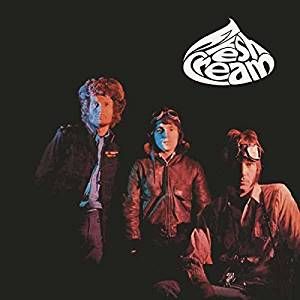
Given the reputations of Eric Clapton, Jack Bruce and Ginger Baker, the feverishly anticipated debut album from this power trio was always going to struggle to live up to expectations. And even though it didn’t, it is still one of the most important albums in 60s blues rock, and its influence on what came afterwards is immense.
Fresh Cream is a melting pot of ideas, many of which would subsequently be developed and combined with flair and vision to some stunning effect in the following decade.
There’s the colourful, musically informed psychedelic pop of Dreaming; the stripped-down, energetic Rollin’ And Tumblin’ powered along by Bruce’s bluesy wailing vocal and honking harmonica; a bouncy reworking of Robert Johnson’s Four Until Late; and six and a half minutes of Willie Dixon’s Spoonful on which Cream give a taste of their improvisational skills and Clapton shows flashes of real brilliance.
The real rough diamond, though, is Sweet Wine, in which Clapton gradually builds a dense, swirling psychedelic cloud of feedback and sustain that remains as stunning today as it was original then.
Fresh Cream and Cream were the sparks that ignited the blues rock explosion, and without them, who knows how many of rock’s family jewels would not exist today.
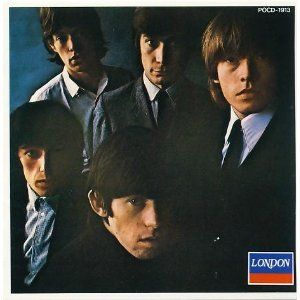
It was a love of the blues and early American R&B that forged the friendship between a teenage Mick Jagger and Keith Richards down Dartford way, so it’s only fitting that the Rolling Stones’ second release continued to rely upon these building blocks.
Consequently, we’re treated to the fledgling Stones’ take on Chuck Berry’s You Can’t Catch Me, a fairly faithful rendering, but with Jagger’s decidedly English sneer and Richards’ rolling, ramshackle riffery adding to its original charm.
The Jagger/Richards songwriting partnership also gains momentum, with three composition credits to their name – Off The Hook with its Yardbird-esque guitar motif and relentless refrain; What A Shame is a bluesy bruiser and gives bassist Bill Wyman a moment to shine under Brian Jones’s sparse bottleneck, while Grown Up Wrong pays real homage to their hero Mr Berry.
But in terms of solid blues prowess, it’s the band’s interpretation of Muddy Waters’ I Can’t Be Satisfied that truly impresses – Brian Jones’s fluid slide playing on this track was seldom bettered.
No.2 was a monster hit in the UK, and deservedly so, as it convincingly straddled the bridge between the blues and rock’n’roll and set the blueprint for the relentless Rolling Stones march into the future.
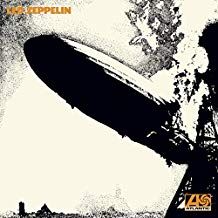
There’s a great misconception about the first Led Zeppelin album. Many cloth-eared clowns and charlatans regard it as a heavy metal record. How very wrong they are.
Alright, so Robert Plant had the long, tousled hair and the silver-throated scream. Jimmy Page had the raw licks and the feral riffs. And John Bonham had a kit hewn out of solid granite.
But Zep I wasn’t metal. It was blues rock at its most epic, awesome and sprawling. It was full of power, passion and pride. It wasn’t just an exercise in vocal and guitar pyrotechnics, with liberal doses of gut-rumbling drum-work on the side.
When this album hit the streets in 1969 it left a crater a mile wide that reached down to Earth’s molten core. Zep I was less an isolated collection of tracks and more a searing segue of songs packed with brutal soul and uncompromising emotion.
No one had heard anything like it before… or had they? Zeppelin’s tactic of taking hoary old blues classics and mangling them into fearsome beasts of their own creation came in for fierce criticism. But really, the moans mainly came from blues purists.
After all, when Willie Dixon wrote I Can’t Quit You Baby, we’re pretty certain that he had absolutely no idea what he was about to unleash.
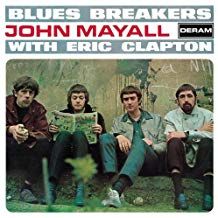
There isn’t a British blues rock guitarist around whose ears weren’t pinned to the wall the first time they heard Bluesbreakers.
John Mayall was already an established player on the British blues scene. Clapton had joined him a year earlier to find purist heaven, first by devouring Mayall’s unrivalled collection of blues albums and then by turning up his guitar and developing the coruscating style that had people scrawling ‘Clapton Is God’ on walls around London.
When the band entered Decca’s West Hampstead studios in April 1966, Clapton set up his gear the same way he did on stage, causing pandemonium in the control room. Producer Mike Vernon and engineer Gus Dudgeon (both of whom would become legendary studio figures) asked him to turn it down, but Clapton refused.
In what proved to be a landmark decision, Vernon and Dudgeon opted to cope with the distortion and adjust the other levels to try and get a balance. What they ended up with was the raw power that can still shock and awe 31 years later. From the opening note of Otis Rush’s All Your Love, Clapton’s Gibson Les Paul pierces at mic-shredding volume. After Bluesbreakers all British blues albums would be guitar-dominated.
It helps that Clapton is in white-hot form, blazing with the arrogant bravado of youth and self-belief, justifying his ‘God’-like status. After the slow/fast/slow cut and thrust of All Your Love he tears into Freddie King’s instrumental Hideaway with a mature fluidity and bleeds all over Mayall’s own Double Crossing Time with almost reckless abandon.
His vocal debut, on Robert Johnson’s Ramblin’ On My Mind, is timid compared to his guitar playing, but the song has remained a staple throughout Clapton’s career. And the short, sharp Steppin’ Out instrumental was turned into a 15-minute epic in the days of Cream.
But his pièce de résistance comes on the six-minute Have You Heard, another Mayall original where Clapton effectively redefines the slow blues guitar solo for the next decade. There are many who will argue that Clapton never played a better, more inspired solo.
Mayall’s contribution to Bluesbreakers should not be underestimated. He gives Clapton his head, but he’s still emphatically the band leader and a forceful character, whether he’s singing, playing keyboards or blowing harmonica, which he does on a couple of solo showcase tracks, Another Man and Parchman Farm.
And then there’s bassist John McVie, paying his dues before Fleetwood Mac and anchoring the rhythm alongside Hughie Flint (still playing in the Blues Band), a lighter drummer than most of his blues rock successors but more than good enough for the job. Producer Vernon believes that Mayall never bettered that album.
“The energy that was created by that band when Eric was with them was special,” he told writer John Pidgeon. “We were lucky. We captured it on that one record. The chemistry was right.”
Bluesbreakers was the first blues album to chart in the UK, reaching No.6 in the summer of 1966. By then Clapton had already left to form Cream. Things were moving fast.
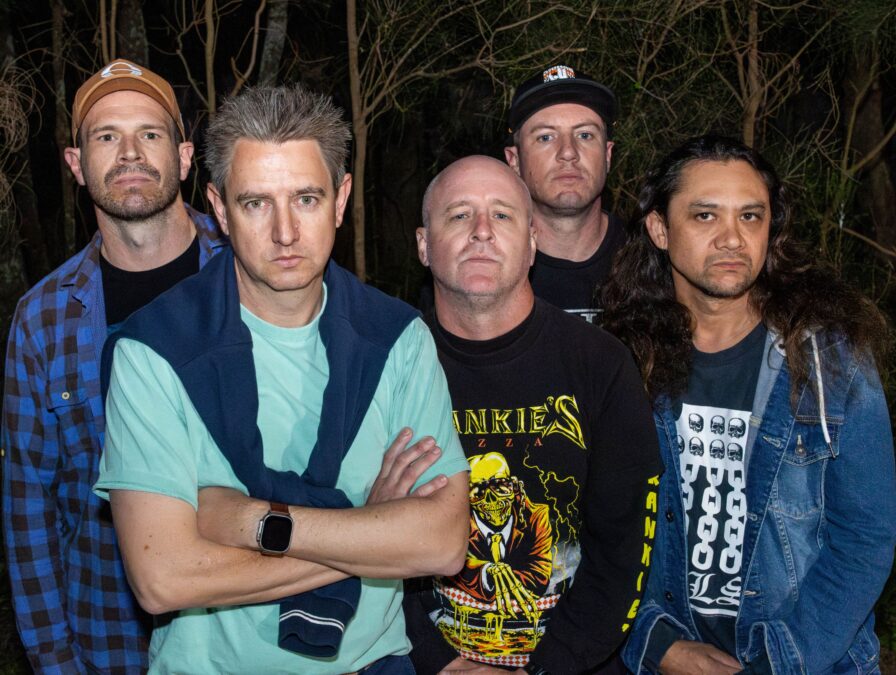 Following the explosive releases of their tracks Heavy Metal Heaven and the crushing hangover anthem Death March, Gold Coast-based metal madmen Boner Contention are bringing their heavily medicated onslaught to the live stage. The band will be tearing up Mo’s Desert Clubhouse in Burleigh Heads on Friday, November 20 for a monumental hometown gig dubbed […]
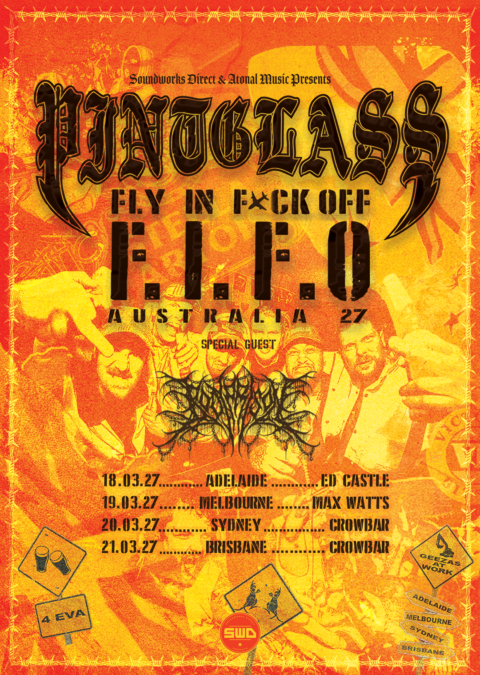 Hailing from Surrey, England, PINTGLASS have carved out their own corner of heavy music with a distinctly British take on deathcore and beatdown hardcore. Crushing breakdowns, aggressive vocals and an unapologetic love of pub culture have earned the band a reputation for their signature sound, affectionately known as geeza-core. From Way of the Geeza and […]

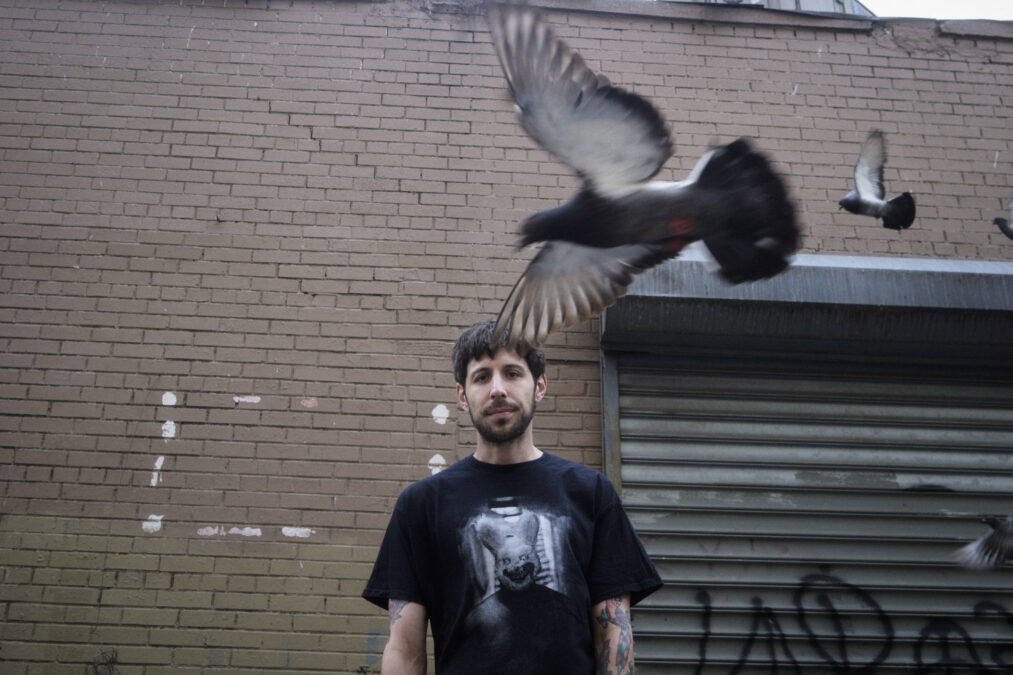 GDP is gearing up for the imminent release of his first new album in 14 years, Cross Off Matthew. Arriving this Friday October 23 via Run For Cover Records/Civilians, the album proves that the NJ emcee is still in top form with 12 tracks of mind-bending beats and razor-sharp bars that are sure to please […]
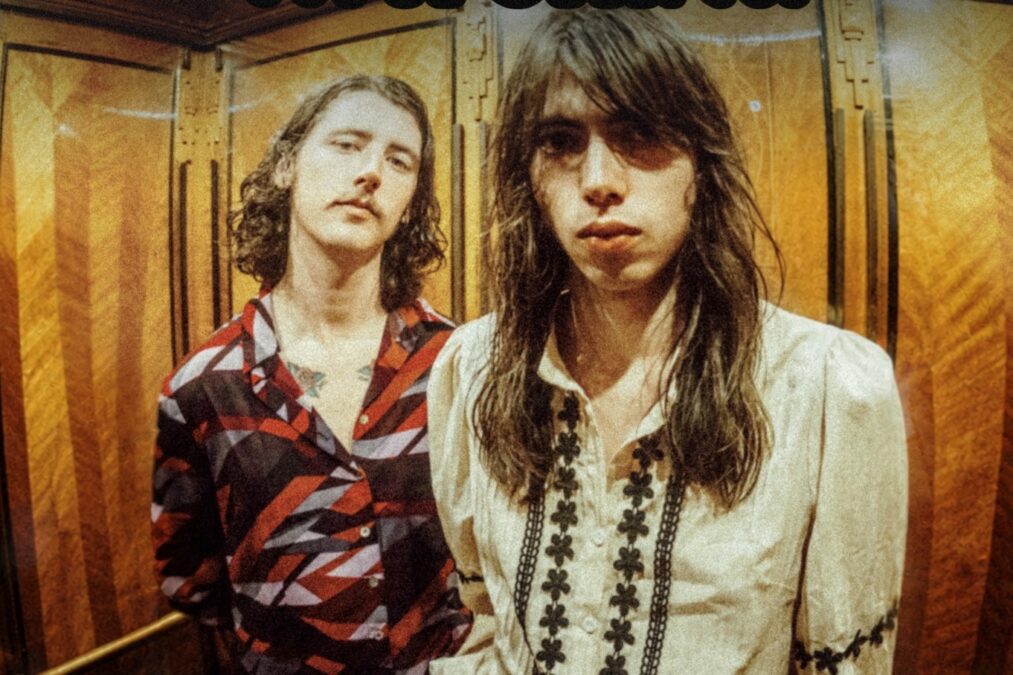 LARGE MIRAGE have once again cemented their place as one of the most compelling acts on the Australian circuit, returning today with mesmerising new single Watching. The second single from their forthcoming EP Wildfire, WATCHING captures the band’s distinctive take on heavy psych rock, bringing uncompromised power, songwriting and musicianship into the arena of contemporary […]