Even though grunge is usually associated with the 1990s, there were important releases that also came out in the 1980s.
The post The Best Grunge Album of 1989 Is Still One of the Genre’s Most Important appeared first on Audio Ink Radio.
Even though grunge is usually associated with the 1990s, there were important releases that also came out in the 1980s.
The post The Best Grunge Album of 1989 Is Still One of the Genre’s Most Important appeared first on Audio Ink Radio.
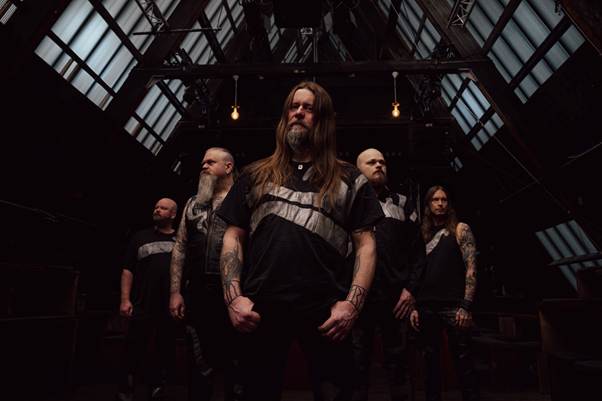 Last month, progressive trailblazers Enslaved officially announced their forthcoming studio album, Mið, set for release on October 30 via Nuclear Blast Records. Throughout their 35-year journey, across 17 albums, the Norwegian vanguard have continually redefined the boundaries of progressive black metal, weaving Old Norse histories and sacred traditions into complex modern soundscapes. With their latest […]
Posted on September 24th 2026, 12:22pm

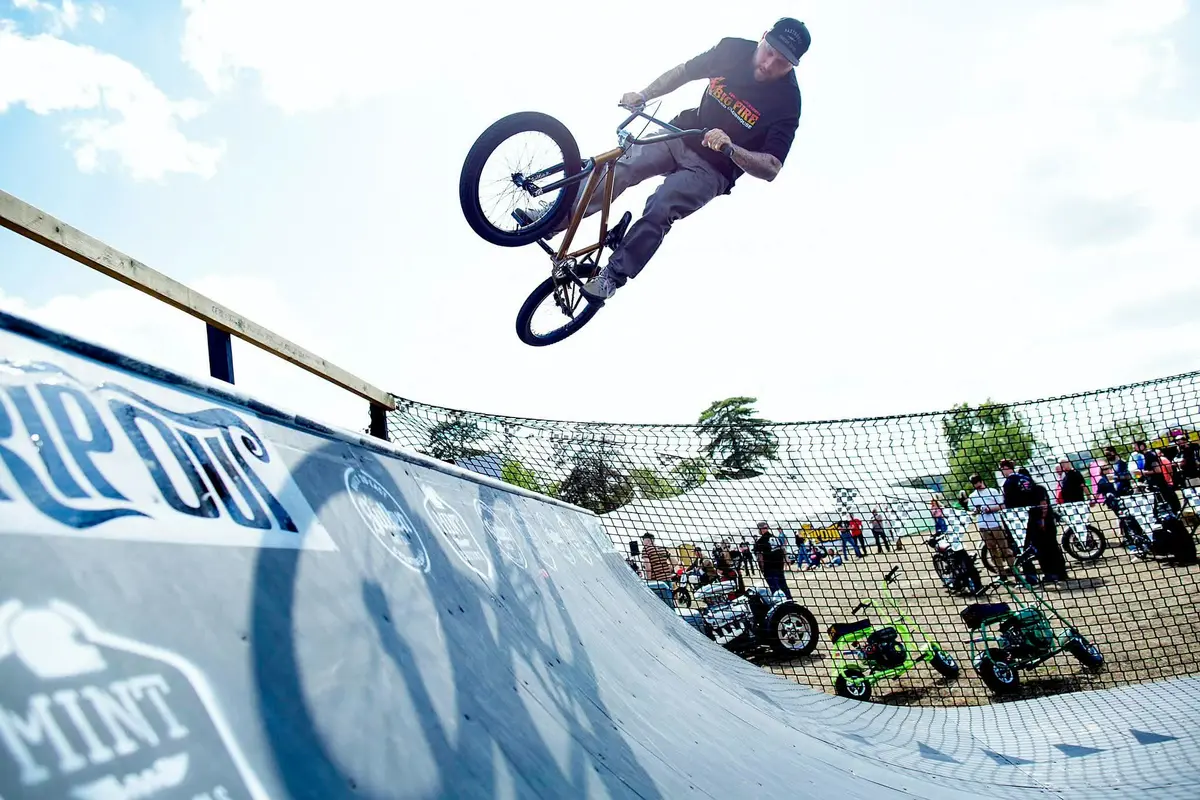
A kaleidoscope of colours, synced and scattered, transcends into a psychedelic gathering. In the distance, you can hear the beat of Born To Be Wild and laughter as people pitch their tents. The deep rumble of motorbike engines gives way to sudden ‘pop-pops’, then steady vibrations in your chest. Heading into Euston Park, Suffolk, soundwaves and smiles await as you are immersed in a cosmic sanctuary of love and peace. Welcome to The Trip Out Festival.
Every September, a community of bike, music, food and festival lovers congregates in a world where you feel transported to the middle of California in the 1960s.
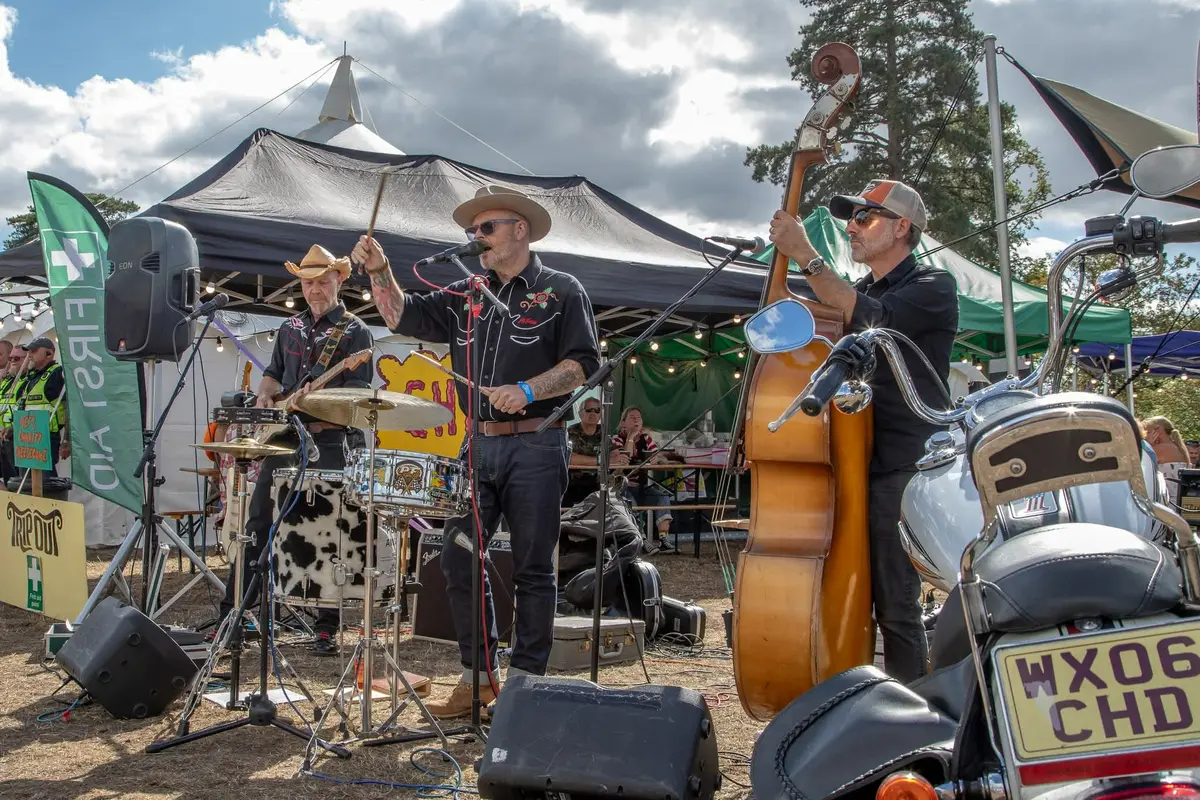
With a capacity for simply good people, approximately 1,500 to 2,500 rock ‘n’ roll lovers, biking connoisseurs, and festival-loving souls attend The Trip Out Festival each year. The biker community has existed since the 1950s, congregating at the iconic Ace Café in London.
Today, it remains an epicentre for bikers and rock ‘n’ roll lovers to meet before heading out on the road. Whether it’s a road trip or a meet at The Trip Out, this community immerse themselves in vintage bikes, loud music, and people they see as family.
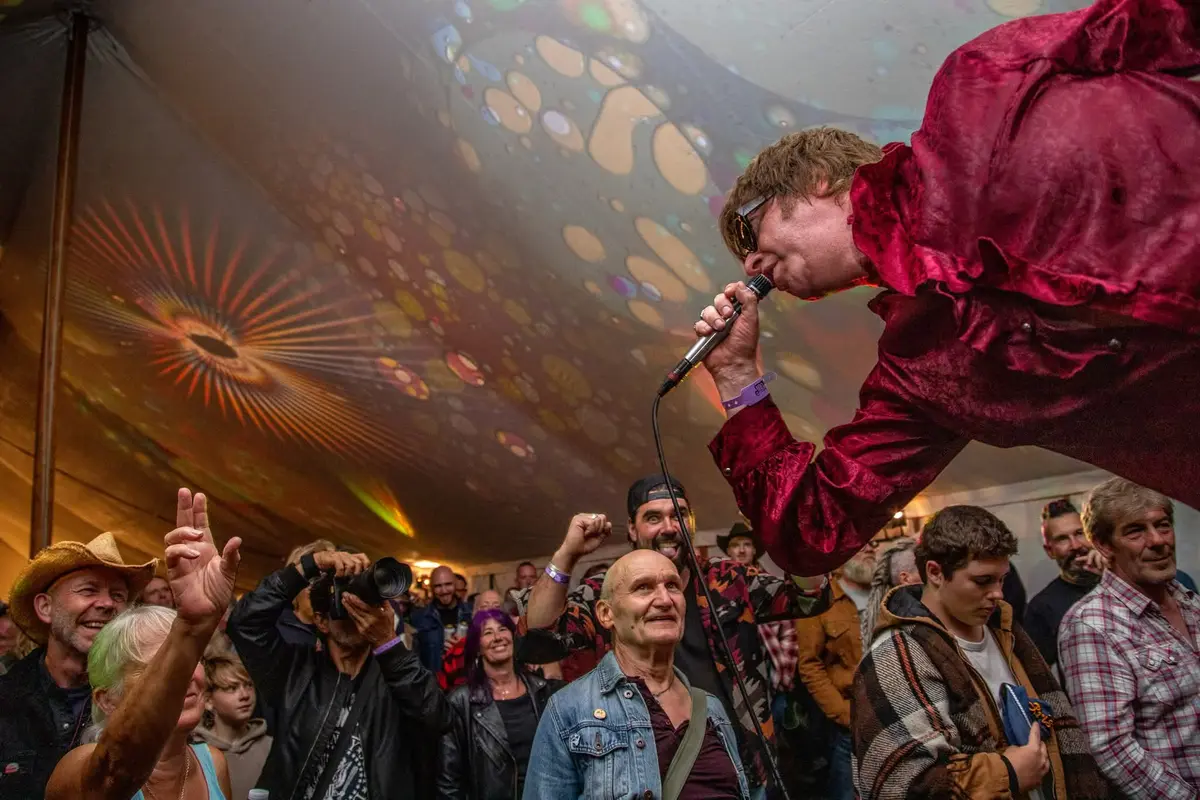
Every year, founders and real-life partners, Andy and Anna Porter, invite Trip Out goers to return to this haven. The couple put in a huge amount of work, including carefully choosing and booking some of the best bluegrass, punk, folk and good old-fashioned rock ‘n’ roll bands to entertain the crowd.
Opening in 2012, Andy and Anna shared a love of hot rods, choppers, rock ‘n’ roll, and a passionate idea to bring an intimate Woodstock ’69 to life in the UK.
A sea of bikes fills the field, from Electra Glides to hand-built choppers to the classic FXS. There is a bike for everyone born in a certain era. Most importantly, everyone shares the same values and holds one another in real respect. No judgments, and a real sense of belonging.
Intimate pop-ups, from Jon at the merch tent to the cosy chill-out area, make it easy to talk to people and recognise familiar faces over the weekend.
Volunteers and staff know regular attendees by name, making everyone feel safe and welcome. The Black Jacket catering team, who organise the beers and liqueurs, are always on hand. You can easily meet emerging artists, local vendors, and organisers, all with a warm, friendly face.
From Easy Tiger Vintage clothing to Pedro Parts, which sells motorbike parts and leatherwear, there is something for everyone with an old soul and a love of beer, bikes, and boogieing down to old-school rock ‘n’ roll.
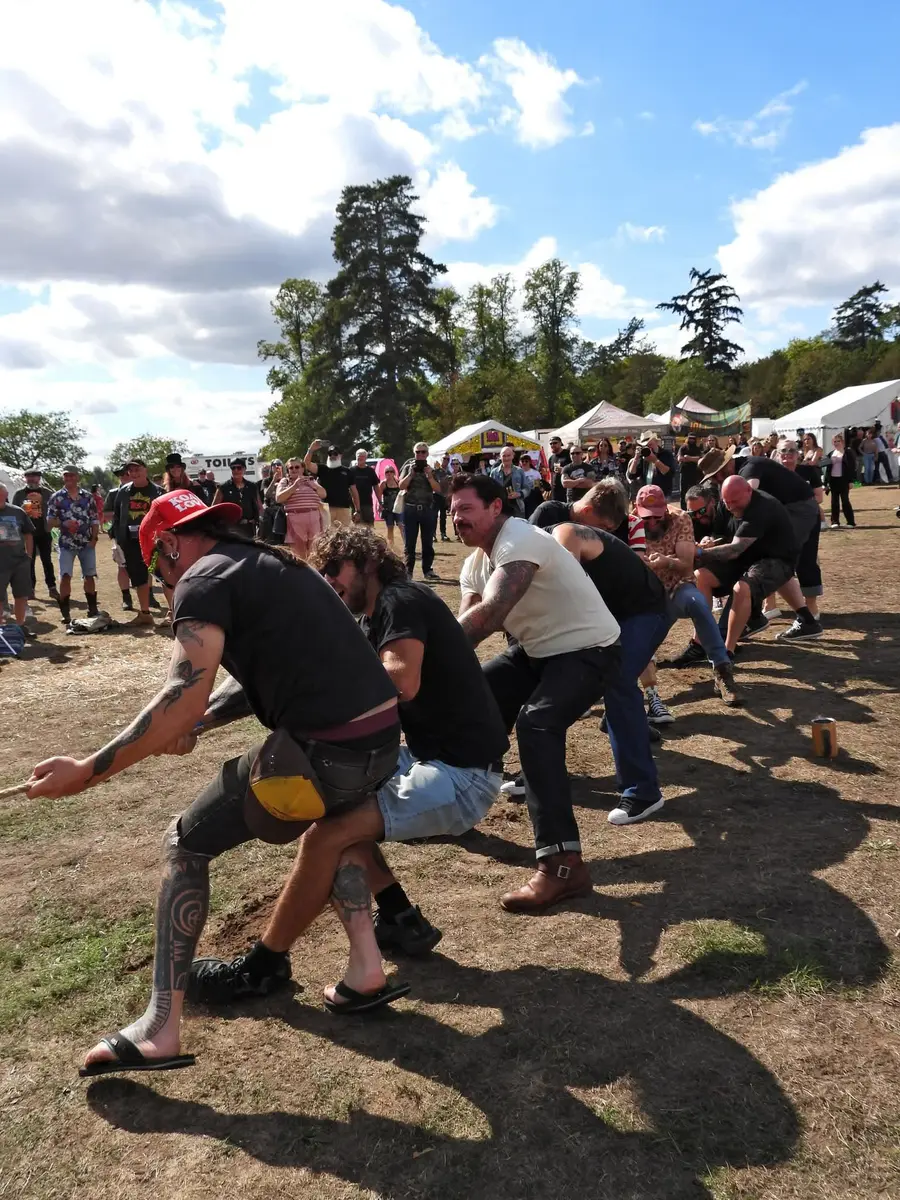
On Saturday, the pie-eating contest, ride the plank, and The Weenie Bite Biker game take place. Crowds gather around, and cheers roar. There is a real sense of closeness, even with the number of people there. Married couple Andy and Anna host the games and the build-your-bike competition.
It is evident that every single individual at Trip Out has the utmost respect and love for this couple. Both Anna and Andy are magnetic, and with Andy’s leadership and showmanship, everyone congregates and listens to what he has to say, every time.
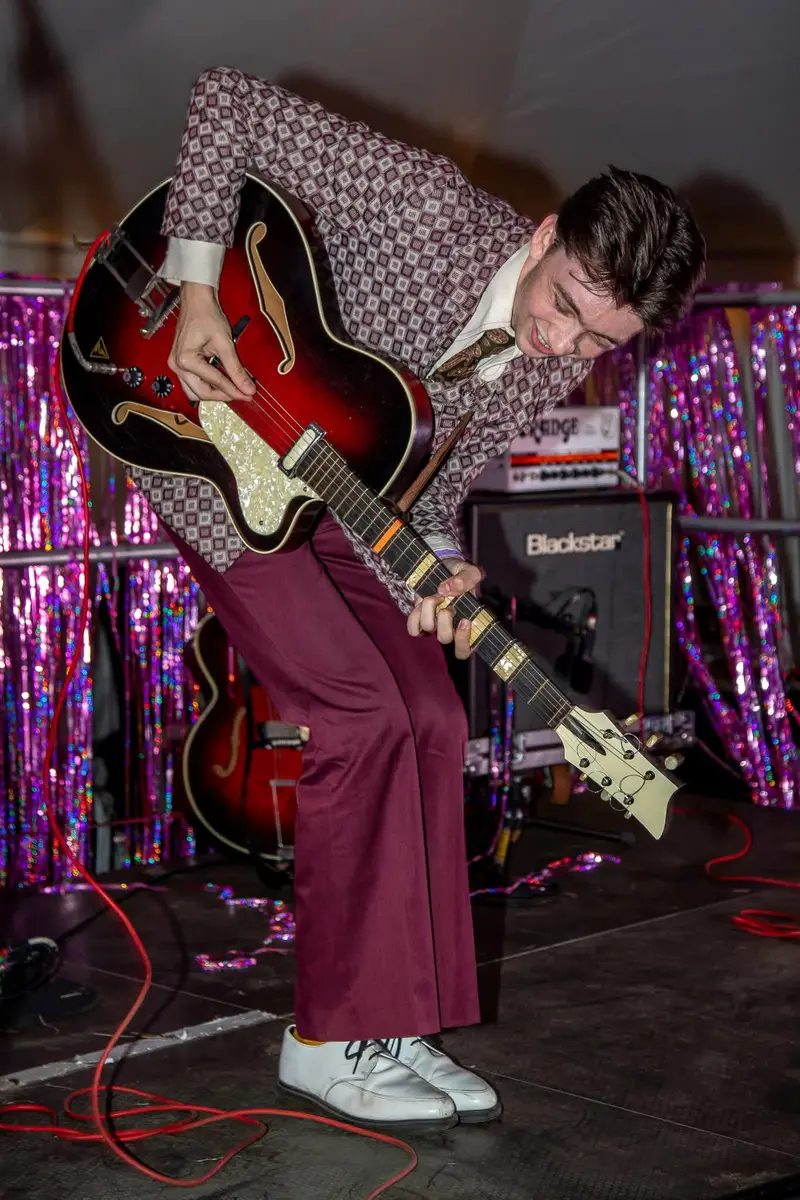
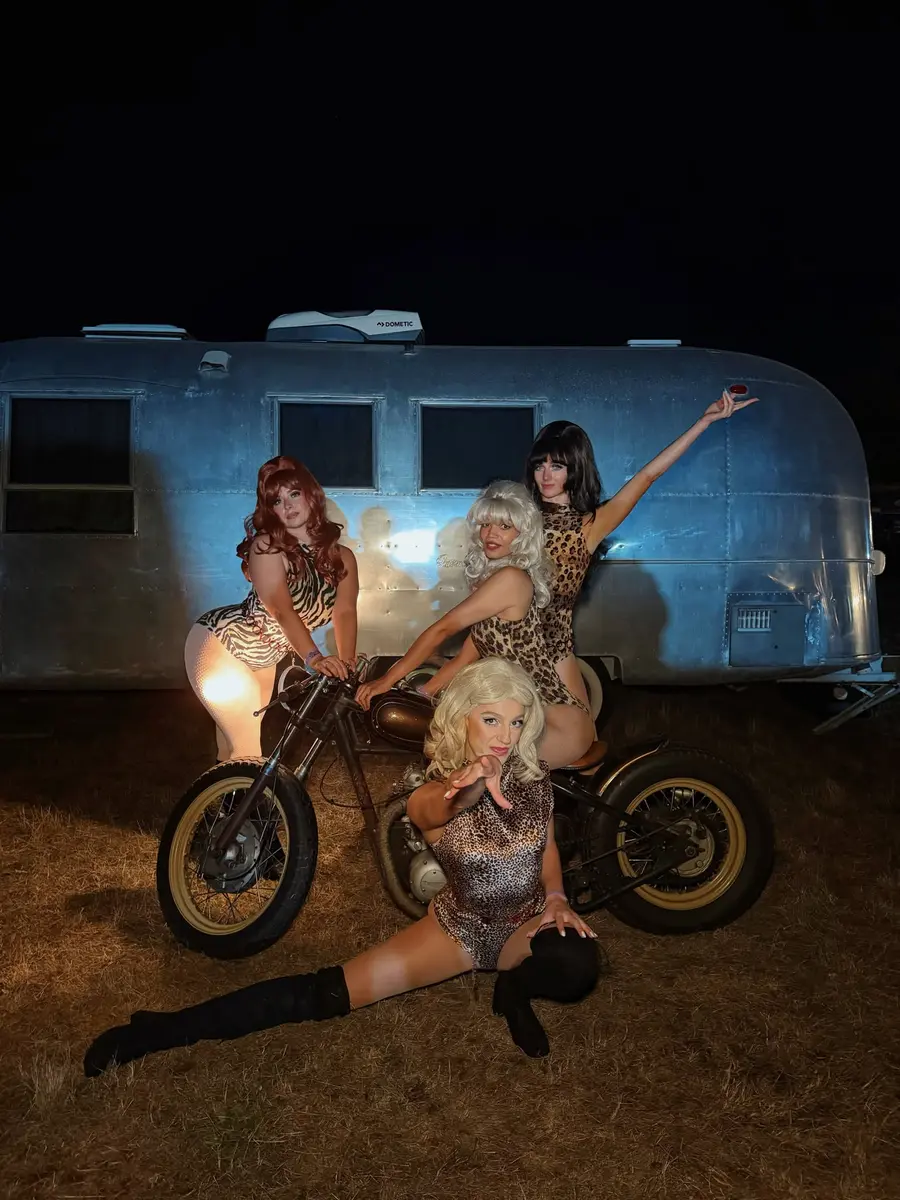
When the sun goes down behind the tall trees, the evening really gets moving and shaking. This year, the bluegrass/punk band The Cain Pit headlined alongside the beautiful Meyer dancers. The girls perform every year, grooving to the beat with a shimmy and a shake in their hips, wearing white platform boots and beehive hair.
Mustangs and Harley-Davidsons surround the old-school rock music, integrating everyone into a warm, sonic psychedelic movement.
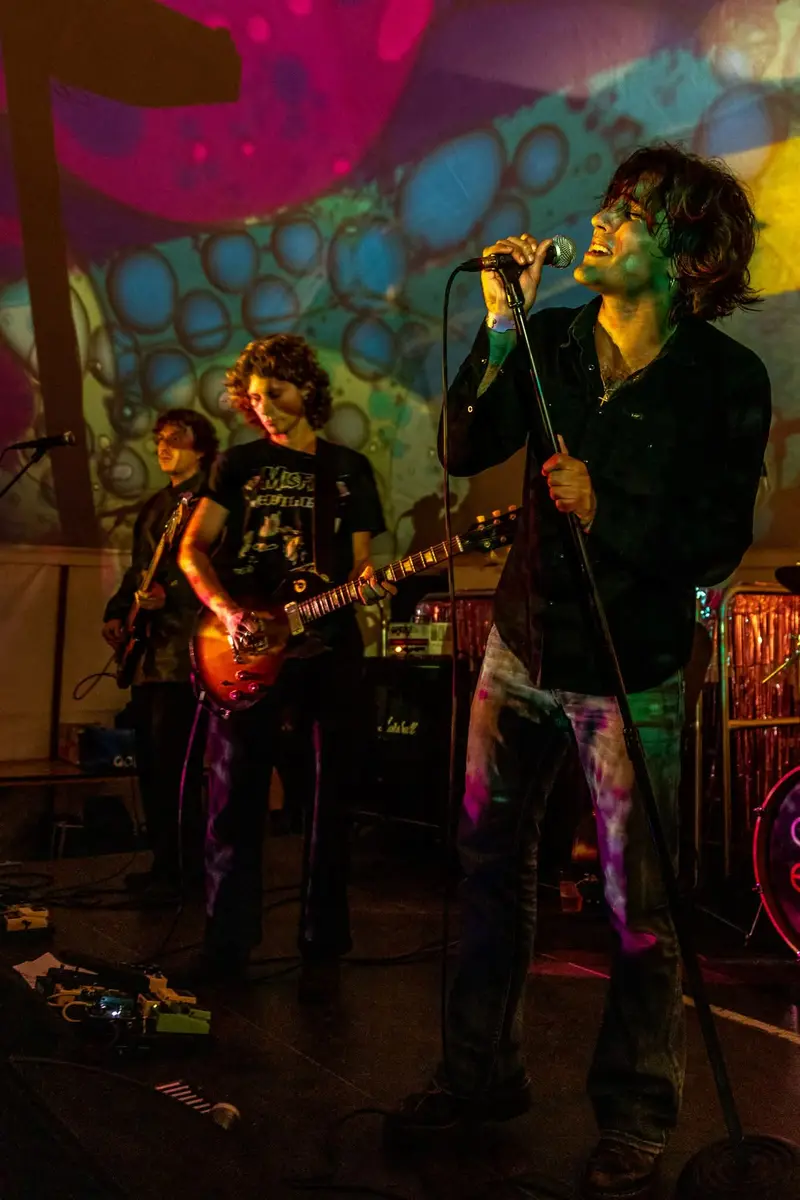
Rockabilly, garage punk rock, and psych rock make the lineup of bands each year a real treat. Further back into the field, nestled among taller trees and fairy lights, a smaller tent holds DJs who lay down the old-school classics from Creedence Clearwater to Tina Turner.
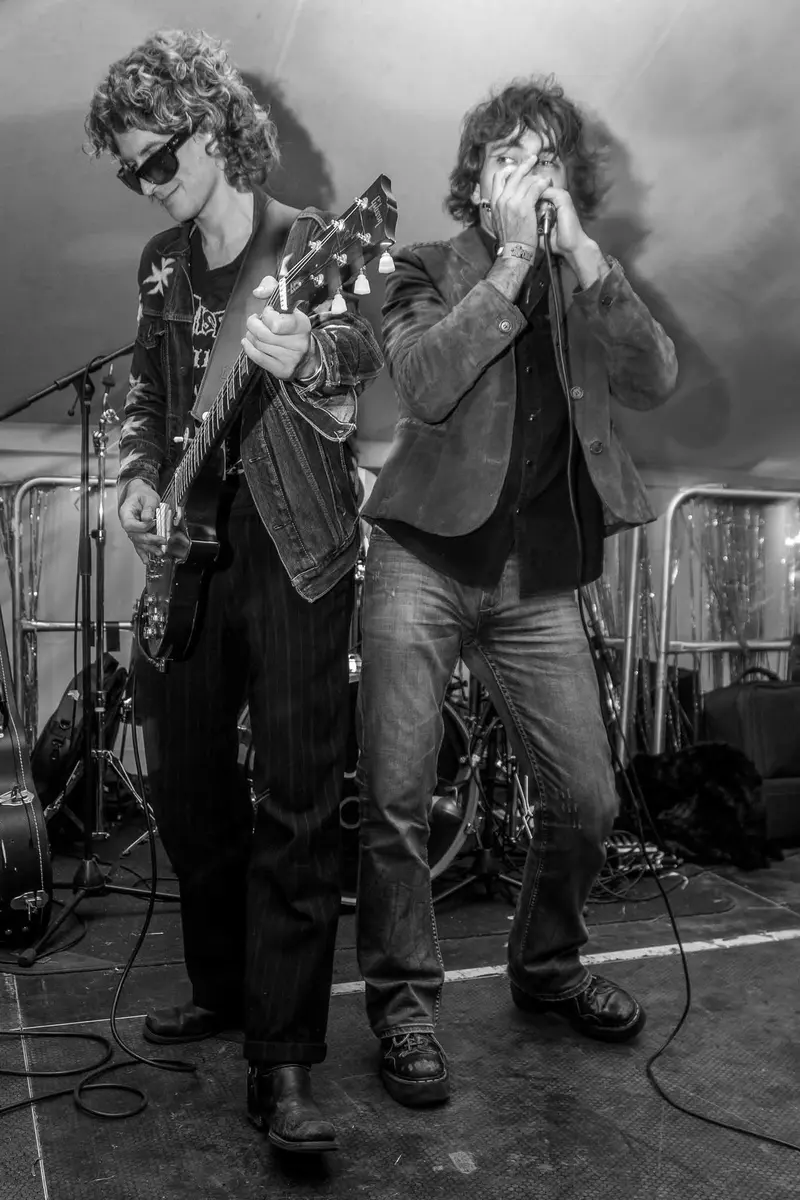
For two nights, everyone escapes into a faraway world. For those special 48 hours, this colourful creation of festivalgoers is a non-stop, friendly Woodstock of pleasure.
So, join the fun next year, turn on, tune in, and trip out! Tickets for The Trip Out Festival 2027 at Euston Park, Suffolk, will soon be available at thetripout.co.uk.
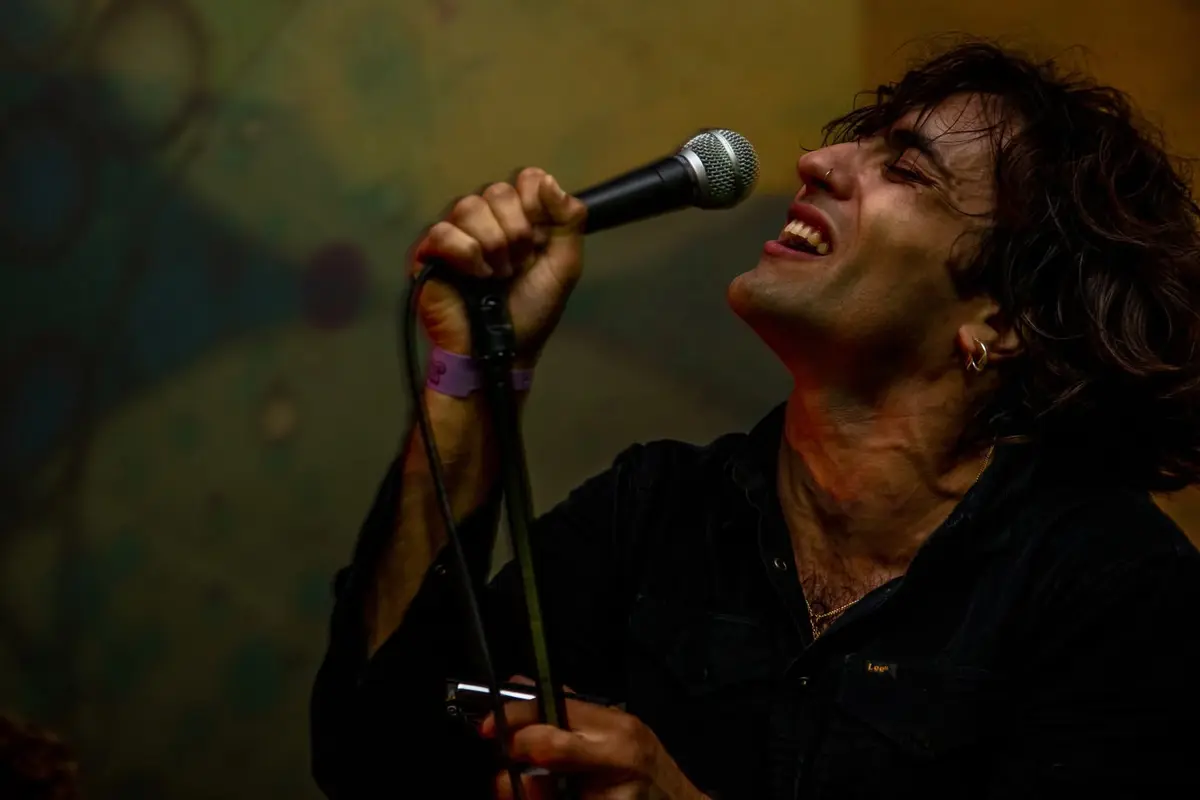
 As far as I know, the state of Utah is not exactly a hotbed for music festivals of the metal persuasion. John Yelland (Judicator, Behölder) is doing his darnedest to change that. Under his direction, the second annual Grillfest took place on September 12, 2026. A section of historic Main Street in Midvale City was closed off to accommodate the day’s festivities, of which there were many. Grillfest functioned as a dual event. The outdoor activities were open to the general public, including barbecue food trucks, live entertainment spectacles, and vendor booths. At the same time, a series of ticketed musical performances were happening inside the nearby venue The Pearl on Main. I couldn’t resist the summons of so much metal in one place so close to where I live, especially after receiving an invitation from John Yelland himself. I invite you to join me as I recount my experience of attempting to witness as much as possible.
I arrived at the official noon start time, flying solo because Kutemouse (Mrs. Killjoy) was, unfortunately, too sick to make it.1 I picked up my press pass from the Grillfest booth and ordered a bratwurst from the Grillfest On-the-Go cart to munch on while I watched the first outdoor event: medieval combat demonstrations by Order of the Silver Rose. They alternated between large team battles called melees and 1v1 swordfights. I wasn’t able to hear the commentator very well to understand all the rules, but it was still fun to watch a bunch of metal-clad warriors wail on each other.

I slipped away in time to catch the last part of the first act of the day. Just4TheRecord kicked things off with a dose of enthusiastic pop-punk. Their set time overlapped with the medieval combat, so the crowd was pretty small, but the trio played their hearts out all the same.

I went to check out the 25 or so vendor booths, where I bought some goodies for my wife and kids. I stopped by KBER 101, a rock radio station based in Ogden, Utah, and met one of the members of Eyes of Eva, a gothic alt-metal group. I also talked to Will Burnham, author of the fantasy novel Engine of Amnesty: Revelations, which I plan to read in the near future.

At that point, the Fiery Fools Hot Wing Challenge was beginning. Numbered among the participants was Judicator drummer Mike Lofgreen. It started as a bit of a slow burn but soon heated up intensely.

I wasn’t able to stick around to see the winner because it was time to see Darconigan from Colorado. Their icy blackened death metal riffs were a great way to cool off from the hot sauce challenge, not to mention the heat outside.

This was around the time when I remembered the passport challenge. I grabbed a card from the Grillfest booth, which I hastily took around to a few of the local businesses located on Main Street (Farmer & Chemist, Cactus & Tropicals, Midvale Art House, and Echelon Tattoo). I also caught the first couple wrestling matches by The Lucha Project. They were very silly, as expected.

I can’t say that wrestling is really my thing, so I dipped after a bit to go see Triune, who came from Boulder, Colorado. And I’m glad I did because this was, unexpectedly, my favorite performance of the entire day. They play psychedelic progressive metal with whiffs of classic Tool. Their music reminds me quite a bit of Anciients and Dvne. The bass tone in particular was massively satisfying, but all of the band members put on a great show.

I caught a little bit of the outdoor combo performance by the electronic music group Runestomper and bubble artist Danny Morgan. The bubbles were, of course, a big hit with the kids who were in attendance. I wish I had brought mine with me. Next year!

Next up was prog metallers Patema from Denver, Colorado. They have more of a straightforward style rather than an overly noodly one, but there was still a good amount of cool melodic guitar soloing. The music had a dreamy Tanagra2 vibe to it. Patema played a few unreleased songs from their upcoming album next January, which I look forward to hearing. I was able to chat with the guitarist, Jaden, and he gave me some cool stickers.

Shortly after, The Lucha Project put on another series of wrestling matches called the Golden Spatula Tournament. This one drew a larger crowd.

It was then my privilege to witness the first-ever live performance of the trad/doom metal group Behölder. Their debut was favorably reviewed by our lovable ape overlord, Steel Druhm, last year. They put on a fun show. John Yelland is quite a charismatic frontman, and this was a great warm-up for Judicator later.

The Order of the Silver Rose held a Bloodsport swordfighting tournament during the dinner hour. Unfortunately, I missed most of it because I was scrounging for food after learning that both food trucks had run out of food. After scarfing down some tacos from a nearby cart, I decided it would be a good time to do some merch shopping. I bought T-shirts from Judicator and Triune. I chatted with Cory Wolfe, the vocalist/guitarist for Triune, and got to tell him how much I enjoyed his band’s performance.

After dinner, the official outdoor activities were over, so I retreated once again to The Pearl on Main for a few more sets to close out the festivities. First up was ShadowStrike, coming all the way from Long Island, New York,3 to grace us with their extremely exuberant symphonic power metal. Their debut album was lauded by Eldritch Elitist back in 2019, and I, too, am an appreciator of earnest cheese. The singer has a great, soaring voice, but the others weren’t slouches either. The guitarists shredded aplenty, and the drum rhythms were rapid. They even had a live keyboardist, which I appreciated. This marked their first performance in the Western United States.

When Arsenic Addiction (local to Salt Lake City) came on, I was again pleasantly surprised by a group that was previously unknown to me. Their costumes and makeup were awesome and perfectly matched the mystical, occult allure of the music. Apparently, Arsenic Addiction’s earlier material is gothic metal, but most of what they played was closer to blackened doom, which I much enjoyed. Midway through the set, the band members all got out chalices to invoke a ritual to bring back winter (sadly, we didn’t really have one last year in Salt Lake City). Their vocalist frequently stole the show with her otherworldly singing and passionate screams. I also loved her costume change for the final song when she donned a black veil and smoking headdress.

Adamantis was the penultimate performance. You know they mean business when the singer is wielding a sword. This was a virile and trve strain of heavy/power metal; I could feel my chest hair grow a little, despite this style not being my usual cup of tea. Their bassist was especially lively, headbanging like crazy and pumping out burly notes.

Finally it was time for my most anticipated set: Judicator. This was to be their debut show with Alicia Cordisco rejoining the fold. They picked right up where they left off with “Let There Be Light,” the opening track from the last Judicator album featuring Alicia. Understandably, the setlist favored earlier material, including the first-ever live performances of “The Queen of All Cities” and “Let There Be Nothing.” As a newer fan, it was also a blast to hear them play “Concord” live. This was a fantastic conclusion to Grillfest 2026.

I went into Grillfest with few specific expectations and ended up having a great time. All of the activities, even the concerts, were family-friendly, and I would love to take mine with me next year. Even though it was unusually hot for a September day, it didn’t bother me due to Main Street being shady and spending so much time inside the music venue. I appreciated the wide variety of metal subgenres that were represented, and I was exposed to a bunch of fascinating new bands that I likely would never have heard of otherwise. As this was only the second year of Grillfest, there were a few growing pains, such as the vendors not bringing enough food or the trash can situation being woefully inadequate. Overall, though, everything went very smoothly, for which John Yelland and his team deserve immense acclaim. I encourage anyone living within reasonable driving distance of the Salt Lake area to consider attending next year. I hope that Grillfest will be around for many more years to come, and I look forward to seeing what it grows into.
The post Meat n’ Metal Madness: Going to Grillfest 2026 appeared first on Angry Metal Guy.
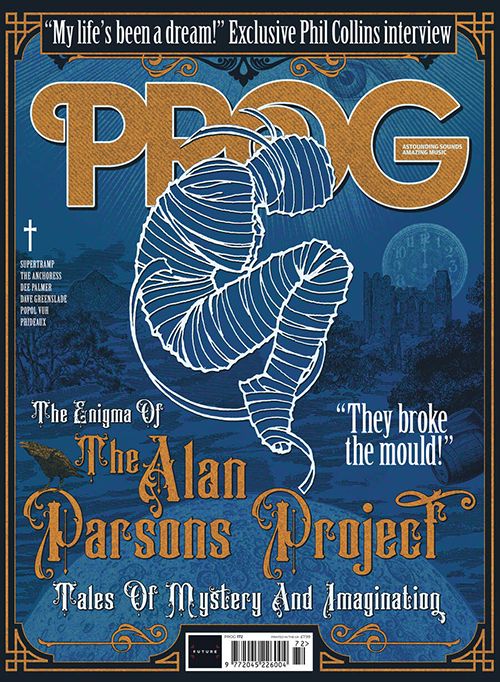
No one would have predicted in 1976 that The Alan Parsons Project – a duo made up of a songwriter and a studio boffin – would become a huge commercial success. It’s been 50 years since the release of Alan Parsons’ and Eric Woolfson’s still-astounding debut album, Tales Of Mystery And Imagination (Edgar Allan Poe). Prog tells the story of a most unlikely phenomenon.
You wouldn’t immediately label Alan Parsons and Eric Woolfson as future rock stars if you saw them in 1974. In photos from the era, they look like regular people with, perhaps, a slightly introverted edge that revealed their preferred activity – writing and recording music in the comfort of a studio. In those early pictures, they look like music fans, Prog readers in fact, and yet they went on to sell 50 million albums, something that few modern artists are unlikely ever to do.
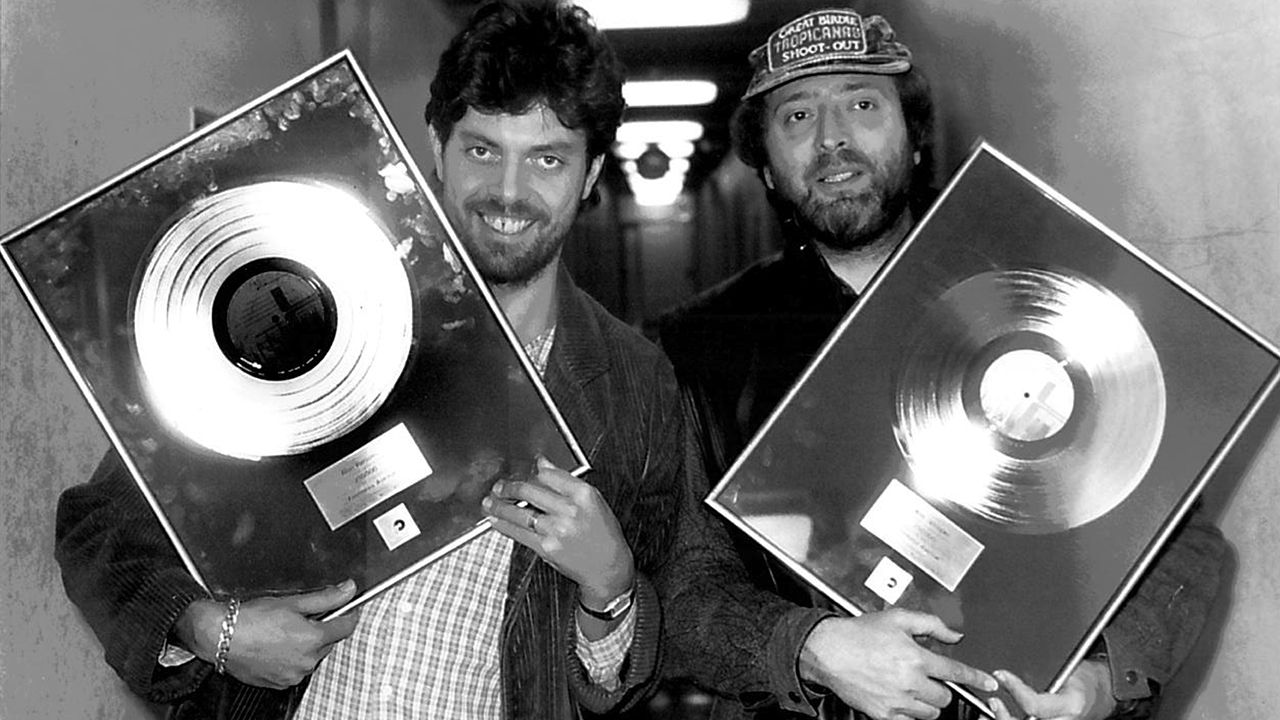
The greatest of tales often have humble beginnings, and in the case of The Alan Parsons Project, the initial meeting of minds took place in the rather municipal surroundings of the canteen at Abbey Road Studios in London. It occurred in the summer of 1974: Woolfson, a songwriter and artist manager who was at Abbey Road to produce young artist Darren Burn, approached Parsons, a successful studio engineer and producer, with a compelling proposal. At 6’3” and 6’6” in height respectively, Woolfson and Parsons quickly saw eye-to-eye in more ways than one.
Parsons, born in London in 1948, had begun his career with a brief stint as a folk rock musician before landing a job at EMI then moving to Abbey Road in the late 60s, where he found himself working on The Beatles’ record named after the studio. “I’ve still never quite got used to the fact that I was involved in recording a Beatles album,” he later said. “That euphoria has always been there. You never shake it off.”
He went on to engineer Wings’ Wild Life and Red Rose Speedway and worked with The Hollies, notably on their 1974 hit The Air That I Breathe; but his biggest score at that point was an engineering role on Pink Floyd’s era-defining The Dark Side Of The Moon in 1972, for which he received a Grammy nomination – his first of 13 to date.
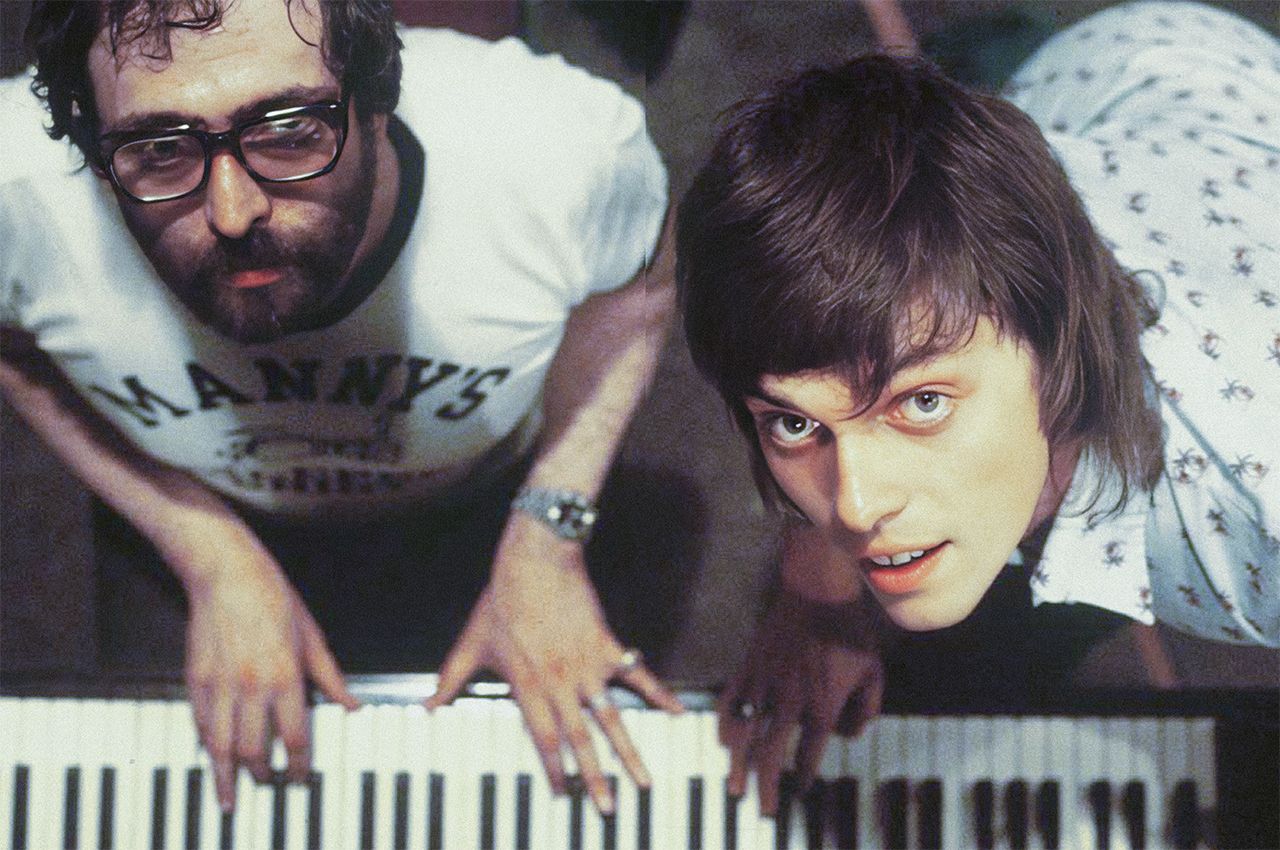
Woolfson, born in Glasgow in 1945, had been a session pianist before writing songs covered by Marianne Faithfull, Chris Farlowe and others; he also worked for the Rolling Stones manager Andrew Loog Oldham, and once recalled Mick Jagger asking him for piano lessons. He was managing Kung Fu Fighting singer Carl Douglas at the time of his meeting with Parsons. His idea was to form a musical partnership to record songs he’d written years previously about the works of American author Edgar Allan Poe.
He’d been inspired by a marketing course he’d attended in the 60s, at which the lecturer had mentioned that no cinematic adaptation of Poe’s works had ever made a loss. “This struck a chord with me,” ruminated Woolfson, “and I thought to myself, ‘If no film of Poe’s work has lost money, why should a musical album be any different?’”
Furthermore, he had vivid memories from his youth of seeing Poe posters in Glasgow cinemas. He’d been too young to see gothic classics The Fall Of The House Of Usher, The Pit And The Pendulum and The Raven at the time – but that only added to their unnerving allure.
The idea appealed to Parsons, a literary man himself, and as the pair talked further the discussion extended to the suggestion that Woolfson should become Parsons’ manager; despite his successes with Wings, The Hollies and Pink Floyd, he was not being recompensed suitably. “I had two consecutive No.1 records on the UK charts, and I had no money in the bank, so I thought something was wrong,” as he puts it.
Woolfson, experienced in chasing down overdue payments on Douglas’ behalf, soon rectified the situation, and the partnership was established. The idea of a manager also being his client’s musical partner raised a few eyebrows at Abbey Road, but that didn’t stop Woolfson securing a single-album contract for the Poe LP with 20th Century Records, the Fox studio label spinoff run by Russ Regan, to which Douglas was also signed. A UK deal was also signed with the Charisma label, run by entrepreneur Tony Stratton-Smith.
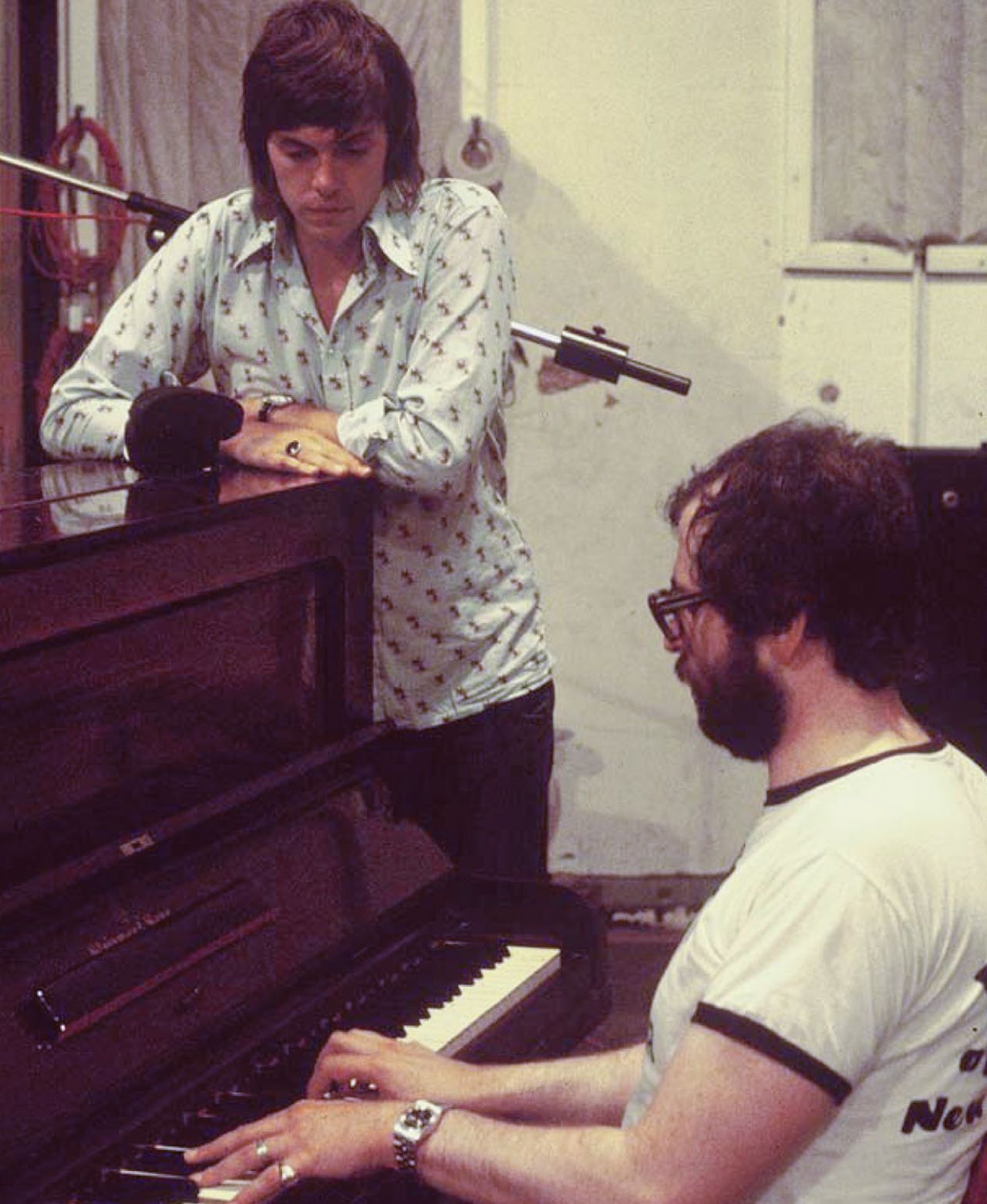
The record, Tales Of Mystery And Imagination (Edgar Allan Poe), was recorded primarily at Abbey Road, with earlier demos recorded at Pathway Studios. Woolfson wrote the songs with Parsons engineering and producing; he also contributed musical pieces, primarily instrumental. The music would be recorded by session musicians and vocals laid down by guest vocalists.
As Woolfson told this magazine’s editor: “Neither of us wanted any permanent members other than the two of us… I saw an opportunity to combine the roles of manager, songwriter and lyricist with Alan’s skills as an engineer and producer, allowing us to make records much in the same way as Stanley Kubrick or Alfred Hitchcock made movies – where the directors, rather than the artists, were the focal point.”
It was very disappointing that we couldn’t use Orson Welles’ voice. I went through 11 years of being unhappy about i
Alan Parsons
Recording sessions at Abbey Road were booked with guitarist Ian Bairnson, bassist David Paton, drummer Stuart Tosh and keyboardist Billy Lyall from the Scottish pop band Pilot recruited to lay down the backing tracks. They were elite talents, with the best-known of them nowadays probably the late Bairnson – who went on to play the solo that you know (whether you think so or not) from the outro of Kate Bush’s 1978 single Wuthering Heights.
Bairnson recalled his band’s contact with Parsons had come after “EMI presented Pilot with a list of 10 engineers working in Abbey Road who wanted to graduate to producing. David recognised Alan Parsons as the engineer on The Dark Side Of The Moon, so his name stood out on the list. We’d noticed Eric Woolfson chatting to Alan in the canteen at Abbey Road, and Eric told us he would be managing him.”
With Andrew Powell, formerly of Henry Cow, on board as arranger and ad hoc keyboard and organ player, guest lead vocals came from John Miles, Arthur Brown, former child actor Leonard Whiting, Terry Sylvester of The Hollies and Parsons’ then-wife Smokey. Two choirs – The English Chorale and the Westminster City School Boys Choir – were booked; Parsons played synth and recorder; and Woolfson played piano, keyboards, harpsichord and organ, as well as singing backing vocals.
That’s an advanced dramatis personae by any standards; but it became even more so when Parsons landed on the idea of recruiting none other than renowned film director Orson Welles to read the spoken-word introduction to the first song, A Dream Within A Dream. “We said, ‘How about getting a really good narrator to introduce the album, and making him the voice of Edgar Allan Poe?’” Parsons recalls. “Somebody at the label knew how to contact Orson Welles, and he agreed to do it. I said, ‘Oh, fantastic – when would he like to do the recording?’ and the record company guy said, ‘I’ll find out.’ Literally the next morning, there was a tape on his desk.”
Unfortunately, Welles’ contribution – speedy though it had been – was a little too late in the process to be included on the original album. “It was very disappointing that we couldn’t use it for the release,” says Parsons. “I went through 11 years of being unhappy about it, but fortunately we had a chance to include it when I remixed the album for CD in 1987.”
had they not lied about what the song was about, I might not have thought of that bass part
Joe Puerta
Another recording session took place in Hollywood when Parsons invited rock band Ambrosia – fellow 20th Century Records signings whose second album, Somewhere I’ve Never Travelled, he’d just produced – to contribute to The Raven. Bassist Joe Puerta remembers now that “Alan asked us if we’d do him a favour and cut a track before they went back to England. Of course we agreed, because we were delighted to be doing something for Alan. But the subject was a complete mystery. When we went into the studio we weren’t told what the album was going to be about.”
It led to a fortuitous creative moment: “I asked, ‘What’s this song about?’ Eric said, ‘Well, it’s called The Raver.’ I said, ‘What’s a raver?’ He said, ‘A raver is what we call a streetwalker [sex worker] in London.’ I said, ‘Oh, well, if it’s a streetwalker, shouldn’t it be a little more funky?’ and I played the bass part that ended up on the album. He said, ‘Yeah, that’ll work!’ So, interestingly enough, had they not lied about what the song was about, I might not have thought of that bass part. If he’d said, ‘It’s called The Raven’, I don’t know what kind of arrangement that would have inspired.”
So what is Tales Of Mystery And Imagination actually like? Well, as with most advanced music, it’s hard to do justice to it in words; but one general observation is that in 2026 it doesn’t sound like a record made in the mid-70s. The irresistible hooks of its songs, combined with the impact of their production, gives it common ground with a whole range of modern sounds, from prog to synthpop and beyond. At the same time, the sheer volume of instruments and the richness of their arrangements gives the music huge dimensions, although Parsons maintains full control of the production, reining in the backing musicians to allow the orchestral elements the room they need.
The Raven is notable for an electronically treated vocal from Parsons via a vocoder: it’s a strings-heavy, chorale-driven composition, highly dynamic, falling almost silent at points. Bairnson delivers a searing guitar solo at the song’s midpoint, and unnerving chants of ‘Nevermore!’ finish up the song. Leonard Whiting – otherwise best known for starring in Franco Zeffirelli’s controversial 1968 film Romeo & Juliet – delivers a rather more introverted performance than that of Arthur Brown, who makes The Tell-Tale Heart his own with all the eccentric gusto that fans of his theatrical character would expect. Listen out for Parsons’ added ingredients: a harmonised guitar solo, layers of smooth vocals, guitar swells and even timpani as the song reaches its peak.
The highly accomplished John Miles – best known then and now for the Parsons-produced 1978 single Music – lends his golden pipes to The Cask Of Amontillado, a sombre, piano and strings-driven composition that builds to a full orchestra, but there are pauses for silence to punctuate the track. (On that note, Parsons always maintained that true silence was impossible to achieve on recordings that use analogue tape, because the tape contains nearly inaudible artefacts: it was only with the advent of CD, six years or so after the release of Tales, that real silence was present on audio recordings.)
The very large orchestra was done at the old Kingsway Hall in central London. One could occasionally hear underground trains during quiet passages
Andrew Powell
Side one, if you’re listening on the original LP or one of the sumptuous vinyl reissues that have appeared since 2007, ends with (The System Of) Doctor Tarr And Professor Fether, which you won’t forget in a hurry because of the expert three-note hook in Bairnson’s guitar solo, and also because it has another set of superb vocals from Miles. The song ends with a fusillade of guitar harmonies and a threatening bass drone – something of a recurring motif on Project albums.
All this songwriting, arranging, performing and producing expertise is merely the appetiser for side two, the five-part suite The Fall Of The House Of Usher. Largely orchestral in nature and symphonic in structure, it moves from the cinematic Prelude to Arrival via the sounds of a thunderstorm, recorded by Woolfson and Paton when the skies unexpectedly opened over Abbey Road. A church organ, nippy synth notes and drum rolls combine with reverberating guitar for a lustrous feel, making the short Intermezzo that follows a chance to take a breath, if a tense one: it’s a minute of horror-movie strings.
Here’s where Andrew Powell really earned his fee, as he recalls: “We used unusual seating layouts for the orchestra for stereo effects on some titles. Most of the orchestra was recorded at Abbey Road, although the very large orchestra used on the Fall Of The House Of Usher suite was done at the old Kingsway Hall in central London, which had a great acoustic – even if one could occasionally hear the underground trains during quiet passages.”
Woolfson and Parsons really flex their songwriting and production muscles on the next two tracks, Pavane and Fall. The former builds via a double bass solo to a full-band groove, while the latter is a dramatic, full-orchestra experience that ends suddenly, leaving a final, unhurried To One In Paradise as the calm after the storm. It’s sung by Terry Sylvester with supporting vocals by Parsons and Woolfson.
Although the album had a title, Woolfson and Parsons didn’t yet have a name for their collaboration, referring to it until the last minute as “the Alan Parsons project” (note the lower-case second ‘P’). Regan liked the working title, though, and insisted on using it – much to Parsons’ surprise. As he says: “I thought it was going to be ‘Various Artists, produced by Alan Parsons.’ The name ‘The Alan Parsons Project’ was invented literally just before the release.”
It wasn’t just going to be an album that they’d toss out then play a few clubs and see what happened. They definitely broke the mould of the music industry
Joe Puerta
Artwork was commissioned from Storm Thorgerson and Aubrey Powell of Hipgnosis, best known at that point – like Parsons himself – for their work on Dark Side. “Alan and Eric wanted something which was very simple and plain as a graphic,” says Powell, “so our photographer, George Hardie, worked with us to create the symbol that you see on the cover. We also shot images that would be associated with Poe: you get the ravens in there, you get the ghostly, ethereal figure of the girl standing on the stairs and so on. We chose to do it at St Pancras Station, which in those days was very old and run-down. It was just a series of corridors and staircases full of cobwebs and grime. It was very fitting for that sort of spooky atmosphere.”
Tales of Mystery was released in the US in April 1976 against some tough competition – although had it appeared six months later it would have faced an even more powerful adversary in the Sex Pistols. As it was, huge-selling rock albums such as Frampton Comes Alive, the Eagles’ Their Greatest Hits (1971–1975) and Wings At The Speed Of Sound were doing extraordinary business – not that Parsons and Woolfson gave a damn about any of that when they launched their LP at the Griffith Park Observatory planetarium in Ll. The event came with one of the very first laser light shows, Orson Welles’ taped commentary and a huge afterparty: Woolfson and Parsons were evidently not planning to let their new masterpiece escape anyone’s attention.
“That was a terrific show, a huge spectacle,” recalls Joe Puerta. “You knew they were thinking big. It was obvious this wasn’t just going to be an album that they would toss out then go out and play a few clubs and see what happened. They definitely broke the mould of the music industry.”
However, an unpleasant surprise awaited: the record failed to make a major commercial impact, reaching only No.56 on the British album charts on its release that August – although it did make some inroads overseas. Reviews were generally civil but lukewarm, although an early fan was Harry Doherty of Melody Maker, who wrote: “I’ve played this album almost constantly for three weeks,” and the NME’s Fred Dellar wrote a florid appreciation in the style of Poe himself.
Both Parsons and Woolfson were disappointed by the relative commercial failure. The latter’s daughter, Sally – who now manages the Project catalogue – recalls: “Dad talked about the excitement of the album coming out, and then the shock when it wasn’t successful, which is why 20th Century Records didn’t offer them a contract for the next album.”
Still, the Project were just getting started. A glittering future lay ahead of them. What’s more, its legacy is intact, with the genius in the grooves of the LP long acknowledged. Modern analyses define the album as an essential part of music history, an example being Classic Rock magazine, which included Tales in its 50 Albums That Built Prog.
The last word goes to Parsons: “If I had to nominate a Project album as my favourite, I would choose Tales. There is something about it that’s unique to this day.”
Buffalo blues-rock guitarist, singer and songwriter Tommy Z has announced his new album, Tommy Z Is Live in Colombia, arriving October 23, 2026, via South Blossom Records.
The 14-track album captures a performance at Teatro Santander in Bucaramanga during Tommy Z’s third tour of Colombia. The recording is believed to be the first live blues album recorded in the country by an American artist.
Alongside the announcement, Tommy Z has released the latest single, “Dónde Está La Fiesta,” a blues rocker featuring an extended call-and-response section with the Colombian audience.
The song asks the crowd where the party is, prompting hundreds of fans to shout their city’s name in response. The performance also features a guitar solo played behind Tommy’s head.
“I love the energy and passion the Colombian people have for music, and you can really hear it on this song and throughout the album,” Tommy says. “From the first notes that night, the room was just lit all the way to the end.”
Tommy’s connection with Colombia began when a friend working at the U.S. Embassy in Bogotá introduced him to a local festival director. He was subsequently invited to tour the country as a cultural ambassador, teaching blues masterclasses and performing at universities, theaters and festivals.
He returned to Colombia in 2019 and again in 2023, when the performance featured on the new album was recorded.
During soundcheck at Teatro Santander, Tommy asked the venue’s engineers to record the concert. After returning home and listening to the audio, he decided the performance deserved an official release.
“You go over there to a place where the music still feels new to people and there’s this genuine appreciation and excitement,” he says. “People were jitterbugging in the aisles, and afterward the lobby was packed with people wanting photos. You can hear that connection on the recording.”
Tommy Z Is Live in Colombia features material from throughout the guitarist’s catalog, including previously released singles “The Blues Has Got to Come Home” and “Tommy Guns.”
“The Blues Has Got to Come Home” is a shuffle with gospel influences that Tommy originally wrote decades ago. The song explores the idea of the blues returning to its roots and has taken on additional meaning for the guitarist amid the growing prevalence of AI-generated music and digital production.
“Tommy Guns,” meanwhile, is a blues-funk rocker co-written with five-time Grammy-winning producer, songwriter and drummer Tom Hambridge and Richard Fleming.
Tommy Z began playing guitar seriously at 13, initially drawing inspiration from Eddie Van Halen and Yngwie Malmsteen before discovering B.B. King and Stevie Ray Vaughan. After attending a Vaughan concert at Darien Lake, he unexpectedly met the guitarist at a Burger King rest stop, where they discussed guitars, pickups and the Tube Screamer.
He subsequently explored the music of B.B. King, Albert King and Freddie King, influences that helped shape his approach to blues guitar.
Throughout his career, Tommy has toured with Muddy Waters pianist Pinetop Perkins, shared stages with Buddy Guy and worked with Freddie King’s brother and bassist Benny Turner.
He was inducted into the Buffalo Music Hall of Fame in 2007, while his albums Blizzard of Blues and Plug In and Play both reached the Top 10 of Billboard’s Blues Albums chart.
In addition to performing and recording, Tommy has composed and produced music for film and television. He also teaches guitar and operates WBLZ, Blizzard of Blues Radio, a 24-hour blues radio station.
Tommy mixed the new live album himself, drawing on his extensive recording and production experience.
Tommy Z Is Live in Colombia will be released October 23, 2026, via South Blossom Records.
TRACK LISTING
The post Tommy Z to release “Tommy Z Is Live in Colombia” appeared first on Blues Rock Review.
You said we’d never change
You said we’d never fall
I held on to every word
I believed it all
Forever is an ambitious promise to make on behalf of two people who are still changing. Romance encourages this sort of confidence, giving even the most cautious among us the vocabulary of someone who has personally inspected the future. When the relationship ends, those assurances acquire a different meaning, and the person who believed them has to wonder how much of the deception they helped along.
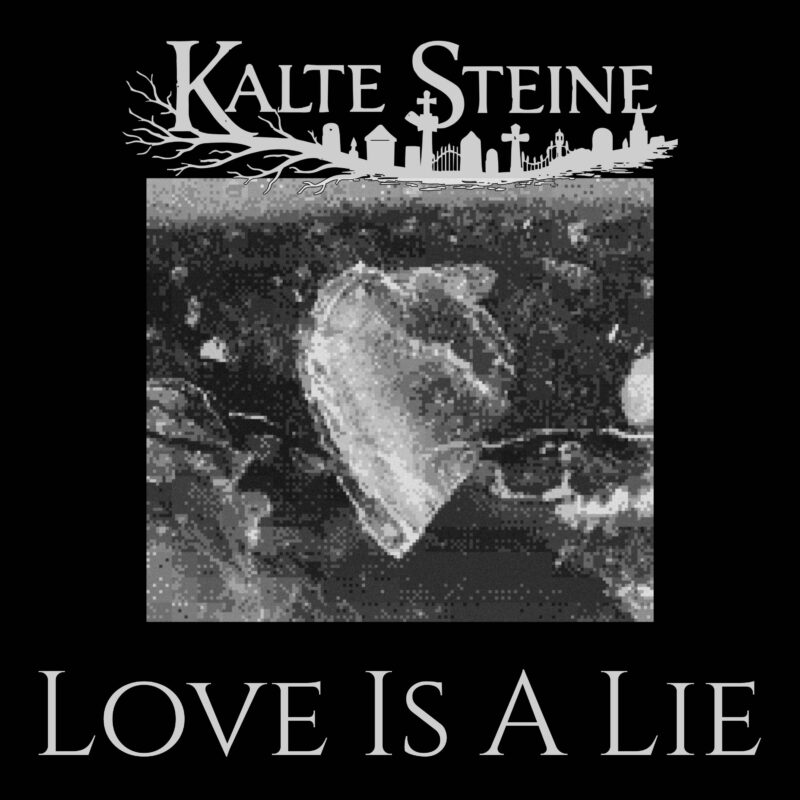
Leipzig’s Kalte Steine turns that uncomfortable recognition into the cool, deceptively buoyant synthpop of “Love Is A Lie.” Following the social suffocation explored in “Drowning,” the single brings the question of dishonesty into a more intimate setting, where two people discover that sincerity offers little protection against making promises they cannot keep.
A breathy exclamation hangs in reverb as the title refrain begins, with cool synthesizer tones underneath. Bubbly figures and bell-like notes soon brighten the arrangement, joined by a danceable drum-machine beat whose straightforward momentum gives the song its immediate pop appeal. There is an easy catchiness to these parts, each phrase leaving enough room for the next to register. The declaration that love is a lie becomes remarkably easy to sing along with.
Buzzing synths and guitar tones gather beneath the first verse, while a brief metallic ripple of programmed percussion adds a small disturbance to the steady beat. The vocal sits high in the register, smooth and quietly sorrowful, carrying disappointment through its tone as much as its words. Deep bass strumming adds weight below, grounding the brighter electronics in the song’s private reckoning. The arrangement keeps moving even as the singer returns to assurances that have become difficult to hear.
Initially, the lyrics give that disappointment a familiar address: “You said we’d never change / You said we’d never fall.” Every promise belongs to someone else, and the singer occupies the apparently straightforward position of having trusted the wrong person. The repeated title sounds conclusive enough to close the case. Yet the second verse quietly changes the pronouns: “I said we’d never change / I said we’d never fall.” The same words now come from the person who has been condemning them, making the earlier accusation considerably harder to sustain.
“I promised you forever / Like it could be true / Oh I believed it too” supplies the song’s most revealing admission. Both people have mistaken the intensity of a feeling for evidence that it will last. Desire makes the promise persuasive to the person speaking as well as the person listening, complicating the chorus’s sweeping verdict. Through the repeated “Promises,” the post-chorus keeps returning to that shared vocabulary, setting “Words of love / Hearts on fire” beside “A web of lies / Built on desire.” What once sounded reassuring has become a reminder of how willingly both participated.
When the chorus returns, melodic guitar figures add detail without crowding the hook, their economical phrasing intricate enough to reward attention and direct enough to stick. A laser-like synth accent introduces a little electronic whimsy, suggesting the beginnings of acceptance within the song’s disappointment. That small, almost playful touch suits a lyric that has gradually surrendered its claim to innocence. By the end, “Love Is A Lie” sounds like something the singer is still trying to believe, perhaps because admitting that the love was real and the promises failed is harder.
Listen to Love Is A Lie on Spotify below:
Love Is A Lie continues the English-language direction heard on “Crying Out” and “Drowning,” extending a catalogue that also includes “Shattered,” “Dysthymia,” “Wüste aus Beton,” and “Kinder der Nacht.” As explored in our earlier feature on Kalte Steine, the project has moved between personal fracture, urban alienation, and nocturnal escape. Here, its attention settles on the distance between what lovers mean and what they can reasonably promise.
The post Leipzig Darkwave Project Kalte Steine Turns Broken Promises Into Bittersweet Synthpop on “Love Is A Lie” appeared first on Post-Punk.com.