Blog
-
Bon Jovi announced as first headliner for BST Hyde Park 2027
Rock & Roll Hall of Fame icons Bon Jovi have been unveiled as the first headliner for American Express presents BST Hyde Park 2027. Taking to the Great Oak Stage on Thursday, 24th June 2027 for a UK exclusive performance, the show marks a massive full-circle moment for the Grammy-winning legends, who headlined the festival’s … Continue reading Bon Jovi announced as first headliner for BST Hyde Park 2027 -
“We are doing a lot of songs”: Eloy Casagrande shares update on the new Slipknot album
Posted on October 19th 2026, 1:13pm
-
Dave Lombardo Talks Lustmord, William Shatner, Download 2004 And 40 Years Of Reign In Blood On The Loaded Radio Podcast

This Dave Lombardo interview was recorded six days after The Pulse Of Atoms, his first album with dark-ambient pioneer Lustmord, and one day after Reign In Blood turned forty, and it covers both ends of that range: the record he says he ‘wasn’t ready for’ twenty years ago, and the one that still makes his palms sweat.
In between, on The Loaded Radio Podcast with Scott Penfold, he explains why he turned down William Shatner’s album before saying yes, what happened backstage at Download 2004 when Metallica needed a drummer in a matter of hours, what Mike Patton taught him, and what’s coming from Dead Cross. The full episode is on the player below.
 LISTEN TO THE FULL EPISODE NOW:
Dave Lombardo joins Scott Penfold for the full hour. Download the free Loaded Radio App on Apple iOS and Google Play and stream every episode of The Loaded Radio Podcast.
The Lustmord Record: ‘I Wasn’t Ready For It’ Twenty Years Ago
The Pulse Of Atoms, credited to Lustmord Lombardo, came out October 2 on Ipecac Recordings, seven tracks of dark ambient built on drums that, in Lombardo’s words, ‘almost take their time.’
He pushes back gently on the idea that it’s a record without rhythm. ‘There is a groove under there, but it’s very sparse. It almost takes its time. It’s very laid back. It almost creates more of an image rather than just a barrage of noise coming at you.’ That’s the point of it for him: ‘It almost paints an image in your mind, or whatever that is, is up to the listener and how he translates it.’ He calls himself ‘very space oriented’ and says he sees pictures when he listens.
On Lustmord’s famous low end, the line from the album announcement was that he ‘rattles the plaster off of venues.’ Lombardo stands by it: ‘There are stories of his performances where plaster has come off the walls. He has a very unique, keen ear for frequencies and sounds. You could increase your stereo volume and it not be painful. It doesn’t give off this shrill. The sound is almost encompassing. It feels good. It’s like a blanket.’
The two met backstage at a Fantômas show, introduced by Buzz Osborne, and it took nearly twenty years to make a record together. Lombardo’s explanation is about himself, not the schedule: ‘I think I had to go through some musical growth as well. Maybe twenty years ago I wasn’t ready for it.’ The ambient and percussion experiments on his 2023 solo album, Rites Of Percussion, were the bridge. ‘I think the opportunity came at the right time.’ He’s one of the great metal drummers who’s never stopped learning, and this is what that looks like at 61.
 LIVE & LOUD: Stream the World’s Hardest Radio Station 24/7
William Shatner Called. Lombardo Said No. Then He Said Yes.
Lombardo is one of the guest drummers on 95-year-old William Shatner’s metal album for Cleopatra Records, alongside Rob Halford, Brian May and Tony Iommi, but his first answer was a pass.
‘At the time when I first got the call from the record company, I declined. I had other things going on. And then I was able to manage my schedule a little bit, and I called them back and I said, hey, I’ll do it.’ The session went well and he’s as curious as anyone about the result: ‘I can’t wait to hear the final product. I don’t think anybody has.’
Asked whether Shatner’s admission that he knows nothing about heavy metal is a handicap or exactly how the best singers work, Lombardo picks the second. ‘I think that is the best way. Just going at it. Just fearless. Accepting what kind of sound comes out of you, how you sing, your approach to the music. That confidence and that fearlessness, I think, is the right way to approach something like this.’
He compares it to his improvised gigs with John Zorn and John Medeski: ‘We look at each other before one of our improvisation gigs and say, what do you want to do? You start, or Medeski starts, Zorn starts, and then we’ll follow their lead. But you have to be confident, fearless, open-minded, and have fun while you’re doing it.’
Would he tour behind Shatner if asked? ‘Yeah, I think it’ll be fun.’ For now the live chair belongs to Fred Aching, who played Shatner’s first metal show in Chicago in September: ‘Fred is doing a great job. He’s killing it out there, from what I saw.’
Download 2004: Learning Metallica Songs ‘In A Matter Of Hours’
When Lars Ulrich was hospitalised before Metallica’s Download Festival headline set in June 2004, Lombardo played ‘Battery’ and ‘The Four Horsemen’ and Joey Jordison handled most of the rest.
His first concern, he says, was Lars’s health; his second was not overreaching. ‘There were only certain songs that I was familiar with. I didn’t want to venture off too much into what I didn’t know, because I had a short period of time. It was like a matter of hours before they hit the stage. So I stayed with the songs that I knew.’ Jordison ‘was able to do the bulk of the songs, obviously, because he was in a Metallica cover band when he was a kid.’
The part he remembers fondly is the rehearsal. ‘We got to jam in these little cubicles that they had backstage. They had a kit and some instruments there, and we went over the songs, and that was a lot of fun. That was surreal.’
Surreal because of the history: ‘We all kind of grew up together. Not in the same city, but we were watching and listening to what each other were doing.’ He puts Slayer’s first support slot for Metallica at ‘1982 or ’83,’ with Ron McGovney on bass and Dave Mustaine on guitar, the lineup before Cliff Burton, and says seeing how many people enjoyed the footage of that era is ‘really funny.’ Twenty-one years later he was covering for Lars in front of 60,000 people.
Reign In Blood At 40: ‘If I Go Into Cardiac Arrest, Play Angel Of Death’
Reign In Blood turned forty on October 7, 2026, the day before this interview, and Lombardo says listening to it still triggers the same adrenaline as playing it.
‘It still gives me the chills when I listen to that album. The palms of your hands get sweaty, your heart rate increases, and you’re in the moment. I performed those songs so many times in my life on stage, and that adrenaline, just thinking about it, when I listen to those songs, it triggers that adrenaline. I get charged. If I go into cardiac arrest, play “Angel Of Death” or “Raining Blood” or something. I’ll just pop up, like, hey, what’s going on?’
He’s specific about why those records sound the way they do and why a lot of modern thrash doesn’t. ‘Since computer software, music recording software, a lot of the music has turned very sterile. You kind of miss that push and pull. Those albums were almost restless. Very aggressive. You could hear it in the recording.’
The sessions were run on dares: ‘We would look at each other and say, all right, let’s go. Let’s nail this one. Let’s get this song faster. Play it just a little faster. Okay, let’s go. Count four and the band just comes in. Just angst and adrenaline.’ Where Reign In Blood sits in the catalogue isn’t a debate he needs to have; he was there.
On the early days generally: ‘At that time you didn’t know what you were doing, man. We just followed our gut. The music we were listening to, the city we were all living in, that all influenced us. If our parents didn’t buy the houses that we were living in at the time, we wouldn’t have met.’ And on seeing photos of himself at twenty every day: ‘Time flies. That’s all I could say. You enjoy what you’re doing now and you keep going.’

Testament, Mr. Bungle And What Mike Patton Taught Him
Lombardo’s 2022 return to Testament lasted a year because of commitments to Mr. Bungle; he says he was ‘happy to bail them out’ and it ‘was a lot of fun.’
‘I had released a couple records with Mr. Bungle, a live record and the studio record, and I had dates that I was committed to, and we just couldn’t work things out. But we did it for that one year.’ Was it a homecoming? ‘Yeah, it was. It was great to hang out with Eric and Chuck and Di Giorgio.’ He and Alex Skolnick, who wasn’t in Testament when Lombardo played on The Gathering in 1999, bond over jazz and trade bands; both are fans of Imperial Triumphant, whose drummer Kenny Grohowski ‘comes from the John Zorn world’ and ‘understands that language.’
On Mike Patton, the relationship goes back to Fantômas and runs both ways. ‘He’s told me a lot of stories that they were big Slayer fans, and they would air-drum to those records when they were kids. And likewise, Slayer used to love Mr. Bungle. The first album, we would play that constantly in the vans in the early days.’ Jeff Hanneman, he says, ‘was a big Faith No More fan. He loved that Epic record.’
Musically: ‘I feed off of his vocal inflections. I understand where he’s going. I know his rhythms and he knows mine.’ And the lesson: ‘He basically taught me how to be fearless, and to create art, create music, no matter what it is. Just believe in it, record it, and put it out.’
Playing The Raging Wrath Of The Easter Bunny, the 1986 demo Bungle re-recorded in 2020, he says the teenagers who wrote it ‘played pretty well at that time. I can tell their influences. I can tell who they liked: Slayer, Exodus. The list goes on.’
Misfits, Suicidal Tendencies, And The Call From An Unknown Number
There’s no Misfits activity planned, but Lombardo says ‘everything’s good’ and he hopes 2027 brings shows; his three albums with Suicidal Tendencies, he says, each have ‘this classic vibe.’
On the Misfits: ‘No talk. Everything’s good. They just haven’t booked any shows. I hope in 2027 they decide to do something. I’m anxious to jam with Jerry Only. I love that dude, man. Such a great guy and a great bass player.’ The original call came through Glenn Danzig’s assistant: ‘Expect his call, it’s coming from an unknown number. So he gives me a call. He said, hey, we got some plans of putting the Misfits back together. Jerry and I have mended our grievances. We’re looking to do some arenas, and I want you to be my drummer.’ Lombardo’s answer: ‘I would not say, let me think about it, Glenn.’
On Suicidal Tendencies and Mike Muir: ‘He’s an amazing songwriter, and he writes songs that resonate with this positivity, this fun, get out there and have a good time kind of music. I recorded three albums with him, and all three of them have this classic vibe.’
The best story is from his first rehearsal, playing ‘I Shot Reagan’ note for note: ‘I went into the hi-hat section and I played it pretty much verbatim to the original. And in the middle of the song he interrupted the song, came up and gave me a big hug, because he was so happy that I played it the right way. That music is in my bloodstream.’ Suicidal’s drum chair has been a rite of passage for a long time; he treated it that way.
On Hanneman, briefly and warmly: ‘He was a great guy, funny, amazing songwriter. He was a trailblazer, man. Self-taught, and created some of the most amazing music of our genre.’
Dead Cross, Satanic Planet, Venamoris And A Soundtrack He Can’t Name
Dead Cross have ‘something that will be released within maybe the next six months,’ and possible touring next year; Satanic Planet’s Dead Deities is out October 30 on Relapse; Venamoris, his project with his wife Paula, release their fifth holiday song by December 1.
Dead Cross first, because it’s the one people ask about: ‘There is something that will be released within maybe the next six months. But I can’t talk about it. We might do some touring next year. I’m not sure. But I know there’s definitely something new coming out next year.’ It would be the first new Dead Cross material since II in 2022, with Patton, Justin Pearson and Michael Crain.
Pearson is also the link to Satanic Planet, the project with The Satanic Temple co-founder Lucien Greaves and Luke Henshaw. Lombardo produced and co-wrote the 2022 debut; this time, with Bungle and Lustmord on his plate, ‘I really couldn’t give it the time that I really wanted to, so I don’t think I have producing credits on this one. But it’s a great record, great music, and great guys too.’ Dead Deities arrives October 30 on Relapse.
Then the household. Venamoris, with Paula Lombardo on vocals, has put out a holiday song every year for five years; while this interview was being recorded she was in the basement tracking this year’s. ‘It’s not your typical. It’s a little moodier, but it does reflect on the winter season. Hopefully we’re going to have that out by December 1st.’ Would twenty-year-old Dave have been shocked? ‘Yes, I would. He’d be like, what? He’d throw me down the stairs.’
Venamoris also cut the Ramones’ ‘I Want You Around’ for a Ramones tribute, with Apocalyptica’s Perttu Kivilaakso on cello, which is how Lombardo ended up on Apocalyptica’s ‘Blackened’: ‘He said, okay, Dave, since I’m going to do this favour for you, can you do me a favour? I don’t even need to ask you twice.’ And there’s a song for a film soundtrack he can’t name: ‘That’s all I could say.’
His own summary of why he says yes to all of it: ‘They’re not only fun to do, but you do it for friends. We see each other periodically on this music road that we’re on, and we run into each other in the most random places. It’s camaraderie and friendship.’ Metal has enough feuds. This is the other thing.
Listen To The Full Episode
The conversation runs well past what’s quoted here, including more on Zorn and Medeski, the Shatner session, and the early-80s Los Angeles scene. It’s on the player above and wherever you get podcasts, and if you missed it, last week’s episode with Type O Negative’s Kenny Hickey is the right one to pair it with: two men who built the heavy half of the 80s and are still making records nobody saw coming.
TL;DR
- Dave Lombardo joins The Loaded Radio Podcast six days after The Pulse Of Atoms (Lustmord Lombardo, Ipecac, October 2) and a day after Reign In Blood’s 40th anniversary.
- On Lustmord: ‘Twenty years ago I wasn’t ready for it.’ On Reign In Blood: ‘If I go into cardiac arrest, play Angel Of Death.’
- He turned down William Shatner’s metal album before calling back to say yes; he’s open to touring it if asked.
- Download 2004: he learned Metallica songs ‘in a matter of hours’ in a backstage cubicle and played the ones he knew while Joey Jordison took the bulk.
- Dead Cross have new material coming ‘within maybe the next six months’; Satanic Planet’s Dead Deities is out October 30; Venamoris’s fifth holiday song lands by December 1; no Misfits shows booked but ‘everything’s good.’
FAQ
What is Dave Lombardo’s new album with Lustmord?
The Pulse Of Atoms, credited to Lustmord Lombardo, was released October 2, 2026 on Ipecac Recordings. It’s a seven-track dark-ambient album built on Lombardo’s drums and Lustmord’s low-frequency sound design. The two met backstage at a Fantômas show, introduced by Buzz Osborne, nearly twenty years before making it.
Is Dave Lombardo on William Shatner’s metal album?
Yes. Lombardo is one of the guest drummers on the 95-year-old’s forthcoming metal album for Cleopatra Records, alongside Rob Halford, Brian May and Tony Iommi. He told The Loaded Radio Podcast he initially declined the invitation because of his schedule, then called back and accepted. The album’s release date hasn’t been announced.
Did Dave Lombardo play with Metallica at Download 2004?
Yes. When Lars Ulrich was hospitalised before Metallica’s Download Festival headline set in June 2004, Lombardo played ‘Battery’ and ‘The Four Horsemen’ and Slipknot’s Joey Jordison played most of the remaining set. Lombardo says he learned the songs in a matter of hours in a backstage rehearsal space.
Is Dead Cross releasing new music?
Lombardo says something from Dead Cross ‘will be released within maybe the next six months,’ with possible touring in 2027, but he can’t give details. It would be the band’s first new material since Dead Cross II in 2022.
Are the Misfits playing in 2027?
Nothing is booked. Lombardo says ‘everything’s good’ within the reunion lineup, no shows have been scheduled, and he hopes the band decides to play in 2027.
The full Dave Lombardo interview is on the player above. New episodes of The Loaded Radio Podcast every week on the free Loaded Radio app for Apple iOS and Google Play; follow Loaded Radio for the clips and next week’s guest.
The post Dave Lombardo Talks Lustmord, William Shatner, Download 2004 And 40 Years Of Reign In Blood On The Loaded Radio Podcast appeared first on Loaded Radio.
-
8 Future Classic Cars Worth Buying Before Prices Start Rising
A car does not have to be rare to become valuable. Consider the original Mazda Miata. Mazda built hundreds of thousands of them, yet enthusiasts still compete for clean, unmodified examples. The attraction comes from the experience behind the wheel, the memories associated with the car and the increasing difficulty of finding one in excellent condition.
Generational nostalgia has a significant influence on the market. People who admired a particular car at sixteen may finally have the money to buy one at forty. The cars featured in Gran Turismo, Need for Speed, automotive magazines and television programs during the 1990s and 2000s are now reaching that audience.
Collector vehicle insurer Hagerty has documented the shift. Its 2026 Bull Market List includes the C6 Corvette Z06, E60 BMW M5 and second-generation Mazda Miata. The research combines auction results, private sales, insurance valuations and collector interest. It identifies promising vehicles rather than guaranteeing future price increases.
Condition is another part of the equation. Enthusiasts may forgive mileage on a well-maintained car, but corrosion, missing trim, poor body repairs and questionable modifications can make an otherwise desirable model difficult to sell. A factory-original car with complete service records is generally more appealing to a preservation-minded collector than one with an undocumented engine swap.
Owners planning to keep a future classic for several years should also consider where it will spend most of its time. Sun exposure damages paint and interior materials, and leaving a car outdoors can accelerate deterioration. For enthusiasts without garage space, services such as Vehicle Storage Las Vegas provide a way to compare local facilities offering vehicle parking and storage.
Covered or enclosed spaces are especially worth considering for cars used only on weekends, although security, ventilation and storage conditions should be reviewed before booking.
1. Honda Prelude (1997 to 2001)
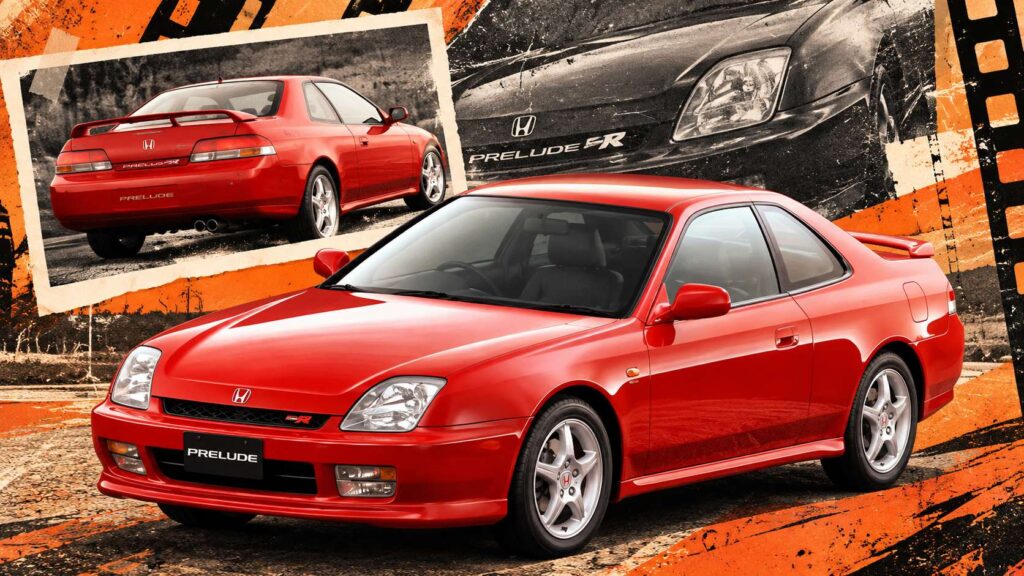
The Prelude name was first introduced in 1978, and Honda produced five generations before discontinuing the model in 2001. Honda once sold a coupe that could out-handle more expensive cars, comfortably accommodate daily driving and survive years of ownership with proper maintenance. Then it discontinued the Prelude in 2001, and the final generation spent much of the following two decades in the shadow of the Integra Type R and S2000.
The fifth-generation Prelude deserves another look. Its 2.2-liter VTEC engine produced up to 200 horsepower in the American market, and the manual version rewarded drivers who enjoyed working through the gears. The Type SH added Honda’s Active Torque Transfer System, an ambitious attempt to improve cornering behavior in a front-wheel-drive car.
Styling is another advantage. The clean bodywork, low roofline and restrained proportions have aged well without relying on oversized wings or exaggerated air intakes.
There is evidence of growing collector interest. In its 2025 Bull Market List, Hagerty identified the Prelude as an emerging favorite among younger enthusiasts and gave an excellent example a reference value of $17,400 at the time. The company found that Prelude owners in its insurance data were, on average, 13 years younger than the typical enthusiast.
However, many surviving cars have aftermarket suspension, modified engines or neglected maintenance. Rust, automatic transmission problems and the condition of the Type SH system deserve careful inspection. A standard manual Prelude with original paint and complete records may ultimately be more appealing than a heavily modified example with a more desirable badge.
2. Mini Cooper S R53 (2002 to 2006)

The R53 Cooper S used an Eaton M45 supercharger, a component that helped give the car its distinctive high-pitched acceleration sound. BMW could have turned the revived Mini into a fashionable shopping car and left it there. Instead, the company created a genuinely entertaining hot hatchback with quick steering, a firm chassis and a supercharger that announced itself every time the driver accelerated.
The R53 Cooper S is the version to remember. Its 1.6-liter engine produced 163 horsepower in early American models and 168 horsepower after the update. A six-speed manual transmission gave the car an unusually engaging character for something designed primarily for everyday use.
The supercharger whine is a major part of the appeal. Later turbocharged Minis became faster and more sophisticated, but they never sounded quite like the original Cooper S.
Hagerty included the R53 in its 2025 collector watchlist. More recent valuation data is revealing. Its October 2026 guide reports an annual decline of 2% for a 2002 Cooper S in good condition, showing that enthusiasm has not translated into uninterrupted price growth. Buyers still have opportunities to search patiently rather than pay inflated asking prices.
Cooling-system maintenance, supercharger servicing, power steering and engine mounts are important considerations. A cheap R53 with several deferred repairs can consume its purchase-price advantage quickly.
The most appealing examples retain their original appearance, factory wheels and manual gearbox. Cars modified for maximum supercharger noise or aggressive suspension setups may be entertaining, but originality is more relevant to long-term collectibility.
3. Chevrolet Corvette Z06 C6 (2006 to 2013)
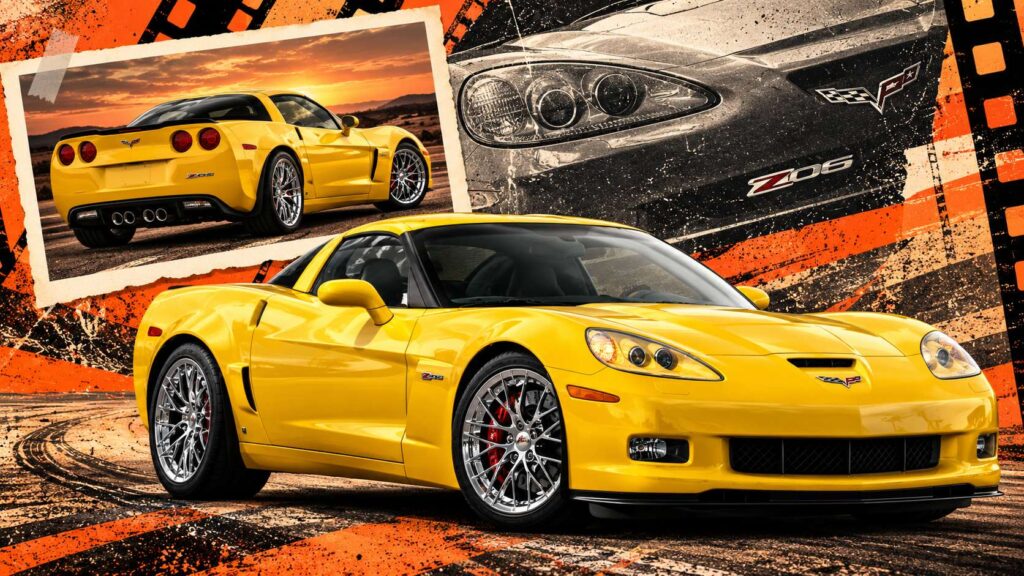
The Corvette nameplate has been in continuous production since 1953, making it one of the longest-running sports car lines in the United States. American manufacturers have produced plenty of powerful cars, but relatively few combine the ingredients found in the sixth-generation Corvette Z06. A naturally aspirated 7.0-liter V8, 505 horsepower, a six-speed manual gearbox and a lightweight aluminum chassis made it one of the defining American performance cars of its era.
The LS7 engine is central to its reputation. Its enormous displacement and immediate throttle response provide an experience that smaller turbocharged engines cannot reproduce. The Z06 was also remarkably capable on a racetrack, giving owners performance normally associated with much more expensive machinery.
Hagerty selected the C6 Z06 for its 2026 Bull Market List, assigning an excellent example a reference value of $55,900. At that level, the car offered an unusual combination of performance, driving involvement and collector potential.
Buying one requires more than checking the mileage. LS7 cylinder-head and valve-guide concerns are well documented, and a specialist inspection should establish what work has been performed. Track use can also place substantial stress on brakes, suspension and drivetrain components.
A documented, mechanically sound Z06 in factory specification is the version worth pursuing. Buyers should be particularly careful with cars advertised as extensively upgraded without receipts or evidence of professional installation.
4. BMW M5 E60 (2006 to 2010)

The E60 M5’s V10 engine won the International Engine of the Year award in both 2005 and 2006. BMW put a V10 engine in a family sedan and sold it to the public. Even by the extravagant standards of the 2000s, that decision was extraordinary.
The E60 M5 used a 5.0-liter naturally aspirated V10 producing 500 horsepower in its full-power setting. It could rev beyond 8,000 rpm, delivering a sound and driving experience closer to a racing-inspired performance car than an executive sedan.
Its unusual styling initially divided opinion, and ownership costs discouraged many used-car buyers. Those characteristics helped keep prices from immediately following the trajectory of some earlier BMW M models.
Collector interest has become more noticeable. Hagerty’s 2026 research assigned an excellent E60 M5 a reference value of $36,000 and found that 58% of recorded interest came from enthusiasts under forty.
The attraction is easy to explain through the engineering. BMW no longer sells an M5 with a naturally aspirated V10, and the original engine was developed specifically for its high-performance applications.
However, the S85 engine can be extremely expensive to maintain. Rod-bearing wear, throttle actuators and problems with the automated manual transmission deserve specialist attention. Cars with a conventional six-speed manual gearbox, available in North America, have particular appeal to enthusiasts.
An E60 M5 should never be purchased simply because the asking price looks low. A properly maintained example with detailed repair records can be worth paying substantially more for than a neglected car whose next service bill could exceed the expected appreciation.
5. Mazda MX-5 Miata NB (1999 to 2005)
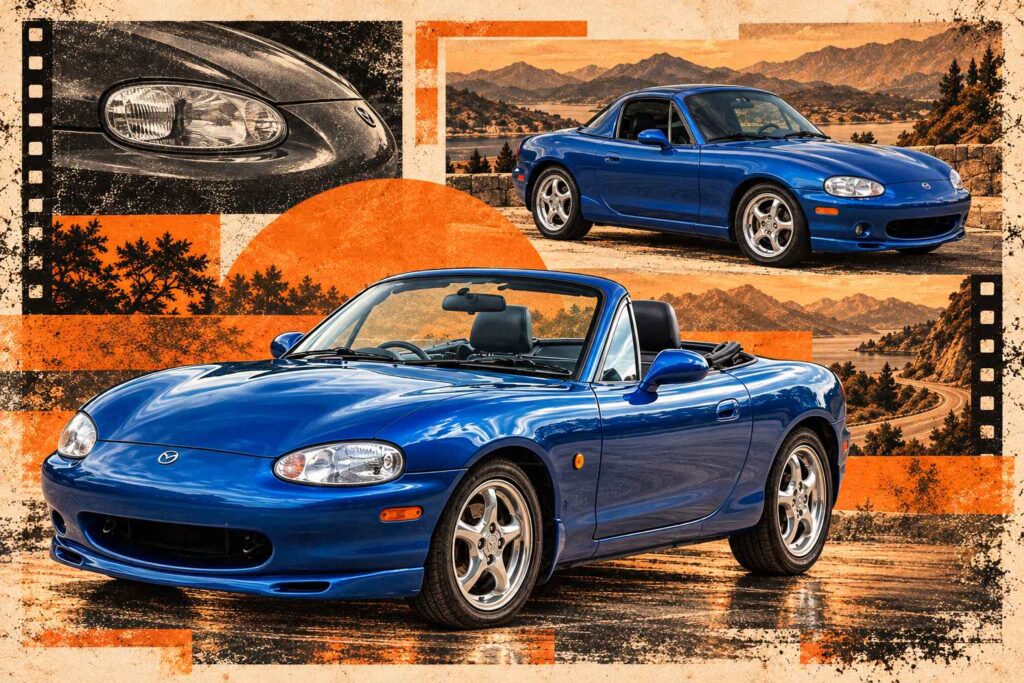
The second-generation Miata replaced the original model’s pop-up headlights with fixed headlights to meet updated pedestrian safety requirements. Not every future classic needs an enormous engine or an extravagant specification sheet. The second-generation Miata became popular because it made ordinary roads entertaining at sensible speeds.
Known as the NB, the car retained the lightweight, rear-wheel-drive formula of the original Miata but introduced revised styling, additional refinement and improved performance. Its compact dimensions and manual transmission helped preserve the direct driving experience that made the original successful.
For collectors, the interesting question is which version to buy. A well-maintained standard NB can provide years of enjoyment without the expense associated with rarer performance cars. Special editions, desirable factory colors and original equipment may attract additional attention.
Hagerty included the 1999 to 2005 Miata in its 2026 Bull Market List, assigning an excellent example a reference value of $16,600. The company highlighted continued demand across multiple age groups, a useful sign for a model whose appeal is not limited to one generation.
Rust is the major concern. Buyers should inspect the front chassis rails, sills and rear wheel arches rather than relying on shiny paint and a clean interior. Roof condition, water drainage and previous accident repairs are also important.
There is little advantage in buying a cheap NB that needs extensive structural rust repairs. A clean, ordinary manual car with healthy bodywork is a more convincing long-term purchase.
6. Volkswagen Golf GTI VR6 Mk3 (1995 to 1998)
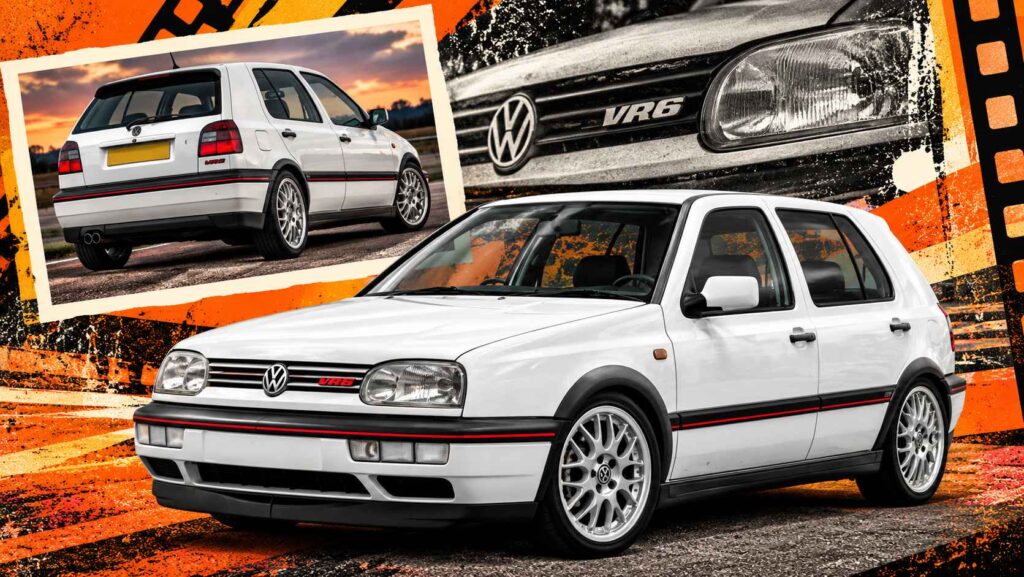
Volkswagen’s VR6 engine uses a narrow 15-degree cylinder bank angle, allowing six cylinders to fit into a compact engine bay. Volkswagen took a compact hatchback and fitted it with a six-cylinder engine. The result was never the lightest or sharpest Golf GTI, but it had something that smaller four-cylinder rivals could not offer.
The 2.8-liter VR6 produced a distinctive engine note, with a smooth delivery that made the car feel more substantial than an ordinary hot hatchback. Combined with the restrained appearance of the third-generation Golf, it created a performance car that could remain discreet until the driver accelerated.
For years, the Mk3 struggled to escape comparisons with the original GTI and the celebrated second generation. Enthusiasts criticized its additional weight, and many used examples were modified or driven hard.
Collector attitudes are changing. Hagerty placed the 1995 to 1998 Golf GTI VR6 on its 2026 list, with an excellent example valued at $20,000. Its research also found that enthusiasts aged fifty and younger represented 78% of interested buyers.
Rust, cooling-system condition, timing-chain components and evidence of poor modifications should be investigated before purchase. Original interiors and factory trim are especially attractive because replacements for age-specific components can be difficult to source.
A well-preserved VR6 has the kind of understated personality that modern performance hatchbacks have largely abandoned. Buyers interested in a discreet 1990s performance car should give it serious consideration.
7. Dodge Magnum SRT-8 (2006 to 2008)
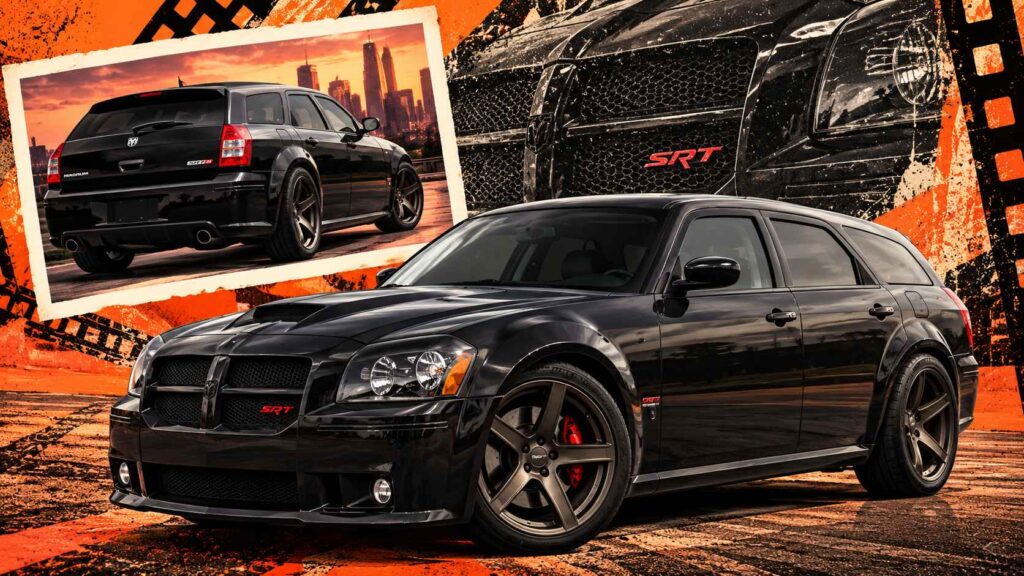
The Magnum SRT-8 could accelerate from 0 to 60 mph in approximately five seconds, making it remarkably quick for a full-size station wagon. Some cars become collectibles because manufacturers stop building anything remotely similar. The Dodge Magnum SRT-8 is a convincing example.
Underneath its long wagon body sat a 6.1-liter HEMI V8 producing 425 horsepower. Rear-wheel drive, aggressive styling and genuine cargo space turned an ordinary family-car format into something unusual.
American performance wagons have never been especially common. The Magnum SRT-8 had a particularly short production life, disappearing when Dodge ended Magnum production after the 2008 model year.
The car developed a following among enthusiasts who wanted muscle-car performance without giving up the usefulness of a wagon. Hagerty included it in the 2025 Bull Market List, reporting a 39% increase in value over the preceding five years and an excellent-condition reference value of $32,600 at that time.
Buyers should investigate transmission operation, suspension wear, cooling-system condition and the history of any engine modifications. The SRT-8 was built for performance, so evidence of repeated hard use deserves attention.
Finding a completely original example can be a challenge. Cars retaining factory wheels, original interior materials and the correct SRT equipment have a clearer collector identity than modified examples assembled from several vehicles.
8. Datsun 280ZX Turbo (1981 to 1983)
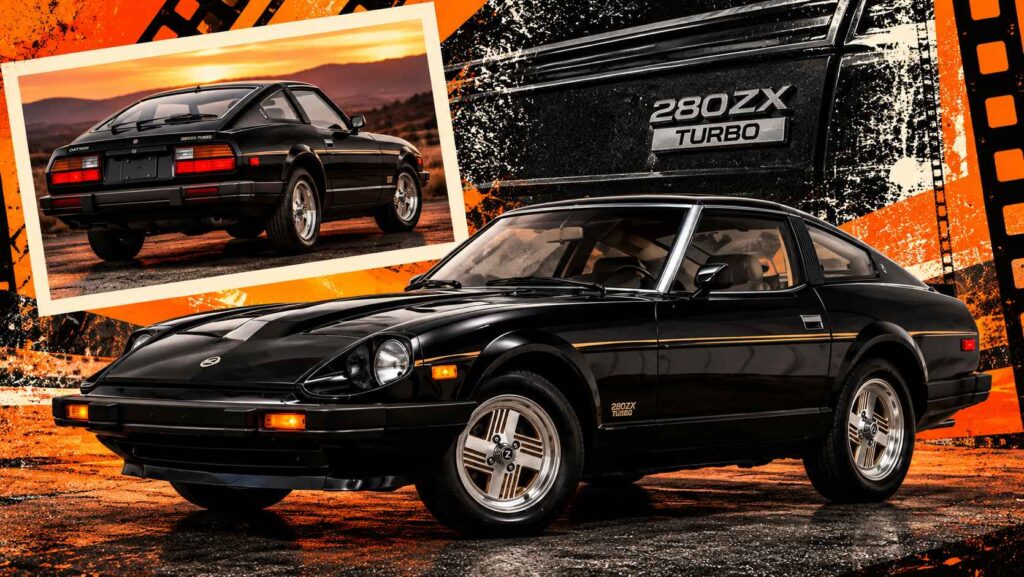
The 280ZX Turbo was available with an optional three-speed automatic transmission, reflecting its focus on grand touring comfort. The Datsun 280ZX spent decades living in the shadow of the earlier 240Z. Enthusiasts praised the original Z for its simple sports-car character, then criticized the later ZX for gaining weight, luxury equipment and a softer personality.
Looking back, the 280ZX deserves more credit. Its long hood, distinctive proportions and period interior place it firmly in the late 1970s and early 1980s. The turbocharged version, introduced for the 1981 model year, also offered considerably more performance than the standard naturally aspirated model.
Instead of trying to imitate a lightweight European sports car, the ZX developed into a grand tourer. That character has become part of its attraction as collectors reconsider cars that were once dismissed for moving away from their predecessors.
Market data supports renewed interest, although much of the early appreciation has already happened. Hagerty reported in its 2025 Bull Market research that 280ZX values had increased by 138% since 2019. Its excellent-condition reference value was $32,800, indicating that desirable examples were no longer the inexpensive used cars they once were.
Rust is a serious concern, particularly around the floor, frame rails and lower body panels. Turbocharger condition, fuel-system problems and aging electrical components can also turn a promising purchase into an expensive restoration.
A complete, rust-free 280ZX Turbo with original trim and a documented history is worth investigating. Buyers should avoid paying collector prices for a car that needs structural repairs simply because the model has attracted renewed attention.
The Bottom Line
The cheapest car on the list is not necessarily the most affordable to own. A Mini Cooper S may cost far less to purchase than a Corvette Z06, but an example requiring several major repairs could quickly become expensive. The same problem is particularly apparent with the V10-powered BMW M5.
Collectors who bought an original muscle car or Japanese sports coupe decades ago rarely knew exactly how desirable it would become. The same uncertainty exists today.
The best approach is to buy a car that is enjoyable and affordable to maintain, with future appreciation treated as a possibility rather than the sole reason for ownership.
The importance of condition and originality extends beyond classic cars, as collectors of valuable music memorabilia also pay attention to authenticity, preservation and rarity.
-
Bon Jovi Announce 2027 Stadium Shows
Bon Jovi have announced that they are heading out on the road in 2027, including a massive appearance at London’s Hyde Park.
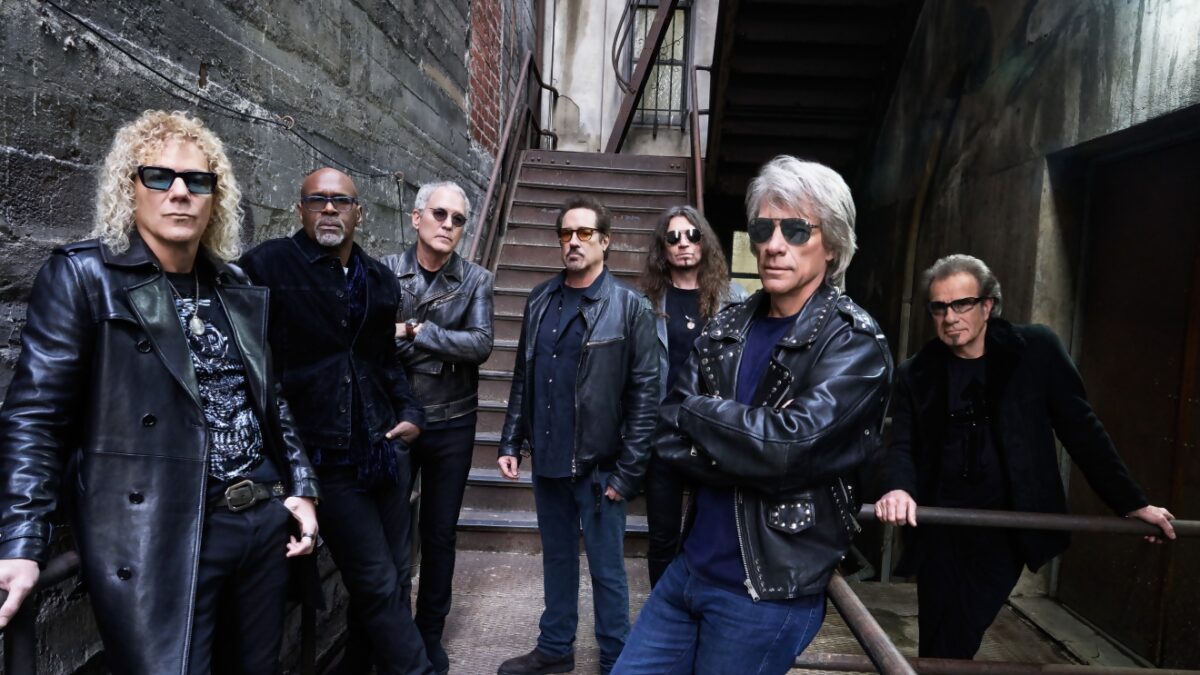
The news follows the band’s recent UK tour, which included three dates at London’s Wembley Stadium.
Jon Bon Jovi had this to say about the announcement:
“The Forever Tour has been an incredible celebration of the music and the fans who have been with us all these years. From Madison Square Garden to Scotland, Ireland, and England, the energy and joy we shared with our fans this summer was something truly special. To look out and see thousands of faces singing along with us, night after night, is something we’ll never take for granted. We’re grateful for every one of you, and now we’re taking that celebration around the world in 2027, with more cities, more countries, and a whole lot more nights to remember. We can’t wait to see you out there!”
Here is where you will be able to catch them:
MARCH 2027
04 – MELBOURNE Marvel Stadium
11 – SYDNEY Accor Stadium
JUNE 2027
24 – LONDON BST Hyde Park
JULY 2027
15 – EAST RUTHERFORD MetLife Stadium
21 – CHICAGO Soldier Field Stadium
28 – FOXBOROUGH Gillette Stadium
AUGUST 202704 – TORONTO Rogers Stadium
You can find out more about all dates at www.bonjovi.com
We chatted to Jon Bon Jovi himself and posed a whole host of questions from bands that love and admire him, which you can check out below:The post Bon Jovi Announce 2027 Stadium Shows appeared first on Rock Sound.
-
SOEN Announce Rescheduled Dates
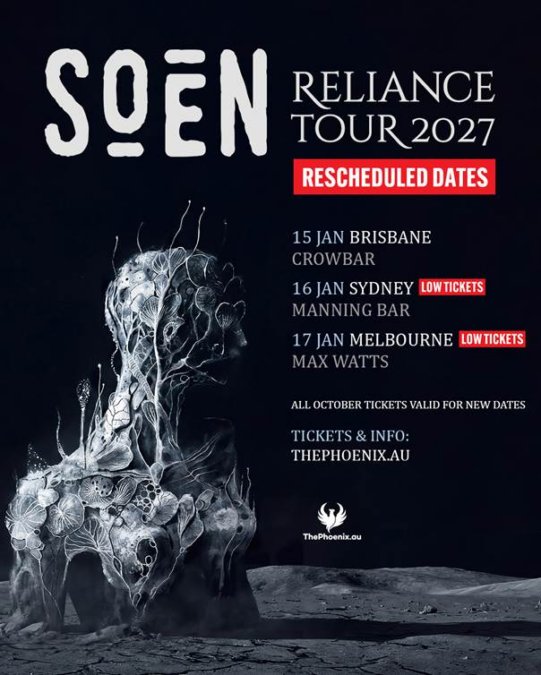 Last week prog kings SOEN were forced to postpone their Australian shows due to a family medical emergency while they were checking in for their flights to Melbourne. The band recorded a video message to their Australian fans right there and then at Stockholm airport promising to reschedule the shows as soon as possible. True […]
-
BITE MY TONGUE Set To Drop 4 Track EP Ahead Of Launch Show In Melbourne
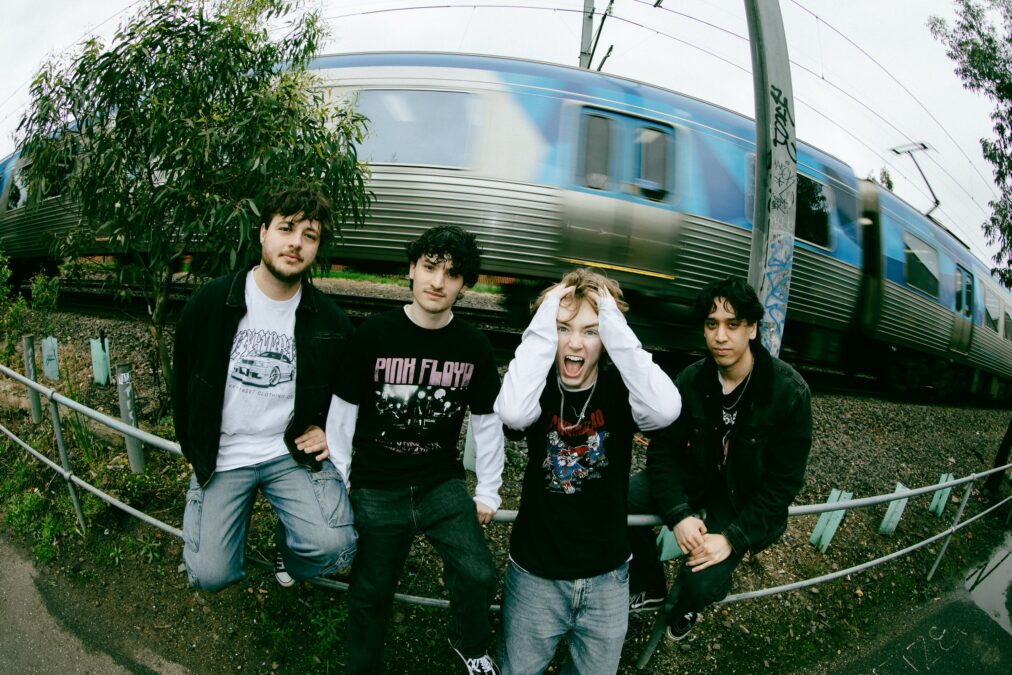 Having already released two singles, Bite My Tongue have sent listeners into a rewarding glimpse of their alternative indie rock style, gaining notable radio play from stations such as Triple J, SYN and JOY FM. From catchy melodies, to explosive guitars, and to unforgettable lyrics, Bite My Tongue will introduce an exciting four track EP […]
-
BON JOVI Announce Two Australian Shows
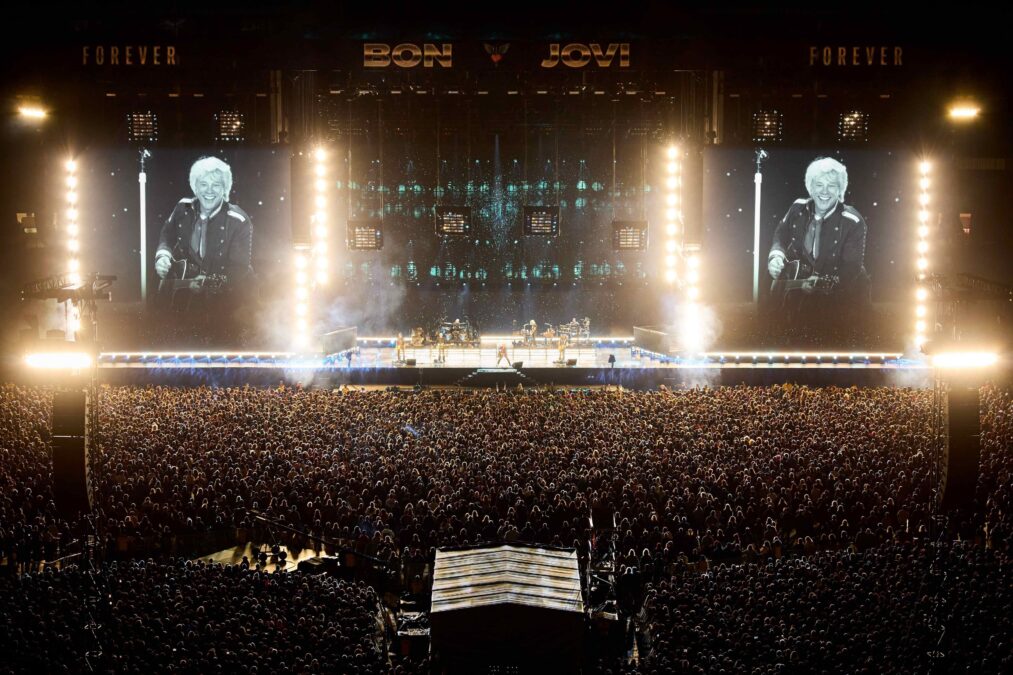 BON JOVI, the GRAMMY Award®-winning, Rock and Roll Hall of Fame band and one of history’s most iconic live acts, announced their global FOREVER TOUR will play Melbourne’s Marvel Stadium on Thursday 4 March and Sydney’s Accor Stadium on Thursday 11 March, 2027. Tickets go on sale at 12pm in Sydney and 1pm in Melbourne […]
-
Plazmatick – Fionna LP (PDV)
Like any other music genre, electronic music continues to evolve into something that could be described as the -
Dawn of Demise – Feed My Absurdity Review
 Dawn of Demise and I go way back. The Danish battering ram are very much in veteran status and remain an underappreciated force in the death metal underground. Plying their workmanlike trade since forming in 2003 and releasing their thumping debut Hate Takes Its Form in 2007. Never less than solid, the Dawn of Demise crew always manages to entertain through a hard-slugging, no-frills formula. While fucking with their long-established formula has not been on the cards, Dawn of Demise find crafty ways to deliver the goods without reinventing the wheel or treading water. There remains a certain expectation and reliable predictability, but as long as they keep bringing the tunes, I’m not complaining. Following a much longer than usual break between albums, Dawn of Demise finally dust off the gloves and set about slugging their way through another tough, efficient collection of thuggish death tunes on their first album since 2019, entitled Feed My Absurdity. Can Dawn of Demise continue their steadfast consistency and retain their chunky edge after a lengthy break, or are they destined to succumb to the dreaded Law of Diminishing Returns?
Beefcake, anvil-slinging riffs, and thick, groove-laced death featuring an uppercutting brutal edge is the order of the day, and Dawn of Demise largely pick up from where they last left off. The line-up remains steady, aside from the 2024 return of guitarist Jakob Nyholm (ex-HateSphere), and the shared chemistry, experience, and lockstep tightness is reflected through their trademark thrashy, groovy brutal death, bolstered by polished yet appropriately beefy modern production values. Dawn of Demise’s modus operandi remains steadfast in its bruising mission statement and adherence to their tried-and-true formula. Busting heads and bulldozing riffs is Dawn of Demise’s bread and butter, with ample fun served up on their energetic resumption.
“Feed My Absurdity” bursts out the gate in rampaging form, taking all of twenty seconds to launch into a trademark slamming groove section, carrying the authoritative thwomp listeners have been accustomed to throughout their career. Deftly balancing their brutal death throes with addictive, instantly headbangable riffage and the signature guttural bellows of the vastly underrated Scott Jensen, Dawn of Demise slam, thud and thrash their way through a rather taut, energetic batch of heavyweight tunes. Whereas the meat-and-potatoes songwriting approach is heavily reliant on fat, carb-heavy mid-paced surges and levelling grooves, Dawn of Demise inject a little more speed into the mix, bringing a welcome sprightliness and urgency. Certain songs simply crush, kill, destroy with pure heaviness and neck-wrecking riffs (“The Essence of Extirpation,” “Reviving Demise,” “Dissociation), bolstered by a chunky, New York-style brutal death swagger.

The aforementioned thrashier pacing and precision drumming lend an extra dynamic edge to killer tunes like “Ominous,” “Onset of Iniquities,” and the Dying Fetus-esque body slams of “The Immoral.” Songwriting can become a tad interchangeable and overly familiar; however, it’s always solid and pleasing to hear these underground sluggers return with gusto after an extended break and line-up changes to boot, as traditional death values meet their signature brutal death chugs and thrashy punctuations. Returning to the fold, Nyholm, alongside right-hand man Martin Sørensen, unload straightforwardly juicy, battering riffs in thick, pummeling supply, continuing the Dawn of Demise trend of crafting bulky, brutal songs with an oddly accessible, hooky streak. Injecting tasteful shreds of melody into the fray also yields strong results; check the album-closing shred on “Break the World ” for a shining example.
There is no need to enquire as to ‘where’s the beef?’ here. Dawn of Demise resume in solid form following their extended studio break, sounding both warmly familiar and freshly revitalized. Like an old pair of your favorite socks, Feed My Absurdity brings comfort and no-frills entertainment. And though it may not sit atop the Dawn of Demise catalog, Feed My Absurdity delivers the entertaining goods on another dependable slab of slam and thrash-infused brutal death, equal parts crushing, catchy, and immense.
Rating: 3.0/5.0
DR: 6 | Format Reviewed: 256 kbps
Label: Unique Leader Records
Websites: Bandcamp | Facebook
Releases Worldwide: October 9th, 2026The post Dawn of Demise – Feed My Absurdity Review appeared first on Angry Metal Guy.