Posted on September 21st 2026, 12:06pm
Blog
-
2 Dates, 1 Historic Night: Heavy Metal’s Bittersweet Farewell Comes to Theaters
One legendary heavy metal band is letting the world experience its final show in an entire new way. Here’s how to see it.
The post 2 Dates, 1 Historic Night: Heavy Metal’s Bittersweet Farewell Comes to Theaters appeared first on Audio Ink Radio.
-
SANTERI KALLIO From AMORPHIS Chats About The Band’s Upcoming Australian Tour
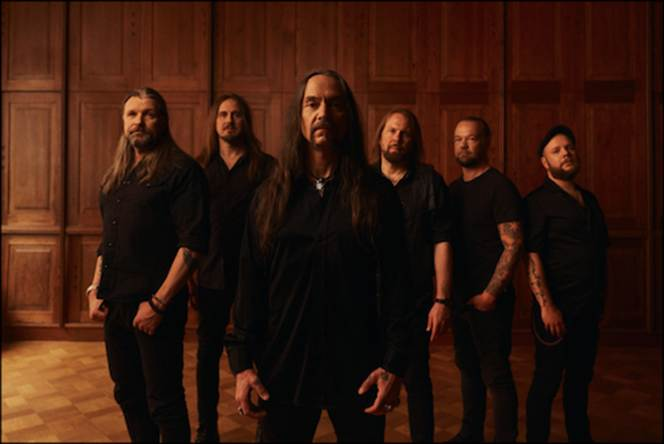 Finnish progressive metal pioneers Amorphis are making a highly anticipated return to Australian shores this week, marking their first headline tour down under in 13 years. The four-date trek kicks off on September 22 at The Croxton Bandroom in Melbourne, before hitting Brisbane, Sydney, and Canberra over consecutive nights. Fans can expect a career-spanning set […]
 -
Spanish Love Songs Announce 2027 UK & Europe Headline Tour
Spanish Love Songs have announced a run of UK & European headline dates taking place in early 2027.
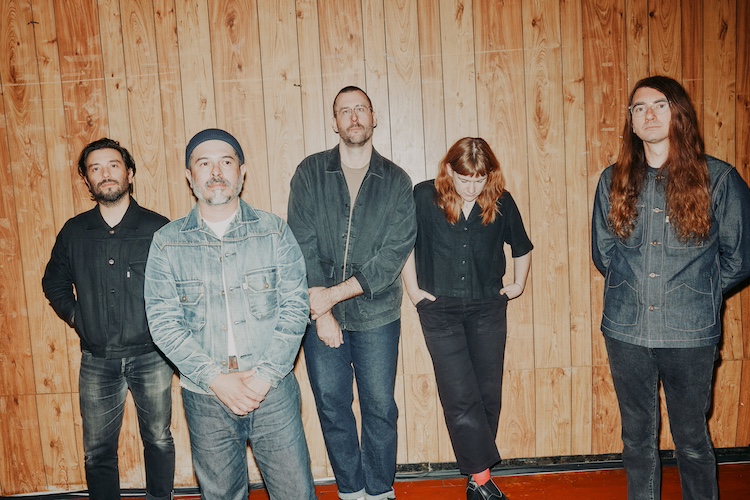
Photo credit: Mitchell Wojcik With the band’s latest album ‘Future Nausea’ set to arrive on November 06 via Pure Noise Records, they’ll be returning for their biggest ever headline appearances in Europe and the UK, along with their first ever visit to Spain.
With support from Michael Cera Palin, Carly Cosgrove and Bike Routes (UK only), each show will have a limited number of ‘Cost of Living’ tickets priced at €20 / £20. These tickets will only be available via the band’s presale, and will be password protected.
That presale will begin this Wednesday (September 23), with general tickets for all shows available on Friday (September 25).
Check out the full list of dates below.
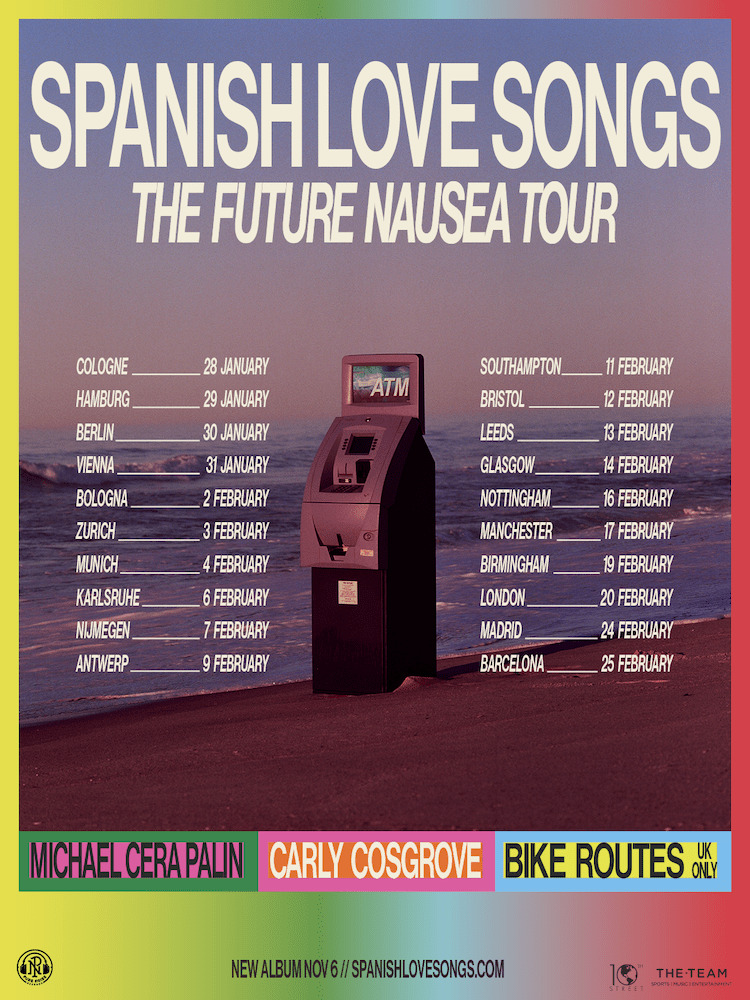
JANUARY
28: COLOGNE Essigfabrik
29: HAMBURG Uebel & Gefaehrlich
30: BERLIN Gretchen
31: VIENNA SzeneFEBRUARY
2: BOLOGNA Locomotiv Club
3: ZURICH Plaza
4: MUNICH Strom
6: KARLSRUHE P8
7: NIJMEGEN Doornroosje
9: ANTWERP Kavka Oudaan
11: SOUTHAMPTON Engine Rooms
12: BRISTOL The Prospect Building
13: LEEDS Project House
14: GLASGOW Queen Margaret Union (QMU)
16: NOTTINGHAM Palais
17: MANCHESTER O2 Ritz
19: BIRMINGHAM O2 Academy 2
20: LONDON O2 Forum Kentish Town
24: MADRID Sala Copérnico
25: BARCELONA Sala BovedaThe post Spanish Love Songs Announce 2027 UK & Europe Headline Tour appeared first on Rock Sound.
-
Nevermore – Announce European Headliner Tour
Nevermore have exciting news for their European fans. The prog metal band is returning to Europe next year for a headliner tour with special guests Rivers Of Nihil and Urne (all but the final three shows in Greece and Turkey). Furthermore, the group promises to bring full sets with some new music. Check out the Liminal Spaces tour dates here.
Read more… -
Black Moon June – Heavy Is The Crown
Swedish band Black Moon June crafts a crushing strain of alternative metal spiked with doom influences and melodic grit. Formed in 2022, the powerhouse six-piece—vocalist Toby W, guitarists Mathias Holm Klarin and Christer Strand, bassist Mattias Karlsson, drummer Bobo Öhlander, and keyboardist Richie Rich—first made waves with their critically acclaimed debut album, The Witch Hammer.
Heavily riff-driven yet built on massive choruses and deep grooves, the band has continued their relentless momentum with a string of singles, including “Madhouse,” “Army Of The Dead,” and “Spreading Like Wildfire.” Serving as the first taste of their upcoming sophomore record, these tracks confirm Black Moon June as one of the most compelling heavy acts coming out of Sweden today.
Their new song Heavy Is The Crown features massive riffs, a catchy chorus, a super solid rhythm section and very cool solos as well. It’s heavy, with a quality production and amazingly performed by the band. Give it a go by clicking on the Spotify player below and follow Black Moon June if you like what you hear.
https://instagram.com/black_moon_june
https://tiktok.com/@blackmoonjune
https://facebook.com/black.moon.june -
Passerine – I Am
Born in a small garage in Northwest Arkansas, Passerine (pronounced Pass-uh-ren) was formed by a group of close friends driven by a shared creative vision. Fueled by deep artistic conviction, the band crafts immersive original music that pairs introspective storytelling with innovative instrumental work. Drawing inspiration from a wide spectrum of icons—including Radiohead, Alice in Chains, Peach Pit, and Pink Floyd—Passerine pushes well past genre boundaries. Driven by powerful vocals, artful guitar textures, and dynamic rhythm arrangements, the Arkansas outfit is charging headlong into alternative rock’s bold new frontier with soundscapes that demand repeat listens.
The band commented on their new single. “I Am” is written from the perspective of the one within you who leads to your own destruction. The one within you who seems to lead you to make the wrong decision, even though you know what the right thing to do is. It is a song the reflects on the nature of humanity; with the ability to choose right or wrong, good or bad, and is sang from the perspective of the “bad guy” within you that wants to lead you astray. “I Am” is the self reflection that sometimes, you really are just that. You are the bad guy. You are your own worst enemy. And you can’t outrun the one within.
The song features a fantastic rhythm section, tight and precise, amazing riffs and catchy vocals (check out the chorus). It also got the right sound for the genre. A very cool one, give it a go by clicking on the Spotify player below and follow Passerine if you like what you hear.
-
Darrel Treece-Birch’s Atlantea: Truthsayer Review
You may be aware that Darrel Treece-Birch has been the keyboard whizz in Ten for a good few years. As it’s been a while since we last had a new Ten album, Darrel’s been keeping himself busy with his side side project of Atlantea. Just about a year or so since Life, we now have […]
The post Darrel Treece-Birch’s Atlantea: Truthsayer Review first appeared on New Wave of British Heavy Metal.