
Blog

  • MENTAL CRUELTY turn their album finale into a Viking epic with “Ride of the Valkyries”

    The final moments of Echoes of a Forlorn Land are not designed to fade quietly into silence. MENTAL CRUELTY close their forthcoming album with the cinematic pairing of “Dämmerbruch” and “Ride of the Valkyries”, now unveiled as the record’s final preview ahead of its 23 October release. Built around the imagery of Norse mythology, fallen […]

    Source

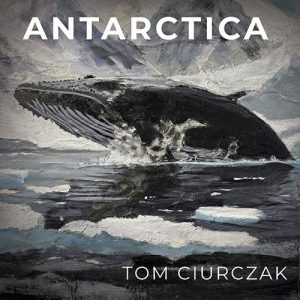
  • TOM CIURCZAK – Antarctica

    TOM CIURCZAK – Antarctica

    Tom Ciurczak 2026 When it all goes south, one’s spirit gets to rock and roll away the stone weighing on the soul of man. Although this Los Angeleno may not project an air of a conceptual artist, a common theme … Continue reading →

    The post TOM CIURCZAK – Antarctica appeared first on DMME.net.

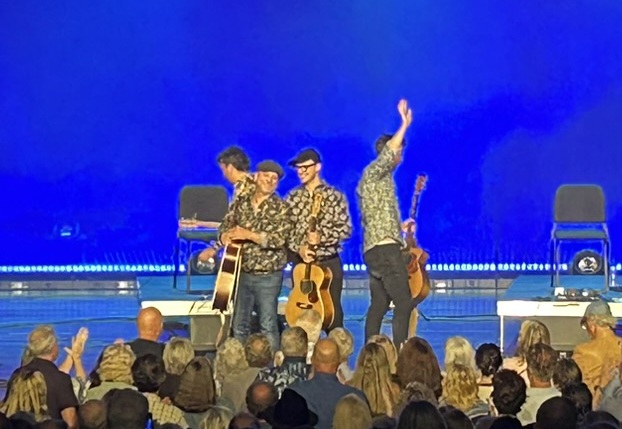
  • 40 Fingers | October 7, 2026 | Fisher Center for the Performing Arts | Nashville, TN – Concert Review

    Review by Shawn Perry

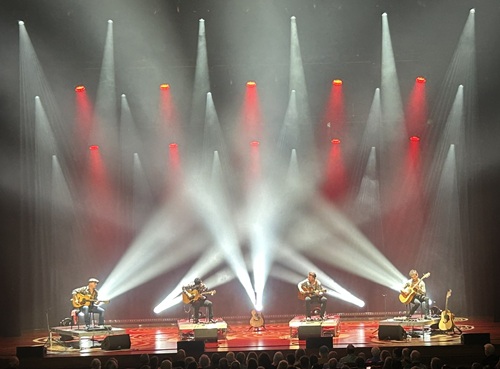
    So, you may ask, why is VintageRock.com reviewing a show featuring an Italian acoustic guitar quartet called 40 Fingers (counting thumbs). Putting aside the fact that they are exceptional virtuosos — which we thrive on — it’s probably because their repertoire is filled with classic rock songs. So, while they may not be specifically in our wheelhouse, they are most certainly in our backyard.

    Formed in 2017, Matteo Brenci, Emanuele Grafitti, Gabriele De Leporini, and Andrea Vittori of 40 Fingers all write and record music of their own. They have, however, found a niche reinterpreting rock and pop songs, as well as film and TV soundtracks. This isn’t some knock-off tribute — 40 Fingers put their own unique spin on any number of hits and well-known piece of music. Their version of Queen’s “Bohemian Rhapsody” was powerful enough to earn an endorsement from the Queen camp. No wonder their numbers for views on YouTube are in the millions.

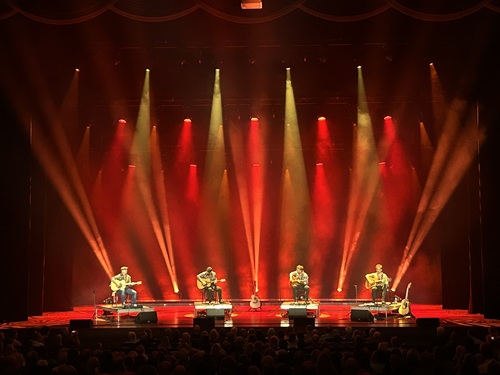
    Winding down their 2026 U.S. Fall tour, 40 Fingers’ appearance at the Fisher Center for the Performing Arts was befitting to their pedigree, as the elegant venue is part of Beaumont University, home of Nashville’s first radio and commended for their music programs. The Fisher Center itself is a 1,700-seat world-class, multi-functional architectural wonder with its Indiana limestone façade, Blue Pearl granite base, and 70-foot acoustically transparent dome spectators marvel at overhead. You couldn’t have picked a better stage for the four guitarists and their 40 fingers.

    Though it could have easily gone off script, the set was nestled in familiarity. The musicians took their places and fell right into Deep Purple’s “Space Truckin’.” What was immediately striking was how the song’s layers and nuances were pulled in, with each player providing the adequate parts. The solo section, famous for the interaction between Deep Purple guitarist Ritchie Blackmore and keyboardist Jon Lord, was so skillfully tenderized and tossed around that anyone looking for flaws would be left speechless.

    Arrangement is key to what sets 40 Fingers apart. During their takes on the Eagles’ “Hotel California,” and Toto’s “Africa,” one guitar was utilized as a percussion instrument to keep the downbeat on the floor (and the audience clapping along) while the other three roamed the wilds, embracing the framework with rhythmic strumming and intricate fingerpicking patterns, allowing the melodies and basslines flow simultaneously. We’re talking about a serious amount of musical cooperation.

    It wasn’t all rock and roll. Han’s Zimmer’s “Pirates Of The Caribbean” and an instrumental medley of John Williams’ “Star Wars Main Theme” and “The Imperial March” were delivered with equal exuberance and panache. A stroll through a bit Celtic folk stylings on Dougie MacLean’s “The Gael” (from The Last Of The Mohicans) had some of the players doing their best Irish stepdance. The fast-paced arrangement of Mozart’s “Overture To The Marriage Of Figaro” was a masterstroke in intricate fingerstyle guitar harmony.

    Still, more rock classics were unearthed. Pink Floyd’s “Wish You Were Here” received a fairly straightforward reading. The guitar harmonies on Simon and Garfunkel’s “The Sound Of Silence” would likely silence the original duo if they were in attendance. Their smoothly raucous cover of AC/DC’s “Thunderstruck,” packed with dynamics, was at once unexpected and jolting to the first five rows. The soloing through Dire Straits’ “Sultans of Swing.” Once they finished the main set with “Bohemian Rhapsody,” it was anyone’s guess as to what classic rock was left for them to tackle.

    They began the encore with the Star Wars melody and ended with the night with the Beatles’ Hey Jude.” The audience was reeled in and called upon. Arms swung back and forth and the “Na-na’s” were collectively whispered, then pushed to intensify. The band stopped and started at various intervals as if to encourage the crowd into participation. Each player soloed before the ensemble fell into an anachronistic blues jam that slowly wound down before the four assembled at the front of the stage and took their final bows.

    If you missed out, no need to fret. 40 Fingers returns to the States in early 2027 for a 33-date tour in early Spring that’s bound to push the envelope out further. If they come to your town, you know what to do.

  • Review HATESPHERE “Guillotine”

    Back in 2000, Necrosis from Aarhus, Denmark, changed their name to Hatesphere. The band’s general musical direction didn’t change all that much, but Hatesphere have remained a constant presence ever since, regularly delivering new material along the way. The latest offering from the Danish five-piece is Guillotine, a ten-track album that opens with “Chapter XII.” As… Continue Reading →
  • The Aerosmith albums you should definitely listen to

    You can’t keep a good band down, even one as intent on self-destruction as Aerosmith. Years of Olympic-standar drug abuse couldn’t do for them. Neither could the departure of guitarists Joe Perry and Brad Whitford in the early 80s (both came back). Nor some unseemly, turbo-charged friction between frontman Steven Tyler and his bandmates at the end of the 2010s. Even an aborted farewell tour, cancelled after Tyler suffered seemingly irreparable vocal cord damage, hasn’t stuck – the onetime Bad Boys From Boston have announced their return to the stage for the first time since 2023 with a pair of all-star shows at the Hollywood Bowl on October 29 and November 1, which will see them joined by Guns N’ Roses, The Black Crowes, Heart and countless other famous friends and fans.

    It’s a two-way fight between Aerosmith and Kiss for the title of America’s Greatest Rock’N’Roll Band. Gene Simmons and Paul Stanley have the whole band-as-brand thing nailed, but when it comes to swagger, attitude and malicious intent, The Bad Boys From Boston rule.

    Aerosmith’s genius idea was to repackage the Rolling Stones’ pharmaceutical rock’n’roll and sell it back to America as home-made product. The frequently brilliant albums they made in the 1970s were feral and brash, fuelled by a cocktail of bulletproof self-confidence and weapons-grade chemicals. Toxic Twins Steven Tyler and Joe Perry were 70s rock incarnate: cool, charismatic, permanently strung out.

    It couldn’t last, and it didn’t. By the start of the 80s, this speeding train had crashed off the tracks, leaving a pile of twisted metal and mangled bodies. But halfway through the decade came an unexpected resurrection. A world-beating collaboration with hip hop group Run DMC on a cover of their own 1975 hit Walk This Way put Aerosmith back in the game, while the subsequent string of multi-platinum albums repositioned them as rock’n’roll’s wayward uncles, the glint of their gold earrings matched by the one in their eyes.

    Their second act has been even more successful than the first – 1998’s Armageddon-soundtracking mega-ballad I Don’t To Miss A Thing became their biggest ever hit and the soundtrack to ten million prom nights. Nor has the soap opera surrounding them abated – the last two decades have been punctuated by bust-ups and bitchiness, relapses and rehab that would have put lesser bands out of business.

    But Aerosmith aren’t lesser bands, and over 50 years and more they proved over and over that the music and the drama needed each other. Rock’n’roll’s a dirty job, and no one did it dirtier than Aerosmith.

    Classic Rock divider

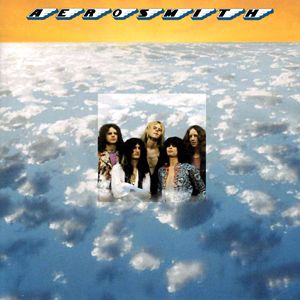
    Aerosmith (CBS, 1973)

    Aerosmith’s debut album was a stuttering start rather than one of rock’n’roll’s great opening salvos. Part of the problem was a sluggish mix courtesy of British producer Adrian Barber – and let’s not get into Steven Tyler’s baffling last-minute decision swap his jive-talking rasp for a strangulated, Kermit-sings-the-blues gargle.

    But the songs mostly stand up. Mama Kin and Somebody are cocksure enough to paper over any cracks, a cover of Rufus Thomas’ Walkin’ The Dog is textbook early 70s white-boy R&B, and Tyler’s showboating proto-power ballad Dream On has become part of The Great Hard Rock Songbook. Promising, but there was much better to come.
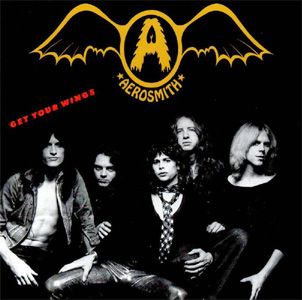
    Get Your Wings (CBS, 1974)

    Not so much the difficult second album as Aerosmith’s great leap forward. Credit talismanic new producer Jack Douglas, who brought a clarity to Get Your Wings which had been missing first time out.

    Mainly, though, it was all on the band themselves. Same Old Song And Dance and Walk This Way dry-run Lord Of The Thighs were exponentially sharper and funkier than anything Aerosmith had laid down before, while Tyler’s Seasons Of Wither was an enigmatic rock’n’roll madrigal that showcased the musicality the singer had inherited from his concert pianist father.

    Get Your Wings stalled at No.74 in the US, but suddenly Aerosmith sounded like contenders.
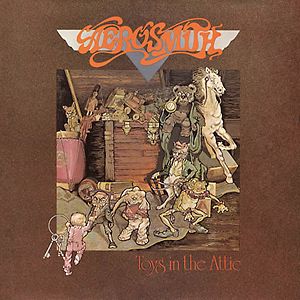
    Toys In The Attic (CBS, 1975)

    Whatever Aerosmith were on – which was pretty much everything by this stage – was working. If Get Your Wings was Aerosmith breaking into a sprint, Toys In The Attic was where they opened their legs and showed their class.

    The peacock-strutting Walk This Way is Toys’ marquee number, but it’s not the best song here. That would be the sublime Sweet Emotion, a song that sidles in on the greatest bassline in rock history then spends the next four minutes ratcheting up the sexual tension.

    The rest isn’t far behind, though the sheer breadth of what Aerosmith were doing here is often overlooked, from the jump-jiving single-entendres of Big Ten Inch to Round And Round’s Quaalude grind. And in closing ballad You See Me Crying, Tyler once again proves that he’s the king of the rock’n’roll weepie.
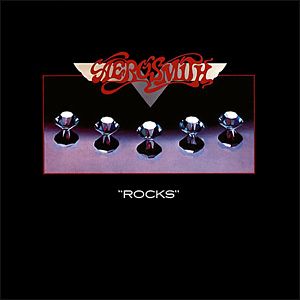
    Rocks (CBS, 1976)

    Toys In The Attic and Rocks were Aerosmith’s greatest one-two punch. But where the former found them in full showboating mode, the latter doubled down on the kind of nasty, druggy rock’n’roll that that their idols the Rolling Stones had once owned the patent on.

    Rocks is sleazier than a Boston back alley and sharper than a hypodermic needle. Back In The Saddle and Last Child ooze chemically enhanced confidence, the hyper-speed blues of Rats In The Cellar sounds like it’s just mainlined a kilo of Columbia’s finest, while Combination is the greatest Aerosmith song nobody ever talks about:

    Rocks was Peak 70s Aerosmith. They wouldn’t hit the same artistic or commercial heights for more than a decade, by which time they were clean if not serene.
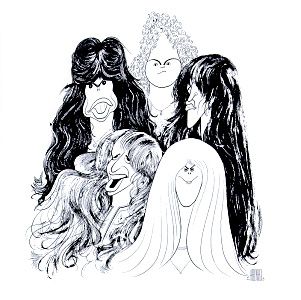
    Draw The Line (1977)

    By Draw The Line, Aerosmith’s career had become a battleground between the music and the drugs, and the drugs were winning. Their fifth album was about as bloated as a nine track LP could get, its songs gleaming with clammy narcotic sweat.

    Yet Draw The Line still contains its share of ’Smiths classics. The livewire title track busts through the stratosphere and heads off outer space without drawing breath, Kings And Queens is the kind of grandstanding rock’n’roll psychedelia that only a band on this much gear would be unembarrassed enough to attempt, and the harmonica-blasted cover of pre-rock’n’roll staple Milk Cow Blues is the point where the fug momentarily lifts and these addled reprobates reconnect with the band used to be. But the thrills were sparser and the fun was dissipating, not least for Aerosmith themselves.
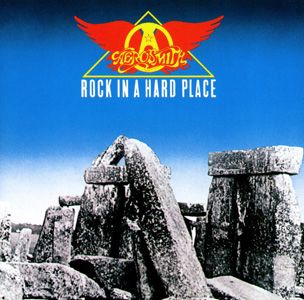
    Rock In A Hard Place (Columbia, 1982)

    Aerosmith stumbled into the 1980s strung-out, cross-eyed and minus two founding members. But even without Joe Perry and fellow six-stringer Brad Whitford, they still managed to cook up one last hit of maximum rock’n’roll before they nodded out.

    The clue was in the defiant title. Where 1979’s troubled Night In The Ruts was made by a band running on fumes and mostly sounded like it, Rock In A Hard Place glimmered with some of the lip-flapping fever that marked their ascent. Newbie guitarist Jimmy Crespo brought a fresh batch of magic dust just when they needed it – the opening double-header of Jailbait and Lightning Strikes wouldn’t have sounded out of place on Rocks (the same can’t be said for the washes of synth that pop up sporadically).

    In the end, the energy they expended on Rock In Hard Place was too much, and Aerosmith flopped down on the nearest bed the could find. There they’d stay for the next four years, until a hotshot producer named Rick Rubin finally slapped them out of their stupor.
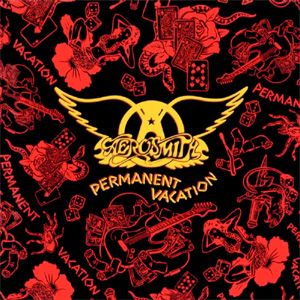
    Permanent Vacation (Geffen, 1987)

    Perry and Whitford had rejoined for 1985’s under-powered Done With Mirrors two years earlier, but that was a false comeback. Permanent Vacation was the real curtain up on Aerosmith’s second act. And they pulled out the stops to ensure it flew, enlisting Bon Jovi producer Bruce Fairbairn and a battalion of outside writers, including hitmakers Holly Knight, Jim Vallance and Desmond Child.

    The result was a state-of-art 80s rock record with a 70s soul. MTV smash singles Dude (Looks Like A Lady), Rag Doll and Angel showed the newly-cleaned-up Aerosmith could mix it up with the emergent glam metal bands they had inspired, but even its lesser numbers – Hangman Jury, the demob-happy title track, the perpetually under-rated Simoriah – showed that these wayward souls had rediscovered whatever they’d lost along the way.
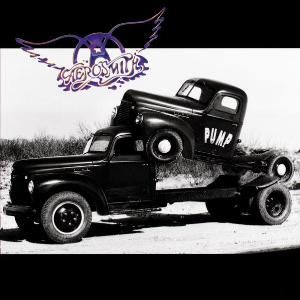
    Pump (Geffen, 1989)

    Permanent Vacation had shaken off the ring-rust, but Pump was where the all-time heavyweight champs of American rock’n’roll truly reclaimed their belt.

    The nudge-nudge-wink-winking Love In Elevator took the pop smarts they’d picked up last time round and magnified them a hundredfold, while Young Lust and the rocket-fuelled F.I.N.E suggested there might still be some residual Class A’s sloshing around their systems.

    But there was a depth to Pump that transcended its era, not least in the stellar Janie’s Got A Gun – a startlingly mature take on the impact of childhood abuse that’s impossible to imagine the Aerosmith of old tackling.

    Elsewhere, Tyler proved himself one of rock’s great lyricists: “Livin’, lovin’, getting’ loose, masturbatin’ with a noose/Now someone’s kicking out rhe chair,” he croaked on the shit-kicking Voodoo Medicine Man. Even after all this time, there was still no one like them.
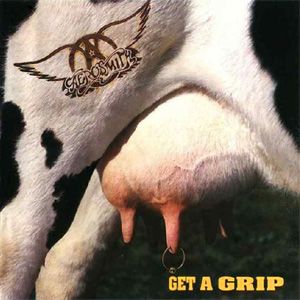
    Get A Grip (Geffen, 1993)

    Twenty years after their debut, Aerosmith finally bagged their first US No.1 album. It’s easy to see why. Get A Grip took the blockbuster template of Permanent Vacation/Pump and sanded down any remaining rough edges.

    The result was a rock’n’roll album for people who didn’t really like rock’n’roll. At its heart were Cryin’, Crazy and Amazing, a trilogy of machine-tooled ballads that provided the soundtrack for America’s teens to get their first hickey to (the videos, featuring Tyler’s teenage daughter Liv and fellow rising Hollywood star Alicia Silverstone, didn’t hurt their chances).

    They were still partial to the hard stuff when the mood took them. The woozy Livin’ On The Edge is one of the all-time great Aerosmith singles, and Eat The Rich and the title track proved they could still get it up when the occasion called.

    Get A Grip might have lacked the danger of old, but the seven million-plus people who bought it weren’t arguing.

  • Flippin’ the Bird 27 Announced

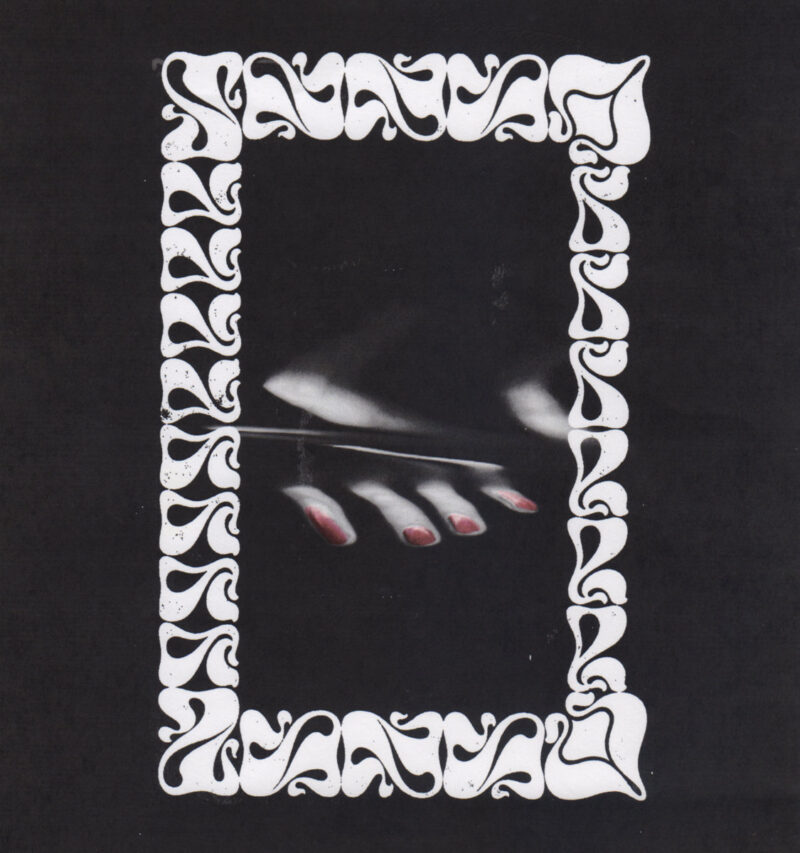
    Singing Bird Studios in Frankston has announced the line-up for their massive annual all-ages event Flippin’ the Bird.

    February’s chapter features more than 40 bands across 12 hours of punk, rock, metal and grind, including the return of notorious goregrind maniacs Fuck… I’m Dead. Other acts on the list include C.O.F.F.I.N., Toe to Toe, 28 Days, Hacker, Goat Shaman, Ratsalad, The Gnomes, Backhand, Pizza Death, Nembutolik, Stepmother and more, along with overseas visitors Useless Eaters from the US and Germany’s Telesatan.

    Link to tickets is here – full details on the poster below.

    , , ,
  • The Rasmus at The Machine Shop

    P Photos by Cheryl Freshman On Wednesday, September 16, Finnish rock band The Rasmus, played at Flint, Michigan’s iconic venue The Machine Shop. The Rasmus is Lauri Ylonen on lead vocals, Eero Heinonen on bass, Emilia “Emppu” Suhonen on guitar and Aki Hakala on drums. English alternative band Saint Agnes opened the show. The Rasmus has always been known for their amazing live shows and this tour does not disappoint! Old fans and new fans alike are loving the live shows with a mix of music…
  • Musique Machine Channels Final Girl Instincts on Retro Synth EP “Scream Queen”

    Processor brain, is it the same?

    Are you in pain? Who’s to say?

    When it’s time to see the light

    Live your life twice or thrice

    Western civilization has had a fair run, although the last few seasons have been rather disappointing. The machines are getting smarter, the people are getting stupider, and the future increasingly resembles a low-budget science fiction film directed by megalomaniacs with a grudge against humanity. Naturally, the appropriate response is to find a nightclub, consume something inadvisable, and dance until the authorities announce the end of the world. If the apocalypse requires a soundtrack, somebody ought to put Musique Machine in charge of the entertainment.

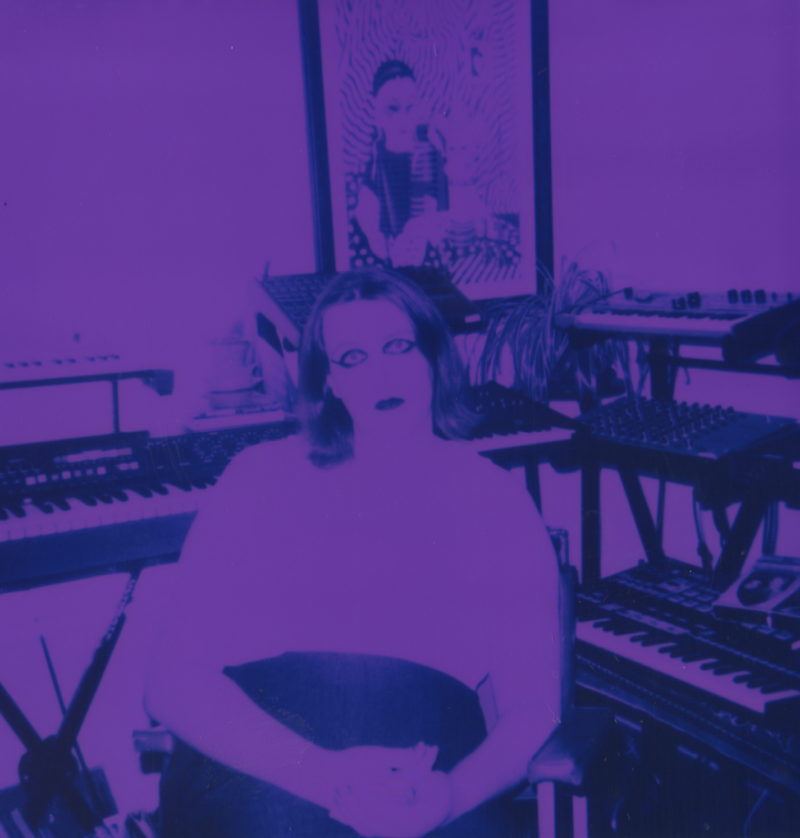
    Behind the controls stands Phoenix producer and DJ Ms. Bea Bohannon, whose musical education seems to have involved – and invoked – extensive exposure to the more disreputable pleasures of 1980s gay nightclubs. Her new EP, Scream Queen, is a five-track exercise in electronic excess, technological paranoia, and the questionable wisdom of trusting machines with our emotional well-being. Given humanity’s recent performance, the machines might have a legitimate complaint.

    Following numerous independent singles and a debut EP released between 2023 and 2025, Bohannon has joined 2999Rec, bringing along an arsenal of Yamaha DX7s, Moog machinery, and enough electronic apparatus to make a Kraftwerk roadie consider early retirement. Her musical vocabulary borrows from Italo disco, electroclash, darkwave, and avant-funk, with the theatrical instincts of Soft Cell and the dance-floor sensibilities of Nuovo Testamento.

    Living Online opens with a buzzy backbeat, peculiar electronic bloops, and vocals resembling a sentient AI trapped inside a malfunctioning computer. House music meets Kraftwerk in a disturbing little meditation on digital immortality, artificial intelligence, and humanity’s gradual transformation into obedient insect drones. The prospect of living forever inside a processor sounds increasingly unpleasant, particularly when your eternal existence involves answering emails.

    Use Yr Brain continues the technological interrogation with a motorik rhythm and vocoder vocals recalling Daft Punk and Kraftwerk. Bohannon considers the eternal conflict between reason and emotion, encouraging independent thought while cataloguing the spectacular stupidity of human behavior. Apparently, using one’s brain remains a controversial proposition. Sentimental Materialism introduces a heavier industrial backbeat beneath expansive, cinematic synthesizers. Its resemblance to Zombie Nation’s Kernkraft 400 comes with an additional serving of existential dread, suggesting the apocalypse has acquired a respectable nightclub residency.

    The title track finds Bohannon stalking the corridors of exploitation cinema, invoking Ms. 45, Dressed to Kill, Identikit, and Whatever Happened to Baby Jane? Survival becomes a grotesque game of endurance, with each new morning offering another opportunity to outrun society’s considerable appetite for cruelty.

    “Every day feels a bit like a psychological slasher movie — I find myself on the verge of letting out a blood curdling shriek,” says Bohannon. “Society is on the edge of total collapse, and an over-reliance on technology looms as the next wave of brain rot. As a trans woman in this unstable environment, I often feel a bit like the archetypal final girl. It often feels like there is an imminent threat chasing me into the dawn of a new day. Collectively, we need to run, we need to get creative, we need to survive with less. When I eventually make my getaway — I will laugh hysterically and I will scream into the void. I am a psychotic and neurotic woman, and this track references a classic films on the subject…In a way, this is my love letter to every woman who has been labeled the villain, but is actually victimized by society at large.”

    Bohannon’s identification with cinema’s persecuted women gives the song an uncomfortable urgency beneath its theatrical presentation. The final girl, traditionally condemned to spend ninety minutes fleeing murderous maniacs, becomes a fitting figure for navigating an increasingly hostile society. At least horror movies usually provide the courtesy of rolling credits. For Bohannon, the final-girl archetype carries particular significance as a trans woman confronting social hostility and technological deterioration. It gives the song an uncomfortable urgency beneath its theatrical presentation.

    Hypnotized concludes the proceedings with robotic vocal manipulations, a considerably funkier backbeat, and the electronic eccentricities of Cabaret Voltaire. Romantic obsession becomes another exercise in voluntary submission, complete with hypnosis, physical desire, and the familiar human enthusiasm for surrendering good judgement.

    Listen to Scream Queen below and order the EP here.

    Throughout Scream Queen, Bohannon treats the dance floor as civilization’s emergency exit. The machines keep working, humanity keeps misbehaving, and somewhere in Phoenix, a woman is laughing at the approaching disaster while adjusting the synthesizers. Frankly, somebody ought to check whether she’s holding the keys to the bunker.

    Follow Musique Machine:

    The post Musique Machine Channels Final Girl Instincts on Retro Synth EP “Scream Queen” appeared first on Post-Punk.com.

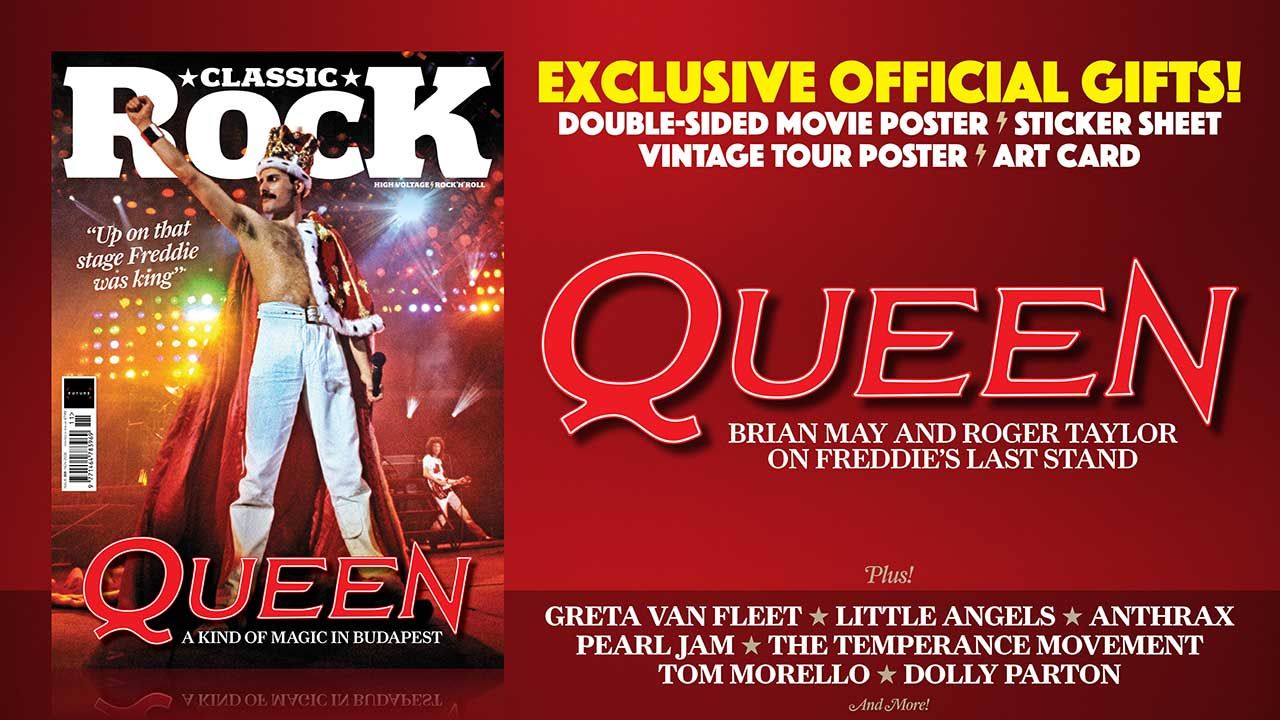
  • Brian May on Queen’s epic new concert film and the future of the band

    On July 27, 1986, Queen made history by becoming the first Western rock band to play an outdoor stadium show behind the Iron Curtain. Elton John played a run of indoor shows in Russia in 1979, and Iron Maiden kicked off their 1984 World Slavery tour with a run of dates in Poland. Yet Queen’s appearance at the 80,000-capacity Népstadion in the Hungarian capital Budapest set a new benchmark.

    “We believed music was for people – and people are everywhere,” Queen guitarist Brian May tells Classic Rock in a brand new interview. “We tried to avoid politics, and even play places people told us we shouldn’t play. For years, Hungary and these places in Eastern Europe were unreachable to us. It was exciting to open the door.”

    This landmark gig was filmed for the concert film Queen Budapest, which has recently been restored in retina-dazzling 4K and set for release on DVD/Blu-ray on October 30. The film shows Queen in their mid-80s pomp and features such nailed-on classics as Now I’m Here, Hammer To Fall and Bohemian Rhapsody. It also captures the moment when Mercury treats the crowd to a solo version of beloved Hungarian folk ballad Tavaszi Szél Vizet Áraszt, with the singer surreptitiously reading from a set of phonetic lyrics scribbled on his hand.

    “Freddie singing the folk song meant so much to the audience,” says photographer Denis O’Regan, who accompanied the band to Hungary. “I spent time on the hotel terrace overlooking the Danube, with Freddie and Roger rehearsing it. When I speak to people in Budapest now, they still say it was such a moment in their cultural history.”

    Queen Budapest also shows the band making their grand entrance into the city four days before the concert. “We came in from Vienna, down the Danube on hydrofoils,” drummer Roger Taylor tells Classic Rock. “On one side you had what was then Czechoslovakia, and that was just one big, electrified fence. Then we came into Hungary, and I remember this splendid parliament building in Budapest that Freddie thought would make a lovely home.” (“Is it for sale?” Mercury quips in the film).

    Queen Budapest

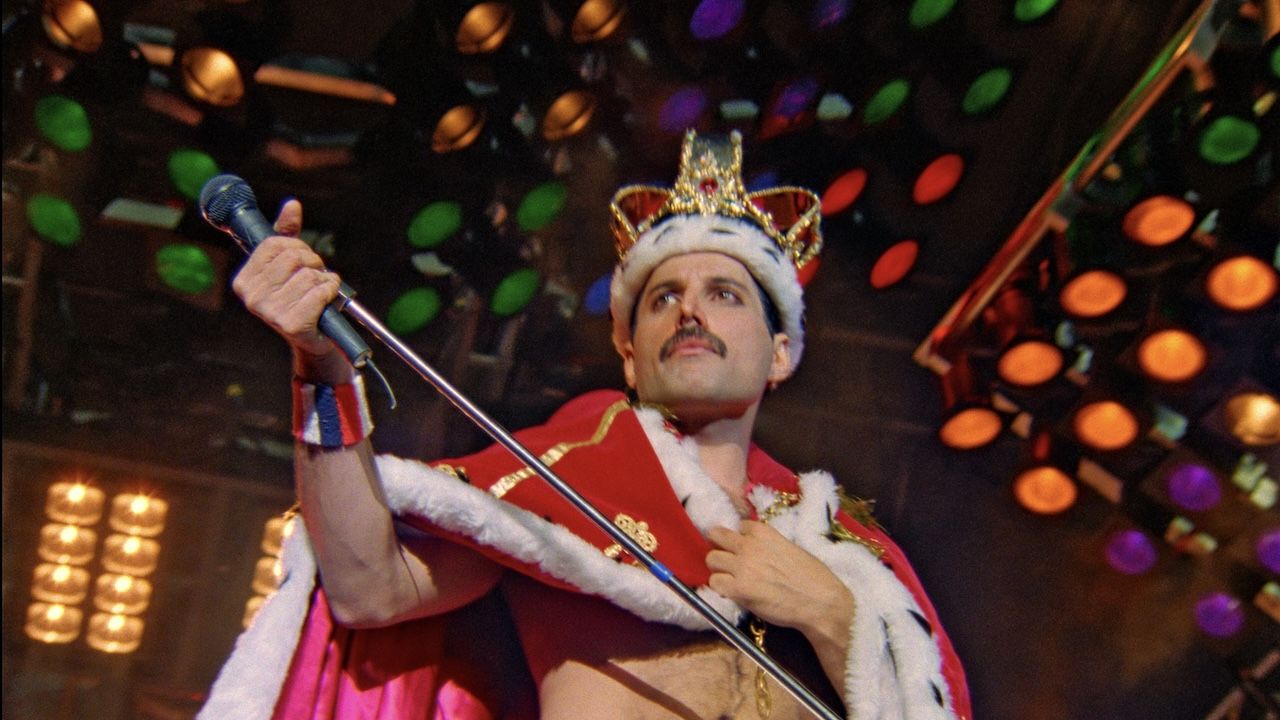
    Freddie Mercury onstage in Budapest on July 27, 1986 (Image credit: Sony Music )

    Yet the triumph is tinged with sadness. This tour, in support of 1986’s A Kind Of Magic album, would be their last. Less than three weeks after the Budapest gig, Queen played what turned out to be their final show, at Knebworth on August 9, 1986. Neither May nor Taylor know exactly when Mercury was diagnosed with HIV, though the guitarist wonders today if the singer was aware of it at the time of the Knebworth gig.

    “I distinctly remember backstage after Knebworth, Freddie with a drink in his hand, saying: ‘I can’t do this any more after this,’” recalls May. “We all looked at him as if to say ‘Okay,’ because that was the kind of stuff Freddie would always say. But I think at that point he knew his life was going to change radically and he wouldn’t be able to do it any more.”

    Mercury died in 1991, effectively marking the end of Queen. May and Taylor united with former Free/Bad Company singer Paul Rodgers in 2004 as Queen + Paul Rodgers. In 2011, they relaunched the band with former American Idol runner-up Adam Lambert, embarking on a series of hugely successful tours. But they haven’t played live under the Queen name since two shows in Japan in February 2024, and while May takes a ‘never say never’ approach to future shows, people shouldn’t hold their breath.

    “It’s a big ‘I don’t know’ from me,” the guitarist tells Classic Rock. “I’m not bursting at the seams to do it again. When we finished in America the last time [in November 2023] I wanted to take a proper break, and that’s lasted until now. I wanted to pick up some pieces and be a better parent and grandparent.”

    The band may be dormant, but the Queen brand is as strong as ever. But in an alternative universe, if Freddie Mercury was still here, would he and Queen have stayed together?

    “Yes, I think so,” says May. “I’d have still been doing my stuff and Roger would have been off doing his things, but if Freddie was here we would probably be touring next year. We’d always come back to The Mothership.

    “He loved it – absolutely loved it – and don’t let anyone ever tell you otherwise,” adds May of Mercury in his capacity as rock’s greatest live performer, as showcased in Queen Budapest. “He lived for those moments and was in his element. Up on that stage he was king.”

    Read the full interview with Brian May and Roger Taylor in the brand new issue of Classic Rock, on sale now.

    The cover of Classic Rock 359, featuring Queen

    (Image credit: Future)