(written by Islander) We have a very unusual song for you in this premiere, one that will carry listeners through a variety of sensations and musical traditions (some much older than others), and one whose head-spinning and heart-pounding experiences are vitally connected to the band’s inspirations and ambitions for the album that includes it. That […]
Power metal bringers Iron Savior have recently put out the third single, “Light In The Dark”, as part of their upcoming full-length effort Deathbringer. Read more…
Powered by the gravitational pull of a thousand suns, Void Sector Zero brings together three of extreme metal’s brightest burning stars in guitarist Christian Muenzner (Necrophagist, ex-Obscura, ex-Alkaloid), vocalist and bassist Alex Weber (Revocation, Malignancy, Exist), and drummer Gabe Seeber (Decrepit Birth, Abigail Williams, Carach Angren). While inspired by past greats, the star-powered band’s upcoming debut album, Dead Space Enigma, shreds a hole through the space time continuum with their modern spin on progressive thrash metal.
Today, Void Sector Zero are announcing Dead Space Enigma with a music video for the album’s stellar lead single. “Vortex Divinium” whirls at warp speed through Area 51.
“This song was inspired by Bob Lazar’s story about Element 1-15, the element that he says was used to fuel the anti-gravity propulsion system of the alien space craft that he was working on”, Muenzner says. “Musically, the song has a very proggy and neoclassical twist with traces of ‘70s prog and jazz fusion”.
Dead Space Enigma comes out December 11, 2026 on Season of Mist in the following available formats:
CD Digipak
12” Vinyl Gatefold (Black)
12” Vinyl Gatefold (Transparent red and black marbled)
12” Vinyl Gatefold (Transparent blue, black and white marbled)
The stars of Void Sector Zero first crossed paths in 2022. Muenzner, Weber, and Seeber hit it off while all three were playing together in Obscura during the world tour for A Valediction.
“I’ve always wanted to play tech-thrash”, Muenzner says, citing Coroner, Voivod, Toxik, Martyr, Hexenhaus, and Aspid as personal favorites. “When I decided to start my own band in this style, I thought of Alex and Gabe. Not only are they both great players, but I knew from our time in Obscura that we had great chemistry both on and off stage”.
“I am extremely excited to be creating music with Christian and Alex as Void Sector Zero”, drummer Gabe Seeber says. “Playing with musicians of this caliber will push me to progress and become a better musician, and there’s no better label to represent us and this sound than Season of Mist”.
“Dead Space Enigma was a real blast to work on”, vocalist and bassist Alex Weber says. “Chris wrote a very demanding set of tunes that really pushed my bass and vocal techniques to new levels. To date, I feel like this album has the best recorded bass tone that I’ve ever gotten. It also led me to try new things with my voice that I didn’t know I could do. I can’t wait for everyone to hear it!”
Despite the band’s lengthy incubation period, Void Sector Zero hatch something truly mind-blowing on Dead Space Enigma. Fueled by Seeber’s adroit maneuvering from behind the drum kit, “Vortex Divinium” zips through Lazar’s twisted tale from Area 51. “Become god in the blink of an eye”, Weber growls with superhuman force. Catchy melodies fall atop gravity-defying bass runs like stardust as Muenzner shoots off into a shimmering solo that’s more well-traveled than Halley’s Comet.
“Bluesy guitarists like Jimi Hendrix and Robin Trower influence my approach to soloing as much as Yngwie Malmsteen and other great metal guitarists”, Muenzner says. “Whether it’s neoclassical or classic heavy metal, I like to add contrasts to my solos by introducing new colors”.
The vast world of extreme metal is governed by supernatural forces. So when three of its most hellaciously bright stars align, the creative explosion is more powerful than a supernova.
After orbiting each other for years, Void Sector Zero brings together the otherworldly talents of guitarist Christian Muenzner (Necrophagist, ex-Obscura, ex-Alkaloid), vocalist and bassist AlexWeber (Revocation, Malignancy, Exist), and drummer Gabe Seeber (Decrepit Birth, AbigialWilliams, Carach Angren). The band are still inspired by the greats, but their debut album ventures into an alien dimension that’s fun, fast, fresh and frightening. Dead Space Enigma rips a hole through the space-time continuum with a modern spin on progressive thrash metal.
“We wanted to create a hybrid between late ‘80s technical thrash metal and early ‘90s technical death metal, mixed with neoclassical metal, U.S. power metal and jazz/fusion”, Muenzner explains. “But while our influences are old school, Void Sector Zero is not a retro or tribute band. With Dead Space Enigma, our aim was to make an album that feels both classic and modern. Both the pacing and production allowed us to explore rhythms and harmonies, which isn’t possible when everything is cranked to the maximum at all times”.
“I am extremely excited to be creating music with Christian and Alex as Void Sector Zero”, Seeber says. “Playing with musicians of this caliber will push me to progress and become a better musician, and there’s no better label to represent us and this sound than Season of Mist”.
“Dead Space Enigma was a real blast to work on”, Weber says. “Chris wrote a very demanding set of tunes that really pushed my bass and vocal techniques to new levels. To date, I feel like this album has the best recorded bass tone that I’ve ever gotten. It also led me to try new things with my voice that I didn’t know I could do. I can’t wait for everyone to hear it!”
Despite the band’s lengthy incubation period, like an experiment secreted at Area 51, Void Sector Zero hatch something truly mind-blowing on Dead Space Enigma. The album isn’t bound to one particular concept, but each song opens another portal into science fiction or cosmic horror. Lead single “Vortex Divinium” whirls at hyper speed through the warped mind of Bob Lazar. Propelled by gravity-defying bass runs, a dizzying guitar solo shreds the cosmic divide between tech-trash,‘70s prog rock and jazz fusion.
While Void Sector Zero gravitate toward tech-thrash, Dead Space Enigma is teeming with life-forms from across the metal universe. Guest vocalist Morean commands the freakishly fast march of “Cybernetic Infantry” from behind an eerily catchy vocoder. Under the influence of hard rock and trad metal, the twisted time signatures of “Extraterrestrial Disassembly” unravel into a DMT trip gone horribly wrong. “I like albums that offer an escape from reality”, Muenzer says. “Ammutseba” bangs heads in honor of the great Lovecraftian deity, but the all-consuming power of its chorus speaks to this band’s place amongst the gods of extreme metal. “A prophecy / Was once foretold”.
Void Sector Zero Lineup:
Christian Muenzner / Guitars, Synth Alex Weber / Vocals and Bass Gabe Seeber / Drums
Brutal death metal bands, Internal Bleeding and Party Cannon, will team up next year for a co-headlining ‘European Vomitour’. Opening act on this month-long touring run will be Denmark’s Guttural Slug. Read more…
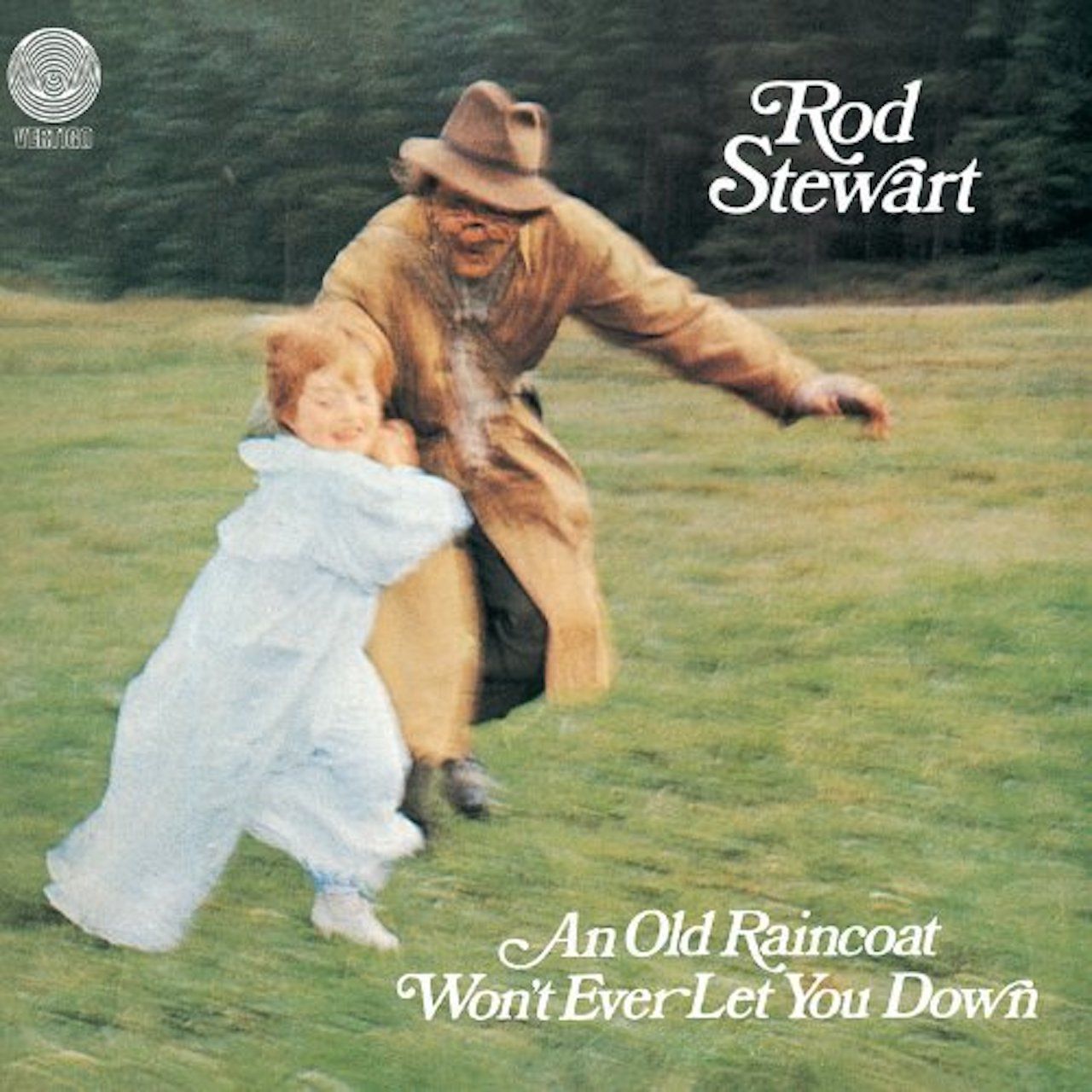
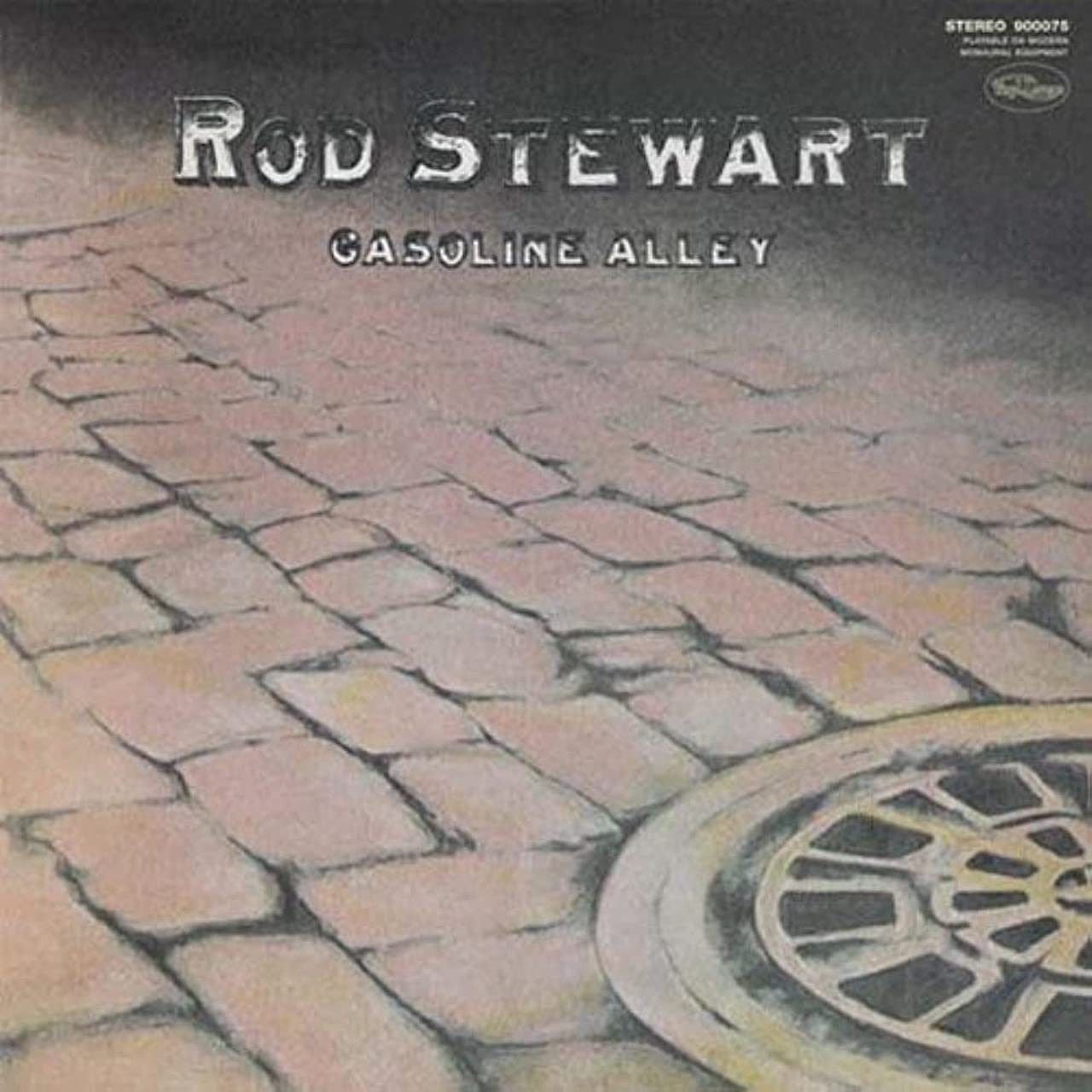
When it comes to the deployment of the ultimate rock vocal, that indefinable sand, glue, honey, whisky, grit ’n’ gravel cocktail that speaks of a life well-lived and more than a few hearts broken, there’s no one quite like Rod Stewart.
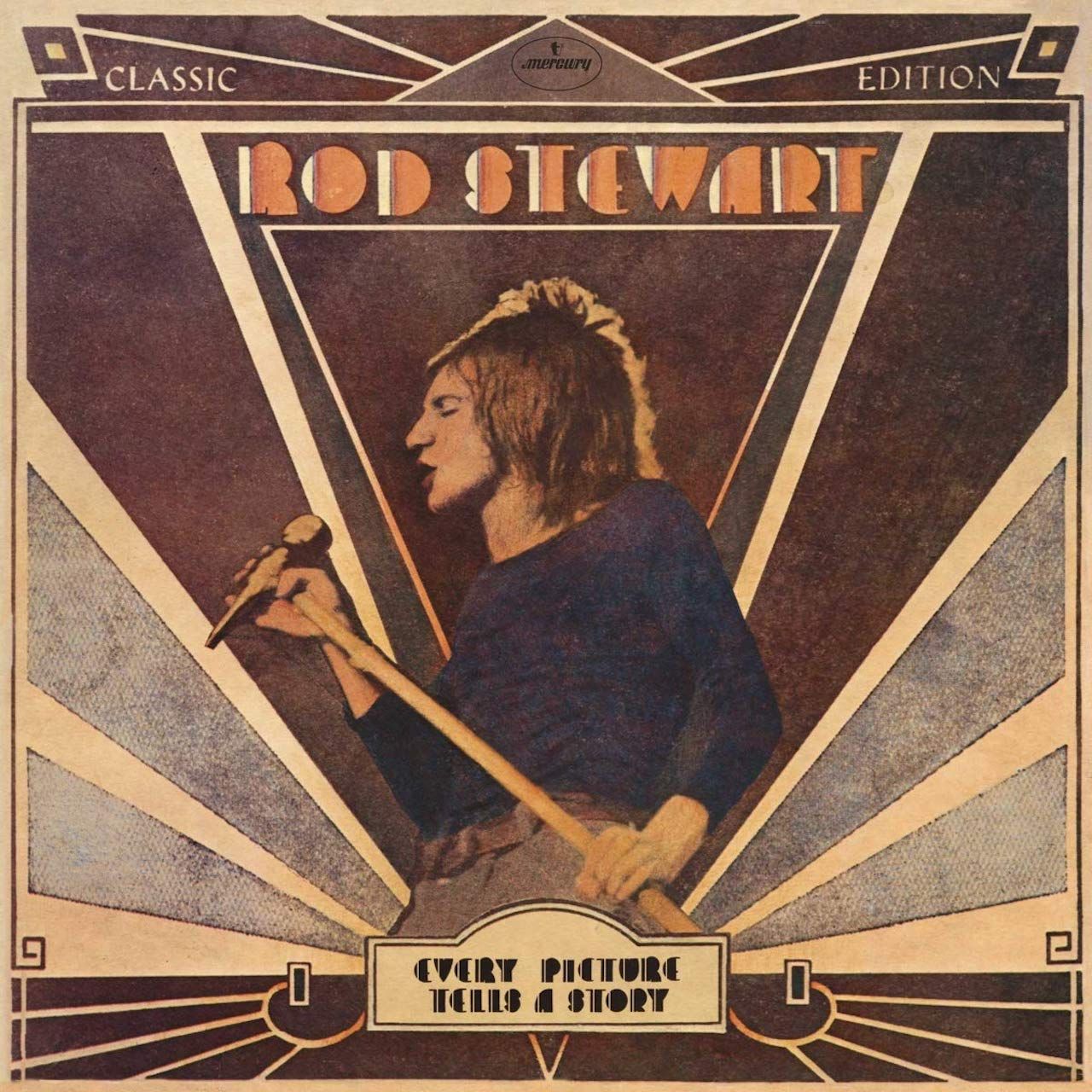
Following a formative apprenticeship on London’s R’n’B scene and fronting The Jeff Beck Group, Stewart enjoyed a concurrent success with the Faces as his solo career exploded in 1971, when his pivotal third album, Every Picture Tells A Story, and its attendant Maggie May single, simultaneously topped charts on both sides of the Atlantic.
He went on to dabble in everything from disco to the Great American songbook, bagging a knighthood in the process, and now he’s finally beginning to wind down, with a farewell tour announced for 2027. But these are the six essential Rod Stewart solo albums.
Rod’s solo account opens with an absolutely belting version of Mick Jagger and Keith Richards’ Street Fighting Man. How good was it? Well, that guitarist Ronnie Wood and keyboard player Ian McLagan both ended up playing with the Rolling Stones certainly speaks in its favour.
Elsewhere on the record (originally released in the US as The Rod Stewart Album) a definitive take on Mike D’Abo’s Handbags And Gladrags reveals Stewart’s unerring ability to inhabit even the most personal lyric and unerringly make it his own, while its gloriously chaotic title track is a full-tilt Faces carouse in all but name.
Its opening title track, and sole Stewart/Wood-credited composition, shines brightest on a second album (recorded directly in the wake of the Faces’ First Step debut) that again captures Stewart’s remarkable way with a cover.
Both Rod originals Lady Day and Jo’s Lament reveal a wild-hearted, wistful, romantic folkie at heart, but where he truly makes his mark is on spirited versions of Eddie Cochran’s Cut Across Shorty (latterly a Faces live favourite), Little Richard’s You’re My Girl (I Don’t Want To Discuss It) and, the album’s only single, Bobby and Shirley Womack’s (irrevocably Rolling Stones-associated) It’s All Over Now.
This is where it all came together, Lad’s rock’s ground zero. The all-conquering album that proved beyond doubt you didn’t have to be a denimed-down Laurel Canyon nepo posho to be a singer-songwriter, you could be a geezer, a swordsman, an itinerant, footie-literate, hedge-backwards boozer of no fixed hairstyle.
From a wildly un-PC, Maggie Bell-soaked title dust-up, to an entirely sublime reading of Tim Hardin’s Reason To Believe, via a full-throated assault on The Temptations (I Know) I’m Losing You, a blissful Mandolin Wind and an utterly unassailable Maggie May, this end-to-end seventies essential represents Rod The Mod in excelsis.
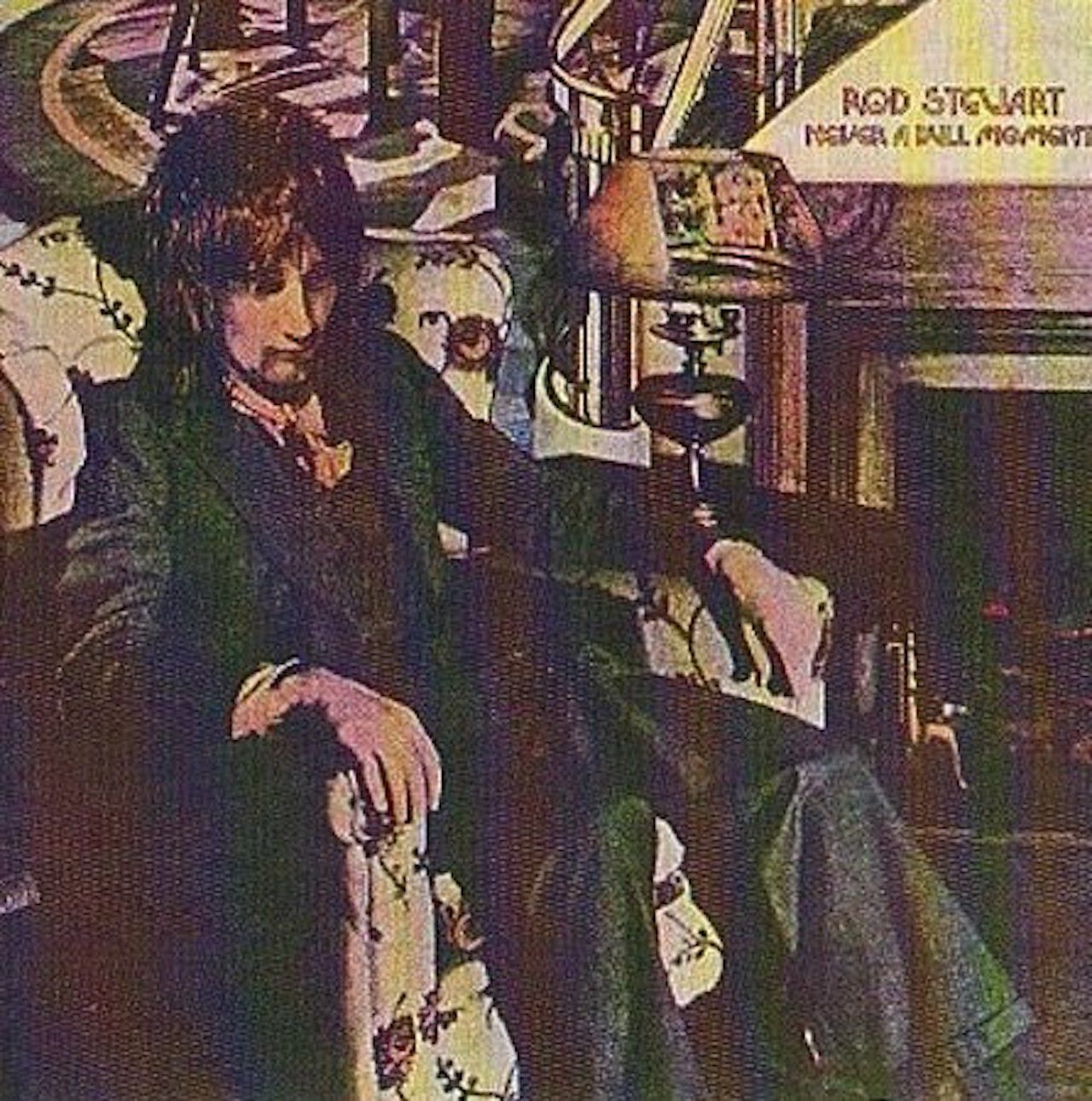
Not exactly a clone of Every Picture… save to say this chart-topping follow-up owes much to its esteemed predecessor in terms of pacing and mood.
From the glorious wheel-spinning Stewart/Wood opener True Blue to a seemingly off-the-cuff clatter through (Rod blueprint) Sam Cooke’s Twistin’ The Night Away by way of joy-filled finale, Never A Dull Moment captures a fame-glazed (check the cover) Rod operating at the peak of his powers. Lost Paraguayos is as irresistible as it’s incorrigible and Italian Girls almost more Stones than even the Stones. And then there’s You Wear It Well. A stone cold classic.
Following the introductory arfs of a barking dog, Ronnie Wood riffs out a feral, off-the-leash version of Chuck Berry’s Sweet Little Rock ’N’ Roller that – with hindsight – only seems to scream “Please may I be in The Rolling Stones now?”.
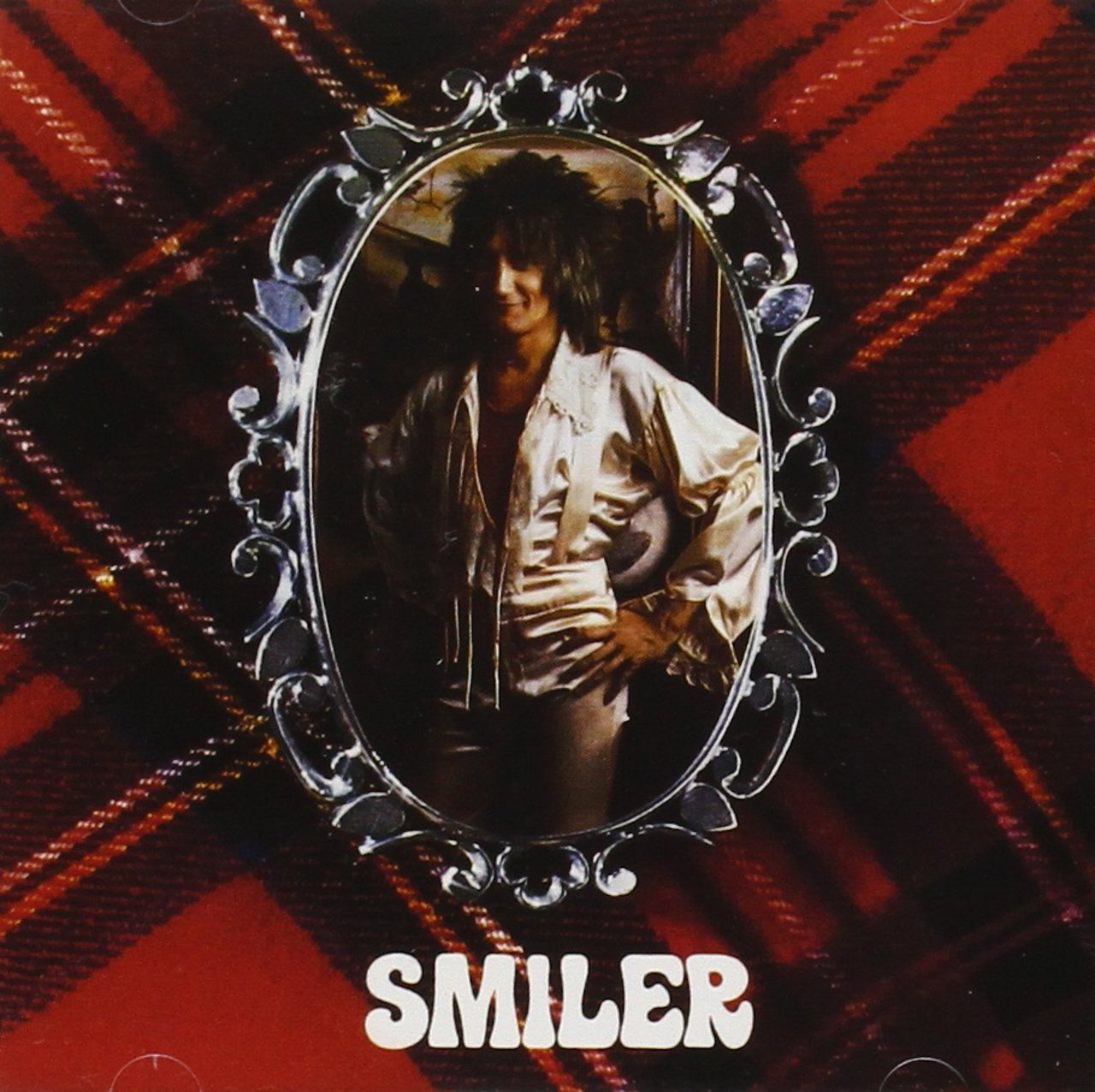
Smiler marks the end of an era. Without the grounding presence and influence of the Faces, Rod Stewart would never make records that sounded quite so much like an impromptu after-hours lock-in had broken out in the studio again. Smiler’s a customarily overlooked album, but Stewart/Wood swansong Sailor is magnificent, and Sam Cooke’s You Send Me, a complete joy.
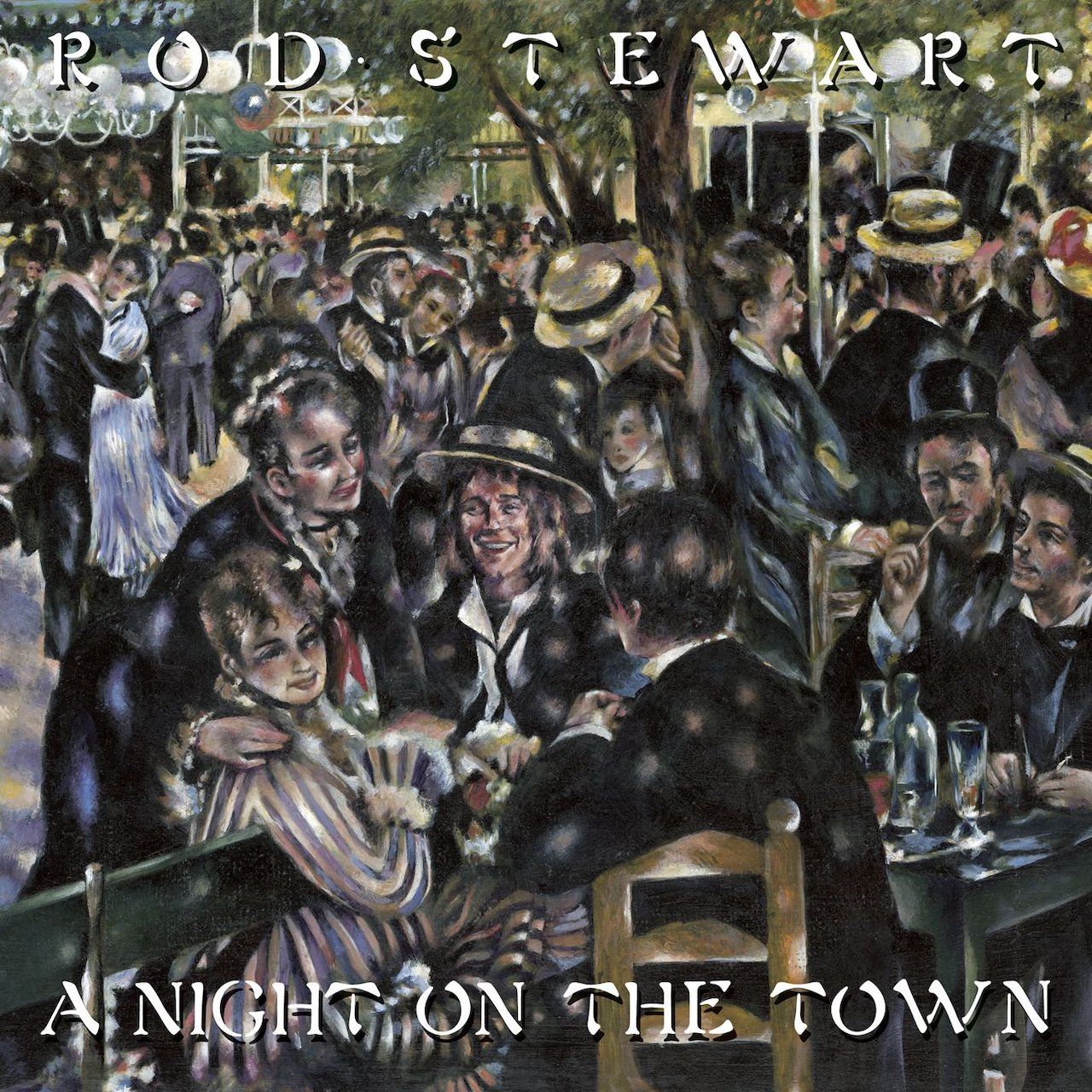
Following his first post-Faces collaboration with Tom Dowd (Atlantic Crossing) where Stewart got to enjoy his own Mull Of Kintyre moment with the ultimately wearing, if inescapable, ocean-going strains of Sailing, A Night On The Town not only features the questionable charms of Britt Eklund-encumbered defloration ditty Tonight’s The Night (Gonna Be Alright), but also the brave-for-its-time The Killing Of Georgie (Parts I And II).
An accomplished six-minute plus track, …Georgie (also a hit single) recounts the true story of a gay Faces associate killed for no other reason than his sexuality. Meanwhile Rod original The Balltrap rocks like a dry-run for Hot Legs.
Did you ever watch the video of TV On The Radio playing “Wolf Like Me” on David Letterman’s Late Show in 2006? It’s one of the all-time great TV performances. TVOTR were young and hungry, and they’d just made the single most anthemic song of a great career. They’d never been on TV before, and they attacked that stage with a fire-eyed intensity that somehow came through clearly on television. It’s fucking awesome. Why am I even talking about this? If you’ve never seen it, you should watch it right now. If you have seen it, you should watch it again right now.
By 1976, Billy Joel was a star; in 1976, he surpassed that status. “New York State Of Mind” may have never been released as a single, but this number gave a mighty heft to the “Turnstiles” album it arrived on, … Continue reading →
Just a few short weeks ago, Swedish crust legends Disfear announced that drummer Marcus Andersson died after a battle with an aggressive brain tumor. Not much more than a year before that, vocalist Tomas Lindberg—also of melodic death metal institution At the Gates—lost his own battle with cancer, 14 years after bassist Henke Frykman passed away, also via complications from cancer. What was not yet known was that Lindberg and Andersson had completed recording recording for The Last Nail, the first Disfear album since 2008’s Live the Storm.
Announced earlier today, The Last Nail is a triumphant moment, proof that, despite everything, Disfear are still torchbearers of the D-beat and crust sound. You can listen to “Early Graves,” the first track shared from The Last Nail (out November 20 on Relapse), and read an interview with founding guitarist Björn Peterson about the album, loss and moving forward to honor those who can’t.
The Last Nail is the first Disfear release in nearly two decades, but it comes after the loss of three band members—bassist Henke Frykman in 2011, vocalist Tomas Lindberg in 2025 and drummer Marcus Andersson just days ago. How did Disfear find it in yourselves to carry on as a band after facing such loss?
When Henrik left us back in 2011, it was a huge shock, even though we knew he was ill. We sat down in our rehearsal room right after his funeral and all agreed that we wanted to carry on. In a way, it was how the rest of us processed and dealt with the loss of a close friend.
Looking back on my own experience, I guess that was some sort of preparation for what was to come with Tomas and Marcus, even though you can never, ever be prepared for situations like these. We’re still far from being over it, and most likely never will be.
Being hardened by the loss of close friends, sharpened by life, and using grief as fuel to keep some sort of light on the horizon—that has become a driving force for me personally, and a way to keep moving forward.
The final song on the album, “The Last Nail in the Last Coffin on Earth,” was started back in 2012, which means some of the songs here are pretty old. How has the album changed musically from when you began work on it?
The outcome of the album isn’t that different from the vision we had when we started the writing process, at least not as I remember it. Of course, over such a long period of time, influences come and go, and if we had released it ten years ago, it would most likely have sounded somewhat different and perhaps more unbalanced.
At one point during the process, we selected the songs we wanted to focus on in order to find the nerve—the “red thread”—that would run through the whole album. That was kind of a turning point for us. It brought us closer together, gave us a clearer direction, and pushed us to finish the songs and finally step into the recording process.
When Disfear began to work on The Last Nail, the band was grieving Henke Frykman’s recent passing. As it approaches release, Tomas Lindberg and Marcus Andersson are no longer with us. Has the meaning behind the songs changed or expanded for you?
Personally, I’d say they have both changed and expanded. Memories from the writing and recording process come and go, which makes the songs feel even more special than I believe they would have had if Marcus and Tomas were still with us.
When it came to the lyrics, that was mainly Tomas’ part of the process. The rest of us weren’t really involved, apart from working on phrasing and bouncing ideas around, particularly when it came to the backing vocals. We knew the lyrics were great, and we could all stand behind them. It was just something that came naturally.
Now that he’s gone, I find myself seeing and reading the lyrics in a different way, which gives them a deeper and more expanded meaning for me.
The recording process was done at two studios—GodCity in Salem, MA and Welfare Sounds in Gothenburg. Was it difficult splitting the time between two locations?
I’d say that the recording process itself wasn’t that difficult, even though it was split between different locations. It was more the mixing process that became difficult—maybe “near impossible” is a more accurate way to describe it from our perspective, given everything that was happening and the timing involved.
We rescheduled the mixing with some distance from Tomas’ passing and funeral, and moved to Redmount Studios, where we worked with Magnus Lindberg (Cult of Luna) on the mix before finalizing the album with mastering by Sören Von Malmberg at Cosmos Mastering. Both studios are located in Stockholm, Sweden.
When we made the final decision to go ahead with the recording process, we had a really hard time deciding where to record. The only thing that was clear from the beginning was that we wanted to record the vocals at Welfare Sounds.
Obviously, going to Salem, Massachusetts, and recording the rest with Kurt at GodCity was our first choice, but, at the same time, it was quite a project and there were also financial considerations involved. The final decision was largely connected to Marcus’ situation. For him, recording with Kurt at GodCity was sort of a safe zone. There were other factors weighing in as well, of course, and we knew exactly what we would get from working with Kurt.
All of this was happening during an incredibly difficult period. We were aware of Tomas’ diagnosis, while at the same time knowing that, with Marcus, we were in a race against time. Our aim had been to complete the recording, mixing and mastering in a much shorter period, but given the circumstances, we simply couldn’t.
We are eternally grateful to everyone involved for their professionalism and patience during those difficult times, and for understanding our concerns and worries as we tried to do the best possible job of making the album the way Henrik, Tomas, and Marcus had wanted.
On the day he tracked his vocals, Lindberg was only supposed to make edits to existing vocal demos; instead, he knocked the whole thing out, as we hear it on the album. How did the band react upon hearing it?
Actually, most of the band were there with Tomas in the studio when he tracked it. Unfortunately, I couldn’t make it that day, but I got some very positive texts and pictures from the studio. To be honest, we didn’t pay that much attention to the tracks that weren’t meant to be recorded that day. Our main focus was on the edits and getting the demo tracking completed. At that stage, it was already clear to us that all the vocals would be re-recorded during the actual album sessions.
When we realized that we had to use the recorded tracks and got to hear them in the studio while preparing to record the backing vocals, I think we were all kind of blown away. There was never any question about using them on the album.
Ulf and I talked specifically about this the other day, and with a bit of distance from the recording, mixing, and mastering process, we concluded that Tomas’s performance on this album is the best he has ever done with Disfear. It fits the whole vibe of the album perfectly.
In all this grief and sorrow, it’s clear to us that Tomas left us with something truly special. His performance on this album is a beautiful final statement, and we feel incredibly proud of what he gave us. He went out on top.
There’s a definite rock ‘n’ roll feel to The Last Nail—a little more free than previous releases without losing the intensity. Was this a conscious songwriting/production choice or just how you evolved as songwriters over the years?
The songwriting came naturally over the years, and during the demo tracking, Ulf started to get a feel for the vibes and the strategy for how we would record it at a later stage. That, together with all of us evolving and gaining more experience, shaped the way the album eventually turned out.
We all grew up with rock and punk in the ’70s and early ’80s, and that stayed with us. Now, as we’re stepping into a more mature part of life, there are no given rules for how we should write or produce music. With that said, we simply do what we like. If other people like it too, we’re humbled and genuinely thankful.
It’s still hard for us to actually evaluate the result, though. Listening to the album is such an emotional roller coaster after having lived with it for all these years and considering everything that has happened along the way.
What does the future of Disfear look like? Will the band ever return to the stage or studio again?
We take one step at a time. That has been kind of a mantra for us during the past few years, with everything that has happened. Right now, our focus is on bringing The Last Nail out as a tribute to our friends who are no longer with us.
At the same time, the rest of us are still here, and the thought of playing these songs live is something that brings a little light to the end of the dark tunnel. We’re not ruling out the future of the band. We didn’t do it when Henrik left us, and we won’t do it now after losing Tomas and Marcus.