The Spinners began in Ferndale, Michigan, in 1954 as the Domingoes, formed by a group of young singers that included Henry Fambrough, Billy Henderson, Pervis Jackson, C.P. Spencer, and James Edwards. Bobbie Smith soon replaced Edwards, and by the early 1960s the group had become The Spinners and started recording for Harvey Fuqua’s Tri-Phi label. Their first national hit, “That’s What Girls Are Made For,” arrived in 1961 before the group moved into the Motown system later in the decade. Motown never turned them into the stars they should have been, although “It’s a Shame” finally gave them a major
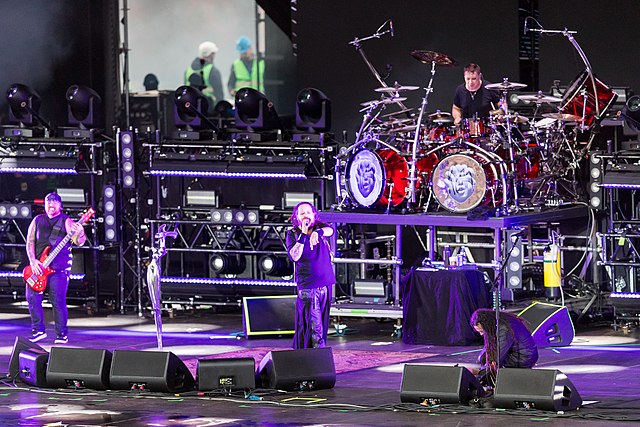
Korn formed in Bakersfield, California, in 1993 and became one of the bands most responsible for bringing nu metal into the mainstream. James “Munky” Shaffer, Reginald “Fieldy” Arvizu, and David Silveria came out of L.A.P.D. before Jonathan Davis and Brian “Head” Welch completed the original lineup. Their 1994 self-titled debut introduced a brutal mix of down-tuned guitars, hip-hop-influenced rhythms, funk bass, and intensely personal lyrics. Life Is Peachy pushed that sound further, while Follow the Leader and Issues turned Korn into one of the biggest heavy bands in the world. Songs such as “Blind,” “Freak on a Leash,” and “Falling
Transmission update: as we prepare to welcome the next evolution of Australia’s largest travelling music celebration in 2026, the network has expanded. At Good Things Festival in 2026, the three festival dates in Melbourne, Sydney and Brisbane this December will be the only place to exclusively catch LIMP BIZKIT, SIMPLE PLAN, SPIRITBOX, BAD RELIGION, ALEXISONFIRE, […]
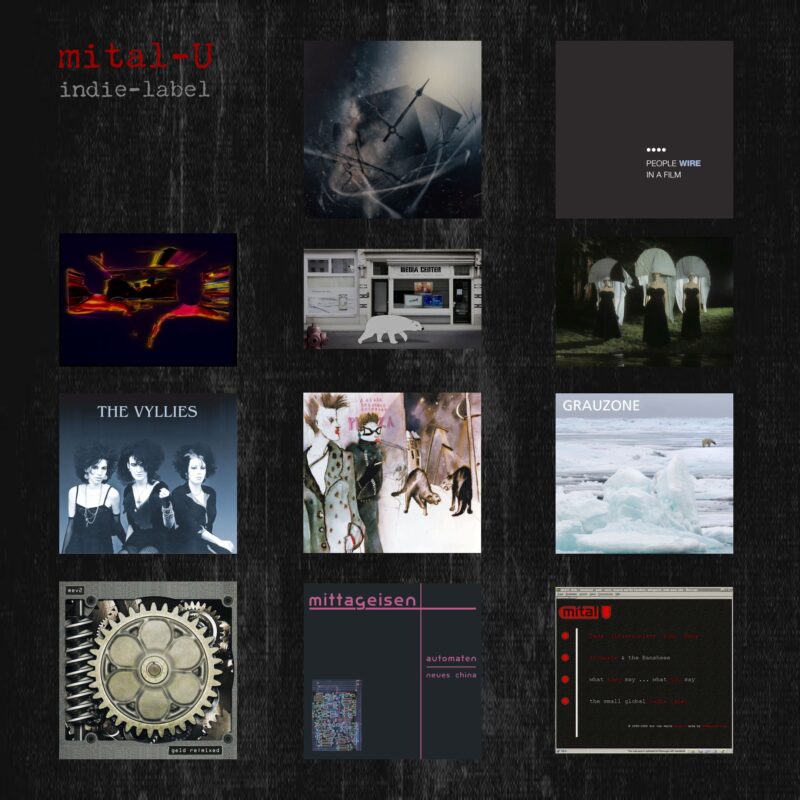
The history of mital-U begins well before there was a label to put on a record. In July 1979, Bruno Waser met members of the Lucerne band CRAZY at a Siouxsie and the Banshees concert in Baden. A year later, he produced CRAZY’s No Chance, regarded by mital-U and the Swisspunk archive as the first independently produced Swiss punk LP. The record preceded mital-U by sixteen years, but the encounter established the pattern that would eventually define the label: small-scale independence, personal relationships, and an interest in preserving culture that commercial institutions often overlook.
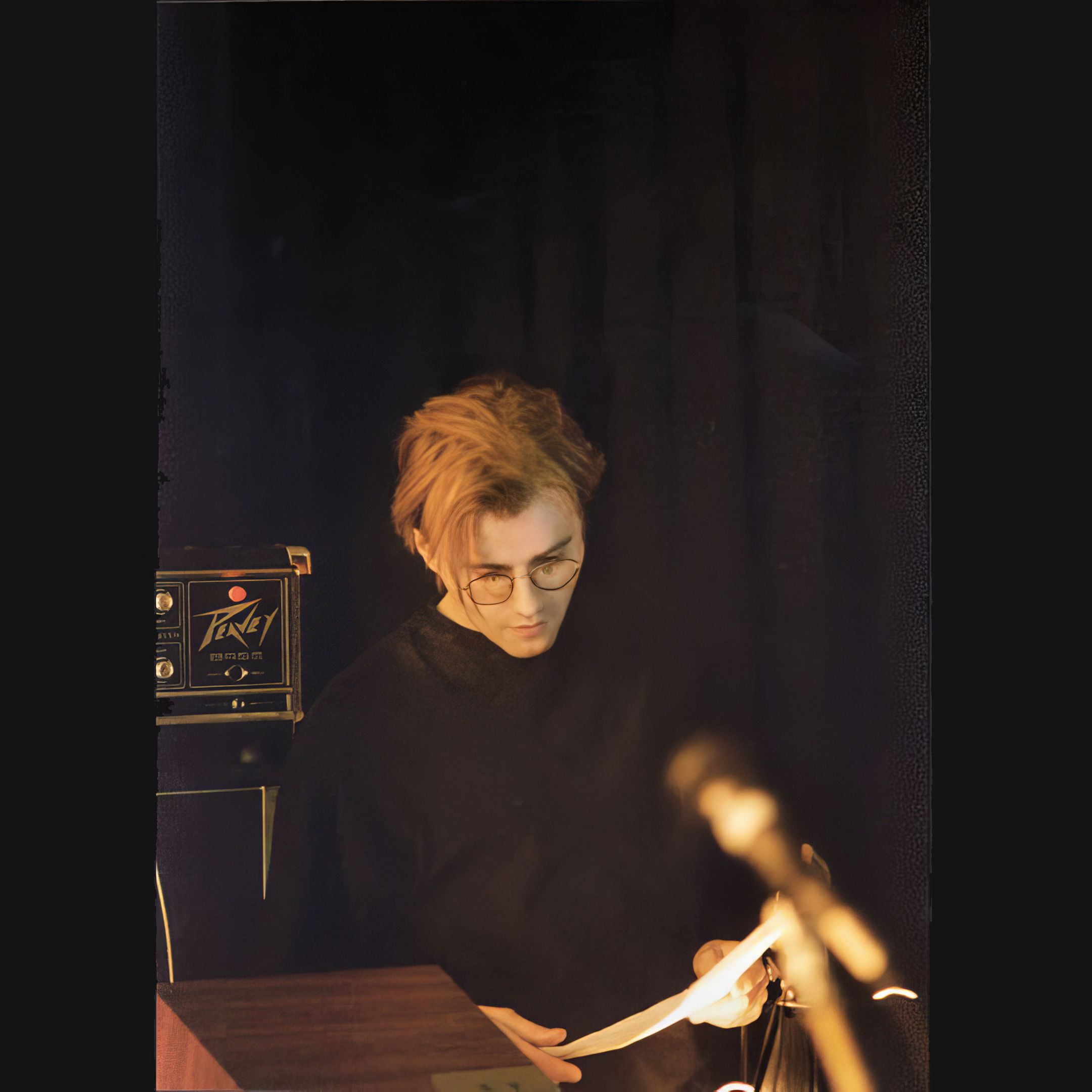
Waser soon formed mittageisen, among Switzerland’s early German-language post-punk groups, combining guitar and bass with analogue synthesizers and drum machines. Their 1985 single automaten travelled considerably farther than their home country, receiving international radio play from John Peel. When mittageisen ended in 1986, Waser stepped away from the project, returning in the 1990s as mev2, or mittageisen version 2, where music became increasingly entangled with computers, animation, and moving images.
Bruno W of mittageisen, 1983
That convergence supplied the foundation for mital-U. Its first website appeared in August 1995, at a moment when an independent music label having any substantial presence online was still unusual; the formal label and mital-u.ch domain followed in early 1996. Even its name carries several overlapping ideas. “mital” joins the German Mittag with “metal,” while the “U” can stand for You, Urban, or Underground.
Over the next decade, mital-U issued mev2’s Geld-Arbeit, worked with former Grauzone member Marco Repetto, released Toini’s Electronic Biscuits, and participated in the Swiss Kult-Hits compilations, where Swiss punk and wave shared space with Yello, Kleenex/LiLiPUT, Grauzone, The Young Gods, and Stephan Eicher. By the late 2000s, however, another aspect of the label had become especially important: recovery.
Between 2008 and 2013, mital-U released substantial remastered collections devoted to mittageisen, Grauzone, and the Lausanne trio The Vyllies. Master recordings were restored and digitized; photographs, booklets, unreleased material, and period videos were gathered alongside them. Waser has said that archival releases are undertaken with the bands’ approval, with trust and direct relationships treated as essential parts of the process. Across these projects, the catalogue offers several points of entry into Swiss punk, darkwave, and electronic music, each shaped by a different set of musicians and circumstances.
CRAZY
Lucerne’s CRAZY supplied the practical education behind Waser’s later label work. Formed in 1979, the group belonged to the first generation of Swiss punk bands, with a lineup that included vocalist Urs Knüsel, guitarist René Kaufmann, bassist Markus Tremp, and drummer Christoph Buri. In Waser’s account of the period, Swiss punk grew from frustration with bourgeois respectability and boredom, a local response to a movement whose methods could be adopted wherever people felt the need to make something happen themselves.
The independently produced No Chance established that approach on record in July 1980. The later CRAZY (1980–1982) compilation gathers 18 remastered tracks drawn from the LP, the subsequent EP, and additional recordings, accompanied by a booklet. Its place in the catalogue gives the label’s post-punk history a concrete starting point: the bands, friendships, and self-organized releases that made the next developments possible.
mittageisen
Founded by Waser in 1981, mittageisen brought analogue synthesizers and programmed rhythm into contact with guitars, bass, and German-language vocals. Their self-titled debut, released in March 1983, helped establish the group within the early Swiss darkwave scene and earned Record of the Week recognition on the Swiss radio programme Sounds! The band’s name also carried a connection to John Heartfield’s antifascist photomontage and Siouxsie and the Banshees’ Mittageisen, extending Waser’s interest in the relationship between music, images, and political expression.
By the January 1985 release of automaten / neues china, mittageisen had developed a more explicitly electronic, dance-oriented approach. The 1981–1986 Remastered collection, issued by mital-U in 2008, follows that development across 19 tracks, including six previously unreleased recordings, with a 24-page booklet. Further editions have kept individual parts of the catalogue in circulation, including the 2016 vinyl reissue of automaten / neues china and the five-track digital EP 1983 Remastered, released in 2024.
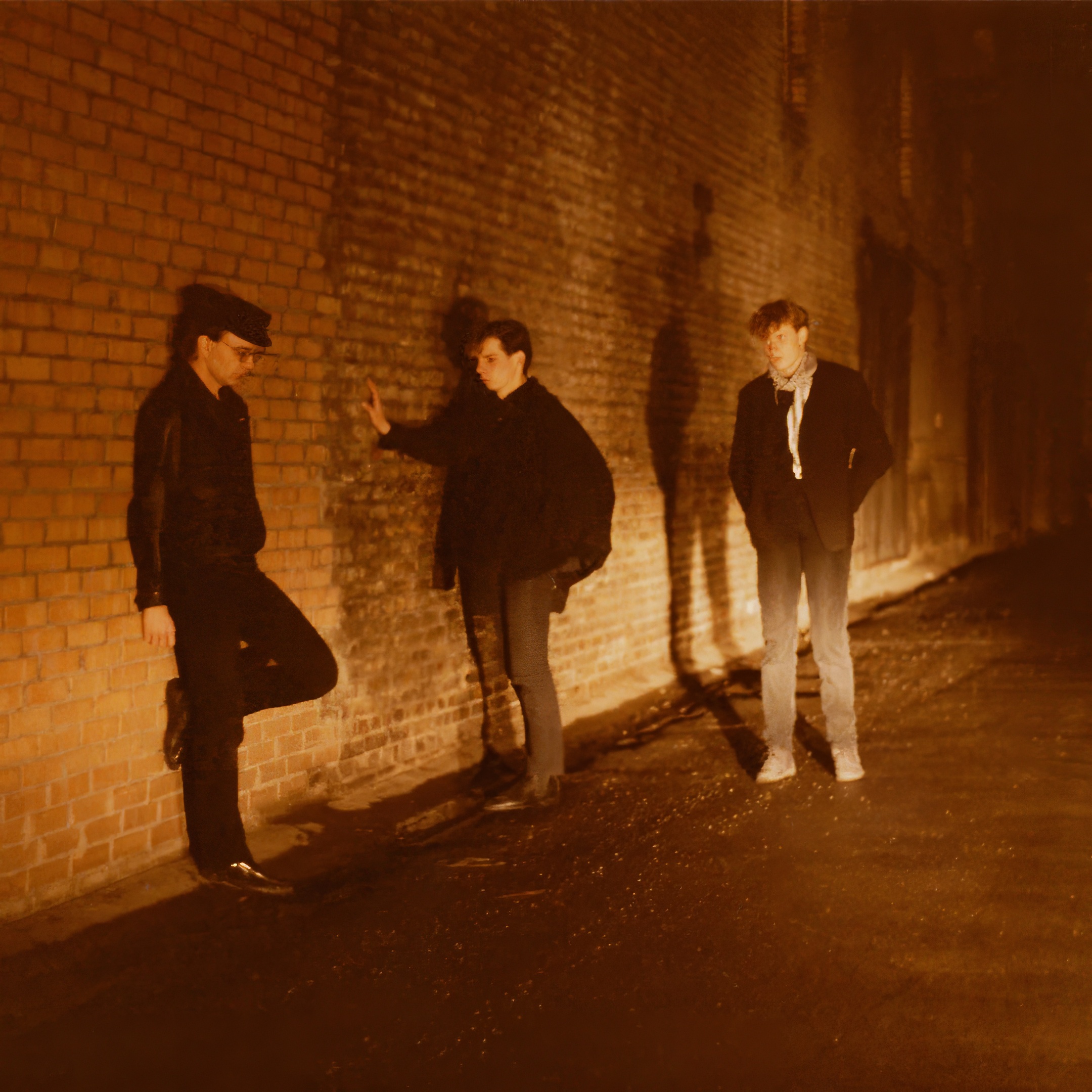
mittageisen, 1982
Grauzone
For many listeners, Grauzone will provide the most familiar introduction to mital-U’s archival work. The Bern group took shape in late 1979 around Martin Eicher, drummer Marco Repetto, and bassist G.T., with Stephan Eicher and saxophonist Claudine Chirac contributing to performances and recording sessions. Eisbär, first recorded for the 1980 compilation Swiss Wave – The Album, brought the band international recognition, reaching the singles charts in Austria and Germany. Their brief existence nevertheless extended beyond that one song, encompassing material such as Raum, Moskau, and Film 2 before the group dissolved in 1982.
Working with Off Course Records, mital-U restored and digitized recordings for 1980–1982 Remastered, released in 2010. The two-CD edition assembles 21 tracks and a 24-page booklet, including the English-language Polar Bear and a live recording of Plastikherz. In 2011, mital-U also produced the first official video for Eisbär. Together, the collection and video place the familiar single within a fuller account of the musicians who made it.
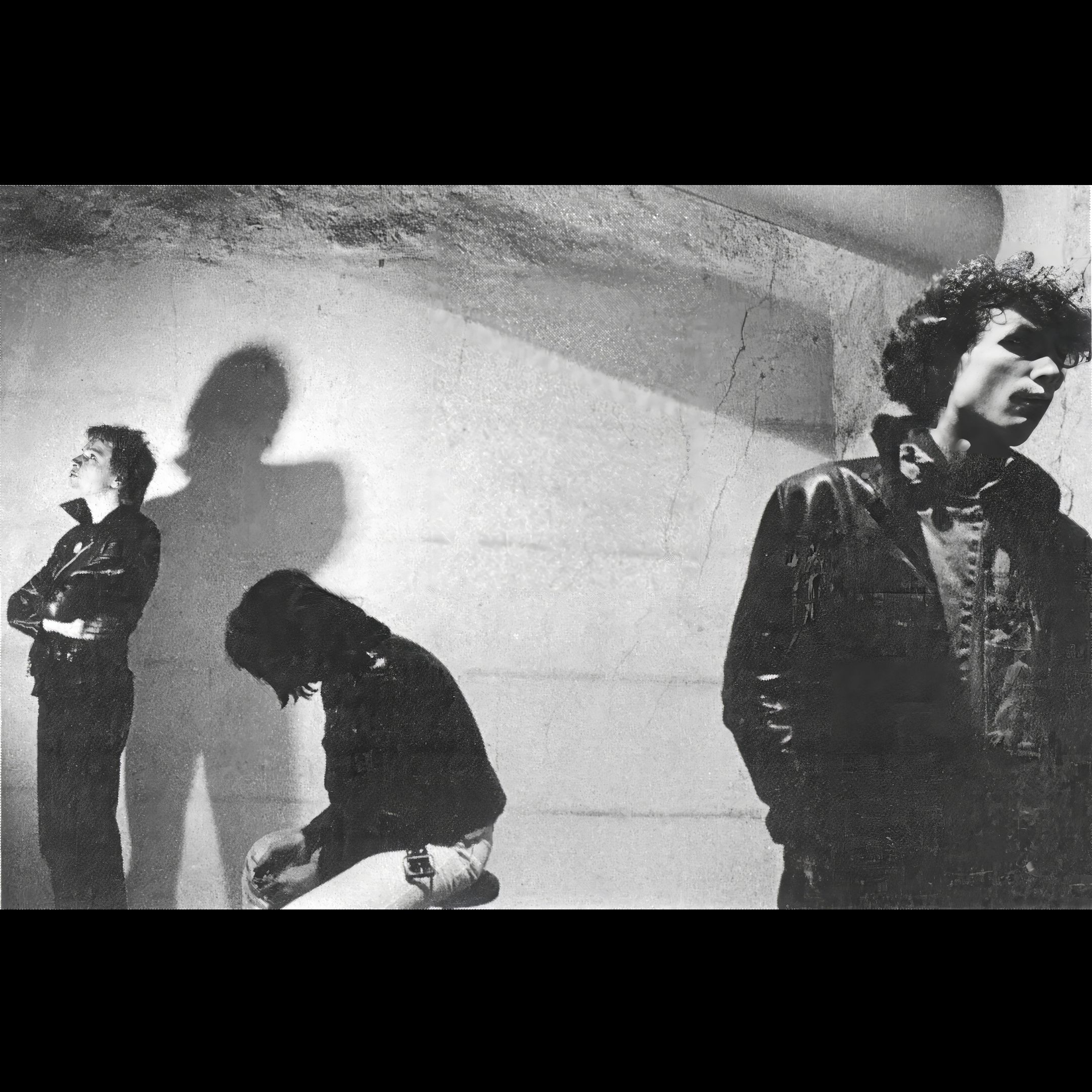
Grauzone, 1980
The Vyllies
Lausanne trio The Vyllies opened another part of Switzerland’s underground to international listeners. Ilona Prism, Ursula Nun, and Manue Moan met at the University of Lausanne in 1983 and began writing their own songs out of a shared concern about women’s place in the music business. Their first five-track release was recorded in Athens that December after an introduction through the Greek band Yell-O-Yell. Subsequent recordings brought cello, violin, and piano into their combination of synthesizers, bass, percussion, and vocals, giving their gothic and coldwave music a distinctive instrumental range.
Across Velvet Tales, Lilith, and Sacred Games, the group developed a body of work that included Ahia, Whispers in the Shadow, and Now We Fall, before separating in 1988. Released in 2013, mital-U’s 1983–1988 Remastered gathers 29 tracks across two CDs, accompanied by a 24-page booklet. The label’s restoration work has also extended to Urs Egger’s video for Whispers in the Shadow, preserving the visual dimension of a band whose theatrical presentation was closely connected to its music.
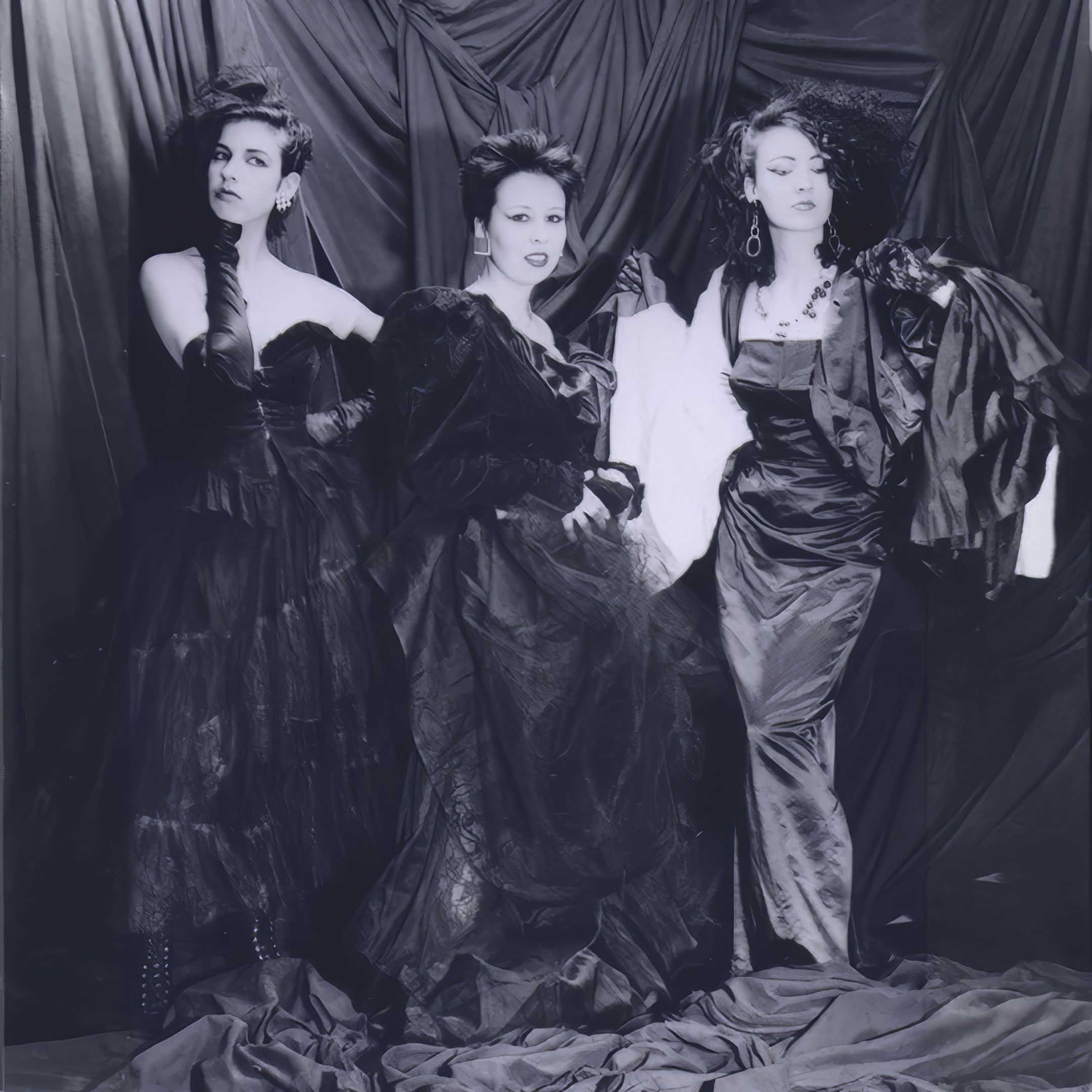
The Vyllies, 1985
mev2 and Toini
Waser’s own mev2 project connects the label’s historical interests with continuing musical activity. Begun in 1994, eight years after mittageisen’s dissolution, it gave him a setting for further work with electronic music and video. The 1998 Geld-Arbeit releases brought Marco Repetto into the project as a remix collaborator, carrying a friendship from the Swiss punk years into techno and ambient music.
That collaboration also informed Electronic Biscuits, released in 2002 and reissued digitally in 2022 as mev2 feat Toini. Raffaela Felder contributed voice, guitar, and electric piano, with Waser providing synthesizers and samples and Repetto joining him on remixes. More recently, mev2 has returned to mittageisen material through automaten (-6y edit) in 2023 and bestaendigkeit der erinnerung (v2) in 2025. These reinterpretations make the relationship between the label’s archive and its current work particularly direct: the same recordings can remain available in their original form while supplying material for new arrangements.
Wire
With Wire, mital-U’s interest in documenting post-punk extends into a feature film. The British group behind Pink Flag, Chairs Missing, and 154 is the subject of Wire – People in a Film, directed and produced by Malcolm Boyle and written by Graham Duff in collaboration with the band. Waser became involved through the project’s 2019 crowdfunding campaign and serves as senior executive producer, with mital-U working alongside Underground Head Films on production and promotion, including planned DVD and Blu-ray editions.
The project draws on filming at Rockfield Studios and interviews with Colin Newman, Graham Lewis, Robert Grey, Bruce Gilbert, and Matthew Simms, examining the people and working methods behind Wire’s music. In a September 2025 update, the filmmakers outlined plans for screenings in 2026 to mark the band’s fiftieth anniversary, followed by a full release in 2027 for the fiftieth anniversary of Pink Flag. Those dates were presented as intentions, with the film still being completed.
Material from the documentary has already appeared in Boyle’s video for 23 Years Too Late (24 Years Later Edit), unveiled in March 2026. The video accompanied the announcement of Read & Burn 03+, an expanded edition of Wire’s 2007 EP issued through the band’s own Pinkflag label for Record Store Day 2026. It offers an early look at the archival footage informing the film and connects that work to Wire’s continuing reassessment of its recorded catalogue.
Beyond the Records
Waser’s film work also includes an executive producer credit on Celeste Bell and Paul Sng’s Poly Styrene: I Am a Cliché, which premiered in 2021. Recent mev2 releases have also participated in EarthPercent fundraising, directing proceeds toward environmental causes.
Now thirty years old, mital-U occupies an unusual position between label, archive, production house, and cultural workshop. Its catalogue moves backward and forward at once: restoring recordings from Swiss post-punk history while releasing new mev2 material, producing films and videos, maintaining an extensive online archive, and using revenue left after expenses and artist payments to support future projects or environmental and social causes. For Waser, preservation appears to be an active practice, requiring old material to remain available, contextualized, and capable of entering the present again.
TIM MCGRAW makes Dallas personal on the PAWN SHOP GUITAR TOUR at Dos Equis Pavilion with a local guitar giveaway, a moving 9/11 reflection, family memories and career-spanning hits.
September 19 – Portland, OR – Keller Auditorium * Now November 10
Tickets for Vancouver and Portland will be honored on the rescheduled dates. Tickets for the canceled Chateau Ste. Michelle show will be refunded, and a special pre-sale for those ticket holders will take place on Thursday, September 17th at 10am local time ahead of 10am Friday, September 18th general on-sale for the November 8 show at Benaroya Hall in Seattle.
09/22/26 – Santa Barbara, CA – Santa Barbara Bowl
09/23/26 – Los Angeles, CA – Greek Theatre
09/25/26 – San Francisco, CA – The Masonic
09/26/26 – San Francisco, CA – The Masonic
10/01/26 – Morrison, CO – Red Rocks Amphitheatre
10/03/26 – Omaha, NE – Steelhouse Omaha
10/04/26 – Kansas City, MO – Uptown Theater
10/06/26 – Milwaukee, WI – Landmark Credit Union Live
10/07/26 – Minneapolis, MN – Orpheum Theatre (SOLD OUT)
10/09/26 – Chicago, IL – Auditorium Theater
10/10/26 – Chicago, IL – Auditorium Theater
10/12/26 – Detroit, MI – Fox Theatre
10/14/26 – Toronto, ON – Massey Hall
10/15/26 – Toronto, ON – Massey Hall
10/17/26 – Boston, MA – MGM Music Hall at Fenway
10/18/26 – Philadelphia, PA – The Met Philadelphia presented by Highmark
10/22/26 – Brooklyn, NY – Brooklyn Paramount
10/23/26 – Brooklyn, NY – Brooklyn Paramount (SOLD OUT)
10/25/26 – Washington, DC – The Anthem
10/27/26 – Durham, NC – Durham Performing Arts Center
10/28/26 – Asheville, NC – Thomas Wolfe Auditorium (SOLD OUT)
10/30/26 – Atlanta, GA – Coca-Cola Roxy
10/31/26 – Nashville, TN – The Truth
11/8/26 – Seattle, WA – Benaroya Hall * NEW VENUE – Rescheduled from September 18
11/9/26 – Vancouver, BC – Queen Elizabeth Theatre – Rescheduled from September 16
11/10/26 – Portland, OR – Keller Auditorium – Rescheduled from September 19
Canada has produced its share of internationally recognized blues artists, but Steve Marriner believes several of the country’s finest players still deserve considerably more attention south of the border.
During an appearance on the Blues Rock Show, the JUNO Award-winning Canadian singer, songwriter and multi-instrumentalist was asked about Canadian blues musicians he believes American audiences should know. Marriner quickly pointed to four artists, ranging from one of his favorite living guitarists to a veteran whose connection to the blues stretches back to Muddy Waters.
“Garrett Mason is at the very top of the list. He’s, for my taste, my favorite blues guitar player alive.”
Mason, the son of Canadian blues musician Dutch Mason, has developed a reputation for a raw, distinctive approach to the guitar that draws heavily from traditional blues without simply recreating the past. Despite earning recognition in Canada, including a JUNO Award for I’m Just a Man, Mason has remained relatively under the radar for many American blues fans.
Marriner also singled out Keith Hallett, a guitarist from Fredericton, New Brunswick.
“There is another guitar player from Fredericton, New Brunswick named Keith Hallett, who has his very distinctive style. He’s fantastic.”
Hallett has built his reputation through a stripped-down approach rooted in blues, roots and traditional American music. His playing has earned praise within Canada’s blues community, but he remains a name many listeners in the United States have yet to discover.
Marriner’s next recommendation reaches much further back into Canadian blues history.
“There’s a guy who’s been playing blues in Canada since the late sixties named Big Dave McLean. He lives in Winnipeg, Manitoba. He was friends with Muddy Waters and used to open for Muddy when he’d come through the prairies of Canada in the seventies. He’s maybe one of the most authentic blues performers I’ve ever seen anywhere,” said Marriner.
Big Dave McLean has spent decades establishing himself as one of Canada’s most respected traditional blues musicians. Based in Winnipeg, McLean emerged during an era when many of the original architects of Chicago blues were still touring extensively.
For Marriner, that history isn’t simply an interesting footnote. It is part of what makes McLean’s performances stand apart. Calling someone “one of the most authentic blues performers” he has seen anywhere is particularly high praise coming from a musician who has spent much of his career immersed in blues and roots music.
“And then a guy from Toronto who’s another harmonica player and maybe my favorite blues songwriter, Paul Reddick is his name.”
Reddick has been an important figure in Canadian blues for decades, both as a performer and songwriter. While his harmonica playing is an obvious part of his musical identity, Marriner specifically pointing to Reddick’s songwriting reveals another side of what has earned him such respect among his peers.
Together, Marriner’s selections offer a glimpse into a Canadian blues scene that extends well beyond the handful of artists who have achieved widespread recognition in the United States.
Garrett Mason, Keith Hallett, Big Dave McLean and Paul Reddick represent different generations and approaches to the music, but Marriner sees something special in each of them. And for American blues fans looking beyond the familiar names, his recommendations provide four compelling places to start.
Watch Steve Marriner’s full interview on the Blues Rock Show below.
“Looking at it now as an adult, I understand that my personal interpretation of a symbol doesn’t erase its history or what it represents to other people.”

 Transmission update: as we prepare to welcome the next evolution of Australia’s largest travelling music celebration in 2026, the network has expanded. At Good Things Festival in 2026, the three festival dates in Melbourne, Sydney and Brisbane this December will be the only place to exclusively catch LIMP BIZKIT, SIMPLE PLAN, SPIRITBOX, BAD RELIGION, ALEXISONFIRE, […]