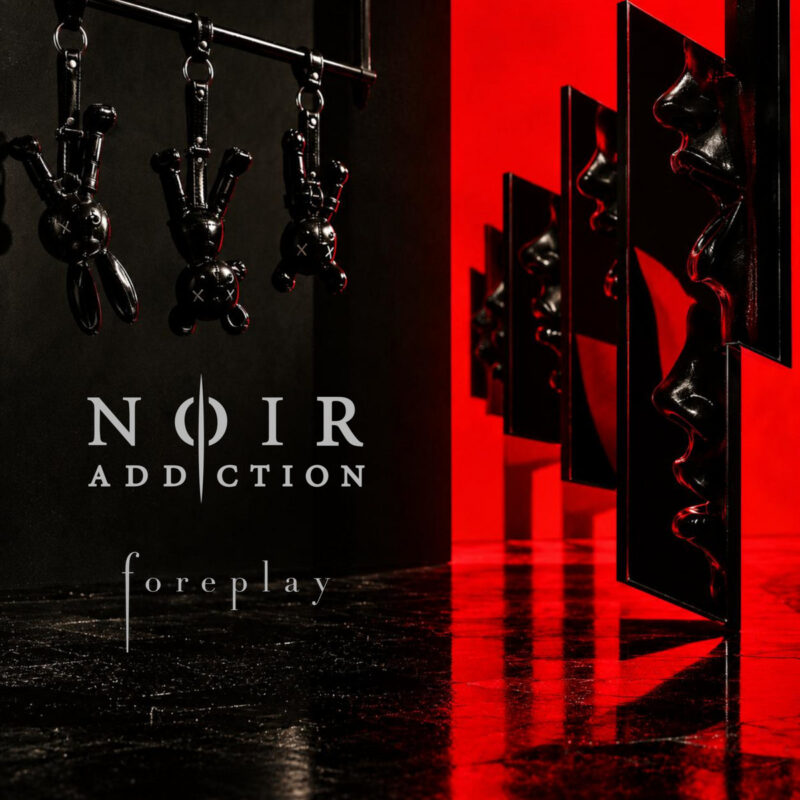
On the left side all the damaged toys They are all upside down when they look in a spoon On the right side all the filthy minds They sold their souls for the cheapest price
Desire has a nasty habit of dressing up our worst impulses as irresistible attractions. We pursue people who promise pleasure and deliver psychological wreckage, mistake emotional damage for depth, and occasionally discover that the object of our affection is every bit as disturbed as we are. Sex, after all, has always been an excellent advertisement for bad decisions. Somewhere between seduction and self-destruction lies the sordid little playground of Noir Addiction, whose new single, Foreplay, finds romance keeping company with alienation, disgust, and the peculiar absurdity of wanting someone you probably ought to avoid.
Released through 411 Music Group, Foreplay runs on a dense, insistent electronic beat that establishes its authority early and maintains a merciless momentum. The production has a physical, almost claustrophobic quality, drawing upon the industrial aggression of Nine Inch Nails, the seductive electronic sophistication of Depeche Mode, and the cold, mechanized sensuality of Gary Numan. The brooding theatricality of HIM and the psychological tension associated with A Perfect Circle inform its darker disposition. Beneath that rhythmic machinery, an atmosphere of sexual unease develops, giving the arrangement an unsettling psychological dimension.
The lyrics inhabit a society of damaged goods and compromised appetites. Their gothic-inflected, subversive sensibility further frames the song’s peculiar blend of erotic fascination and existential discomfort. As the song progresses, its sexual provocations take on an increasingly cynical cast. Desire becomes another means by which people exploit, disappoint, and misunderstand one another. The language grows colder, and the underlying philosophy more nihilistic. One imagines a singles bar populated entirely by people who have already read the terrible reviews of their prospective partners.
Interestingly, Foreplay predates Noir Addiction itself. Sonny Lanegan originally wrote the composition years before the band’s formation, and an earlier incarnation appeared in Marvel’s Iron Fist. Its subsequent resurrection suggests that certain musical ideas possess a stubborn capacity for reinvention, particularly when their subject matter concerns the less admirable tendencies of human behaviour.
With its relentless electronic foundation and appetite for emotional ugliness, Foreplay offers a persuasive portrait of modern intimacy as a transaction between damaged individuals. Noir Addiction locates the absurd comedy inside our compulsions, turning mutual disillusionment into something perversely pleasurable. Apparently, even the end of romantic idealism could use a decent beat.
Listen to Foreplay below and order the single here.
Foreplay is also available on Stream. Listen to the track via Spotify below:
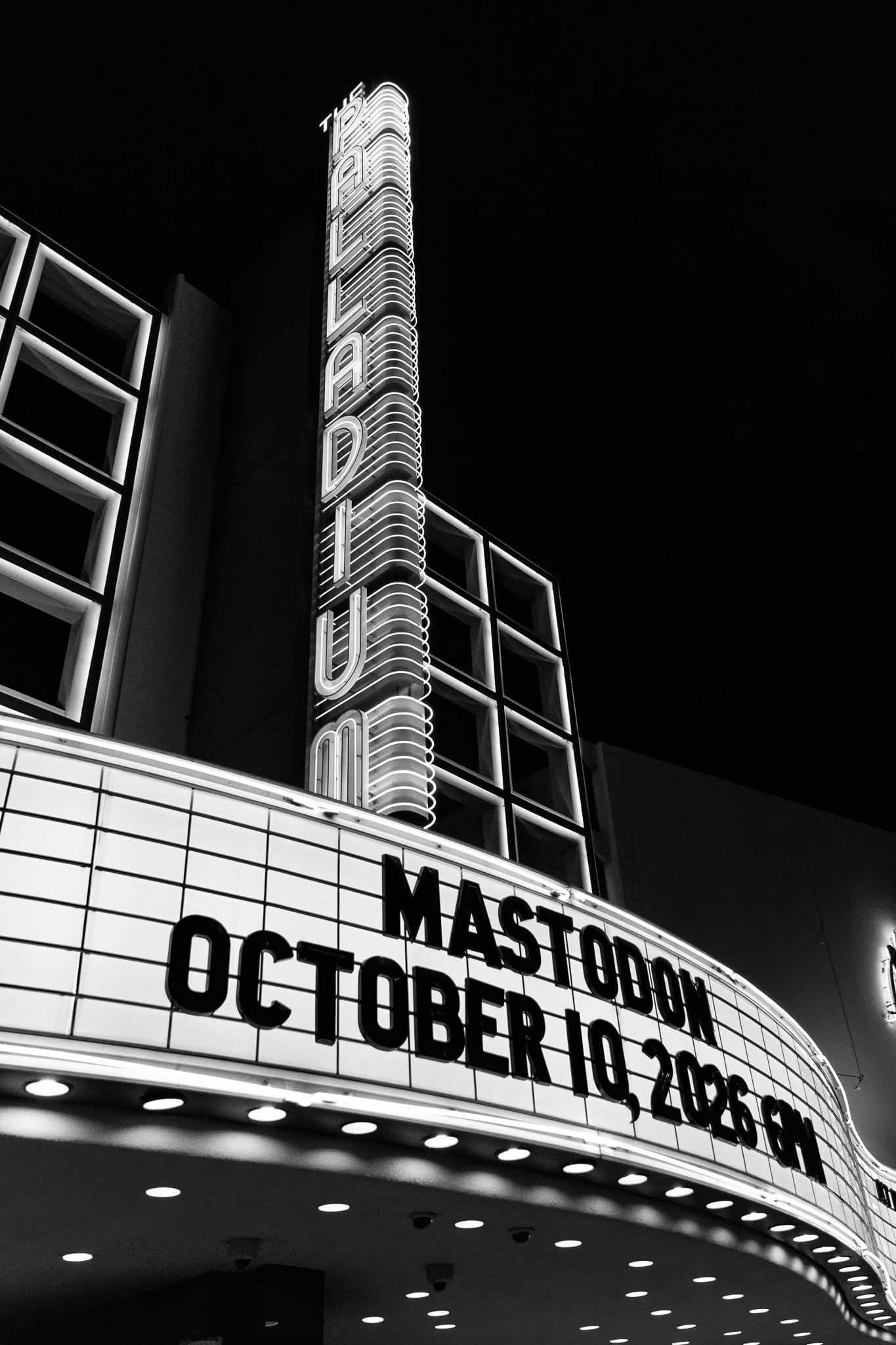
Mastodon – The Hollywood Palladium – October 10, 2026
Mastodon first appeared on my radar in 2009 after I read a review of Crack the Skye in Rolling Stone. Not known for handing out glowing reviews to purveyors of heavy music, RS tagged them as something to pay attention to: “Mastodon are the greatest metal band of their generation — no one else comes close.”.
Mastodon
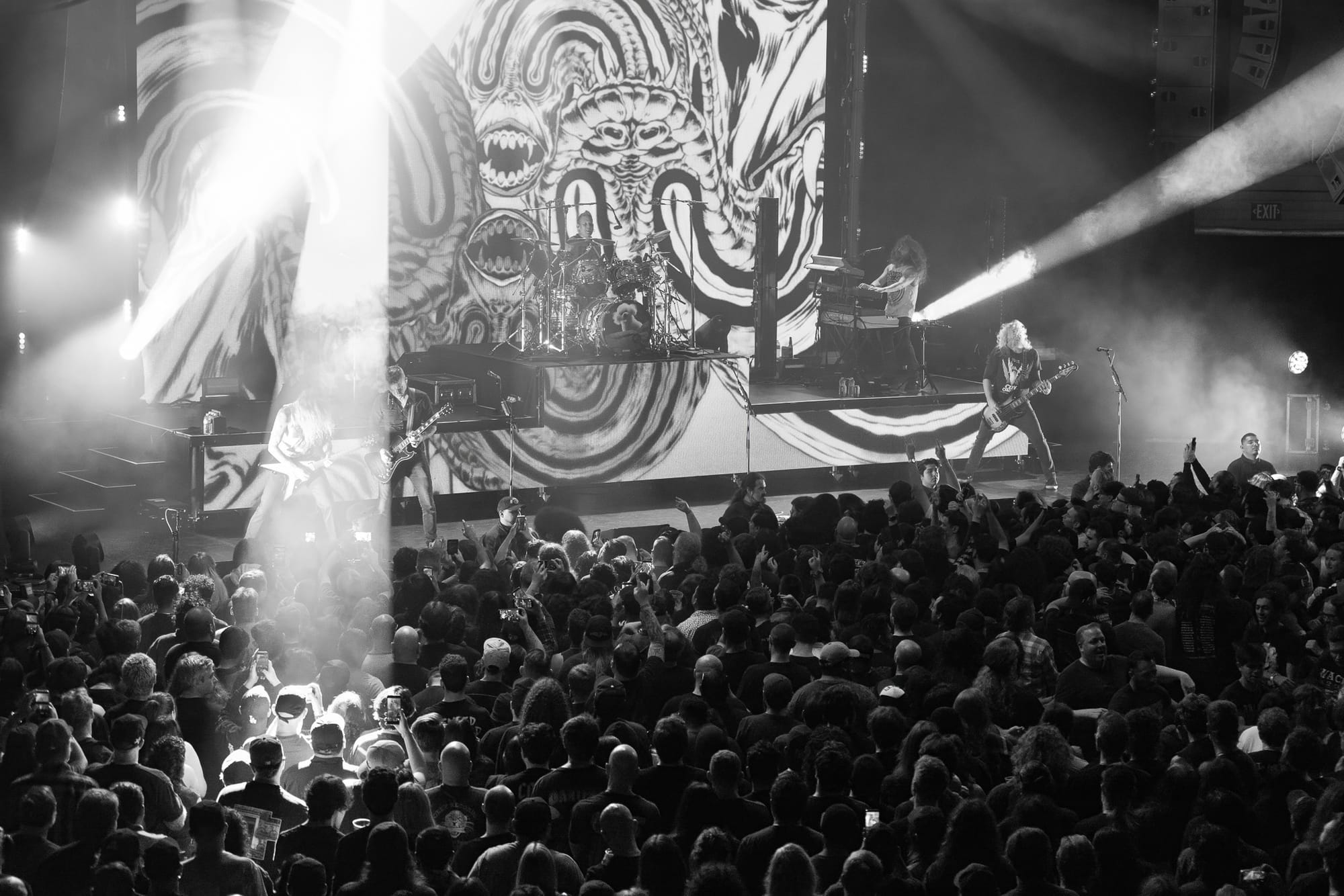
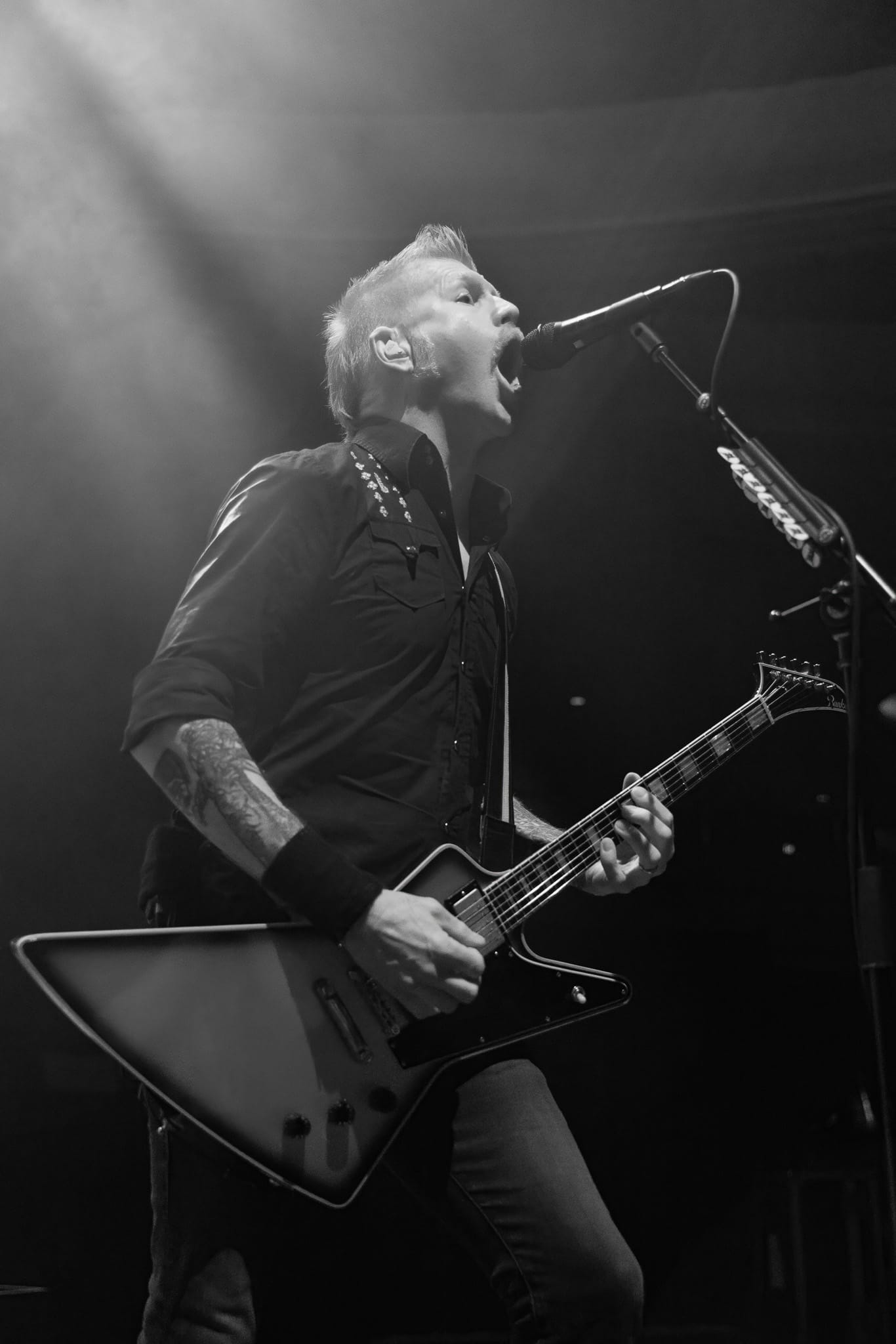
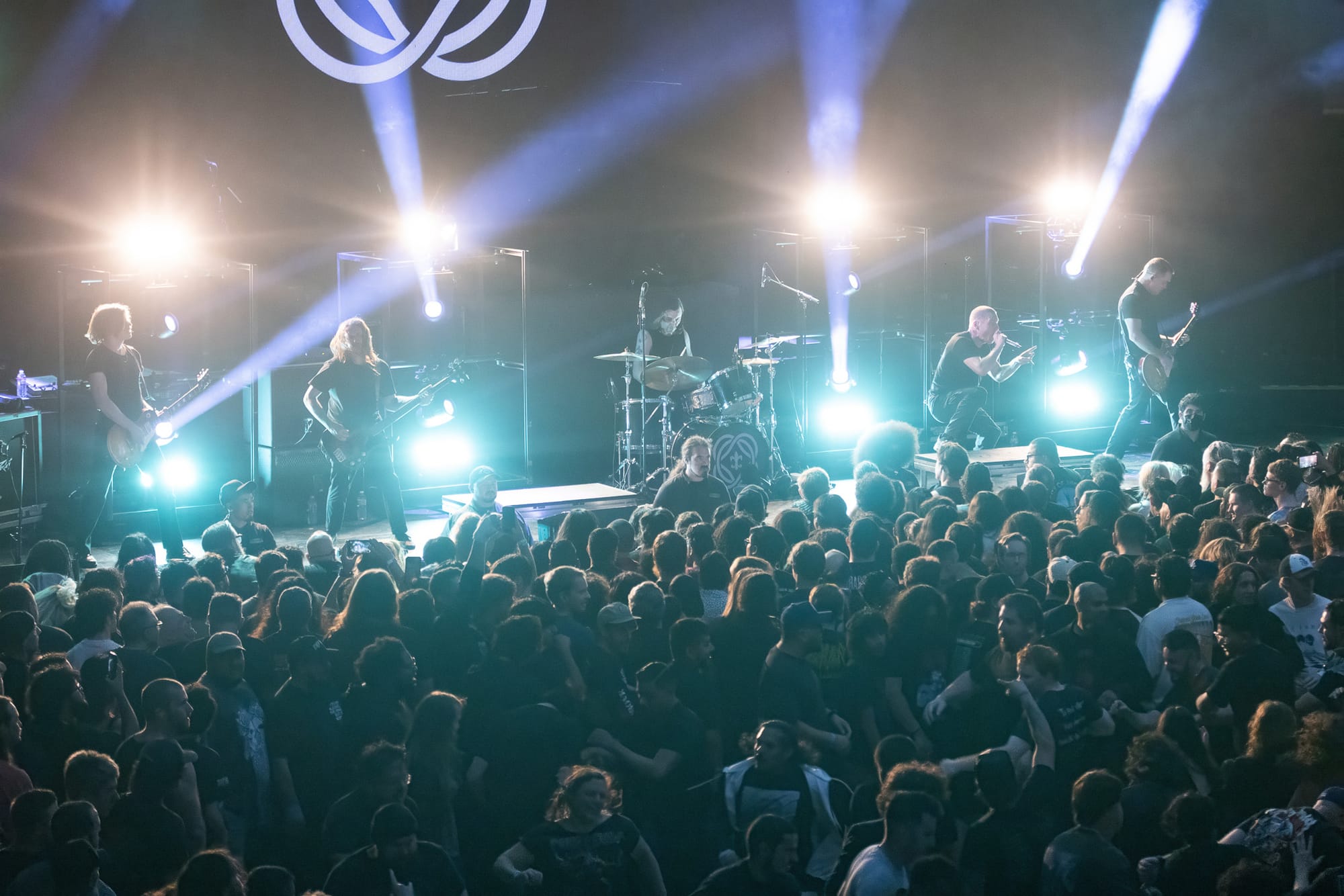
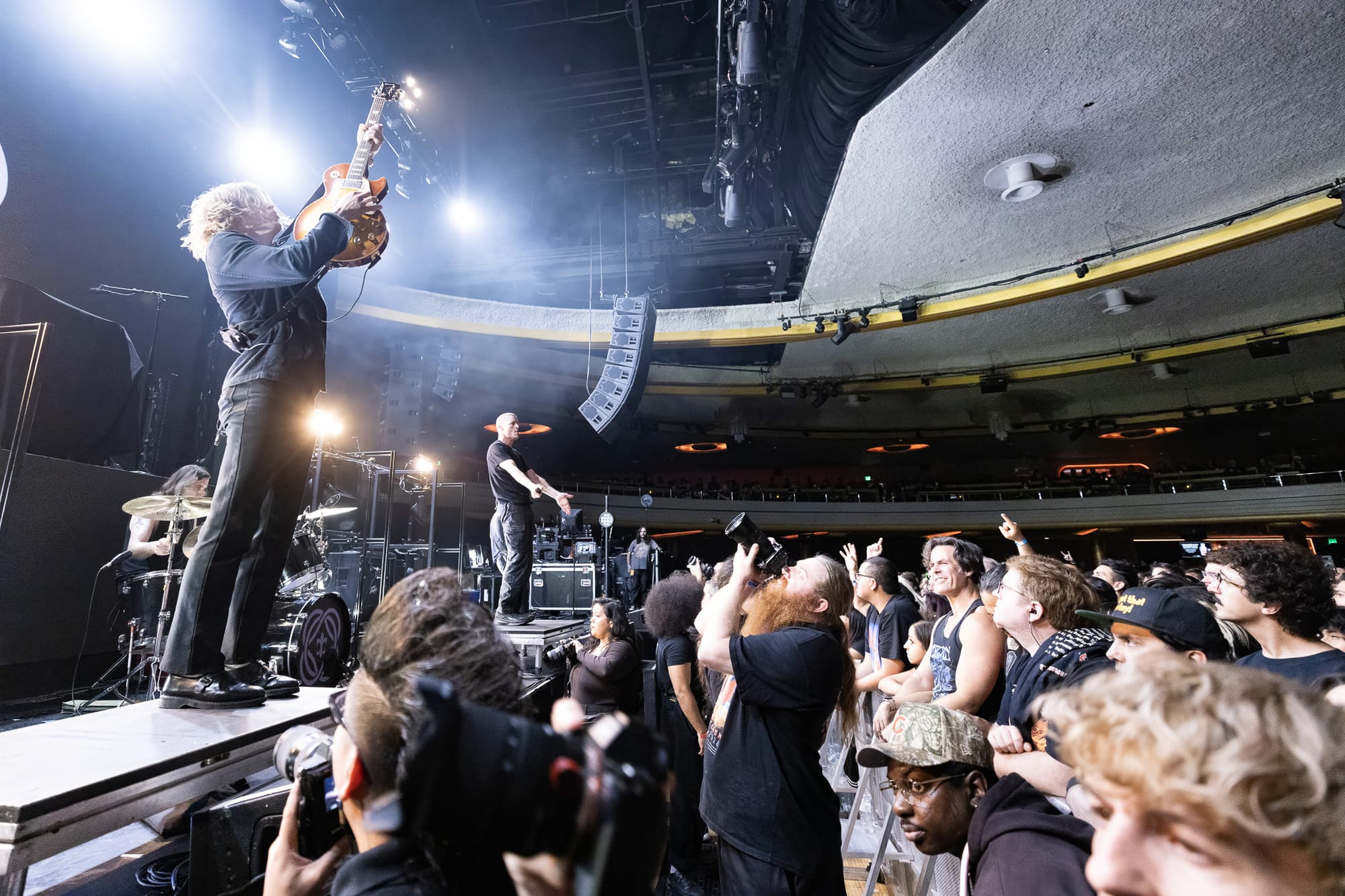
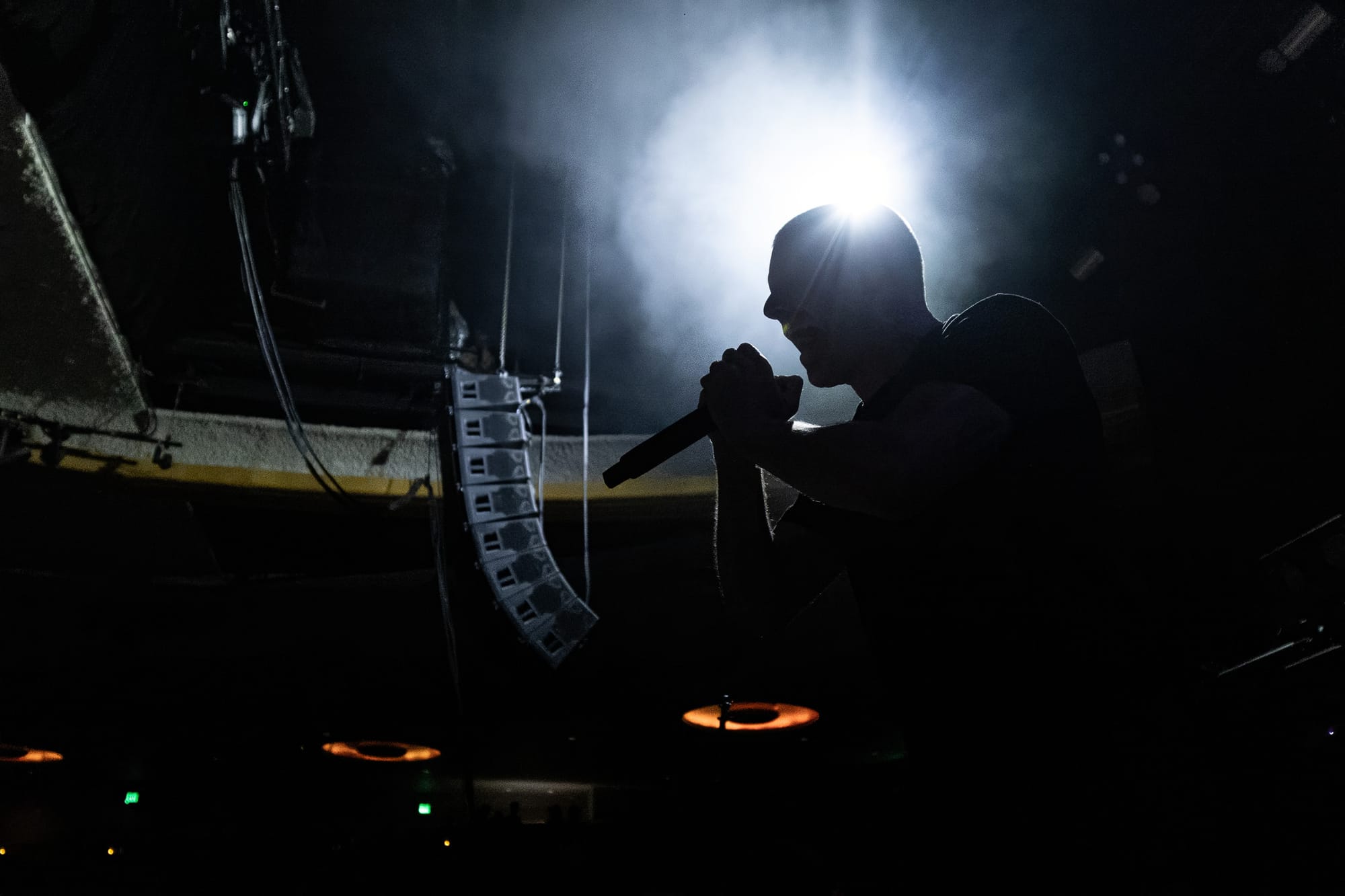
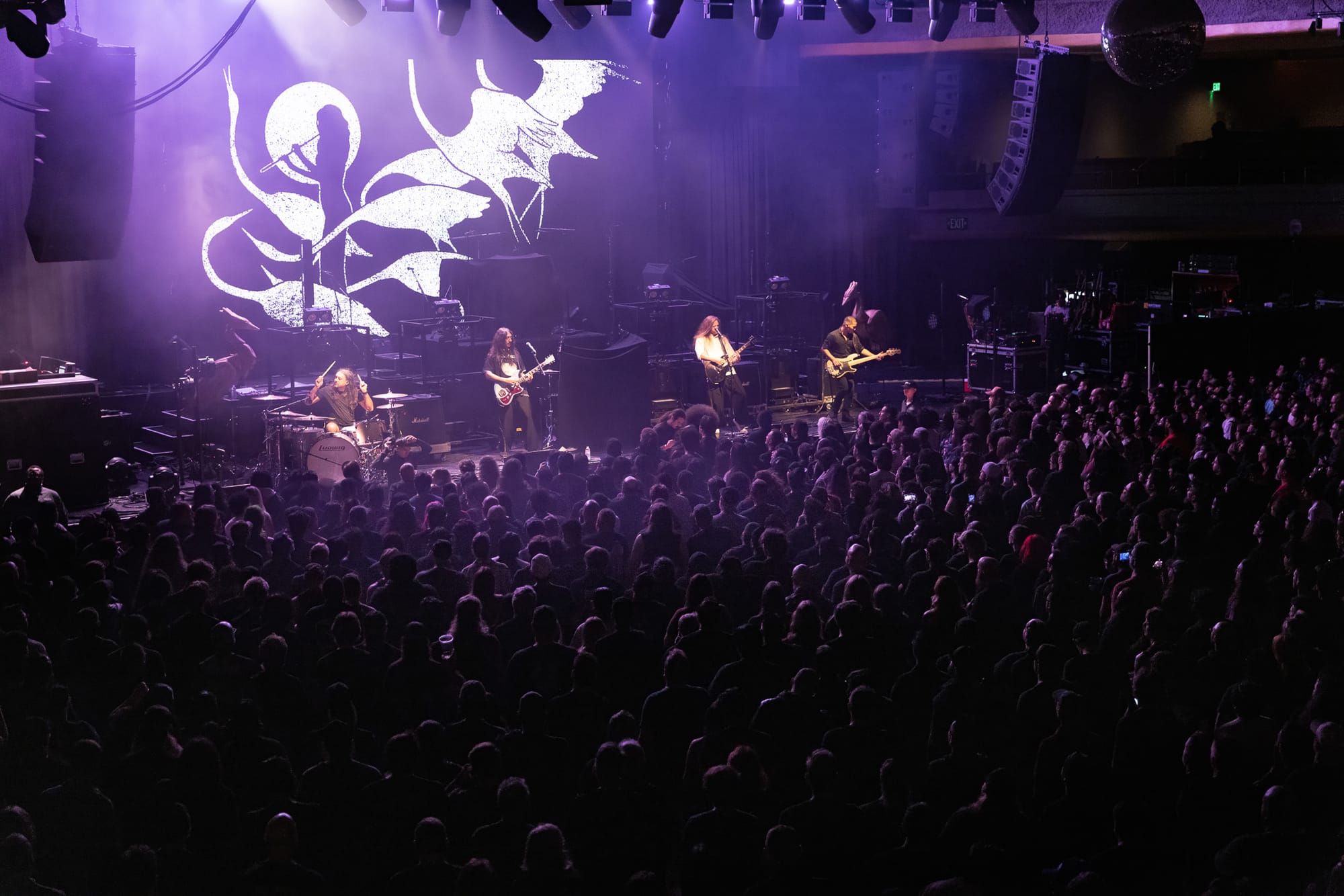
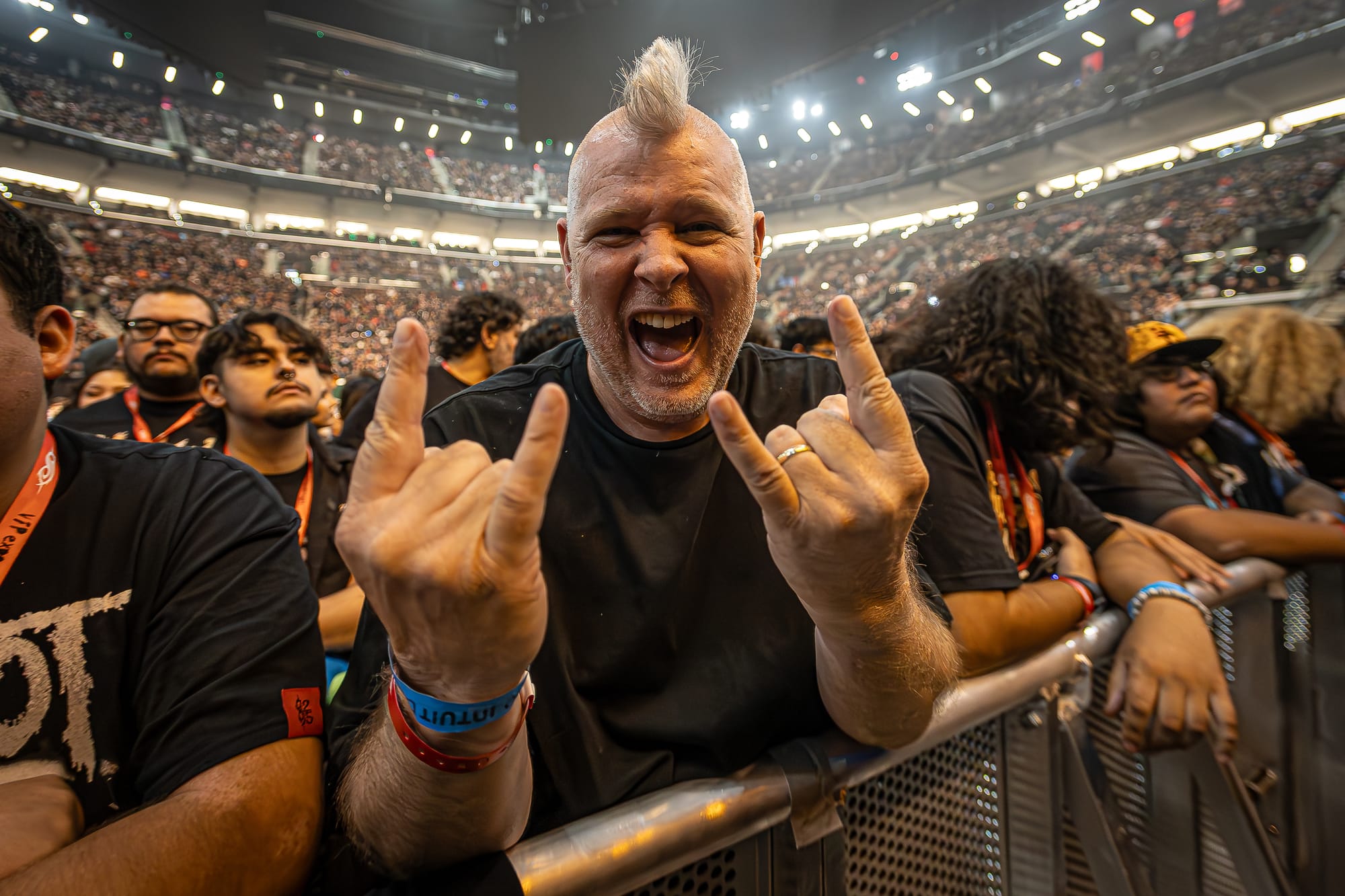
4000 screaming fans packed The Hollywood Palladium on Saturday for a night of prog-metal bliss. Mastodon was in town with The Poisonous Weapons Tour to promote their month-old 9th album, Marrow Deep. They hit the stage at 9:00pm, but first, Ozzy Osborne’s “Crazy Train” blared out of the PA system in its entirety, resulting in a group singalong accompanied with multiple air guitars in the crowd playing along and soloing with Randy Rhoads. It was quite a way to kick off the main event, and everyone in the audience was smiling before Mastodon even took the stage.
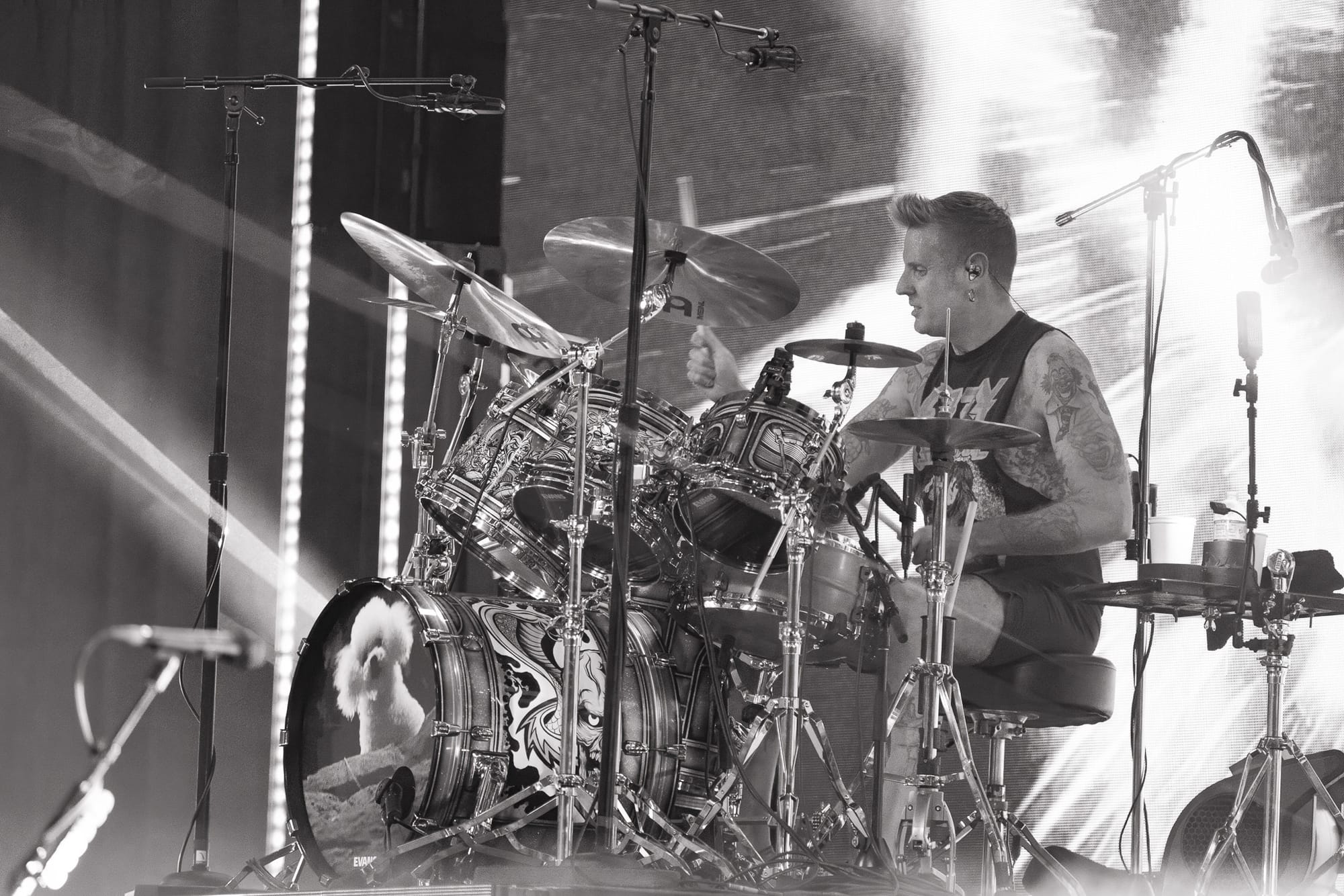
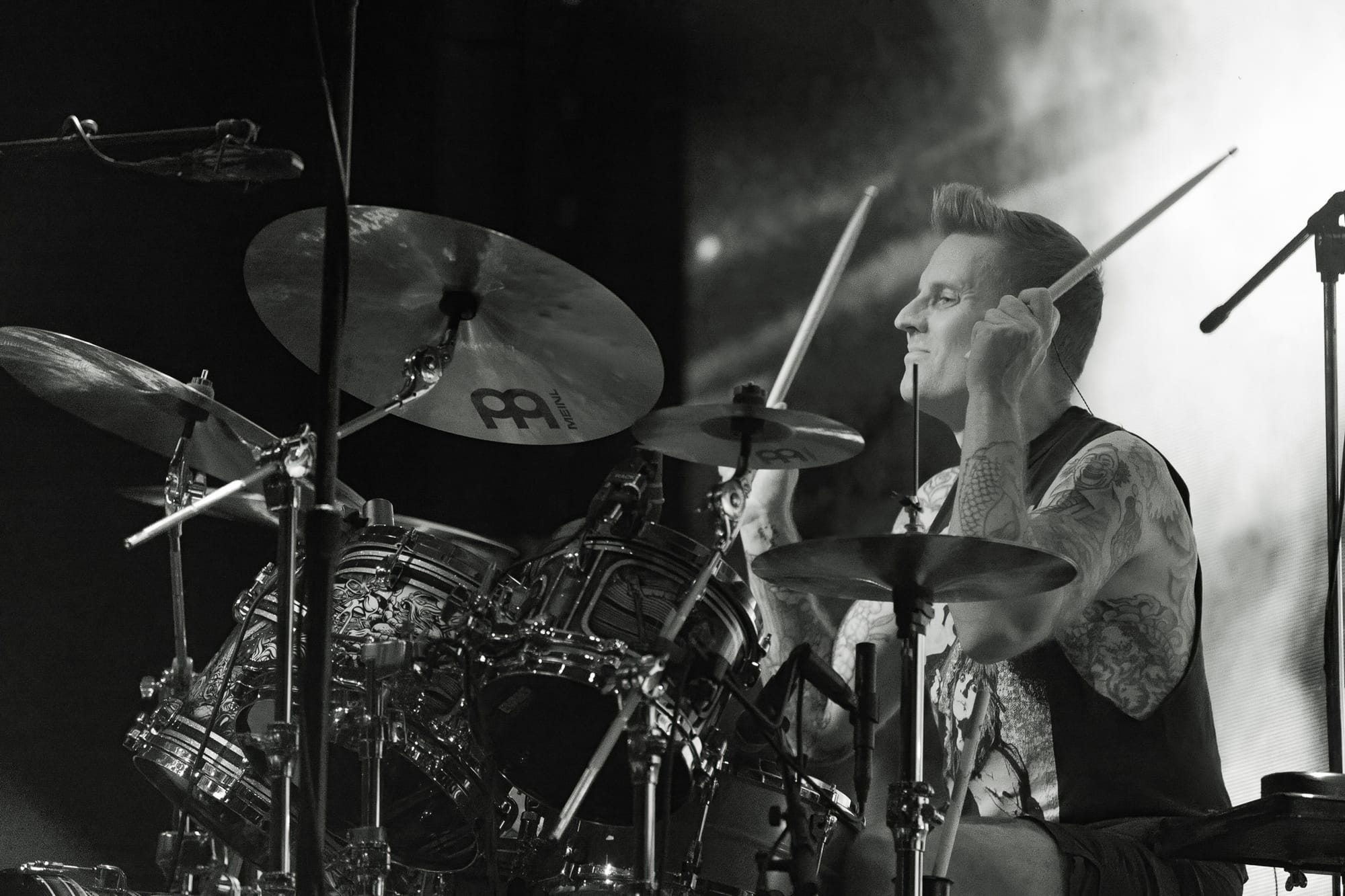
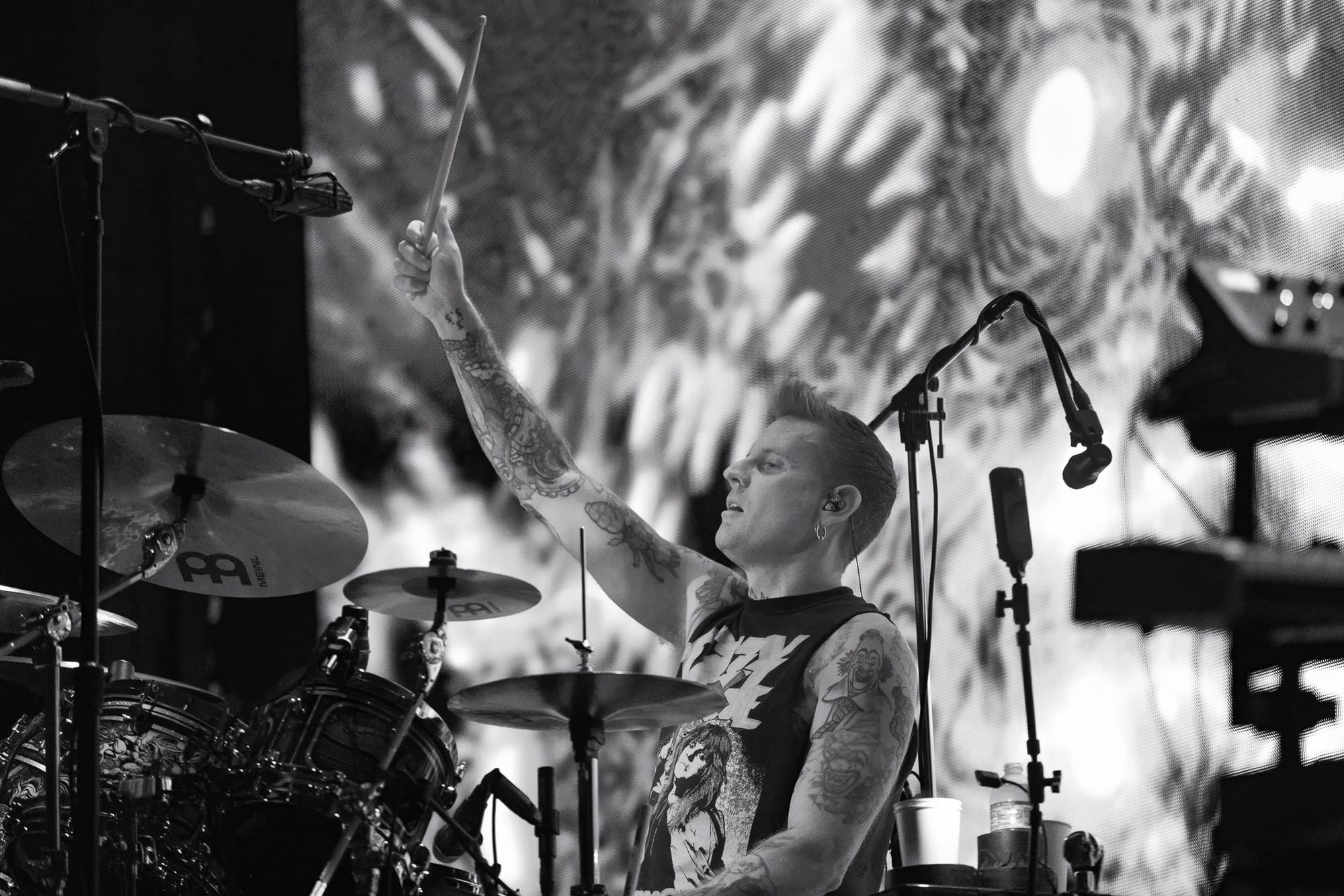
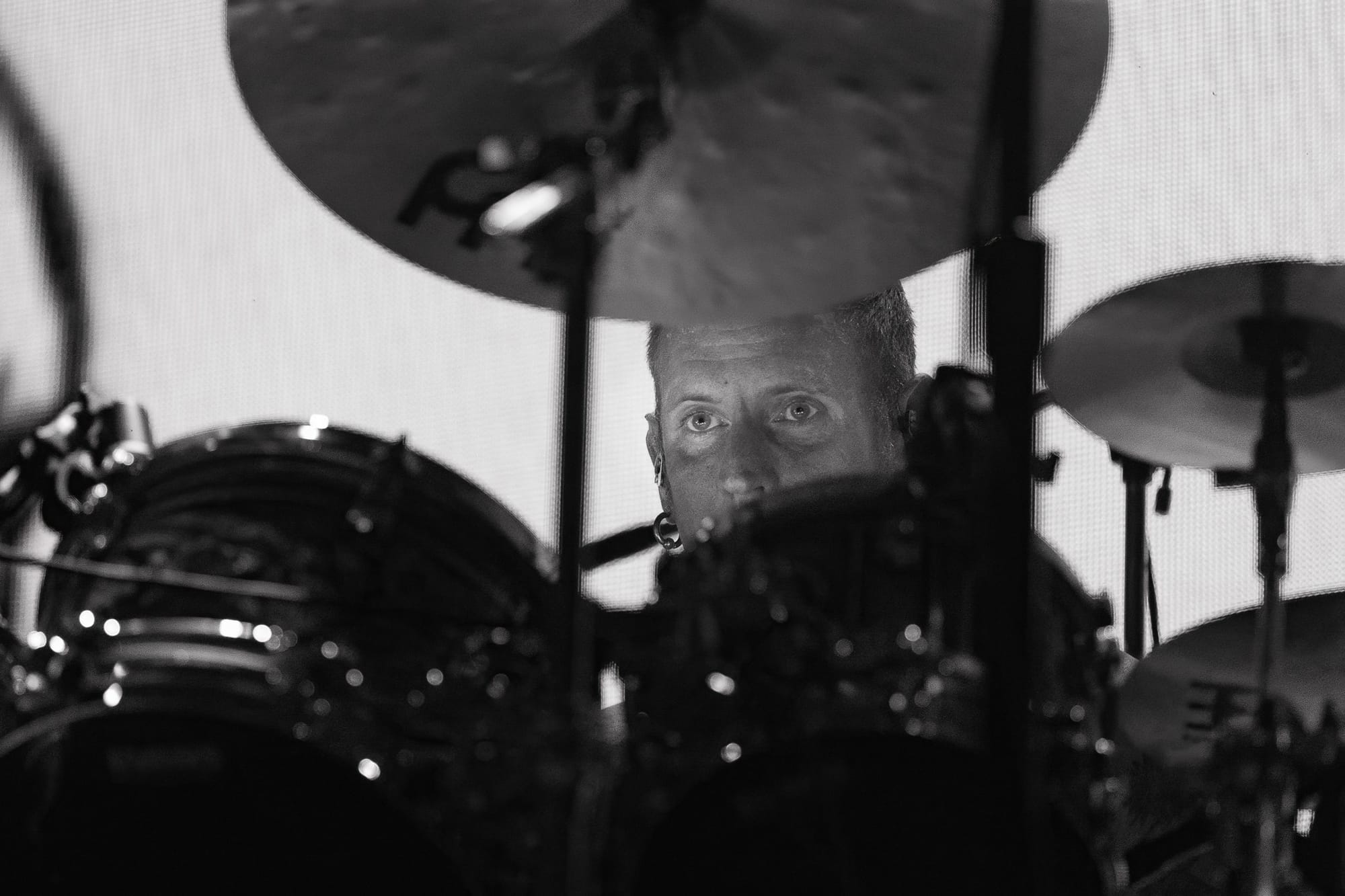
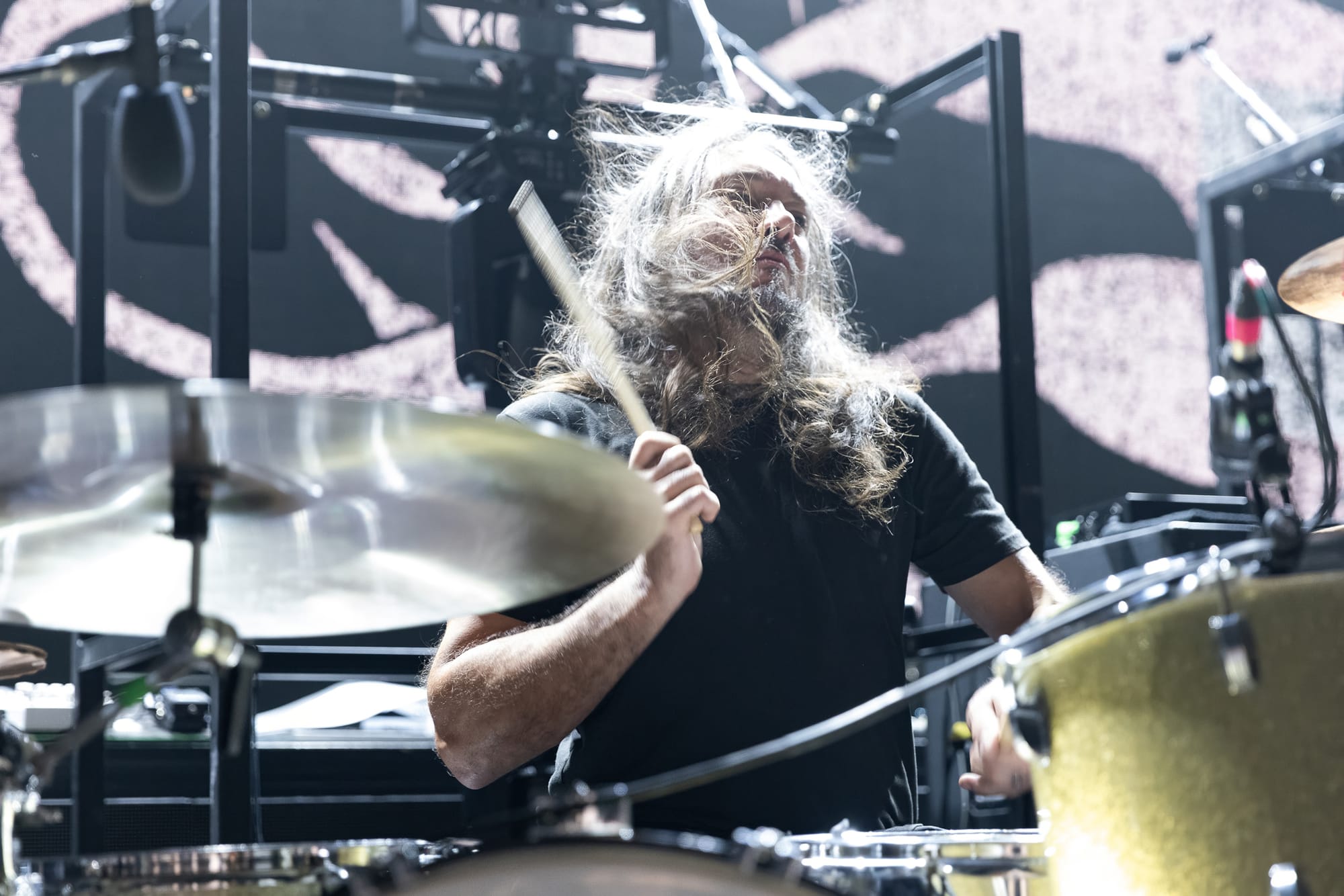
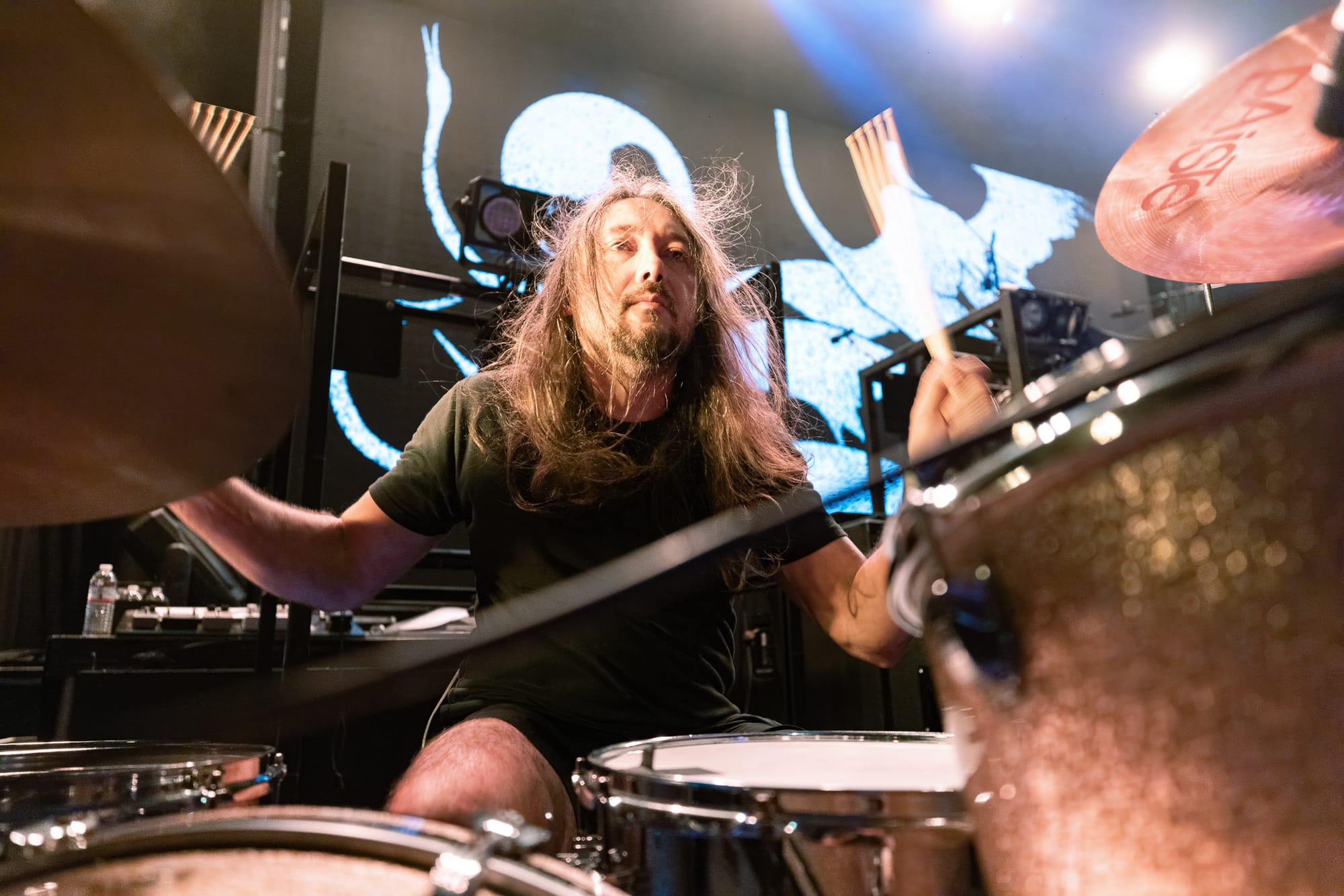
The walk-on song selection might have something to do with drummer Brann Dailor, who by all claims has an unnatural affinity with Ozzy guitarist Randy Rhoads, to the point of having claimed (tongue in cheek?) to be Randy Rhoads reincarnated. Brann was born on the same day (March 19) that Randy died in a plane crash, however, the math is a little fuzzy, with Brann being seven years old when the fatal tragedy occurred…regardless, it was a fun way to begin the show and an amusing story.
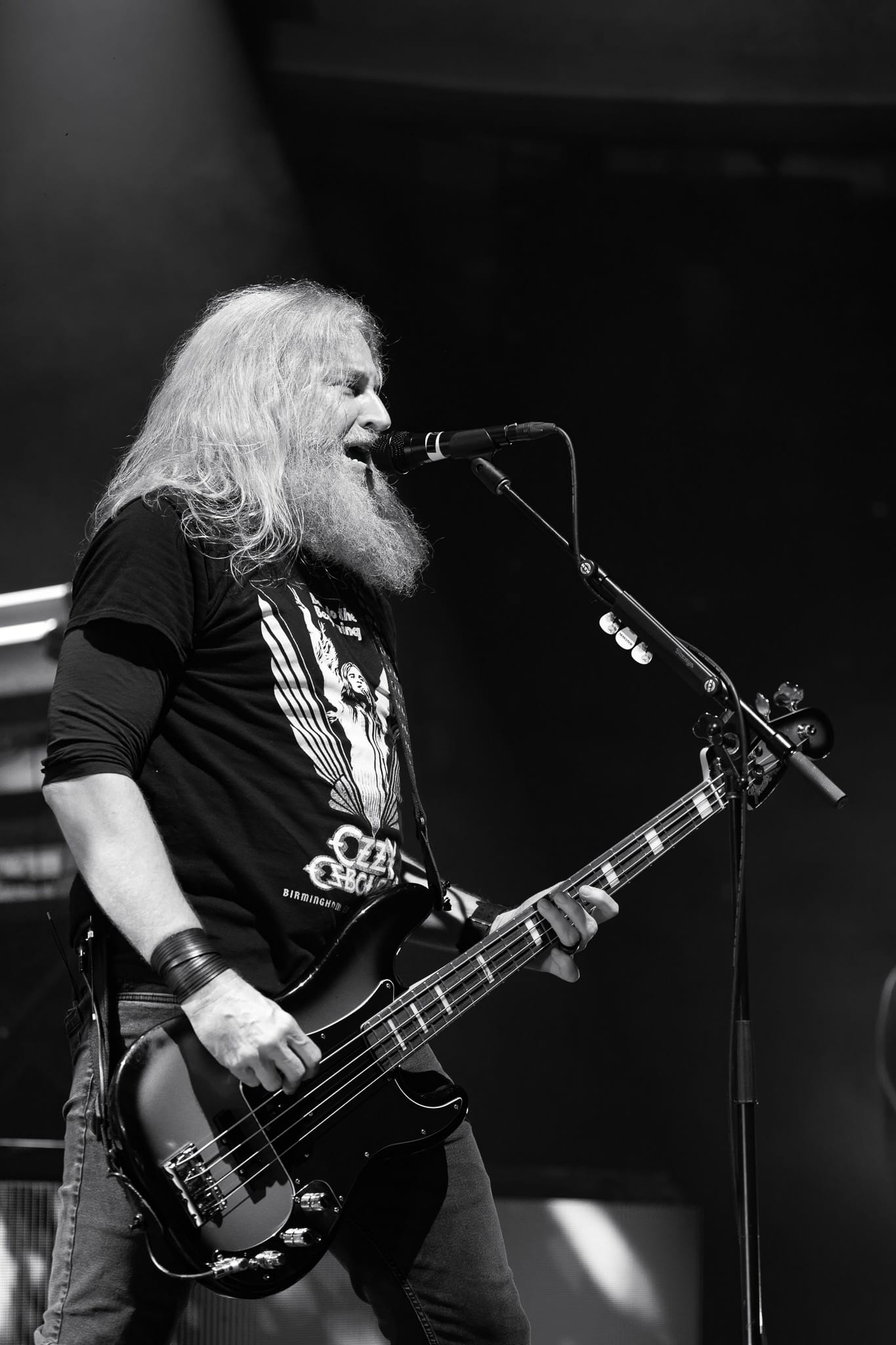
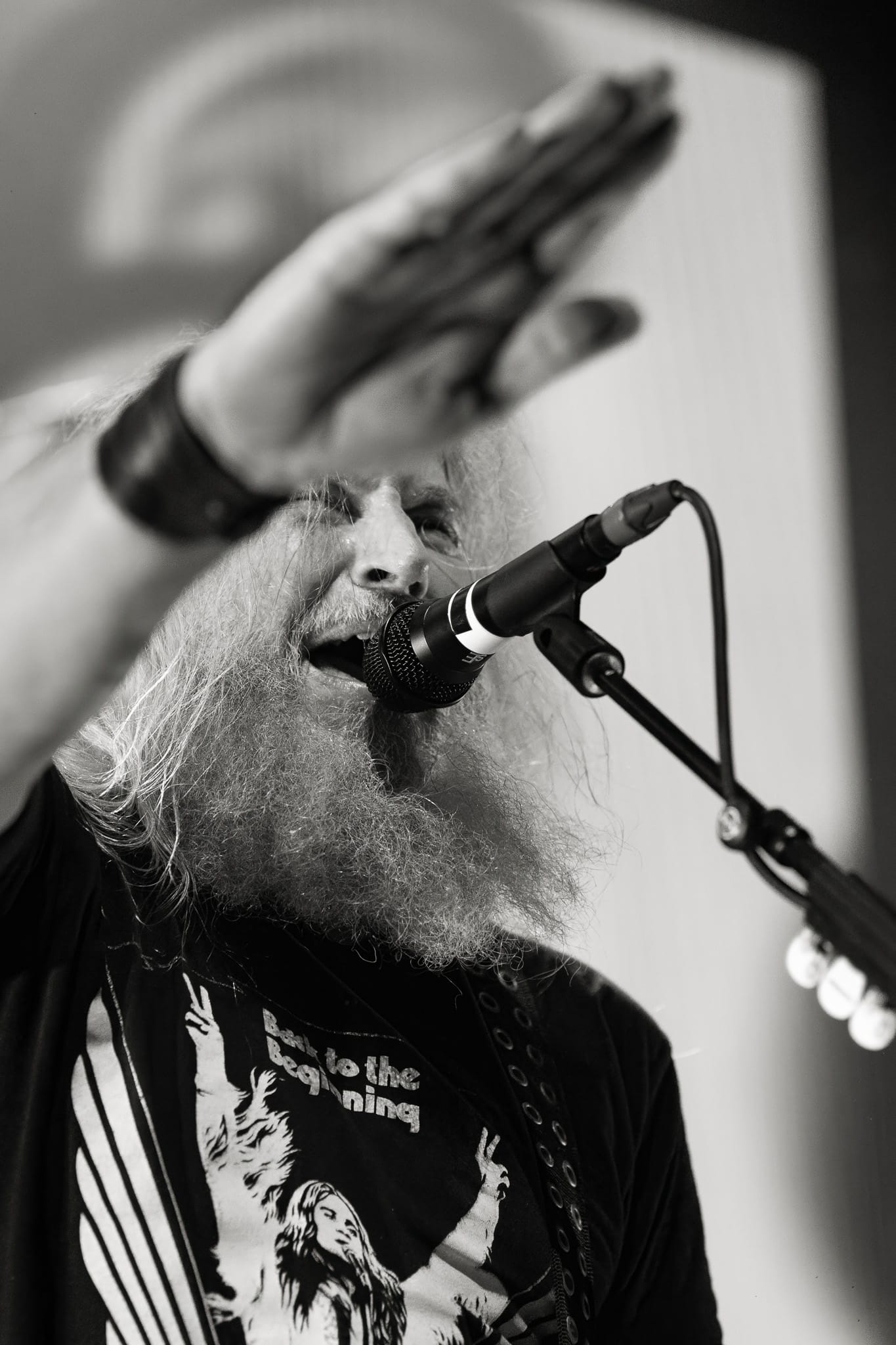
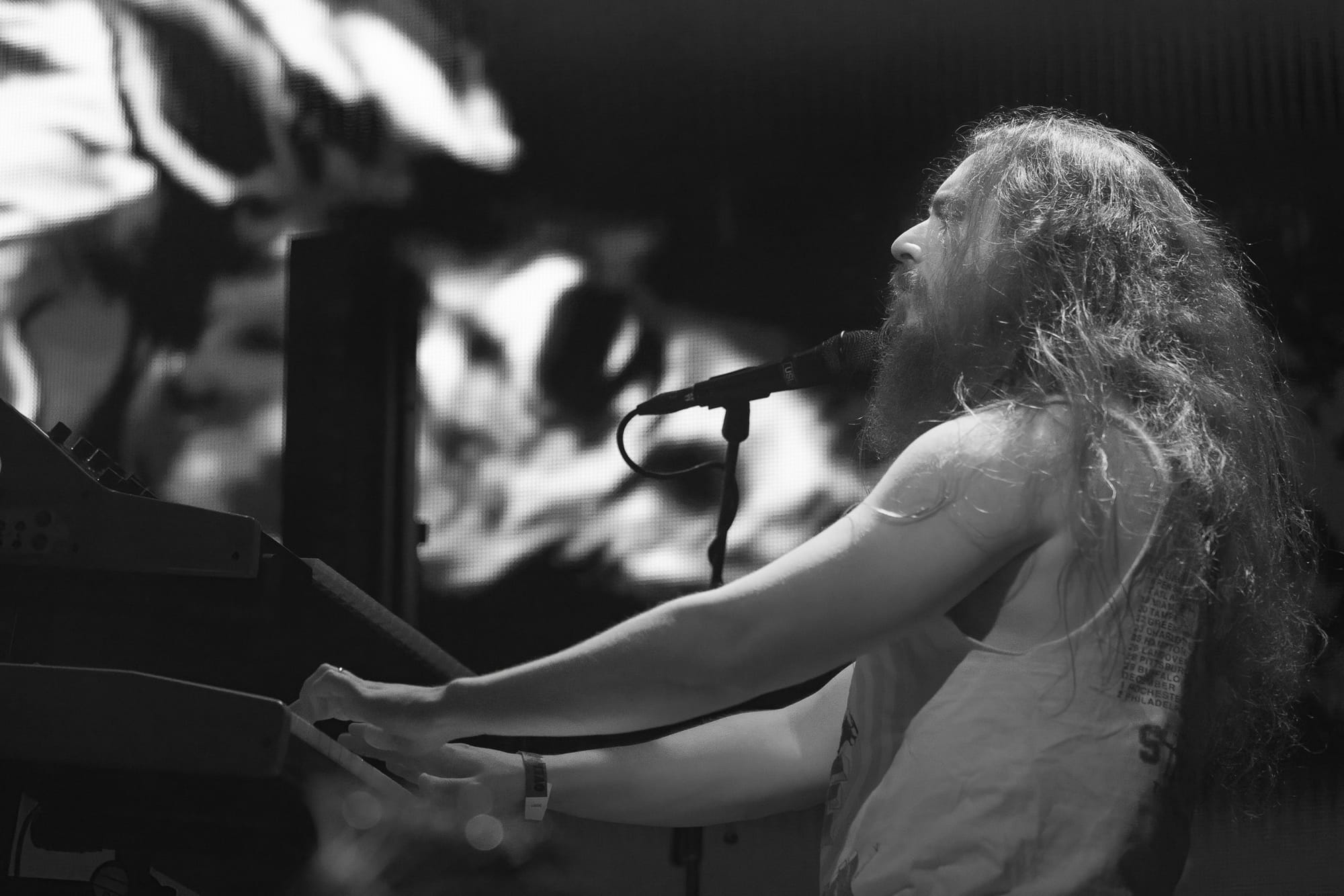
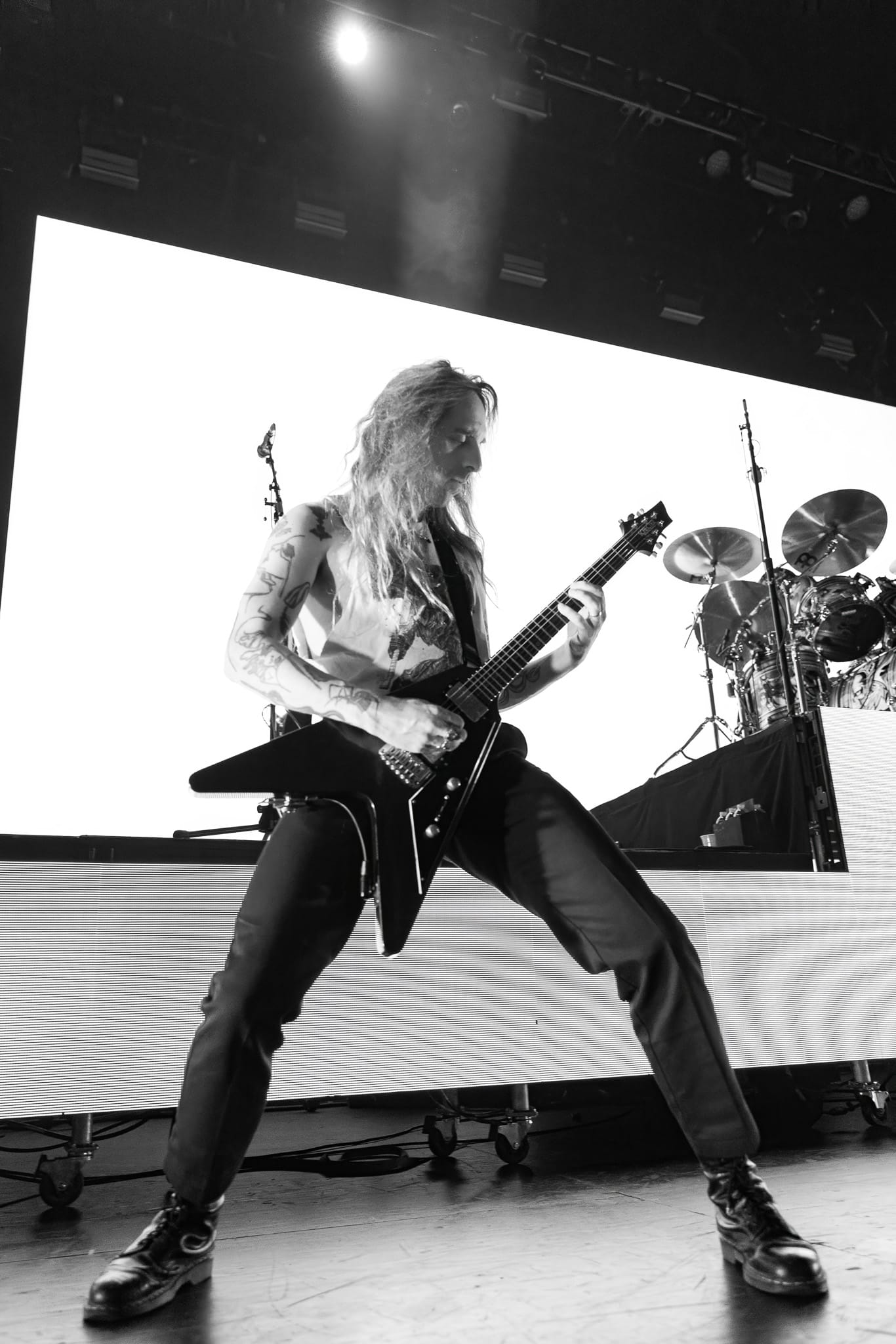
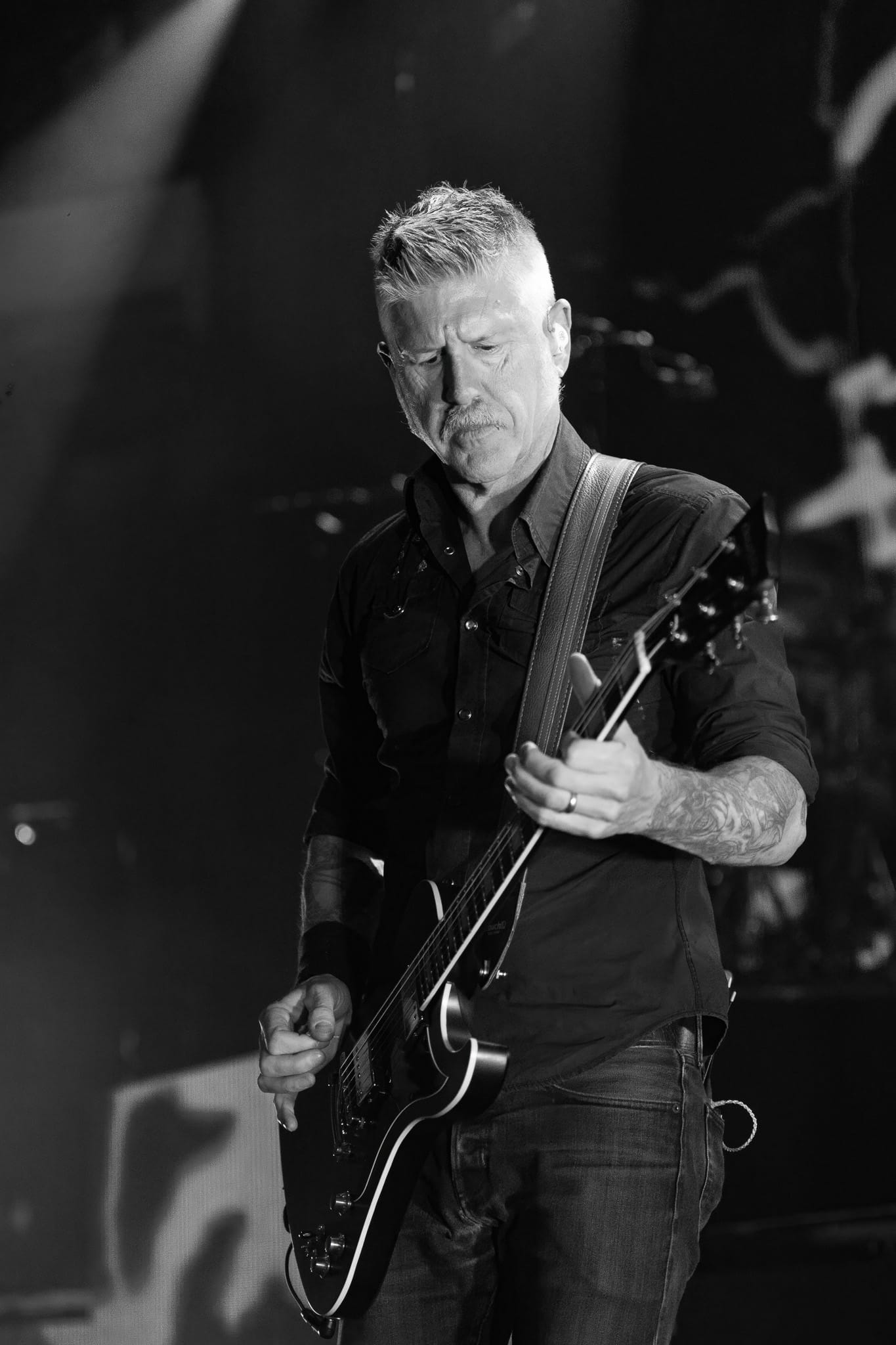
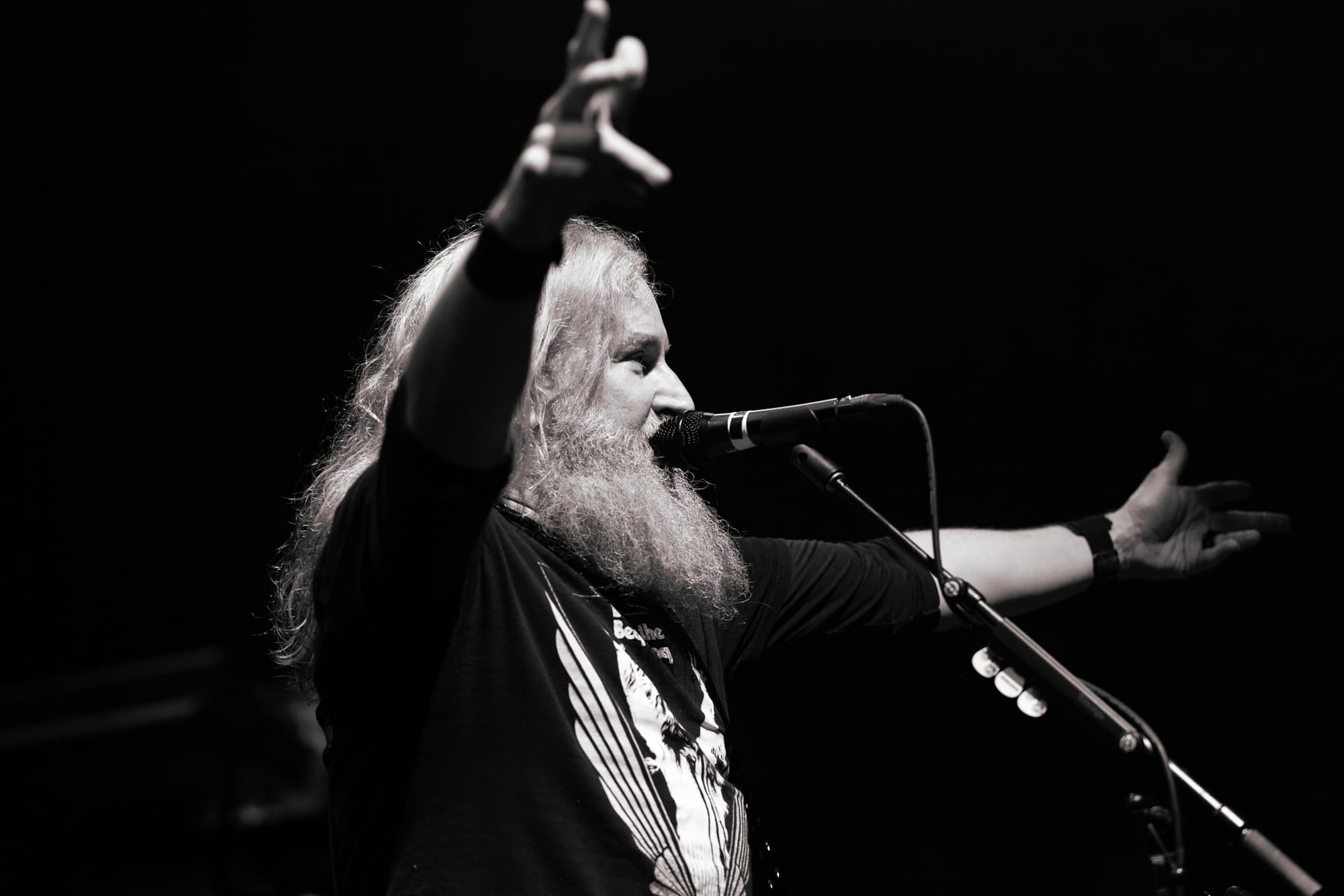
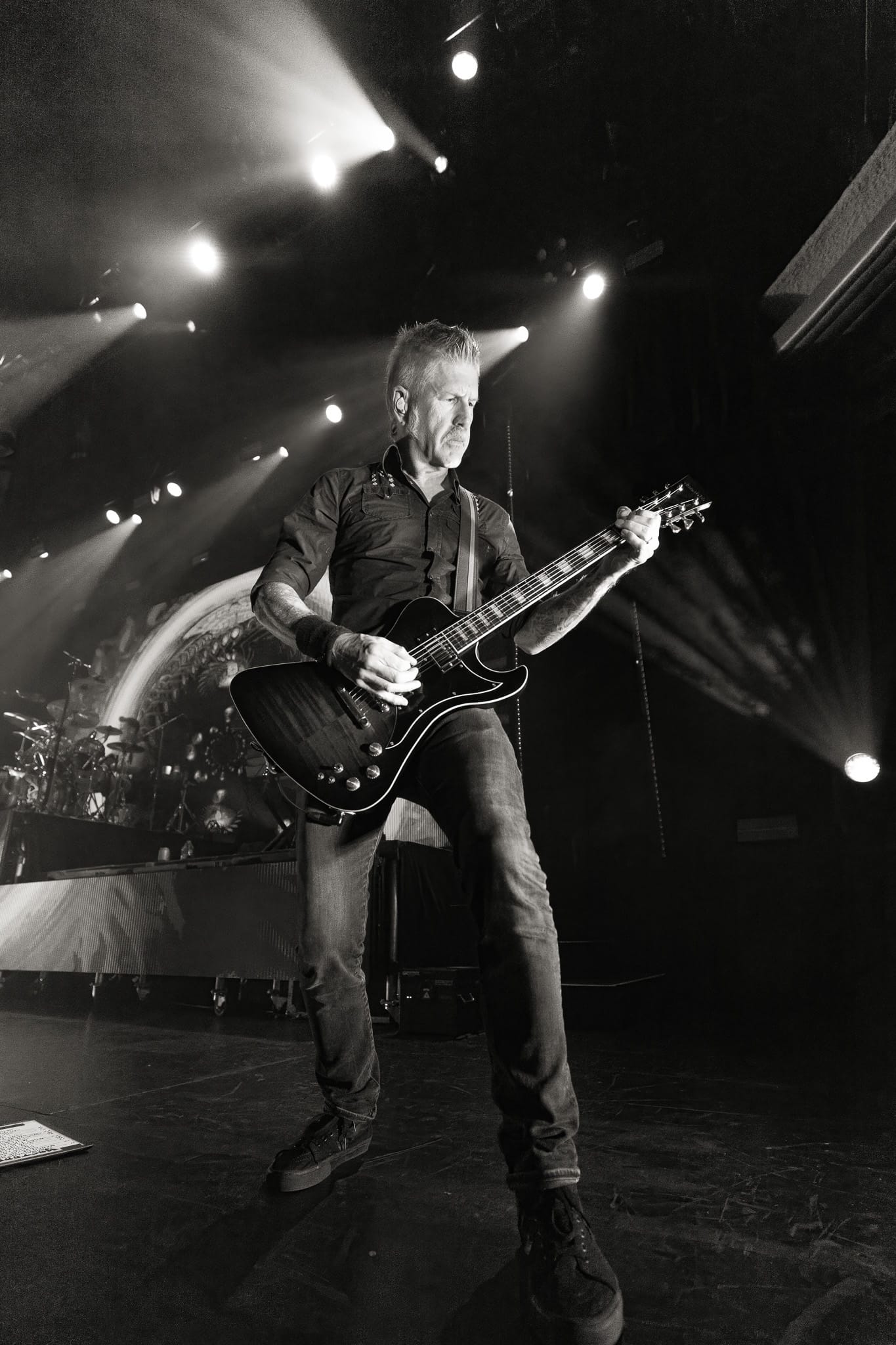
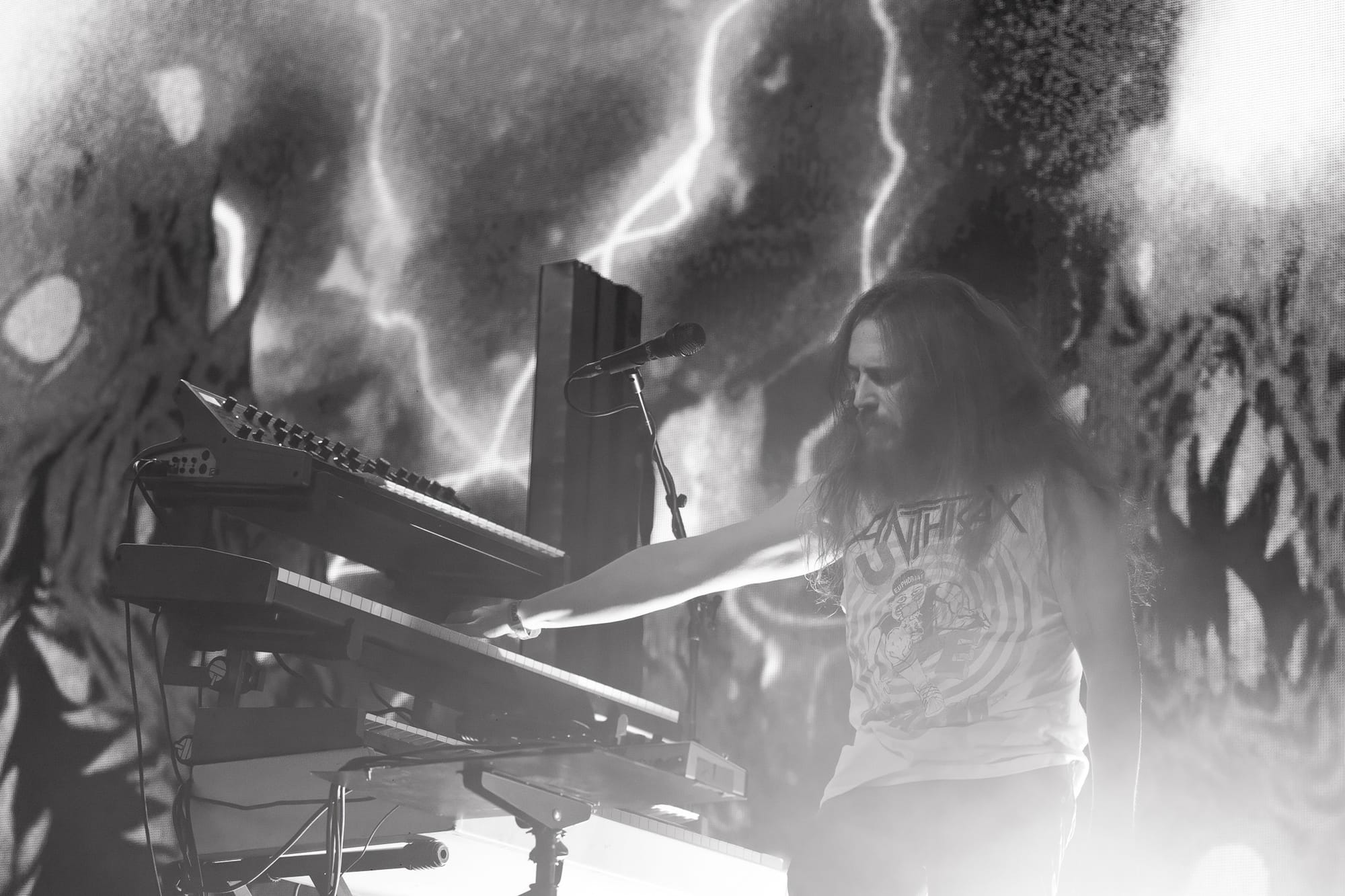
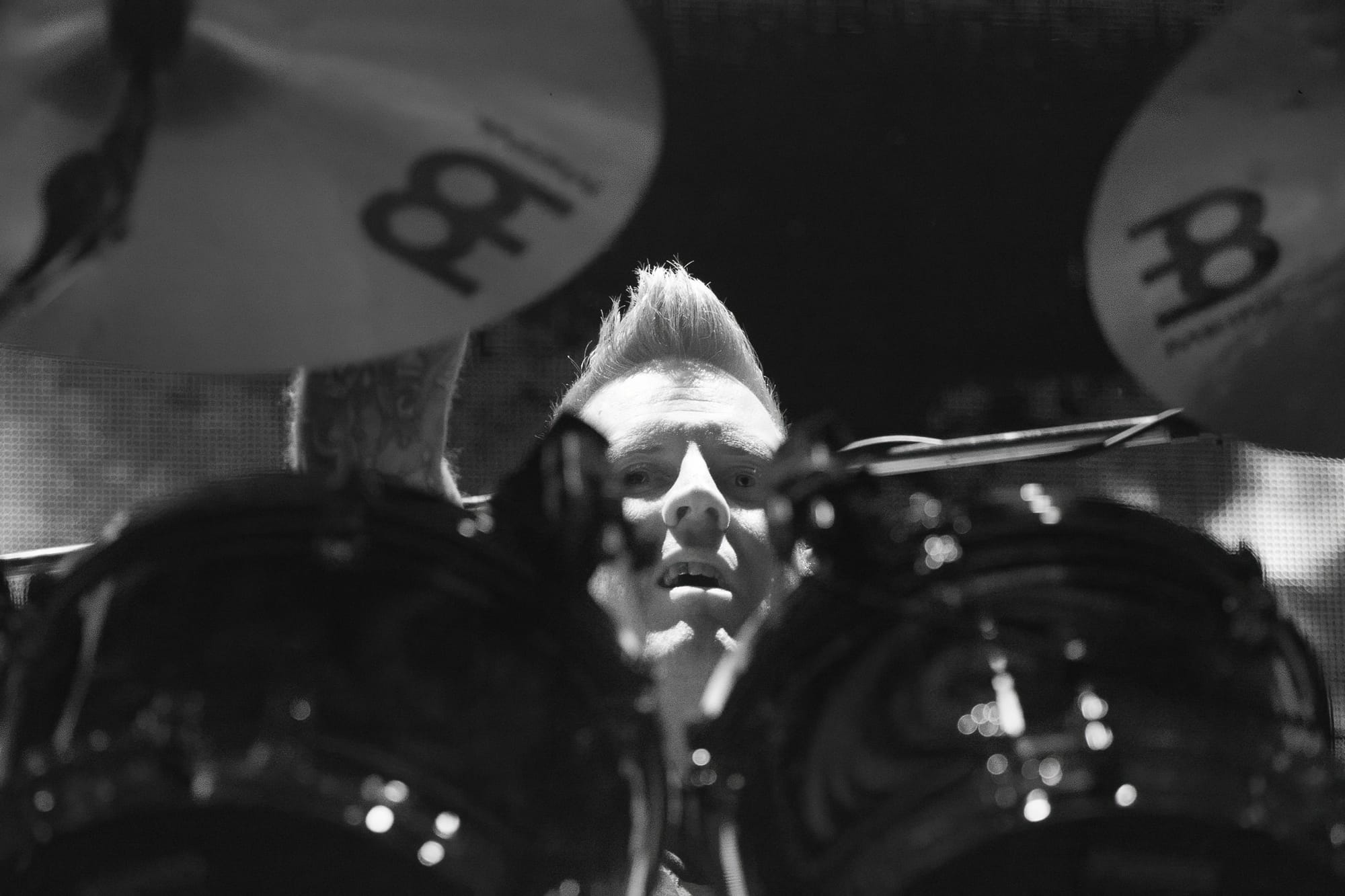
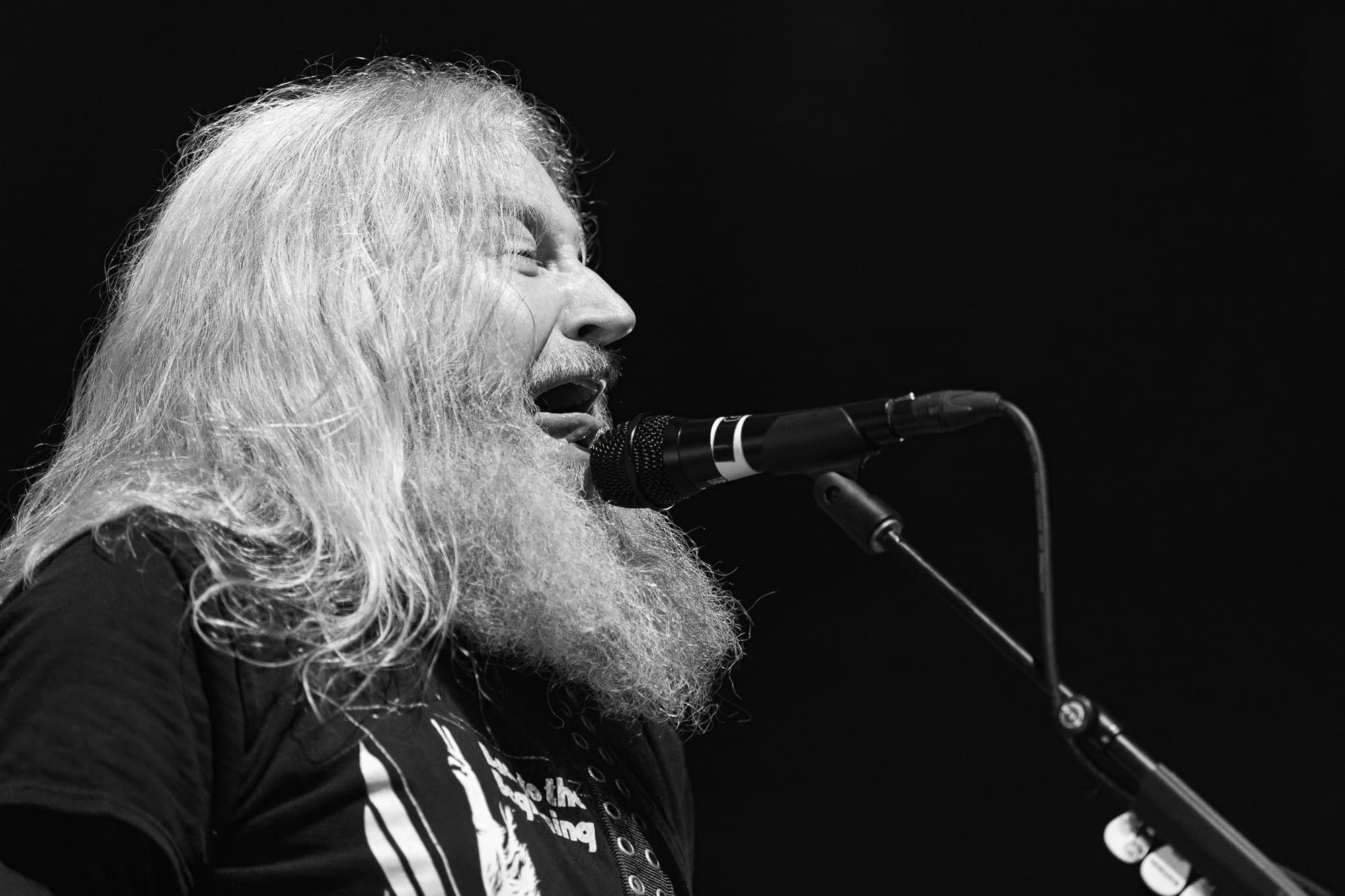
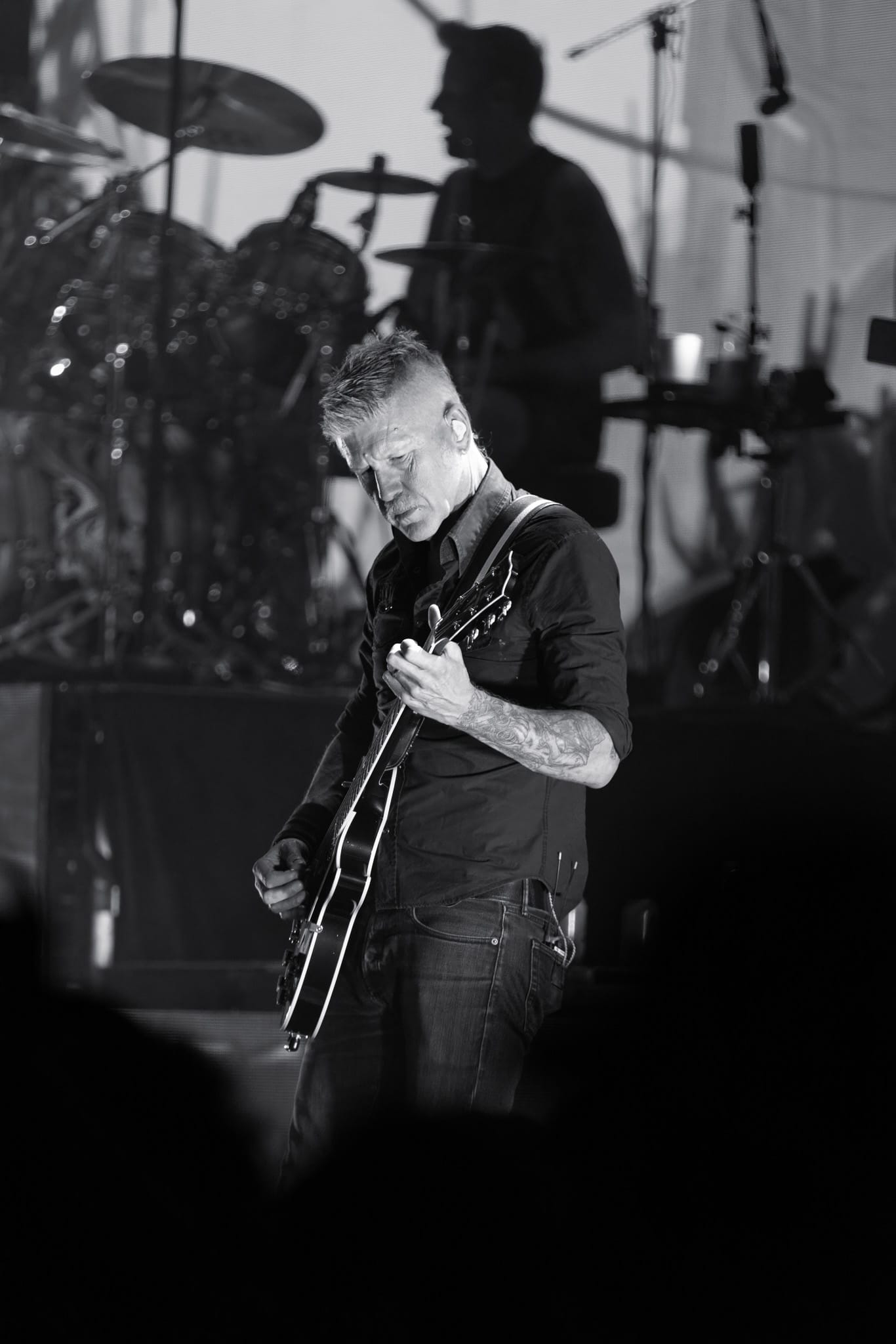
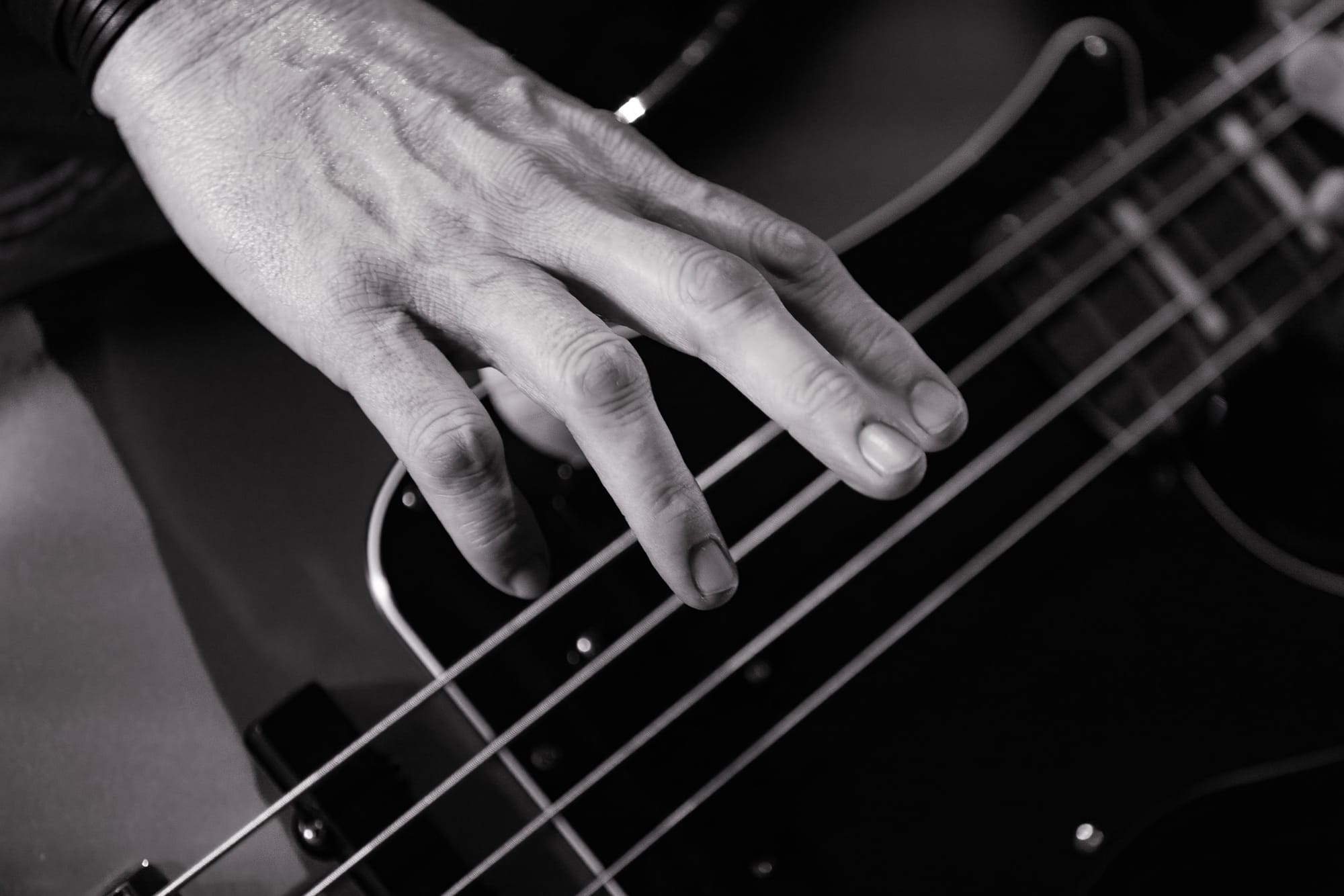
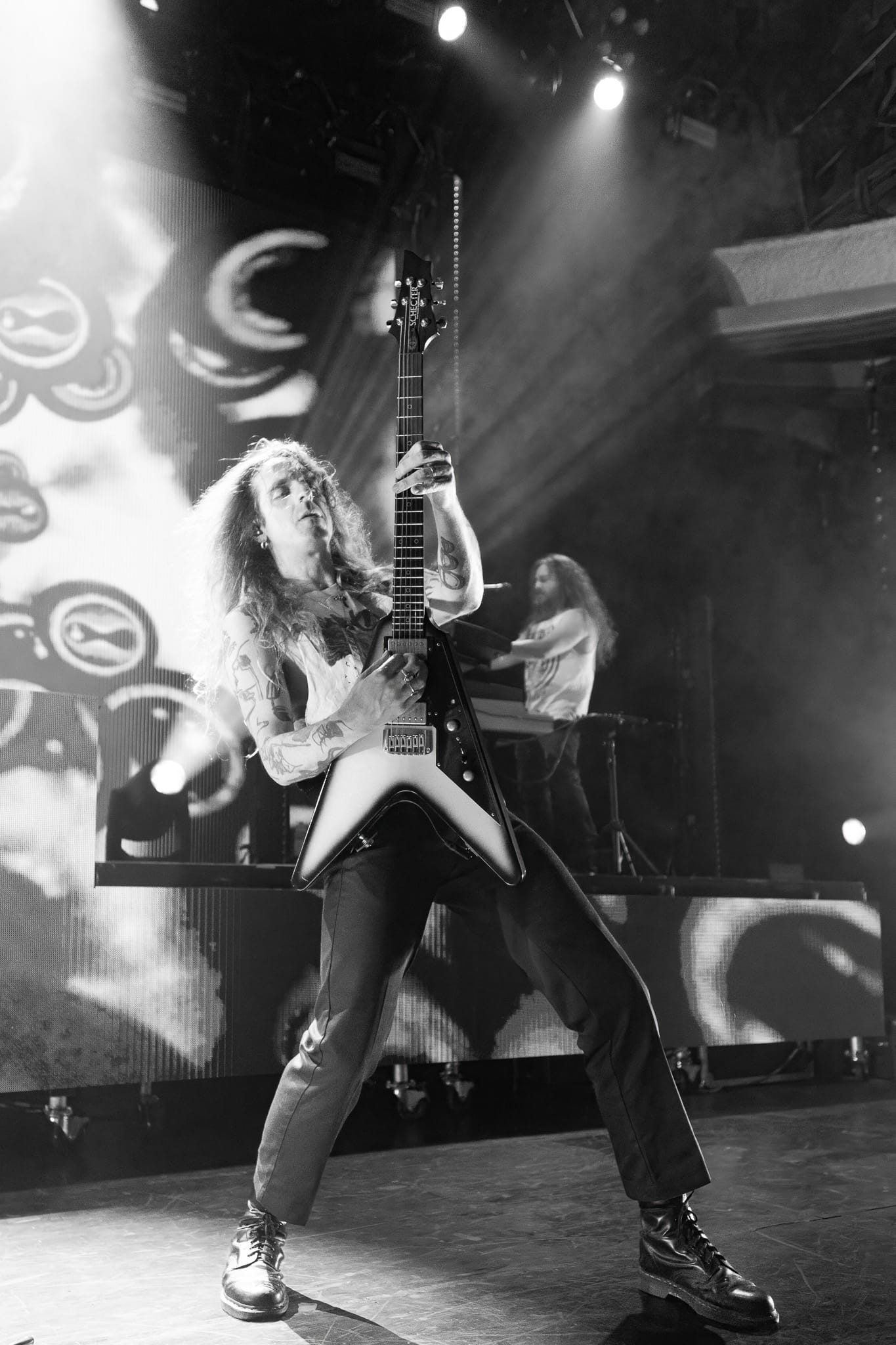
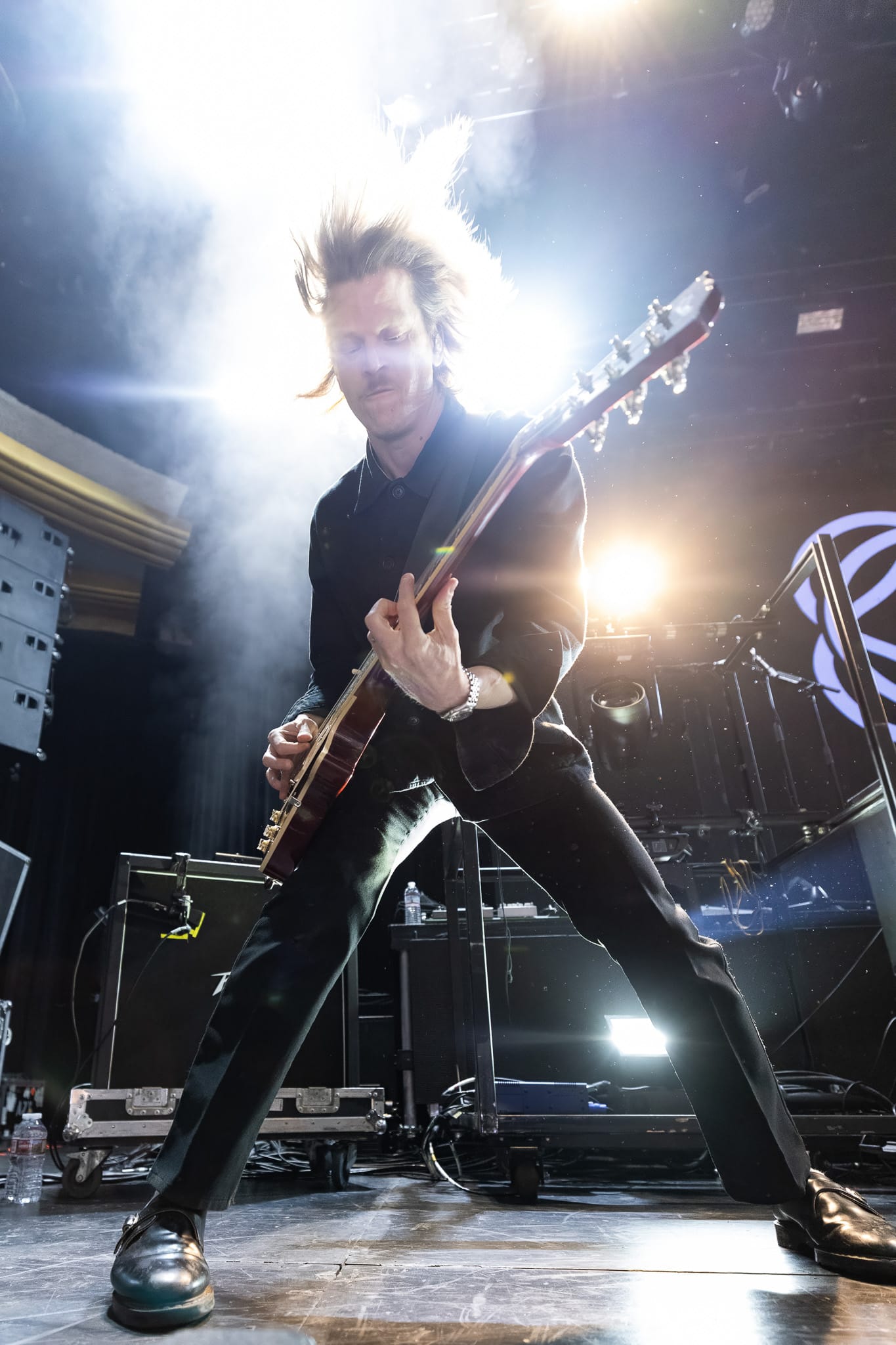
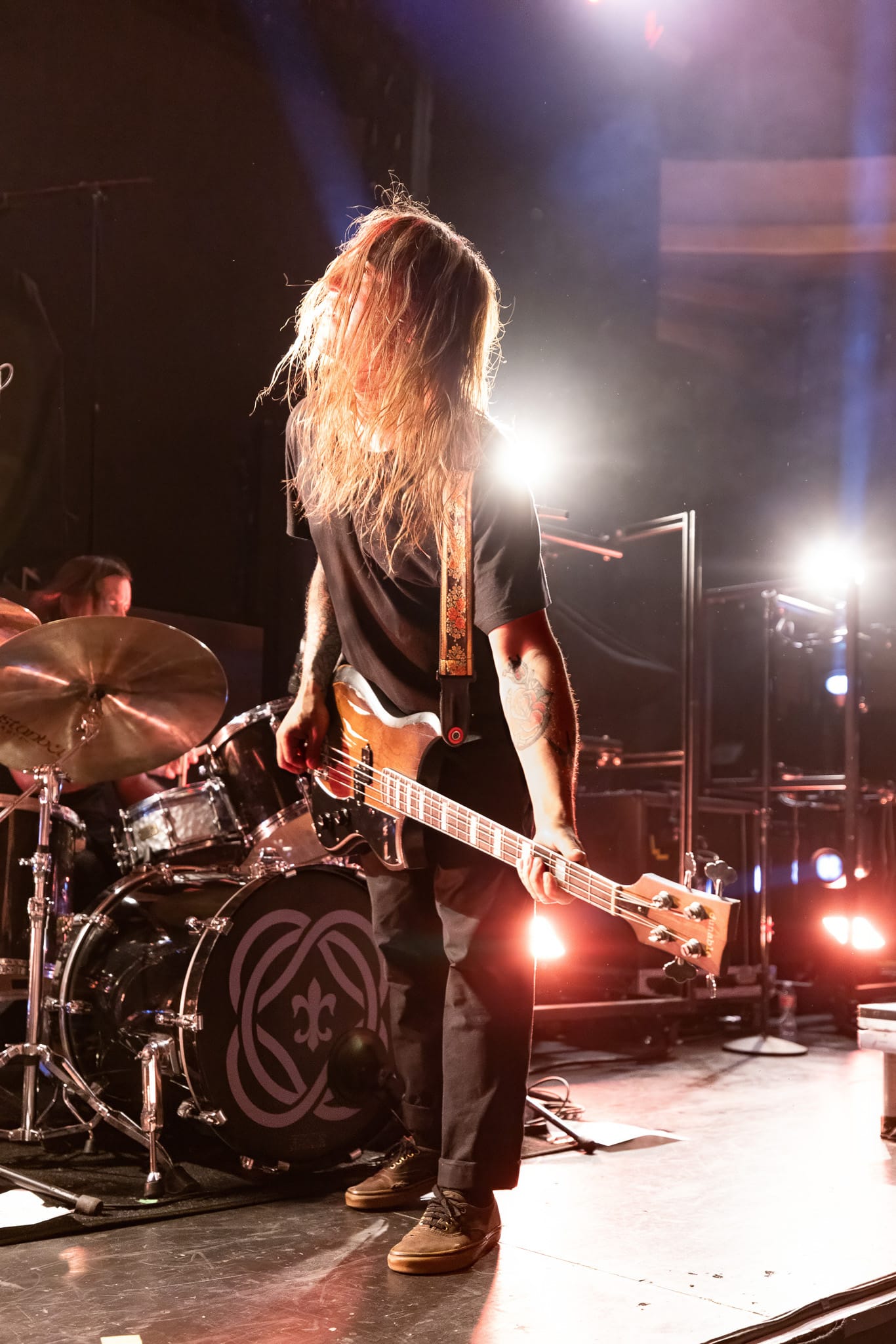
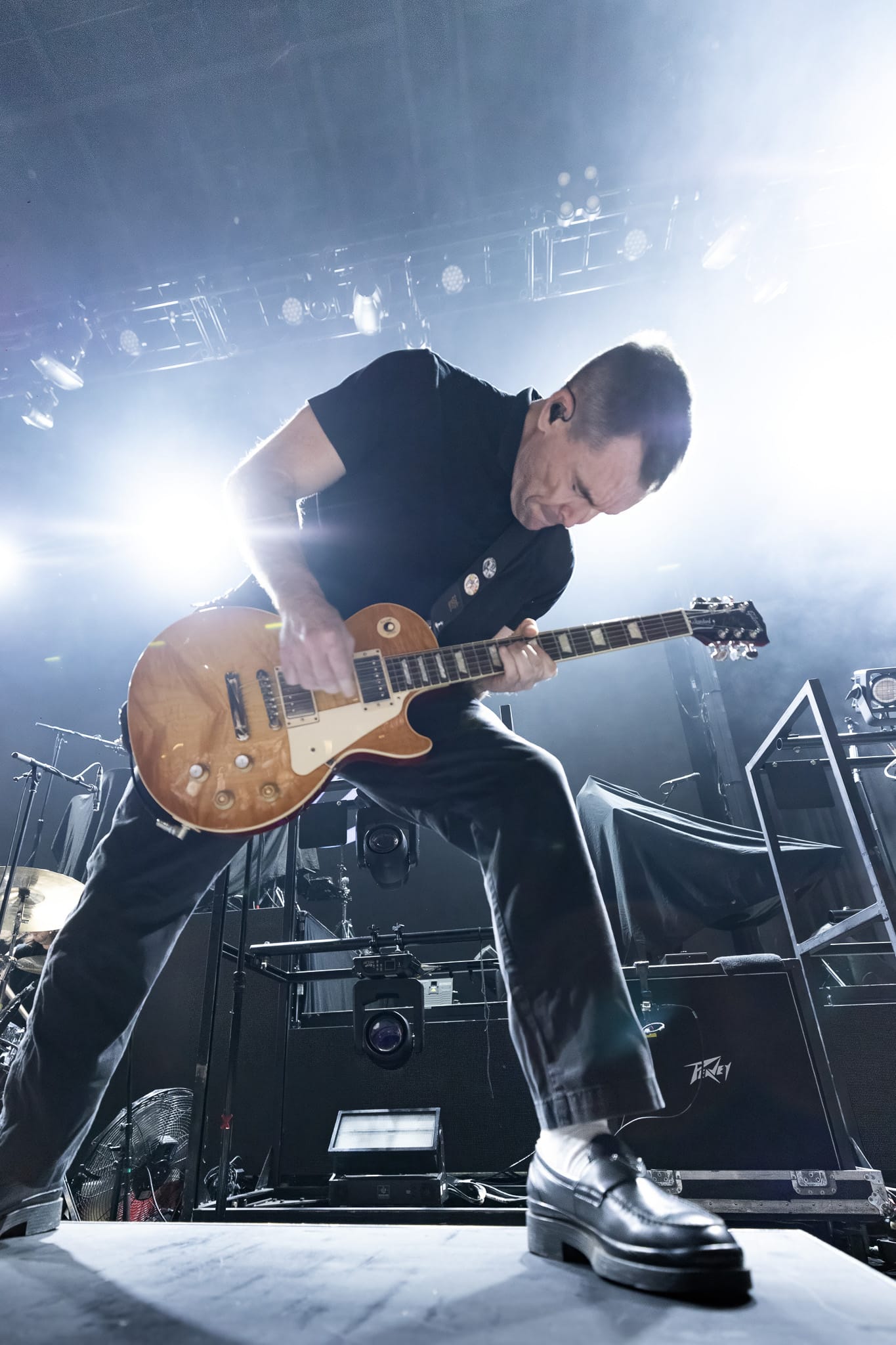
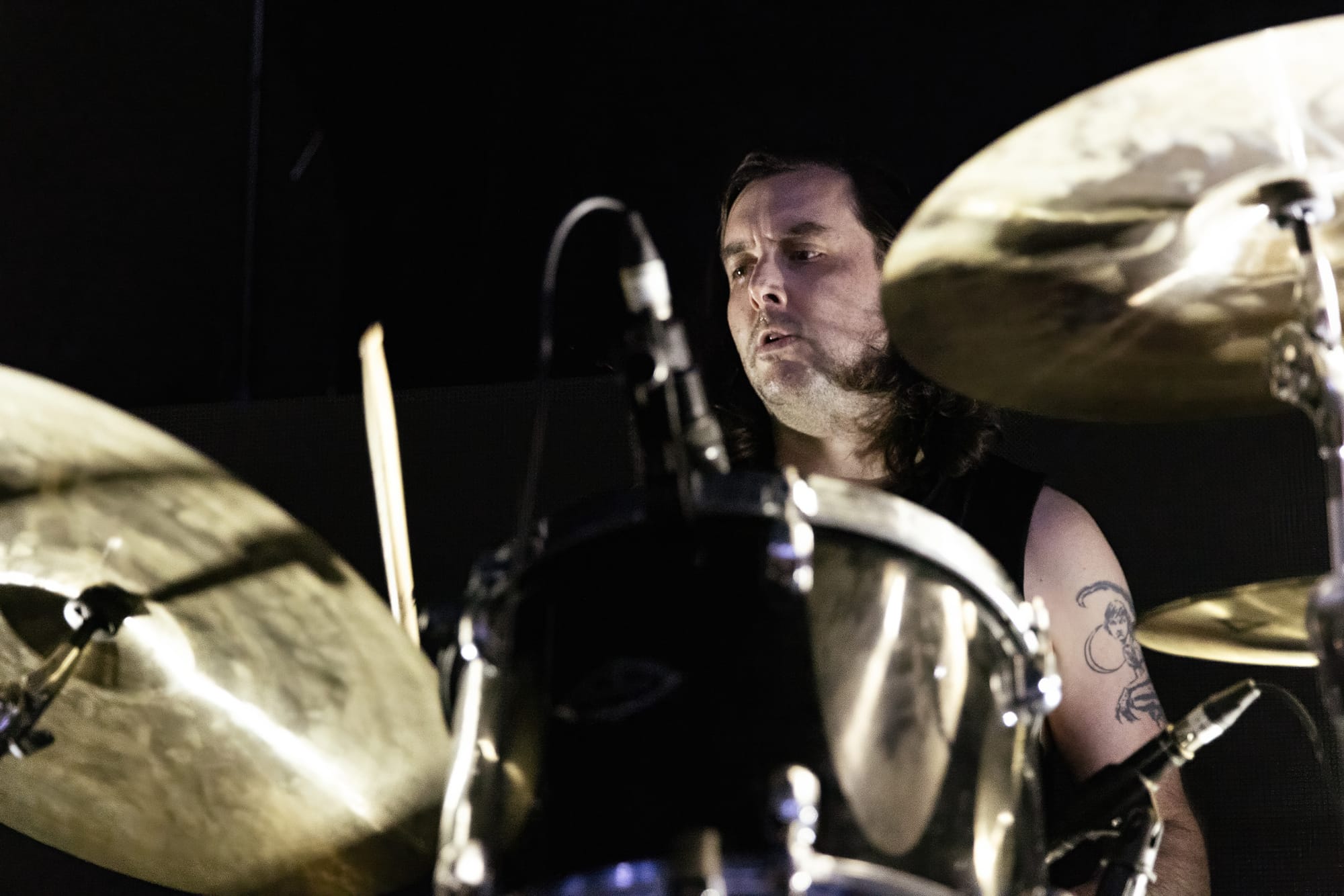
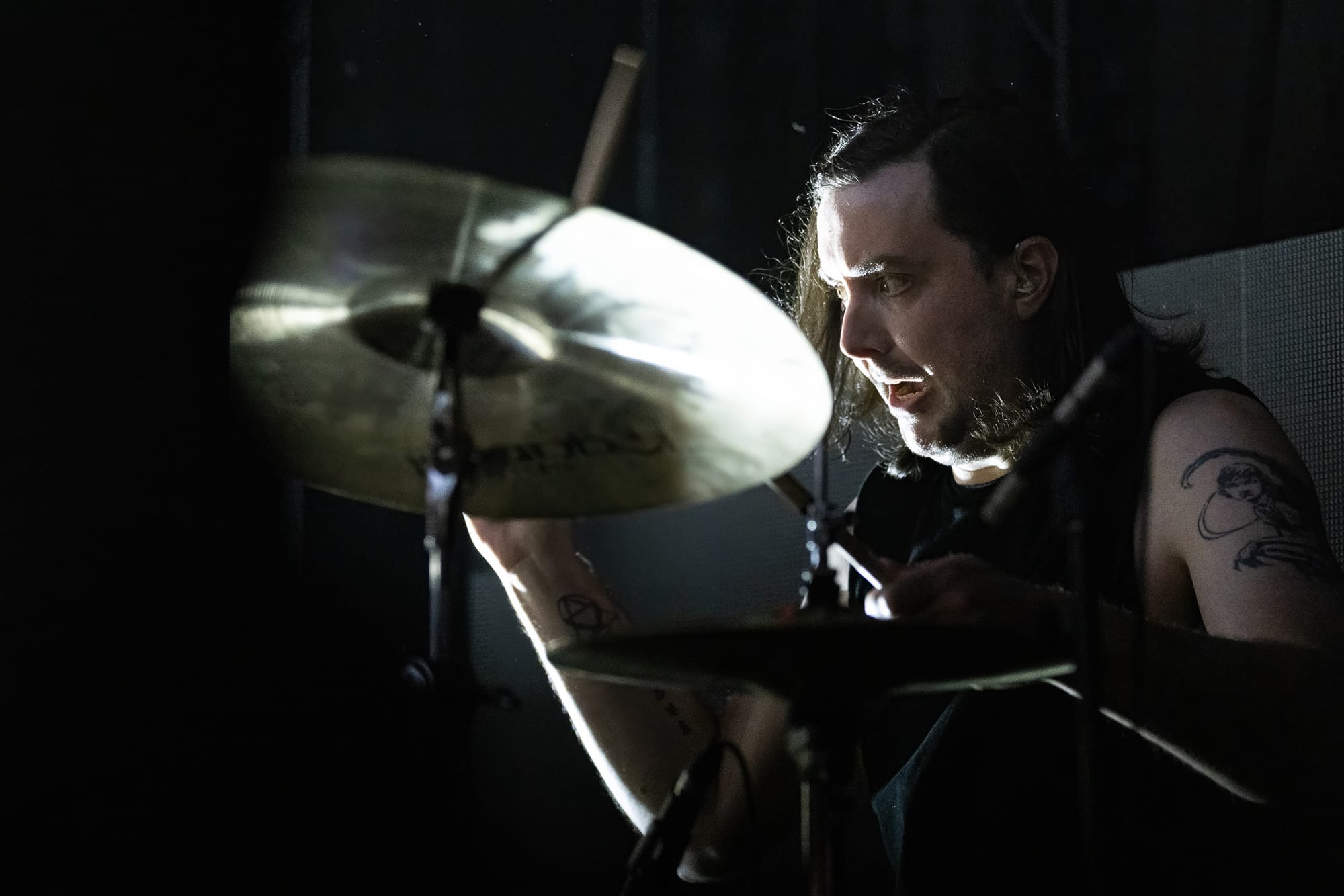
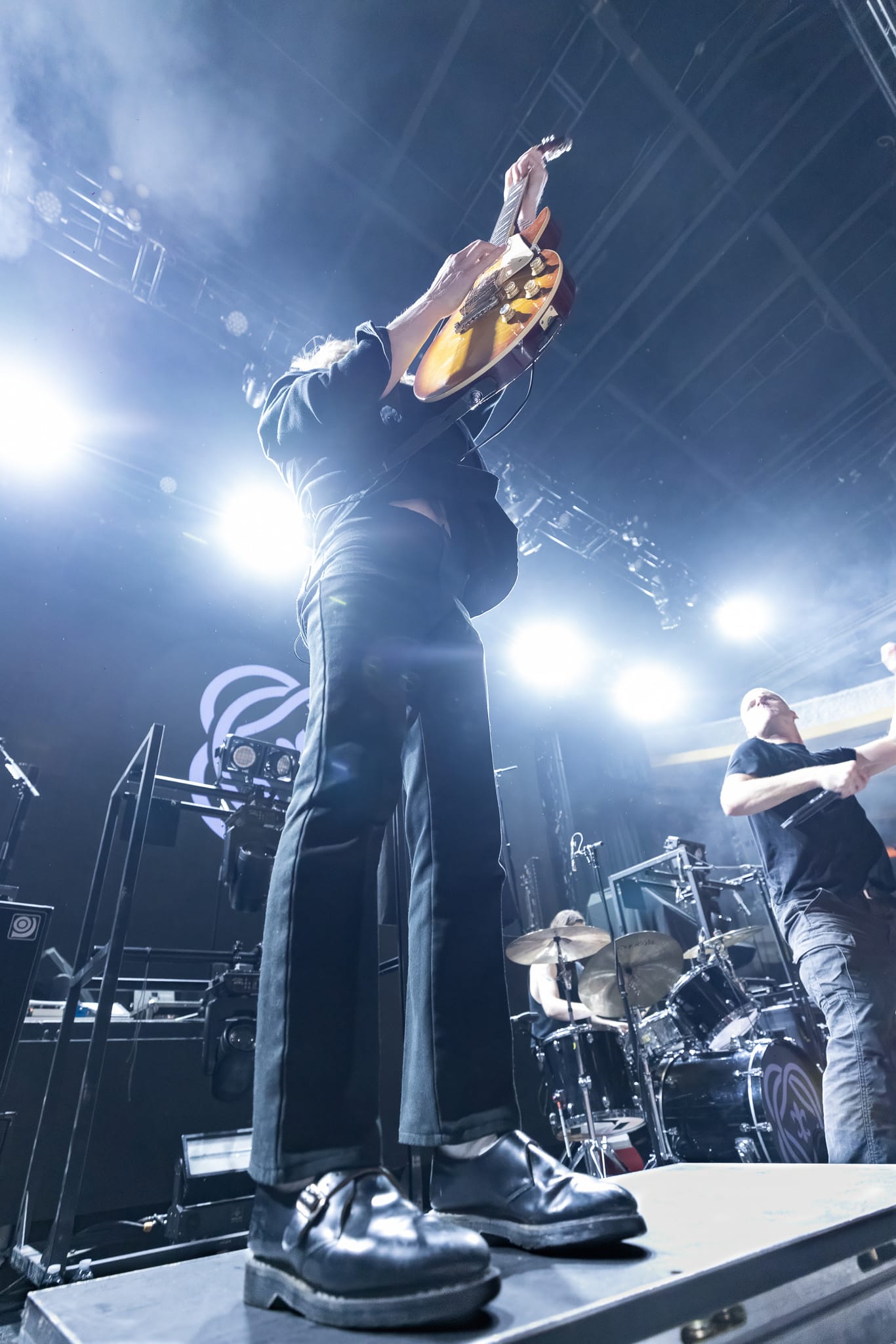
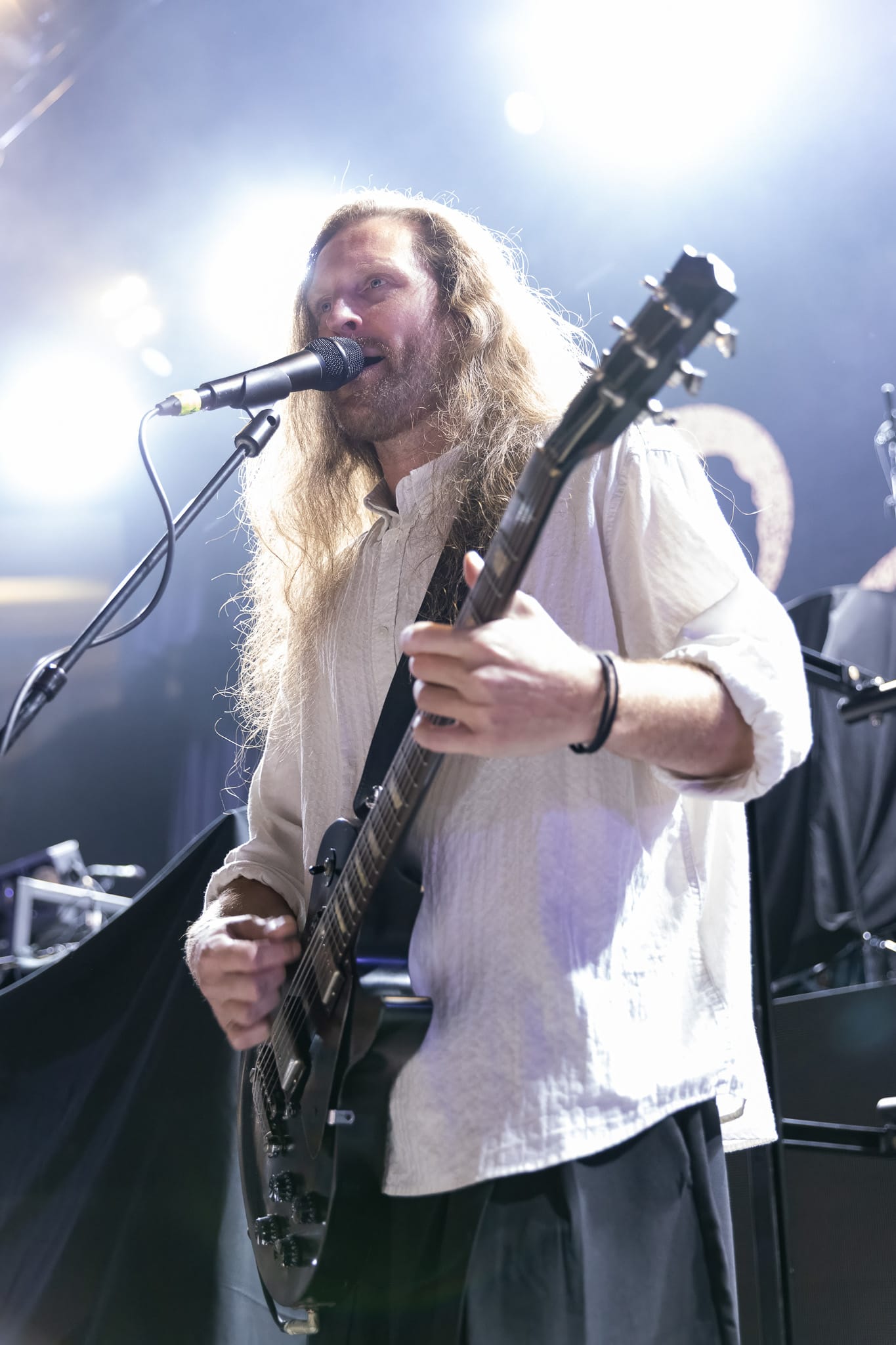
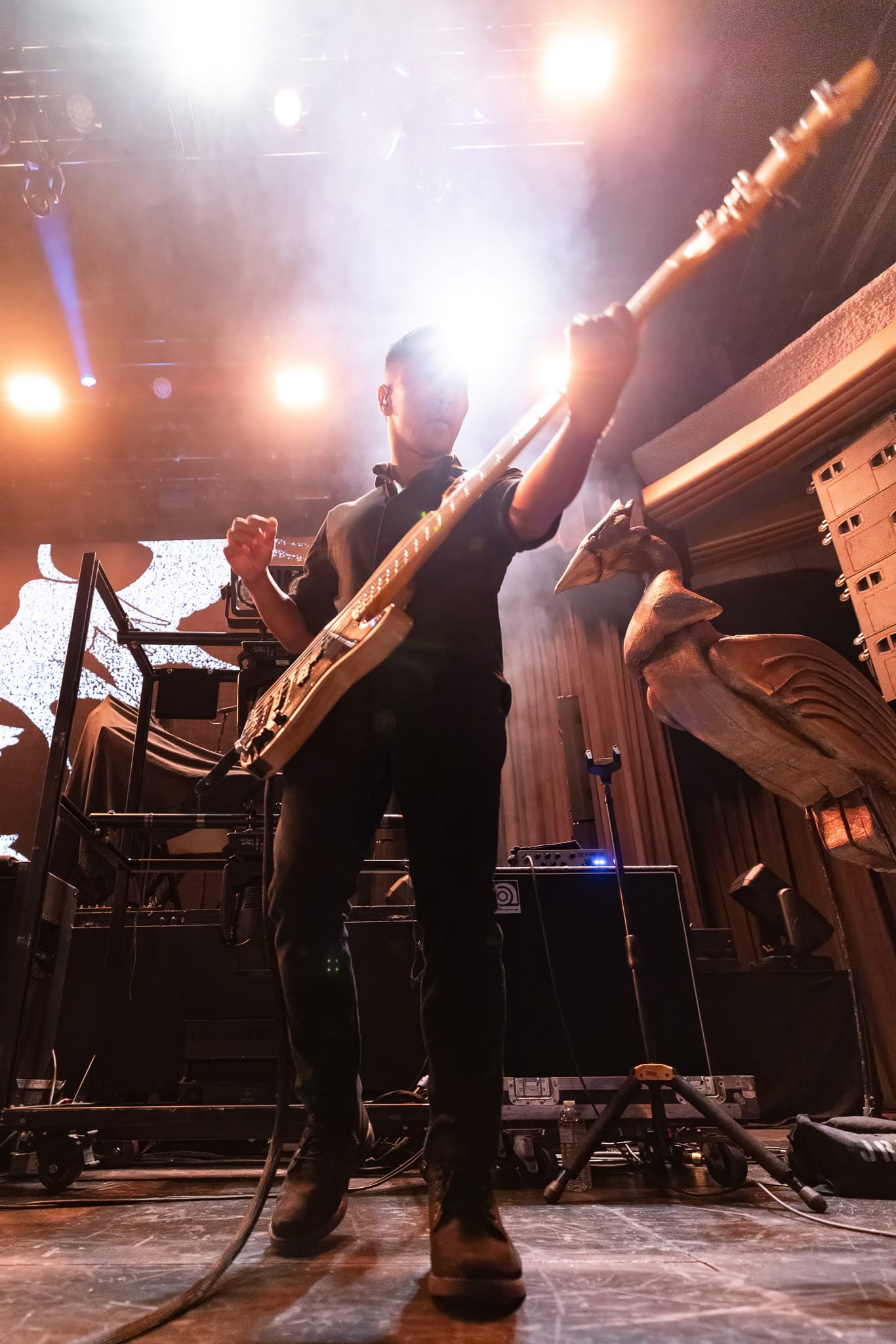
Mastodon had amazing visuals that went with each song, and played throughout the show on a large screen behind them, as well as on the front of the drum riser, which was also an extended screen – sort of a Las Vegas Sphere experience for the rest of us that can’t make the trip or afford the tickets. The drum riser was as tall as anything I’ve ever seen, making it hard to see (and photograph) what Brann was up to behind his kit, but he sounded amazing. It had a lower riser on either side – stage left to accommodate João Nogueira’s keyboard set-up, and an elevated stage right spot for Troy Sanders to come and sing from when he got tired of holding down center stage. Guitarist Bill Kelliher killed it as always, and hearing his audible interaction with guitarist Nick Johnson was exhilarating – this was the first time I’d seen Mastodon without Brent Hinds who left 18 months ago, only to die in a motorcycle accident a short while later, and it was good to hear and see that they landed the right guy to fill his shoes.
Mastodon played songs from 8 albums, including 5 from the newest offering, Marrow Deep. In my experience, when an established band plays songs off a new album, fans use it as an excuse to go to the bar or use the bathroom. That wasn’t the case on Saturday – the new material fit perfectly with the old, and fans took advantage of the opportunity to see the songs for the first time.
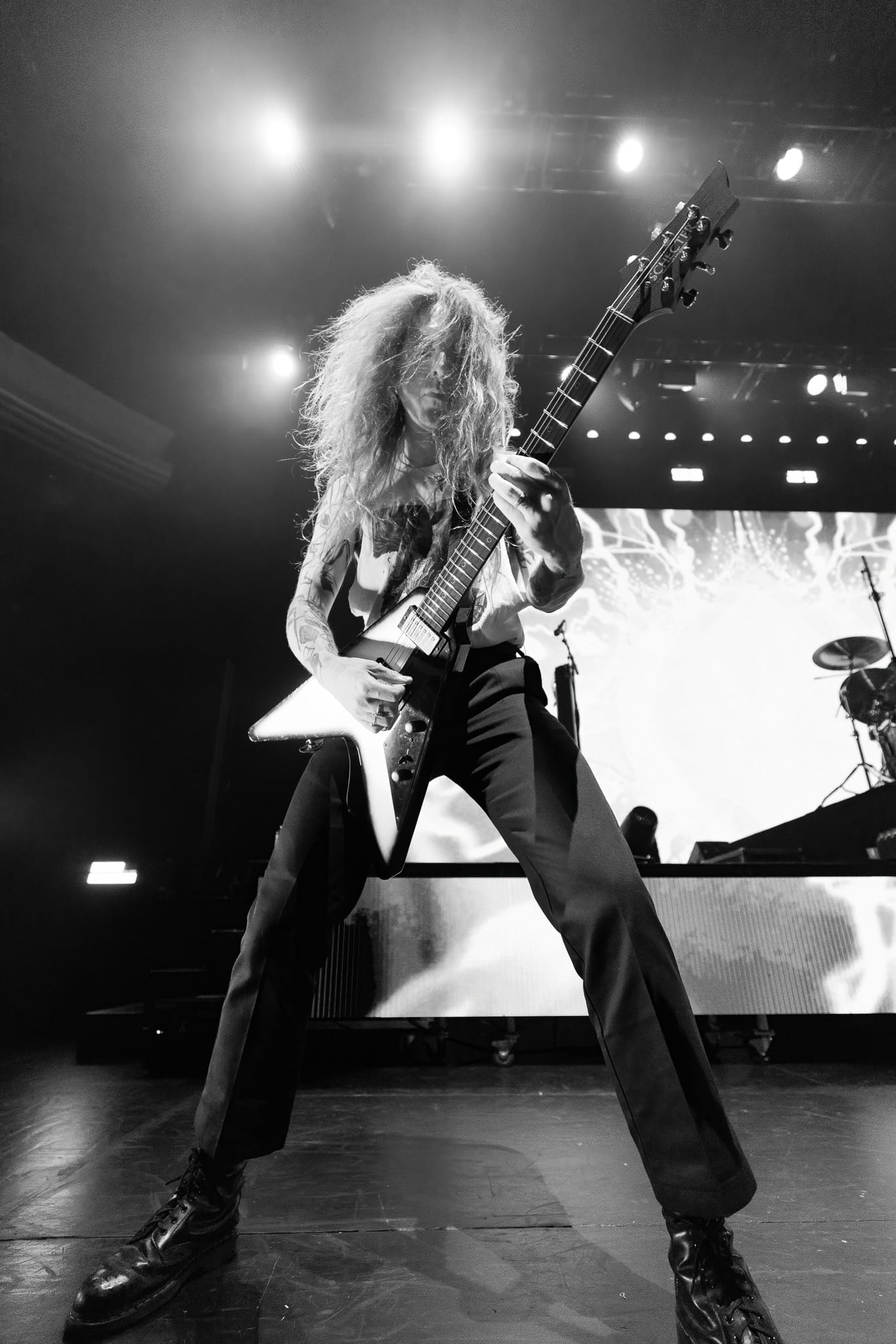
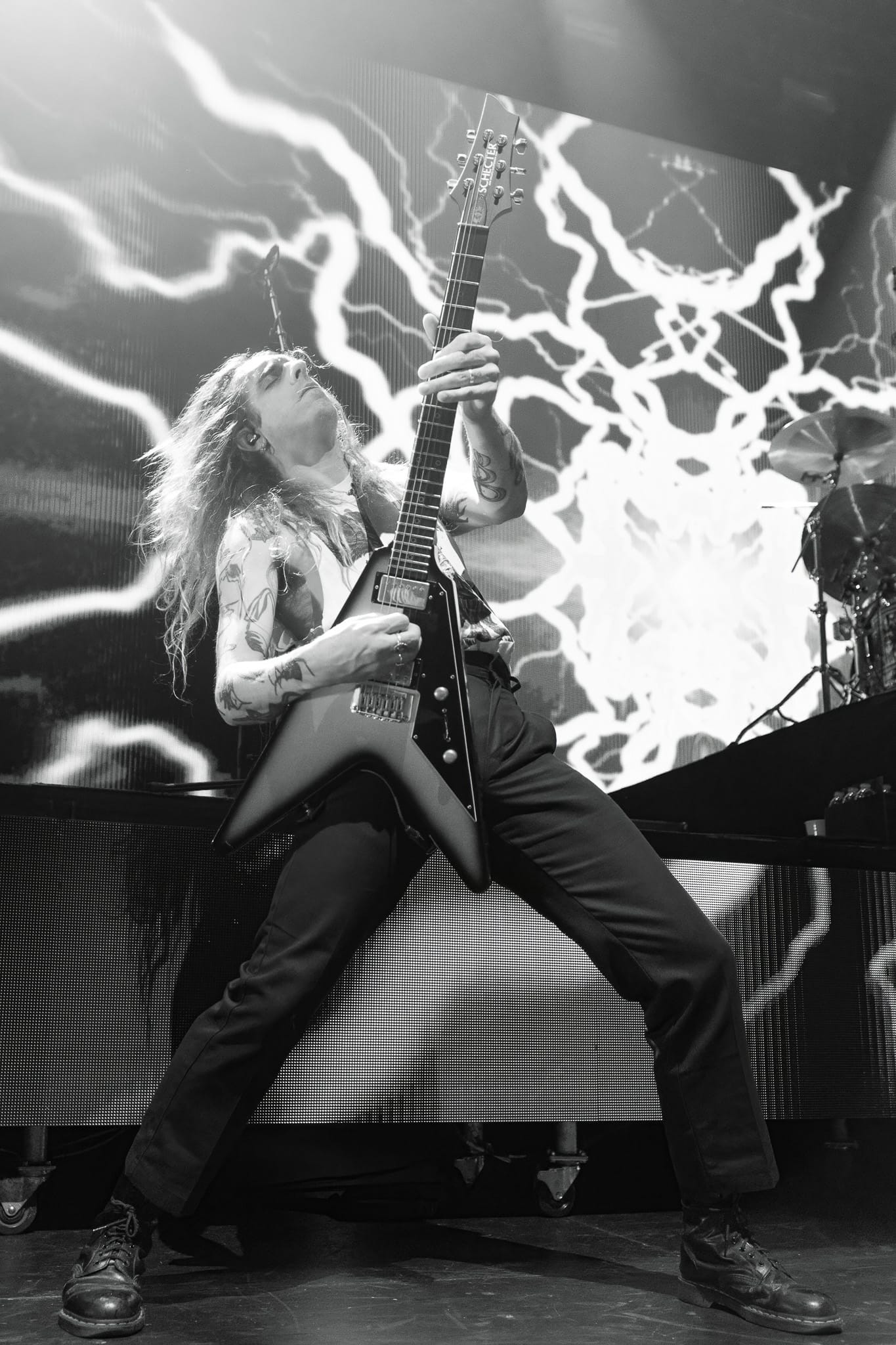
John Baizley of Baroness joined the band on stage during the second portion to play along, a move that began during a pre-tour warm-up-show in Atlanta where he joined the band for a couple of songs…only to have it go so well he was invited to join the upcoming tour.
There are 7 more dates on The Poisonous Weapons Tour before Mastodon wrap things up with the Sick New World Texas festival in late October. They sounded incredible, and are definitely worth catching if they come to your town.
Mastodon are:
• Troy Sanders – Vocals/Bass • Brann Dailor – Drums/Vocals • Bill Kelliher – Guitar • Nick Johnston – Guitar • João Nogueira – Keyboard • John Baizley – Guest Vocals/Guitar
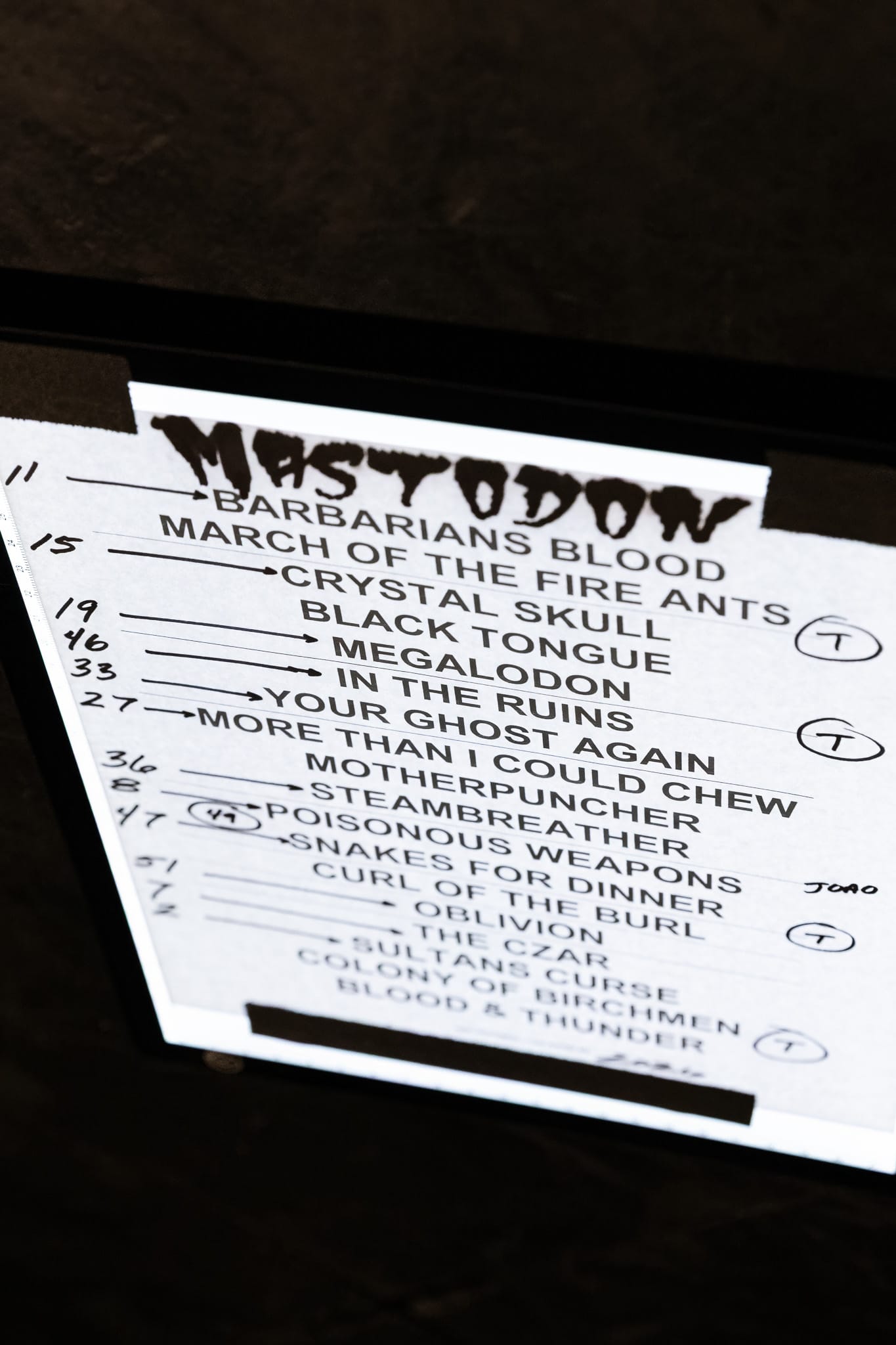
Setlist:
Barbarians Blood
March of the Fire Ants
Crystal Skull
Black Tongue
Megalodon
In the Ruins
More Than I Could Chew
Your Ghost Again
Mother Puncher
Steambreather
Poisonous Weapons
Snakes for Dinner
Curl of the Burl
Oblivion
The Czar
Sultan's Curse
Colony of Birchmen
Blood and Thunder
Deafheaven
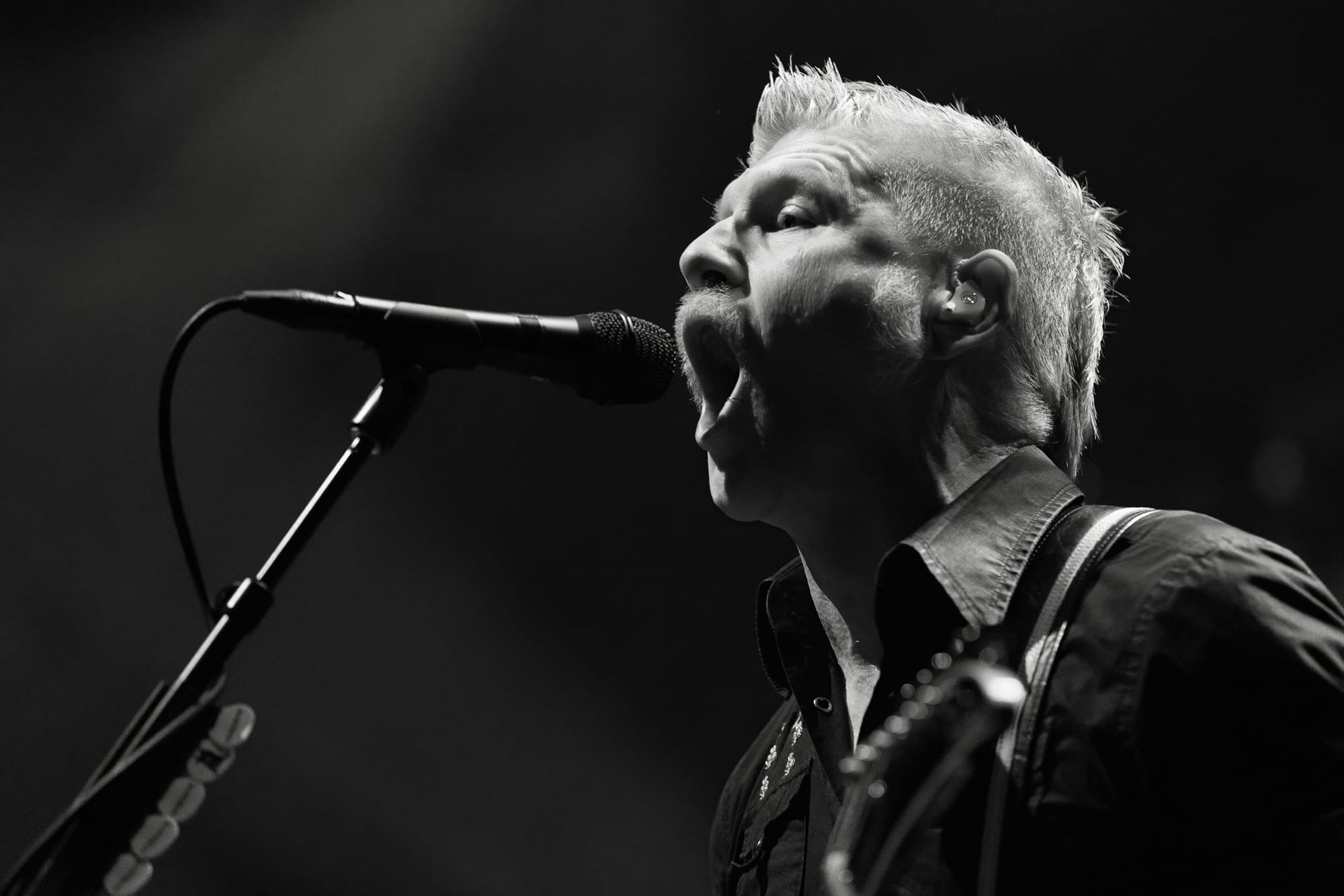
My first impression of Deafheaven as I was taking photos from the pit was that they were by far the loudest band I’d ever heard. Halfway through my time in the photo pit, I discovered that I’d forgotten to put my earplugs back in after Alcrest’s set – Deafheaven were still incredibly loud, but the earplugs definitely made a difference.
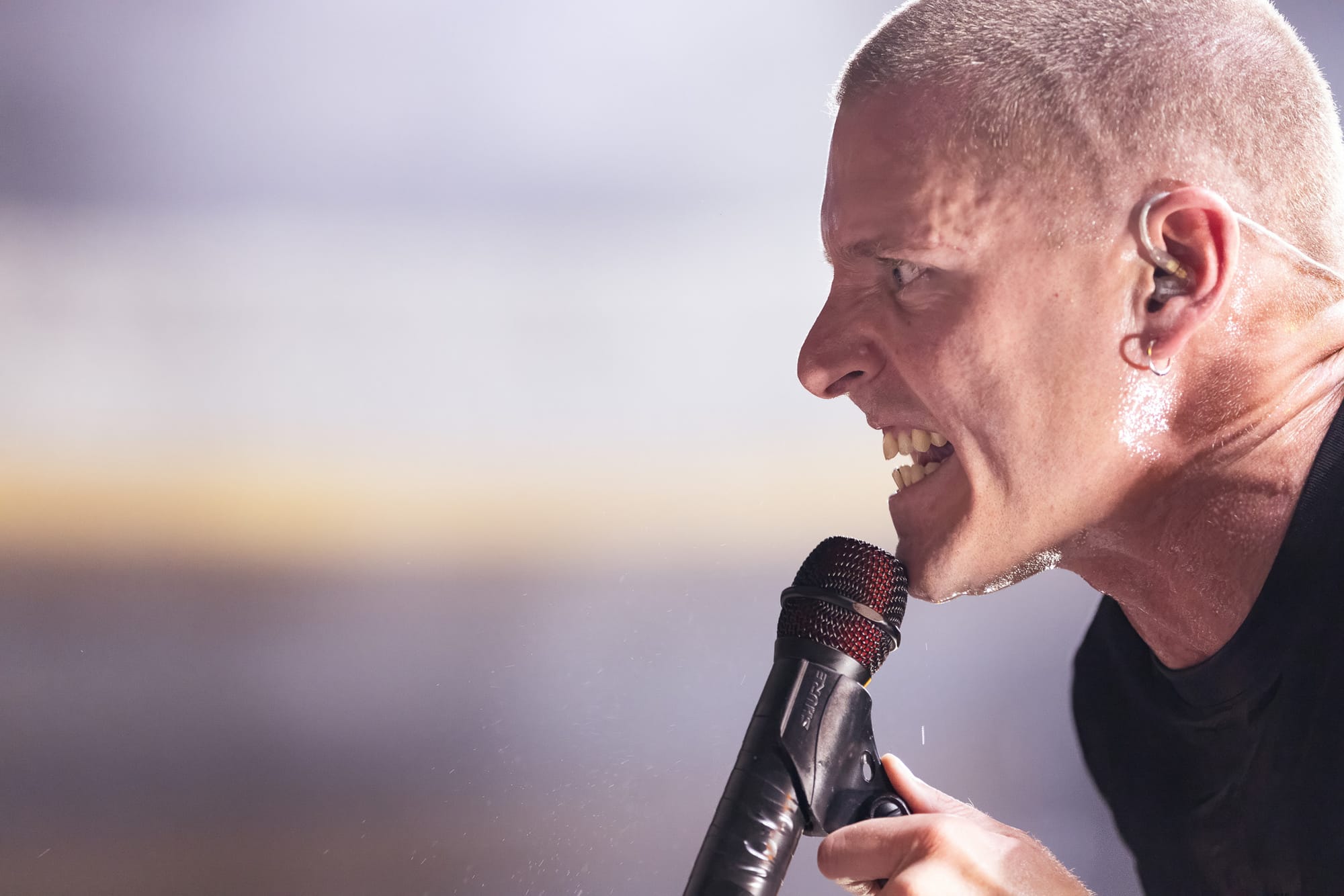
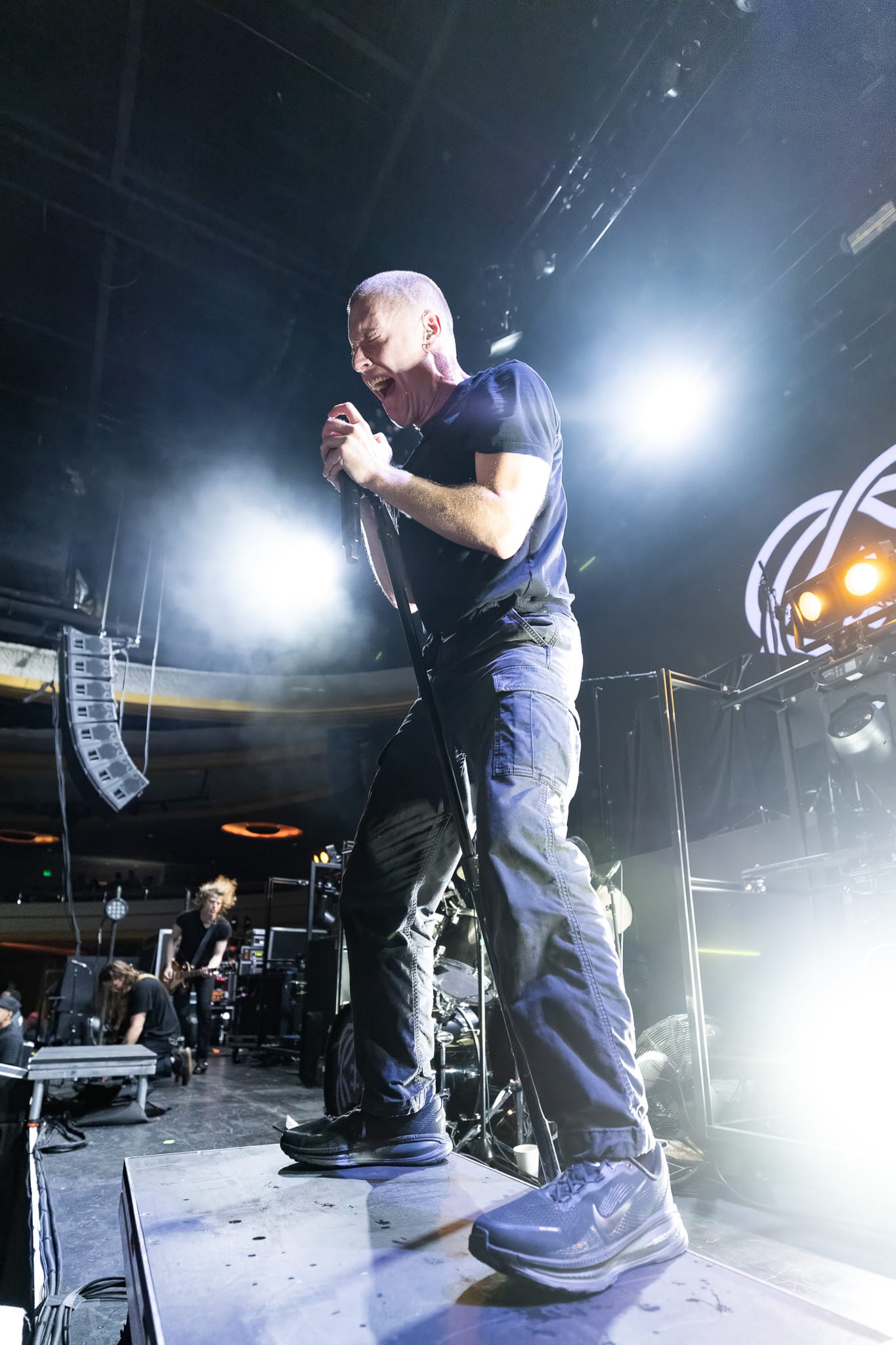
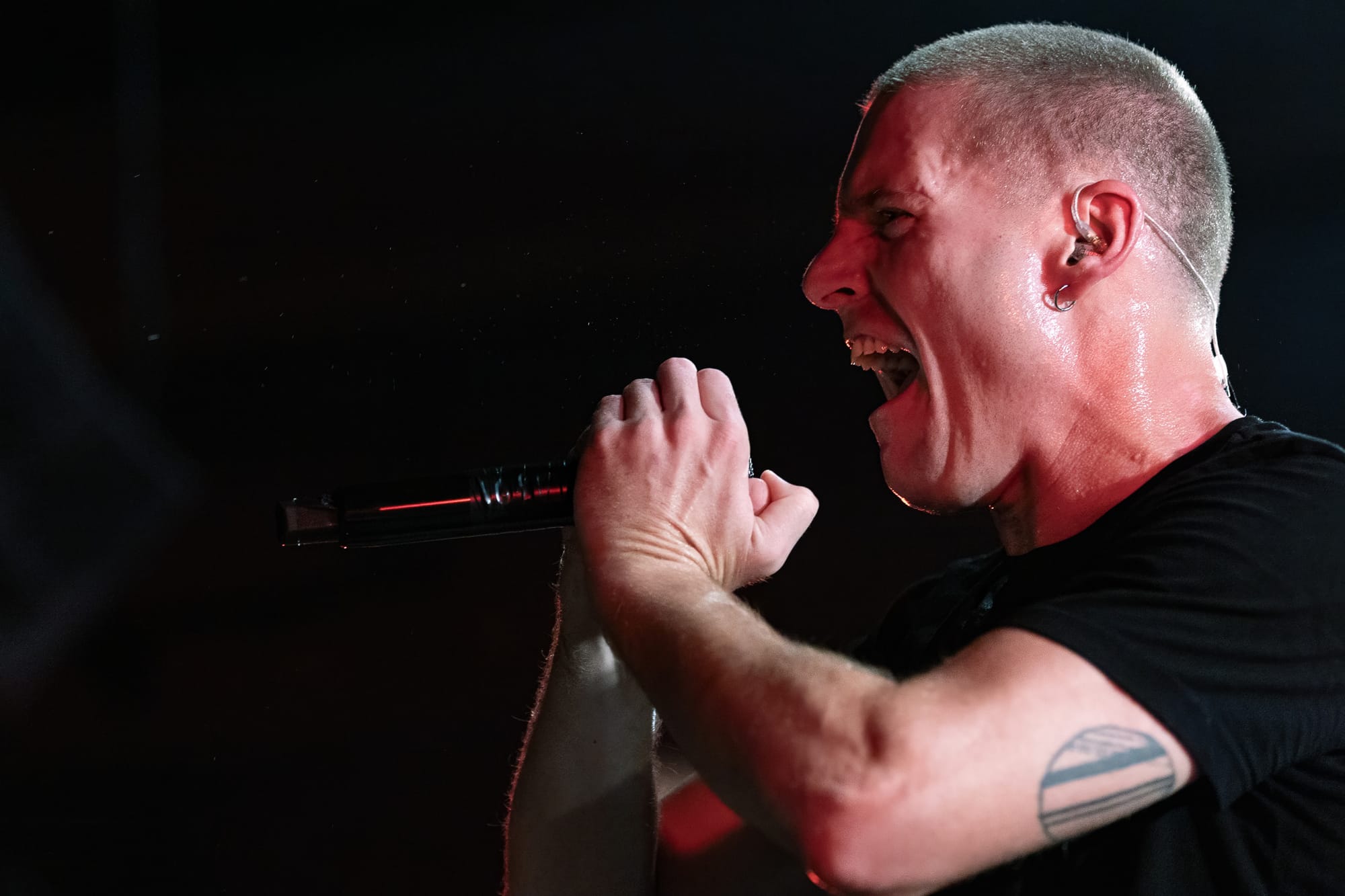
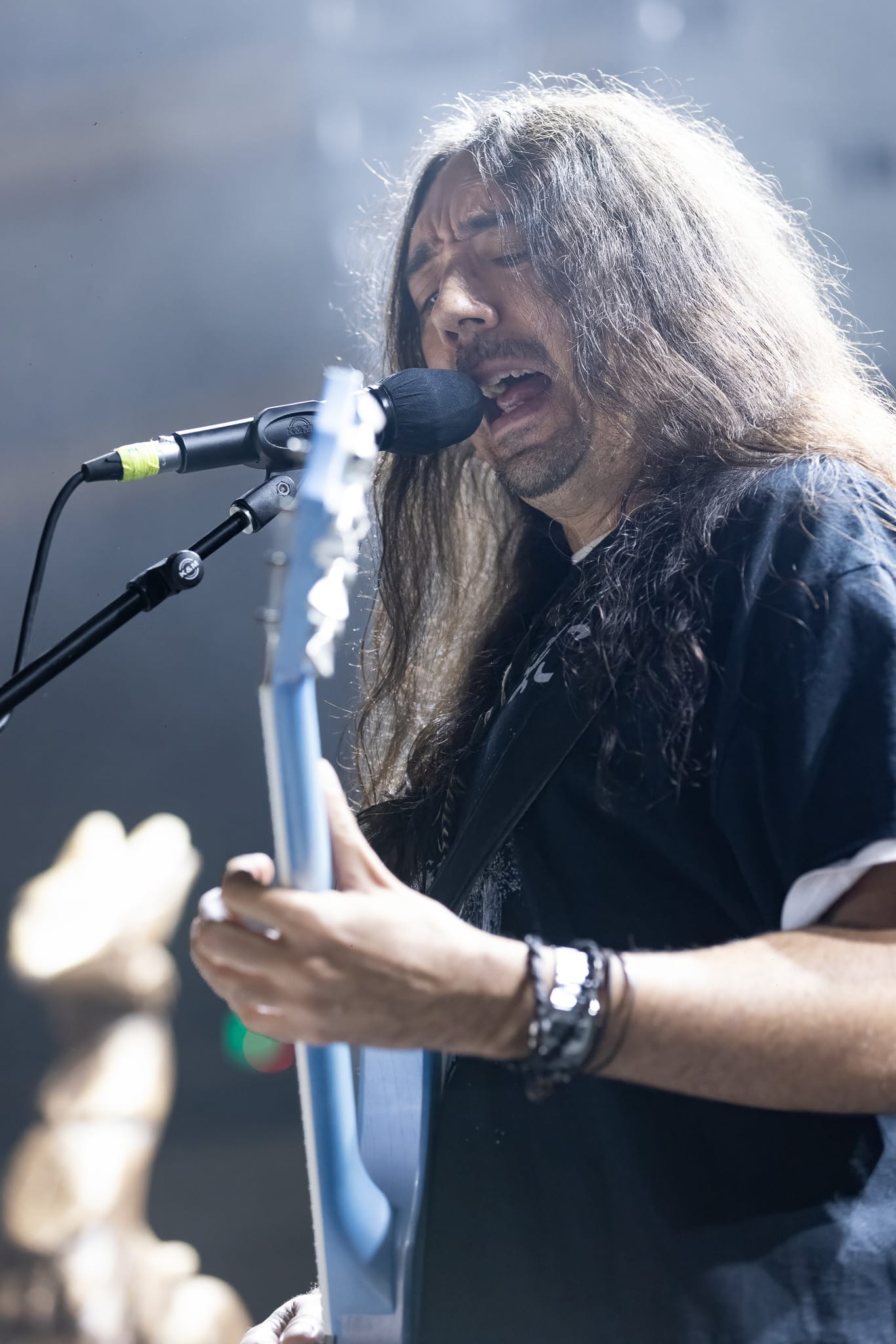
The Bay Area group formed in 2010, and are known for pioneering blackgaze – a combination of blast beats, shoegaze sensibilities, and black metal vocals. Speaking of vocals, I’d be interested to hear vocalist George Clarke’s normal talking voice – his singing voice is extreme, and it is hard to image how the human body is able to generate such sounds. In talking with another photographer after their set, he said his wife had just described George’s voice as reminiscent of a pterodactyl (for reference, she had also compared death metal vocals to the Cookie Monster, so take her review however you will)…I’ve never heard a pterodactyl, but what I can confirm is that George’s voice is powerful, utterly distinctive, and fits the music perfectly.
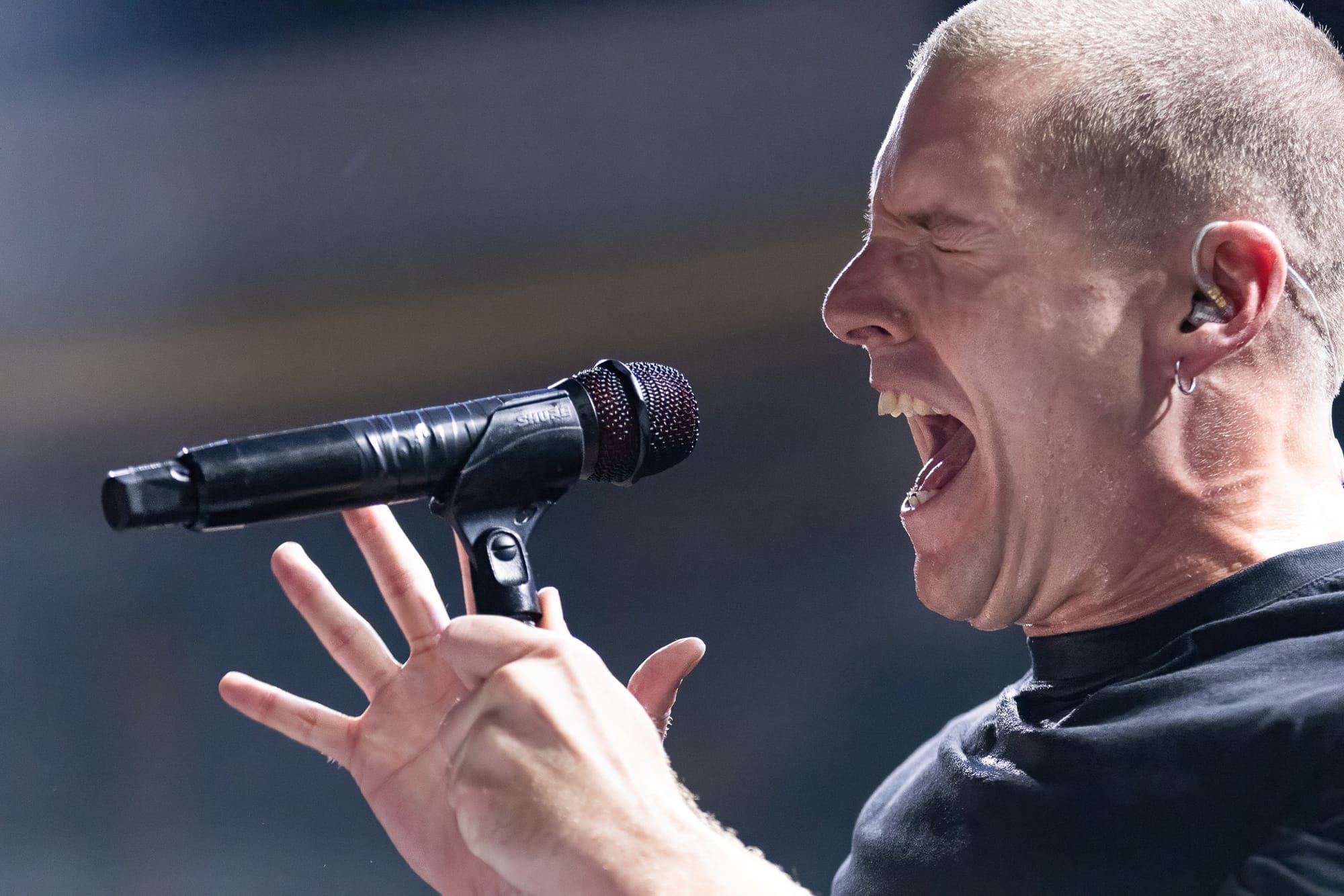
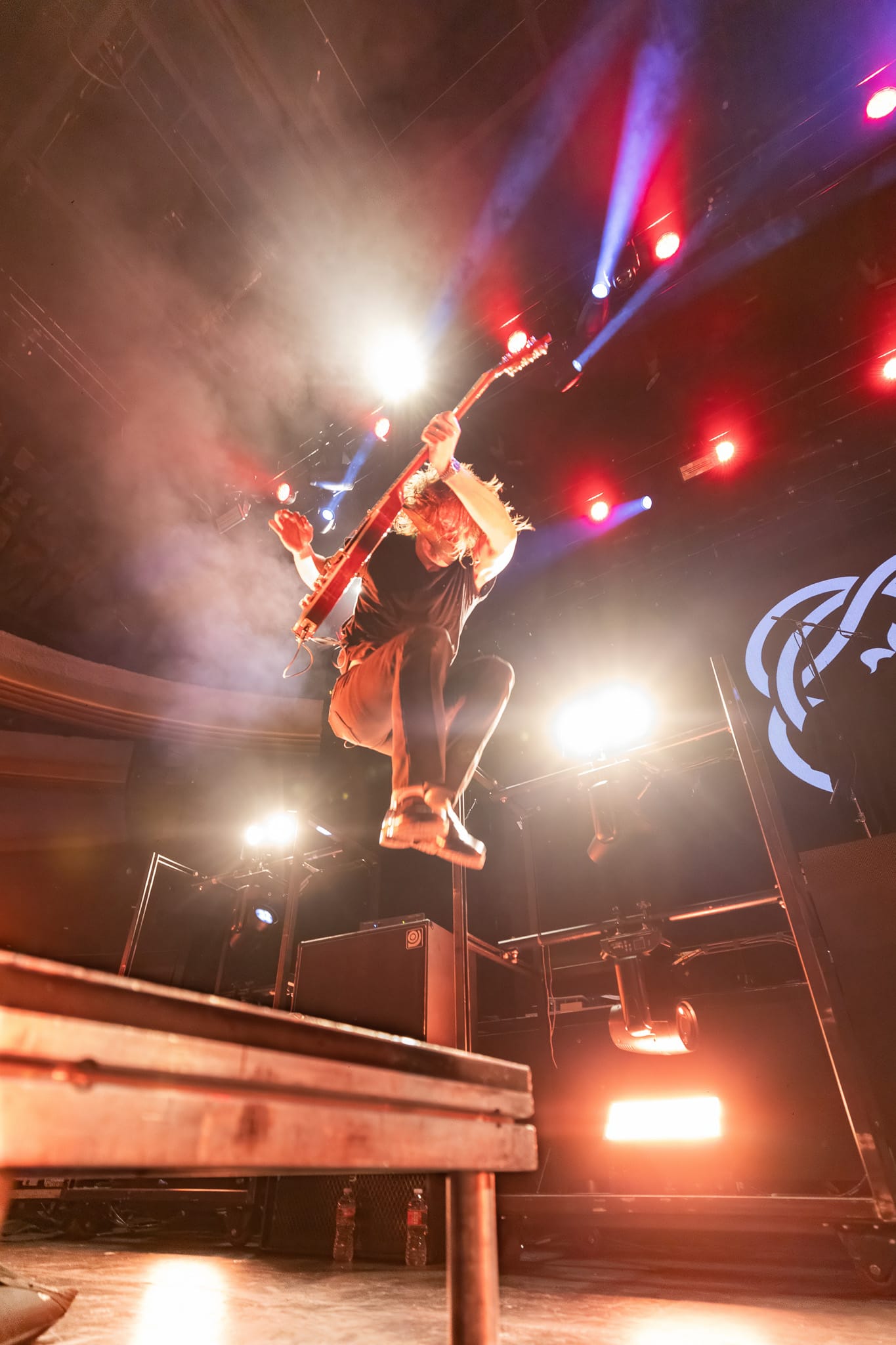
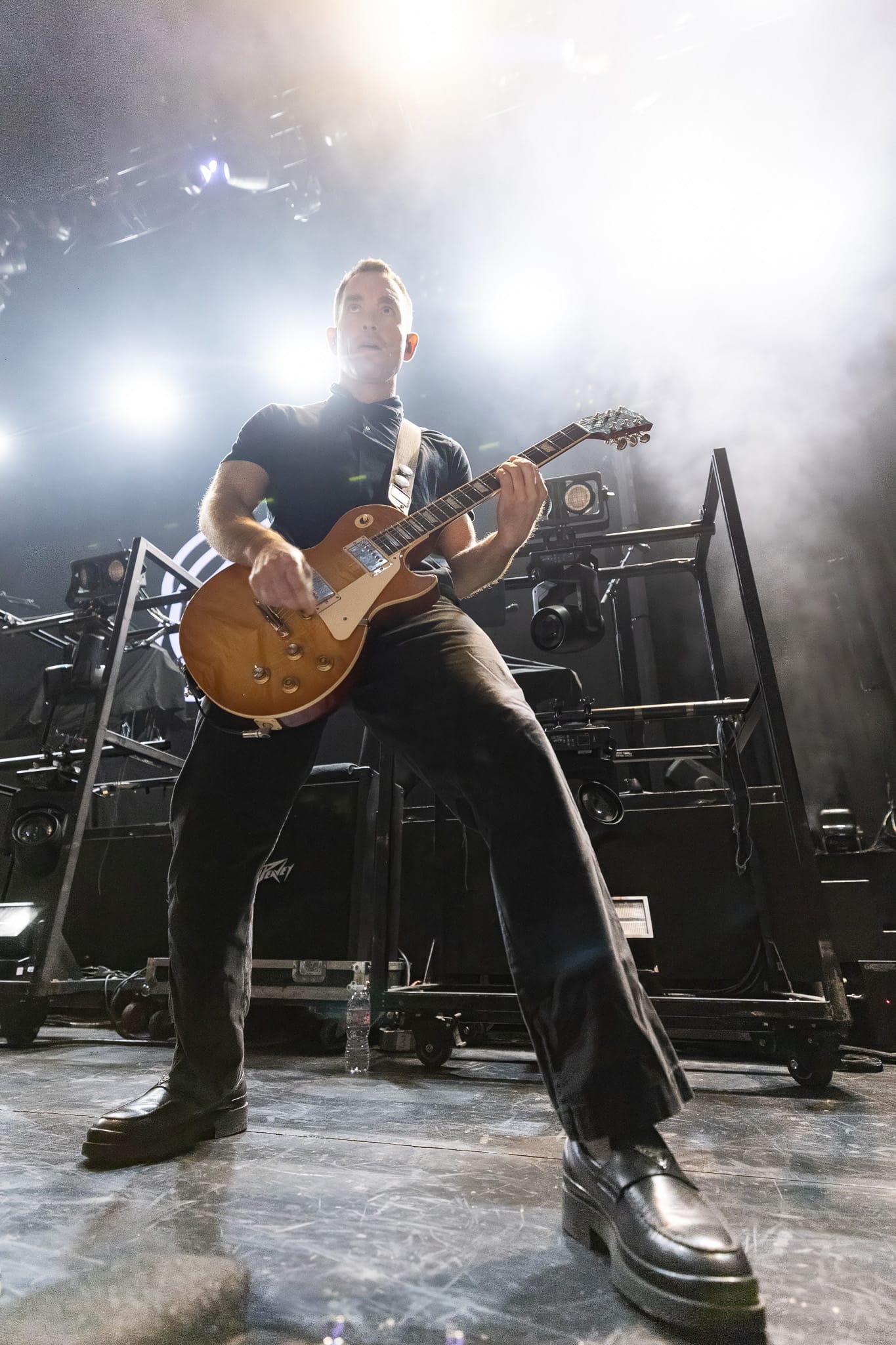
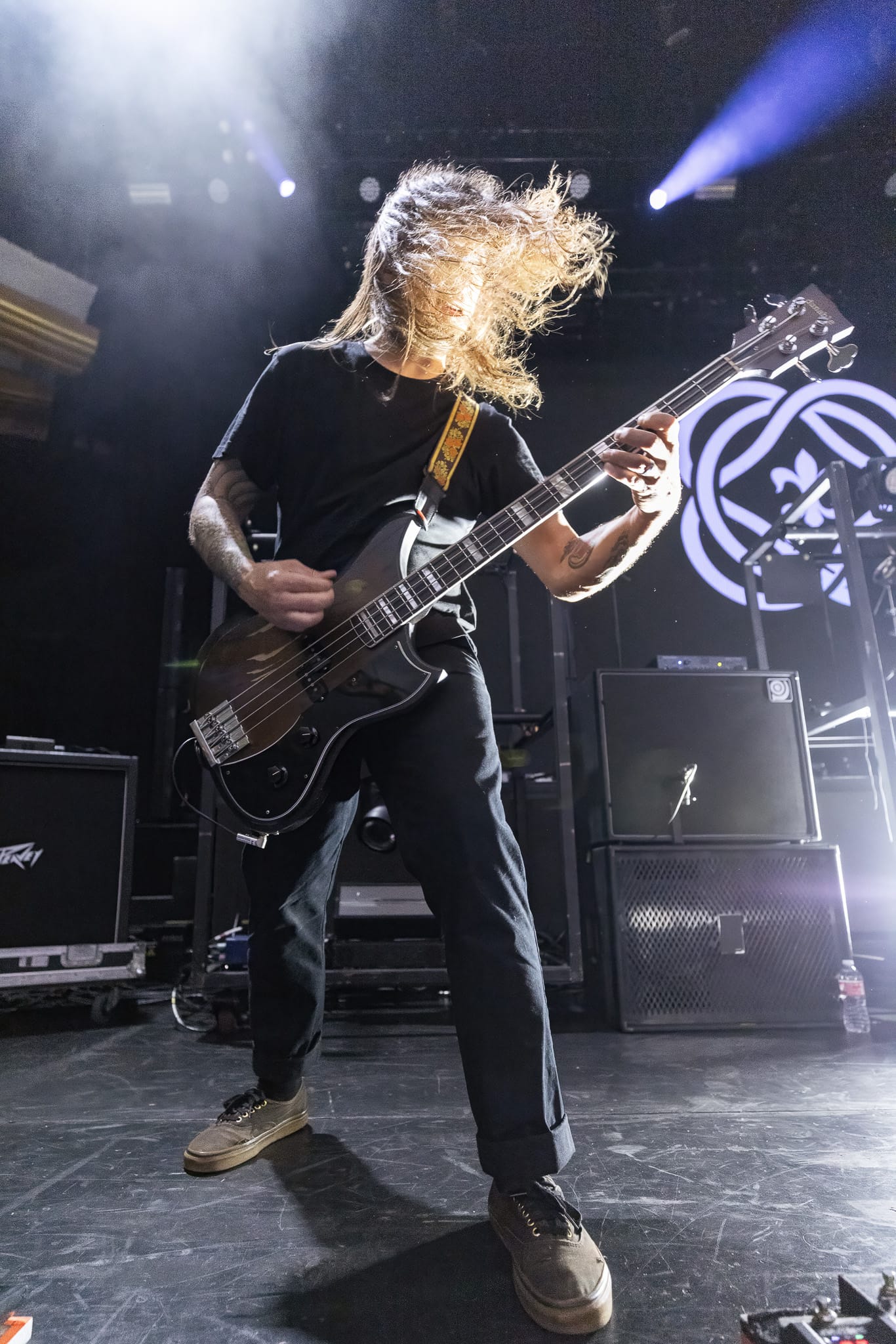
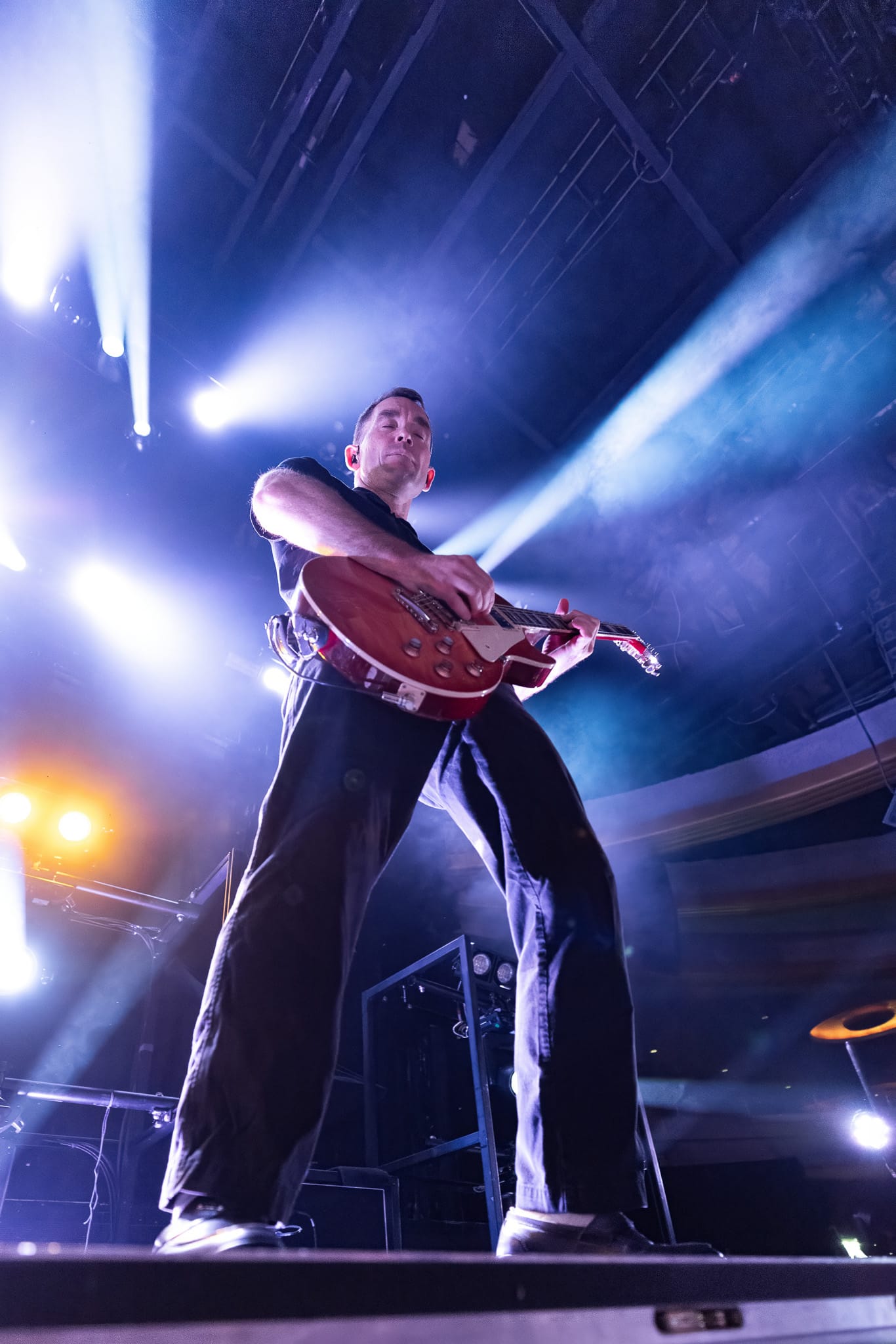
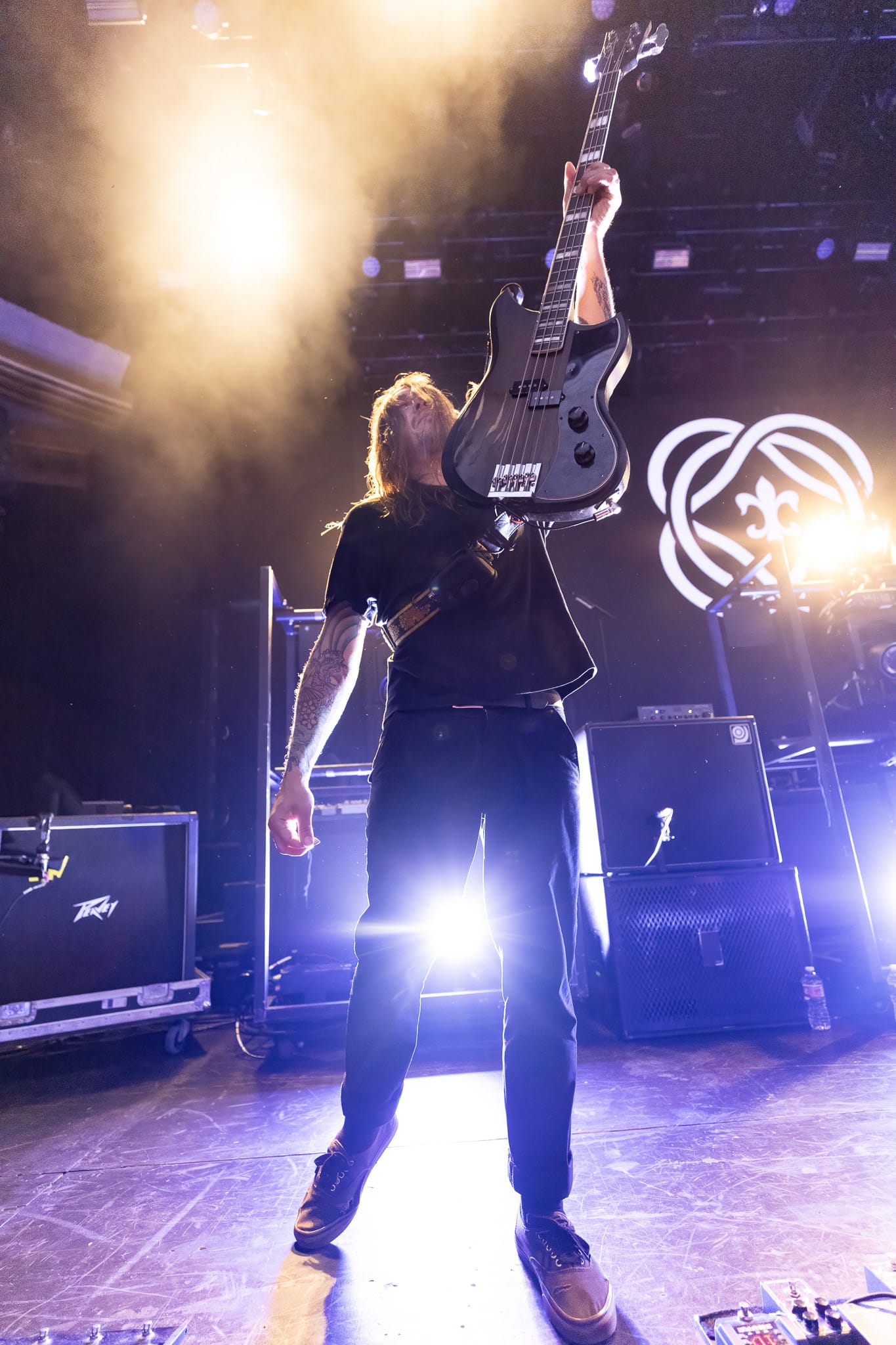
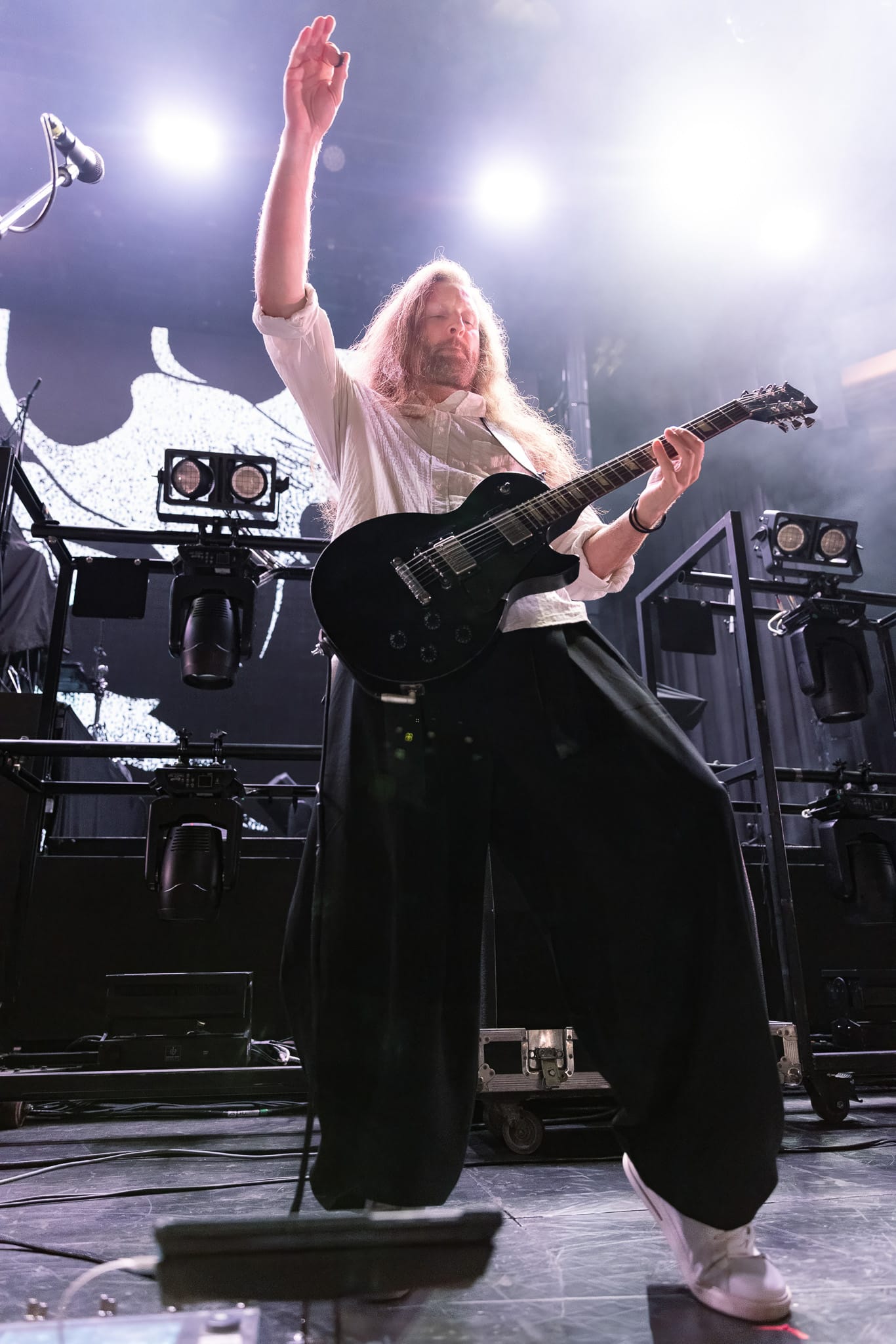
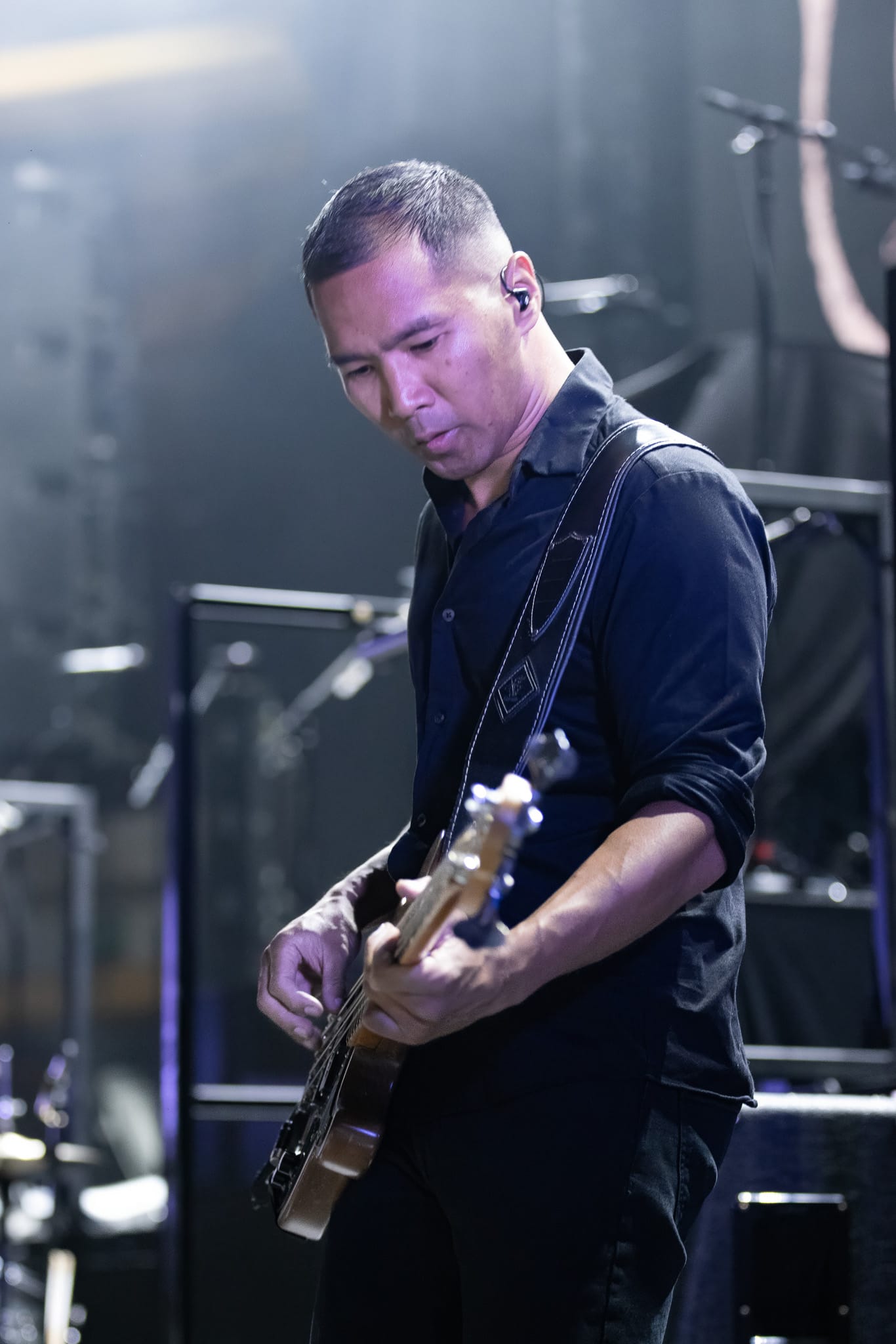
Deafheaven is a great live band and visually interesting. George paced the stage with a fiery intensity, while Ian Waters struck rock star poses and jumped off the band’s risers. Kerry McCoy tore it up on guitar, while Daniel Tracy (drums) and Chris Johnson (bass) expertly provided the beat and low-end. These guys were great, and the audience really responded to their show.
Deafheaven are:
• George Clarke – Vocals • Kerry McCoy – Guitar • Daniel Tracy – Drums • Ian Waters – Guitar • Chris Johnson – Bass
Alcest
French band Alcest’s Instagram page only lists their name and a one-word quote – “Music from another world.” Since forming in 2000, they are credited with creating the blackgaze genre, and were the perfect way to kick off an exceptional night of live music.
The Palladium has a large stage – both side to side and front to back, and it appears oversized for the size of the venue. Despite the ample acreage, all four members of Alcest were pushed right up against the lip of the stage side by side. This unique setup seemed to stem more from band preference than lack of space on stage. Winterhalter’s drum kit was pushed up against the edge of the stage to the point that I could have reached out and grabbed one of his sticks mid-set if I’d been so inclined – at times I held my camera over the top of his bass drum to push my wide-angle lens close to him and what he was doing.
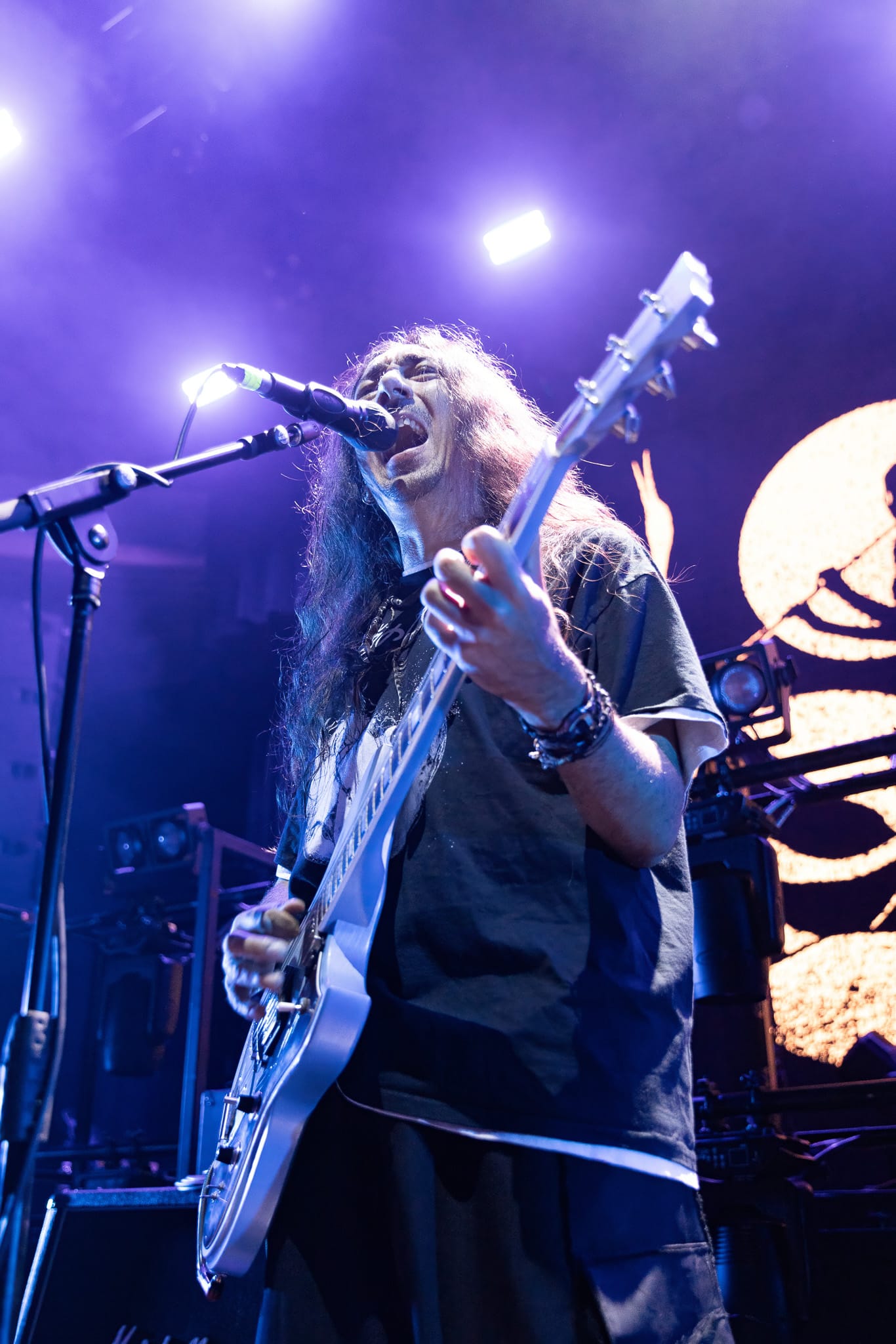
The position of drums and amps left little room for stage antics, so Neige and the rest of Alcest leaned into their songs and musicianship – both of which won over the packed Palladium crowd. They played a tight set filled with songs that really got the people moving despite the early 7:00pm start time.
Alcest are:
• Neige – Vocals/Guitar • Winterhalter – Drums • Zero – Guitar • Indria Saray – Bass
Brooks RobinsonPhotographer & Writer
Brooks Robinson is an LA-based concert photographer, and 30+ year freelance camera operator for film, television, and music videos. He has photographed some of the largest film/TV projects in history, and hundreds of music videos in MTV's heyday.
YouTube Music is adding a small AI badge beneath song titles so listeners can see when a recording was largely generated by artificial intelligence. It sounds like something the platform should have done ages ago, especially now that AI tools can produce complete songs with convincing vocals in minutes.
The change, announced on October 14, 2026, places the label directly on the music player. Tap it, and a panel explains that the recording was altered or generated using AI.
I like the idea, but I would not celebrate just yet. YouTube already had AI disclosure labels. They were small, easy to miss and heavily dependent on creators reporting their own use of the technology. The company has improved their visibility over time, but identifying AI music remains a much harder job than putting a badge on the screen.
According to the official YouTube announcement, the new labels target songs created primarily with generative AI, including recordings where software generated both the composition and vocals.
The rollout has started on YouTube Music, with plans to bring the same labels to the main YouTube app. The company has not provided an exact date for that expansion.
YouTube Already Had AI Labels, So What Is Actually New?
YouTube introduced its altered and synthetic content disclosure system in 2024. Creators uploading realistic AI-generated material were expected to identify it, and viewers could find the disclosure in the video description.
In May 2026, YouTube admitted that the labels needed to be easier to find. It moved them directly beneath regular videos and placed them over Shorts. The company also began introducing automatic detection for certain kinds of realistic AI content.
For music listeners, however, the experience remained rather limited. A disclosure attached to a video description is not particularly helpful when someone is simply listening to songs through a music player.
The latest update addresses that problem.
As 9to5Google reported, the new badge sits beneath the song title, near the artist information on the Now Playing screen. Selecting it opens a panel called “How this was made.”
The panel includes a “Made with AI” disclosure explaining that artificial intelligence was used to alter or generate the audio.
It is still a fairly small badge, so I would not call it impossible to miss. At least listeners no longer have to open a description to find the information during normal playback.
The Labels Still Depend on Information That Can Be Wrong
Here is the part I find less reassuring. YouTube says it will work with music partners and use its own detection systems to identify AI-generated recordings.
Music distributors can classify tracks using three categories.
Fully Gen AI for recordings created entirely through generative AI.
Partly Gen AI for recordings containing a combination of AI-generated material and human contributions.
No Gen AI for recordings without generative AI involvement.
The categories were detailed in TechCrunch coverage of the announcement. Conventional pitch correction, including Auto-Tune, falls into the No Gen AI category.
That separation is sensible. A musician recording vocals and correcting a few notes has done something very different from generating an entire singer through a text prompt.
But the new system has an obvious weakness. If an uploader incorrectly declares that a recording contains no generative AI, YouTube must either identify the mistake itself or rely on someone else to raise the issue.
The company says it has detection tools, although it has not published an accuracy rate for identifying AI-generated music under the new system.
False positives are another concern. In August, YouTube updated its disclosure controls so creators could correct certain automatically applied labels through YouTube Studio. Some labels remain permanent, particularly when verified metadata or YouTube AI tools establish how the content was generated.
A badge therefore should not be treated as a perfect test of musical authenticity. It tells us how YouTube has classified a recording, not that the platform has independently verified every element of its production.
AI Music Has Already Become Harder to Recognize by Ear
A few years ago, many AI songs were amusing because the mistakes were so obvious. Voices broke apart, pronunciations sounded strange and instruments sometimes produced unnatural transitions.
Current systems are far more convincing. Someone can generate a polished country ballad, a metal track or a pop recording with synthetic vocals without ever entering a studio.
The result can sound convincing enough that listeners have no immediate reason to question the recording.
I previously explored some of the stranger examples in our article about popular songs created using AI. The collection includes synthetic performances that imitate recognizable singers and bands, showing how convincingly software can reproduce elements of an established musical style.
The concern is no longer limited to people making novelty covers for entertainment. AI-generated tracks are appearing on commercial streaming services alongside recordings made by working musicians.
And the scale is getting difficult to ignore.
Other Streaming Services Are Going Further Than YouTube
YouTube is not the only company trying to identify synthetic music. Spotify, Deezer, Tidal and Apple Music have been developing their own approaches.
Deezer reported receiving nearly 90,000 fully AI-generated tracks per day in July 2026. It has been labeling detected AI music and excluding fully generated tracks from algorithmic recommendations and editorial playlists.
Deezer has also announced plans to let listeners filter AI-generated music out of their experience.
YouTube is currently taking a less restrictive approach. It is providing disclosures without announcing a comparable option to remove AI music from recommendations.
That leaves listeners with a familiar problem. They may know a song was generated by AI, but they still have limited control over how much synthetic music appears in their feeds.
For someone interested in discovering new bands, a clear label is useful. A setting that allows them to exclude fully generated recordings would be considerably more useful.
Musicians Have Reasons to Welcome the Change and Question It
For independent musicians, accurate AI labels could help audiences identify recordings made by real performers. A guitarist recording at home should not have to compete for attention with thousands of automated tracks whose origins are hidden.
At the same time, treating every use of AI as equivalent would be unfair to artists who use the technology for specific creative tasks.
Grimes provides an interesting example. She has openly experimented with synthetic vocals and allowed other creators to work with AI-generated versions of her voice under licensing arrangements.
We previously examined her approach in our article about Grimes and AI-assisted music production, including her interest in combining human performances with digital processing.
Her work demonstrates why identifying a recording simply as AI-generated does not always explain how the music was actually made.
A song created entirely from prompts is one thing. A track written and performed by musicians, with a synthetic backing vocal added during production, is another.
YouTube has classifications for both situations, but the information displayed to listeners remains fairly basic. A more detailed explanation of the AI contribution would help people make their own judgments.
Listeners Still Cannot Assume an Unlabeled Song Was Made by Humans
The new YouTube Music labels are a welcome improvement, especially after two years of disclosures that were not always easy to find.
But the company has not demonstrated that its detection tools can catch every AI-generated recording, and the October announcement does not promise that every song involving generative AI will carry a visible badge.
The focus is on music made primarily using generative AI. Smaller AI contributions may fall under separate classifications without necessarily receiving the same prominent warning.
There is also no announced option for YouTube Music subscribers to block fully generated songs from their recommendations.
For now, the new labels provide information that should already have been readily available. I would rather see a clear disclosure than continue guessing how a recording was produced, but I would also like YouTube to show exactly what was generated and give listeners control over the music they are recommended.
The real test will come when listeners encounter suspicious tracks without badges, or when genuine musicians find their recordings incorrectly labeled. YouTube has made the disclosure easier to see. It still has to prove how accurately it can identify the music.
Gargoyle Records [Release date 23.10.26] Credo are back with their fourth studio album and their first new release in 15 years. It is a double-CD album, written by all the band members Tim Birrell (guitar), Mark Colton (vocals), Gerald (Mully) … Continue reading →
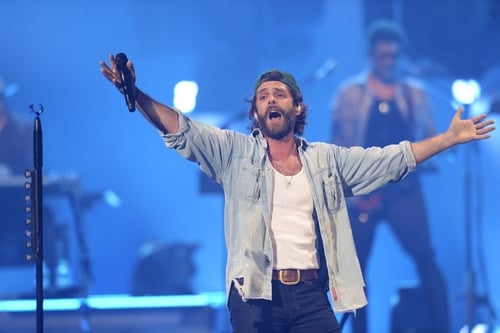
Thomas Rhett Akins Jr. emerged from a musical household and built one of country music’s most recognizable careers of the 2010s and 2020s. Born in Valdosta, Georgia, on March 30, 1990, he grew up around the Nashville music business through his father, country singer and songwriter Rhett Akins. His own recordings eventually combined country storytelling with pop melodies, rock guitars, rhythm and blues, and dance-oriented production. Rhett first made his name as a Nashville songwriter before reaching country radio as a recording artist. The 2012 Thomas Rhett EP introduced early songs such as “Something to Do with My Hands” and
Diamond Rowe, guitarist of Atlanta, Georgia nu metal four-piece Tetrarch, got to tick off one hell of a bucketlister on Sunday night (October 11), as she was invited to perform in front of 70,000 people at her hometown football stadium.
Taking to the pitch at the Mercedes-Benz Stadium ahead of the NFL Sunday night football game between the Atlanta Falcons and Baltimore Ravens, Diamond played a special rendition of hallmark Metallica anthem Enter Sandman, providing a perfect full circle moment for the guitarist, who not only grew up in the city, but actually watched Metallica themselves play that very same stadium on their M72 world tour only last year.
“What’s pretty crazy is that the NFL / Falcons contacted me about it out of the blue,” Diamond tells Hammer. “Apparently they heard about me and the band last year and had been trying to find the perfect game to have me out for. It’s crazy that they settled on a Sunday Night Football game but I was so honoured. I’m also the first artist that the Falcons have allowed to walk out of the players tunnel, which is even sicker!
“Considering they built that stadium after I moved to LA, I have only ever been in it one other time and that was to see Metallica,” she continues. “Being invited to come back and play in that same stadium full of 70,000 people and being able to pay homage to Metallica – the band that started it all for me – is just an insane full circle moment. I will forever be thankful to the NFL and Falcons for asking me to be a part of something so special.”
Sadly for Diamond’s fellow Atlantans, the Falcons were unable to overcome the Ravens, falling behind in overtime to suffer defeat with a final score of 30-23 in Baltimore’s favour.
Regardless, Diamond will now be focusing on Tetrarch’s next steps, with the band aiming to have a brand new studio album out in 2027.
“We actually go back into the studio in two weeks to work on some new music,” she reveals. “Everything is sounding killer! We’re hoping to have something new out for everyone soon, but other than that, we’ll do as much touring as we can in 2027. We have a lot of cool announcements coming in the coming weeks.”
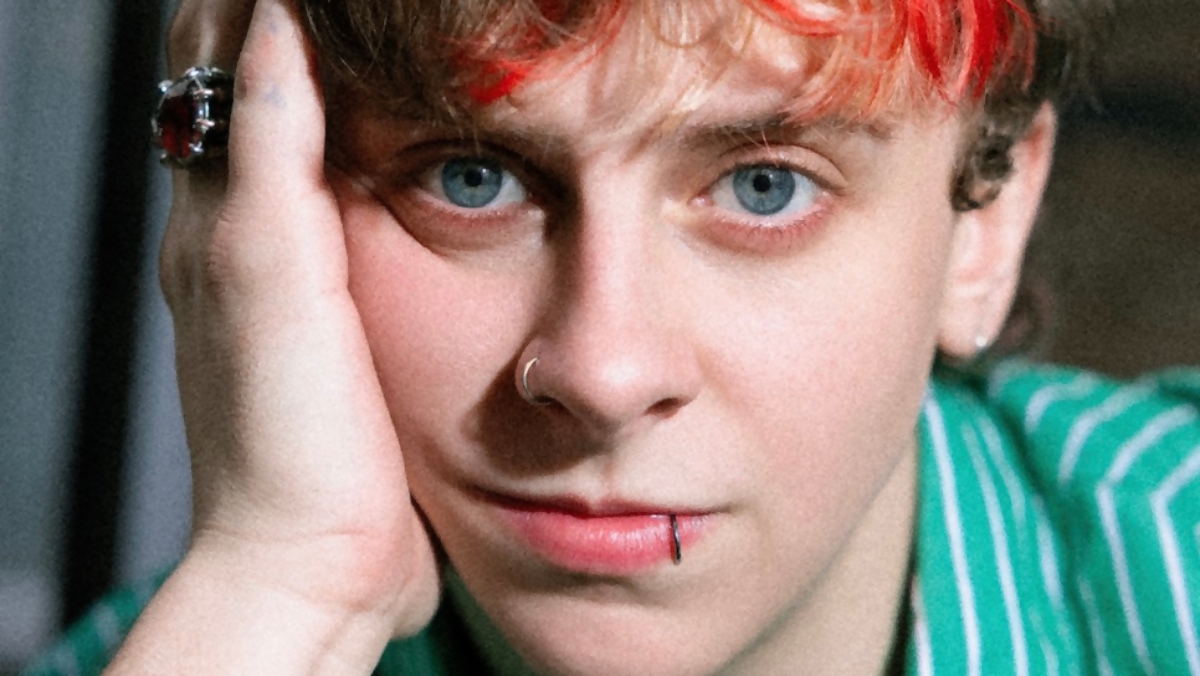
NOAHFINNCE has shared a new track, made in collaboration with As It Is’ Patty Walters and Ben Langford-Biss, which explains why it is so honest and revealing.
Acoustic-led and vulnerable, the song is the sort of campfire confessional that comes from a desire to explain to those you care about why you are the way you are. The sort of affirmations that so many of us fight internally every day, it’s a track that really hits home hard.
But in stating such things, there is power to be had, and by its dramatic conclusion, brimming with strings, there is clarity and confidence. We may be wonky, but that doesn’t stop us from doing what we love.
Noah had this to say:
“This is my first fully acoustic song since Asthma Attack came out 8 YEARS AGO and woweee this is very much another NOAHFINNCE song to cry to. Patty asked the question, ‘Why have you never written the classic acoustic emo song?’ This is what came out of it. It’s about accepting being different/a little bit fucked up and letting go of the idea that you need to change in order to be worthy.”
It follows on from ‘TOO SENSITIVE’, which sounds a lot like this:
NOAHFINNCE is set to hit the road across the UK next week . Here are all the dates you can catch them at:
OCTOBER
22 – CARDIFF Y Plas, Cardiff 23 – BIRMINGHAM O2 Institute 24 – LEEDS Stylus 26 – NOTTINGHAM Rescue Rooms 27 – LONDON Electric Ballroom 29 – GLASGOW Saint Lukes 30 – NEWCASTLE Newcastle University 31 – MANCHESTER Academy 2
And Noah was also recently a guest on Rock Sound 7of30, which you can catch up with below:
The Summertimes, an Australian pop group I enthusiastically reviewed in 2023, are back with a new EP that picks up where their excellent debut album left off. Out on Golden Robot Records, Luminous puts on a master class in jangling, melody-driven guitar pop. Led by two exceptionally talented songwriters in David Beniuk and David Challenger, The Summertimes also feature Stephen O’Brien (Tumbleweed), Steve Bull (ICEHOUSE), Marco Forlano (The Mustard), and Ashley Naylor (The Church, Paul Kelly) in their lineup on this EP. Amanda Brown of The Go-Betweens makes a guest appearance, and five-time ARIA Award winner Paul McKercher returns as producer. With all that talent involved, you know the musicianship and production on this record are going to be immaculate. But as usual, it’s the songwriting that shines the brightest. The two Davids are in fine form on these five tracks — crafting lovely, hook-laden songs that live on the more sophisticated, easygoing side of power pop. I put them in similar company with a longtime favorite of mine, Nick Piunti (who also has a new EP that I’ll have something to say about very soon). Every song is a keeper, which is exactly the way it ought to be on a five-song EP.
When it comes to bands like this, I’m sometimes at a loss for what else to say beyond talking about the sheer excellence of the songwriting. But perhaps there’s not much more that needs to be said. A band like The Summertimes isn’t trying to reinvent guitar pop or usher in a new era in music. But what the Davids do so well is to work within a timeless style of music and execute it so splendidly that you wouldn’t tire of it in a thousand years. Writing “simple” pop songs is one of the toughest things to do in music, but The Summertimes make it seem effortless. They excel at crafting melodies that soothe the ears, choruses that linger in your head, and lyrics that say something meaningful about life. A lot of pop bands have the sound, but not all of them have songs. The Summertimes have songs all day long. “Save You Now” and “Luminous” bookend the new EP in quintessential guitar pop style. In between, “Horses,” “See Me,” and “Falling” are marvelous deep cuts that stretch the band’s signature style in gently elegant fashion. With the longest track barely eclipsing three-and-a-half minutes, The Summertimes remain a pop-rock band through and through. However, their ability to make every song sound distinct and memorable puts them in a rare class. If “power pop for adults” is a real genre of music, “Horses” and “Falling” epitomize it.
If you are already a fan of The Summertimes or a fan of ’80s & ’90’s inspired indie power pop in general, Luminous ought to be on your must-buy list. It’s a wonderful little EP chock full of radiant melodies and gorgeous guitars. As good as the album was, this set is even better — yet another feather in the cap of a remarkable year for guitar pop.