FOR IMMEDIATE RELEASE
SOLYSTALGIA PREMIERES NEW MUSIC VIDEO FOR “FUNERAL” VIA STONED MEADOW OF DOOM
Death-Doom Outfit Continues to Build Momentum Behind Its Self-Titled Debut Album, Featuring Guest Vocals from Tanner Anderson and Drumming by Austin Wheele
Death-doom outfit SOLYSTALGIA has premiered a brand-new music video for “Funeral,” a track taken from the band’s self-titled debut album, released June 24, 2026, through Nameless Grave Records. The video premiered via Stoned Meadow of Doom, bringing renewed attention to one of the year’s compelling underground death-doom releases.
Combining suffocating doom, intricate death metal riffing, mournful melodies, and haunting atmospheric passages, “Funeral” captures the bleak emotional landscape that defines Solystalgia’s debut. The track reflects the album’s broader exploration of grief, unimaginable atrocity, and inherited suffering, delivering an immersive listening experience built on crushing heaviness and unsettling atmosphere.
The 37-minute album features the commanding drumming of Austin Wheeler (Savage Oath) alongside guest vocal performances from Tanner Anderson (Obsequiae, Majesties, Crypt Sermon). Anderson’s contrasting vocal styles deepen the emotional weight of the material, while the band’s intricate arrangements balance punishing death-doom with expansive ambient textures.
Produced and mixed by Solystalgia and mastered by acclaimed engineer Arthur Rizk, the self-titled debut demonstrates the band’s ability to build an atmosphere that is simultaneously oppressive, mournful, and expansive.
Wheeler describes the album as:
“Solystalgia is a 37 minute riff-filled meditation on loss, unfathomable atrocity and the monumental weight of inheritance.”
WATCH THE “FUNERAL” MUSIC VIDEO:
[jrEmbed module=”jrYouTube” youtube_id=”iE-T6RKB03k”]
STREAM AND PURCHASE THE ALBUM:
https://namelessgraverecords.bandcamp.com/
INTERNATIONAL PRESS RECOGNITION
Solystalgia’s debut has continued to attract attention from established metal publications.
Sweden Rock Magazine awarded the album a 7/10 review, praising its combination of doomy heaviness and death metal atmosphere, emotional darkness, layered sonic dynamics, contemporary production, and Wheeler’s powerful drumming. The issue also features an extensive Q&A with Wheeler and guitarist/bassist Wilco, exploring the band’s origins, songwriting process, musical identity, and the personal grief that helped shape the record.
The band has also been featured in Decibel Magazine’s Recommendations section through Metal Devastation PR, extending the album’s reach to readers of one of extreme metal’s most influential publications.
Previously, Invisible Oranges praised the album as “nothing short of a triumph from all involved,” highlighting its balance of devastating heaviness and atmospheric depth. The review drew comparisons to landmark releases such as Trisagion by Ethereal Shroud and The Mantle by Agalloch.
For fans of Hooded Menace, Dream Unending, Mortiferum, Ahab, and Disembowelment, Solystalgia delivers a compelling blend of crushing death-doom, intricate musicianship, and emotionally charged atmosphere.
With the premiere of “Funeral” and continued recognition from respected metal publications, Solystalgia invites listeners to experience the full weight of its self-titled debut.
The album is available now through Nameless Grave Records.
ALBUM DETAILS
Band: Solystalgia
Album: Solystalgia
Featured Track: “Funeral”
Original Release Date: June 24, 2026
Genre: Death/Doom Metal
Label: Nameless Grave Records
Drums: Austin Wheeler (Savage Oath)
Guest Vocals: Tanner Anderson (Obsequiae, Majesties, Crypt Sermon)
Mixed By: Solystalgia
Mastered By: Arthur Rizk
FFO: Hooded Menace, Dream Unending, Mortiferum, Ahab, Disembowelmen
PRESS COVERAGE
Sweden Rock Magazine: Album Review and Band Q&A
https://metaldevastationradio.com/thebeast/blog/29456/metal-devastation-pr-clients-solystalgia-and-tarfodd-featured-in-new-sweden-rock-magazine
Decibel Magazine: Recommendations Feature
https://metaldevastationradio.com/thebeast/blog/29501/suffer-uk-barrage-frolic-lost-relics-mothertomb-manifest-far-from-your-sun-solystalgia-and-carceral-featured-in-decibe
Invisible Oranges: Full Album Review
https://www.invisibleoranges.com/solystalgia-cover-grief-in-all-its-forms-album-review
ABOUT SOLYSTALGIA
Solystalgia crafts an atmospheric strain of death-doom that merges crushing riffs, intricate death metal arrangements, mournful melodies, and immersive soundscapes. The band’s self-titled debut explores grief, atrocity, and the weight of inheritance through emotionally charged songwriting and expansive sonic textures. Released through Nameless Grave Records, the album features drummer Austin Wheeler of Savage Oath and guest vocalist Tanner Anderson of Obsequiae, Majesties, and Crypt Sermon
Connect with the band:
https://www.instagram.com/solystalgia.official
https://solystalgia.bandcamp.com/album/solystalgia
https://open.spotify.com/album/4k2Vs3RBCeSCCZ2NnChDlq
https://music.apple.com/us/artist/solystalgia/6773436289
Connect with the label:
https://namelessgraverecords.bandcamp.com/
https://namelessgraverecords.com/
Contact the band: solystalgia@gmail.com
Category: news
-
SOLYSTALGIA PREMIERES NEW MUSIC VIDEO FOR “FUNERAL” VIA STONED MEADOW OF DOOM – @thebeast
FOR IMMEDIATE RELEASE
SOLYSTALGIA PREMIERES NEW MUSIC VIDEO FOR “FUNERAL” VIA STONED MEADOW OF DOOM
Death-Doom Outfit Continues to Build Momentum Behind Its Self-Titled Debut Album, Featuring Guest Vocals from Tanner Anderson and Drumming by Austin Wheele
Death-doom outfit SOLYSTALGIA has premiered a brand-new music video for “Funeral,” a track taken from the band’s self-titled debut album, released June 24, 2026, through Nameless Grave Records. The video premiered via Stoned Meadow of Doom, bringing renewed attention to one of the year’s compelling underground death-doom releases.
Combining suffocating doom, intricate death metal riffing, mournful melodies, and haunting atmospheric passages, “Funeral” captures the bleak emotional landscape that defines Solystalgia’s debut. The track reflects the album’s broader exploration of grief, unimaginable atrocity, and inherited suffering, delivering an immersive listening experience built on crushing heaviness and unsettling atmosphere.
The 37-minute album features the commanding drumming of Austin Wheeler (Savage Oath) alongside guest vocal performances from Tanner Anderson (Obsequiae, Majesties, Crypt Sermon). Anderson’s contrasting vocal styles deepen the emotional weight of the material, while the band’s intricate arrangements balance punishing death-doom with expansive ambient textures.
Produced and mixed by Solystalgia and mastered by acclaimed engineer Arthur Rizk, the self-titled debut demonstrates the band’s ability to build an atmosphere that is simultaneously oppressive, mournful, and expansive.
Wheeler describes the album as:
“Solystalgia is a 37 minute riff-filled meditation on loss, unfathomable atrocity and the monumental weight of inheritance.”
WATCH THE “FUNERAL” MUSIC VIDEO:
[jrEmbed module=”jrYouTube” youtube_id=”iE-T6RKB03k”]
STREAM AND PURCHASE THE ALBUM:
https://namelessgraverecords.bandcamp.com/
INTERNATIONAL PRESS RECOGNITION
Solystalgia’s debut has continued to attract attention from established metal publications.
Sweden Rock Magazine awarded the album a 7/10 review, praising its combination of doomy heaviness and death metal atmosphere, emotional darkness, layered sonic dynamics, contemporary production, and Wheeler’s powerful drumming. The issue also features an extensive Q&A with Wheeler and guitarist/bassist Wilco, exploring the band’s origins, songwriting process, musical identity, and the personal grief that helped shape the record.
The band has also been featured in Decibel Magazine’s Recommendations section through Metal Devastation PR, extending the album’s reach to readers of one of extreme metal’s most influential publications.
Previously, Invisible Oranges praised the album as “nothing short of a triumph from all involved,” highlighting its balance of devastating heaviness and atmospheric depth. The review drew comparisons to landmark releases such as Trisagion by Ethereal Shroud and The Mantle by Agalloch.
For fans of Hooded Menace, Dream Unending, Mortiferum, Ahab, and Disembowelment, Solystalgia delivers a compelling blend of crushing death-doom, intricate musicianship, and emotionally charged atmosphere.
With the premiere of “Funeral” and continued recognition from respected metal publications, Solystalgia invites listeners to experience the full weight of its self-titled debut.
The album is available now through Nameless Grave Records.
ALBUM DETAILS
Band: Solystalgia
Album: Solystalgia
Featured Track: “Funeral”
Original Release Date: June 24, 2026
Genre: Death/Doom Metal
Label: Nameless Grave Records
Drums: Austin Wheeler (Savage Oath)
Guest Vocals: Tanner Anderson (Obsequiae, Majesties, Crypt Sermon)
Mixed By: Solystalgia
Mastered By: Arthur Rizk
FFO: Hooded Menace, Dream Unending, Mortiferum, Ahab, Disembowelmen
PRESS COVERAGE
Sweden Rock Magazine: Album Review and Band Q&A
https://metaldevastationradio.com/thebeast/blog/29456/metal-devastation-pr-clients-solystalgia-and-tarfodd-featured-in-new-sweden-rock-magazine
Decibel Magazine: Recommendations Feature
https://metaldevastationradio.com/thebeast/blog/29501/suffer-uk-barrage-frolic-lost-relics-mothertomb-manifest-far-from-your-sun-solystalgia-and-carceral-featured-in-decibe
Invisible Oranges: Full Album Review
https://www.invisibleoranges.com/solystalgia-cover-grief-in-all-its-forms-album-review
ABOUT SOLYSTALGIA
Solystalgia crafts an atmospheric strain of death-doom that merges crushing riffs, intricate death metal arrangements, mournful melodies, and immersive soundscapes. The band’s self-titled debut explores grief, atrocity, and the weight of inheritance through emotionally charged songwriting and expansive sonic textures. Released through Nameless Grave Records, the album features drummer Austin Wheeler of Savage Oath and guest vocalist Tanner Anderson of Obsequiae, Majesties, and Crypt Sermon
Connect with the band:
https://www.instagram.com/solystalgia.official
https://solystalgia.bandcamp.com/album/solystalgia
https://open.spotify.com/album/4k2Vs3RBCeSCCZ2NnChDlq
https://music.apple.com/us/artist/solystalgia/6773436289
Connect with the label:
https://namelessgraverecords.bandcamp.com/
https://namelessgraverecords.com/
Contact the band: solystalgia@gmail.com -
Top 10 The Bachelors Songs
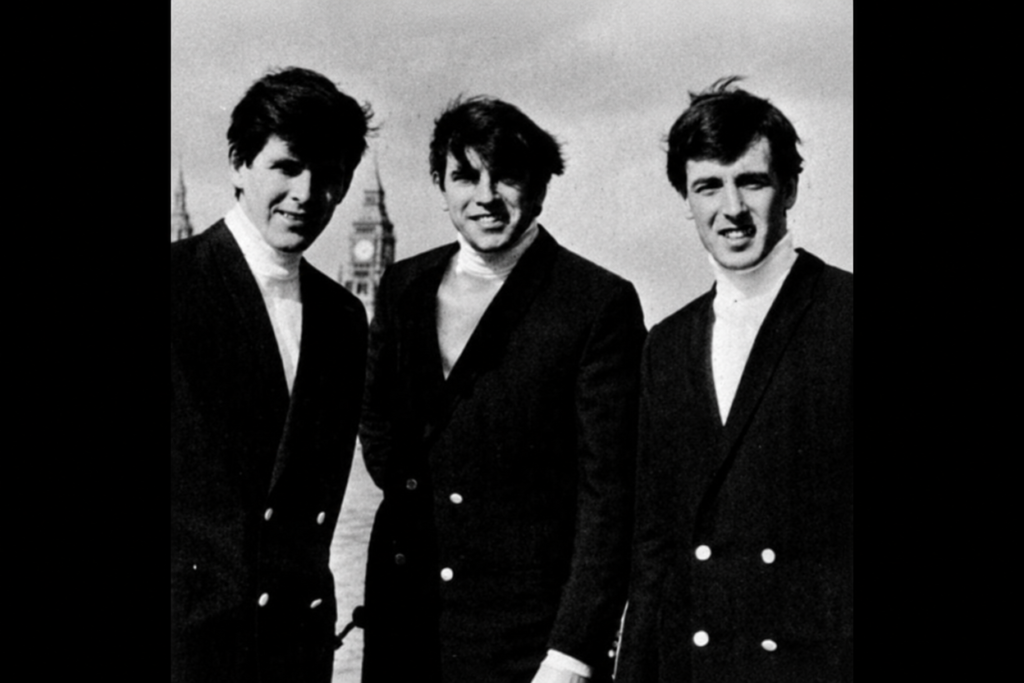
The Bachelors were one of the most successful Irish vocal groups of the 1960s, known for their beautiful harmonies, romantic ballads, and polished recordings of popular standards. The trio came from Dublin, Ireland, and consisted of brothers Con and Dec Cluskey and their friend John Stokes. Before becoming the Bachelors, they performed as the Harmonichords, entertaining audiences with harmonicas before adding singing, guitars, and a double bass to their act. Their smooth vocal sound eventually attracted the attention of Decca Records in Britain. The group’s first major British hit came with “Charmaine,” which reached number six on the UK Singles
The post Top 10 The Bachelors Songs appeared first on ClassicRockHistory.com.
-
BRUCE DICKINSON – PsychoGod tour dates unveiled
Bruce Dickinson and his solo band will return to the stage next year for a series of highly anticipated headlining concerts and festival appearances across Europe, under the mysterious title PsychoGod. These shows—spanning the summer and fall—will be Dickinson’s first solo concerts since he wrapped up his critically acclaimed The Mandrake Project Tour in Brazil… Continue Reading → -
‘Neil Peart: No One’s Disciple’ Documentary Released In Full For Free
Members of Tool, Red Hot Chili Peppers, The Police & more guest.
The post ‘Neil Peart: No One’s Disciple’ Documentary Released In Full For Free appeared first on Theprp.com.
-
Album Review: Vomitorial Corpulence – Martyrdomical Symphonanthem
Album Review: Vomitorial Corpulence – Martyrdomical Symphonanthem
Reviewed by Eric Clifford
Christian goregrind. There’s a combination of words I hadn’t expected to use. Then again, the good book isn’t exactly free of bloodshed, so perhaps it makes more sense than I might initially have thought. Further, if you like the repulsive, scuzzy charms of early goregrind (think of the first Last Days of Humanity, Regurgitate or Dead Infection releases) and haven’t given Vomitorial Corpulence’s own “Karrionic Hacktician” or “Skin Stripper” a try then you are sorely missing out. So, my prejudices firmly checked and my humble pie devoured, how fares this new spewing of holy terror?
Another thing that might give you a second of pause: this is over an hour long. In grind terms that’s War and Peace length. That’s one thing in a compilation release – “Grind Finale” by Nasum for example – but for a single, cohesive album it’s…longer than one might suppose for this genre. But I don’t tire of rancid blastfests. We begin the operation by slicing Carcass’ 1989 deathgrind bible “Symphonies of Sickness” into bitesize chunks. We mix in a delirious concoction of apex slayer and OSDM riffs that surge out your headphones possessed with the urge to flatten your skull between them. Yet hold – there’s mischief afoot, and it conspires to get between me and what would otherwise be one of the best things I’ve heard this year. Production styles vary across the album, with songs being muddier or conversely clearer throughout the full tracklist. That’s not unknown among grind releases – probably the most famous example being Napalm Death’s “Scum” having two very distinctly different sides – but generally that comes down to a case of demos or EPs being sandwiched into a single release. “Scum” has two different lineups and tunings over those sides. “Karrionic Hacktician” jams different releases into one whole. This new album though just seems to sporadically favour alternative production styles in a way that does hamper the flow of it overall. Also the guitar tone is…odd. there’s a curiously MIDI sound to it most noticeable in some of the (genuinely awesome) solo sections – take “Polycarp Stabbed to Death” where the band turns into Necrophagist for example; I’m not suggesting that the band programmed the guitars in, but there’s something uncomfortably artificial sounding about it that I’m struggling to define but that you might notice as well. If it is all authentically performed, then – wow. Mastermind Paul Green is a grindmeister of rare ability, firing out technical guitar work that you almost never see in goregrind.

A lot of these songs start the same way – a descending guitar slide into a chug riff isolated on one guitar. That said, there’s no arguing with some of the work here – the opening to “Bedrack Torture Dismemberment” is almost absurdly badass, a solo screeching above a plunging groove before it jackknifes into the chuggiest Repulsion “Black Breath” worship riffs known to man. Tracks belch out unimpeachable ferocity – “Slewed Ezekiel” a monstrosity of drooling groove, “Beastial Devourment” a pinch harmonic laden rampage across the torture floor. 41 tracks, an hour of material, and every sanguineous slice drenches you in a fevered deluge of grind perfection. Qualms aside for a moment, in terms of construction alone, Paul Green understands this music to the degree of a savant. Which only adds to the frustration when, say, “Barnabas Dragged & Burned” just… cuts out right at the end about a second or so before it feels as though it should. There are so many quibbles about this release that hamstring it. Frustration blooms; one minute I was headbanging hard enough to give myself a brain haemorrhage the next something, unbidden and unwelcome, handsprings into view to confound how much I was otherwise enjoying every moment of it. “Passio Sanctarum…” is a magisterial chunk of tech-grind bellicosity, but its production is noticeably different from “Brutal Stoning Death Execution”, which seems to have either a much quieter guitar track or much louder drums. For the life of me I don’t understand why.
It all adds up to an album I’m really enjoying conceptually and compositionally while leaving me a bit confused in terms of execution. The inconsistent production and overly consistent approach to song openings (seriously, just flick through each song individually and see how many start with that descending slide – it’s constant) stymie otherwise excellent material and transform a triumphal return of a scene veteran into a quizzical mix of brilliance and befuddlement. If I’m assuredly a convert to grinding for Christ, there’s nonetheless abundant avenues for improvement that, if followed, would allow VC to shine with the glory they’re clearly capable of.
For all the latest news, reviews, interviews across the heavy metal spectrum follow THE RAZORS’S EDGE on facebook, twitter and instagram.
The post Album Review: Vomitorial Corpulence – Martyrdomical Symphonanthem appeared first on The Razor's Edge.
-
Iron Maiden’s Bruce Dickinson Announces 2027 ‘PsychoGod Tour’
Evergrey will be joining up for some of those shows.
The post Iron Maiden’s Bruce Dickinson Announces 2027 ‘PsychoGod Tour’ appeared first on Theprp.com.