Category: news

  • NBA Mock Draft 2026: NIL Changes Talent Pool

    The NCAA withdrawal deadline as come and gone, and that means we can start figuring out the 2026 NBA Mock Draft in earnest.

    The post NBA Mock Draft 2026: NIL Changes Talent Pool appeared first on Audio Ink Radio.

  • Italian Groove/Death Metallers OBBROBRIUS Sign With Over The Border Records; New Album Coming in 2026

    OVER THE BORDER RECORDS is proud to announce the signing of OBBROBRIUS, a band from Pescara (Italy) delivering classic death metal with groove influences. Formed in 2023, OBBROBRIUS released their debut album “Daisy’s Creepy Tales” in 2024. The band, composed by Shouter (vocals), Johnny Hell (guitars), Hellkymic Frenk (guitars), Dave Filth (bass), and Metfrey (drums), draws inspiration from legends […]

    Source

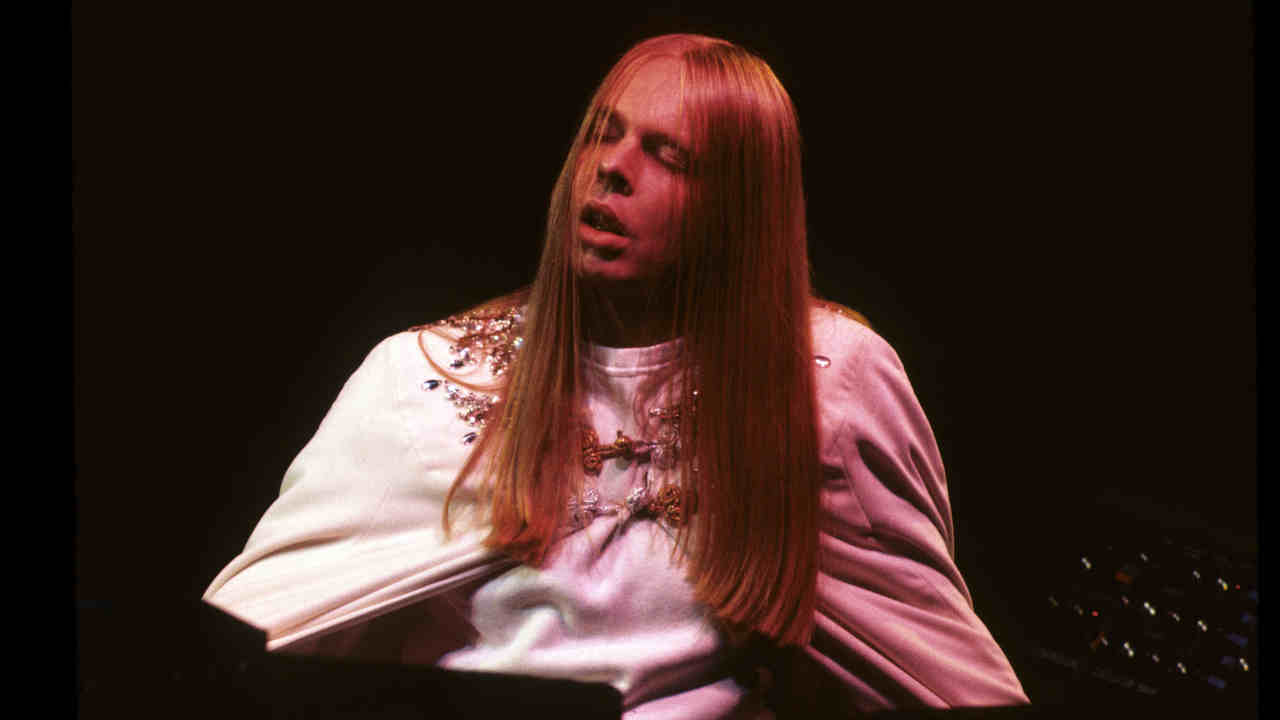
  • Steve Lukather Offers Details on Archival Van Halen Album

    The Toto mastermind is helping Alex Van Halen bring the tracks to fruition. Continue reading…
  • ERADICATOR release new single and video “Ruins Of Rome”

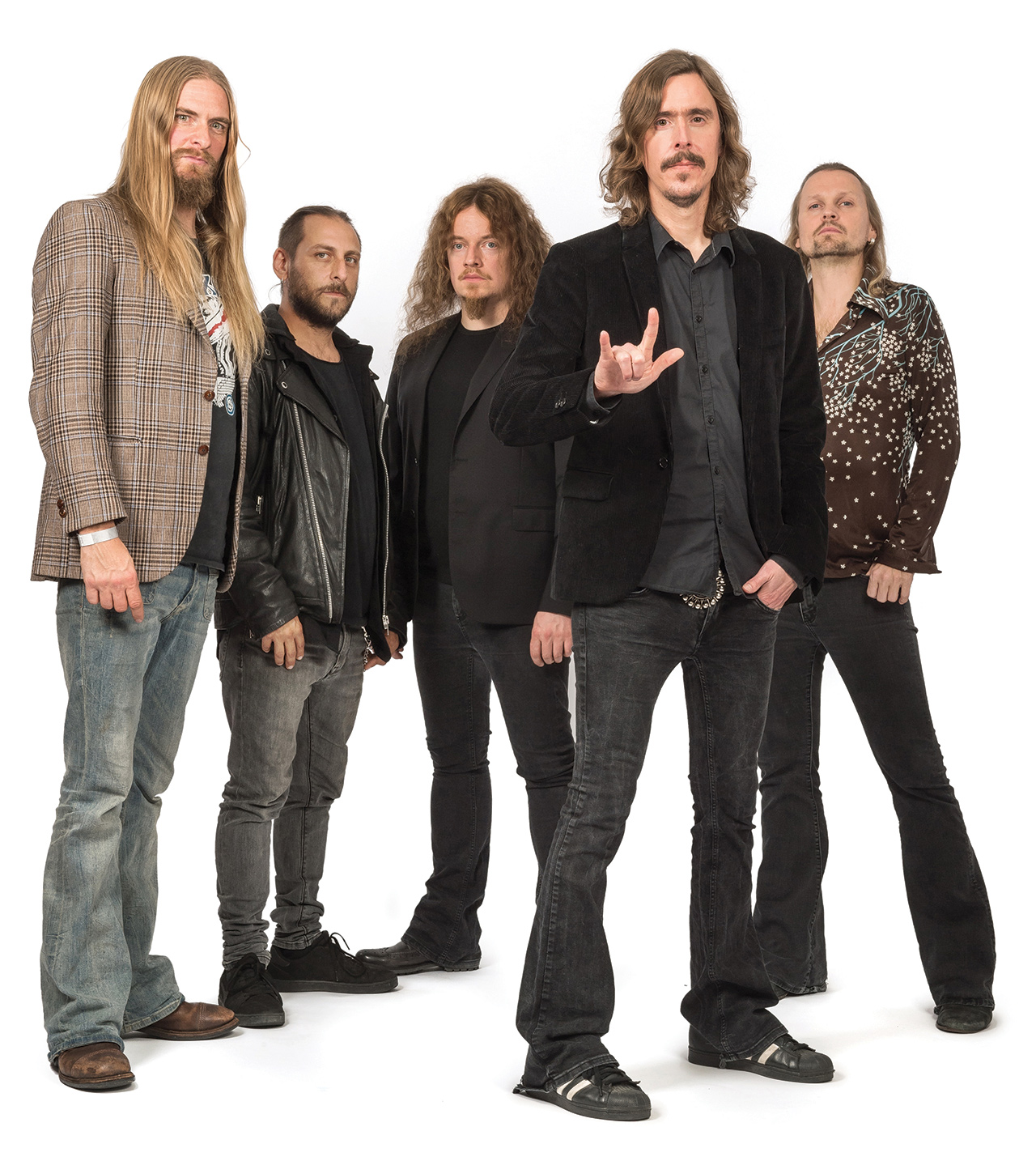
    ERADICATOR channel the spirit of the thrash pioneers while taking a clear stance in the present. Without losing themselves in nostalgia, Seba, Robb, Zoppe and Pitti drive their sound forward as a tightly bound unit. With “Ruins Of Rome,” the new single, set for digital release via METALVILLE on May 29, the band makes a […]

    Source

  • UK metallic doom outfit ALTERA DOOMONICA announce crushing debut single “The Silence of Grief”

    Emerging from the shadows of the UK heavy music scene, metallic doom band Altera Doomonica is proud to announce the release of their debut single, “The Silence of Grief.” An uncompromising exploration of loss and the inescapable weight of mourning, the track serves as a monolithic introduction to the band’s devastating, atmospheric sound. “The Silence of Grief” […]

    Source

  • DAYLIGHT MISERY – Ανακοίνωσαν το τέλος της πορείας τους

    https://www.metalourgio.com/wp-content/uploads/2026/05/708528230_1766769541230821_695080308107031814_n-768×444.jpg
  • Why Mirrors Are So Important in Gothic Horror

    Why Mirrors Are So Important in Gothic Horror

    A face appears inside the mirror one second too late. The reflection smiles while the room remains perfectly still. Candlelight flickers across cracked glass as shadows move where no living figure stands. Mirrors have haunted Gothic horror for centuries because they transform something familiar into something deeply uncertain. They suggest that reality itself may be unstable — and that another version of ourselves may already be waiting silently beneath the reflection.

    Dark Gothic artwork featuring a woman staring into a cracked Victorian mirror with a haunting reflection, candlelight, ravens, and eerie noir atmosphere inspired by Gothic horror symbolism.

    Mirrors in Gothic horror reveal far more than reflections. They expose fractured identity, hidden fear, and the darkness waiting beneath reality itself.

    Mirrors in Gothic horror reflect far more than appearances. They expose fractured identity, hidden fear, and the darkness waiting beneath reality itself.

    Unlike paintings or photographs, mirrors respond instantly. They imitate reality perfectly while subtly separating us from it. Gothic horror transforms this tiny psychological distance into terror. A delayed reflection, distorted movement, or impossible figure behind the glass immediately creates unease because mirrors appear objective by nature. When they stop behaving correctly, reality itself begins to feel unreliable.

    This is why mirrors became central symbols throughout Gothic literature, noir cinema, psychological horror, and dark visual art. They represent fractured identity, hidden guilt, emotional duality, supernatural intrusion, and the terrifying possibility that the self may not be entirely stable.

    “The mirror reveals what the mind desperately tries to hide.”

    Gothic storytelling understands something psychologically profound: horror becomes far more disturbing when it emerges from reflection rather than external monsters. The terror feels intimate because the threat already resembles us.

    Edgar Allan Poe gothic t-shirts featuring The Raven, The Tell-Tale Heart, and dark literary quote apparel in a noir gothic fashion banner.

    Human beings instinctively trust mirrors because they appear incapable of lying. Gothic horror destroys this trust completely. A distorted reflection suggests that identity itself may be unstable. The person staring into the glass no longer feels fully connected to the image staring back.

    Modern psychology describes this sensation as “the uncanny” — the moment something appears simultaneously familiar and deeply wrong. Mirrors create this feeling perfectly because they duplicate reality while subtly separating us from it. A reflection becomes both “you” and “not you” at exactly the same time.

    This psychological discomfort explains why mirrors remain among horror’s most effective visual symbols. They force confrontation with identity itself while quietly suggesting that another presence may exist beneath the surface.

    Long before modern horror cinema existed, mirrors already carried supernatural significance throughout folklore. Many cultures believed mirrors could trap souls, reveal spirits, or function as portals between worlds. Victorian mourning rituals often involved covering mirrors after death to prevent wandering spirits from becoming trapped inside reflective surfaces.

    The superstition surrounding broken mirrors became equally widespread. Cracked reflections symbolized spiritual fragmentation, misfortune, and death itself. Gothic horror absorbed these beliefs naturally because fractured glass already carries intense emotional tension visually.

    Dark hallways lined with antique mirrors, candlelight reflecting through cracked surfaces, and shadowed Victorian bedrooms became recurring Gothic imagery because mirrors transformed ordinary spaces into psychologically unstable environments.

    In Gothic folklore, mirrors rarely function as harmless objects. They observe silently. They remember. Sometimes they reveal things reality desperately tries to conceal.

    The Gothic doppelgänger emerged as one of horror’s most enduring symbols because it externalized psychological conflict physically. Mirrors became natural gateways into this concept. A reflected self could represent guilt, repression, corruption, madness, or emotional fragmentation.

    Writers such as Edgar Allan Poe understood how terrifying divided identity could become. In stories like William Wilson, Poe explored the horror of confronting another version of oneself — a double representing conscience, moral decay, and psychological collapse. The mirror becomes symbolic because it reflects not only appearance, but the parts of identity people desperately attempt to suppress.

    In our article The Science and Psychology Behind Edgar Allan Poe’s Horror, we explored how Poe constantly blurred the boundary separating reality from unstable perception. Mirrors embody this uncertainty perfectly because they transform identity itself into something questionable.

    Broken mirrors appear constantly throughout Gothic horror because fragmentation visually symbolizes psychological collapse. A cracked reflection transforms the human face into disconnected pieces. Identity literally shatters across the glass.

    This effect connects directly to what modern psychology calls the “uncanny valley” — the discomfort humans experience when something appears almost human, yet subtly wrong. Distorted reflections create exactly this sensation. The face remains recognizable, but no longer entirely trustworthy.

    This same psychological discomfort explains why mannequins, wax figures, porcelain dolls, and distorted digital faces often feel unsettling. They imitate humanity while quietly exposing emotional distance beneath the imitation.

    Gothic horror weaponizes this fear through cracked mirrors, warped reflections, dim candlelight, and impossible movements occurring just beyond direct perception.

    If you are drawn to Gothic atmosphere, psychological horror, noir aesthetics, and cinematic darkness inspired by Edgar Allan Poe and classic Gothic storytelling, explore the official Edgar Allan Poets playlist.

    Few visual symbols appear more frequently in Gothic cinema and psychological horror than mirrors. Directors use reflections to create emotional instability, hidden duality, and subconscious tension long before horror fully reveals itself.

    Alfred Hitchcock frequently used mirrors to reinforce themes of obsession and fractured identity. In Vertigo, reflections quietly suggest psychological division beneath ordinary reality. Stanley Kubrick used mirrors throughout The Shining to create spatial disorientation and emotional unease, particularly during the infamous bathroom scenes where reflection and violence merge together visually.

    Films such as Black Swan, Candyman, Suspiria, and Oculus pushed mirror symbolism even further. Reflections become autonomous, hostile, or psychologically manipulative. Mirrors stop functioning as passive objects and begin behaving like conscious entities observing the characters themselves.

    David Lynch later expanded mirror symbolism into dreamlike psychological horror where identity itself dissolves completely. His films often present reflections as gateways into alternate selves, fractured memory, or hidden subconscious realities.

    Mirrors also symbolize vanity, self-obsession, and emotional performance throughout Gothic storytelling. Victorian Gothic literature frequently portrayed mirrors beside candlelit dressing tables, silver vanity sets, and elaborate mourning rituals where appearance became inseparable from identity itself.

    This connection remains deeply visible throughout modern Gothic fashion and dark aesthetics. Heavy makeup, pale complexions, black lace, corsets, silver jewelry, and dramatic self-presentation all emphasize transformation through appearance. The mirror becomes part of the ritual itself.

    Gothic identity often explores emotional concealment, mystery, melancholy, and symbolic self-expression. Reflections therefore become psychologically charged rather than decorative. The mirror no longer simply reflects identity. It participates in constructing it.

    Modern audiences remain deeply affected by mirror horror because reflections continue triggering psychological uncertainty instinctively. People still experience discomfort while staring into mirrors in darkness or during emotional distress. Reflections create subtle dissociation because they transform the self into something observed externally rather than experienced internally.

    Modern digital culture intensified this relationship even further. Social media constantly reflects identity back at itself through photographs, screens, curated personas, filters, and surveillance. Gothic mirror symbolism therefore feels strangely contemporary. The fear of encountering an unfamiliar version of oneself has never truly disappeared.

    Perhaps mirrors terrify us because they force us to confront the possibility that something inside the reflection understands us better than we understand ourselves.

    Gothic fashion and dark visual art frequently incorporate mirrors because reflection naturally aligns with themes of mourning, melancholy, duality, and emotional fragmentation. Antique silver mirrors, cold metallic frames, cracked glass, candlelit reflections, and shadowed vanity tables appear constantly throughout Gothic photography and noir-inspired editorial aesthetics.

    Reflective materials themselves carry strong symbolic power. Silver jewelry, polished black surfaces, smoky glass, and moonlit metallic textures all reinforce emotional distance and nocturnal atmosphere visually.

    In our article Why Silver Jewelry Dominates Gothic Aesthetics, we explored how reflective metals became deeply connected to moonlight, mourning culture, cold beauty, and Gothic symbolism throughout fashion history.

    Mirrors symbolize fractured identity, identity fragmentation, hidden guilt, supernatural intrusion, and emotional duality in Gothic horror. Reflections create fear because they appear familiar while subtly suggesting that reality itself may be distorted or unstable.

    Broken mirrors distort human reflection and visually fragment identity, creating uncanny psychological discomfort associated with bad luck, death, supernatural fear, and emotional instability throughout Gothic folklore and horror cinema.

    Many cultures historically believed mirrors could trap souls or function as portals between worlds. Victorian mourning traditions often covered mirrors after death to prevent spirits from becoming trapped inside reflective surfaces.

    Mirrors create psychological tension visually by separating characters from their own reflection. Horror directors use mirrors to symbolize divided identity, hidden trauma, supernatural presence, and emotional instability.

    The post Why Mirrors Are So Important in Gothic Horror appeared first on Edgar Allan Poets – Noir Rock Band.

  • Fiona Apple Co-Wrote A Song On Cara Delevingne’s Debut Album

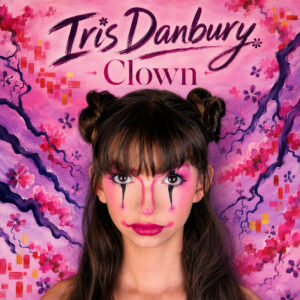
    Back in 2020, Cara Delevingne offered some vocals for the title track of Fiona Apple’s blockbuster album Fetch The Bolt Cutters, including a meow. Now, the reclusive singer-songwriter repaid the favor by co-writing a song on Delevingne’s debut album, which is coming this summer via Warner. Yesterday (May 29), the actress and model released “I…

    The post Fiona Apple Co-Wrote A Song On Cara Delevingne’s Debut Album appeared first on Stereogum.

  • Riverflame – Lunar Crusades Review

    There’s little better in life than a young band swinging for the fences on their debut record. Not content to play it safe just to get a foot in the door, they push themselves to their limit and make a statement right out the gate. Greece’s Riverflame aren’t exactly that—the band sports members of the established bands Hail Spirit Noir, Ponte del Diavolo and Owls—but there’s nonetheless a fire behind their newest project’s debut record Lunar Crusades. With guitars and synths by Haris, vocals by Romain Nobileau, bass by Abro and drumming from Hakon Freyr Gustaffson,1 Riverflame forged five tracks of second-wave-influenced atmospheric black metal with the aim of sounding “both visionary and nostalgic.” These are well-mapped depths to dredge up, so it’ll take some creative turns here to sound forward-thinking. Does Lunar Crusades make those turns and shoot Riverflame straight to the moon, or does it leave them drifting untethered out in space?

    Let not Riverflame’s designation as atmoblack lead you to assume Lunar Crusades is bereft of riffs. To the contrary, Lunar Crusades seethes with ice-cold melodies in the vein of Dissection reaching for the grandeur of Summoning. Typical tremolos and blast beats are here in quantity, at their grandest on “Through Mistlands of Unearthly Worlds” and most electrifying on “Where Dragons Once Ruled,”2 but Riverflame also employ other sounds like twin leads (“Lunar Crusades”) and acoustic guitars (“Riverflame”) to keep their riffs fresh across their epic song structures. Haris’ riffs have beastly muscle behind them, giving Lunar Crusades that melodic-yet-bludgeoning quality that recalls Kvaen for me as well as the free-spirited fun of Stormkeep. Similarly, Nobileau’s vocals are deep, husky, and biting, keeping Riverflame a vicious force even at their most wistful (“Before the Eternal Night”). Abro’s bass is unfortunately understated throughout most of Lunar Crusades, but throw in Gustafsson’s pummeling tom fills (“Where Dragons Once Ruled”) and relentless kicking (“Riverflame”), and Riverflame become as ferocious as they are atmospheric.

    But Riverflame are atmoblack, and they shaped Lunar Crusades primarily through sweeping, long-form epics. Evoking Summoning, Riverflame use miscellaneous synthetic instrumentation to bridge gaps between riffs, imbue the music with faux-medieval grandeur and add dynamics to their lengthy arrangements. Throughout Lunar Crusades, you’ll be treated to harp (“Lunar Crusades”), horn (“Riverflame”), atmospheric ooh’s (“Through Mistlands…”) and, among others, harpsichord (“Before the Eternal Night”). Riverflame’s atmospherics slather “Through Mistlands…” with an eerie mysteriousness that put me in mind of the Ico soundtrack and give even the comparatively truncated instrumental “Lunar Crusades” a fantastical opulence akin to Caladan Brood.34 Even the narration works! Read deep, low, and theatrically, Riverflame’s narrator elevates the dramatic undercurrent of Lunar Crusades and together with their synthetic orchestra does wonders in elevating the blistering black metal towards Riverflame’s cinematic ambitions.

    While Riverflame aren’t short on ideas, Lunar Crusades nonetheless often feels like butter scraped over too much bread. Riverflame does a lot to mitigate over-repetition, such as switching up the drums beneath a riff whenever it loops (“Riverflame”) or introducing a riff on acoustic before the distorted guitars (“Where Dragons Once Ruled”), but in the end, there are only so many ways you can play a handful of chord progressions before things start feeling played out after a while. Every song except “Lunar Crusades” is 8-10 minutes and all but “Before the Eternal Night” feel ready to wrap with about two to go. To its credit, Lunar Crusades is surprisingly concise, sitting at thirty-nine minutes long and, though the DR is thoroughly average, the mixing isn’t overly compressed and makes for an easy listening experience despite the refusal of commercial song structures. But ultimately, it often feels like Riverflame taffy-pulled Dissection songs into Summoning proportions to fit their vision, making Lunar Crusades feel a bit thin by the end.

    Lunar Crusades is a very fun album and hopefully a strong foundation for Riverflame’s future. It occupies that space of self-aware nerdy black metal like Stormkeep without falling into self-parody, and I was never truly bored with Lunar Crusades during my time with it. I hope Riverflame isn’t a one-off side project for these guys, because there’s real potential here for a great record. If Riverflame can finish songs as strongly as they start them on the next album, it’ll kill. Lunar Crusades is an easy recommendation for fans of melodically inclined atmospheric black metal, even if not every track is all gas the whole way through. Now, go light your nearest river on fire and ride!


    Rating: Good!
    DR: 75 | Format Reviewed: 320 kbps MP3
    Label: Code666 Records
    Websites: riverflame.bandcamp.com | instagram.com/riverflame
    Releases Worldwide: April 24th, 2026

    The post Riverflame – Lunar Crusades Review appeared first on Angry Metal Guy.