Blog

  • Review WOLVENNEST “In the Ruins” – EP

    Belgian psychedelic occultists Wolvennest return with a new EP featuring three long-form tracks, all drawn from the sessions that led to Procession. Titled In the Ruins, the release creates an atmosphere that can be both unsettling and strangely captivating. The EP opens with “The Weakness.” Built around ominous soundscapes, the track relies almost entirely on… Continue Reading →
  • MYSTIC PROPHECY Unleash Music Video For Apocalyptic New Single “Angels Are Falling”

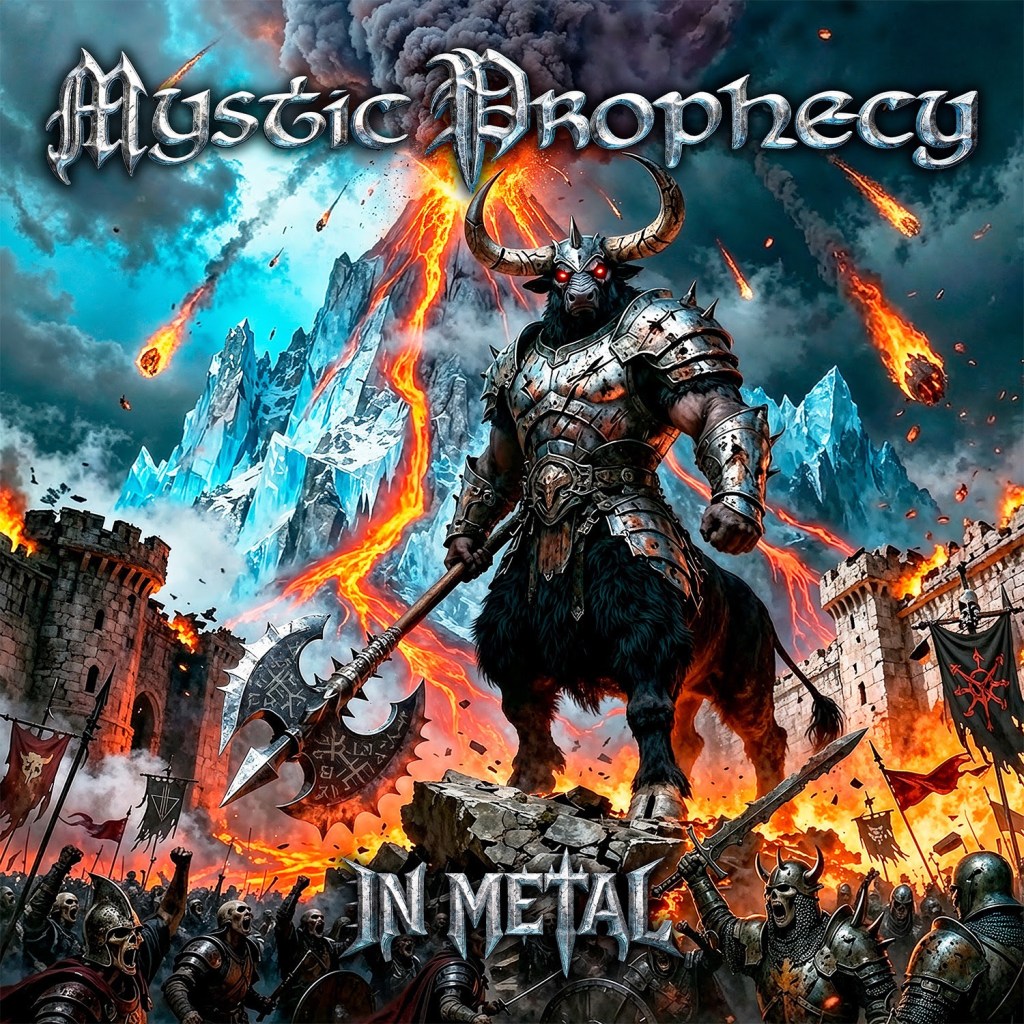
    From Upcoming Studio Album In Metal
    Out on November 27, 2026 via PERCEPTION

    Stream “Angels Are Falling” Here: https://mysticprophecy.rpm.link/angelsPR

    Pre-save/Pre-order In Metal Here: https://mysticprophecy.rpm.link/inmetalPR

    Following their previously released singles “Robots” and “March Or Die,” heavy metal powerhouse MYSTIC PROPHECY keeps the momentum going with the release of a brand-new music video for their latest single, “Angels Are Falling”. 

    Darker and more dramatic in tone, the track combines the band’s signature heavy/power metal sound with apocalyptic imagery of heaven and hell. Driven by massive guitars, powerful vocals and a soaring chorus, “Angels Are Falling” offers another taste of their highly anticipated new studio album, In Metal, set for release on November 27, 2026 via PERCEPTION – Powered by Reigning Phoenix Music.

    The band comments: 
    “Angels Are Falling is with 240 bpm the fastest song Mystic have ever written and therefore also the fastest on the album.

    The Church has been dealing for over a 1,000 years with how to keep its believers in check. The fear of hell is one of their main weapons they exercise on us humans. Evil outweighs the positive in our daily life and we have to struggle with it in our own way. In this, sometimes the dark and sometimes the light is what makes us what we are.”

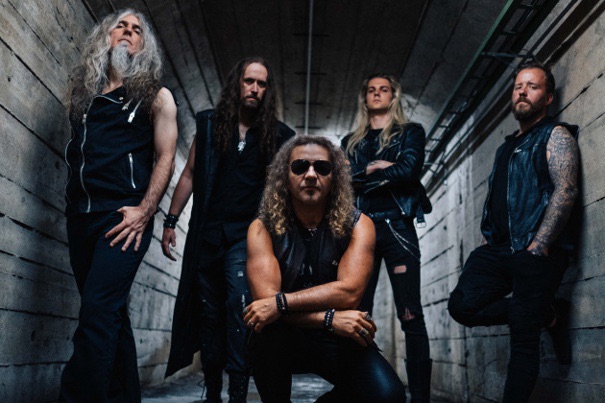
    With more than two decades of history behind it, MYSTIC PROPHECY has long established itself as one of the driving forces of the German and international heavy metal scene. Following the success of its acclaimed albums Metal Division and Hellriot, the quintet surrounding charismatic frontman R.D. Liapakis, also known for his work as a vocalist with Michael Schenker, now returns with renewed energy, a strengthened lineup and a record built to hit with maximum impact.

    MYSTIC PROPHECY is entering its next era with three powerful new additions to the fold. Tommy Gun takes over bass duties, while guitarist Dan Baune, known from NWOBHM act Monument, and drummer Christophe de Combe of Belgian metallers FireForce complete the renewed lineup. Together, they inject even more power, precision and fire into the unmistakable MYSTIC PROPHECY sound.

    In Metal – Track-list:
    01. Robots 
    02. In Metal 
    03. March or Die 
    04. Don’t Run Away 
    05. Warhead 
    06. Angels Are Falling
    07. When the Hammer Will Fall 
    08. My Inner Innocence 
    09. Devil’s Son 
    10. Warrior of Asgard 

    In Metal was produced by Dan Baune and R.D. Liapakis, with mixing and mastering handled by Henrik Udd. The album stays true to everything that has made MYSTIC PROPHECY a force for more than 20 years while pushing its sound firmly forward.

    Fans can expect powerful, concise hooks with instant shout-along appeal, technically brilliant riffs and a hard-hitting, monstrous sound. A modern production gives the songs weight, depth and unstoppable headbanging force without sacrificing the band’s classic heavy metal spirit.

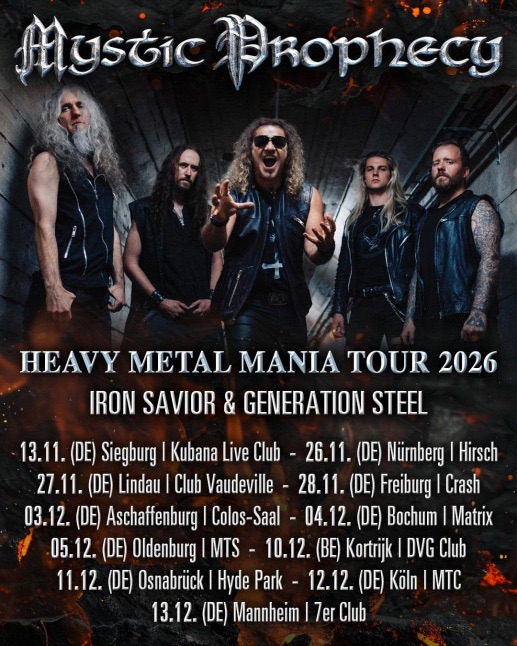
    Whether on stage or on record, MYSTIC PROPHECY has always treated heavy metal as a passionate ultimate fight: no compromises, no holding back, just pure power. With In Metal, the band is ready to prove once again why it remains at the forefront of international heavy metal. In support of their upcoming album, MYSTIC PROPHECY will hit the road in late 2026, joined by special guests IRON SAVIOR and GENERATION STEEL. Find all dates listed below!

    MYSTIC PROPHECY:
    R.D. Liapakis – Vocals
    Markus Pohl – Guitar
    Dan Baune – Guitar
    Tommy Gun – Bass
    Christophe de Combe – Drums

    MYSTIC PROPHECY live:
    13.11. (DE) Siegburg | Kubana Live Club
    26.11. (DE) Nürnberg | Hirsch
    27.11. (DE) Lindau | Club Vaudeville
    28.11. (DE) Freiburg | Kulturraum
    03.12. (DE) Aschaffenburg | Colos-Saal
    04.12. (DE) Bochum | Matrix
    05.12. (DE) Oldenburg | MTS
    10.12. (BE) Kortrijk | DVG Club
    11.12. (DE) Osnabrück | Hyde Park
    12.12. (DE) Köln | MTC
    13.12. (DE) Mannheim | 7er Club

    https://www.mysticprophecy.net 

    https://www.facebook.com/mysticprophecy 

    https://www.instagram.com/mysticprophecy_official 

    https://www.youtube.com/@MysticProphecy 

    Source: C Squared Music

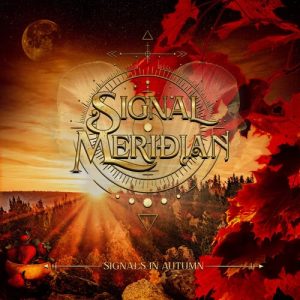
  • SIGNAL MERIDIAN – Signals In Autumn

    SIGNAL MERIDIAN – Signals In Autumn

    Blue Élan 2026 Sharper than steel and sweet as the razor’s edge: Los Angeles followers of the Witchwood dreamers polish gems from influential English ensemble. In a parallel world, Sonja Kristina never left STRAWBS to front , and such a … Continue reading →

    The post SIGNAL MERIDIAN – Signals In Autumn appeared first on DMME.net.

  • “Just a Bad Dream” — Portland’s Masonique Confront a World of Surveillance and Political Absurdity in Video for “Too Many Villains”

    You are just a shadow
    A memory
    Just a bad dream
    Nothing to see

    Humanity has made a spectacular mess of its brief tenancy on Earth, and judging by the current crop of billionaires, bureaucrats, and technologically enhanced sociopaths, the eviction notice cannot come soon enough. We’ve got artificial intelligence rummaging through our private lives, politicians treating international diplomacy like a particularly vicious bar fight, and an American government increasingly fascinated by the architectural possibilities of incarceration. Somewhere amid this carnival of greed and institutional insanity, three musicians from Portland have decided that the appropriate response involves synthesizers, a bass guitar, and a healthy appreciation for human stupidity.

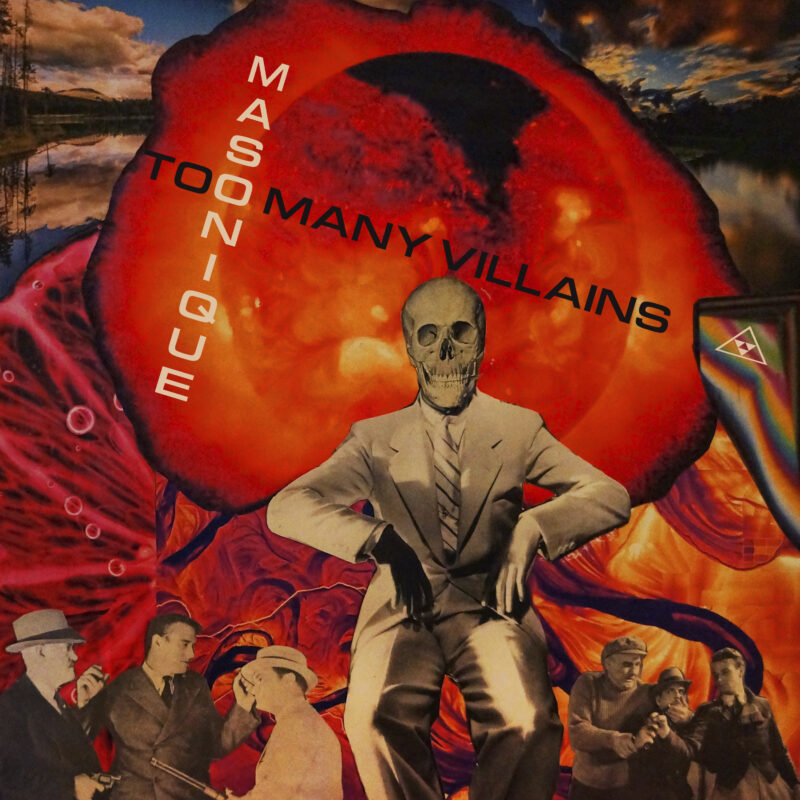
    Masonique, the Portland post-punk outfit led by Ron Mason Gassaway, have returned with Too Many Villains, a wonderfully poisonous piece of electronic agitation and the first single from their forthcoming album, Otherhood, out October 30, 2026.

    According to their gloriously ridiculous mythology, Masonique are time travelers dispatched to rehabilitate a ruined planet who accidentally landed during humanity’s continued existence. Consequently, they’re financing their escape by entertaining the very barbarians responsible for destroying civilization. Given the current state of affairs, their predicament seems increasingly plausible.

    Musically, Too Many Villains occupies the wonderfully diseased intersection where Bauhaus meets Devo, with Gary Numan supplying the electrical paranoia and Mark E. Smith heckling everybody from a nearby pub. Keith Martinez’s monstrous bass line rolls through the arrangement with the determination of a bulldozer flattening government property, while Daniel Morris maintains a hypnotic, mechanically precise beat. Gassaway’s synthesizers introduce an atmosphere of technological derangement, alternating between abrasive electronic squalls and queasy melodic figures. His vocals carry the exasperation of a man watching civilization commit suicide through sheer administrative incompetence.

    The accompanying video pushes the madness into outright hallucination. Bizarre, glitch-ridden animation carries us through distorted landscapes, brutalist prison architecture, flock cameras galore, and eventually the White House, where institutional authority acquires the visual characteristics of a particularly unpleasant fever dream. Faces and structures buckle beneath digital interference as the villains proliferate, poisoning every available corner of contemporary existence. There’s genuine anger beneath the absurdity, particularly when the song addresses algorithmic manipulation, arbitrary detention, manufactured wars, and the profitable destruction of the planet. Masonique turns that disgust into a relentlessly physical performance, allowing the music’s grotesque humor to sharpen its political accusations.

    Watch the video for Too Many Villains below:

    Too Many Villains preserves the recorded bass performance of Martinez, who died in December 2025. Desmond Cruz, now handling bass duties for the group, contributes backing vocals, connecting the present lineup with its predecessor.

    Following 2024’s As The World Burns, Masonique sound thoroughly fed up with the species they’ve been condemned to entertain. Frankly, who could blame them? If the spaceship ever gets repaired, somebody should ask whether they’ve got room for a few passengers.

    Listen to Too Many Villains below and order the single here

    Follow Masonique:

    The post “Just a Bad Dream” — Portland’s Masonique Confront a World of Surveillance and Political Absurdity in Video for “Too Many Villains” appeared first on Post-Punk.com.

  • Queen were nearly derailed by a serious illness. It turned out to be the making of one of the greatest albums

    “Darling, he’s far too busy in the studio. That’s what happens when you get sick in Queen – you have to make the time up.”

    In the South London offices of his band’s PR company, a characteristically flamboyant Freddie Mercury is entertaining the press. It’s the autumn of 1974, and Queen have almost completed their third album, Sheer Heart Attack. Almost. For Mercury’s bandmate Brian May there’s still work to do. It’s just a few months since the guitarist was felled by a virulent bout of hepatitis mid-way through their debut US tour, and subsequently hospitalised for a second time with a stomach ulcer, forcing him to miss initial sessions for the album. May is currently holed up in the studio, finishing off his guitar parts, hence his absence today.

    It’s typical of Queen’s ferocious drive that they haven’t let a pair of potentially fatal medical conditions get in the way of the job in hand. Their first two albums – 1973’s Queen and follow-up Queen II, released earlier in 1974 – set them up as a unique proposition: one part Zeppelin-esque rockers, one part glam dandies, one part fantastical Aubrey Beardsley illustration made flesh. Their music, along with their billowing silk blouses and Mercury’s outrageous, 1,000-watt personality, has earned them as much scorn as admiration. Both responses have only fuelled their ambitions.

    But now those ambitions are coming into sharp focus. Like its predecessors, Sheer Heart Attack is the product of an intense work ethic that stems from a desire to be bigger, bolder and better than everyone else. It’s a watershed for the band: this album will lay the groundwork for future success.
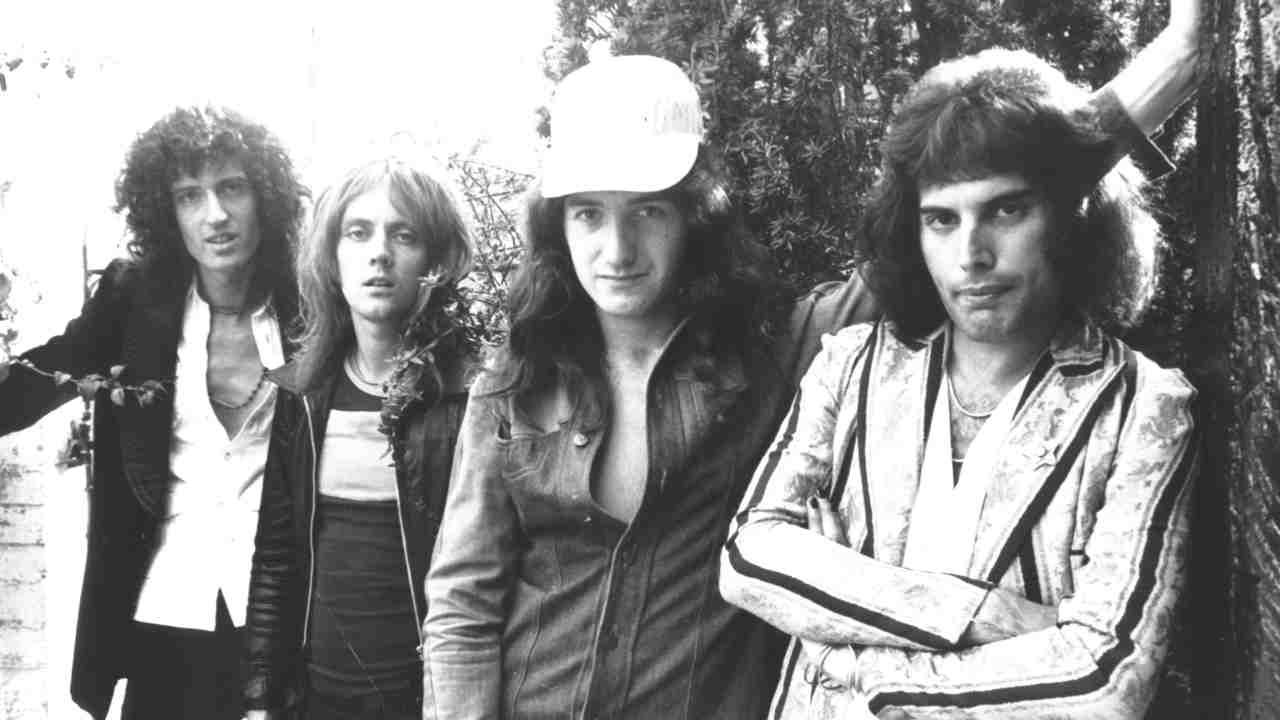
    Queen posing for a photograph in the 1970s

    Queen in 1974: (from left) Brian May, Roger Taylor, John Deacon, Freddie Mercury (Image credit: Chris Walter/WireImage)

    There are solid economic factors, too. The album needs to be a success to boost their ever-decreasing finances. Their management, Trident Productions, have put them on a wage that barely pays the bills, while seeking a return on their hefty investments in recording and studio costs. Combined with May’s illness, it’s fair to say, there’s a lot riding on it.

    “The whole group aimed for the top slot,” says Mercury. “We’re not going to be content with anything less. That’s what we’re striving for. It’s got to be there. I definitely know we’ve got it in the music, we’re original enough… and, now we’re proving it.”

    “I first met Queen in November 1973, when Mott The Hoople were rehearsing for their tour,” recalls Peter Hince, then a 19-year-old Mott roadie (and later one of the key members of Queen’s crew). “We were in Manticore Studios in Fulham, a converted cinema. It was freezing cold, everyone in scarves and coats. Then Queen came in in their dresses, their silks and satin. Even then, Fred was doing the whole thing, running up and down and doing his poses. My first thought was basically, ‘What a prat.’”

    It wasn’t an uncommon reaction. Formed from the ashes of May and drummer Roger Taylor’s old band Smile in late 1970, Queen initially struggled to make a name for themselves. When eventually they did, they found themselves polarising opinion. While they had their admirers, they had also inadvertently become whipping boys for some sections of the British music press.
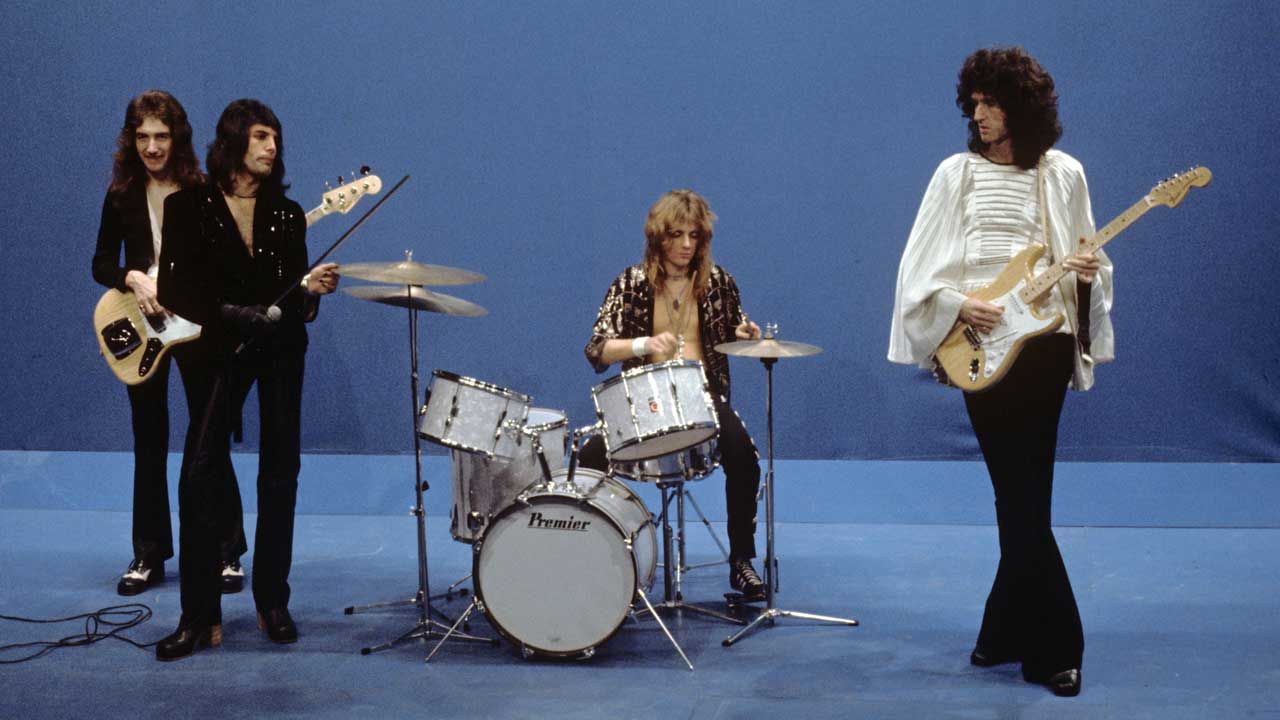
    Queen perform 'Killer Queen' on Top Pop TV show on 22nd November 1974 in Hilversum, Netherlands.

    Queen on Dutch TV in 1974 (Image credit: Gijsbert Hanekroot/Getty Images )

    “We were just totally ignored for so long, and then completely slagged off by everyone,” Brian May acknowledged. “In a way, that was a very good start for us. There’s no kind of abuse that wasn’t thrown at us. It was only around the time of Sheer Heart Attack that it began to change. But we still got slagged off a fair bit even then.”

    The opprobrium heaped on them may have hurt them individually, but it only strengthened their collective resolve. Where their first album owed a debt to Led Zeppelin, the follow-up raised the bar immeasurably. Divided between ‘Side White’ and ‘Side Black’ to reflect what Mercury called “the battle between good and evil”, it brought both operatic bombast and ballet-pumped daintiness to their heavy rock thunder – often in the same song.

    “They planned everything in their heads,” says Gary Langan, then an assistant engineer at Sarm Studios in East London, who worked on two Sheer Heart Attack tracks. “Nothing was left to chance. That’s what separated them from other bands. You had to earn Freddie’s respect to get close to him. He used to scare the pants off me. The aura around that guy was astonishing.”

    Mercury was born Farrokh Bulsara, to Indian Parsi parents, on the island of Zanzibar, just off the eastern coast of mainland Africa. His formative years were spent at boarding school near Bombay, where he learned to play music and formed his first band, the Hectics. In 1964, when he was 17, civil war broke out in Zanzibar and the Bulsara family fled the island to settle in the altogether less dangerous environs of Feltham, Middlesex.
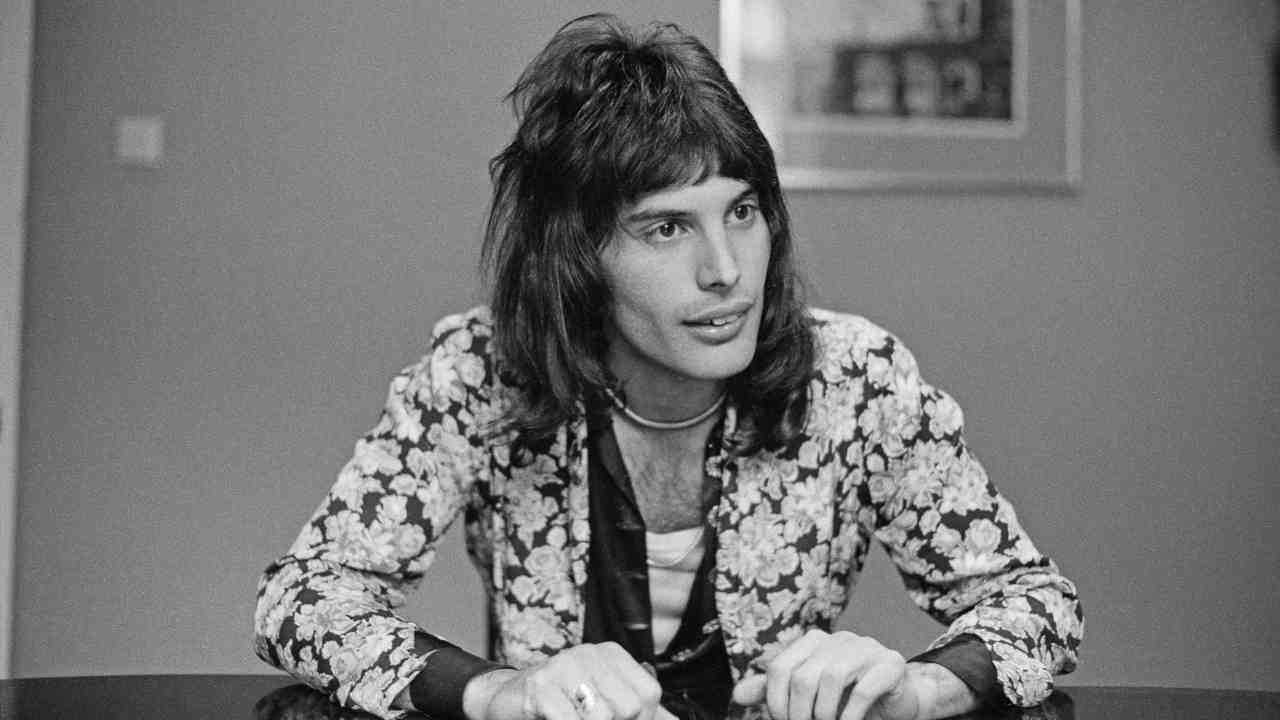
    Queen’s Freddie Mercury posing for a photograph in the 1970s

    Freddie Mercury in 1974 (Image credit: Michael Putland/Getty Images))

    It was here, in the chrysalis of suburbia, that Farrokh Bulsara would ultimately transform himself into Freddie Mercury. The latter was an entirely self-created character, as camp and outrageous in public as he was shy and driven in private. By the time of Queen II, Farrokh Bulsara was a ghost known only to his family and closest friends; to everyone else he was Freddie Mercury.

    Not that the rest of the band were content to exist in Mercury’s shadow. Three very distinct personalities, they each brought a different aspect to the band: May the studios intellectual, Taylor the louche rock’n’roller, Deacon the quiet man whose musical contribution would often be overlooked. It was a frequently combustible combination, albeit one with a shared vision.

    “Do we row?” said Mercury in ’74. “Oh, my dear, we’re the bitchiest band on earth. We’re at each other’s throats. But if we didn’t disagree we’d just be ‘yes men’. And we do get the cream in the end.”

    Fittingly, it would be Mott The Hoople who taught Queen how to be a rock’n’roll band. In October 1973, the foursome embarked on a 24-date UK tour with Ian Hunter’s survivors. Queen had released their debut album the previous July; the follow-up was already recorded, although it wouldn’t be released for another four months (a source of growing tension between band and management).

    The two bands couldn’t have been more different. Mott were veterans of the rock’n’roll wars: they’d had their ups and downs, and had even split up before David Bowie threw them a lifeline in the shape of All The Young Dudes. They’d been there, done that, and rolled their eyes in wry resignation at the thought of it all. By contrast, Queen were young, hungry and at least striving for something approaching glamour. The rocks thrown their way hadn’t dented their drive for success in the slightest.

    It quickly became apparent that Queen weren’t the usual makeweight support band. “They were quite pushy from day one,” says Peter Hince. “They demanded more space on stage, they were quite arrogant. They’d got this very clear idea of what they were going to do: ‘We’re gonna go for it.’ But you could see that they were already very good.”

    For Queen, the tour was an invaluable lesson. They studiously watched the headliners. One of the songs in their own set was a prototype version of Stone Cold Crazy, a song that would later appear on Sheer Heart Attack.

    “On tour as support to Mott, I was conscious that we were in the presence of something great,” said Brian May. “Something highly evolved, close to the centre of the spirit of rock’n’roll, something to breathe in and learn from.”

    Typically, Freddie Mercury found playing second fiddle harder to swallow. “Being support is one of the most traumatic experiences of my life,” he would later pout.

    The Mott tour finished with two shows at Hammersmith Odeon on December 13 and 14, but there was no rest for Queen. The next day they kicked off their own short tour at Leicester University. Shortly afterwards they flew to Australia to play their first show outside Europe; less happily, it ended with the band getting booed off by the roughneck audience.
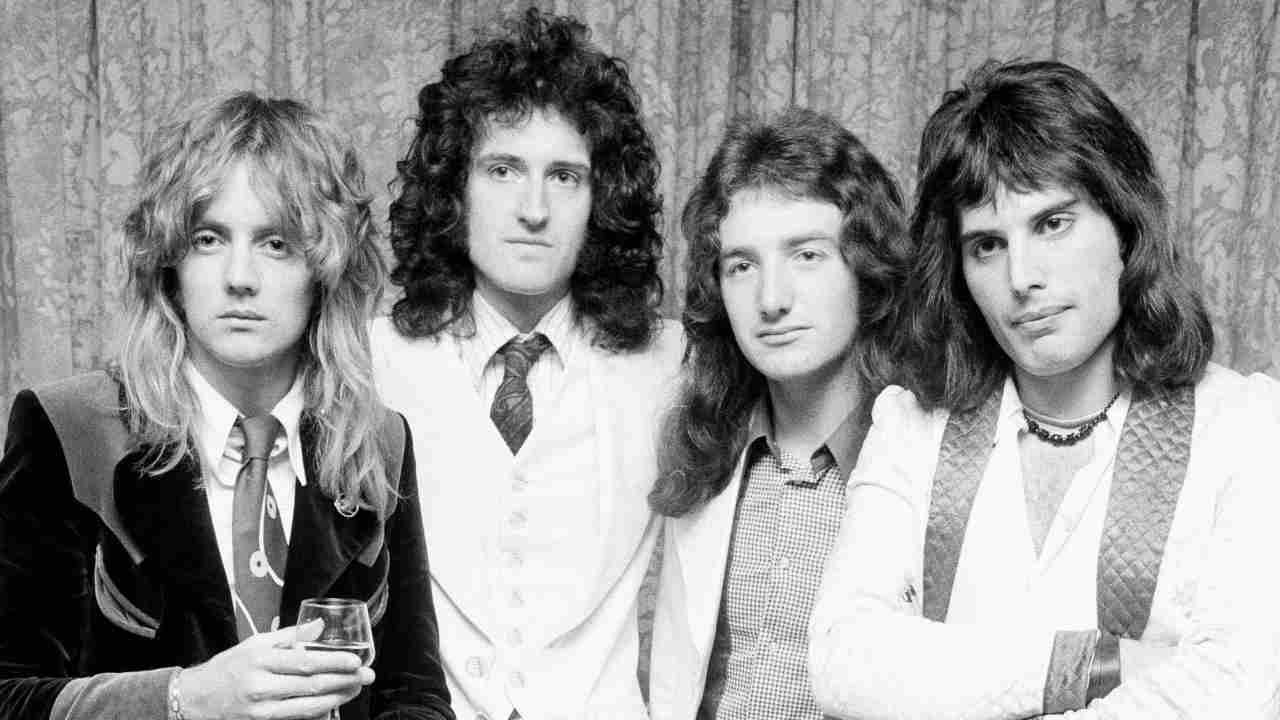
    Queen posing for a photograph in the 1970s

    (Image credit: Michael Putland/Getty Images)

    By the time Queen II was released in March 1974, the band were finally matching their own self-belief. With a following wind behind them from the Top 10 success of Seven Seas Of Rhye, they kicked off their first proper UK headlining tour, starting in Blackpool, taking in such glamorous rock’n’roll destinations as Paignton, Canvey Island and Cromer, and peaking with a prestigious gig at London’s famed Rainbow Theatre.

    There was a riot at a show in Stirling, when 500 audience members refused to leave the venue after the final encore, forcing the band to barricade themselves in the dressing room (the next night’s show in Birmingham was cancelled when the band were detained for questioning by the disgruntled Stirling police force).

    For Freddie Mercury it was proof that Queen’s destiny was in their own hands. “You have to have confidence in this business,” said the singer. “It’s useless saying you don’t need it. If you start saying to yourself: ‘Maybe I’m not good enough. Maybe I’d better settle for second place,’ it’s no good. If you like the icing on the top, you’ve got to have confidence.”

    While Queen’s star was rising in the UK, America was another matter. Barely known beyond a few Anglophile hipsters, they would need to start from scratch to build up anything resembling a Stateside following. Handily, their friends in Mott The Hoople were there to help them out again.

    “We went out on tour with them. They were very nice people,” says Mott’s Ian Hunter. “Very intelligent. So we said, ‘Okay, do you want to come to America as well?’”

    On April 16, Queen played their first US show, in Denver, Colorado as support to Mott. Remarkably, despite the band’s name and Mercury’s stagecraft, the more macho sections of the American audiences didn’t take against them.

    “They were more like a normal group,” Hunter recalls. “They were playing rock songs, but with their own slant on it. They did say that they picked up a lot of their stagecraft from Mott, you know? You’ve got to pick it up from somewhere.”

    This big-brother-little-brother dynamic was evident off stage, as was the support band’s desire to be successful. At one point the two bands found themselves staying in a set of apartments owned by Spartacus star Kirk Douglas.
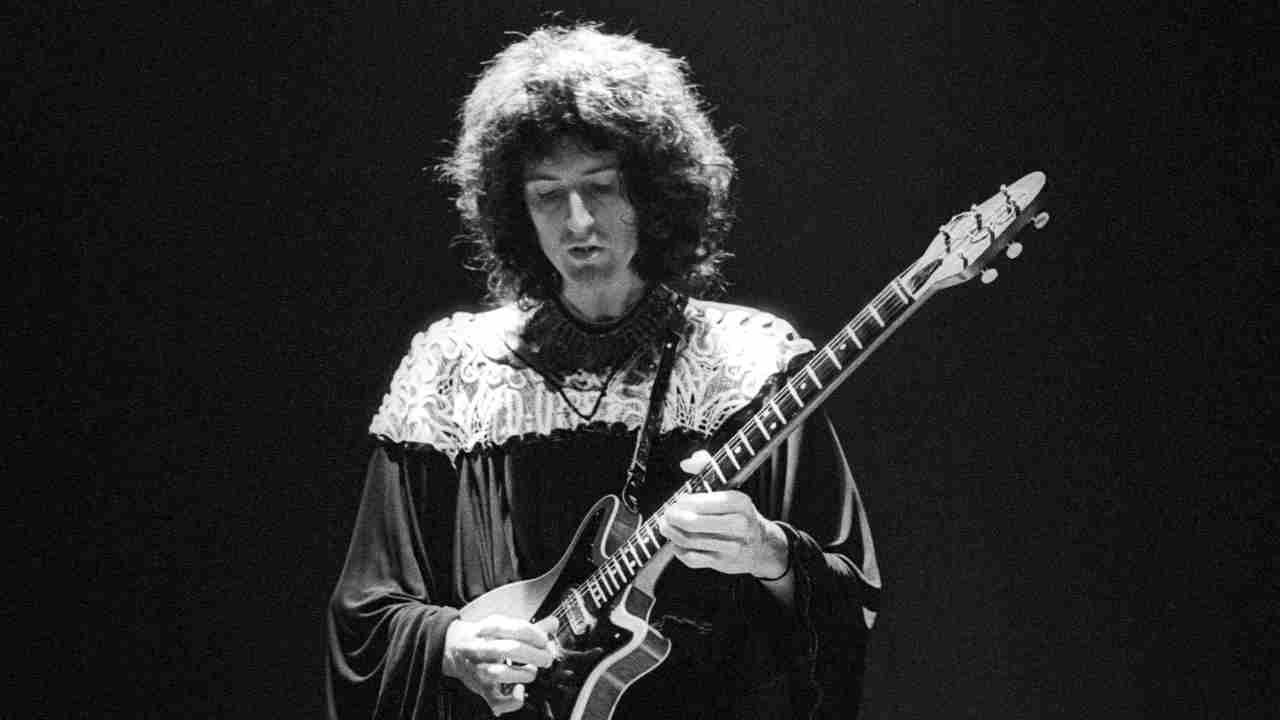
    Queen’s Brian May performing live in 1974

    Queen’s Brian May onstage in 1974 (Image credit: Ian Dickson/Redferns)

    “There was a bit of a do in my room,” says Ian Hunter, “and Fred’s marching up and down saying: ‘When are these silly bastards going to figure it out?’ Meaning the Americans. I said to him: ‘It’s a big country, you’ve got to go around three or four times before it happens. It’s not like England, where you can conquer it in a day!’ He was very, very impatient. It was hilarious.”

    The lavish offstage behaviour that became synonymous with Queen were a few years away, but there were still some memorable moments. Not least when the tour crossed paths with Bette Midler, then a brassy singer who’d made her name on New York’s gay bath-house circuit.

    “She was doing a theatre in the same town as us,” Hunter remembers. “She latched onto Luther (Grovesnor, aka Mott guitarist Ariel Bender). And then we had Bette’s mob come back to the hotel with us. There was us, Queen, Bette and these seven-foot guys in feather head-dresses and what have you. Ha ha! It was so much fun.”

    On May 7, Mott and Queen began a six-night residency at New York’s Uris Theater. But disaster struck the morning after the final show, when Brian May fell ill. The guitarist was diagnosed with hepatitis, possibly picked up from a dirty needle when they were inoculated before that ill-fated Australian show. Distraught, the band were forced to pull out of the tour, and May, against doctor’s orders, was flown home. Their plan to conquer America had been derailed. At least for the time being.
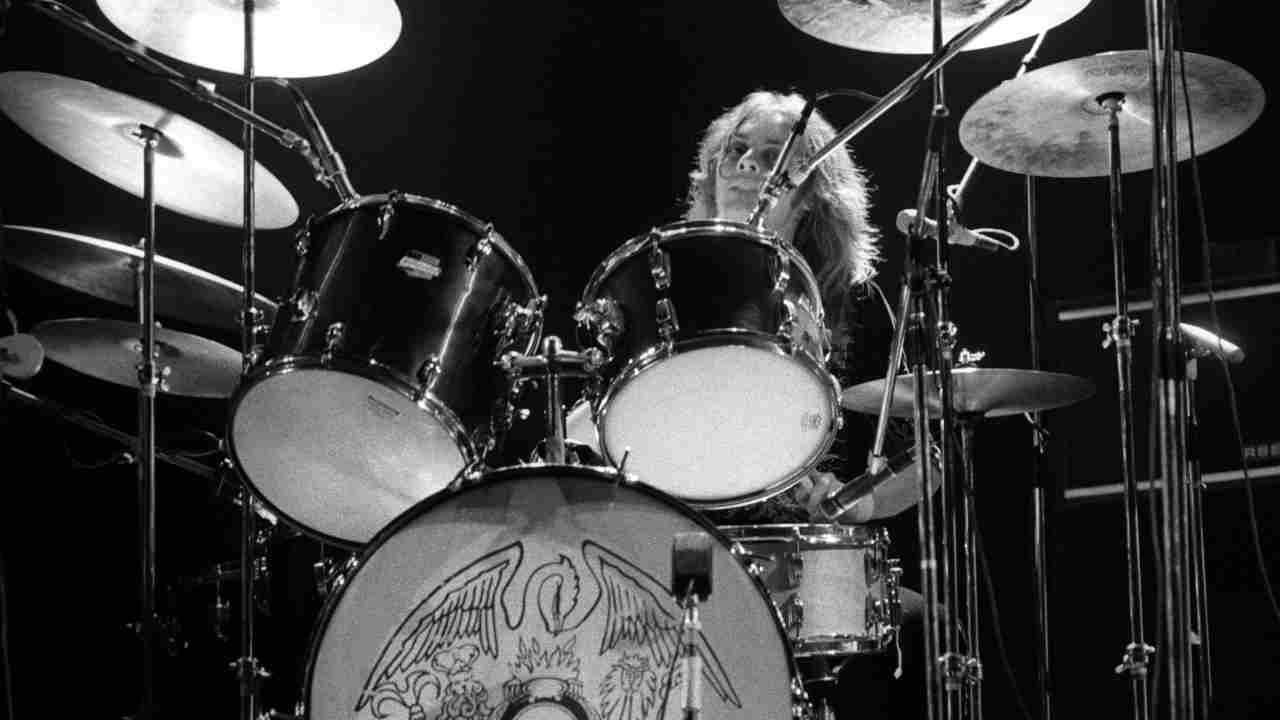
    Queen’s Roger Taylor performing live in 1974

    Queen‘s Roger Taylor performing onstage in 1974 (Image credit: Ian Dickson/Redferns)

    “To us it was out of the blue,” says Ian Hunter. “They were on the tour and then they’re not. Next thing we knew, they had the album out and it was doing extremely well.”

    “I felt really bad at having let the group down at such an important place,” Brian May said in 1974. “But there was nothing to do about it. It was hepatitis, which you get sometimes when you’re emotionally run-down.”

    Laid up in hospital after returning from America, May was feeling guilty and frustrated at inadvertently curtailing his band’s American ambitions. Understandably keen to rejoin his bandmates who had started work on their next album without him, he’d already begun writing while convalescing. One of the songs he was working on, Now I’m Here, reflected the disconnect between touring the US with Mott The Hoople and his living in a pokey bedsit in West London with his girlfriend. “It came out quite easily,” said the guitarist. “Where I’d been wrestling with it before without getting anywhere.”

    It was a six weeks before May recovered from his bout of hepatitis. After being discharged he immediately rejoined the others in the studio. But something was wrong. May was constantly being sick, and he couldn’t eat anything. He was taken back to hospital, where doctors discovered that he had an undiagnosed stomach ulcer, which had been aggravated by the hepatitis.

    “I was stuck in hospital for a few weeks, and they did some stuff to me which was like a miracle,” said May. “I thought I was dead. Being ill like that may even have been a good thing at the time, because although it was pretty hellish going through it, I felt glad to be alive and I became able to hold things in perspective more and not get so wound up and worried about them to make myself ill.”

    By the time May returned to the sessions for the second time, work was properly under way on the new album. It was a strange experience for the guitarist, although not a negative one.

    “It was very weird, because I was able to see the group from the outside, and was pretty excited by what I saw,” he later said. “We’d done a few things before I was ill, but when I came back they’d done a load more, including a couple of backing tracks of songs by Freddie which I hadn’t heard, like Flick Of The Wrist, which excited me and gave me a lot of inspiration to get back in there and do what I wanted to do.”

    Sheer Heart Attack was recorded between July and October 1974. As with its two predecessors, the album was produced by Roy Thomas Baker, a larger-than-life character who could more than match Mercury in the charisma stakes.

    “Every one of our musical and production frustrations came out on Queen II,” said Baker. “The idea for the third album was to get together and do some ‘simpler’ songs for a change; real little, short songs. And it was very successful on that level.”

    Unlike Queen and Queen II, Sheer Heart Attack was conceived in the studio, albeit through necessity rather than by design. “Nobody knew we were going to be told we had two weeks to write Sheer Heart Attack,” said Mercury. “And we had to – it was the only thing we could do. Brian was in hospital.”
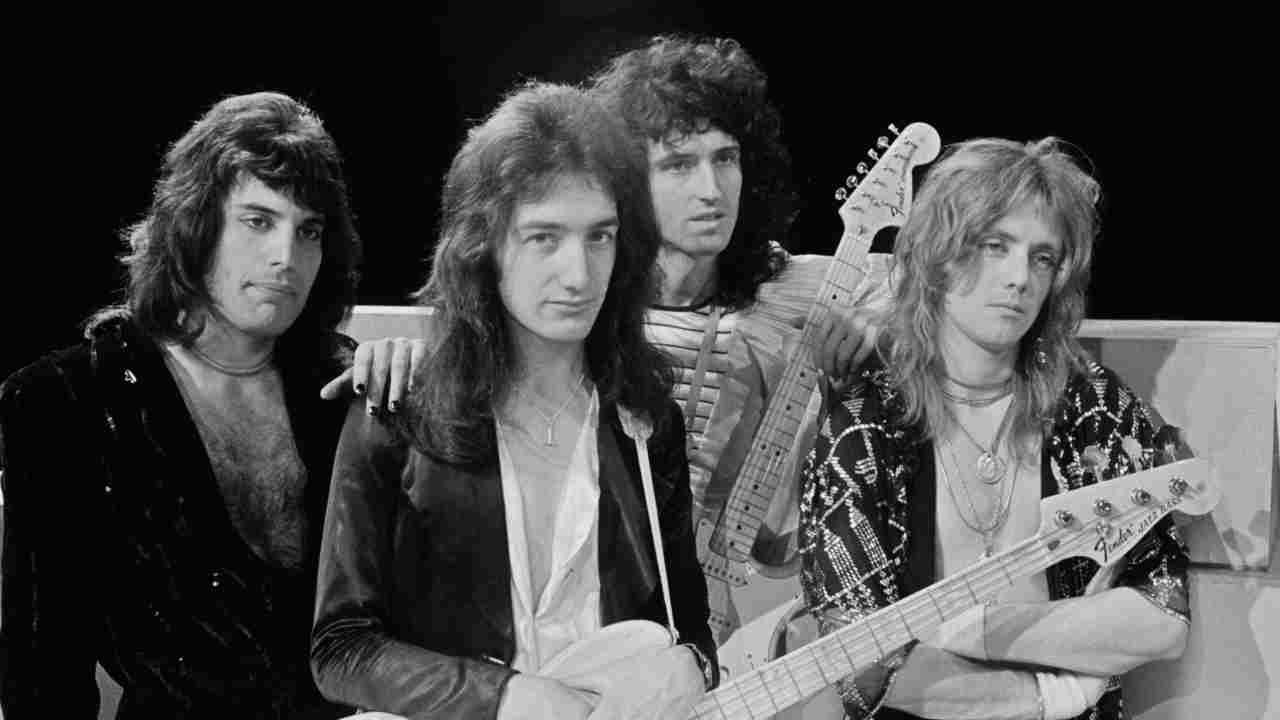
    Queen posing for a photograph in the 1970s

    (Image credit: Mark Hayward Archive/Redferns)

    Despite the setback of the cancelled US tour, there was no doubt among the band that Sheer Heart Attack would take them to the next level. The black-and-white approach of Queen II had been reigned in, replaced by a kaleidoscopic range of sounds and styles. Leading this new approach was Killer Queen, an outrageously camp ditty that was closer to Noël Coward than to Robert Plant.

    “That was the one song which was really out of the format that I usually write in,” said Mercury. “Usually the music comes first, but the words, and the sophisticated style that I wanted to put across in the song, came first.”

    Many have claimed to be the inspiration behind Killer Queen, most notably Eric ‘Monster! Monster!’ Hall, the future football agent who then worked as Queen’s radio plugger. According to Mercury, the title chartacter was pure fantasy.

    “No, I’d never really met a woman like that,” he explained after the album’s release. “I can dream up all kinds of things. That’s the kind of world I live in. It’s very flamboyant.”

    If Killer Queen was the best-known song, it was hardly representative of the album, largely because the band didn’t chain themselves to one style. No band other than The Beatles had dared throw as many different styles into the mix with as much confidence. That state of affairs in Queen was helped by the fact that all four members pitched in with the writing.
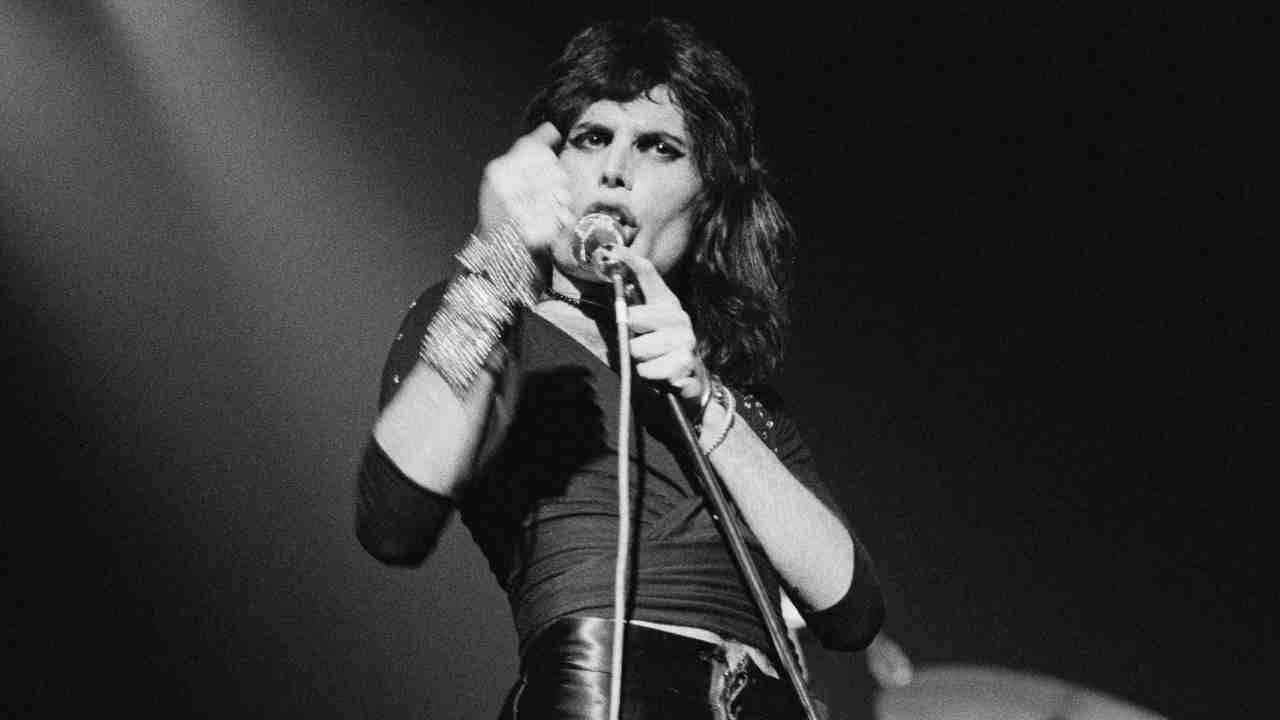
    Queen’s Freddie Mercury performing onstage in 1974

    (Image credit: Michael Putland/Getty Images)

    A convalescing May delivered the rockers, including Now I’m Here and opener Brighton Rock (working titles: Bognor Ballad, Southend Sea Scout and Happy Little Fuck). Bookended by a picaresque tale of two seaside lovers sung in high and low registers by Mercury, it was a showcase for an extended May guitar solo dating back to Blag, a song by his old band Smile.

    By contrast, Mercury threw in everything from waspish glam rock (Flick Of The Wrist, a reflection of their increasingly strained relationship with their management) to old-fashioned vaudeville (Bring Back Leroy Brown, complete with ukelele solo from May). Most prescient was In The Lap Of The Gods, a two-part, near-operatic epic that laid the groundwork for Bohemian Rhapsody the following year.

    In this creative environment, the rhythm section also rocked up with material. Taylor, who had written a song for each of their previous albums, contributed Tenement Funster, a lachrymose salute to the rock’n’roll lifestyle, and an overlooked Queen gem. John Deacon chipped in with the slight but perfectly formed Misfire. The furious Stone Cold Crazy – an influence on the future members of Metallica, and hence a cornerstone of the thrash metal movement – was credited to all four members, even though it dated from Mercury’s pre-Queen band Wreckage.

    For a band who were frequently mocked for being shallow, there were plenty of hidden depths, not least on Mercury’s delicate Lily Of The Valley. The singer’s sexuality was the subject of much debate in the press; apparent double-bluffs such as his famous proclamation that “I’m as gay as a daffodil, dear” deliberately clouded the issue. But while Mercury was still living with girlfriend Mary Austin, he reputedly told his closest friends that he was gay.

    “Freddie’s stuff was so heavily cloaked, lyrically,” Brian May said in 1999. “But you could find out, just from little insights, that a lot of his private thoughts were in there, although a lot of the more meaningful stuff was not very accessible. Lily Of The Valley was utterly heartfelt. It’s about looking at his girlfriend and realising that his body needed to be somewhere else.”

    All such personal distractions were kept out of the studio. “They worked 15 hour days,” says Gary Langan, who worked as tape operator on Now I’m Here and Brighton Rock. “When we finished work at Sarm, we’d meet them at a club called the Valbonne in Soho. That’s when they let their hair down.”

    This drive for perfection ensured there was no fat on Sheer Heart Attack. Just two songs failed to make the final album. One was May’s imperious reworking of the national anthem, God Save The Queen, later resurrected for 1975’s A Night At The Opera. The other was the song that gave the album its title, the frantic, Taylor-penned Sheer Heart Attack. Little more than the bare bones of a song when they started, the drummer failed to finish it in time. They finally got around to recording it for 1977’s News Of The World album, underpinned with the sneering key lyric: ‘I feel so inar.. inar… inar inar…inarticulate’. The band in the next studio at the time? The Sex Pistols.
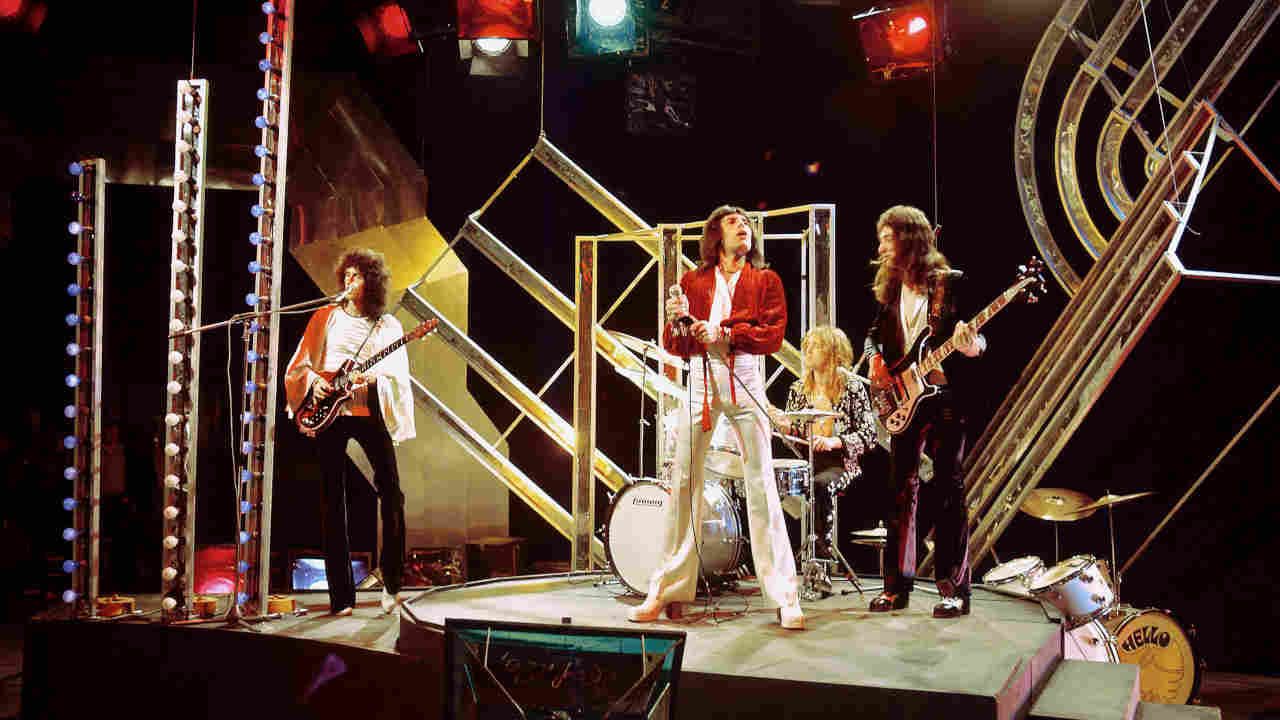
    Queen performing on Top Of The Pops in 1974

    Queen performing Now I’m Here On Top Of The Pops in 1974 (Image credit: David Redfern/Redferns)

    By the time Sheer Heart Attack was released on November 1, 1974, Killer Queen had already given Queen their first Top 3 hit. Now I’m Here followed a couple of months later, complete with touching nod to unofficial mentors Mott The Hoople (“It was nice,” recalls Ian Hunter, “but there was no money attached to it”). Between the two, Queen embarked on their first proper world tour, headlining. This time there were no illnesses or riots, though they were greeted by scenes approaching Beatlemania when they arrived in Japan in April 1975. The effort that went into Sheer Heart Attack had paid off.

    Forty years on it stands as Queen’s most pivotal album. They had greater success later, but none of it would have be possible without the groundwork laid down here. “That was the album that showed the world what they were capable of,” says Gary Langan. “If that album hadn’t been as successful as it was, then something like A Night At The Opera probably wouldn’t have been accepted.”

    Freddie Mercury put it more succinctly. “We were in a prolific stage and so much was happening with us, dear,” he said afterwards. “We felt the need for a change of sorts and, as ever, we felt able to go to extremes. As usual, we put ourselves under pressure. That’s just us.”

    Originally published in Classic Rock 159 (July 2011)
  • Seattle’s Ghosts In The Graveyard Summon a Séance Gone Wrong in Video for “Old Dark House”

    Dust on the banister, an unoccupied chair facing the door, footsteps from a room that should be empty: the old haunted house makes an accusation out of every ordinary object. Domestic space becomes a kind of unfinished business, holding on to lives its current occupants never knew. Even before anyone calls a medium, there is the uncomfortable suspicion that the people paying the mortgage have mistaken themselves for the owners.

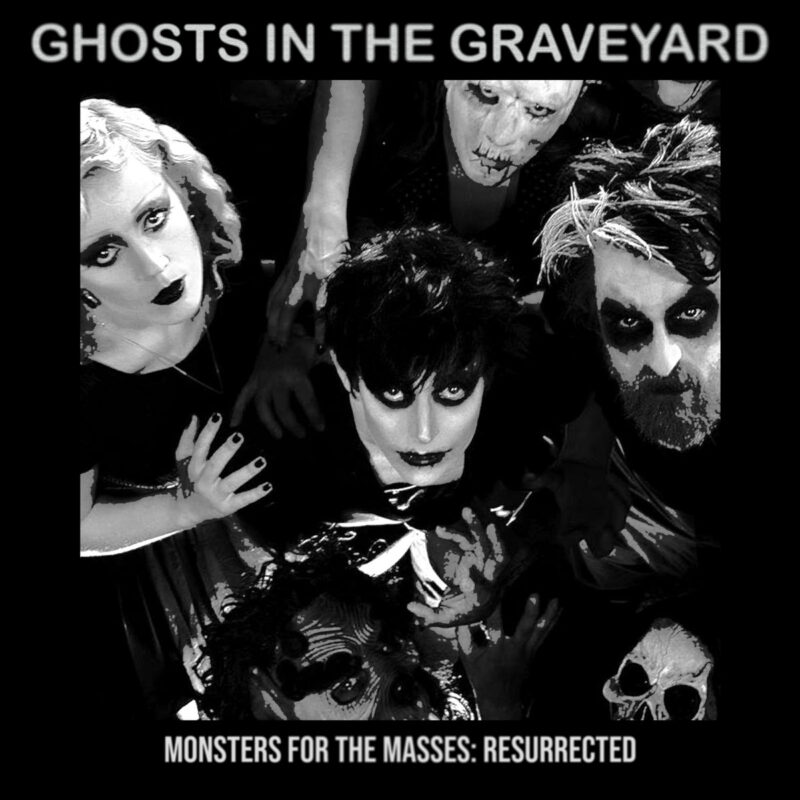
    Seattle deathrock band Ghosts In The Graveyard give that suspicion a voice on Old Dark House: Resurrected Version. Taken from Monsters For The Masses: Resurrected, released October 23rd through Re:Mission Entertainment, the song sets a deep, resonant piano melody beneath Shelly Smith’s clear, ghostly vocals. Her delivery carries the formal poise of a Victorian ghost story, as though each line has travelled some considerable distance to reach the living.

    Smith’s spectral presence and the song’s macabre elegance bring Mephisto Walz’s Mephisto Waltz to mind: both make gothic theatricality feel strangely intimate, drawing the listener close enough to become uneasy. Here, the piano gives that feeling a domestic setting, its measured notes suggesting an instrument being played somewhere else in the house.

    Around a minute in, percussion begins to thump like unexplained banging in the attic. Colder electronic tones introduce Byron C. Miller’s distorted murmurs, with the rhythm growing rougher around him before Smith’s voice returns. As the piano comes forward again, Miller takes up a melody akin to hers, the two voices passing through one another until Smith closes the song. By then, the music seems to have acquired a second occupant.

    Directed, photographed, and edited by bandmate Paul Morgan, the video turns this domestic disturbance into an affectionate homage to classic horror, with House on Haunted Hill among its touchstones. La Petite Mort and Miller play a troubled couple who call upon a psychic, portrayed by Tiffany Astrid, to investigate their unwelcome company. Megan Bishop appears as the Ghost Psychic, adding another presence to a gathering already short on reassurance.

    The dining table becomes the centre of the trouble. Hands join, faces tighten in close-up, and translucent figures intrude upon rooms whose carved chairs and heavy curtains already seem prepared for their arrival. Smith’s production design gives the house its welcoming gloom, while Morgan’s superimpositions let faces and bodies occupy the same space with the peculiar wrongness of an old spirit photograph. A veiled figure at the table makes an ordinary seat look like a very poor place to sit.

    Morgan approached the film with a clear affection for the methods behind those earlier hauntings:

    “I shot it black and white to invoke the look of a classic horror film from the 1960’s, even though the video is not really set any one period. The idea of a seance gone wrong was intriguing to me, so I used that as jumping off point. We assembled a brilliant cast and they performed everything beautifully. I will stress that no AI or CGI was used in the making of this video. The ghost effects are all created using techniques that the horror filmmakers have used since the dawn of cinema.”

    Watch the video for Old Dark House: Resurrected Version below:

    The album surrounding Old Dark House: Resurrected Version has undergone its own return from the grave. For the tenth anniversary of their 2016 album, Ghosts In The Graveyard revisited the original recordings, with Morgan rebuilding the material through new production and programming, and Chris Longo mastering the new mixes. Reconstructed versions of Better In Black and Monster Mask sit alongside the collection’s sole newly added song, a cover of The Afghan Whigs’ Debonair.

    For Miller, who began the project after eight years in God Module, the material reaches back further still. “The interludes on this album are made from cassette recordings I did when I was a little kid trying to be scary. In many ways these songs are the first half of my life as song.” Those childhood recordings give the reconstruction a personal charge: the adult musician is reopening rooms his younger self furnished with imaginary monsters.

    Listen to Old Dark House: Resurrected Version below. Monsters For The Masses: Resurrected is available now on CD digipak and digitally through Re:Mission Entertainment. Order the album here, or find additional listening options here.

    Follow Ghosts In The Graveyard:

    Ghosts In The Graveyard — Monsters For The Masses: Resurrected album artwork

    The post Seattle’s Ghosts In The Graveyard Summon a Séance Gone Wrong in Video for “Old Dark House” appeared first on Post-Punk.com.

  • Bryan Adams takes aim at Donald Trump on unexpected new protest song, comparing US President to “a baby tossing toys from the pram”

    Bryan Adams might be a globally recognised superstar having sold more than 100 million albums and singles during a career spanning almost five decades, but the Canadian musician isn’t traditionally known as a singer of protest songs. This, however, may yet change, as the 66-year-old Ontario-born singer/songwriter has just released a new single featuring barbed criticisms of US President Donald Trump.

    The song, titled Lake Ontario, is Adams’ response to Donald Trump’s well-publicised (and much-mocked) decision, earlier this year, to sign an executive order instructing US federal agencies to rename Lake Ontario, the body of water straddling the border between Canada and the United States, ‘Lake America’.

    In his lyrics for the song, set to feature on the forthcoming album, How’s It Goin’, Adams pulls no punches when referencing Trump’s order, and suggests that the US President’s motivation for the act was to distract public attention from other contentious issues that have arisen during his divisive second term in the White House.

    The lyrics in one section of the song run:

    “Things weren’t going his way in Iran / So like a baby tossing the toys from the pram / He may have thought it best to throw a low blow / And create a real dog and pony show. But it feels like another distraction / While the Epstein files were getting traction.”

    In a pointed press statement announcing the release, Adams says, “Empires and regimes, dictators and kings, they all come and go. Lake Ontario is forever. This is a song for all the sane people on both shores who know that the current madness will pass, and that Lake Ontario will always be Lake Ontario.”

    Adams’ new record has been described by the musician as a “love letter” to his homeland. His 17th studio album, How’s It Goin’, is scheduled for release on November 6, on BAD Records.

    We await Donald Trump’s response with bated breath.

  • Violet Oscillation Questions Faith and False Promises in Video for Dreamy Shoegaze Single “heaveness”

    Count all your blessings
    Write out a curse
    for all you have taken
    I’ll make your life worse

    Faith is a peculiar bargain when the people asking for it have already broken their promises. We are encouraged to count our blessings, accept inherited wisdom, and trust that those giving the orders know where they are taking us. Yet reassurance begins to sound rather sinister when it requires us to overlook what is plainly wrong. Once that trust gives way, doubt becomes difficult to contain. The search for meaning continues, complicated by the suspicion that those offering salvation have helped create the need for it.

    That uneasy passage from belief to suspicion runs through heaveness, the new single from Thames Valley’s violet oscillation. Released October 30, it follows this year’s debut EP, it has become clear to me that all those who seek. The band’s frontman, Luca, has also become a familiar presence within shoegaze through Pedal Partners, his channel devoted to the effects and experiments that help turn six strings into something considerably less earthbound.

    violet oscillation

    The song opens with small ripples of guitar and soft distortion, the reverbed strumming feeling almost like cool air against bare skin. Luca’s voice murmurs from the other side of the veil as the chords lengthen and the distortion gathers weight. My Bloody Valentine provides a reference for that friction between sweetness and abrasion, while Slowdive comes to mind in the suspended vocals and the sense of distance opening between each layer. The gradual swells suggest the patient, accumulating force of Explosions in the Sky, with post-rock scale meeting shoegaze’s intimate handling of the voice. Luca’s British inflections remain audible through the effects, a small human detail within all that amplification.

    The lyrics read like an argument with people who claim the right to lead. Blessings turn to curses; sinners and preachers share the same uneasy company; promises of renewal run up against an older generation’s corruption. Luca moves between accusation, fear, and the suspicion that every available answer has already been compromised. There is a particular exhaustion in being told to read between lines that have themselves become suspect. By the closing admission, “i just think about it all the time,” the wider disillusionment has become a private, repetitive burden.

    Luca says of the single: “This is my most poignant release to date, ‘heaveness’ is a visceral experience. Musically, lyrically & visually this is the most I’ve ever had to say.”

    The accompanying video places Abstract in Sound’s twins within a landscape that seems unable to settle into a single version of itself. They walk along woodland paths and stand among the trees, their long hair and dark clothing giving the scenes a quietly gothic character. Violet and rose colour washes pass over the foliage; monochrome passages give way to bleached negative exposures, while overlapping images loosen the outlines of faces and branches.

    Close-ups of a thorned stem interrupt the softer views of water and leaves, adding a sharp visual detail to the film’s diffuse light. The repeated images of the twins make recognition itself feel uncertain, as though the camera keeps returning to a memory it cannot quite recover. Its blurred surfaces suit the guitars, but there is also a useful connection to the words: amid so much visual transformation, even an ordinary path through the trees becomes difficult to trust.

    Watch the video for heaveness below.

    Listen to heaveness below and order the single here. You can also find streaming links here.

    Follow violet oscillation:

    violet oscillation — heaveness single artwork

    The post Violet Oscillation Questions Faith and False Promises in Video for Dreamy Shoegaze Single “heaveness” appeared first on Post-Punk.com.

  • Blues Rock Weekly – October 30, 2026

    Blues Rock Weekly highlights the release of a previously unheard rendition of “The Thrill Is Gone” by B.B. King, plus new music from Alastair Greene and Hannah Wicklund.

    The post Blues Rock Weekly – October 30, 2026 appeared first on Blues Rock Review.

  • Lamb of God announce 2028 Headbangers Boat cruise with Paleface Swiss, Bleed From Within, Heriot, and more

    Lamb of God have announced that the 2028 edition of their bespoke metal cruise Lamb of God Presents Headbangers Boat will sail from May 27 to May 31, 2028 from Southampton, England to La Coruña, Spain, the gateway to the rocky shores of the Costa da Morte (Coast of Death).

    Artists already booked to perform aboard the Norwegian Jewel for what will be the fifth staging of Lamb Of God’s curated cruise include Paleface Swiss, Bleed From Within, Heriot, Shadows Fall, and Kublai Khan TX, with many more acts to be announced before launch.

    As is customary, the members of Lamb of God will also curate and host exclusive activities. Frontman Randy Blythe will sit down for an in-depth conversation and Q&A, and drummer Art Cruz plans on spinning a “Heavy In The Mix” DJ set. The Headbangers Poker Tournament includes the chance to win a spot at the Final Table with co-founding bassist John Campbell, so prepare your best poker face and watch out for (card) sharks. Shipmates can also battle for glory in Masters of Metal: The Trivia Massacre, and sing themselves hoarse at the Scream for the Sea Metal Mayhem Karaoke. We’re also informed that invitations will be extended to join in with the Swag Swap where apparently one can “trade booty with your metal brethren”, about which we’re not going to ask any further questions, tbh.

    A press statement adds: “The adventure starts in Southampton, where rich maritime history meets charming coastal scenery and classic British culture. Before setting sail, cruisers can explore the medieval city walls, visit the SeaCity Museum, check out vintage aircraft or an art gallery, challenge cabin mates to an arcade game showdown, or just stroll through the bustling city centre. Traditional British fare, cosy local pubs, waterfront views, and centuries of seafaring history make it the perfect port to start from, and a fine spot for a pre-sail grog or two.

    “Once your sea legs have mastered a circle pit on a boat, it’s land ho for a spectacular shore excursion in La Coruña, a stunning coastal city in Spain’s Galicia region packed with historic charm, beautiful beaches, and vibrant Spanish culture. Visit the iconic Tower of Hercules, the oldest working Roman lighthouse in the world, a UNESCO World Heritage Site dating back to the late 1st century A.D. Find the Iron Age-era Monte dos Bicos petroglyphs in the sculpture park, potter along to the 16th century fortress Castillo de San Antón (Castle of San Antón), wander the charming streets of the Old Town, and stroll the scenic waterfront promenade – or just chill at the beach! Save some doubloons for onshore vittles by way of fresh seafood and traditional Galician tapas. Anyone for Sangria?

    “Shore excursions will not be available to reserve until 4-6 weeks prior to sailing. Cruisers will be able to book an excursion upon receipt of their official booking number.”

    For full details, including information about ticket pre-sales, prices, and packages, go here.