Noroth and Mortual have both been making noise in the underground death metal scenes in the Pacific Northwest and Costa Rica, respectively, and now the two bands join forces for a new split coming on October 30. To set the mood for the release, both bands offer up new songs today at Decibel.
“Tongue ov Soot and Ash” is Noroth’s contribution today, a classic slab of old-school death metal with an overcast feeling, giving shades of Incantation or Undergang. The timeless sound and the accompanying witchy video make the song feel like something that could have been released any time between the ’90s and today.
On “Eclipse of Dominion,” Mörtual execute a faster take on death metal, slowing down only for a deranged, doomy section around the midway point.
You can listen to both songs below and get two familiar, yet different, takes on the same genre. Noroth / Mortual is out on October 30 via Night Terrors and Goat Throne Records.
Few Gothic images are as compelling as the hidden room. A locked door at the end of a corridor. A concealed chamber behind a wall. A forgotten space that exists inside a house yet remains inaccessible to those who live there. These rooms appear throughout Gothic literature because they transform psychological mysteries into physical spaces.
They give shape to what has been concealed, denied, forgotten, or feared. The fascination is not really architectural. It is psychological. Secret rooms symbolize hidden aspects of the self. They represent memories that refuse to disappear, truths that remain buried, and fears that continue influencing behavior from behind locked doors.
This symbolism helps explain why hidden chambers remain among the most enduring images in Gothic fiction. The room may be concealed within the building, but its true location is often within the mind.
The Psychology of Secret Rooms
Why Hidden Rooms Create Unease
A house is generally expected to be understandable.
We assume we know its layout. We believe its rooms are visible and accessible. A secret chamber disrupts that certainty.
The discovery of a hidden space immediately raises questions.
Who built it?
Why was it concealed?
What remains inside?
The room becomes unsettling because its existence suggests that something important has been deliberately hidden.
In Gothic fiction, concealed spaces rarely contain ordinary objects. More often, they preserve family secrets, crimes, forbidden knowledge, or uncomfortable truths.
The hidden room transforms architecture into a mystery.
The locked door becomes evidence that the past has not been fully erased.
The Gothic Origins of Secret Rooms
Secret rooms became a defining feature of Gothic literature during the eighteenth century.
Horace Walpole’s The Castle of Otranto helped establish many of the architectural conventions that would shape the genre. Hidden passages, concealed chambers, and mysterious corridors created a world where history lingered within the walls themselves.
These spaces allowed Gothic writers to transform the past into an active presence.
Ancient crimes, forgotten inheritances, and buried truths could remain hidden for years before suddenly emerging into the present.
The secret room became a perfect Gothic symbol because it suggested that what is hidden never truly disappears.
It merely waits to be discovered.
Jane Eyre and the Hidden Truth in the Attic
One of Gothic literature’s most famous secret rooms appears in Charlotte Brontë’s Jane Eyre.
At Thornfield Hall, Rochester conceals his wife, Bertha Mason, within a locked attic that remains hidden from visitors and largely inaccessible to the rest of the household.
The room functions as far more than a plot device.
It becomes a physical manifestation of repression.
Rochester attempts to isolate an uncomfortable reality from the rest of his life. The hidden chamber allows him to preserve a public identity while concealing a truth he cannot openly acknowledge.
The attic embodies a central Gothic principle: what is hidden continues to exert influence.
Despite the locked door, Bertha’s presence shapes the entire narrative. Strange sounds, unexplained events, and persistent unease all emerge from a secret that refuses to remain contained.
The concealed room becomes a symbol of everything society, families, and individuals attempt to keep out of sight.
Eventually, the hidden truth demands recognition.
Poe and the Architecture of the Mind
No writer explored the relationship between architecture and psychology more effectively than Edgar Allan Poe.
In The Fall of the House of Usher, the mansion functions less as a building than as a psychological landscape. Its dark interiors, sealed spaces, and oppressive atmosphere mirror the deteriorating mental condition of its inhabitants.
Every corridor seems connected to memory. Every enclosed chamber suggests something buried beneath conscious awareness.
Poe understood that the most disturbing secrets are often internal rather than external.
By transforming architecture into a reflection of the mind, he helped establish one of Gothic literature’s most enduring ideas:
the house becomes frightening when it begins to resemble the self.
Freud and the Return of the Repressed
The symbolism of secret rooms becomes even more powerful when viewed through the ideas of Sigmund Freud.
Freud argued that experiences, memories, and desires do not simply vanish when they are suppressed. Instead, they remain active beneath conscious awareness, influencing thoughts and behavior from the shadows.
This concept closely mirrors the structure of the Gothic secret room.
A hidden chamber exists within a building yet remains deliberately separated from ordinary life. Likewise, a repressed memory remains part of the mind while being excluded from conscious thought.
In both cases, concealment creates tension.
The secret may remain hidden for a time, but its influence persists. Strange disturbances, unexplained emotions, and recurring anxieties often suggest that something buried continues to seek expression.
This is why Gothic stories frequently connect hidden rooms with revelations.
Opening the door often means confronting something that has been denied for years.
Carl Jung and the Shadow Behind the Door
Carl Jung expanded this psychological framework through his concept of the Shadow.
According to Jung, every individual possesses aspects of the personality that remain hidden from conscious awareness. These qualities may be feared, rejected, or simply ignored, yet they continue influencing behavior.
“The shadow personifies everything that the subject refuses to acknowledge about himself.”
— Carl Jung, The Archetypes and the Collective Unconscious
Secret rooms provide a striking visual metaphor for this idea.
The concealed chamber is physically part of the house, just as the Shadow is psychologically part of the self. Yet both remain separated from everyday awareness.
When Gothic protagonists discover hidden rooms, they are often confronting more than an architectural mystery.
They are encountering truths that challenge their understanding of themselves, their families, or the world around them.
The room becomes a symbolic threshold between what is known and what has been concealed.
Why Hidden Rooms Feel Uncanny
Part of the emotional power of secret rooms comes from their uncanny nature.
Freud described the uncanny as the unsettling feeling that emerges when something familiar suddenly becomes strange.
A secret room embodies this contradiction perfectly.
The hidden chamber exists within a house that appears familiar and understood. Yet its discovery reveals that the building contains something unexpected.
The realization alters the meaning of the entire structure.
Rooms that once felt ordinary now seem suspicious. Hallways suggest additional mysteries. Every wall becomes a potential boundary concealing another hidden space.
The discovery changes not only the room itself but the perception of everything surrounding it.
That psychological disruption lies at the heart of many Gothic narratives.
The House as a Map of the Psyche
Writers have long treated houses as symbolic representations of the human mind.
Public rooms correspond to the identities people present to the world. Private rooms suggest personal memories and emotions. Hidden chambers represent experiences that remain buried, denied, or unexplored.
This symbolic structure appears repeatedly throughout Gothic fiction because it transforms abstract psychological ideas into physical environments.
Readers do not simply learn about repression or hidden fears.
They move through corridors, encounter locked doors, and experience the discovery directly alongside the characters.
The architecture becomes a form of storytelling.
Every staircase, passageway, and concealed chamber reveals something about the people who inhabit the space.
The Secret Room as a Psychological Threshold
The most memorable secret rooms rarely contain treasure.
Instead, they contain knowledge.
The hidden chamber marks a boundary between ignorance and understanding. Crossing that threshold changes the characters who pass through it.
In Jane Eyre, the discovery of Bertha Mason transforms Jane’s understanding of Rochester. In Poe’s fiction, hidden spaces reveal uncomfortable truths about memory, mortality, and identity.
The room itself matters less than what it uncovers.
This is why secret rooms continue appearing throughout Gothic literature.
They provide a physical form for psychological revelation.
Every locked door poses the same question:
What truth has been hidden, and what will happen when it is finally revealed?
Why Secret Rooms Continue to Fascinate Us
The enduring appeal of secret rooms cannot be explained by architecture alone.
Most people will never discover a hidden chamber behind a bookcase or uncover a forgotten passage concealed within an ancient mansion. Yet the image continues to appear throughout literature, film, and popular culture.
The reason lies in what secret rooms represent.
They embody the possibility that something important remains hidden beneath the surface of ordinary life.
A concealed room suggests that reality may be more complicated than it first appears. Beneath familiar surroundings may exist another story, another truth, or another version of the self waiting to be discovered.
This possibility remains deeply compelling because it reflects a fundamental aspect of human experience.
People rarely understand themselves completely.
There are memories that fade, emotions that remain unexplored, and motivations that operate beyond conscious awareness.
The secret room transforms these invisible mysteries into something tangible.
The Gothic Obsession with Hidden Truths
Gothic literature has always been preoccupied with what lies beneath appearances.
Family histories conceal crimes. Respectable figures hide dangerous secrets. Grand houses shelter uncomfortable realities behind locked doors.
The secret room becomes the perfect symbol for this tension between appearance and reality.
Unlike a monster or a ghost, a hidden chamber exists within the ordinary world. It is physically present from the beginning of the story, yet its significance remains concealed.
This makes the eventual discovery particularly powerful.
The revelation does not introduce something new.
It uncovers something that was always there.
That pattern mirrors many psychological experiences. Hidden fears, suppressed memories, and denied truths often feel shocking when they emerge, even though they have been influencing behavior all along.
Why the Secret Room Endures
Many Gothic symbols have changed over time, but the secret room remains remarkably resilient.
Its endurance comes from its flexibility.
A hidden chamber can represent a family secret, a repressed memory, an aspect of the Jungian Shadow, or an uncomfortable truth waiting to be acknowledged.
The specific meaning may change, but the underlying structure remains the same.
Something important has been concealed.
The story revolves around its discovery.
This simple narrative pattern continues to resonate because it reflects the way people often experience knowledge itself. Understanding rarely arrives all at once. It emerges gradually as hidden connections become visible.
The secret room turns that process into a physical journey.
The Psychology of Secret Rooms
Secret rooms fascinate us because they give physical form to psychological realities.
Freud’s repressed memories, Jung’s Shadow, concealed family histories, and hidden aspects of identity all find expression through the image of a locked chamber waiting to be opened.
The Gothic tradition recognized something that psychology would later attempt to explain.
The most powerful mysteries are often internal.
A hidden room may exist within a castle, a mansion, or an ancient estate, but its symbolic significance reaches much deeper. It represents the parts of ourselves that remain unexplored, forgotten, or deliberately concealed.
That is why secret rooms continue appearing in Gothic fiction generation after generation.
They remind us that every mind contains locked doors.
Every life contains hidden stories.
And every search for truth begins by opening something that has remained closed.
Wear the Darkness
If The Psychology of Secret Rooms resonates with your fascination for Gothic literature, hidden symbolism, and psychological mystery, explore the Edgar Allan Poets store. Our designs celebrate the darker corners of imagination, memory, and the Gothic tradition.
Join the Noir Newsletter
Receive more essays exploring Gothic literature, noir psychology, symbolism, hidden meanings, and the mysteries that continue shaping human imagination.
Frequently Asked Questions
Why are secret rooms common in Gothic literature?
Secret rooms symbolize hidden truths, family secrets, repression, and psychological conflict, making them ideal Gothic symbols.
What do secret rooms represent psychologically?
They often represent repressed memories, concealed emotions, hidden aspects of identity, and parts of the unconscious mind.
How does Jane Eyre use a secret room?
The attic containing Bertha Mason functions as a hidden space that conceals a family secret and symbolizes repression and denial.
What is the connection between secret rooms and Jung’s Shadow?
Both symbolize hidden aspects of the self that remain concealed from ordinary awareness but continue influencing thoughts and behavior.
Why do secret rooms remain fascinating today?
They reflect the universal human experience of uncovering hidden truths about ourselves, our past, and the world around us.
Switzerland’s Rorcal are all set to unleash their seventh full-length instalment, Mahre, on September 25th via Humus Records. The 5-piece outing was recorded, mixed and mastered by Thomas Betrisey at Downtone Studio. Read more…
The Warning have announced that they are taking their new album ‘Everything’s Falling’ around the world for a huge headline tour next year.
After previously announcing their first ever stadium show, taking place in Mexico City, the trio will be hitting up Europe, UK, US and Canada and have some special guests involved too. For the US and Canada legs, they will be joined by Wilt.
And here are all of the dates:
FEBRUARY 2027
05 – MEXICO CITY Estadio GNP Seguros
MARCH 2027
09 – MADRID Palacio Vistalegre 10 – BARCELONA St Jordi Club 12 – LYON Transbordeur 14 – MILAN Fabrique 15 – VIENNA Gasometer 17 – PRAGUE Krizik Pavilion 18 – MUNICH Zenith 19 – DÜSSELDORF Mitsubishi E.H. 21 – BERLIN Uber Eats Music Hall 23 – PARIS Zenith Paris – La Villette 25 – TILBURG 013 Poppodium 26 -BRUSSELS Ancienne Belgique 27 – LUXEMBOURG @ Rockhal 29 – BIRMINGHAM O2 Academy 30 – GLASGOW O2 Academy
APRIL 2027
01 – MANCHESTER O2 Victoria Warehouse 02 – LONDON OVO Arena Wembley 17 – LAS VEGAS Pearl Concert Theater – Palms Casino 18 – PHOENIX The Van Buren 20 – SAN FRANCISCO The Warfield 22 – PORTLAND Roseland Theater 23 – SEATTLE Moore Theatre 25 – VANCOUVER Vogue Theatre 28 – DENVER Fillmore Auditorium 30 – SAN ANTONIO Boeing Center at Tech Port
MAY 2027
01 – OKLAHOMA CITY The Criterion 02 – HOUSTON Bayou Music Center 04 – ATLANTA The Eastern 06 – DETROIT The Fillmore 08 – OTTAWA History Ottawa 09 – MONTREAL MTELUS 10 – TORONTO History 15 – PITTSBURGH Citizens Live at the Wylie 18 – BROOKLYN Brooklyn Paramount 23 – BOSTON MGM Music Hall at Fenway
THE EVERYTHING’S FALLING TOUR ‼️ 🪽
We’re so excited to announce that we’re coming back to Europe, UK, US and Canada! We can’t wait to bring Everything’s Falling to the stage and see you all again ❤️🔥
Patreon Pre-Sale + VIP Packages 📅 September 15 | 10 AM EDT / 7 AM PDT
“Kalika’s Tongue”, the third advance single from Firtan‘s upcoming long player Helios, has premiered online in the form of an official music video. Read more…
My Chemical Romance effectively broke up in 2013 before reuniting in 2019. In recent years, they’ve been touring stadiums and playing their 2006 classic The Black Parade in full, as well as other assorted tracks. They haven’t released any new music since reuniting, and their most recent studio album is Danger Days, their 2010 Black Parade follow-up. But now, they’re finally talking about making new music.
(Andy Synn says to expect the unexpected when it comes to the new album from Krallice, out Friday) Love them or hate them (and, of a certainty, there’s plenty of folks in both camps) Krallice have long been one of the most reliably progressive, artistically provocative, bands in Metal. Of course, while their avant-garde ambitions […]
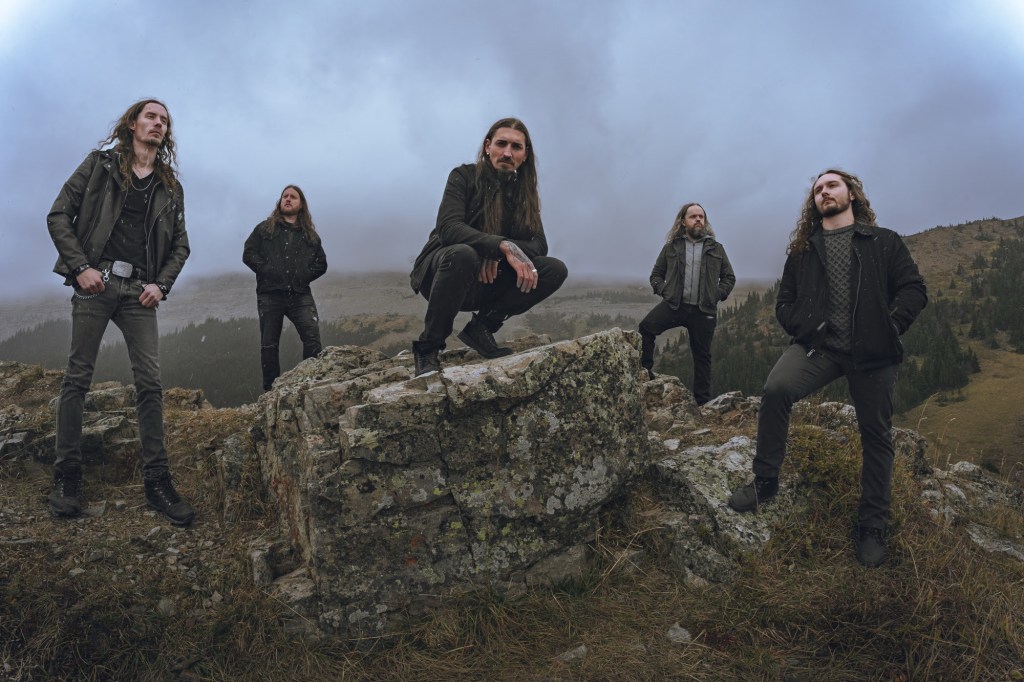
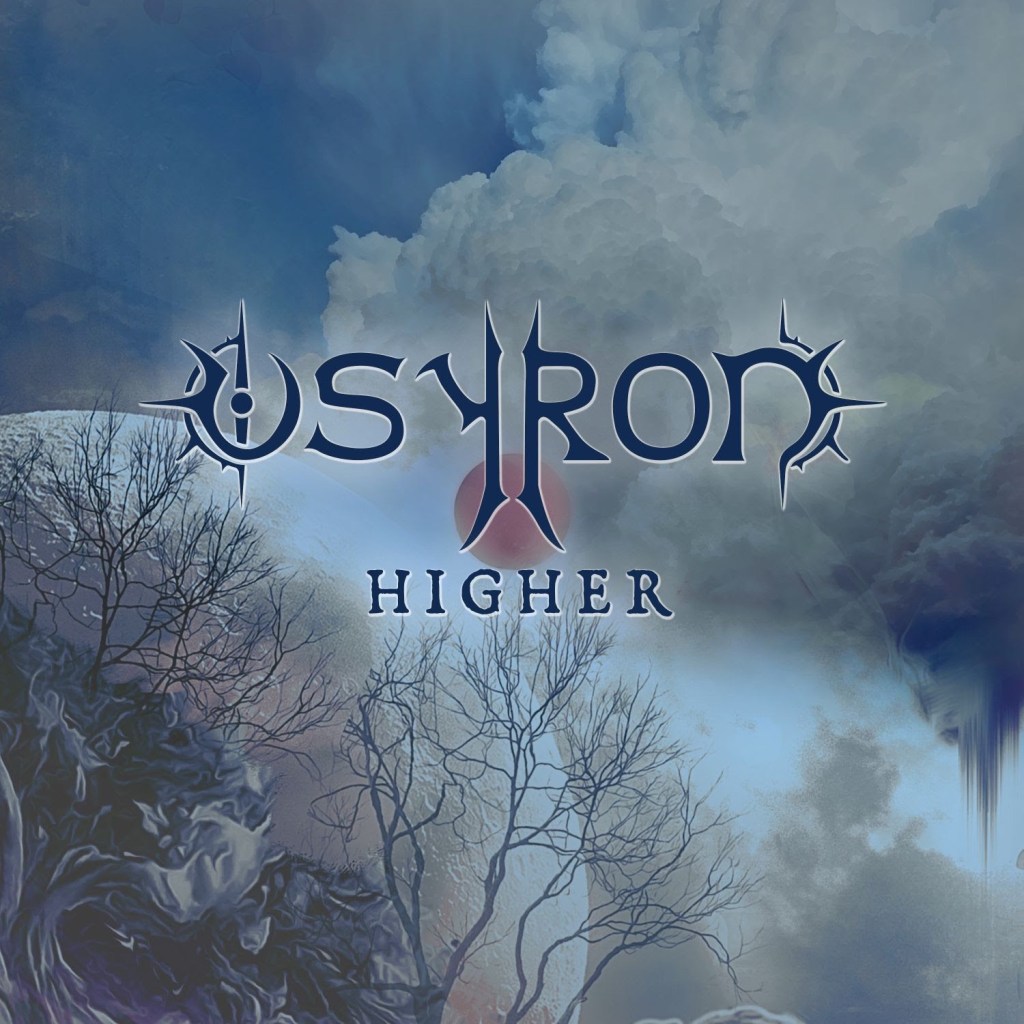
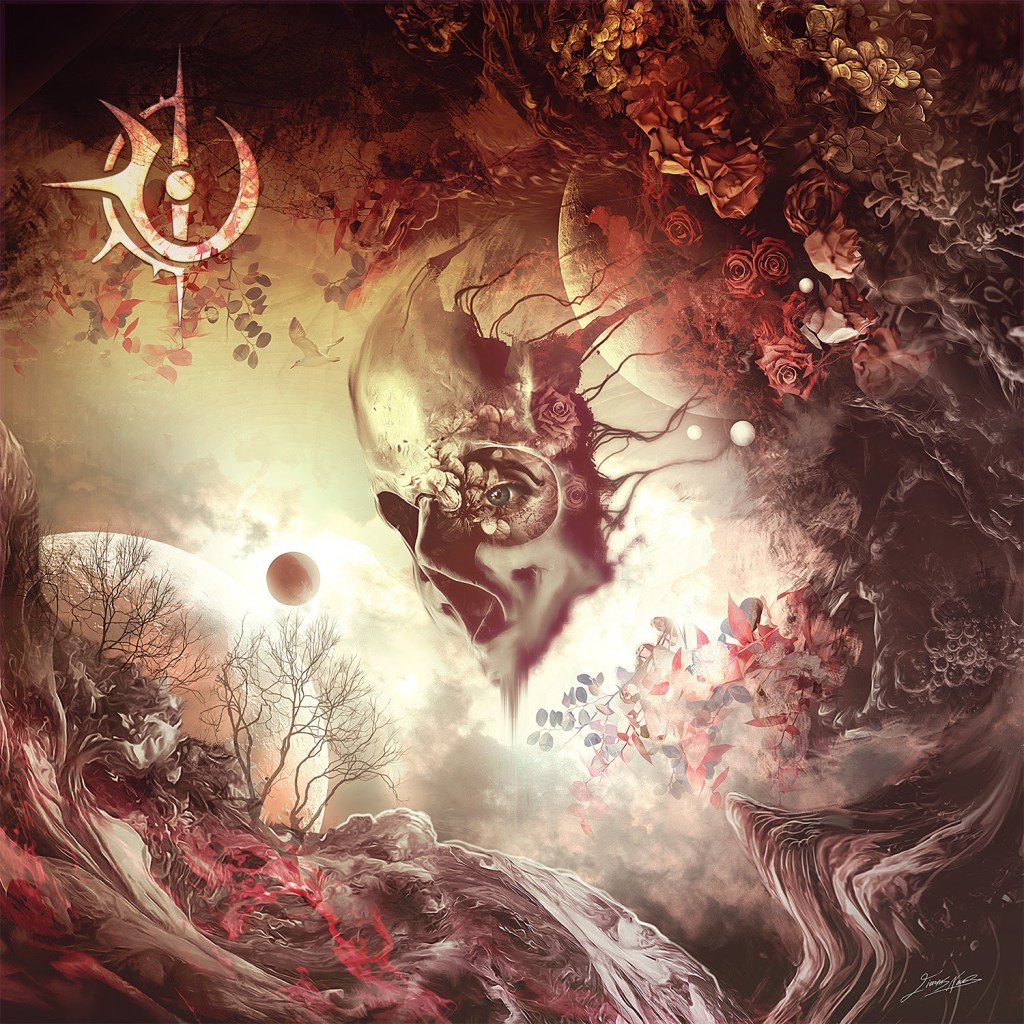
Canadian modern metal band OSYRON present an electrifying offering in their new single release, “Higher.” Alongside the atmospheric track, the Canadians have launched their pre-sale for the forthcoming, self-titled, full length album. Osyronis scheduled for release on November 27, 2026, via Distortion Music Group (DMG) – Powered by Reigning Phoenix Music.
Guitarist Bobby Harley shares:
“We chose this song as the first single because we feel it’s a great representation of the band as we are now, and a good overall idea of the album. We wanted you to be able to sing the chorus right back to us after hearing it for the first time, but then leave you with a sore neck from the outro. It has all you love in an Osyron song – catchy chorus, heavy verses, dual guitar harmonies, drums, and even vocals.”
“Also, this is one of those tracks where the foundation is much older than you’d expect. The riffs and polyrhythmic patterns in the verses and outro were pulled from an idea Tyler wrote back in 2013. It finally felt like the right time to revive it, bringing it to life collaboratively with many more years of musical growth behind us.”
Of the DMG signing, the band also comments:
“We’re absolutely thrilled to be joining the Distortion Music Group family for this next chapter of Osyron. After more than a decade of building this band, releasing four somewhat okay albums, playing shows across North America and Europe, developing our sound, and even having a Polish guy in the band, finding the right label for this record was extremely important to us.”
“DMG’s passion for heavy music, their international reach, and the connections they have throughout the metal community make them the perfect partner for what we want to accomplish with this album.”
“This album represents a huge step forward for us, and we couldn’t be more excited to have the babes at Distortion Music Group right there beside us as we enter this new era.”
Maurizio Iacono, General Manager of DMG, commented, “We are proud to introduce Osyron to the DMG family. The band is one of Canada’s best-kept secrets that will finally get the chance to shine on a world stage; We are happy to have them on board as they continue their journey through the progressive power metal world!”
Emerging out of an immersive atmospheric haze, “Higher” erupts into life with a ferocious brutality manifested through thunderous guitar rhythms and discordant harmonies. The track’s chorus soars with melodic intensity, while the heavy power remains relentlessly impactful. Through compelling vocal melodies to monstrous harsh, OSYRON demonstrate their prowess for balancing a sonic attack and ethereal soundscapes.