Blog

  • Agalloch – Announce Remixed And Remastered Version Of ‘Marrow Of The Spirit’

    Agalloch are set to revisit their 2010 album Marrow Of The Spirit with a newly remixed and remastered edition, due out November 20th through Eisenwald. The reissue features a new mix of “Ghosts of the Midwinter Fires”, which is now available to stream below.
    Read more…
  • BAILEY SPINN Joins With KELLIN QUINN For New Single ‘Long Sleeves In The Summer’

    Rising rock artist Bailey Spinn has enlisted Sleeping With Sirens’ frontman Kellin Quinn on her powerful new single, long sleeves in the summer, out now. Together, the two turn deeply personal subject matter into a cathartic song that pulls back the curtain on the struggles hidden beneath the surface. The release arrives alongside the announcement […]
  • In 2012, Tom Cruise played a singer in a hair metal musical – and the critics hated it

    Tom Cruise’s divisive new movie, Digger, is the subject of much talk – not all of it good. But it’s not the first time he’s attracted a critical pile-on. Fourteen years ago, he donned a flowing wig to star as fictional singer Stacee Jaxx in the much-reviled hair metal musical Rock Of Ages, adapted from a more successful stage play. In 2012, when the film came out, Classic Rock spoke to the people behind this misfire to find out how Hollywod’s biggest movie star ended up singing Def Leppard songs.

    Classic Rock divider

    A crisp March night in London’s West End, and things are getting hairy. The crowd inside the Shaftesbury Theatre is on its feet, waving electric torches and roaring along to a rowdy soundtrack of hits by Whitesnake, Bon Jovi, Poison, Twisted Sister and more. In other words, tunes that were last popular 25 years ago, when spandex-clad peacock rockers turned LA’s Sunset Strip into a gigantic open sewer of booze, sleaze and sexually transmitted disease. Good times.

    Settling down to watch a hair-metal jukebox musical that one broadsheet reviewer compared to a steaming turd is a daunting prospect, but Rock Of Ages works pretty damn hard to bludgeon the viewer into enforced enjoyment. Middle-aged metalheads mosh in the aisles alongside 20-something couples and teenage girl gangs. The premise isn’t new, but rather than singing along to ABBA or Queen, they’re celebrating an era of big-haired debauchery and cartoon bad-boy posturing that even some of its original participants now find embarrassingly naff. How the hell did this happen?

    Rock Of Ages was launched by a bunch of theatrical amateurs in an LA bar in July 2005. They initially rushed to exploit a 1980s glam-metal revival that they feared would be a fleeting fad, only to find mainstream culture turning their way with the runaway success of Glee and the retro-rock soundtrack to Mickey Rourke movie The Wrestler. From scratchy beginnings the show slowly built into a worldwide phenomenon. After transferring to Broadway in 2008, it finally made its London debutlast August.

    Now even Tom Cruise is in on the act, starring in a big-budget Hollywood film of Rock Of Ages. Cruise stars as fictional 80s rock star Stacee Jaxx – a mash-up of Axl Rose, Keith Richards and Jim Morrison. Catherine Zeta Jones, Russell Brand and Alec Baldwin co-star, along with a lengthy guest list of rock-star cameos. The director is Adam Shankman, who previously adapted the Broadway version of the John Waters musical Hairspray for the big screen. Shankman has swapped the stage show’s spoofy, self-referential humour for more straightforward comedy; ironic celebration of this deeply uncool music has given way to something deeper, broader and weirder. So is Rock Of Ages just a mullet-haired Mamma Mia!, a glam-metal Glee – or could it actually bring these overlooked 1980s anthems back from the dead? And should rock fans be cheering from the front row or throwing rotten fruit from the balcony?
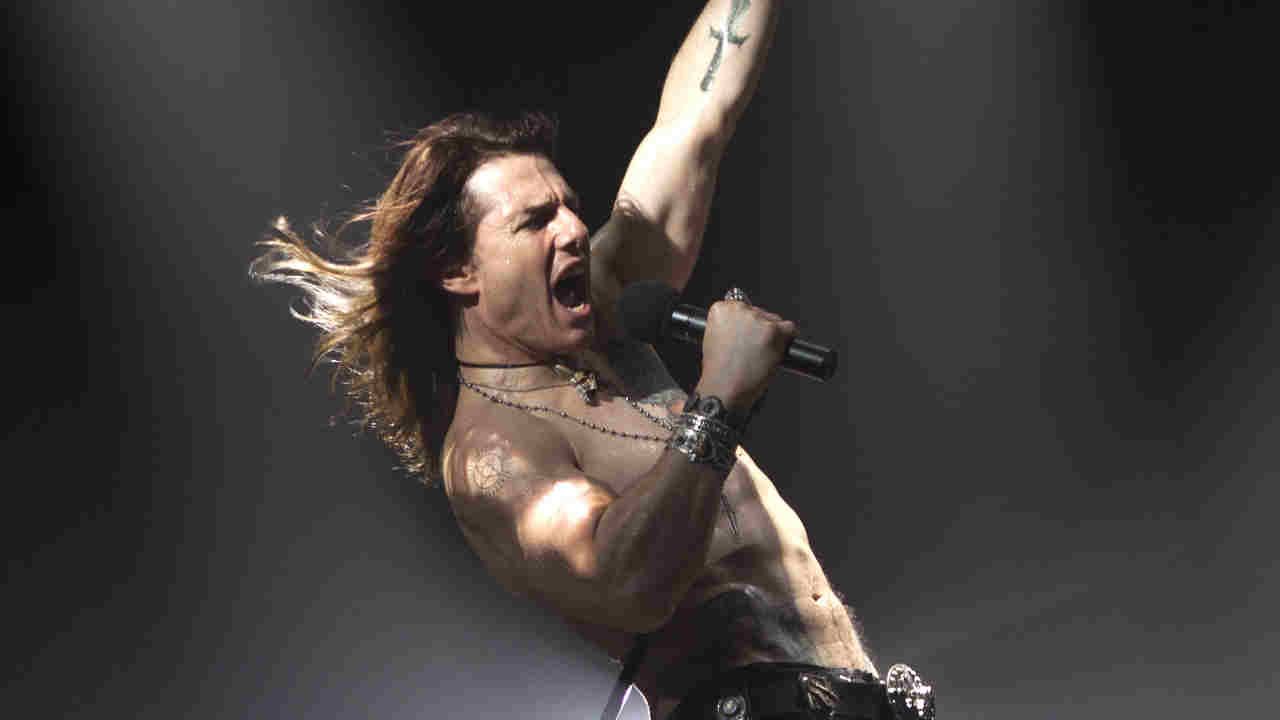
    Tom Cruise performing as Stacee Jaxx in Rock Of Ages

    (Image credit: Press)

    The Rock Of Ages phenomenon began with an amateur production first staged in a small LA bar seven years ago by film producer and novice theatrical impresario Matt Weaver. “The genesis of it was I wanted to develop a musical that guys would go to,” Weaver explains. “I’d never done theatre before, but it completely changed my life. I’m like the Forrest Gump of theatre.”

    Weaver hired screenwriter Chris D’Arienzo and director Kristin Hanggi to flesh out his retro-rock concept. D’Arienzo grew up in Michigan listening to Elvis Costello and The Smiths, but he insists glam-metal was part of his musical DNA.

    “My first kiss was to a Warrant song, my first dance was to Paradise City,” he says. “That music defined my adolescence. I kind of dig that it was not trying to be well-received by critics. It was just trying to be fun and express the feelings these young guys had when they were making it, which is: I wanna party, get drunk and fuck the prettiest chicks.”

    Set in a Sunset Strip metal club in the late 1980s, Rock Of Ages features innocent young lovers, sleazy rockers, strippers, groupies, record company goons and cartoon villains in the shape of rock-hating German property developers. A live band remain on stage throughout, thumping out raucous versions of Whitesnake’s Here I Go Again, Bon Jovi’s Wanted Dead Or Alive, Twisted Sister’s We’re Not Gonna Take It and similarly anthemic songs from glam metal’s glory days.

    Securing the music rights was the first big hurdle. The producers were smart enough to secure Journey’s Don’t Stop Believin’ as their closing number long before The Sopranos and Glee turned the tune into a post-modern karaoke classic, but Mötley Crüe, Guns ‘N Roses and Van Halen all refused to let their songs be used. Ironically, so did Def Leppard, even though the show was ostensibly named after one of their hits.

    “The initial pitch didn’t sound appealing,” says Leppard singer Joe Elliott. “Quite honestly it was everything we were trying to avoid – look, I’ve spent 25 years trying not to be part of the New Wave Of British Heavy Metal. I’ve always said, being part of the herd, sooner or later you get culled.”

    Weaver admits that knockbacks were inevitable. Of course, some bands may have been reluctant to co-operate because history hasn’t necessarily been kind to the era Rock Of Ages was inspired by. But Weaver insists that he set out to celebrate the music, striking the same kind of affectionately satirical balance as Steel Panther or even The Darkness.

    “We are not mocking it at all,” Weaver insists. “We are putting it on a pedestal. In our heart and soul, we believe these songs are as good as any Broadway song out there. I mean, Every Rose Has Its Thorn, Here I Go Again – show me better songs than this! If anything we mock LA a little bit, and we like to have fun with the period: big hair, big music and big dreams.”
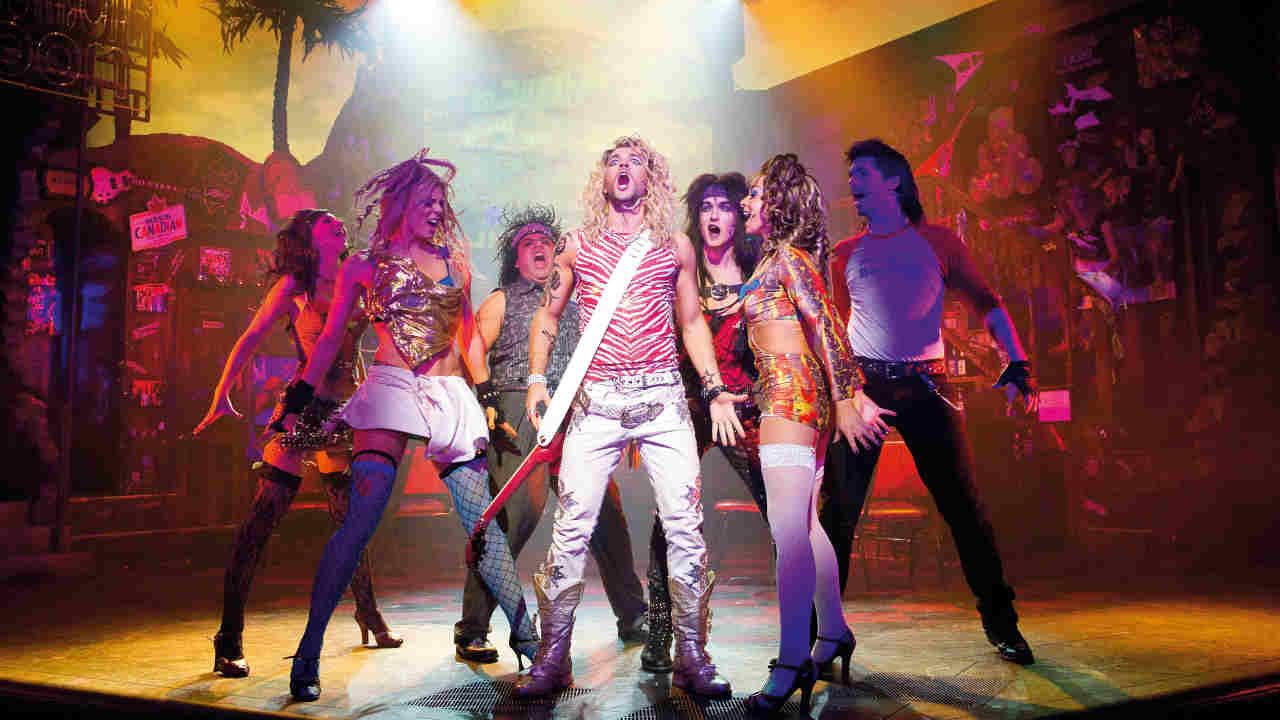
    The cast of Rock Of Ages the musical performing onstage

    The cast of the Rock Of Ages musical onstage in 2012 (Image credit: Press)

    Kevin Cronin of REO Speedwagon, whose 1980 power ballad Keep On Lovin’ You appears in the show, believes it is both spoof and celebration. “That’s why I like it,” he says. “When I first saw the play I felt equal parts honoured and horrified. But you have to be able to laugh at yourself, especially if you look back at some of the videos we made in the 1980s, and some of the hairstyles we had. They were hilarious.”

    Just as the original hair-metal bands were lambasted by the critics, so Rock Of Ages got a rough ride. Reviews for the initial LA run were sniffy, and a Las Vegas version folded after 11 nights. But once the show opened off Broadway in 2008, a rave notice in the New York Times sealed its fate. Twister Sister’s Dee Snider took over role of sleazy club owner Dennis Dupree for several months while Styx, REO Speedwagon and Foreigner played after-show concerts. Its Broadway success sealed a film deal with Warner Brothers.

    Inevitably, transferring to London last year proved a little bumpy – partly down to the fact glam metal never had the same cultural impact here first time around, and partly down to the show itself. The Guardian savaged it as ‘almost entirely free of laughs… with an unvarying and unpleasant tone of careless sexualisation’, while the Telegraph reviewer branded it ‘as unpleasant a pile of theatrical poo as it has ever been my misfortune to tread in’.

    “We thought that would make a great T-shirt,” says Weaver with a laugh. “But I can’t make someone love Whitesnake and Poison, you know?”

    However harsh the reviews, Rock Of Ages remains a runaway smash, riding the same wave of nostalgia that has seen Van Halen, Mötley Crüe and Whitesnake enjoy the sort of success they haven’t had for years. The show’s success may even have helped fuel a few resurgent careers.

    “I think it’s the opposite,” argues Kevin Cronin. “Its success is more the result of bands like us continuing to tour and our music just being such a big part of people’s lives. So when people got wind of the fact that there was a show that
    uses all their favourite rock songs, that’s why it became a success. It started with the music.”

    But how did it become so huge? Dee Snider believes the show struck a populist chord by reminding us that rock music still had rebel-outsider edge in the 1980s. “I call it a middle-finger factor,” he says. “It had a fuck-you attitude that people miss in contemporary music. There is not enough of that reckless abandon now.”

    Joe Elliott is not convinced. He suggests that Rock Of Ages proves that rock has become safe family entertainment. “It became institutionalised,” he says. “It ran out of danger after Alice Cooper. It’s part of the establishment, you can’t shock anybody any more. There’s nothing left to do except entertain.”

    Whatever the pros and cons, the fact remains that Rock Of Ages is now one of the longest-running shows currently on Broadway, which bodes well for the film version. Director Adam Shankman has reworked D’Arienzo’s original script, ditching the German villains. “I had to open the whole thing up to make the experience as epic as the music,” Shankman says. “The biggest change was making the villain a more period-realistic antagonist. So in the movie, we’ve got Catherine Zeta Jones who plays a conservative public official’s wife, trying to kill off rock and roll.”

    Ever the canny businessman, Joe Elliott admits the prospect of a big-budget Hollywood movie softened his initial doubts about Rock Of Ages. Especially when he heard Tom Cruise would be singing a classic Leppard song.

    “Not being in the stage show is one thing, not being in the movie is another,” he says. “If we say yes to this, Tom Cruise is going to do Pour Some Sugar On Me – you know, this is the Mission Impossible dude! A movie is a different beast to Broadway. This is way cooler than just being one of the songs in the stage show.”

    Naturally, all the bands involved receive royalty payments, but some are smartly using it as leverage for their own projects. Dee Snider says the exposure he received from the Broadway show boosted his reality-TV career and partly inspired his new showtunes album, Dee Does Broadway. Has Rock Of Ages been good for business?

    “Abso-fricking-lutely!” laughs Snider. “Corporate rock and hair metal are forms of music that it seems the industry would like to disavow; they would prefer they don’t exist. A show like this has reminded people these were cool songs.”

    Meanwhile, Def Leppard will tour with Poison this summer under the Rock Of Ages banner. But whether a stage and film musical can actually make 1980s glam metal cool again is a moot point, as these revved-up anthems still remain divisive, even among rock fans.
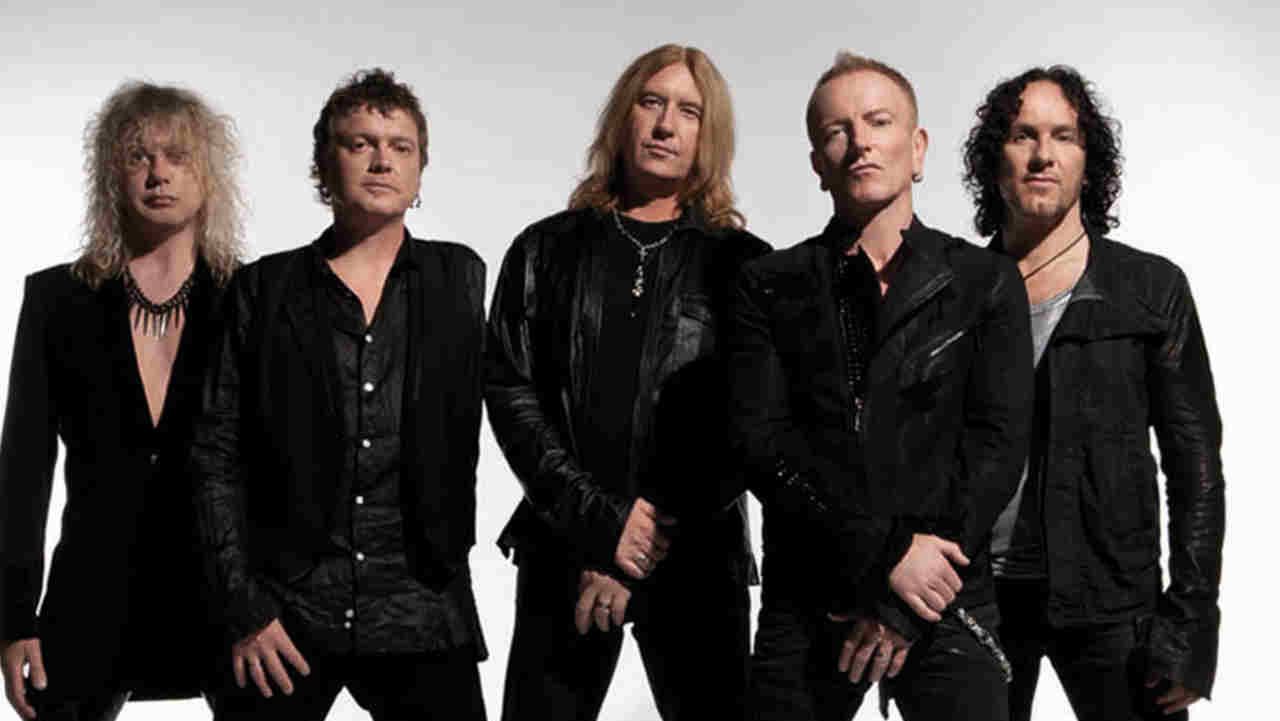
    Def Leppard posing for a photograph in 2012

    Def Leppard in 2012 (Image credit: Press)

    “It polarised opinion,” Elliott admits, “because pouffy-haired, spandex-wearing poodle rock doesn’t go down well with somebody who owns Sabbath Bloody Sabbath. But a polarised opinion is great for banter – when people say an album is ‘alright’, what the fuck is that? It’s either shit or brilliant as far as I’m concerned.”

    And is Rock Of Ages shit or brilliant? Despite what Joe Elliott says, it falls somewhere in between. The script slips into cheesy slapstick in places, and some of the jokes are as stiff as Vince Neil’s face. But the self-referential humour is much smarter than it appears, the panto aspect isn’t a world away from your average Ozzy Osbourne or Iron Maiden stage show, and as long as you’re willing to embrace rock’s sillier side, you’ll have a blast. And while you can criticise the
    kitsch nostalgia, the laboured jokes, the clothes and the hair, the songs themselves have lasted.

    “This music is not a gimmick,” nods Weaver. “It’s iconic, classic music that is going to be around for a long time. One of my greatest accomplishments, long after I pass, is that I was the man responsible for putting Whitesnake on Broadway. I take a lot of joy in that.”

    Originally published in Classic Rock issue 171 (March 2012)
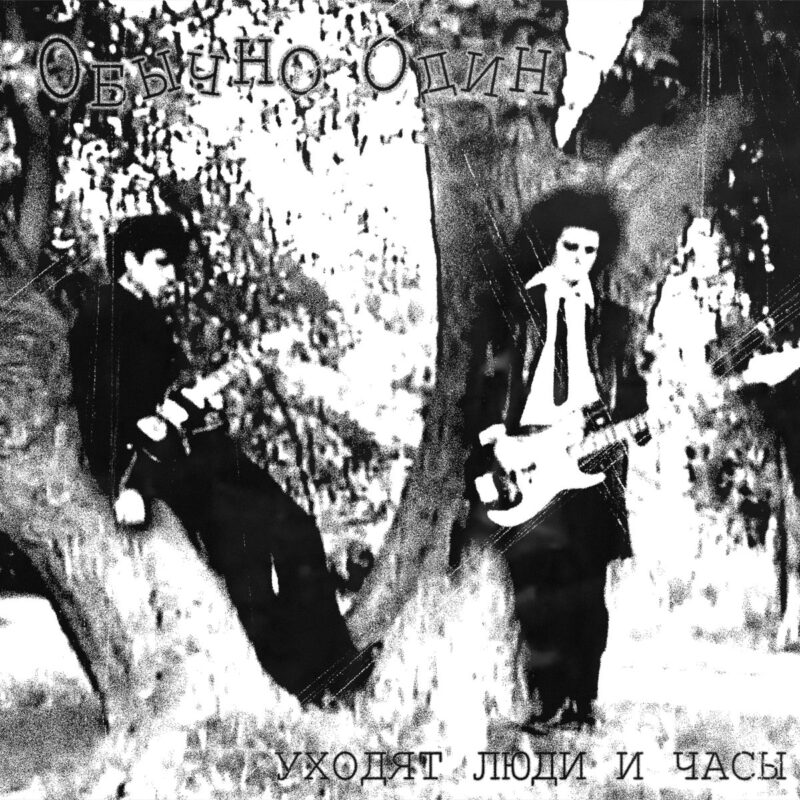
  • Review BOBBIE DAZZLE “Star Power”

    Bobbie Dazzle is the stage name of Siân Greenaway, a name some readers may still associate with Alunah. Greenaway left the band in 2024 and opened a new chapter with Bobbie Dazzle — one that shares little musical DNA with her former outfit. With Bobbie Dazzle, Greenaway has turned her attention toward glamorous rock with… Continue Reading →
  • Obychno Odyn Faces the Empty Morning in Video for Desolate Coldwave Single “Уходят люди и часы”

    People leave, and time has the appalling manners to keep moving. A night of company gives way to an empty morning; the room that briefly felt habitable becomes a place for counting what has gone missing. For Obychno Odyn, that familiar collapse belongs to a much larger uncertainty, where even the smallest assurances of affection or stability can disappear before we have learned to trust them.

    The Turin-based coldwave and post-punk project of Ukraine expat Vadym Protsenko explores that precarious existence on the new single “Уходят люди и часы”, a title that can be translated as “People and Hours Pass.” Its accompanying video, premiering here, takes the song’s profound isolation outdoors, into tall grass, wooded paths, and the dark recesses of old stone ruins.

    A crunchy snare beat marches through a wash of windlike white noise before the bass establishes its brooding, melodic pattern. There is something almost reassuring about that low-end repetition, a foothold beneath a guitar line intent on making the ground uneven. Fuzzy and discordant, the guitar bends into a jagged melody with the pinched, wayward quality of an out-of-tune saxophone. Protsenko’s voice hangs farther back, its ghostly contours extended by cold reverb, as though the words have traveled across an empty building before reaching us. It makes an appropriately spectral opening to October, with enough rhythmic insistence to keep despair on its feet.

    The Russian-language lyrics describe a life in which direction and meaning are gradually becoming illegible. People and hours depart together, leaving little beyond the silent business of passing time. A burning planet continues to turn while everyone attends to their own concerns; words are thrown away, and even home offers no guarantee of freedom. Against that wider devastation, the possibility of being needed becomes a modest, painfully temporary refuge. The closing lines, translated into English, bring that feeling into focus:

    “Sometimes, we are needed by someone
    Sometimes, at night, we are not alone.
    But then the morning comes
    And once again, there is not a soul nearby”

    That repeated “Sometimes” allows a little tenderness into the song, then measures how briefly it lasts. Morning brings the return of the same absence, sharpened by having been interrupted. The bleakness comes from knowing that closeness is possible while having no confidence that it will remain.

    The video gives that uncertainty a grainy, unsettled physical presence. Guitar and bass performances alternate between daylight beneath the trees and murky passages enclosed by masonry. Close-ups catch faces through branches and long grass; elsewhere, the image turns upside down, briefly dislodging the performers from solid ground. The greenery crowds the frame, making these open spaces feel surprisingly secluded. There is an appealing awkwardness to the musicians’ black clothes against all that growth, as though they have brought the emotional temperature of an empty club into the middle of the afternoon.

    Watch the video for “Уходят люди и часы” below:

    Protsenko founded Obychno Odyn in Bucharest in 2025, responding to global upheaval and the situation in his home country. Writing in Russian and English, he draws on the French coldwave of the 1980s, particularly Trop Tard and Bunker Strasse. The eight-song debut album Излияние (Outpouring) followed in 2026, alongside the project’s first live performances in Bucharest, with DJ sets by Corina Sucarov. The solo project expands into a duo onstage: Protsenko handles vocals and guitar, joined by bassist Marcello Aloisio, who became part of the live lineup this year.

    “Уходят люди и часы” is available now on streaming platforms. Listen below and purchase the single via Bandcamp.

    Follow Obychno Odyn:

    Obychno Odyn — Уходят люди и часы single artwork

    The post Obychno Odyn Faces the Empty Morning in Video for Desolate Coldwave Single “Уходят люди и часы” appeared first on Post-Punk.com.

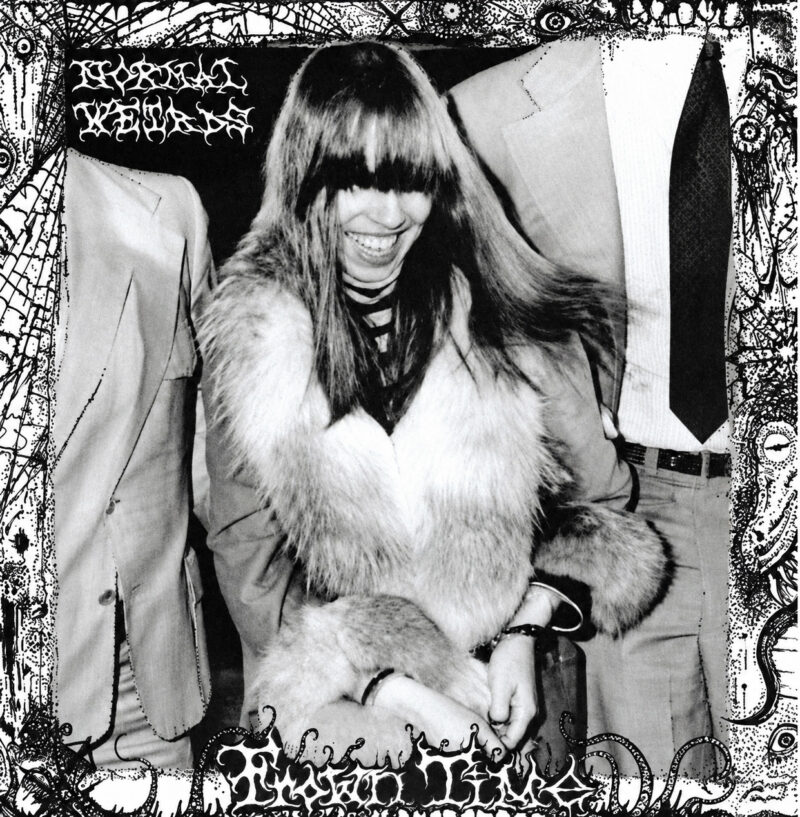
  • East Bay Deathpunks Normal Weirds Stare Down Mortality on New Album “Frown Time”

    Deathrock has always had a practical relationship with bad news. A macabre sense of mortality supplies the subject matter, punk supplies the impatience, and everyday life keeps renewing the subscription. East Bay four-piece Normal Weirds bring those concerns together on Frown Time, a title that sounds reasonably restrained given the circumstances.

    Released October 2, the band’s second full-length gathers ten songs that push further into deathpunk and deathrock while retaining their anarcho-punk roots and post-punk unease. The band’s own description, “deathrock gloom dragged through the dirt of punk,” gives a useful indication of the record’s priorities: atmosphere, abrasion, and the urgency of having something unpleasant to get off your chest.

    Normal Weirds released their debut album, Same Difference, in 2024, followed by the six-song EP No Lease On Life in 2025. The debut examined growing up and working free of the circumstances that had already laid out a person’s future. Taken alongside that earlier record, Frown Time suggests a widening field of concern, with individual frustration meeting the larger sense that the whole arrangement is becoming increasingly fucked.

    Driving basslines and hard, direct drums provide the foundation, with guitars moving between wiry punk attack and darker passages thickened by effects. Urgent, sometimes theatrical vocals heighten the unease, while lean arrangements preserve the roughness of the band’s approach. The emphasis stays on noise, tension, and the force of the playing, giving their darker direction a distinctly physical edge.

    The band offers Rudimentary Peni, Cemetery, T.S.O.L., and Chain Cult as points of comparison. “Deathpunk” feels like a useful shorthand for the territory they describe, where punk aggression and deathrock atmosphere share the same cramped quarters. Across their releases, Normal Weirds have increasingly brought those impulses together, giving the darker material a harder and more direct frame.

    Mortality, alienation, and everyday absurdity run through the album’s lyrical concerns. Its ominous mood draws on both personal experience and a broader disillusionment with the present. There is a bluntness to the title that suits that outlook: Frown Time makes room for the irritation and apprehension people are often expected to swallow while getting on with their day.

    Frown Time was recorded, mixed, and produced by Skot Brown of Altar De Fey and mastered by Greg Wilkinson.

    The album is available to stream and purchase on Bandcamp here. It will be released on other streaming platforms, excluding Spotify, on October 16, 2026.

    Listen to Frown Time below:

    Follow Normal Weirds:

    Normal Weirds — Frown Time album artwork

    The post East Bay Deathpunks Normal Weirds Stare Down Mortality on New Album “Frown Time” appeared first on Post-Punk.com.

  • L0VE Share New Track “There Will Be Signs”

    L0VE. is multi-dynamic rock music project born in 2026. The bands sonic identity balances raw emotional connection with expansive, cinematic arrangements, prioritizing feelings over everything. The creative direction moves between vulnerability and aggression seamlessly. It’s about the small battles we fight in our minds and emotions. No masks. No distance. Human connection. Longing, connection, loneliness, […]

  • Fiona’s Phobias Turns Burnout and Obsession Into a Gothic Rock Opera on “DEMOnS Vol. 1”

    Somewhere between the panic attack and the curtain call, Fiona’s Phobias have found a rather entertaining place to set up shop. Their six-track EP DEMOnS Vol. 1 dresses burnout, self-disgust, and impossible attachments in gothic metal, pop punk, and dark cabaret, with enough theatrical excess to suggest that the orchestra pit has opened directly into hell. The jokes have teeth, the guitars favor elaborate flourishes, and the people inside these songs keep discovering that their favorite distractions have become further reasons to worry.

    Formed in 2022, the project pairs the deliberately elusive Nikki L with vocalist Krisanna Marie, whose background includes Hatesex, Penis Flytrap, and burlesque fire Go-Go performance. Their own comparison of the working relationship to The Phantom of the Opera seems appropriate for music so fond of trapdoors and dramatic entrances. Marie’s ability to move from a knowing, almost conversational delivery into operatic gestures gives these elaborate arrangements a useful center: someone has to keep an eye on the audience while the scenery catches fire.

    Euphoria is Tragic starts with a chugging guitar figure planted between punk and metal, while Marie brings a retro rock directness to its catalogue of procrastination and depleted pleasure. Around the minute mark, the arrangement grows dense with baroque embellishment; a wiry solo takes on something of an electric violin’s bite. The bright momentum makes an effective companion to lyrics about getting bored with your own bad habits. “I feel my powers wane; a witch without her magic” supplies the perfect image for that particular exhaustion, when yesterday’s magnificent escape becomes today’s inability to answer an email.

    The theatrical scale expands on Play It Cool, which sets an almost lounge-like opening vocal against metal accents before breaking into a gallop. There is something of Malice Mizer’s baroque grandeur in the meeting of ornate arrangements and vocal melodrama, with the forward motion suggesting the carriage from Castlevania: Rondo of Blood racing toward Dracula’s front door. Beneath the spectacle lies a grimly familiar instruction: take your pill, eat your food, behave, and convince everyone that nothing is wrong. As Marie’s singing becomes more operatic, the pressure to appear composed turns increasingly sinister, eventually spilling into the song’s bloodied escape fantasy.

    Imaginary Sins brings piano, nimble bass, and busy drums into a crooked little cabaret before the heavier ornamentation takes over. Guitar flourishes answer the rhythm’s clipped figures, and goblin-like responses jostle Marie’s lead, as though every unwanted thought has secured a speaking part. Its funniest lyric finds the bodily absurdity inside a familiar wish: “Wishin’ I was pretty on the inside – But there’s just guts.” Jealousy, appetite, and self-absorption populate this ballroom of dancing demons, while the music’s constant activity makes obsession feel exhausting even at its most playful.

    The cover of Bang Bang, offered as an ode to Kill Bill, fits neatly among these accounts of love going horribly wrong. A Phantom-style organ opening and old-school metal guitar melody send the song toward the grand, charging territory of Bonnie Tyler’s Holding Out for a Hero. Its childhood games and adult abandonment acquire the dimensions of a stage tragedy, complete with an ornate guitar solo. Placed between the EP’s psychological grotesques, the familiar tune becomes another example of affection leaving somebody flat on the floor.

    Whispers and giallo-like synth tones introduce She Loves To Kiss That Doll, before sweeping guitars open the room around Marie’s voice. An operatic interlude, edged with chimes, suspends the heavier movement as she sings of attachment to a figure whose beauty depends on a terrible act of denial. Stuffing, cold hands, and the replacement of blood with a handsome face turn romantic idealization into physical horror. The return of the metal arrangement gives that revelation force, while the lyric’s eventual admission that he has long been dead makes the tenderness more disturbing than any decorative cobweb could manage.

    Closing track Bittersweet Darling begins with chilly piano and the worn texture of an old recording, then carries that melodic idea into a broad sweep of gothic guitar. Progressive tempo changes unsettle a romance conducted through black-and-white television images, broken mirrors, and the comfort of a boxed-up illusion. Its lover remains available because the screen can keep performing; the person watching has surrendered something harder to recover. By the final turn toward the knife and the closing credits, the song has brought the EP’s appetite for spectacle into uncomfortable proximity with self-destruction.

    Across DEMOnS Vol. 1, the sheer amount of decoration can crowd the stage, but Marie’s shifts in delivery and the songs’ sharply drawn situations keep the excess purposeful. Fiona’s Phobias are especially effective when a grotesque image exposes an ordinary humiliation: craving attention while avoiding people, mistaking possession for love, or spending all your energy on the thing that leaves you empty. They have given those contradictions a lavish production, and the casting department appears to have found plenty of monsters willing to sing.

    DEMOnS Vol. 1 is out now, released October 2 via Misophoniac Rabbit. Listen below and find the EP on Bandcamp and Spotify.

    Follow Fiona’s Phobias:

    Fiona’s Phobias DEMOnS Vol. 1 EP artwork

    The post Fiona’s Phobias Turns Burnout and Obsession Into a Gothic Rock Opera on “DEMOnS Vol. 1” appeared first on Post-Punk.com.

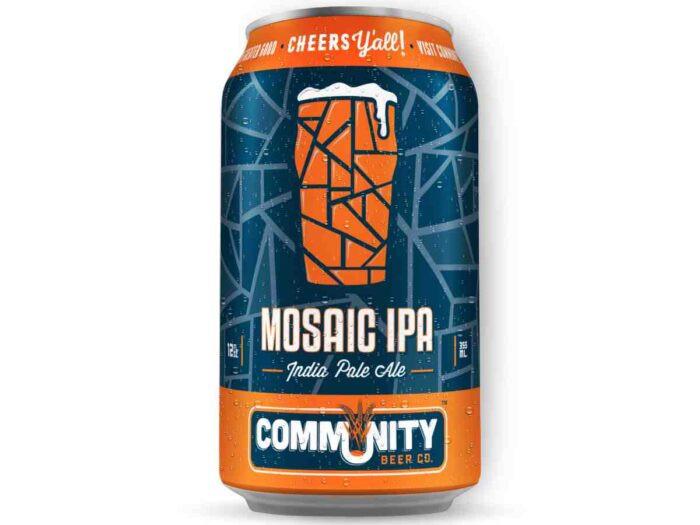
  • Community Beer Company – Mosaic India Pale Ale (2026)

    Mosaic India Pale Ale is like the shooter at a bank robbery: everyone acknowledges he was there, but no one can describe him. It tastes like a Michelob-Miller crossover designed in IPA format, and is quite good.

    At the same time, would I buy it again? Probably not, since its character is not rough but smooth, and not purposive but strategic. This beer will offend no one, but I like a beer that calls me a pig fucker and slaps my face.

    One of the cleaner beers on the market, Mosaic India Pale Ale goes down smooth and resists degradation with a little heat. But in the end, it has minimal character and maximal snooze f/x. Sorry guys.