Why Mist Creates Mystery
Mist changes the way we see the world. A familiar landscape becomes unfamiliar. Distances seem uncertain. Shapes emerge and disappear without warning. What was obvious moments before suddenly feels hidden. Nothing has actually changed.
The road remains where it was. The trees still stand in the same place. The buildings have not moved. Yet perception tells a different story. This transformation helps explain why mist has fascinated artists, writers, filmmakers, and storytellers for centuries. Few natural phenomena create mystery so effortlessly.
The reason is psychological. Human beings are uncomfortable with incomplete information. The mind constantly attempts to identify patterns, interpret surroundings, and construct coherent explanations. Mist interrupts that process. It conceals enough detail to create uncertainty while revealing enough to keep curiosity alive.
The result is a powerful tension. We want to know what lies beyond the fog, yet the fog prevents certainty. Mystery begins in that space. For Gothic and noir storytelling, this quality is invaluable. Both traditions depend upon uncertainty. Both thrive on hidden truths, unreliable perceptions, and the unsettling possibility that reality may be more complicated than it appears.
Mist turns those ideas into a visual experience. It allows ordinary environments to become strange without changing them at all. That is why a fog-covered road can feel more unsettling than a dark room. Darkness hides everything. Mist hides only enough.

Why the Unknown Captures Attention
Psychologists have long observed that uncertainty attracts attention more effectively than certainty.
When information is complete, the mind quickly moves on. When information is incomplete, curiosity remains active. Questions emerge. Possibilities multiply. The imagination begins searching for answers.
Mist creates precisely this condition.
A distant figure appears through the fog. The viewer immediately begins constructing explanations. Is it a person? A tree? A trick of perspective? The uncertainty itself becomes the source of interest.
This reaction is deeply human.
Throughout evolution, interpreting incomplete information often carried survival value. Ambiguous shapes and uncertain sounds demanded attention because they could signal opportunity or danger.
Modern life rarely requires such vigilance, yet the psychological mechanism remains.
The unknown still commands our focus.
Mist therefore operates as more than weather. It becomes a visual expression of uncertainty, transforming ordinary scenes into puzzles that invite interpretation.
Mist and the Gothic Imagination
Gothic literature quickly recognized the narrative potential of obscured landscapes.
The genre repeatedly places characters in environments where certainty becomes difficult. Remote castles, ruined abbeys, lonely roads, forests, and graveyards all create opportunities for perception to become unreliable.
Mist intensifies that uncertainty.
Ann Radcliffe frequently used partially concealed landscapes in novels such as The Mysteries of Udolpho. The reader senses that secrets exist beyond immediate perception, creating suspense long before any revelation occurs.
Bram Stoker employed mist even more directly in Dracula.
The vampire’s association with fog reinforces his connection to transformation and uncertainty. Boundaries dissolve. Shapes shift. Reality becomes unstable.
These works reveal an important Gothic principle.
Fear rarely comes from what we fully understand.
Fear emerges from what remains partially hidden.
Mist creates the perfect environment for that uncertainty to flourish.
Why Landscapes Become Mysterious
Mist does not create mystery by adding something new to a landscape.
It creates mystery by taking information away.
A ruined church seen clearly during daylight may appear historical or picturesque. The same structure viewed through drifting fog suddenly feels enigmatic. Questions emerge where certainty once existed.
What lies beyond the visible walls?
How far does the structure extend?
What remains hidden from view?
The location itself has not changed.
Only perception has changed.
This relationship between obscurity and imagination explains why mist remains one of the most effective atmospheric tools in Gothic aesthetics. It transforms ordinary spaces into places where possibilities seem endless and answers remain just beyond reach.
The landscape becomes mysterious because the viewer becomes uncertain.
Mist and Moral Ambiguity in Noir Cinema
If Gothic literature uses mist to create fear of the unknown, noir cinema uses it to create uncertainty about truth.
Film noir emerged during the 1940s and 1950s as a cinematic style obsessed with deception, hidden motives, and moral ambiguity. Detectives pursue incomplete clues. Witnesses conceal information. Criminals appear respectable. Innocent people prove dangerous.
Certainty becomes difficult to find.
Mist naturally complements this worldview.
Unlike darkness, which removes information entirely, fog offers fragments. A figure appears at the end of a street. A silhouette moves through the haze. Details emerge slowly rather than all at once.
The audience experiences the same uncertainty confronting the characters.
Classic noir frequently used fog-covered streets, waterfronts, and cityscapes to reinforce this atmosphere of doubt. The environment itself seemed unwilling to reveal the full truth. Viewers were encouraged to question what they saw and to suspect that important information remained hidden just beyond the frame.
This is why mist feels so natural within noir storytelling.
The genre is built upon incomplete knowledge.
Fog simply gives that uncertainty a visible form.
Mist in Painting: The Art of Suggestion
Long before cinema, painters understood that suggestion could be more powerful than description.
A fully visible landscape provides information.
A partially concealed landscape invites participation.
The viewer becomes responsible for completing the image.
Caspar David Friedrich mastered this approach in works such as Wanderer Above the Sea of Fog. The painting presents a solitary figure overlooking a mist-covered landscape whose full form remains hidden from view.
The scene feels mysterious not because something frightening is visible but because so much remains unseen.
The viewer’s imagination fills the gaps.
J. M. W. Turner explored similar effects through atmosphere and light. In many of his paintings, mist blurs distinctions between land, sea, sky, and weather. Boundaries dissolve. Forms become uncertain.
The landscape appears suspended between reality and dream.
These artists recognized an important truth about mystery.
People often become more engaged when they are required to imagine part of what they see.
Mist transforms viewers from observers into collaborators.
Why Mist Feels Different from Darkness
At first glance, darkness and mist seem to accomplish the same goal.
Both reduce visibility, and both create uncertainty.
Both appear frequently in Gothic and noir imagery.
Yet their psychological effects differ significantly.
Darkness conceals completely.
Mist conceals selectively.
This difference explains why fog often feels more mysterious than night itself.
When something disappears into darkness, the viewer accepts that information is unavailable. Mist creates a more frustrating and intriguing experience. Objects remain partially visible. Shapes emerge without explanation. The possibility of understanding feels close yet remains unattainable.
The viewer receives clues rather than answers.
A road extends into the fog.
A figure appears and vanishes.
A building emerges only in fragments.
Each image suggests that something lies beyond perception.
Mystery depends upon that suggestion.
Darkness closes a door.
Mist leaves it slightly open.
When the Environment Becomes a Character
The most effective use of mist occurs when it transforms the environment into an active participant in the story.
In both Gothic and noir traditions, landscapes often influence emotion as strongly as the characters themselves.
A fog-covered street does not feel neutral.
A mist-filled forest does not feel ordinary.
The environment begins shaping expectations before any significant event occurs.
Audiences instinctively sense that uncertainty has entered the narrative.
Something remains hidden.
Something has yet to be revealed.
The weather becomes symbolic.
Mist signals transition, discovery, and the possibility that reality may not be what it first appears to be.
The landscape stops functioning as a backdrop.
It becomes part of the mystery itself.
Modern Horror and the Fear of Uncertainty
Contemporary horror continues to rely on the psychological power of mist.
Despite advances in visual effects and digital technology, filmmakers and writers repeatedly return to fog, haze, and obscured environments when attempting to create suspense.
The reason is surprisingly simple.
Fear often emerges more effectively from uncertainty than from direct revelation.
Once a threat becomes fully visible, the imagination loses part of its role. The audience understands what it is facing. Mist delays that understanding.
The viewer sees evidence before seeing the explanation.
A distant silhouette appears through fog. Movement occurs at the edge of perception. Shapes emerge and disappear before they can be identified.
The mind immediately begins constructing possibilities.
Many modern horror creators exploit this process because imagined threats often feel more disturbing than visible ones. The audience becomes an active participant in generating fear.
The mist does not hide the monster.
It allows the imagination to create something potentially worse.
Why the Unknown Remains Fascinating
The appeal of mist extends beyond fear.
Human beings are naturally drawn toward mysteries. Curiosity encourages exploration, discovery, and creativity. The unknown may be unsettling, but it is also irresistible.
Mist embodies this contradiction.
It simultaneously invites and resists understanding.
A completely visible landscape offers information. A completely hidden landscape offers none. Mist occupies the space between those extremes, providing enough detail to inspire curiosity while withholding enough to sustain wonder.
This balance helps explain why mist appears so frequently in folklore, literature, painting, cinema, and photography.
The phenomenon creates a threshold between the familiar and the unfamiliar. Ordinary places suddenly appear transformed. Known environments acquire unexpected possibilities.
The world feels larger than it did moments before.
Mystery emerges not because reality changes but because perception changes.
The Psychology of What We Cannot See
At its deepest level, the symbolism of mist reflects a fundamental aspect of human experience.
People rarely possess complete knowledge of the world around them. The future remains uncertain. Other minds remain partially inaccessible. Even our understanding of ourselves is often incomplete.
Mist becomes a powerful metaphor for these limitations.
The obscured landscape mirrors the uncertainty that accompanies much of life. We move forward without seeing everything clearly and we make decisions based upon partial information. We navigate realities that remain, at least in part, hidden from view.
This is why mist appears across so many artistic traditions.
It is not merely a weather condition.
It is a visual expression of uncertainty itself.
Artists return to it repeatedly because the image speaks to something universal: the tension between what we know and what remains unknown.
The Enduring Power of the Unseen
The enduring fascination with mist ultimately comes from a simple psychological truth.
Human beings fear and desire the unknown at the same time.
Mist transforms that contradiction into a visible experience. It hides details while encouraging curiosity, and it limits perception while stimulating imagination. It creates uncertainty while inviting interpretation.
Gothic writers understood this.
Noir filmmakers understood this.
Painters, photographers, and horror creators continue to understand it today.
The most effective mysteries rarely reveal everything at once. They allow the imagination to participate. They leave space for doubt, anticipation, and possibility.
Mist achieves exactly that effect.
It reminds us that mystery does not begin when something appears.
Mystery begins when something remains partially hidden.
That is why a fog-covered road, a shadowy landscape, or a figure emerging through mist can feel so compelling.
We are not merely looking at the unknown.
We are imagining what might exist beyond it.
Wear the Darkness
If Why Mist Creates Mystery deepened your appreciation for Gothic atmospheres, noir aesthetics, and the psychology of uncertainty, explore the Edgar Allan Poets store. Our apparel celebrates the symbols, moods, and stories that continue shaping dark culture.

Frequently Asked Questions
Why does mist create mystery?
Mist creates mystery because it limits perception while stimulating imagination. People naturally try to fill gaps in incomplete information, making obscured environments feel intriguing or unsettling.
Why is mist common in Gothic literature?
Gothic literature uses mist to create uncertainty, obscure threats, and transform ordinary landscapes into mysterious spaces where fear and imagination can flourish.
How does mist function in noir films?
In noir cinema, mist often reflects incomplete knowledge, hidden motives, and moral ambiguity. It visually reinforces stories built around uncertainty and deception.
What is the psychological effect of fog?
Fog increases attention and curiosity by reducing visual certainty. The brain becomes more active in interpreting its surroundings, often generating possibilities that may not actually exist.
Why do artists frequently use mist in visual storytelling?
Mist allows artists to suggest rather than reveal. By concealing part of a scene, it encourages viewers to participate through imagination and interpretation.
The post Why Mist Creates Mystery appeared first on Edgar Allan Poets – Noir Rock Band.
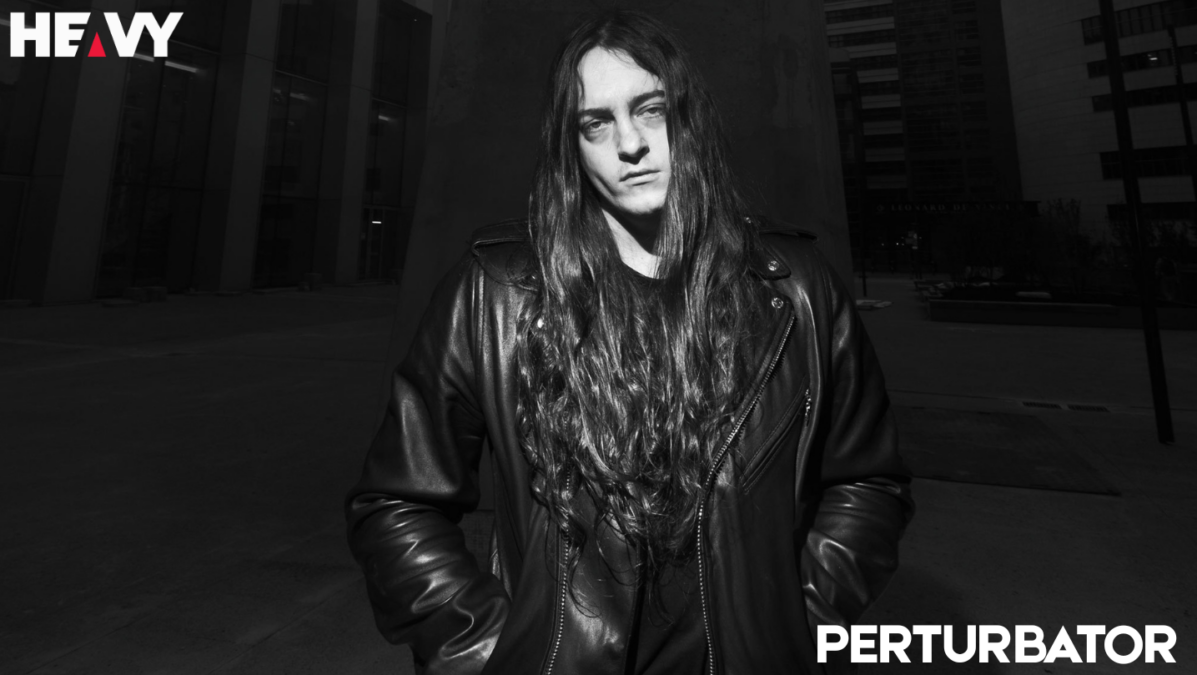 Interview by Angela Croudace Synth-driven producer Perturbator is heading back to Australia next month, joining HEALTH‘s tour as support after the two acts crossed paths through mutual popularity in the region. In a new interview, the artist explained the tour was an easy yes: a chance to return to a country he already loves, paired […]
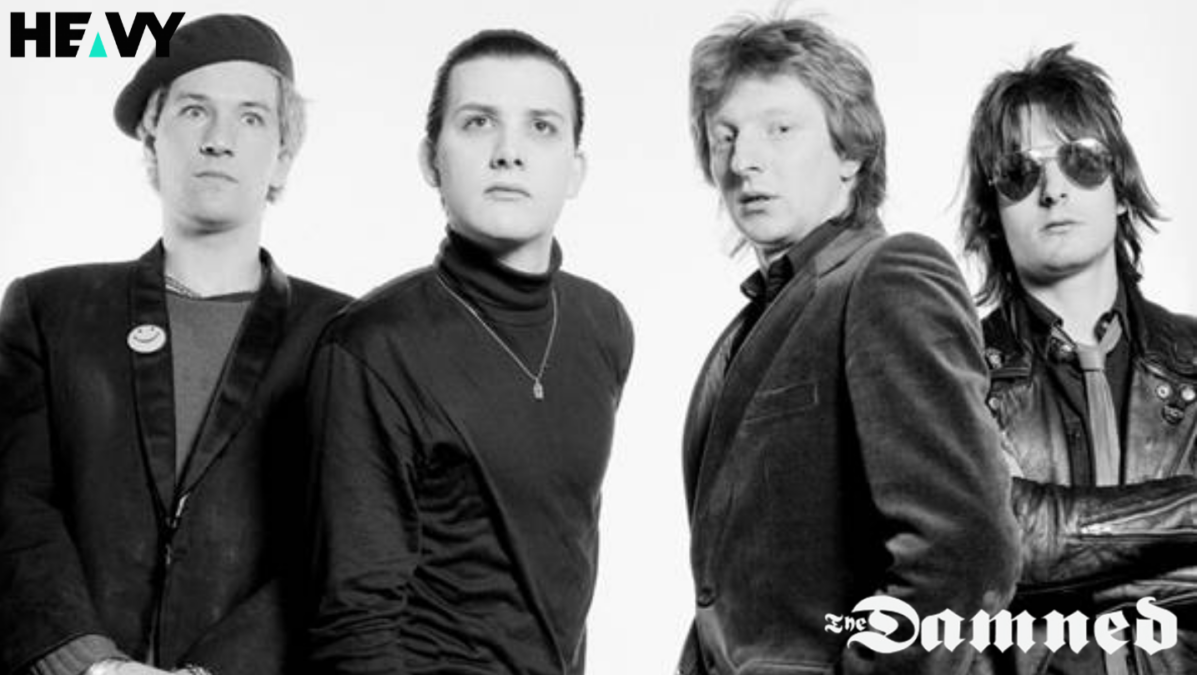 Interview by Angela Croudace Fifty years after helping ignite the UK punk movement, Captain Sensible still sounds pleasantly surprised that The Damned are standing strong. Speaking ahead of the band’s Australian 50th Anniversary Tour this September, the guitarist reflected on a career that has taken the group from playing tiny pubs to prestigious venues that […]
 STREAM THE METAL BREAKDOWN DAILY NOW:
 LIVE & LOUD: Stream the World’s Hardest Radio Station 24/7